That Itchy Welt After Pulling Arizona Weeds May Not Be a Bite at All
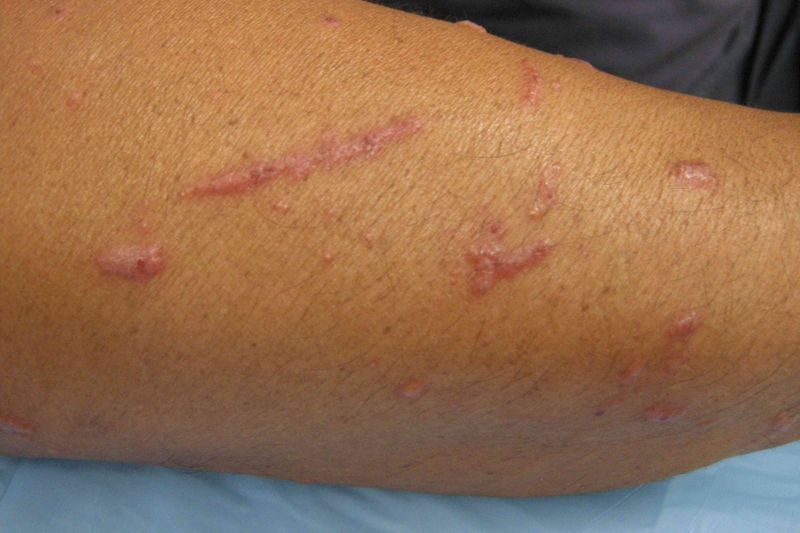
You pulled a few weeds, went inside, and now there is an itchy welt on your arm or leg. It is easy to blame a bug, but the cause is often a mystery.
Plants, caterpillars, ants, and flying insects can all leave a mark after yard work. Here is how to think through the possibilities and what to do next.
A welt does not identify its cause
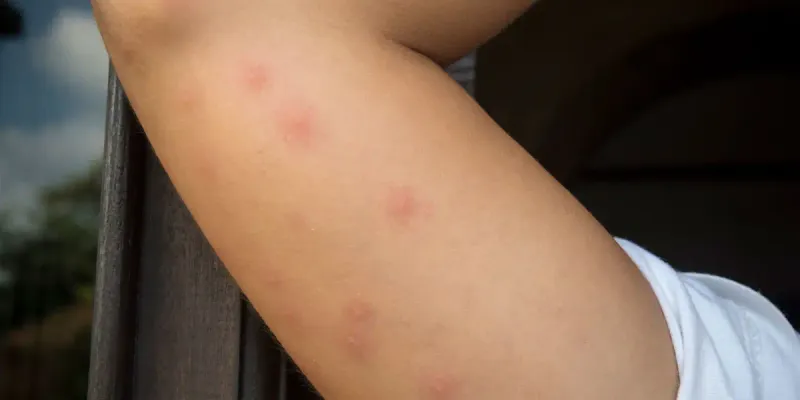
Calling a mark a welt only describes what your skin is doing. It does not tell you what caused it.
A raised, itchy spot can come from an insect, a plant, or even contact with tiny hairs you never noticed.
Arizona pest experts note that people often blame bites for itching even when no insect evidence turns up. So the lack of a visible bug does not settle anything, and neither does the look of the mark.
Chiggers are a good example of a popular guess. Intense itching that shows up later does not prove a chigger bite.
CDC research describes chiggers attaching to the skin surface rather than burrowing under it.
Mosquitoes stay on the list too. Their bites can leave itchy bumps, and appearance alone cannot rule them in or out.
Think of the next sections as a list of possibilities, not a diagnosis.
Spurge sap can irritate sensitive skin
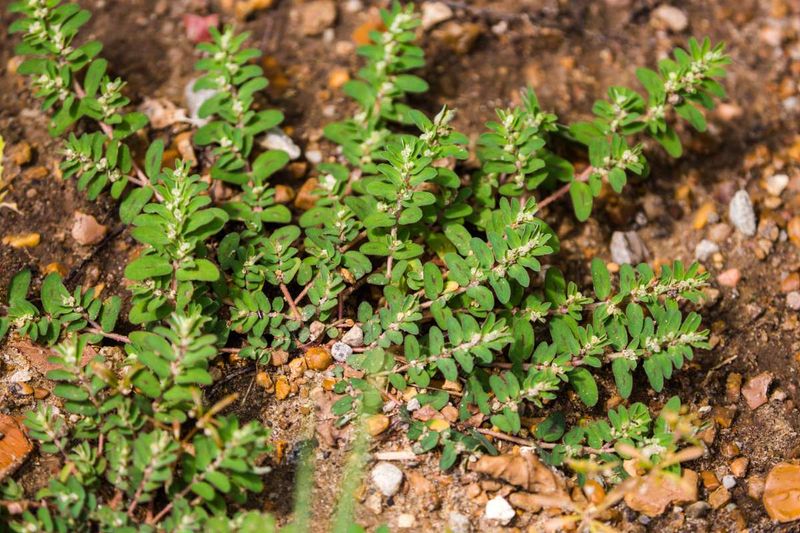
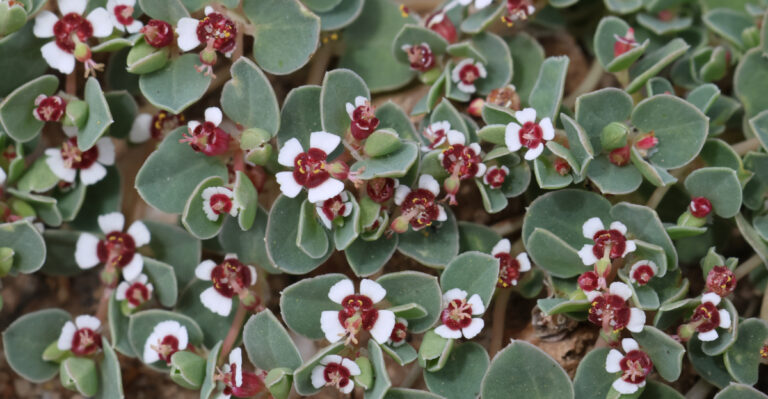
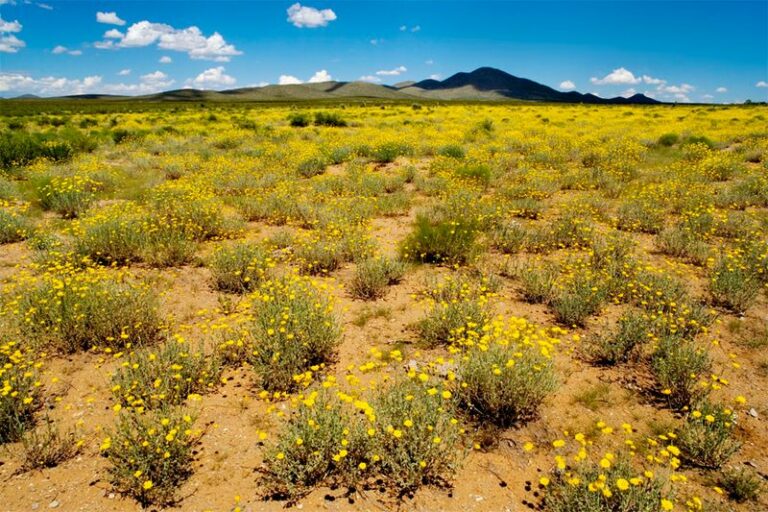
Spurges are warm-season weeds that pop up across Arizona’s low deserts, often in gravel, planters, and along sidewalks. Break a stem and you may see milky sap ooze out.
According to Arizona extension guidance, that sap can cause contact dermatitis in sensitive people. It can also irritate the eyes, so touching your face while weeding is a bad idea.
Not everyone reacts. Some people handle spurge with no trouble at all, while others get red, itchy skin where the sap touched.
A plant reaction is not an insect bite, even though it can feel similar. If the itchy area lines up with where you gripped or brushed against the weeds, plant contact is one reasonable possibility to keep in mind.
It is a clue, not proof.
Disturbing weeds may expose stinging ants
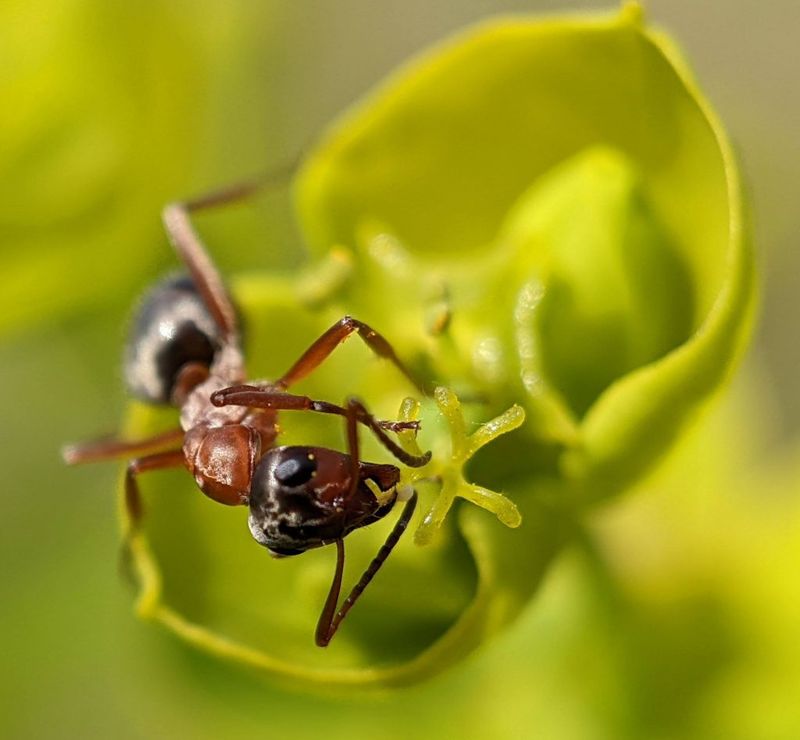
Weeds are not always empty. Arizona spurges may shelter defensive stinging ants, so yanking a plant out can stir up a colony that was minding its own business.
That means two separate things could happen at once. You might get a real sting, and you might also get sap on your skin.
Either one can leave an itchy or sore mark.
Extension information on managing spurge points out that these plants can harbor such ants. That is a useful heads-up before you reach into a patch bare-handed.
Finding spurge nearby does not tell you what caused your welt, though. Plenty of weed patches have no ants, and plenty of welts have nothing to do with them.
Caterpillar hairs can cause welts without a bite
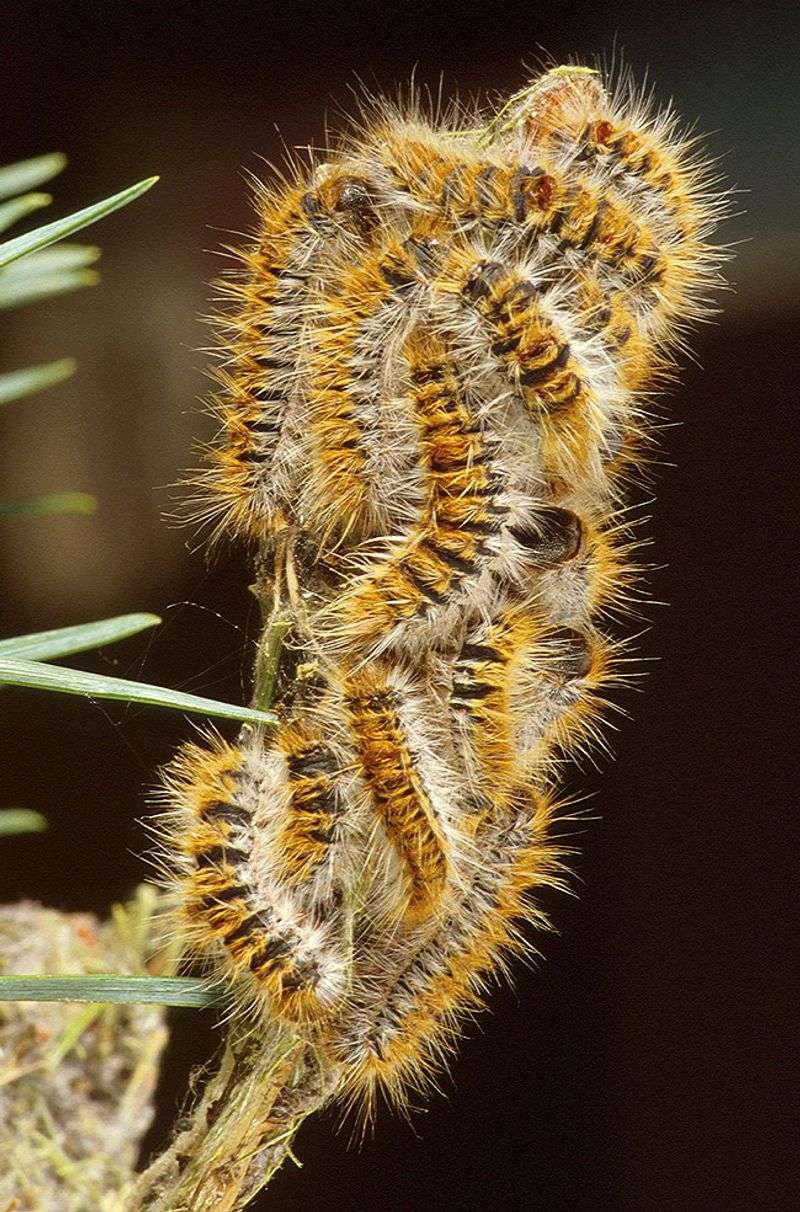
Some caterpillars carry tiny hairs or spines that can cause trouble even when you never see the caterpillar. Brushing one while gardening may be enough.
Your Arizona Garden Changes Every Week. Your Plan Should Too.
Gardening in Arizona changes quickly throughout the season. Every Friday you’ll receive a simple weekly plan showing exactly what to plant, prune, fertilize, harvest, and protect so you never miss the right timing.
Poison Control says caterpillar contact can cause burning or stinging, itching, swelling, welts, or blisters. Those symptoms are common to many causes, so they will not tell you which caterpillar was involved.
If you suspect hairs are on your skin, look closely for tiny bristles. Press a piece of tape over the area, lift it off, and repeat to remove visible hairs.
Then gently wash the spot with soap and water.
Skip handling the caterpillar itself to check. Leave it alone, and wear gloves next time you work around plants where one may be hiding.
Biting midges are one possible bite
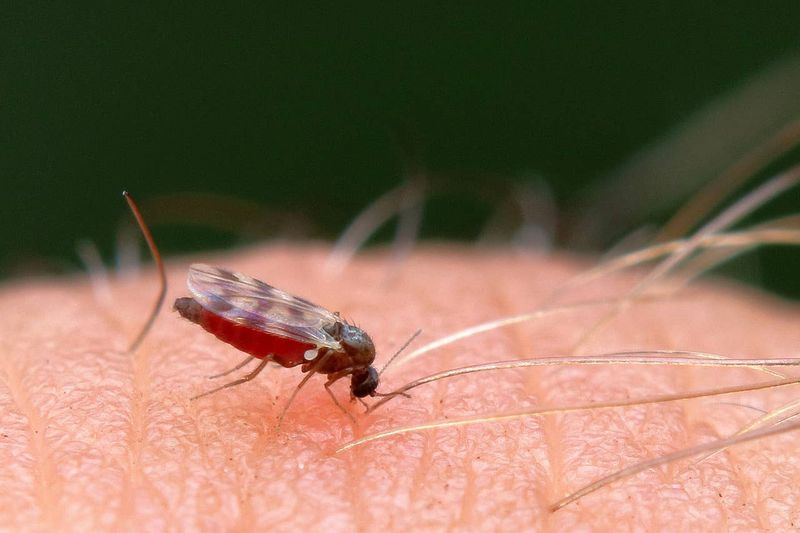
If a bite is involved, biting midges, often called no-see-ums, are one plausible suspect. They are so small that many people never spot them.
Arizona extension information on biting midges says their bites can leave small, intensely itchy red welts or blisters. They tend to be active around dawn or dusk.
They can also breed in damp organic matter, including over-irrigated landscaping. A soggy planter or a constantly wet bed near where you worked adds some context.
Still, that is background, not a test. Many things leave small itchy bumps, so a welt by itself cannot tell you a midge was the cause.
Mosquitoes remain possible
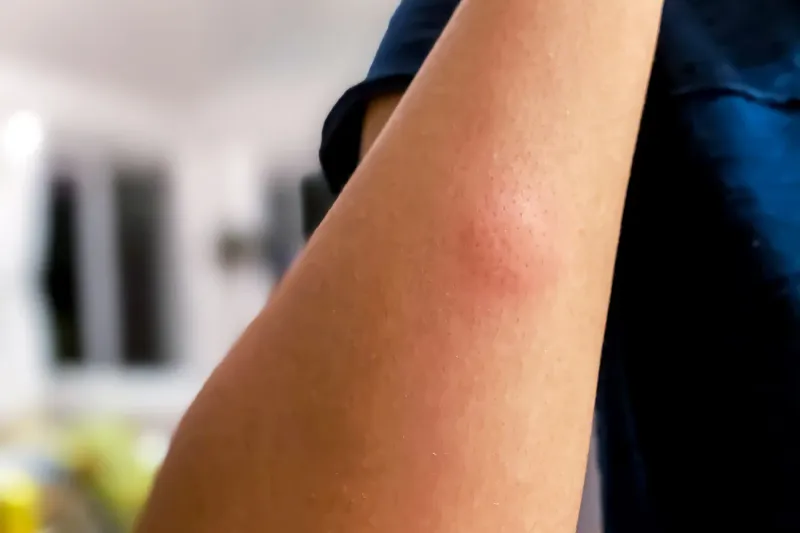
Even with all the other suspects, mosquitoes deserve a spot on the list. They are common around irrigated yards and standing water, and weed pulling can take you right through their hiding places.
According to Mayo Clinic, mosquito bites can form itchy bumps, and some people have unusually large local reactions.
So a big welt does not rule a mosquito out. A strong itch does not rule one in.
The timing after yard work does not settle it either.
Keep an open mind. A welt that looks dramatic can still come from a mosquito, and a modest one can come from something else entirely.
An attached tick changes the next step
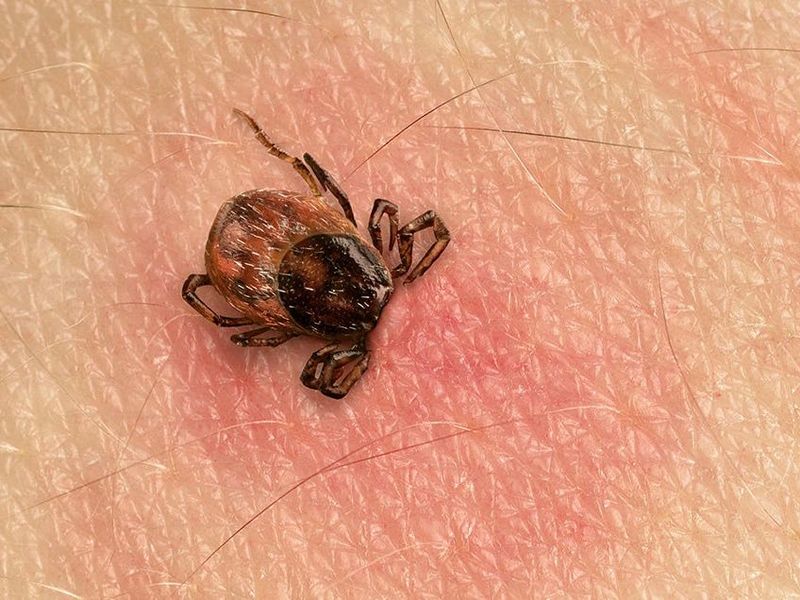
A welt on its own is not a sign of a tick bite. What changes the plan is finding a tick actually attached to your skin.
If you do, CDC guidance says to remove it promptly with tweezers. Grasp it close to the skin and pull upward with steady pressure.
Afterward, clean the area and keep an eye on how you feel. If a rash or fever develops in the following days or weeks, seek medical advice and mention the tick.
No tick found means there is no reason to assume one. Treat an unexplained welt as one of the other possibilities in this article.
Use the scene as a clue, not a test
Think back over the afternoon like a detective. When did the itch start?
Where on your body is the mark? Did pain or itching come first?
Next, picture the scene. Which plants did you handle?
Did you notice insects, caterpillars, or damp soil? Was anyone else working beside you, and did they get marks too?
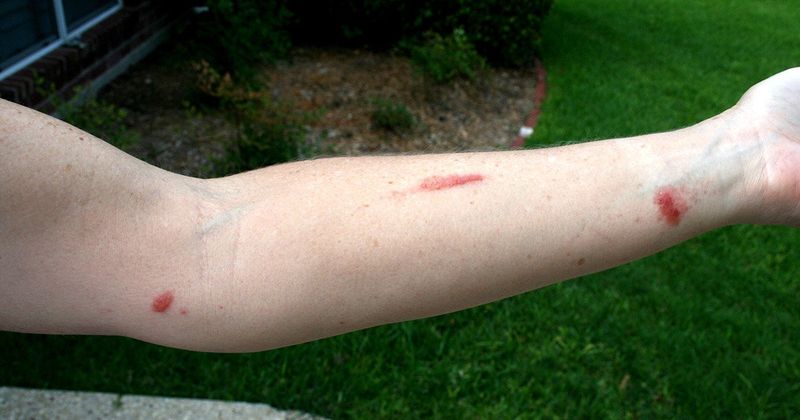
Each answer can nudge the odds. A mark on bare forearms that gripped weeds fits plant contact or a sting.
Several people itching after dusk fits a different story than one person alone.
Still, these are hints and not a lab result. Arizona pest specialists remind readers that itching has many possible sources, so hold your conclusions loosely.
Respond to the exposure, not a guess
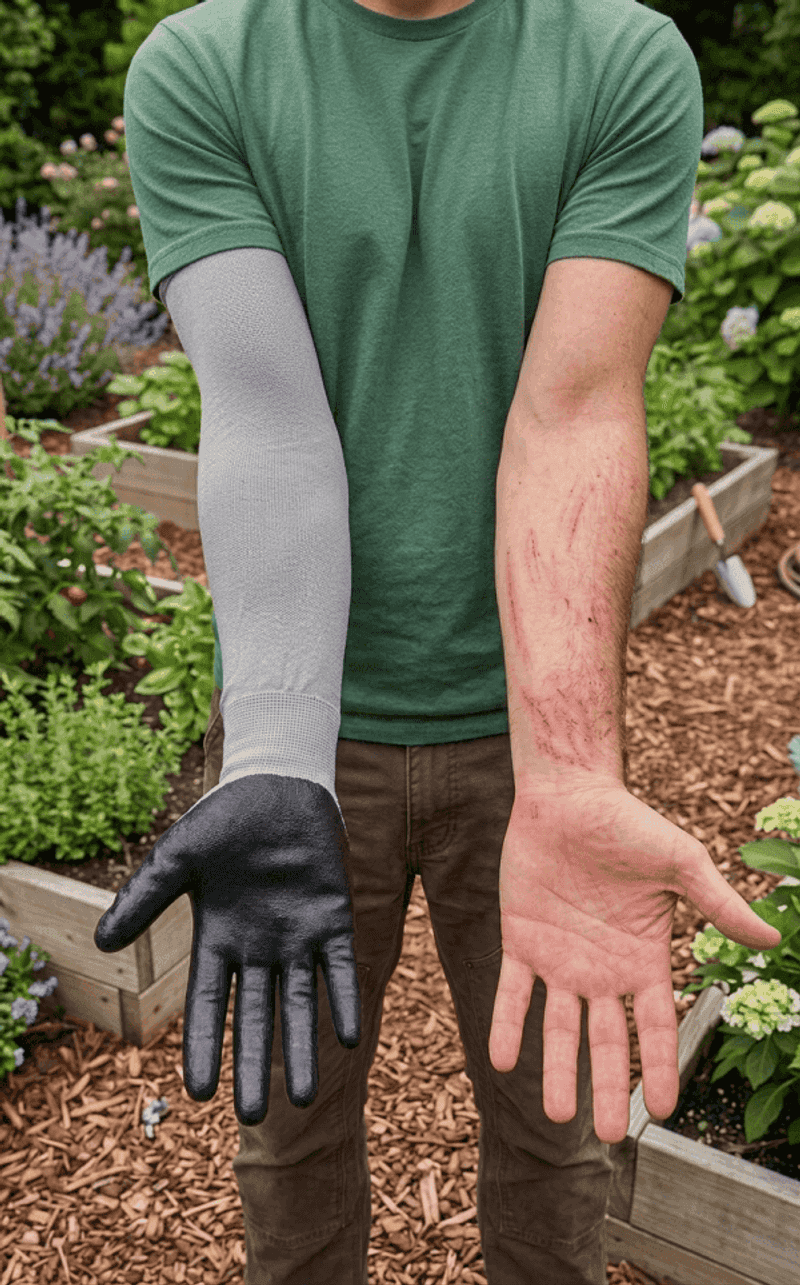
You do not need to name the cause to take a sensible first step. If plant sap or material may have touched your skin, wash promptly with soap and plenty of running water.
If caterpillar hairs are possible, use tape to lift visible ones, then gently wash the area. Poison Control also advises emergency help for trouble breathing, fainting, or swelling of the lips, face, or tongue after a suspected sting or caterpillar exposure.
For next time, cover exposed skin with gloves, long sleeves, and pants. Keep your hands away from your face and eyes while you work.
A welt is not a confirmed insect identification. The best yard-work habit is simple protection, since the culprit often stays unknown.