What Arizona Bougainvillea Needs In August To Keep Blooming Into Fall
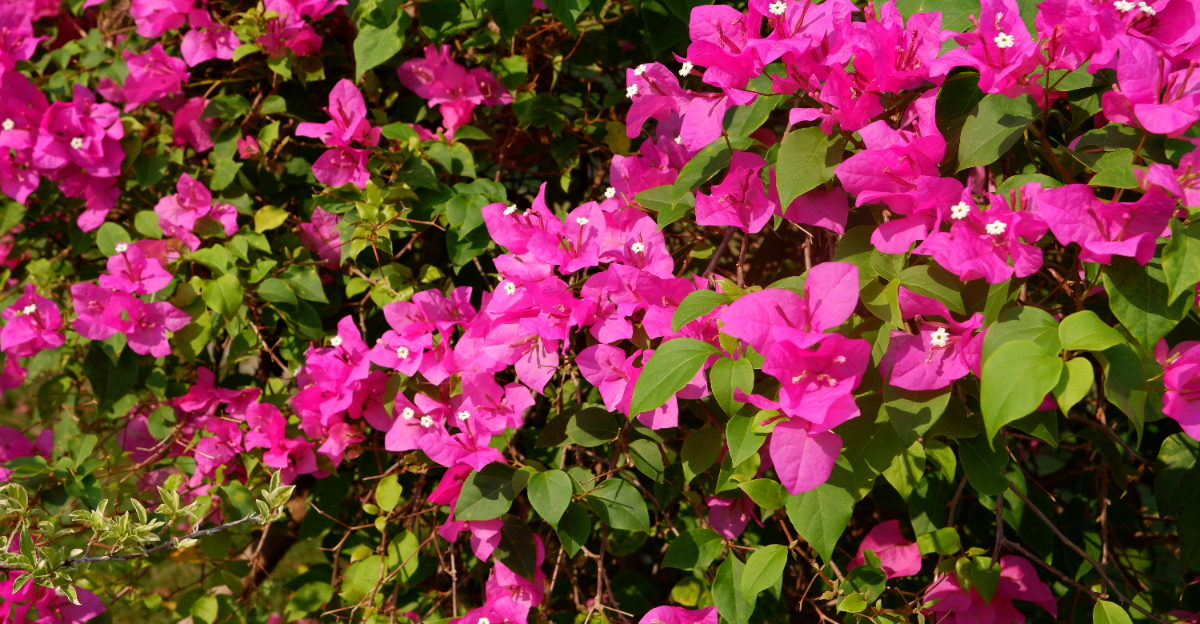
Those bright bougainvillea blooms can start looking less impressive by August, but their colorful season does not have to end. Your care now can help them stay showy into fall.
Arizona brings plenty of intense summer heat, and bougainvillea can handle those conditions surprisingly well. Still, a few care choices can affect how strongly it flowers.
Do not assume that giving it extra water will automatically produce more color. This plant has different needs than many thirsty summer favorites.
Feeding deserves some attention this month as well. What you use can influence whether the plant focuses its energy on leaves or colorful bracts.
A few small adjustments now can make a noticeable difference as summer begins winding down.
Give your bougainvillea the right care this August, and those bold colors can continue brightening your outdoor space well into fall.
1. Give It Plenty Of Sun For Better Flowering
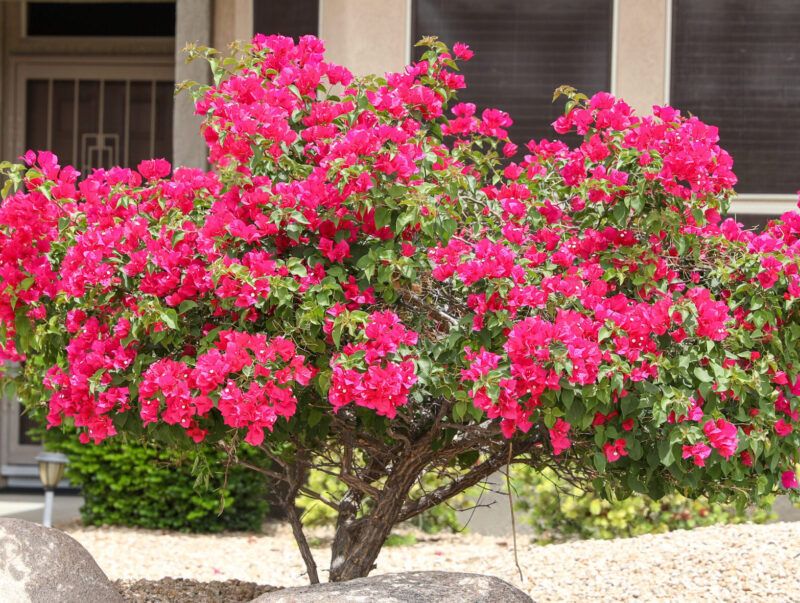
Full sun is non-negotiable for bougainvillea to bloom well.
Without at least six to eight hours of direct sunlight daily, the plant tends to push out leaves instead of flowers.
August in the desert gives you plenty of that.
Shade from a nearby wall, overgrown shrub, or new construction can quietly reduce bloom output without you realizing it. Walk around your plant at different times of day and check what is actually blocking light.
A spot that gets morning and afternoon sun tends to perform better than one that only catches a few hours midday. South and west-facing walls are typically strong choices in this region.
If your plant has been moved recently or something new is casting shade, that shift could explain reduced flowering. Bougainvillea rewards consistent, direct exposure with a heavy flush of bracts.
One thing worth noting: even in full sun, bloom timing can vary depending on the plant’s age, pruning history, and root health. Sun is a major factor, but it works best alongside proper watering and drainage habits.
Younger plants sometimes focus energy on root and stem development before committing to heavy flowering, so patience matters too. Give it the light it needs, and the payoff usually follows.
2. Let The Soil Dry Before Watering Again
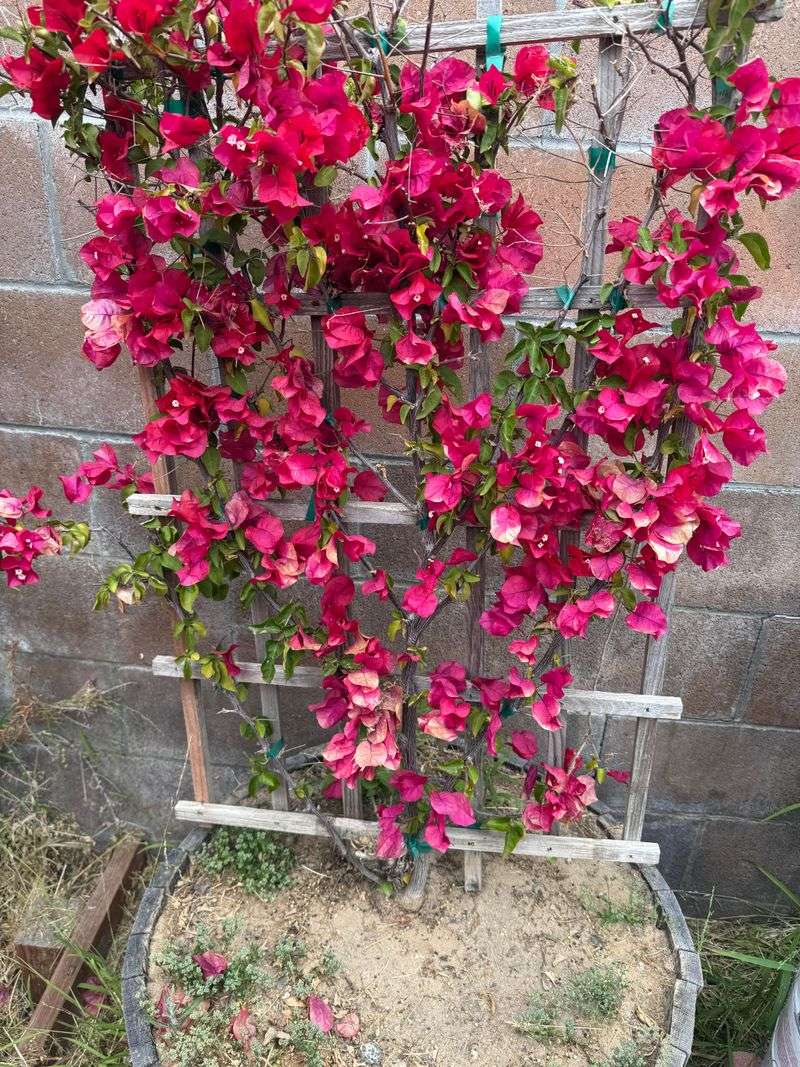
Overwatering is one of the most common reasons bougainvillea stops blooming in summer. Wet roots send a signal to the plant that conditions are lush, which encourages leafy growth over flowers.
August monsoons already add unpredictable moisture to the equation. Before you reach for the hose, feel the soil a few inches down.
If it still feels damp, wait another day or two.
Bougainvillea actually tends to bloom more aggressively when it experiences mild water stress between waterings. That slight dry period pushes the plant to focus on reproduction rather than vegetation.
Sandy or well-draining soil dries faster than clay-heavy mixes, so your watering schedule should reflect your specific soil type. There is no single schedule that works for every yard.
During weeks with heavy monsoon activity, you may not need to water at all. Track rainfall and adjust accordingly rather than following a fixed routine.
Your Arizona Garden Changes Every Week. Your Plan Should Too.
Gardening in Arizona changes quickly throughout the season. Every Friday you’ll receive a simple weekly plan showing exactly what to plant, prune, fertilize, harvest, and protect so you never miss the right timing.
Deep, infrequent watering is generally more effective than light daily watering. Getting moisture down to the root zone encourages deeper root growth, which supports better overall plant stability and drought tolerance over time.
Keep a close eye on the plant rather than the calendar.
3. Make Sure Monsoon Rain Drains Away Fast
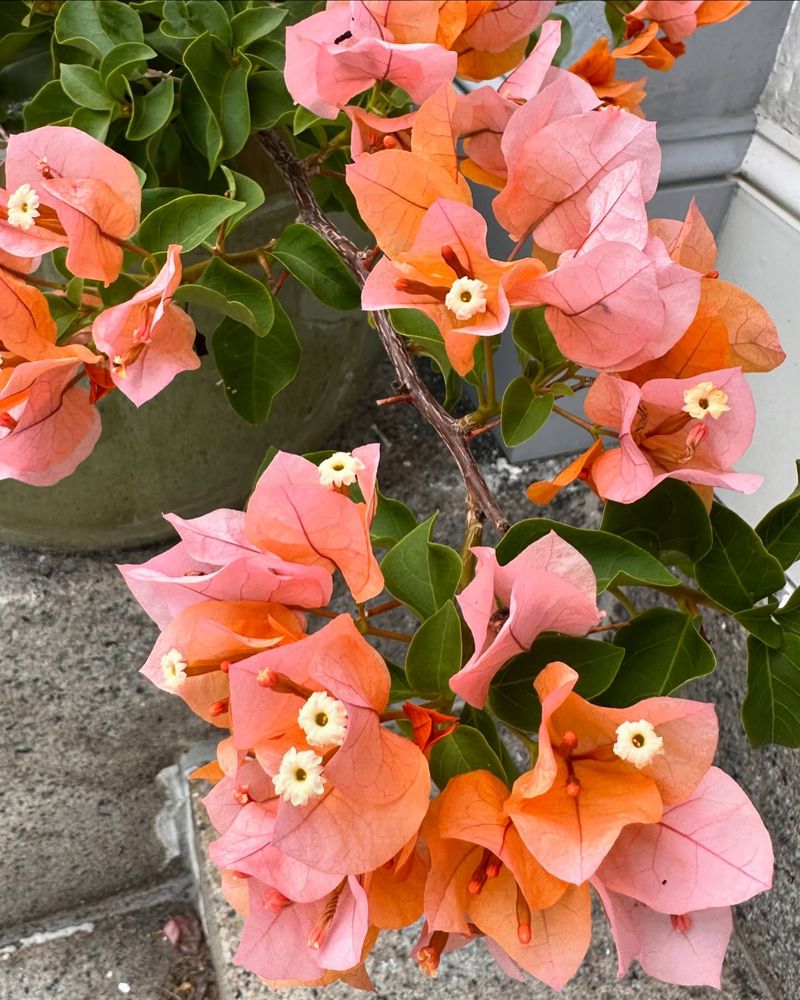
Monsoon season brings fast, heavy rain that can pool around plant roots quickly. Bougainvillea handles heat well, but it is highly sensitive to standing water around its roots.
Poor drainage can lead to root rot within a surprisingly short window, especially when soil stays soggy for more than a day or two.
That kind of moisture damage often shows up weeks later as wilting or leaf drop.
Check the area around your plant after a storm. If water is still sitting there an hour later, drainage is a problem worth solving before the next downpour arrives.
Adding coarse gravel, decomposed granite, or a raised planting bed can significantly improve how fast water moves away from the root zone. Small adjustments make a noticeable difference.
Container-grown bougainvillea is especially at risk during monsoon season because pots can fill up fast. Make sure drainage holes are clear and that the pot is not sitting in a saucer that collects water.
Slope and soil composition both affect drainage speed. If your yard has a low spot where water collects, relocating the plant or amending the soil with coarse material can help protect root health during Arizona’s wet summer stretch.
4. Avoid Too Much Fertilizer In Late Summer
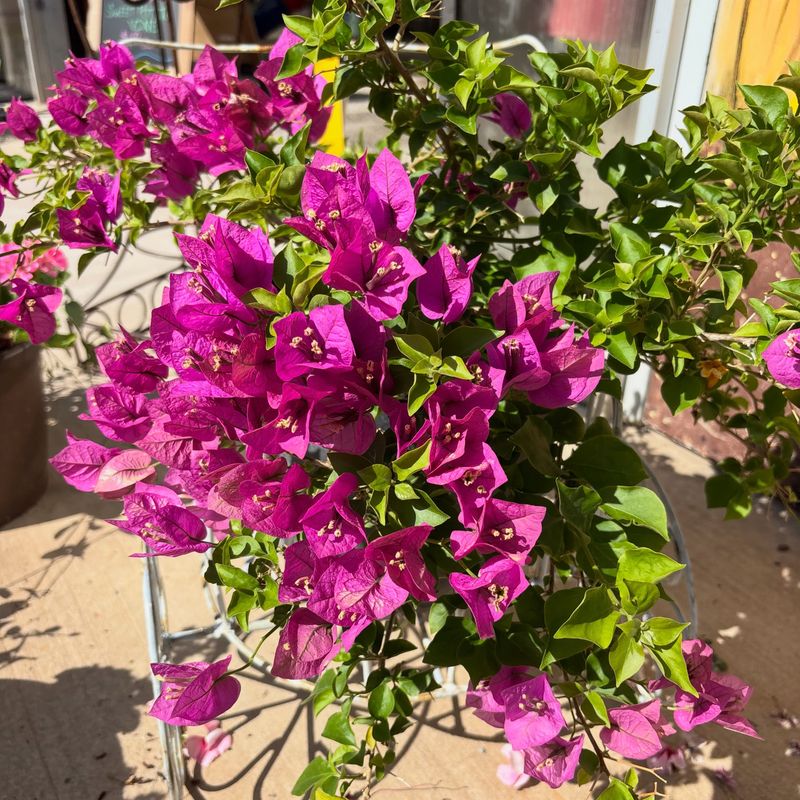
Heavy feeding in August can push bougainvillea toward lush green growth at exactly the wrong time. More leaves in late summer means fewer bracts when fall arrives.
Nitrogen is the main culprit. High-nitrogen fertilizers are great for lawns and leafy vegetables, but they tend to work against flowering plants like bougainvillea when used in excess.
If you want to support blooming without overdoing it, look for a fertilizer with a lower first number on the label. Something balanced or slightly higher in phosphorus tends to be a better fit during this period.
Late summer is not the time to push heavy growth. The plant is already managing heat, monsoon moisture, and shifting day length.
Adding too much fertilizer stacks more stress on an already busy system.
A light application of a slow-release formula earlier in the season is usually enough to carry the plant through August. Spot-feeding with a diluted liquid fertilizer once or twice is generally safer than a heavy dose.
Soil quality also matters. If your soil is already nutrient-rich from previous amendments, additional fertilizer may not be necessary at all.
When in doubt, hold off and observe how the plant responds over a couple of weeks before adding anything.
5. Cut Back Long Shoots To Support New Blooms
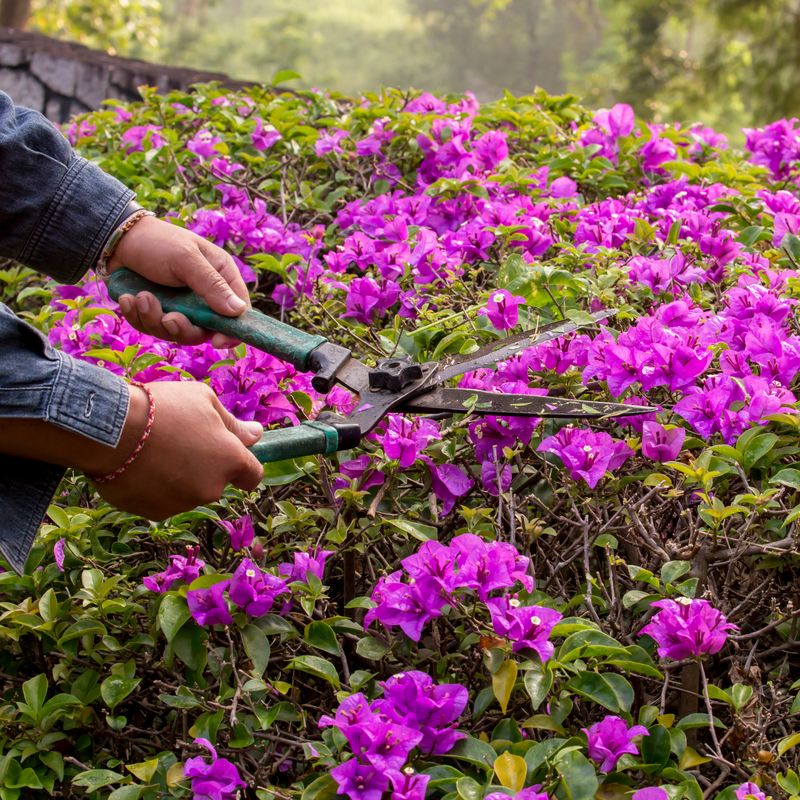
Long, whippy shoots that bolt out during summer heat rarely produce flowers at their tips. Cutting them back redirects the plant’s energy toward shorter side growth, which is where new bracts tend to form.
August is a reasonable time for light pruning in the desert, though it requires some judgment. Heavy cutting right before a heat spike can stress the plant, so aim for cooler mornings and avoid cutting back more than a third of the growth at once.
Focus on shoots that have stretched well beyond the main shape of the plant. Snipping these back to a node, the small bump where a leaf meets the stem, encourages branching and new flowering stems.
Use clean, sharp pruners to make smooth cuts. Ragged cuts can invite pests and slow the healing process.
Wipe blades with a damp cloth between plants if you are working in multiple areas of the yard.
Do not expect immediate results. New growth takes a few weeks to emerge after pruning, and bracts take additional time to develop after that.
Pruning in early to mid-August gives enough lead time for a solid fall bloom cycle.
Light, consistent shaping tends to outperform one dramatic cut. Work gradually and let the plant show you where it wants to grow next.
6. Give New Growth Enough Room To Spread
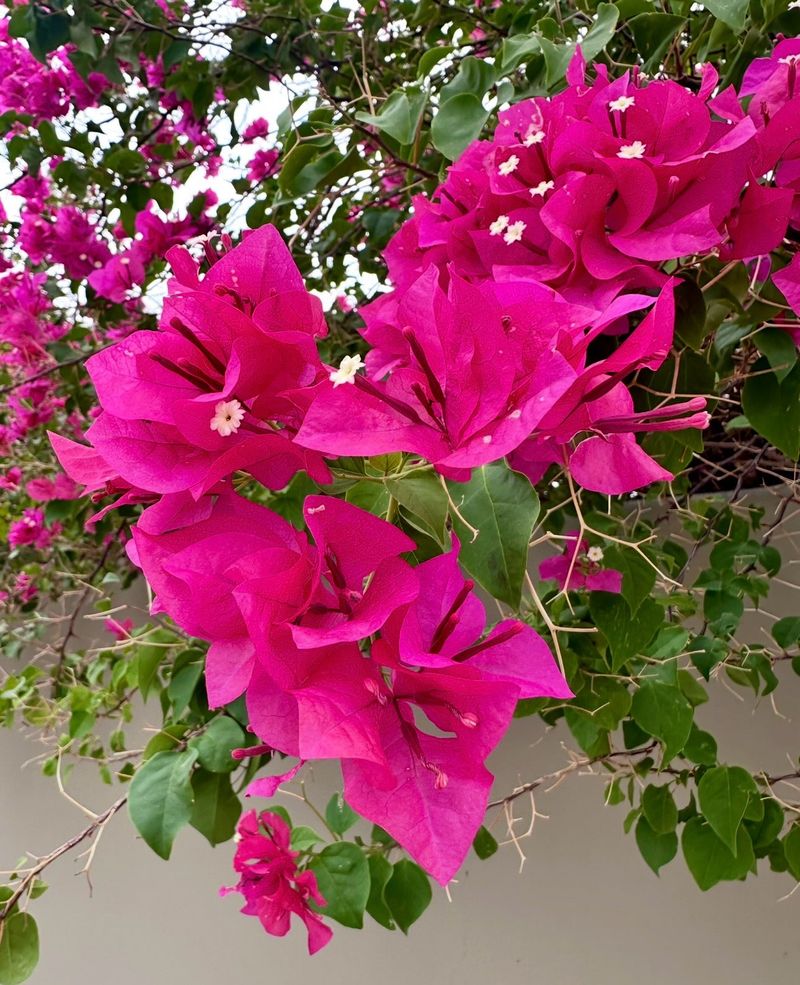
Crowded plants struggle to bloom well. When bougainvillea is pressed up against walls, fences, or neighboring plants, airflow drops and new growth has nowhere to reach toward light.
Good air circulation also reduces the risk of fungal issues, which can become more common during humid monsoon weeks. Spacing matters more in August than at almost any other time of year.
If your vine has been trained tightly along a wall, try loosening some ties and letting newer stems reach outward. A little freedom in how the plant grows can translate directly into better flowering.
Trellises and open fence structures work well because they allow air to move through the plant rather than trapping heat and moisture against it. Solid walls can create pockets of stagnant air that work against plant health.
Check whether nearby plants have grown into your bougainvillea’s space over the season. Shrubs and trees can quietly crowd a vine over several months without it being obvious until you step back and look.
Giving the plant room also makes future pruning and shaping much easier. A well-spaced bougainvillea is easier to manage, easier to inspect for pests, and tends to put on a more impressive flowering display when conditions are right.
Space is a simple investment with real returns.
7. Protect Tender Stems From Strong Summer Winds
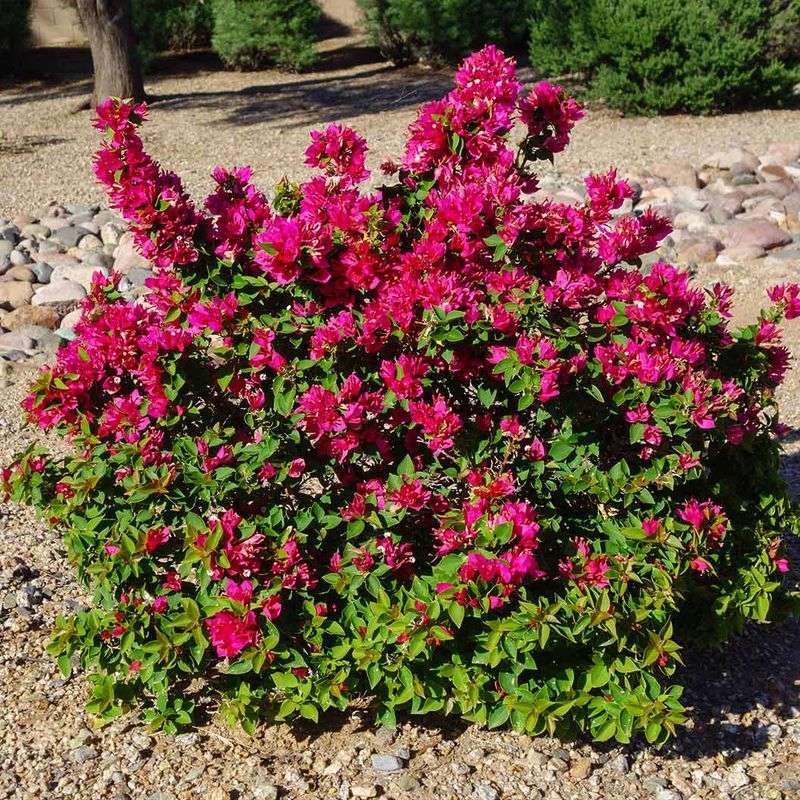
Monsoon season in Arizona does not just bring rain. It brings strong, sudden wind gusts that can snap young stems and shred bracts before they fully open.
Tender new growth that emerged during summer is especially vulnerable because the stems have not had time to harden. A single strong wind event can set back weeks of growth in minutes.
Loosely tying new stems to a fence, stake, or trellis gives them support without cutting off circulation. Use soft plant ties or strips of fabric rather than wire or tight zip ties that can bite into stems.
Check existing ties regularly during monsoon months. Stems grow quickly in summer heat, and a tie that fit well in June can become too tight by August.
Adjust as needed to avoid constriction.
Windbreaks from walls, hedges, or shade structures can help buffer the plant during storm events. Positioning matters, and a partially sheltered spot often performs better during the windiest months than a fully exposed one.
After a major wind event, inspect the plant carefully. Broken stems should be pruned cleanly to encourage healthy regrowth.
Leaving damaged stems in place can invite pests and slow recovery. A little post-storm attention keeps the plant on track for a strong fall bloom push.