Florida Plants You Should Buy Before Nurseries Run Out This Fall
Nursery shelves in Florida empty out fast every fall, and the plants going first aren’t always the ones you’d expect.
Certain varieties sell through within days once the weather starts to shift, and by the time most homeowners think about fall planting, those options are already gone for the season.
Growers don’t always restock quickly either, so a missed window this month can mean waiting until spring for another shot.
Demand spikes around a short list of plants that perform best when planted now rather than later, and nurseries know it. Staff can’t always tell you which ones are close to sold out until you’re standing there with an empty cart.
Get to your local nursery sooner rather than later this week. Waiting a few extra days could mean settling for whatever’s left instead of what you actually wanted.
1. Snag Firespike Before Fall Hummingbird Traffic Peaks
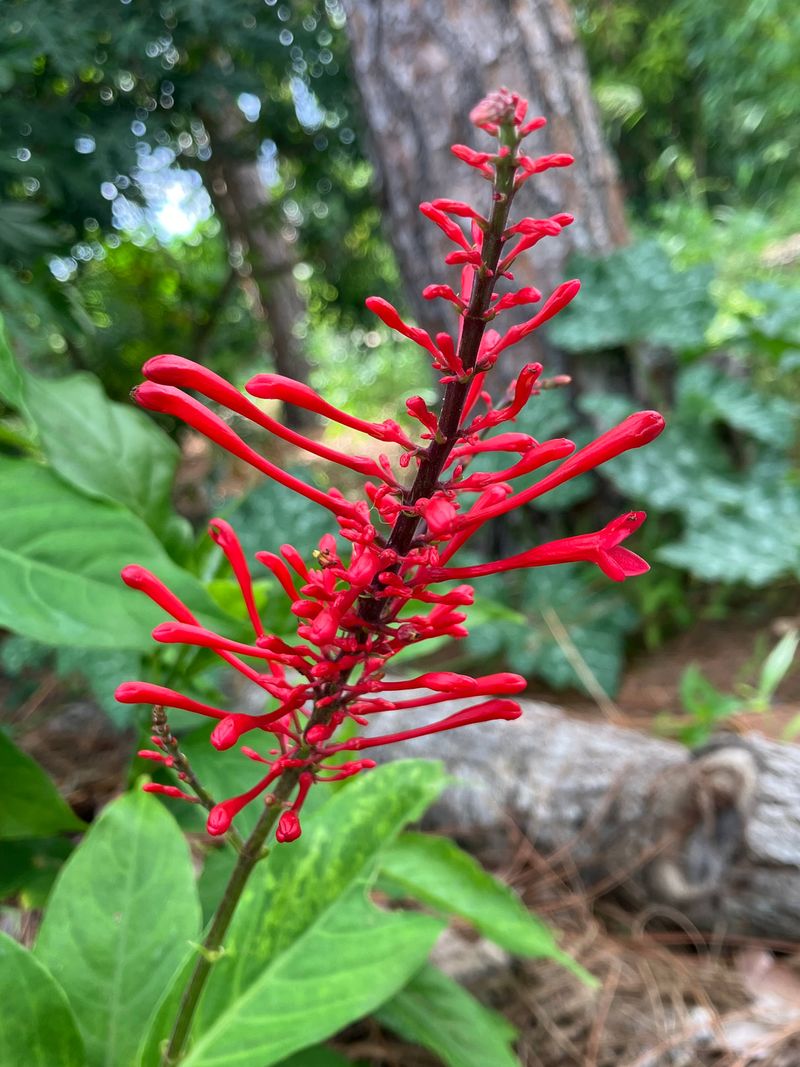
Few plants throw a nectar party quite like firespike. Those foot-long spikes of tubular red flowers act like neon signs for hummingbirds passing through in fall.
Known botanically as Odontonema cuspidatum, it behaves differently depending on where you live. In South Florida it stays a small shrub, while North and Central Florida gardeners treat it as an herbaceous perennial that returns after cool snaps.
Firespike can bloom from late summer into winter in much of the state, with flowering potentially continuing longer in South Florida. Mature plants stretch anywhere from 4 to 10 feet, so give them a spot with elbow room.
Full sun brings the heaviest flowering, though partial shade still works if your yard leans toward afternoon shadows. The glossy, dark green leaves look tidy even between bloom cycles.
One nice perk is flexibility. Firespike can be planted any time of year in the state, and once established it handles dry stretches reasonably well.
Butterflies join the hummingbirds, which makes a single clump surprisingly busy. Tuck it along a fence or near a patio window where you can watch the action.
Nurseries often sell out once blooms appear on the shelf plants. Shopping early means better sizes and stronger root systems for the season ahead.
2. Pick Up Muhly Grass Before Its Pink Plumes Take Center Stage
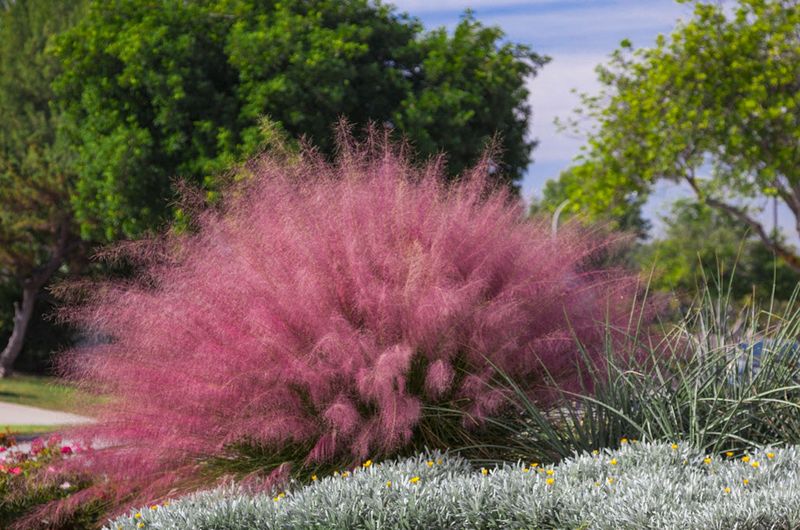
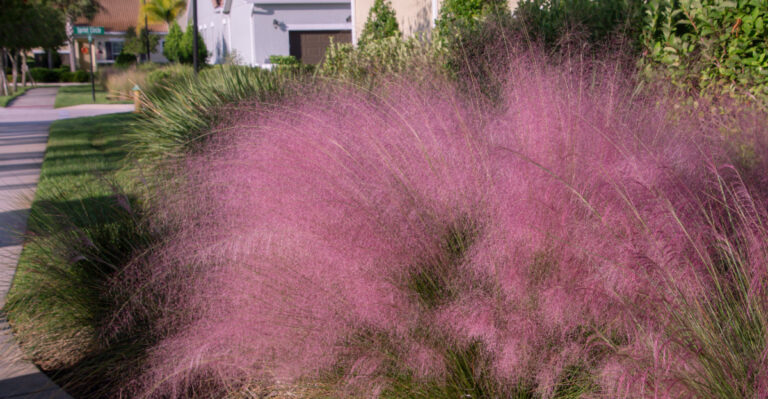
Picture a cloud of pink haze floating a few feet off the ground. That is muhly grass in October, and photographers cannot leave it alone.
Muhlenbergia capillaris is a clump-forming perennial grass native to the state. Its feathery pink to purplish-red plumes rise from late summer through fall and can reach roughly 5 feet tall.
Backlighting is the trick gardeners talk about. Plant it where morning or late afternoon sun shines through the plumes, and the whole clump seems to glow.
Full sun produces the boldest plume color, although the grass tolerates partial shade with somewhat fewer flowers. The narrow green foliage stays attractive through the rest of the year, too.
Toughness is part of the appeal. Once roots settle in, muhly grass handles drought, and it shows moderate tolerance for salt and wind, which helps in coastal neighborhoods.
Your Florida Garden Changes Every Week. Your Plan Should Too.
Gardening in Florida changes quickly throughout the season. Every Friday you’ll receive a simple weekly plan showing exactly what to plant, prune, fertilize, harvest, and protect so you never miss the right timing.
Planting three or five together makes a stronger statement than a single specimen. Many Florida landscapers use it along driveways, pond edges, and in wide medians for that reason.
Here is the timing problem: shoppers buy it the second plumes appear. Getting yours in early fall means a full selection instead of the leftovers nobody wanted.
3. Look For Firebush While Fall Color Is Still Building
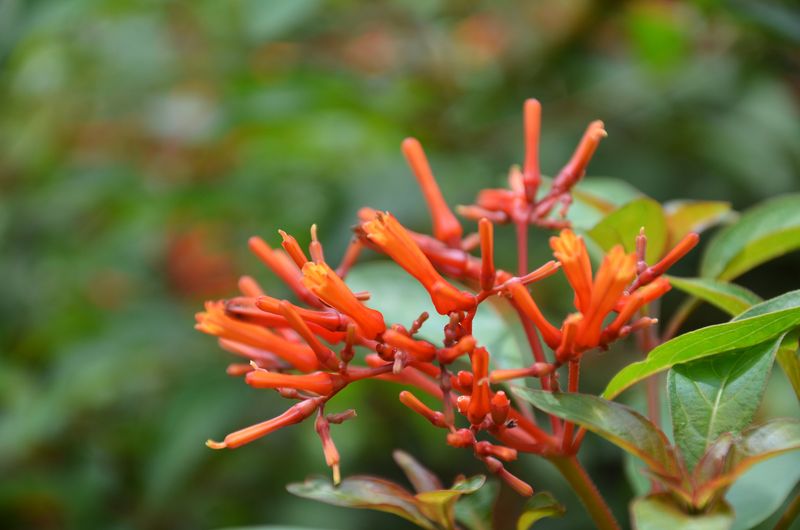
Ask a Florida butterfly gardener for one dependable shrub and firebush usually tops the list. The red-orange tubular flowers keep coming from spring straight through fall.
Hamelia patens is a fast-growing evergreen shrub native to the state. In warmer regions it may flower nearly year-round, which keeps nectar available for hummingbirds and butterflies during odd stretches of weather.
Cooler temperatures add a bonus layer of interest. Leaves often take on reddish tones, giving yards a version of autumn color that actually fits the climate.
Berries follow the flowers, shifting from green to red to a deep purplish-black as they ripen. Birds and small mammals treat those clusters like a snack bar.
Care requirements stay refreshingly simple. Firebush shrugs off heat, handles drought once settled, adapts to different soil types, and grows in full sun through partial shade.
Mild weather makes fall a smart planting window, right alongside spring. Roots get time to spread before next summer turns up the heat.
Check the botanical name when shopping so you know which firebush you’re buying, especially when compact selections are available.
4. Bring Home Beautyberry Before Its Purple Berries Disappear
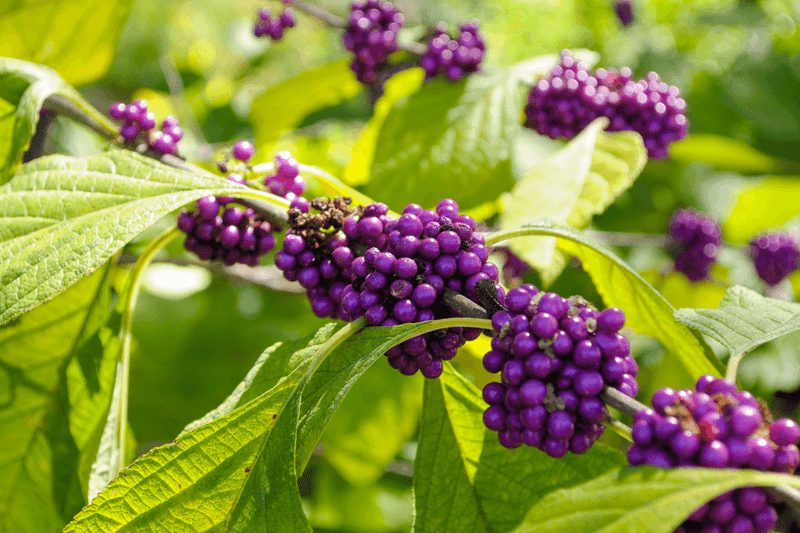
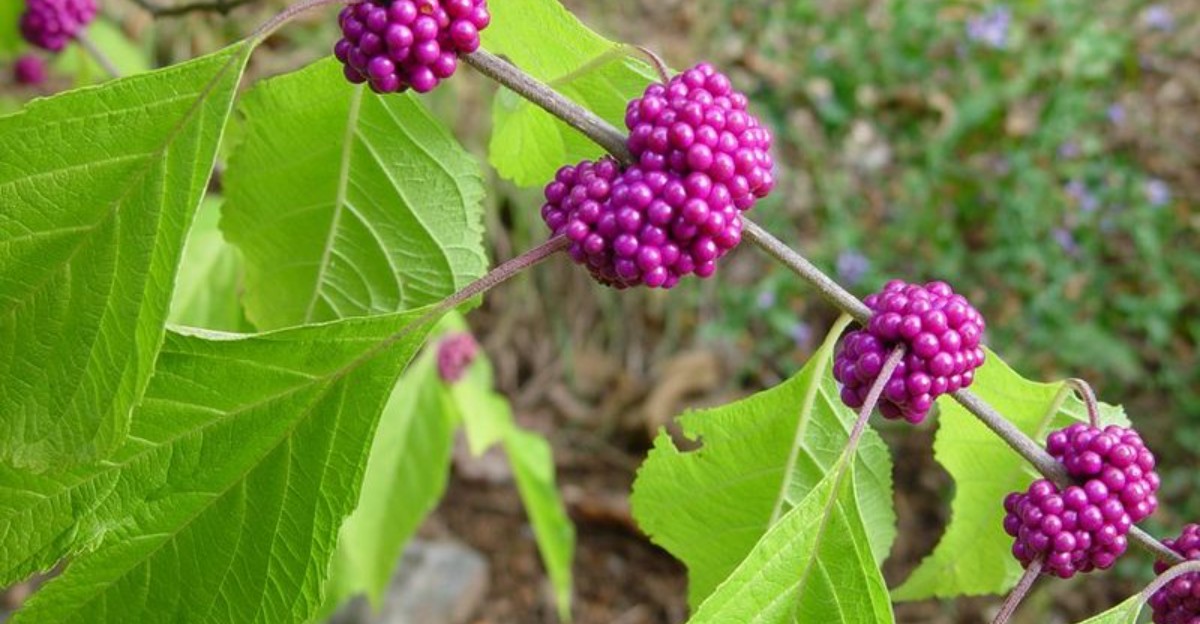
Those berries look almost unreal. Tight rings of glossy magenta-purple fruit wrap around the stems of American beautyberry like beads on a bracelet.
Callicarpa americana is a Florida native deciduous shrub with an arching, rounded shape. Expect a mature size somewhere between 3 and 8 feet tall and about as wide.
Small pale lavender-pink flowers show up in spring and summer, easy to overlook. The showstopper arrives later, with berries holding on from late summer through fall and into winter.
Leaves eventually drop, yet the fruit frequently stays put on bare branches. That combination gives cool-season landscapes a jolt of color when little else is happening.
Birds and other wildlife rely on those berries during lean months. Humans find them fairly bland raw, though some folks turn them into jelly with plenty of sugar.
Siting is flexible, from full sun to partial shade, and the shrub adapts to many soil types. Rich, well-drained ground produces the fullest growth and heaviest fruiting.
Shopping while berries are visible helps you judge fruit color and cluster density. Once nurseries sell through their berried stock, the plain green plants left behind are a much harder sell.
5. Grab Blanket Flower For Long-Lasting Fall Color
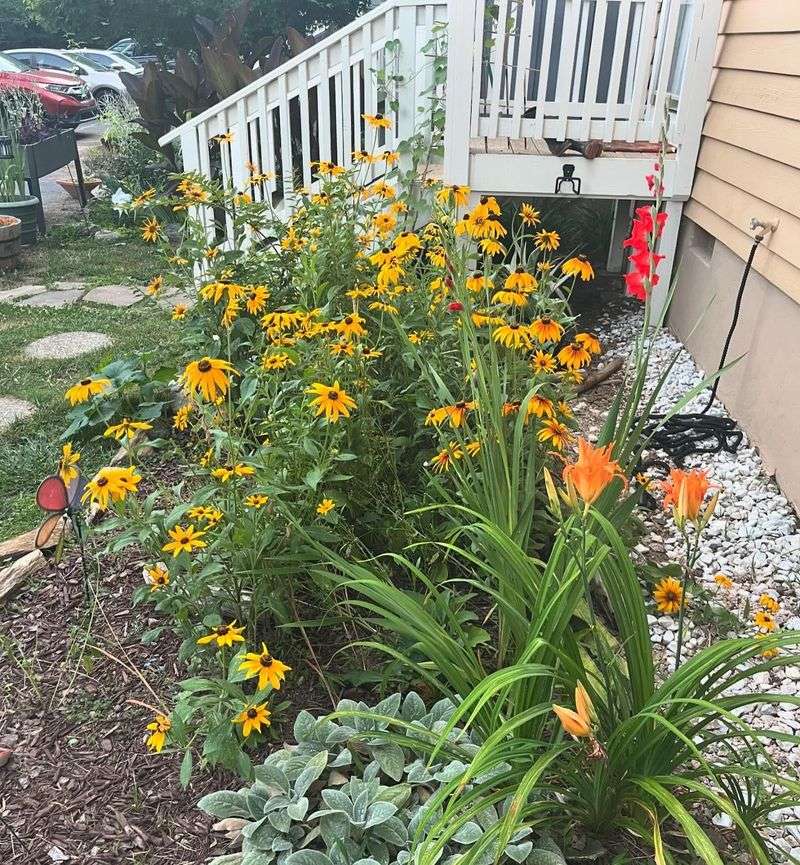
Sandy soil, blazing sun, salty breezes: blanket flower handles the tough spots other flowers complain about. Its cheerful daisy-like blooms carry red inner bands ringed with yellow, though solid red or yellow forms appear too.
Also called Indian blanket, Gaillardia pulchella is a sturdy perennial wildflower. North Florida gardeners see blooms in spring, summer, and on into fall, while Central and South Florida plants can flower nearly all year.
Pollinators treat the open flower faces like landing pads. Butterflies and a variety of small bees work the blooms steadily on warm afternoons.
Give it full sun and well-drained soil, then step back. Heat, humidity, drought, and salt spray rarely slow it down, which explains its popularity near the coast.
Massing works better than single plants here. A drift of several dozen spreads into a low carpet and can function as an informal groundcover along walkways or mailbox beds.
Fun detail: it reseeds itself pretty freely, so one fall purchase often turns into volunteers popping up next season. Leaving a few spent flower heads in place encourages that.
Nurseries stock flats in fall for cool-season color, and those flats move quickly. Buy early while plants are still budded.
6. Add Simpson’s Stopper Before Cooler Weather Slows Growth
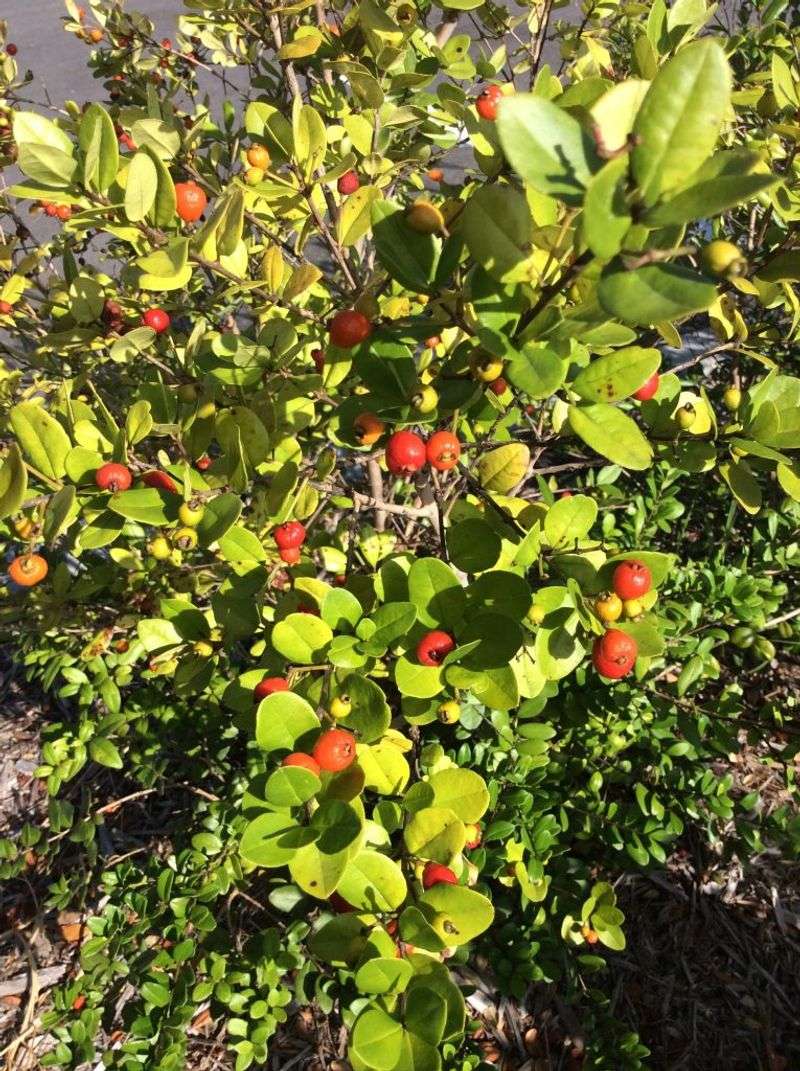
Brush past a blooming Simpson’s stopper and the scent stops you mid-step. Those small white blossoms are seriously fragrant, and they appear on and off year-round with the biggest flush in spring.
Myrcianthes fragrans grows as an evergreen shrub or small tree native to Florida, the Caribbean, and Central America. Gardeners prize it for three things at once: perfume, berries, and year-round leaves.
Fruit follows the flowers, turning orange in late summer and early fall, then deepening to red as temperatures drop. Mockingbirds, blue jays, and cardinals show up for the buffet.
Adaptability helps it fit almost anywhere. It grows in full sun through partial shade, tolerates drought once established, and resists salt and wind well enough for beachside yards.
Cold hardiness runs to roughly 25 degrees Fahrenheit, which covers most of the peninsula comfortably. North Florida gardeners should pick a protected spot.
Patience is part of the deal, since growth is on the slow side. The upside is minimal pruning and very little fuss once it settles in.
Planting while soil still holds summer warmth gives roots a head start before growth slows. Larger container sizes disappear from nurseries first, so shop ahead.
7. Choose Florida Native Asters For A Late-Season Pollinator Boost
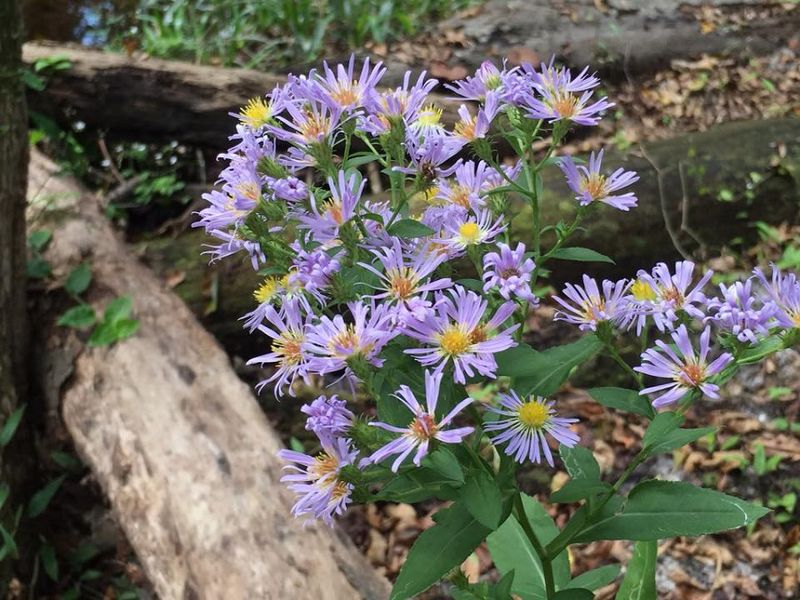
Autumn can turn into a hungry season for pollinators. Most summer flowers have wrapped up, and that is exactly when native asters open their light purple blooms.
Species in the Symphyotrichum group provide nectar for bees and migrating butterflies at a critical moment. Elliott’s aster, Symphyotrichum elliottii, flowers in late summer and early fall and draws steady bee traffic.
Several butterfly species use asters as host plants, meaning caterpillars feed on the foliage. A few chewed leaves are actually a sign the garden is doing its job.
Compared with many tightly flowered ornamental mums, open-flowered asters can make nectar and pollen more accessible to insects. Their open flower heads leave pollen and nectar easy to reach, while many florist mums are bred with tightly packed petals.
These perennials come back season after season with little coaxing. Sunlight needs vary by species, and some handle shade better than you might expect.
Elliott’s aster spreads by underground stems, so give it space or plan on dividing clumps. Gardeners with damp low areas often find it thrives there.
Native plant nurseries carry limited quantities each fall. Calling ahead saves a wasted trip once the flowering stock moves out.
8. Plant Sunshine Mimosa Before Winter Changes Its Growth
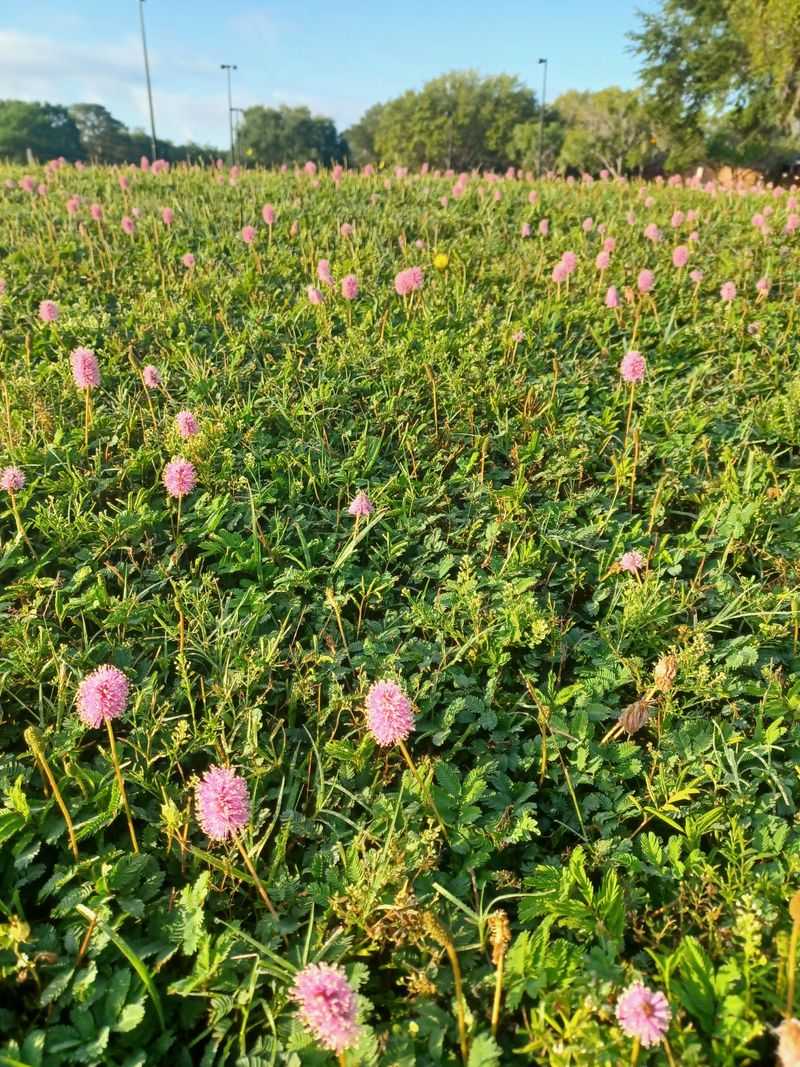
Kids discover this one immediately. Touch the fern-like leaves of sunshine mimosa and they fold up on the spot, which is why it also answers to sensitive plant.
Mimosa strigillosa is a low-growing, fast-spreading perennial groundcover native to Florida. Pink powderpuff flowers appear as little pom-poms from spring through fall.
Homeowners tired of thirsty turf often use it as a lawn alternative in sunny areas. It creeps along the ground, roots as it goes, and fills space without climbing over taller plants.
Winter brings a change in appearance. Subfreezing nights can knock back top growth, and leaves may turn yellowish, but the plant typically bounces back quickly come spring.
A deep root system gives it solid drought tolerance once established. Salt tolerance ranges from moderate to good, another plus for coastal lots.
Full sun to partial shade both work, with denser coverage in brighter spots. Light foot traffic is generally fine, which makes it useful between stepping stones.
Bonus: it belongs to the legume family, so it helps add nitrogen to sandy soil. Butterflies visit the flowers as well.
Fall planting lets roots establish during mild weather. Nurseries stock it in flats, and those flats clear out fast.
9. Find A Yaupon Holly Before Holiday Planting Season Begins
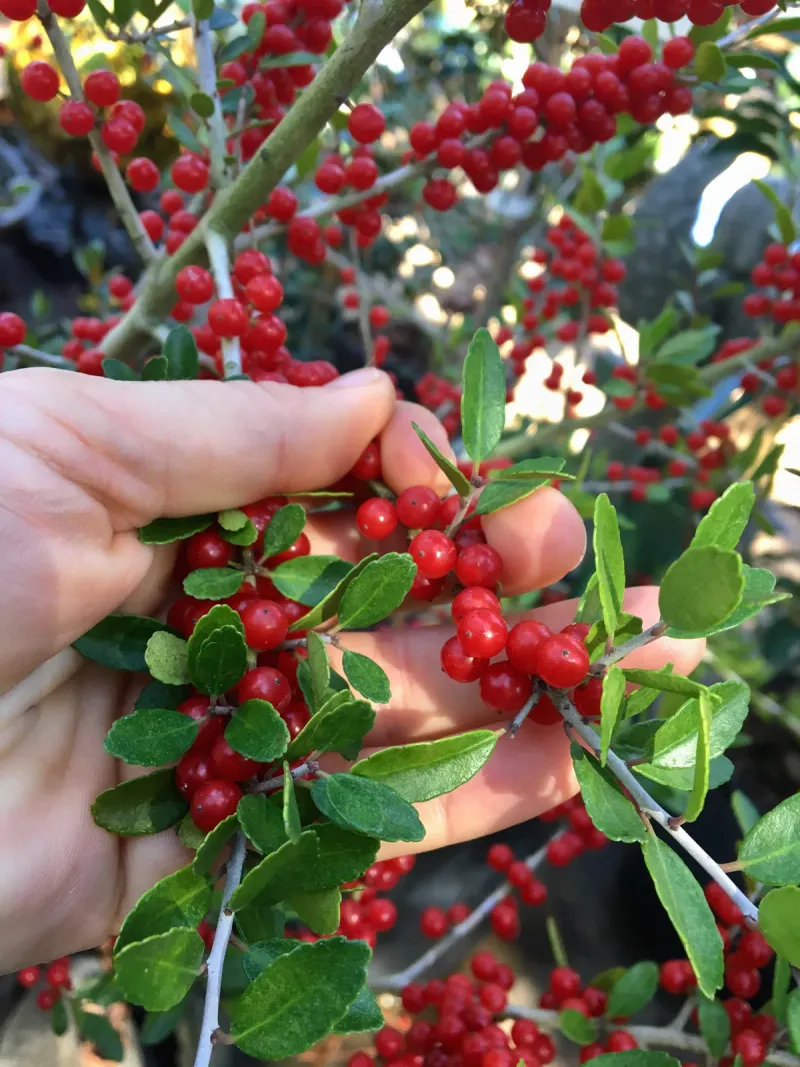
Bright red berries against small glossy leaves make yaupon holly a holiday decorating favorite, and birds agree. Cedar waxwings, mockingbirds, and robins strip the branches through the cooler months.
Ilex vomitoria is a durable evergreen shrub or small tree native to the state. Female plants carry the fruit, usually bright red, occasionally orange or yellow.
Here is the detail that trips up shoppers: males do not produce berries. If berries are the goal, choose a female plant and, when possible, select one already showing fruit so you can confirm what you’re getting.
Small white flowers open in spring and attract pollinators, a quieter contribution people rarely notice. The dense growth also gives songbirds cover for nesting.
Toughness is the selling point. Yaupon tolerates full sun through partial shade, handles drought and salt, and adapts to a wide range of soils, including coastal sites.
Fall or early spring planting works best, since mild temperatures let roots establish without summer stress. Water regularly for the first few months, then taper off.
Weeping and dwarf forms exist for smaller yards, so measure your space first. Berried stock vanishes once holiday shoppers start browsing, which makes early fall the smart time to go looking.