Stop Dividing These Ohio Perennials Until The August Heat Breaks
August division feels productive. The garden needs attention, the perennials are overgrown, and the urge to get ahead of fall tasks is completely understandable.
For certain Ohio perennials, acting on that urge right now is a mistake that fall will confirm. A stressed plant divided in August heat does not get a fresh start.
It gets more stress on top of what it is already managing. Root systems that should be building fall reserves get redirected into wound response instead.
The plant arrives at spring depleted rather than stronger. The perennials that need to wait are specific.
So is the reason why. The heat break is coming.
Some divisions are worth waiting for it.
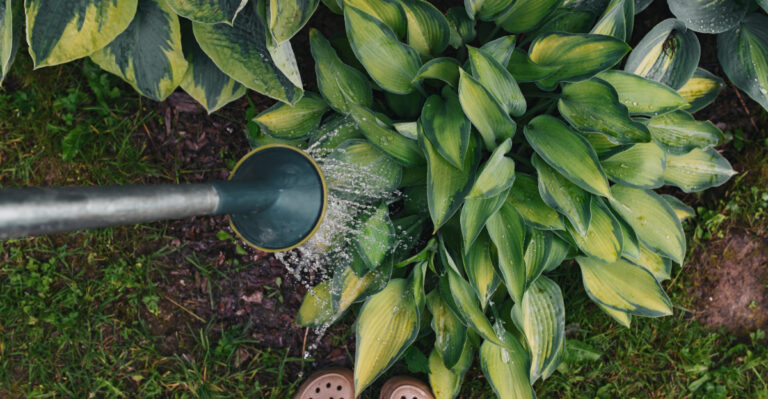
1. Hostas Lose Moisture Fast After A Hot Weather Split
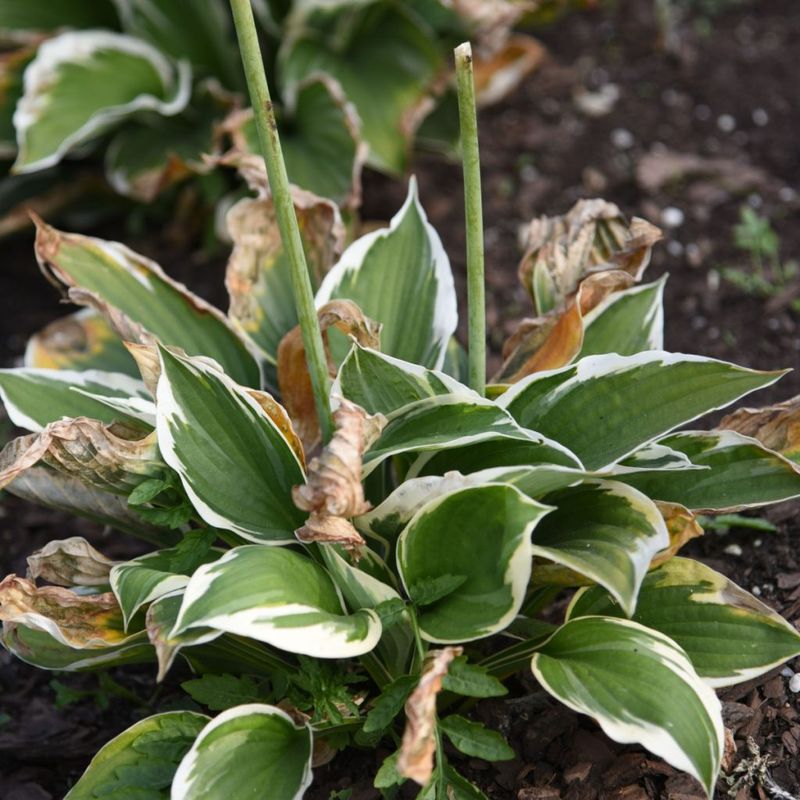
Few perennials signal their need for division as clearly as a crowded hosta. Fans start pushing each other outward, the center thins, and the whole clump looks tired.
That is a fair reason to act, but peak August heat is one of the harder times to do it well.
Hostas carry a lot of leaf surface, and those broad leaves keep releasing moisture into the air. When you cut the roots during hot weather, the plant loses its ability to replace that moisture quickly.
The result is a stressed division that has to work hard just to stay upright.
Cooler late-summer days or an early-fall window give hostas a much better chance to settle in. Moist soil before you dig helps roots stay intact.
Lift the clump carefully and keep as much root mass as possible with each section.
Replant divisions promptly rather than letting roots sit exposed in the sun or wind. Water the root zone well after planting and keep an eye on soil moisture while the plant reestablishes.
Reducing foliage is sometimes suggested to lower water demand, but only trim leaves if the plant is visibly struggling.
Ohio summers can stay hot well into September in some years. Watch the forecast and aim for a stretch of mild, overcast weather before you start digging.
2. Daylilies Handle Division Better As Summer Heat Eases
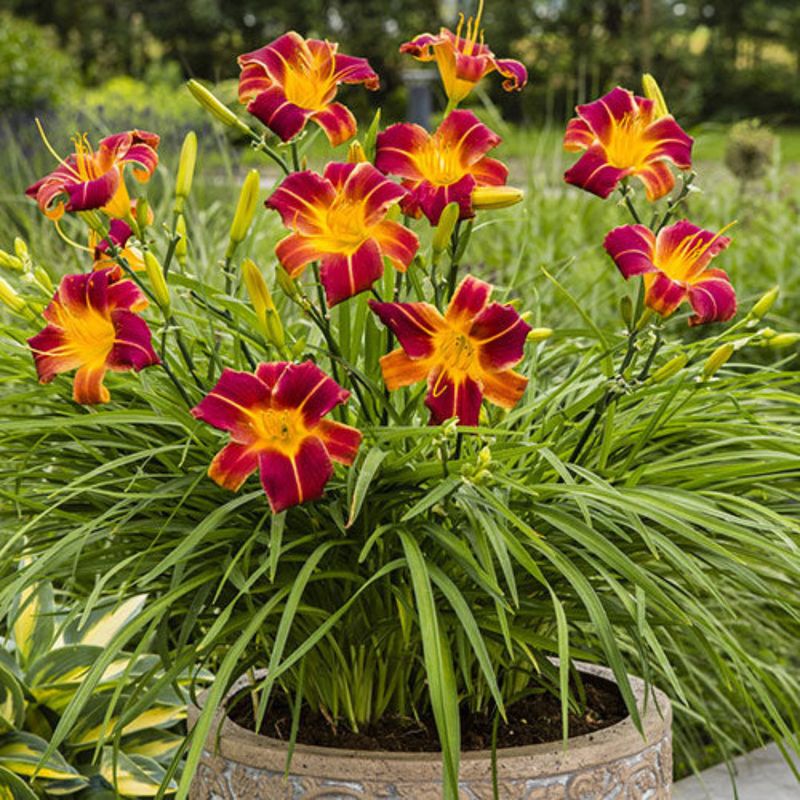
Gardeners often notice a clump of daylilies spreading wide and flowering less reliably over time. That pattern is a reasonable signal that the planting has become crowded.
The good timing question is not whether to divide, but when conditions favor a smooth recovery.
Hemerocallis species and hybrids are fairly adaptable, but fresh divisions still need consistent moisture to rebuild their root systems.
Dividing during intense heat means the newly separated fans are trying to regrow roots while also fighting water loss from their foliage.
Early fall tends to work well for daylilies across much of Ohio. Temperatures are easing, soil stays workable, and there is usually enough time before the ground gets cold for roots to anchor in.
After the main bloom period ends and the worst of summer heat breaks, conditions often line up nicely.
To divide, lift the clump and separate individual fans or small groups, keeping healthy roots attached to each section. Trim foliage back moderately if current guidance for your cultivar supports it.
Your Ohio Garden Changes Every Week. Your Plan Should Too.
Gardening in Ohio changes quickly throughout the season. Every Friday you’ll receive a simple weekly plan showing exactly what to plant, prune, fertilize, harvest, and protect so you never miss the right timing.
Replant at the same depth the original clump was growing.
Water the root zone after planting and follow up based on rainfall and how quickly the soil dries out. Not every daylily clump needs division.
Crowding, reduced bloom, or a planting that has simply outgrown its space are the clearest reasons to act.
3. Peonies Need A Cooler Window For Root Work
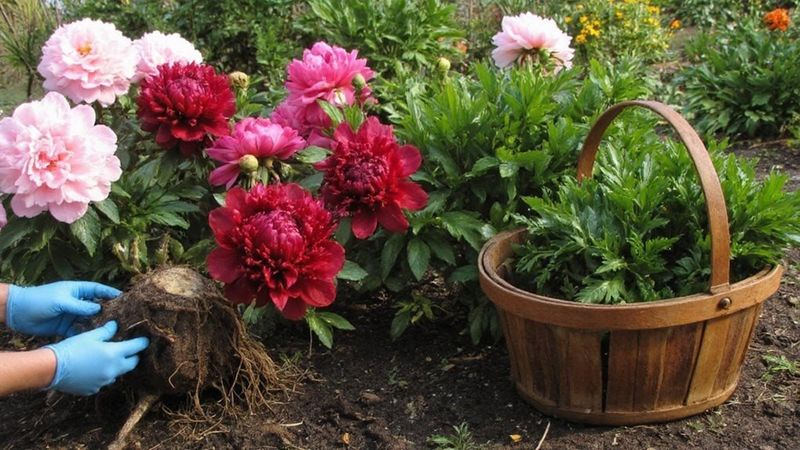
Peonies are famously long-lived and often prefer to be left alone for years at a stretch. Most Ohio gardeners divide them for a clear reason, such as relocating a planting, sharing roots with someone else, or renovating a bed that has become overcrowded.
Late summer into early fall is the preferred window for dividing herbaceous peonies. This timing differs from many perennials that respond well to spring work.
Peonies use late summer and fall to build energy in their roots, so splitting them earlier in the season can interrupt that process.
When you lift a clump, look for healthy root sections with at least three to five visible eyes. These small pink or reddish buds will produce next year’s stems.
Fewer eyes per division tends to slow recovery.
Planting depth is critical with peonies. Eyes should sit no more than one to two inches below the soil surface.
Setting them too deeply is one of the most common reasons a divided peony produces foliage but few or no flowers. This is worth double-checking at planting time.
Do not expect flowers the season after division. Peonies often take a year or two to settle in and bloom reliably again.
That is normal, not a sign that anything went wrong. Patience is simply part of working with this plant.
4. Astilbe Struggles When Fresh Divisions Dry Out
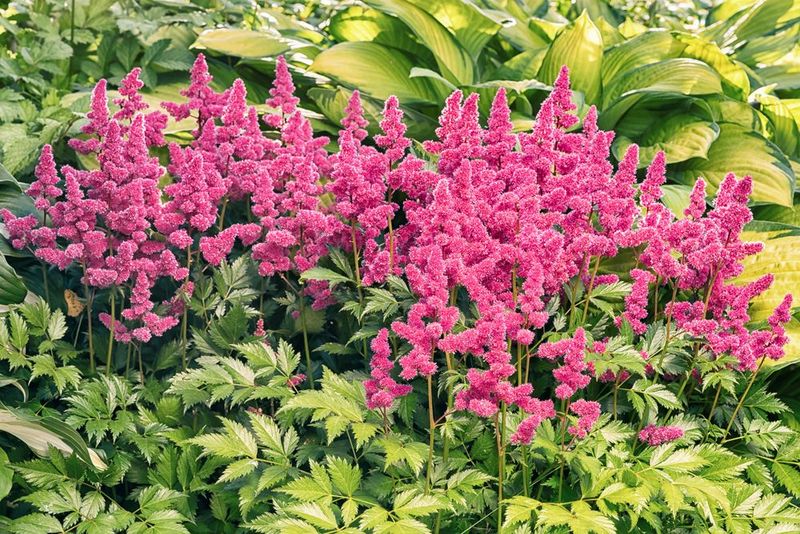
Astilbe is a plant that makes its preferences clear. Give it consistent moisture and some shade, and it rewards you with feathery plumes and reliable growth.
Let the soil dry out too often, and the foliage scorches and the plant declines quickly.
That strong need for moisture is exactly why dividing astilbe during peak August heat is risky. A fresh division has a reduced root system and cannot pull water from the soil as efficiently as an established plant.
Combine that with hot, dry conditions and the stress compounds fast.
Early spring and late summer are both workable windows for dividing astilbe, depending on your conditions. If late summer feels right, wait for a stretch of cooler, overcast weather.
If the soil in your bed is dry before you even start, water it thoroughly a day or two ahead of digging.
Lift the crown carefully and divide it into sections that each have visible buds and a healthy cluster of roots. Replant promptly.
Do not let divisions sit out in the sun while you prepare the bed.
One caution worth remembering: shade does not automatically mean moist soil. Tree roots compete aggressively for water, and a shaded bed under a large tree can be surprisingly dry in August.
Check the actual soil moisture, not just the light level, before deciding whether conditions are suitable for this work.
5. Coral Bells Are Better Split In Early Fall
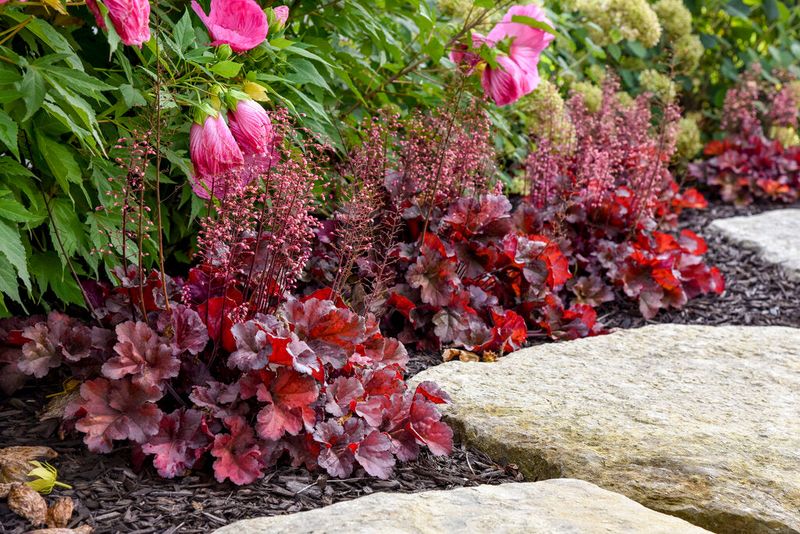
Coral bells have become one of the most collected perennials in American gardens, partly because breeders have produced so many striking foliage colors.
That popularity means a lot of gardeners eventually face a clump that has outgrown its space or developed a woody, raised crown that needs resetting.
Spring and early fall are the two periods most commonly cited for dividing Heuchera in Ohio. Early fall tends to work well because temperatures are dropping, soil moisture is easier to maintain, and the plant has time to anchor new roots before winter arrives.
Coral bells produce crowns and offsets that make division relatively straightforward compared to some perennials. Separate the crowns carefully, keeping roots intact on each piece.
Not every small offset will establish equally well, so focus on sections with healthy roots and firm crowns.
Crown placement matters when you replant. Burying the crown too deeply can cause rot, especially in heavier soils.
Set each division so the crown sits at or just slightly below the soil surface, following the same level at which it was originally growing.
Frost heaving is worth mentioning for shallow-rooted plants like coral bells. A layer of light mulch applied after the ground begins to cool can help protect newly planted divisions through their first winter.
Do not apply thick mulch while the soil is still warm, as that can trap unwanted moisture around the crown.
6. Coneflowers Need Cooler Conditions To Rebuild Roots
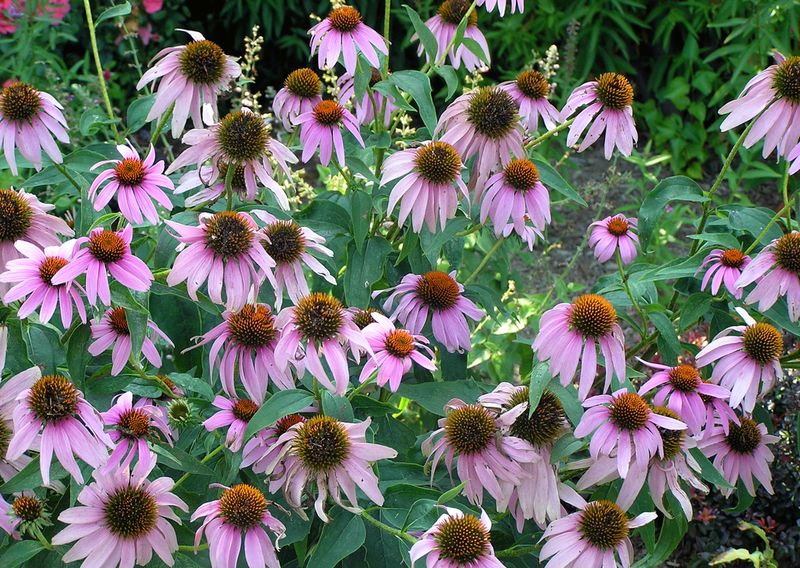
Purple coneflower is a staple of Ohio pollinator gardens, and mature clumps can grow impressively large over several years. Most established plants do not need frequent division.
However, relocation, rejuvenation of a declining planting, or propagation are all valid reasons to lift and split a clump.
Spring and fall are both cited as workable division windows for Echinacea purpurea. The challenge with dividing during the hottest part of summer is the combination of exposed roots, intense sun, and dry soil.
That trio adds up to serious transplant stress for a plant that was thriving before you touched it.
Echinacea species vary in root structure. Some develop a taproot that makes clean division more difficult than it looks.
Work carefully and try to keep a good portion of the root system with each division rather than cutting through the crown haphazardly.
Wait for a cooler spell and make sure the soil has adequate moisture before you begin. Fall divisions need enough time to establish before the ground gets too cold to allow root growth.
Aim to finish fall division work while the soil is still warm enough to encourage root activity.
After replanting, water the root zone well and monitor soil moisture as the plant settles in. Avoid piling heavy mulch directly against the crown.
A thin layer around the base is enough to help moderate soil temperature without smothering the plant.
7. Bee Balm Faces Less Stress After The Heat Breaks
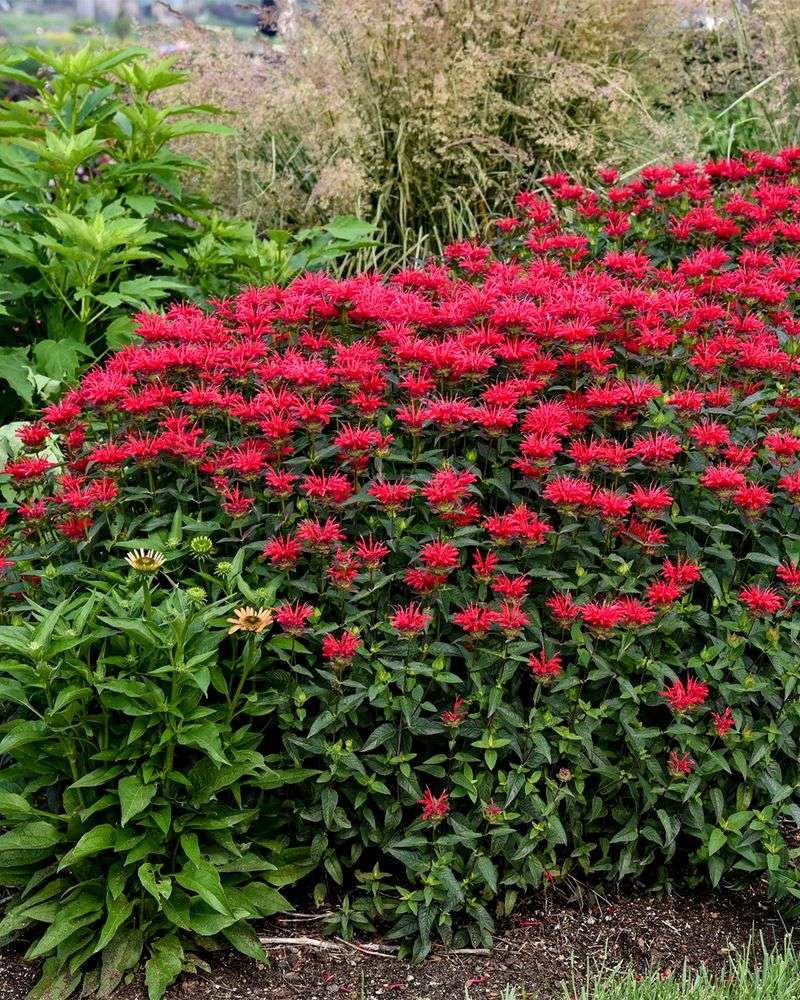
Bee balm is one of the more enthusiastic spreaders in an Ohio perennial garden. Monarda didyma moves outward through rhizomes and can take over a bed if left unchecked for several seasons.
That spreading habit actually makes division a practical tool for keeping the planting manageable.
Dividing during the hottest stretch of summer puts newly separated shoots under pressure right away. The rhizomatous root system is fairly shallow, and fresh divisions without an established network can wilt quickly in hot, dry conditions.
Waiting for a cooler, more settled period reduces that pressure considerably.
Spring and fall are both reasonable times to divide bee balm. If you choose to work in late summer or early fall, pick a cool or overcast day and avoid splitting plants during the hottest part of the afternoon.
Keep healthy shoots with attached roots in each division and discard woody or hollow center sections.
Better spacing after division can improve air movement around the foliage. Powdery mildew is a common issue with some Monarda cultivars.
Division alone does not prevent it, but thinning dense clumps and improving airflow may help reduce conditions that favor the fungus.
Replant divisions promptly and water the root zone after planting. Follow up with additional watering based on how quickly the soil dries out and what rainfall provides.
Avoid dividing badly wilted plants, and never work during the hottest part of the day if you can schedule around it.
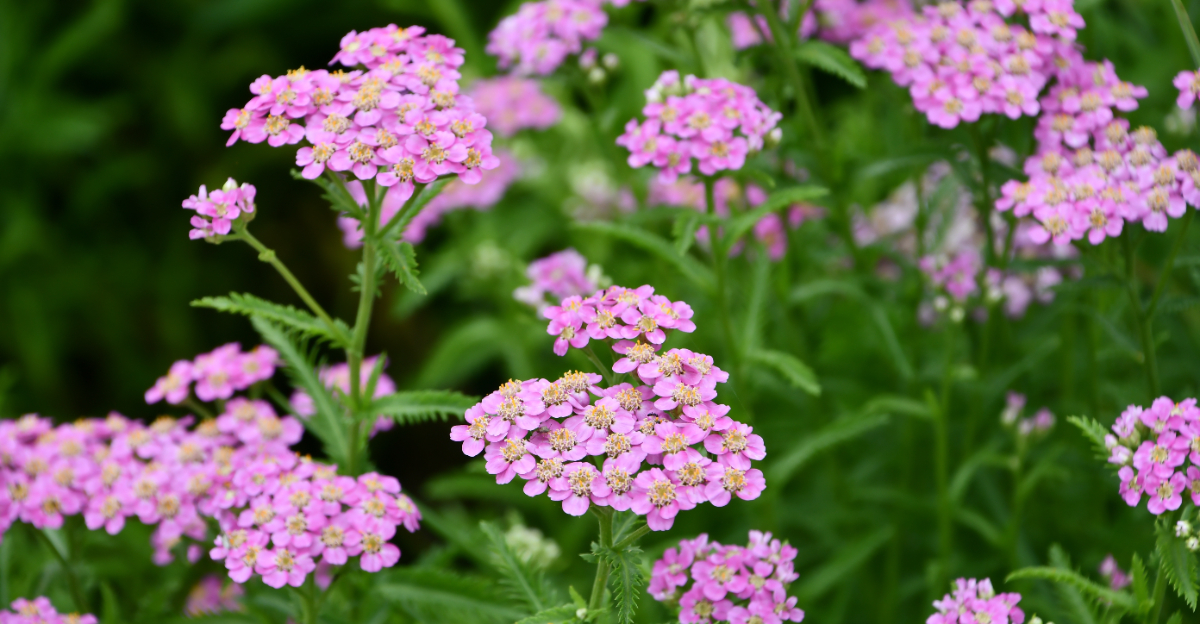
8. Yarrow Divisions Get A Gentler Start In Cool Soil
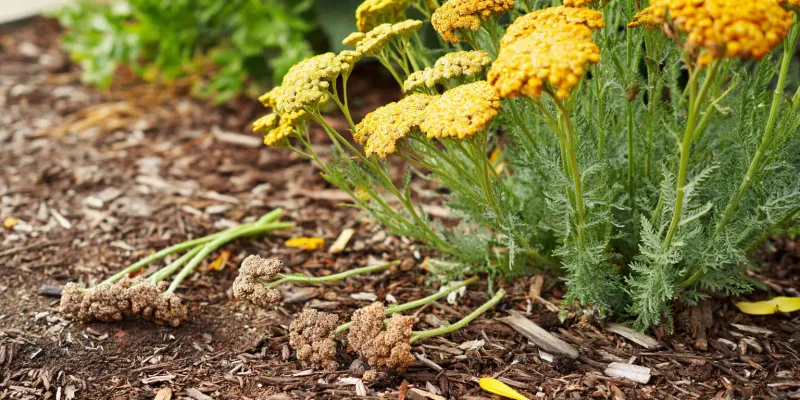
Established yarrow has a reputation for toughness. Achillea millefolium and many garden hybrids handle dry spells, poor soil, and full sun without much complaint once the roots are settled.
That resilience is one reason gardeners sometimes assume a fresh division will bounce back just as easily.
A newly separated yarrow division does not share that established-plant toughness yet. The root system is reduced, and the plant needs reliable moisture to regrow and anchor itself.
Dividing during peak August heat means the fresh division is dealing with high water demand at exactly the moment it is least equipped to meet it.
Spring and fall are both suitable times to divide yarrow. If your clump has become crowded, is showing reduced vigor at the center, or has simply spread beyond its intended space, those are reasonable signals to act.
There is no fixed schedule that applies to every yarrow planting.
Yarrow thrives in well-drained soil and full sun. When you replant divisions, avoid creating persistently wet conditions in an effort to reduce transplant stress.
Overwatering a plant that prefers good drainage can create a different set of problems.
Cooler conditions make the whole process easier on both the plant and the gardener. The soil holds moisture better, the sun is less intense, and the newly planted divisions can focus energy on root growth rather than fighting heat.
That is the broader lesson that applies across every perennial on this list.