How Late Is Too Late To Seed Northern Ohio Lawns After October 15
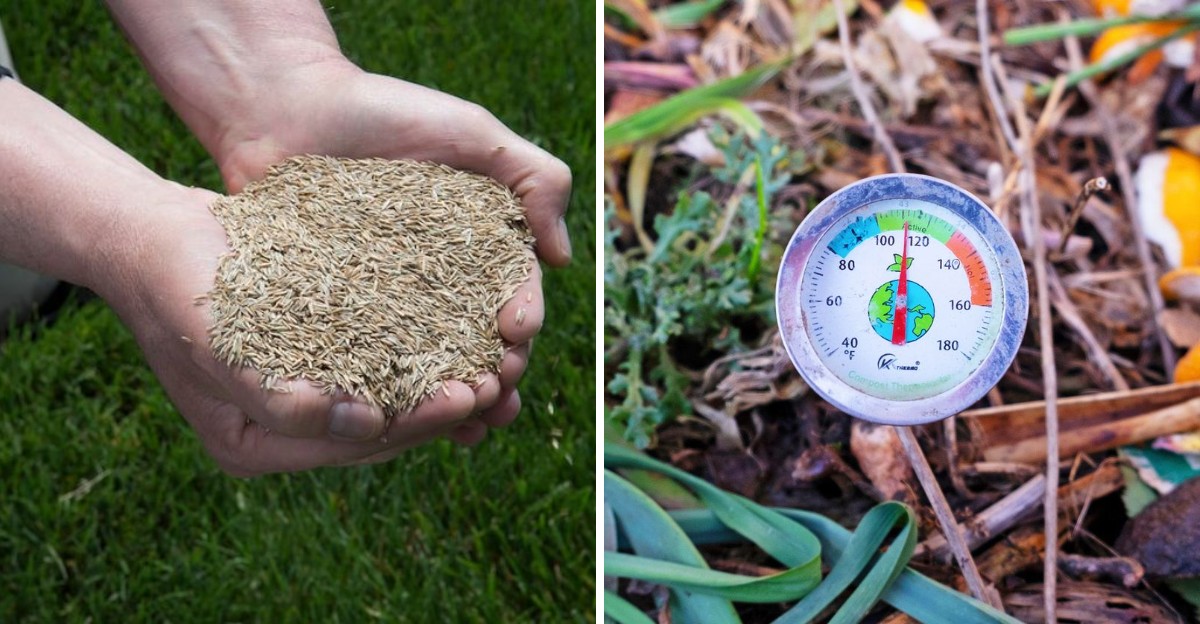
Mid-October in northern Ohio has a way of sneaking up on even the most organized homeowners.
One week you are enjoying the fall colors and the next you are staring at bare brown patches in the lawn wondering how the planting window got away from you so fast.
Completely relatable, by the way. The good news is that missing October 15 does not automatically mean waiting until spring.
There are still some genuinely smart options on the table depending on your soil temperature, your seed choice, and how the next few weeks of weather play out. Some of those options are a little unconventional, honestly, but they work.
Your yard has more potential left in it this fall than you might think. Let’s figure out exactly where you stand and what move makes the most sense right now.
1. Why October 15 Matters So Much

Lawn pros around Cleveland and Toledo often circle October 15 on their calendars. That date marks the usual end of the best seeding window in northern Ohio.
The reason comes down to timing and temperature. Grass seed needs soil around 50 to 65 degrees to sprout quickly, and that warmth fades fast after mid-October.
Once seeds sprout, the baby grass still needs about six to eight weeks of growing time. Those weeks help roots grow deep enough to handle frost and heaving soil over the winter.
Seeding in early September gives grass the longest head start. By October 15, you are cutting it close, but you are not out of options yet.
Think of the date as a yellow light rather than a red one. You can still move forward, but you need to be careful and choose your methods wisely.
Fun fact: lake-effect weather near Lake Erie can keep shoreline towns a bit warmer in fall. Yards near the lake sometimes get an extra week or so compared to inland spots.
So check your local forecast before giving up. A warm stretch in late October can still give new seed a fair shot at growing.
Keep a simple notebook of planting dates each year. Over time, you will learn exactly how your own yard responds to fall seeding in your neighborhood.
2. Soil Temperature Tells The Real Story
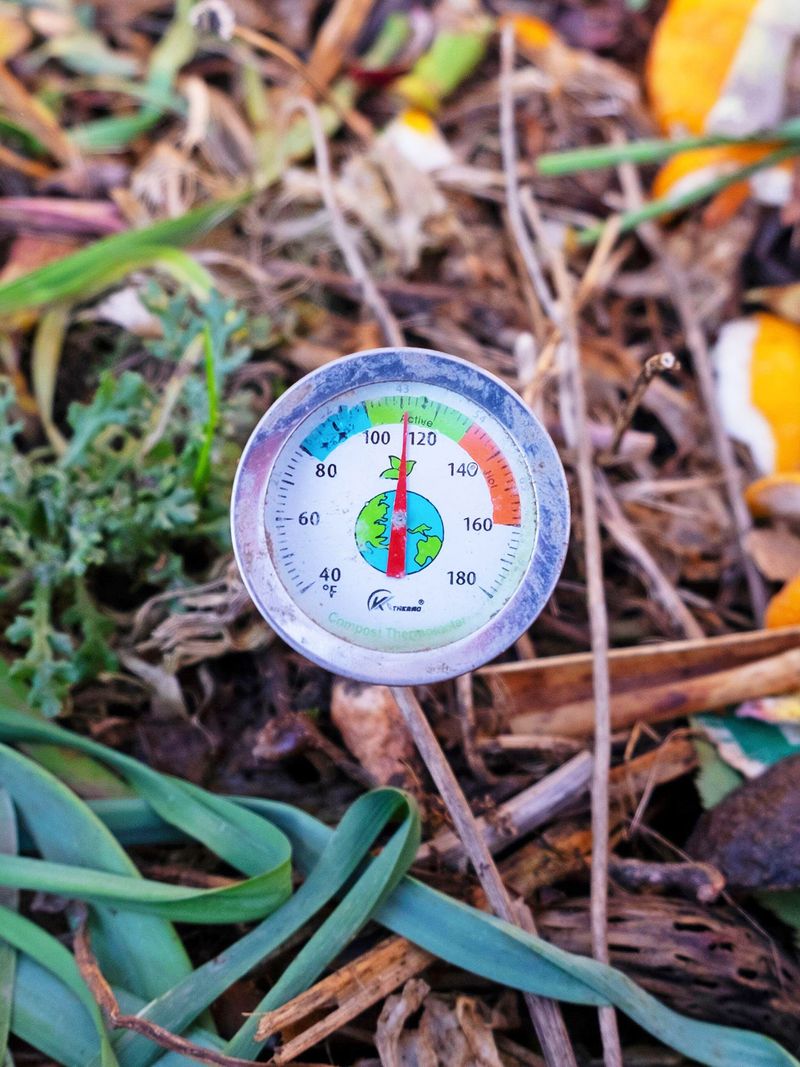
Air temperature can fool you on a sunny afternoon. The soil, though, gives a much more honest answer about whether seed will sprout.
A soil thermometer costs only a few dollars at most garden centers. Push it about two inches deep in the morning, when readings are lowest and most accurate.
If the soil reads 50 degrees or higher, cool-season seed can still sprout. Perennial ryegrass handles cooler soil better than Kentucky bluegrass, which is notably slow.
Once the soil drops into the low 40s, germination slows to a crawl. Seeds may just sit there, waiting for spring, and that can actually work in your favor later.
Many homeowners in northern Ohio check soil temps for a full week before deciding. Look for a steady pattern rather than one lucky warm day.
Your Ohio Garden Changes Every Week. Your Plan Should Too.
Gardening in Ohio changes quickly throughout the season. Every Friday you’ll receive a simple weekly plan showing exactly what to plant, prune, fertilize, harvest, and protect so you never miss the right timing.
You can also look up free soil temperature data online. Ohio State University and local weather stations often share readings for different counties across the state.
Shady yards tend to run colder than sunny ones. Test a few spots, because your front lawn and backyard may give very different numbers.
A little detective work now saves you money on wasted seed. It also helps you pick the smartest plan for the next few weeks.
3. The Late October Gamble With Ryegrass

Speed is the superpower of perennial ryegrass. In warm soil, it can pop up in as little as five to seven days.
That quick start makes ryegrass the go-to choice for late October seeding in northern Ohio. Its seedlings get a few weeks of growth before the ground turns chilly.
Many contractors mix ryegrass with bluegrass or tall fescue for late jobs. The ryegrass sprouts first and holds the soil, while slower grasses fill in during spring.
Still, you are taking a chance after October 20 or so. A sudden cold snap can stop tiny seedlings before their roots dig deep.
Weak seedlings sometimes struggle when frost pushes soil up and down. Mulching lightly with straw or a seed blanket can help protect them.
Here is a handy tip from experienced growers. Buy seed tagged with a recent test date, since fresh seed sprouts faster and more evenly.
Spread seed at the rate printed on the bag, not more. Crowded seedlings fight each other for water and light, which weakens the whole patch.
If luck is on your side, you will see a fuzzy green carpet by Thanksgiving. If not, many of those seeds will simply wait and try again when spring arrives.
4. Early November Calls For A New Plan
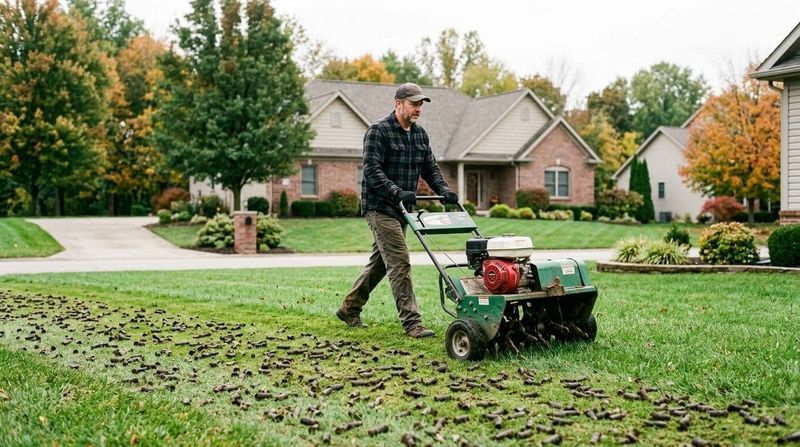
November weather in Ohio can swing wildly from week to week. One day feels like sweater weather, and the next brings flurries off the lake.
By early November, traditional seeding becomes risky for most northern Ohio yards. Seeds may sprout during a warm spell, then struggle when temperatures suddenly drop.
Those half-grown seedlings are the most fragile kind of grass. They lack the roots needed to hold tight when the ground freezes and thaws.
So many lawn experts suggest switching plans around this time. Rather than hoping for sprouts, you can aim for seeds that stay asleep until spring.
That approach is called dormant seeding, and it starts a bit later. You wait until the soil is cold enough that seeds will not wake up early.
Meanwhile, use early November to prep. Rake leaves, mark bare spots, and loosen hard soil so it is ready when the time comes.
A neighbor of mine in Lorain once seeded on November 5 during a warm week. Half his seedlings looked great, and the rest faded by January, leaving patchy spots.
Learning from stories like that saves heartache. Patience in November often pays off with a fuller, happier lawn come April.
5. Dormant Seeding Works Wonders In Winters
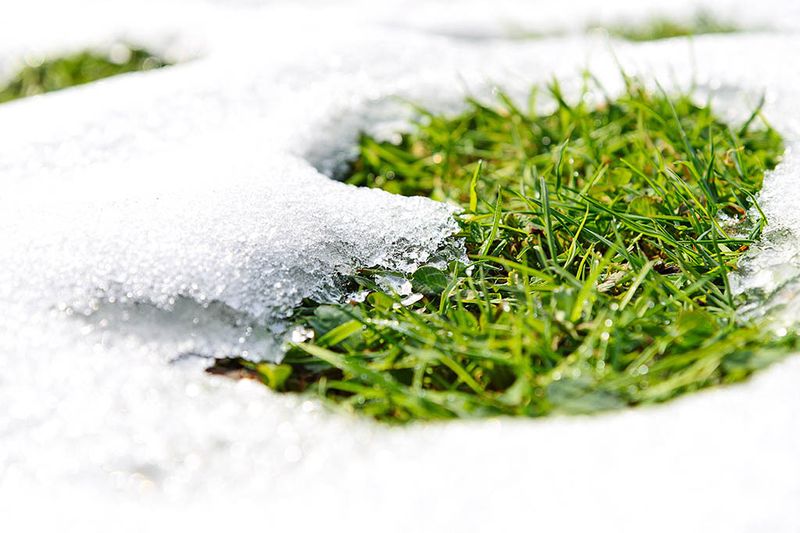
Believe it or not, some of the smartest seeding happens when it feels too cold. Dormant seeding takes advantage of winter instead of fighting it.
The idea is simple and clever. You spread seed once the soil stays consistently below about 40 degrees and is holding there.
In northern Ohio, that typically means late November through mid to late January is your workable window. Pushing into February gets riskier, because late winter temperature swings in northern Ohio can trigger warm spells that wake seeds up too early, leaving tender new sprouts exposed to returning cold.
Getting seed down before that unpredictable stretch gives it the most reliable path to a strong spring start.
Cold soil keeps seeds asleep, so they cannot sprout too early. Then, as spring warms the ground, they wake up right on schedule.
Freezing and thawing actually helps here. As soil expands and shrinks, it pulls seeds down into small cracks, giving them great contact with the dirt.
Snow adds bonus moisture as it melts slowly. Many folks say dormant-seeded lawns sprout earlier than ones seeded in April.
Choose a spot without heavy runoff, since rain and melting snow can wash seeds away. Flat areas usually give the best results.
Avoid seeding on top of thick snow or icy crust. Seeds need to touch bare soil, so pick a dry, clear day.
Birds might snack on some seeds, so spread a little extra. Even with a few losses, dormant seeding is a budget-friendly trick many homeowners swear by each year.
6. Prepping Soil Before Late Seeding
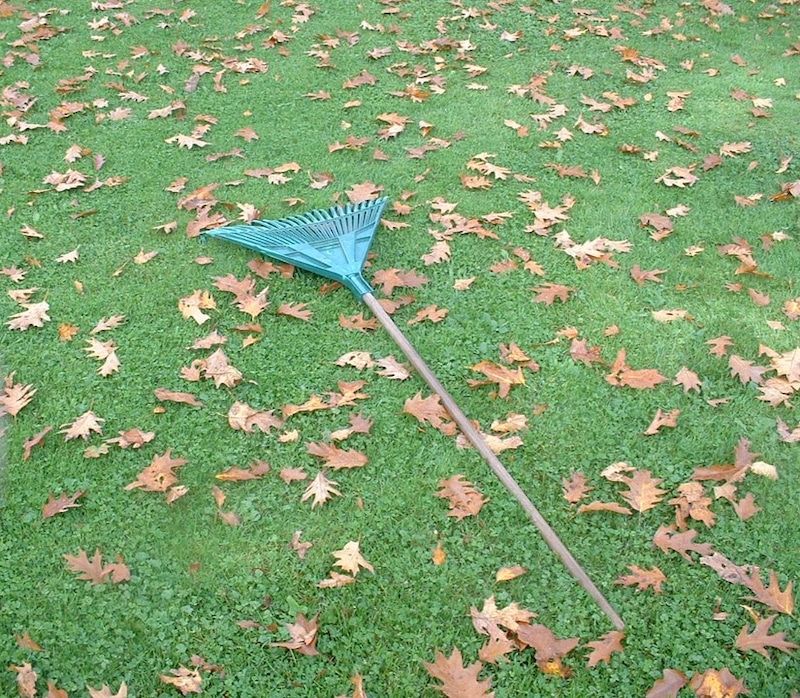
Good seed on bad soil is like a fancy car with flat tires. Preparation makes all the difference, especially late in the season.
Start by clearing leaves and debris completely from bare spots. Seeds buried under a soggy leaf pile rarely get the light or contact they need.
Next, loosen the top layer of soil. A hard rake works for small patches, while a core aerator helps bigger areas with packed clay.
Clay soil is common across much of northern Ohio. It holds water well but can get tight and crusty, so breaking it up helps roots spread.
A thin layer of compost, about a quarter inch, gives seeds a cozy bed. It also helps hold moisture without becoming soggy.
Skip heavy fertilizer right before dormant seeding. Save that for spring, when the young grass can actually use the nutrients.
If you seed in late October, a starter fertilizer can still help. Look for one with phosphorus, which supports early root growth.
Finally, lightly rake seed into the soil after spreading. Aim for about an eighth of an inch deep, since seeds buried too far down may struggle to break through.
7. Watering Tips For Chilly Fall Days
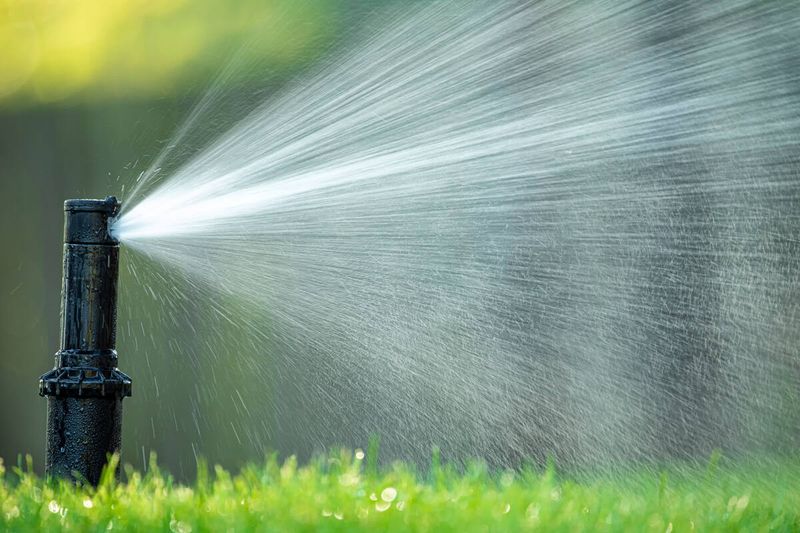
Watering in the fall feels a little strange. After all, the air is cool and the sky looks gray half the time.
Newly seeded spots still need steady moisture to sprout. Keep the top inch of soil damp, not soaking wet, until you see green shoots.
Light watering once or twice a day often does the trick in late October. Cooler air means water evaporates more slowly than in summer.
Water in the morning or around midday when possible. Evening watering can leave soil wet overnight, which invites mold and fungus problems.
Watch the weather closely, because fall rain in northern Ohio can be generous. If a good shower rolls through, you can skip a watering session.
Once temperatures drop near freezing at night, ease up. Frozen puddles on new seedlings can cause damage, so avoid watering before a hard freeze.
Dormant seeding needs no watering at all. Snow and winter rain handle that job for you, which is a nice break.
Remember to disconnect and drain your hose before the deep cold hits. A cracked outdoor faucet in January is an unwelcome surprise for any homeowner.
8. Mistakes Homeowners Make With Late Seed
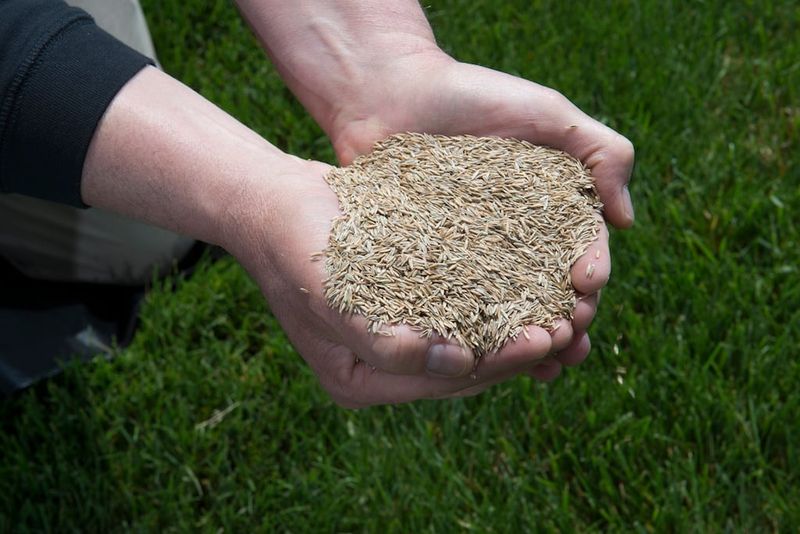
Everyone makes lawn mistakes, so no judgment here. Knowing the common ones, though, can save your weekend and your wallet.
The biggest slip is seeding in mid-November and expecting quick results. Seeds caught between sprouting and sleeping often have the toughest time.
Another mistake is skipping soil contact. Tossing seed over thick thatch or leaves usually leads to hungry birds and very little grass.
Some folks spread weed preventer in fall right before seeding. Many of those products stop grass seed too, so read labels very carefully.
Mowing new seedlings too soon also causes trouble. Wait until the grass reaches about three to four inches before giving it a gentle trim.
Walking on seeded areas is another sneaky issue. Kids, pets, and delivery drivers can trample tender sprouts without noticing.
Choosing the wrong seed type matters as well. Warm-season grasses like Bermuda do poorly in northern Ohio winters, so stick with cool-season varieties.
Finally, many people give up too early in spring. Dormant seed can take until late April to show itself, so hold off before reseeding in a panic.
9. Spring Backup Plans For Lawns
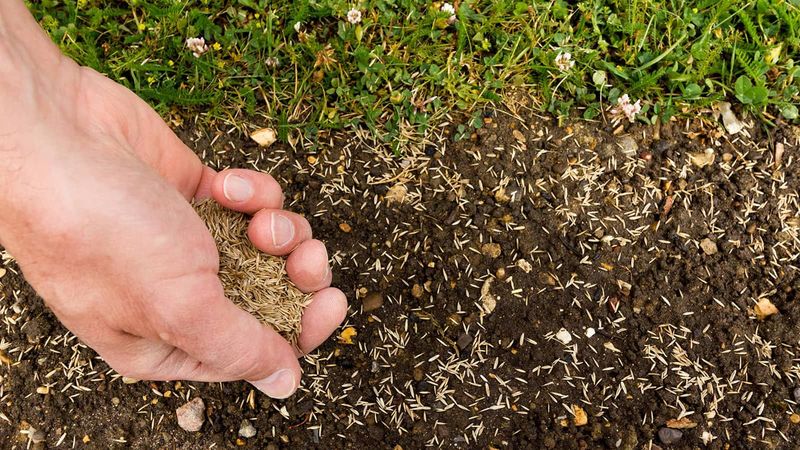
Sometimes fall just slips away before you get to the lawn. Life gets busy, and that is perfectly okay.
Spring seeding gives you a solid second chance in northern Ohio. The best window usually runs from late March through early May, once soil warms up.
Spring seed does face a few hurdles, though. Young grass has less time to grow strong roots before hot, dry summer weather arrives.
Crabgrass also wakes up in spring and competes for space. Some weed preventers, like those with mesotrione, allow seeding at the same time.
Plan on watering more often as May turns warm. Spring seedlings dry out quickly once the sun starts feeling serious.
A smart approach mixes both seasons. Dormant seed in winter, then patch any thin spots in early spring for extra coverage.
Did you know? Kentucky bluegrass is widely believed to have originated in Europe and Asia and was introduced to North America, likely arriving with early settlers.
Its exact origins are actually debated among botanists, with some researchers suggesting it may have also existed natively in parts of the continent. What is clear is that it earned its popular name from thriving in Kentucky pastures, where it became closely associated with the region long ago.
Whatever path you pick, steady care beats rushing. Mark your calendar for next September, and you will be ahead of the game when fall rolls around again.