Why Your Georgia Peppers Are Rotting On The Bottom In This Heat
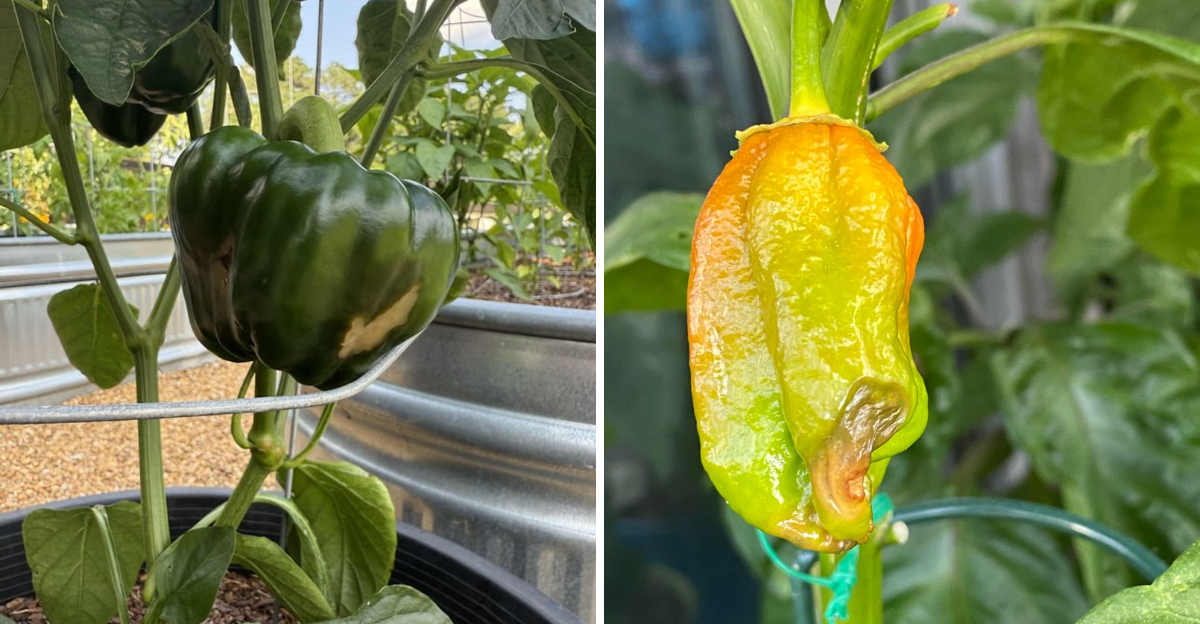
A perfect Georgia pepper can fool you from three feet away.
The leaves look healthy. The fruit feels heavy. Then you turn it over and find a dark, sunken patch right where you expected smooth green skin.
July heat makes that discovery feel even worse.
The obvious suspects pile up fast. Bad soil. Disease. Hungry insects. Maybe the plant needs fertilizer before the next pepper follows the same path.
That rush can send the garden in the wrong direction.
The real problem often starts long before the spot turns dark, and the fruit itself only shows the final clue. Hot soil, thirsty roots, sudden water swings, and one important nutrient all meet inside the plant.
So what actually went wrong down there?
The answer has less to do with a miracle product than most gardeners expect. A few changes around the roots can protect the peppers still on the plant and make the next flush look much better, and you will not need a fertilizer chemistry lab nearby this summer.
1. Recognize Blossom-End Rot Early
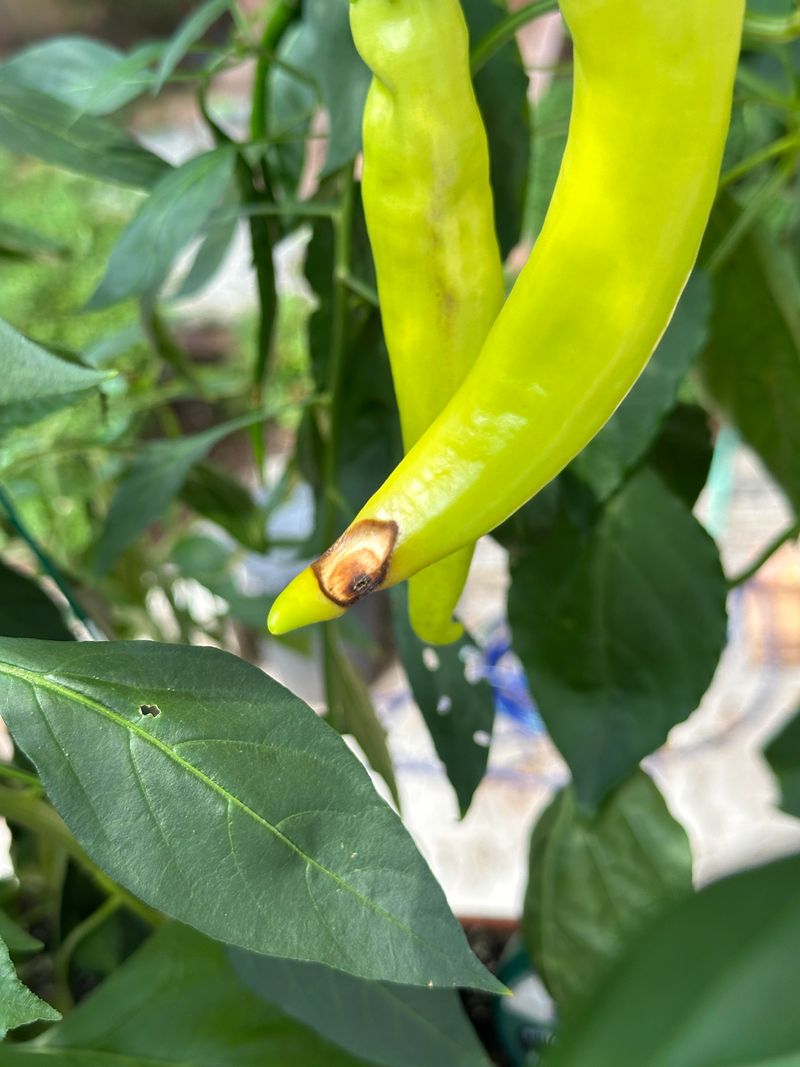
That ugly patch usually starts much smaller than the version that catches your eye.
Look at the blossom end, the tip opposite the stem. Early trouble may appear as a pale, slightly damp mark. Over several days, the patch can flatten, darken, and become firm or leathery.
Texture tells you a lot.
Blossom-end rot usually feels dry and sunken at first. A soft spot with a foul smell points to extra decay that moved into damaged tissue later.
Location helps too.
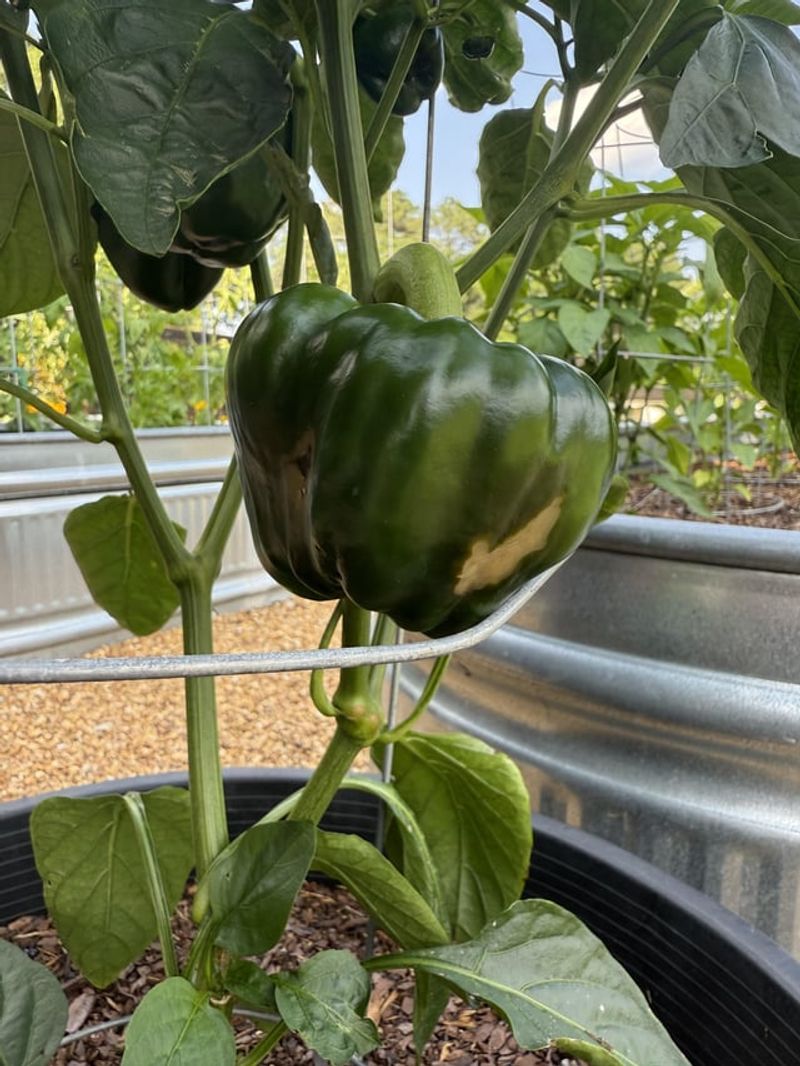
Sunscald usually shows up on the side of the pepper that faces strong sun. Anthracnose tends to leave round, sunken spots that can develop pink or salmon-colored material. Insect damage often starts with punctures, scars, or trails.
Blossom-end rot usually appears at the bottom end of the fruit.
Check several peppers on the same plant. A similar mark on more than one fruit makes the pattern easier to read.
Do not wait for every affected pepper to turn dark before you adjust care. The first small patch already gives you useful information.
Your pepper is not mysterious on purpose. It simply put the clue on the least convenient side.
Flip fruit over during each garden check. That ten-second habit can catch the problem before the damage becomes the first thing you notice.
2. Blame Calcium Movement Not Empty Soil Alone
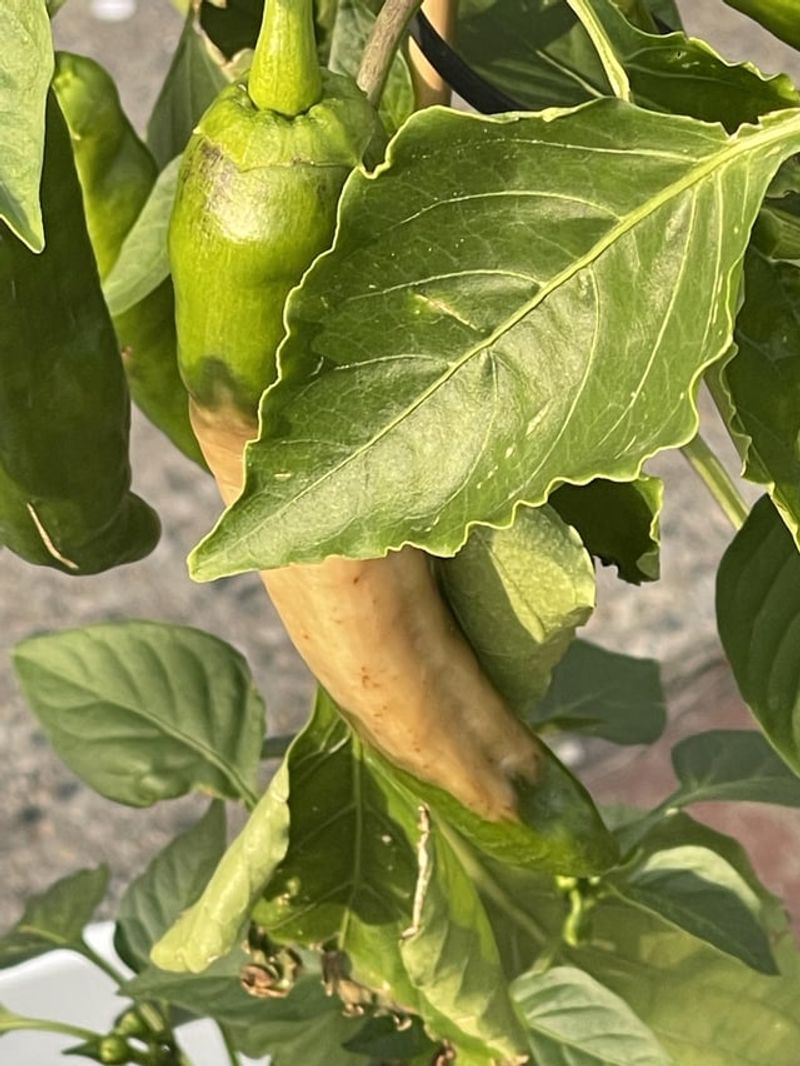
A black patch can make a bag of lime seem useful.
Hold off.
Georgia soil often contains enough calcium for peppers, especially in beds that received lime in past years. The bigger problem can happen inside the plant. Calcium has to travel with water from the roots into each new fruit.
That trip needs a steady supply.
Unlike some nutrients, calcium does not move easily from old leaves into new fruit. Each pepper depends on fresh uptake from the roots as its cells expand.
Hot weather can interrupt that flow.
Dry soil slows water uptake. Root stress does the same. A sudden flood after a dry spell does not erase the shortage that happened earlier. The fruit may already have weak tissue at the blossom end.
Your Georgia Garden Changes Every Week. Your Plan Should Too.
Gardening in Georgia changes quickly throughout the season. Every Friday you’ll receive a simple weekly plan showing exactly what to plant, prune, fertilize, harvest, and protect so you never miss the right timing.
That is why another handful of lime may miss the point.
Extra lime can also push soil pH higher than your vegetables prefer. A calcium spray on leaves or fruit offers limited help because the nutrient does not move efficiently into the fruit from those surfaces.
Use a soil test before you add calcium or lime.
The real fix often looks less dramatic. Keep roots healthy. Keep moisture steadier. Protect the soil from extreme heat.
Your pepper may not need a supplement aisle. It may just need its delivery route reopened, and that route starts with water.
3. Keep Watering Even Through Heat
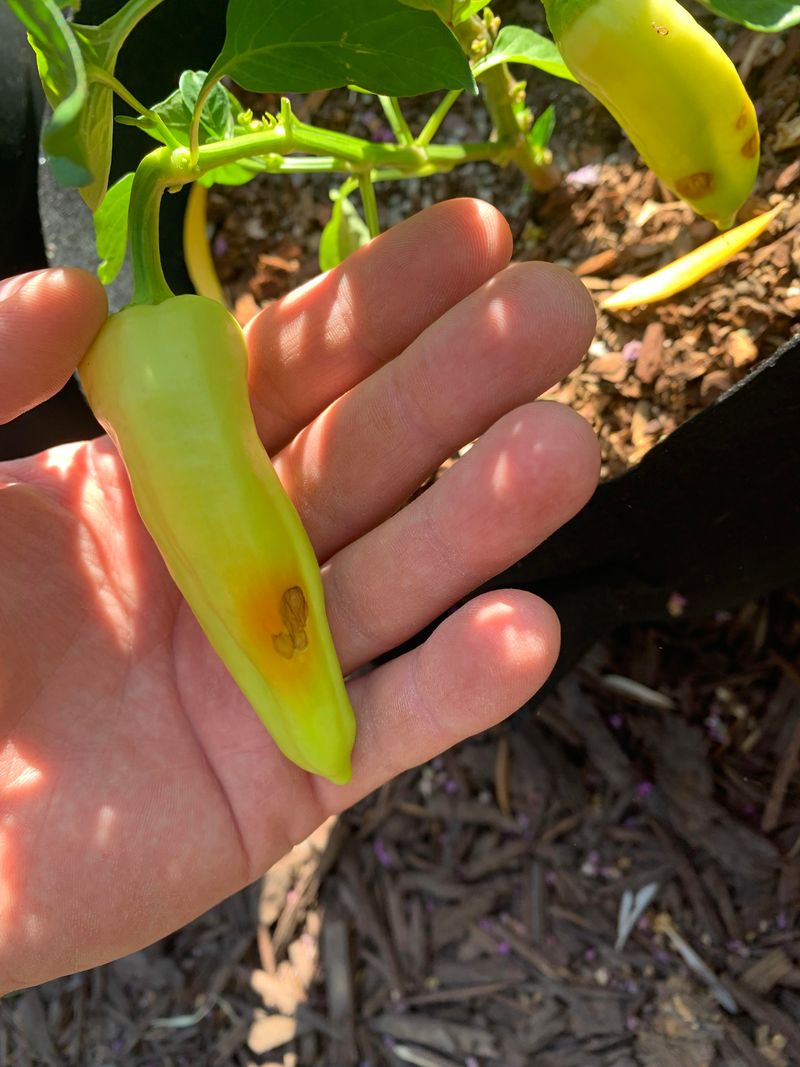
Georgia heat can turn one missed water day into a much bigger problem.
Peppers need steady root moisture while fruit expands. Long dry gaps followed by heavy water create the exact swing that can disrupt calcium flow inside the plant.
Deep water works better than quick surface splashes.
Aim for moisture that reaches about six to eight inches into the soil. That encourages roots to stay deeper, where the ground stays cooler and dries more slowly.
Check before you water again.
Push a finger about two inches into the soil near the plant. Dry soil at that depth means the root zone needs attention. Cool, moist soil means you can wait.
A fixed schedule can fool you.
One week may bring clouds and afternoon storms. The next can bring hot wind and no rain at all. Let the soil decide instead of the calendar.
Drip lines and soaker hoses make the job easier. Place them a few inches from the stem so water reaches the root zone without wet leaves.
Containers need closer checks.
A pepper in a pot can use water much faster during triple-digit heat than one in the ground. Some may need daily attention during the hottest stretch.
The goal is not constant wet soil. It is fewer wild swings.
Your peppers do not want a water roller coaster. Keep the ride predictable, and the fruit usually has a much better chance.
4. Protect Roots From Drought Stress
The fruit may show the damage, but the real stress can sit several inches below it.
Pepper feeder roots occupy much of the upper soil, exactly where a Georgia sun can push temperatures hard by midafternoon. Bare ground heats fast, and raised beds can warm even faster.
Hot roots have a harder job.
Even moist soil can become less useful when root stress limits water uptake. Less water through the plant means less calcium reaches fruit during fast growth.
Mulch gives you a simple buffer.
Spread two to three inches of pine straw, clean straw, or wood chips across the bed. Keep a small gap around the main stem so the base stays open to air.
That cover can keep the soil cooler and slow moisture loss between deep water sessions.
Pull weeds near the peppers too.
Those weeds compete for the same shallow moisture and make every dry spell harder on the crop. Give each pepper a clear root zone rather than make it share a tiny summer reservoir.
Raised beds beside south or west walls deserve extra attention. Reflected heat can dry those beds much faster than a nearby in-ground row.
Check the soil there more often during hot spells.
Mulch is not glamorous, but neither is a pepper with a black bottom. A cool root zone gives the plant a much better place to do the quiet work that keeps fruit intact.
5. Avoid Root Damage During Cultivation
One enthusiastic weed session can undo a lot of careful water work.
Pepper feeder roots spread close to the soil surface and often reach well beyond the stem. A hoe pushed deep through that zone can slice the roots that carry water and calcium into the plant.
Stay shallow near established peppers.
Keep hoe blades about six inches from the main stem, and disturb no more than the upper inch of soil within the wider root area. Small weeds pull easily before they build strong roots, so early cleanup saves both effort and pepper roots.
Transplants need extra care too.
A young pepper moved into hot soil already has to rebuild contact with nearby ground. Give it a deep drink at plant time and some afternoon protection during a severe hot spell.
Other root problems can hide below the surface.
Root-knot nematodes can cause swollen knots on roots and leave plants wilted despite adequate soil moisture. Compacted soil can restrict roots too. Fertilizer placed directly against the stem can burn tender tissue.
Do not dig around a stressed plant just to satisfy curiosity. That can add another layer of damage.
Check the history of the bed, your water pattern, and the plant’s overall vigor first.
Pepper roots do a lot of work without much recognition. Give them some personal space. The hoe can handle the weeds farther out without a visit to headquarters.
6. Ease Up On Excess Nitrogen
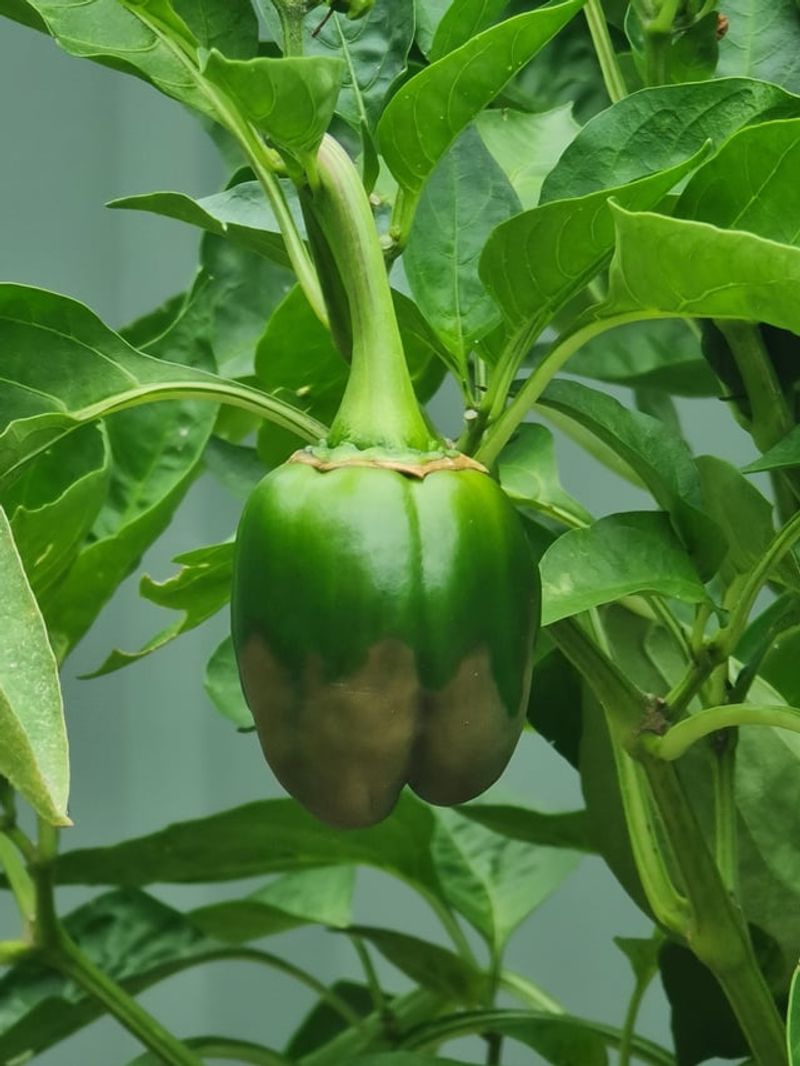
A huge, dark green pepper plant can still have fruit trouble.
Too much nitrogen can push a rush of leaf and stem growth at the same time fruit needs a steady share of water and calcium. The plant looks impressive, but the internal demand rises fast.
Summer heat makes that competition harder.
Roots already work under stress during very hot weather. A heavy fertilizer dose can ask the plant to build even more tissue when its water system has enough to handle.
Skip the rescue fertilizer.
A pepper with blossom-end rot does not automatically need fertilizer. Extra nitrogen can create a lush canopy without any correction to the moisture problem behind the damaged fruit.
Use a soil test to guide major nutrient decisions.
When the foliage has healthy color and growth looks steady, another dose may offer little benefit. Pale leaves or other clear deficiency clues deserve a closer look, but guesswork with fertilizer can make the situation more complicated.
Pay attention to the product you already used too.
Some general garden fertilizers contain far more nitrogen than peppers need once fruit production takes off. More is not a shortcut to larger harvests.
Your plant does not get bonus points for its small-jungle look.
During a Georgia heat wave, steady water and protected roots often deserve priority over another scoop from the fertilizer bag. Sometimes the best fertilizer decision is to leave the bag closed.
7. Mulch Without Burying Pepper Stems
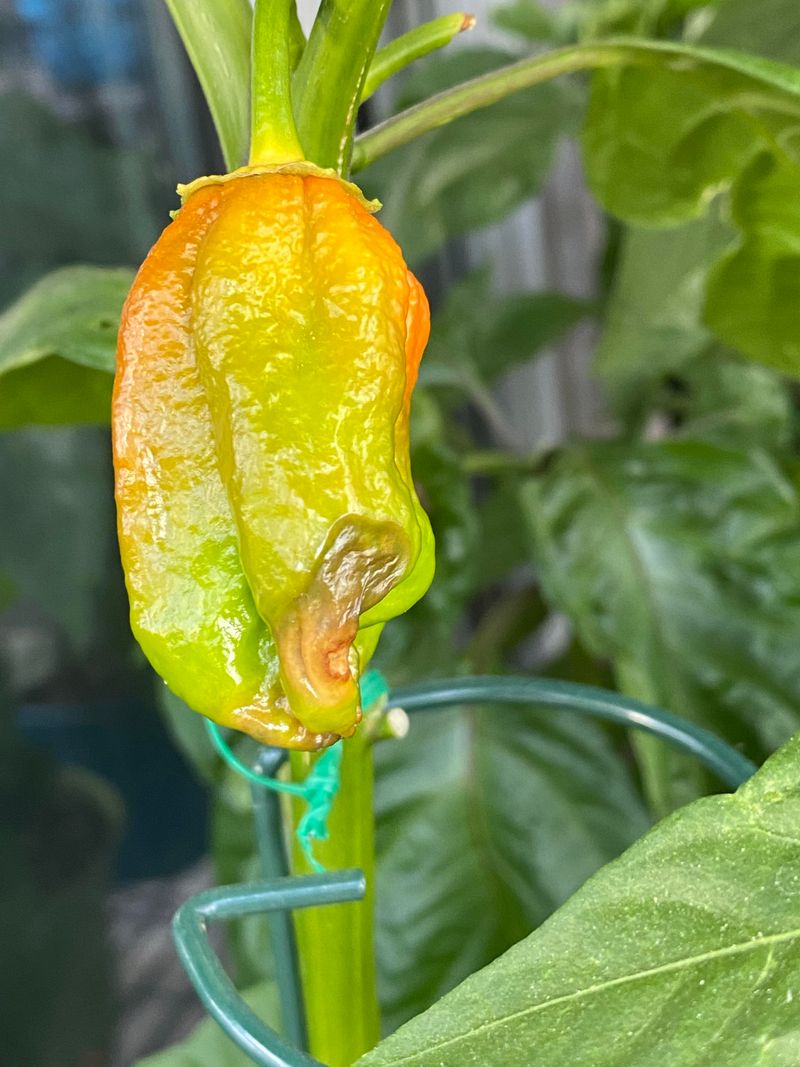
A good mulch layer can save water, cool the soil, and make a Georgia pepper bed much easier to manage.
Pile it against the stem, though, and you trade one problem for another.
Keep organic mulch about two inches away from the base of each plant. That small open ring lets air reach the stem and keeps damp material away from the tissue all day.
Aim for a layer about two to three inches deep.
Pine straw, clean straw, and wood chips can all work. Too little mulch dries fast and offers less temperature control. An overly thick layer can mat together and send water sideways instead of down into the root zone.
Check below the surface every week during a dry spell.
The top of a mulch layer may look damp while the soil underneath feels dusty. Push a finger through the material and into the bed before you assume the roots have enough moisture.
Skip landscape fabric under a vegetable-bed mulch.
It can make soil care awkward and may interfere with water movement. Organic material can break down gradually and add useful structure to the bed over time.
Refresh thin spots as summer wears on.
Mulch should act like a roof over the root zone, not a scarf wrapped around the stem.
Give the soil shade, leave some air around the pepper base, and let the roots enjoy a slightly less brutal version of July.
8. Remove Affected Fruit And Reset Care
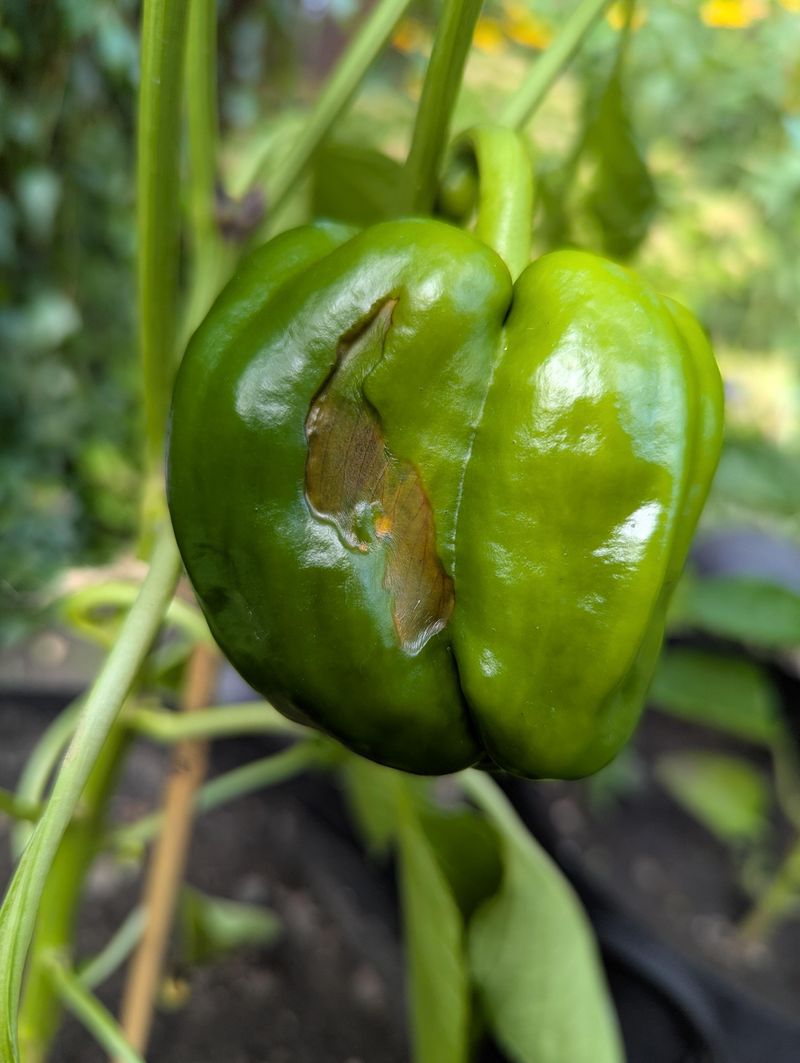
A damaged pepper will not repair its dark blossom end.
Once that tissue collapses, no spray, fertilizer, or extra water can rebuild it. A fruit with a large affected patch can come off the plant so resources can go toward the next crop.
Cut or snap it off cleanly.
Do not turn that removal into a panic response. One or two bad peppers do not mean the whole plant belongs in the trash.
Look at your recent care instead.
Did the bed dry hard during a hot week? Did a storm soak it right after? Has the mulch thinned? Did a heavy fertilizer dose go down just before fast fruit growth?
Correct the pattern, not the symptom.
Restore steady deep water. Refresh mulch where soil sits exposed. Hold off on unnecessary fertilizer. Protect the root zone from damage and heat.
Then watch the newest fruit.
Blossom-end rot often hits early fruit during periods of strong plant stress. Later peppers can develop normally once moisture becomes steadier and roots regain a better rhythm.
Remove fruit with severe damage, but keep a healthy plant in place.
Georgia has plenty of warm season left after July, and peppers can still produce well into late summer and fall.
One ugly pepper can annoy any gardener. It is not a resignation letter from the plant. Reset the care, give the next fruit a chance, and let the garden make its comeback.