The July Blueberry Pruning Mistake That Can Reduce Next Year’s Harvest In Georgia
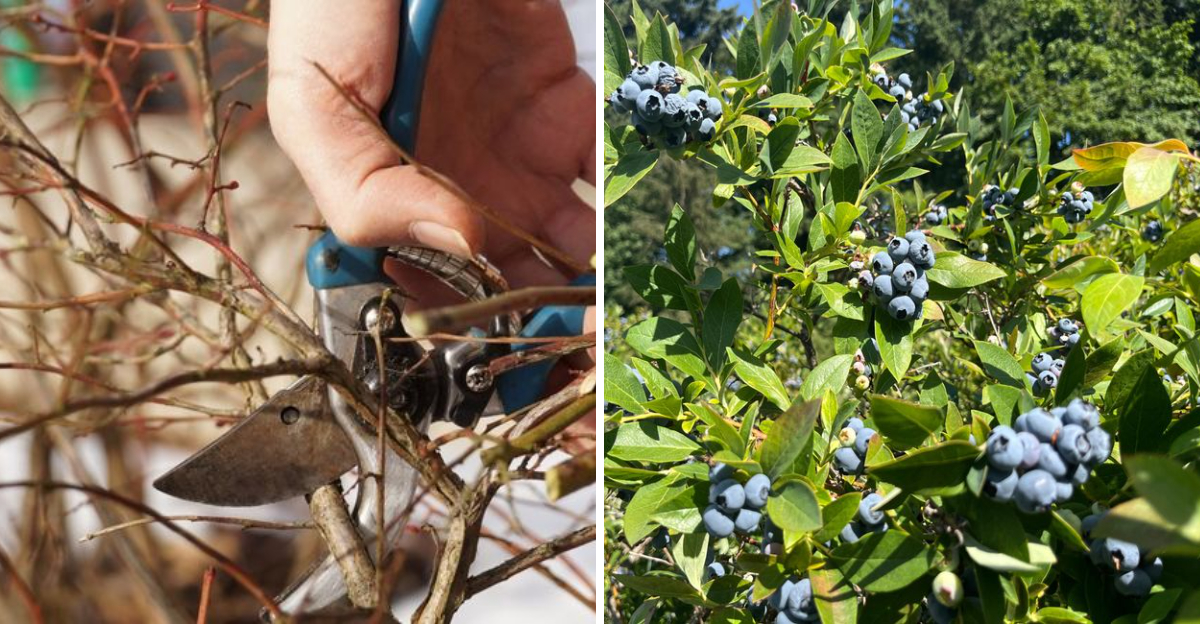
Your blueberry bushes may look finished for the season, but they are far from done growing. What you do after harvest matters more than many gardeners realize.
One wrong cut this month can affect next year’s crop before summer is even over. Hold the pruning shears for a moment and make sure you are helping, not hurting, your bushes.
July is an important time for blueberries in Georgia because new growth is already preparing for next year’s fruit.
Cutting the wrong stems or removing too much fresh growth can reduce future harvests without any warning signs.
A careful approach now protects next season’s flower buds and keeps bushes productive for years. Learn which pruning mistake causes the biggest setback before making your next cut.
1. Cutting New Growth Too Late Reduces Future Fruit
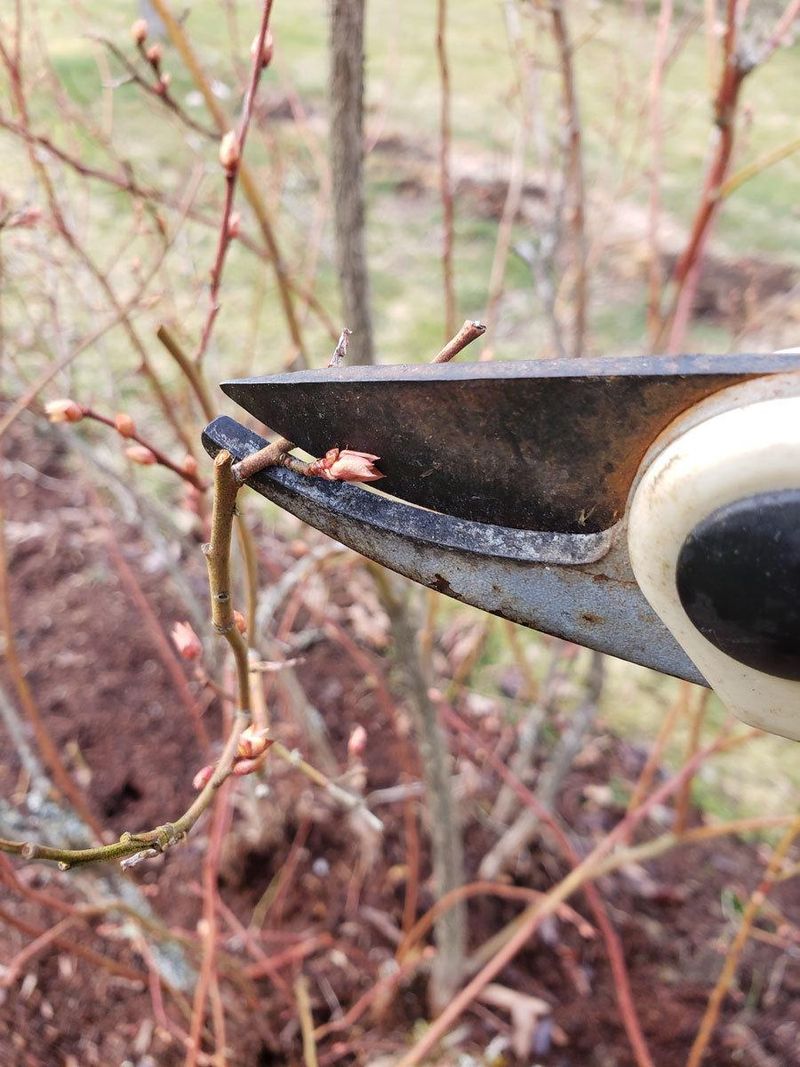
Snipping those fresh green shoots in July feels productive, but it can quietly cost you a full season of fruit. Blueberry bushes set their flower buds for next year during mid to late summer.
Cut those shoots too late, and you remove the very buds that would have become berries the following spring.
In the Southeast, rabbiteye and southern highbush varieties typically begin bud development by mid-July. Pruning after that window removes potential fruit-bearing wood before it ever gets a chance to bloom.
The loss often goes unnoticed until harvest rolls around and yields come in much lower than expected.
Timing is the whole game here. Light cleanup before early July is generally safer, but even then, caution matters.
Cutting aggressively at any point in summer can stress the plant right when it needs energy for bud formation.
A good rule of thumb: once July arrives, put the pruning shears away. Let the bush focus its energy on setting buds rather than recovering from cuts.
Waiting until late winter gives the plant a full growing cycle to store energy and build strong fruiting wood for the season ahead.
2. Choose Winter Dormancy For Major Cuts
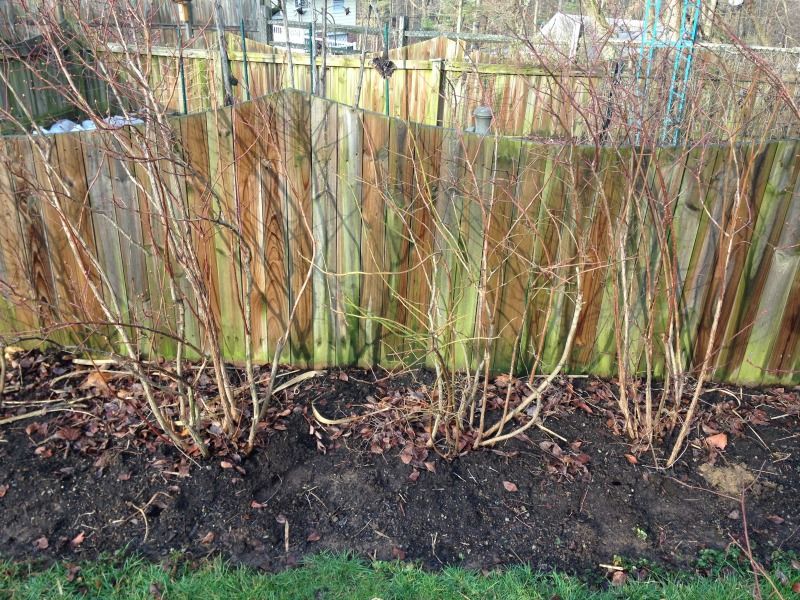
Winter is when blueberry bushes actually welcome the shears. During dormancy, the plant has pulled its energy down into the roots and woody stems.
Cuts made at this stage heal more efficiently and cause far less disruption to bud development.
Late January through early March tends to work well across much of the Southeast, though exact timing can shift depending on your local weather patterns.
Waiting until after the coldest nights have passed reduces the risk of exposing fresh cuts to hard freezes.
Checking your local extension service for region-specific guidance is always worth the effort.
Major structural cuts belong in this window. Removing old, unproductive canes at the base, thinning crossing branches, and shaping the overall canopy are all tasks better handled when the plant is resting.
The bush responds with stronger new growth come spring.
Dormant pruning also makes it easier to see what you are working with. Without leaves in the way, the cane structure is clear and easy to assess.
You can spot weak, damaged, or overcrowded wood without guessing. Taking your time during this window sets up a cleaner, more productive bush for the entire growing season ahead.
Your Georgia Garden Changes Every Week. Your Plan Should Too.
Gardening in Georgia changes quickly throughout the season. Every Friday you’ll receive a simple weekly plan showing exactly what to plant, prune, fertilize, harvest, and protect so you never miss the right timing.
3. Remove Selected Canes Without Overcutting
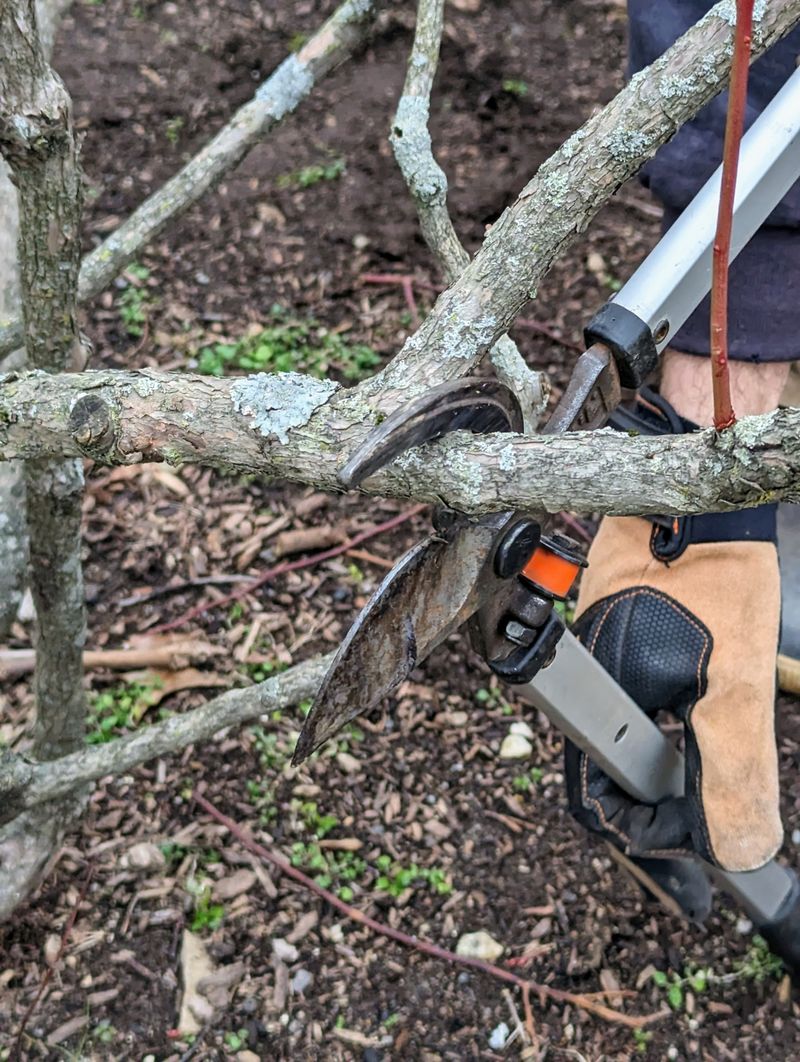
Overcutting is one of the fastest ways to set a blueberry bush back. Removing too many canes at once shocks the plant and forces it to spend energy on recovery rather than fruit production.
Selective removal is the smarter move.
A practical approach is to remove no more than one-third of the total cane count in any single pruning session. Focus on the oldest, darkest, and most unproductive canes first.
Canes older than about six years tend to produce less fruit and take up space that younger wood could use more effectively.
Look for canes that are thin, weak, or growing in awkward directions. Removing those frees up light and airflow without stripping the bush of its productive core.
Younger canes with a smooth, lighter bark color are typically the ones worth keeping.
Staggering removal across multiple seasons works better than a dramatic one-time overhaul. Gradually cycling out old wood while encouraging new cane development keeps the bush productive year after year.
Blueberry plants can live and fruit for decades with consistent, careful management. Restraint during each pruning session is what makes that long-term productivity possible, so resist the urge to cut more than the plant truly needs at any one time.
4. Maintain Moisture After Fruit Production
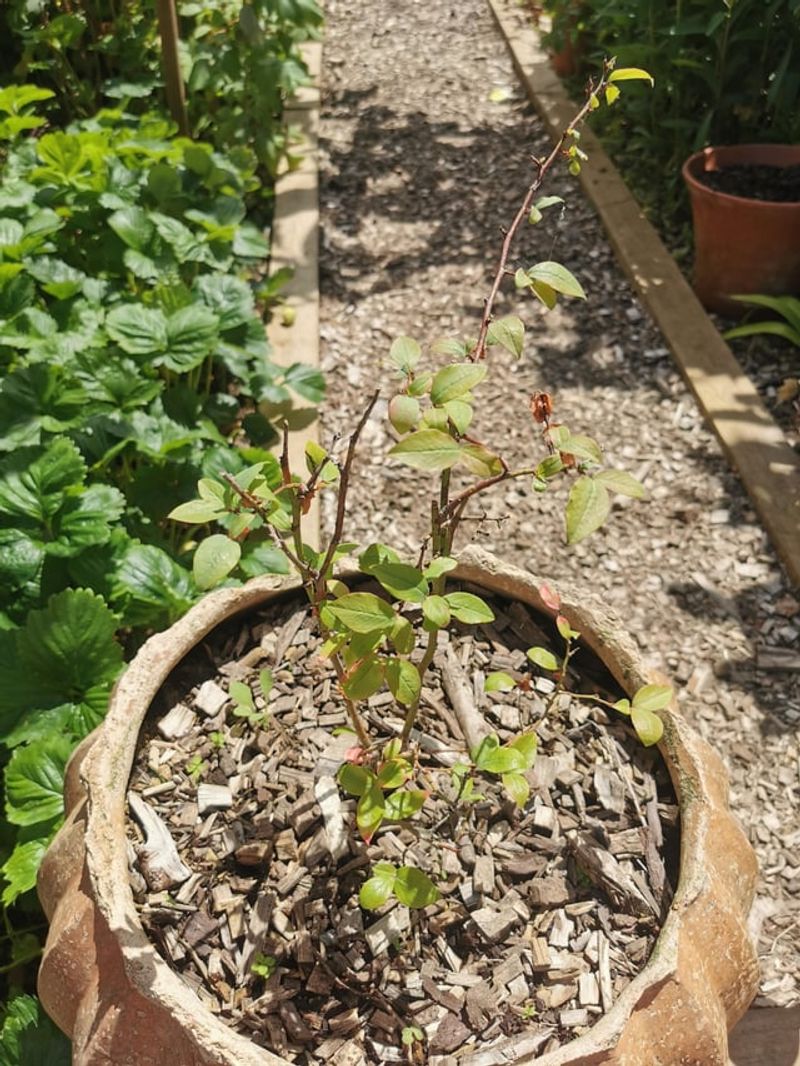
Harvest season feels like the finish line, but the bush still has important work ahead. Right after fruiting ends, blueberry plants shift energy toward root development and bud formation for the following year.
Letting the soil dry out during this phase can quietly undermine next season’s crop.
Keeping soil moisture consistent through late summer is more important than many gardeners realize. Irregular watering after harvest stresses the plant at exactly the wrong moment.
Roots that are struggling to find moisture cannot support strong bud development at the same time.
A simple moisture check goes a long way. Press a finger two inches into the soil near the base of the bush.
If it feels dry at that depth, it is time to water. Blueberries generally prefer soil that stays evenly moist without becoming waterlogged, so drainage matters as much as irrigation frequency.
Soil pH also plays into moisture management. Blueberries thrive in acidic soil, typically between 4.5 and 5.5 on the pH scale.
Soil that is too alkaline can interfere with nutrient uptake even when moisture levels seem fine. Testing your soil in late summer and making any needed amendments before fall gives the plant a stronger foundation heading into the next growing cycle.
5. Support Bushes Through Summer Heat
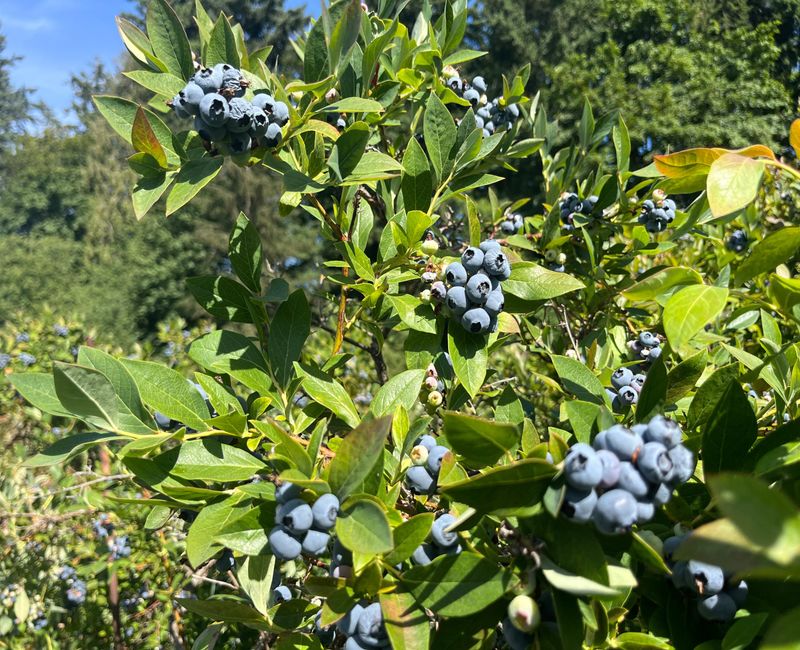
July heat in the South is no joke for blueberry bushes. Temperatures regularly climb past 90 degrees, and plants under stress do not set buds as reliably as healthy, well-supported ones.
How you care for the bush in summer directly affects what happens at harvest next year.
Consistent watering matters most during this stretch. Blueberry roots are shallow, which means they dry out faster than deeper-rooted plants.
Soaker hoses or drip irrigation work well because they deliver water directly to the root zone without soaking the foliage, which can encourage fungal problems in humid conditions.
Afternoon shade from nearby trees or shade cloth can reduce heat stress on particularly brutal days.
It is not always necessary, but in spots with full western sun exposure, some protection during peak afternoon hours can help the plant conserve moisture and maintain steady growth.
Avoid fertilizing blueberries late in summer. Late nitrogen pushes tender new growth that is more vulnerable to stress and less likely to harden off properly before cooler weather arrives.
Stick to a spring fertilization schedule and let the plant coast through summer on stored nutrients. Supporting the bush through heat is about smart restraint as much as active care.
6. Thin Crowded Growth For Better Airflow
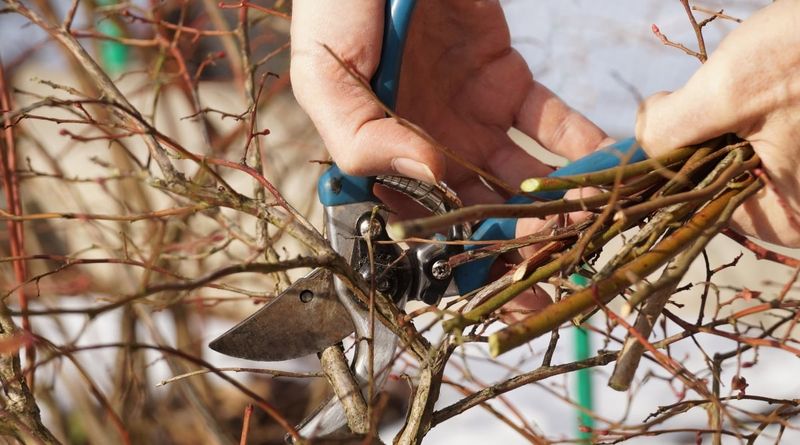
A crowded blueberry bush is an invitation for trouble. When branches press tightly together, moisture lingers, light struggles to reach inner wood, and disease pressure builds up over time.
Thinning solves all three problems at once.
Crowded canopies are especially common in Georgia’s humid summers. Without adequate airflow, fungal issues like mummy berry and anthracnose get a foothold much more easily.
Opening up the center of the bush lets air move through and helps foliage dry out faster after rain or irrigation.
Thinning is not about removing large amounts of wood. It is about strategic removal of specific crossing, rubbing, or inward-facing branches.
Taking out just a few problem branches can dramatically change how well light and air move through the plant.
Step back and look at the overall shape before cutting anything. Identify the branches that block the most light or create the most friction.
Removing those first often reveals that less cutting is needed than you originally thought.
A bush with a relatively open center and outward-facing branches tends to fruit more consistently and resist disease more effectively than one left to grow in every direction without any guidance or seasonal attention from the gardener.
7. Refresh Mulch Before The Next Growing Season
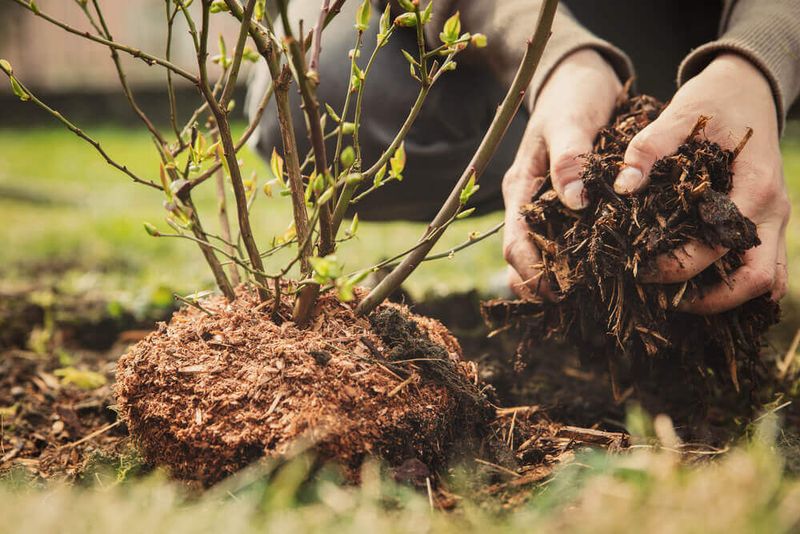
Mulch does more for blueberry bushes than most people expect. A fresh layer applied before the growing season kicks off helps regulate soil temperature, hold in moisture, and slowly acidify the soil as it breaks down.
Pine bark mulch and pine straw are both solid choices for blueberries in the Southeast.
Old mulch breaks down over time and loses its effectiveness. Refreshing it in late fall or early winter gives the bush a head start before spring growth begins.
Aim for a layer about three to four inches deep, keeping it pulled a few inches back from the base of the canes to prevent moisture buildup against the bark.
Fresh mulch also suppresses weeds that compete with blueberry roots for water and nutrients. Fewer weeds mean less root competition and a healthier overall plant.
Weeding by hand around blueberries is preferable to hoeing, since their roots sit close to the surface and are easy to disturb with aggressive cultivation.
Refreshing mulch is one of the lowest-effort, highest-return tasks in blueberry care. It takes maybe twenty minutes per bush, but the benefits carry through the entire growing season.
Skipping it is a small shortcut that often shows up as reduced vigor, poorer moisture retention, and a less productive harvest come the following summer.