This Is What It Means When You See A Mockingbird In Your Oklahoma Yard
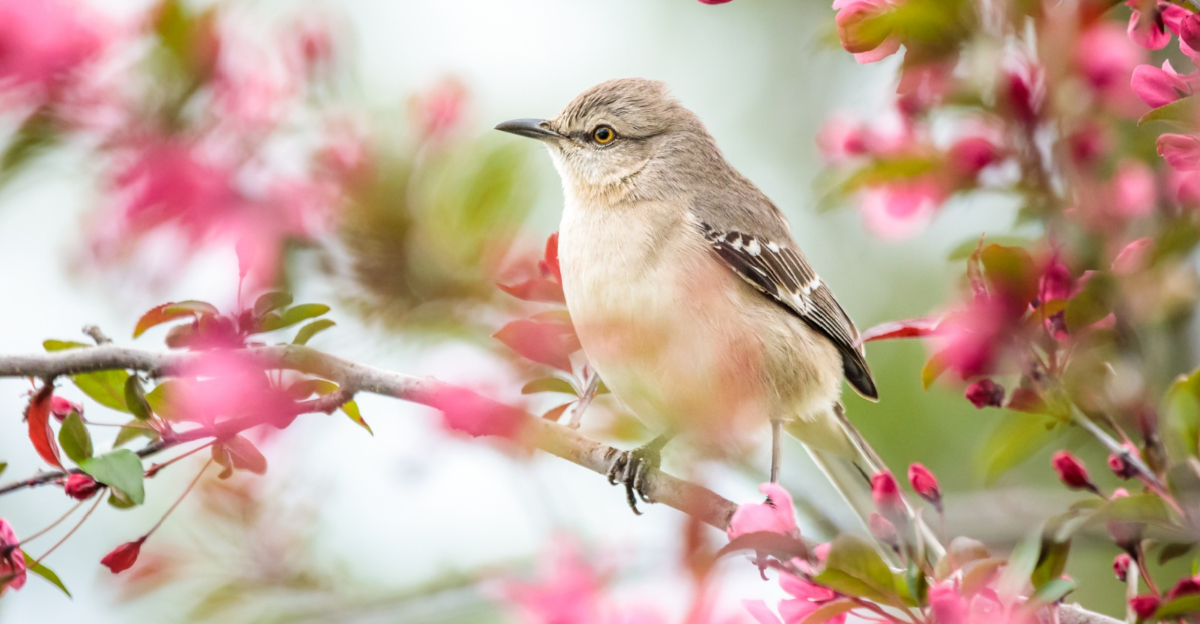
You hear it before you even notice the bird, a sudden burst of overlapping songs. Your fence just became a stage for the Northern Mockingbird.
Oklahoma gives you a front row seat to this loud, unexpected vocal takeover. Few backyards anywhere let you witness this much raw, unfiltered vocal range firsthand.
Folklore says this clever bird chooses you, not the other way around. Some call it pure luck when you spot this bird claiming your fence.
Mockingbirds test your attention by mimicking sounds you already recognize. Local Oklahoma culture ties these sightings to something deeper than chance.
Nothing about your visitor’s confidence ever looks accidental, shy, or random. Understanding this bird’s behavior sharpens how you read your own space.
Every distinct note you hear carries a specific territorial warning. Patterns in your yard reveal exactly why this bird stayed. What you learn next changes how you see this visitor forever.
What Seeing A Mockingbird Really Means
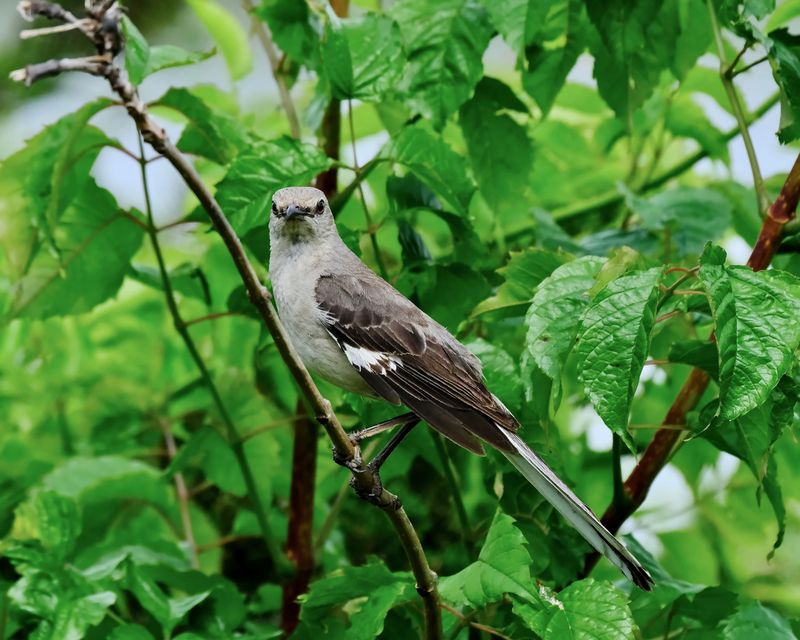
A mockingbird in your yard is not just a random visit. These birds are highly territorial and choose their locations with purpose.
When a mockingbird lands in your yard, it has likely scouted your space and decided it offers what it needs. That means your yard has food, shelter, or both.
Mockingbirds are drawn to yards with berry-producing shrubs, open lawns, and good perching spots. Seeing one regularly often suggests your outdoor space offers good habitat conditions.
In folklore and Southern tradition, a mockingbird sighting is often seen as a sign of good luck. Some families pass down stories about mockingbirds appearing during meaningful life moments.
Beyond symbolism, their presence signals a balanced local ecosystem. These birds eat insects, berries, and small invertebrates, so they thrive where nature is in good shape.
Spotting a mockingbird in your Oklahoma yard also means you have a natural pest controller on duty. They eat beetles, grasshoppers, and other bugs that can damage your garden.
If the same bird keeps returning each morning, it has claimed your yard as its home territory. Mockingbirds are known to persistently defend a territory once they claim it.
Think of it as a sign your yard offers what these birds need. Your yard passed the mockingbird inspection, and that is worth celebrating.
Reasons Mockingbirds Are Common In Oklahoma
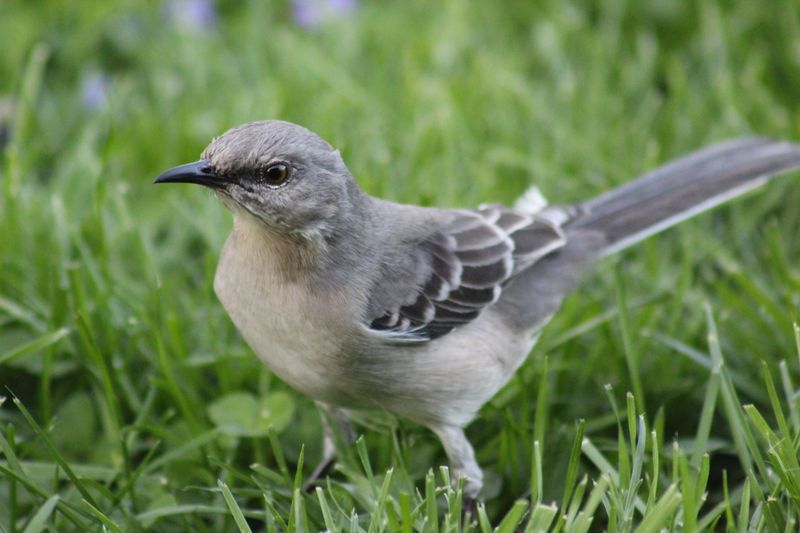
Oklahoma offers ideal conditions for mockingbirds. This bird thrives here because the climate and landscape meet its key habitat needs.
The state has warm summers, mild winters, and open land mixed with suburban neighborhoods. That combination creates the exact habitat mockingbirds prefer.
These birds love edge habitats, meaning spaces where open areas meet shrubs or trees. Oklahoma yards, parks, and roadsides offer this type of environment in abundance.
The availability of native berries also plays a huge role. Plants like yaupon holly, eastern red cedar, and hackberry produce fruit that mockingbirds absolutely love.
Oklahoma’s insect population is also a major draw. Warm temperatures support large numbers of beetles, ants, and grasshoppers, which are staple foods for mockingbirds year-round.
Your Oklahoma Garden Changes Every Week. Your Plan Should Too.
Gardening in Oklahoma changes quickly throughout the season. Every Friday you’ll receive a simple weekly plan showing exactly what to plant, prune, fertilize, harvest, and protect so you never miss the right timing.
Unlike many bird species, mockingbirds do not migrate south for winter. They stay put, which means Oklahoma residents can spot them in every season.
Urban and suburban growth has actually helped mockingbird populations. These adaptable birds adjust well to neighborhoods, finding food in gardens and shelter in ornamental shrubs.
The state’s central location in North America also means mockingbirds here are part of a large, connected population. Seeing one is common, but that does not make it any less special. Your yard is part of a bigger natural story.
Symbolic Meanings Behind This Backyard Visitor
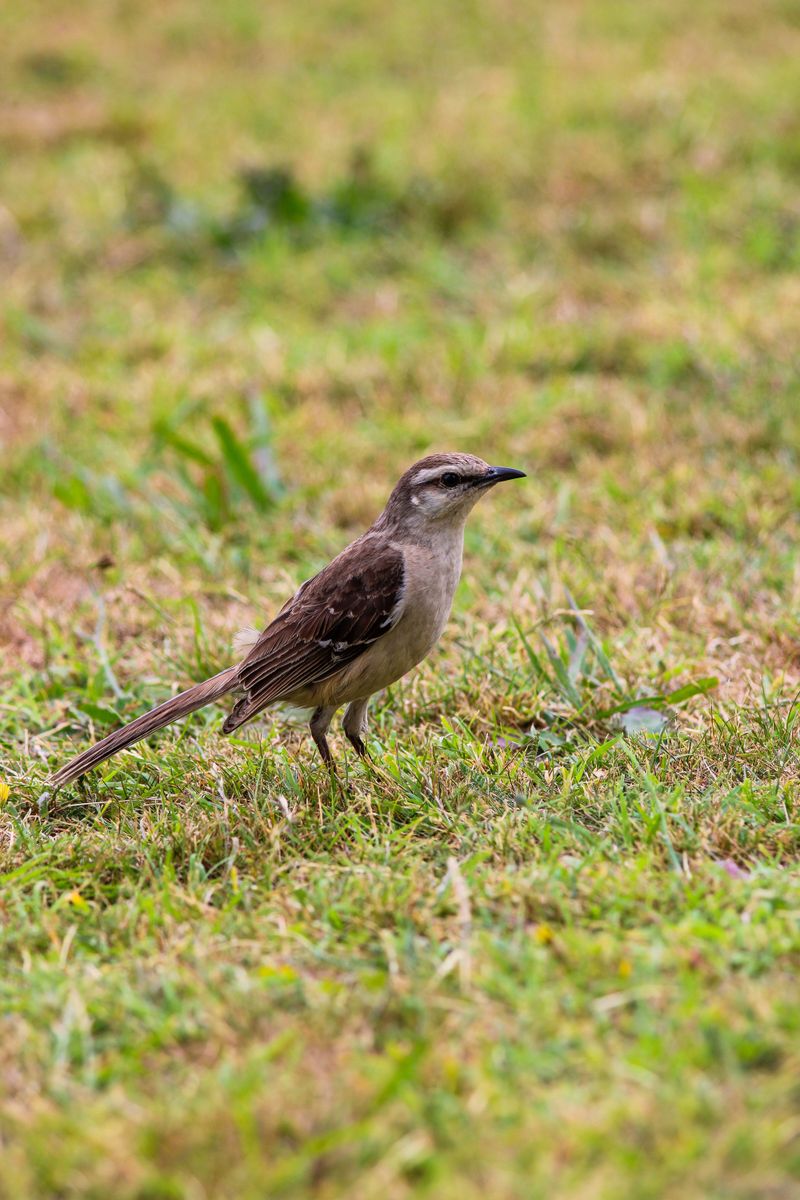
Mockingbirds carry a surprising amount of meaning across different cultures. For centuries, people have attached stories and symbols to this small but mighty bird.
In Native American traditions, the mockingbird is often seen as a messenger. Its ability to mimic many voices was interpreted as a sign of communication between worlds.
Some tribes viewed the mockingbird as a protector of sacred knowledge. Its song was believed to carry messages that only the spiritually aware could fully understand.
In American literary culture, the mockingbird became a symbol of innocence and justice. Harper Lee’s famous novel made the bird an enduring icon of moral courage.
Many people in the South and Midwest see a mockingbird sighting as a sign of creativity. The bird’s ability to learn and repeat songs represents adaptability and self-expression.
From a spiritual perspective, some believe a mockingbird appearing in your yard signals a time for self-reflection. Its song asks you to listen more carefully to the world around you.
Others connect the mockingbird to themes of resilience. Despite its small size, it fearlessly defends its space against much larger animals, including hawks and cats.
Whether you lean into the symbolism or just enjoy the song, its presence adds something distinct to the yard.
A mockingbird in your yard brings a sense of vitality and life that is hard to ignore. Let that energy inspire you today.
Timing Of Peak Mockingbird Activity
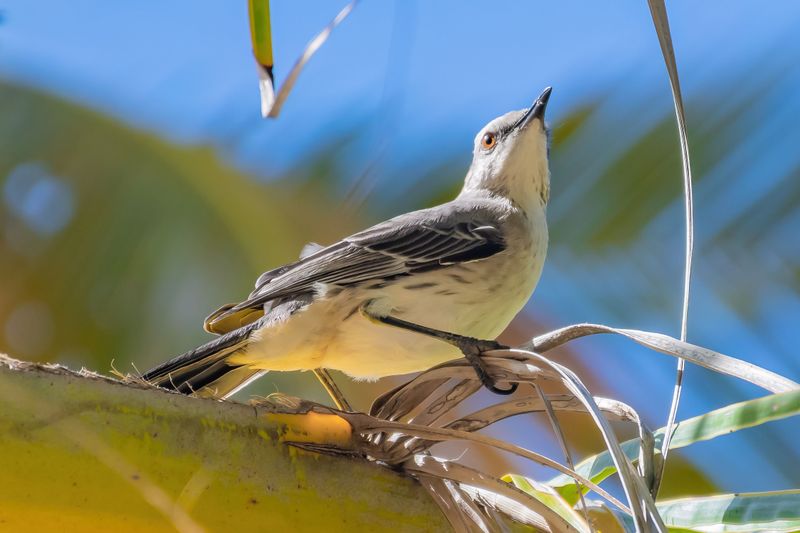
Timing matters when it comes to mockingbird sightings. These birds are most active during certain times of day and specific seasons throughout the year.
Spring is the loudest season for mockingbirds. Males begin singing aggressively in March and April to attract mates and establish territories.
Dawn and dusk are peak singing windows. If you hear a bird going through an impressive musical catalog at sunrise, a mockingbird is almost certainly the performer.
What surprises many people is that mockingbirds also sing at night. On warm spring evenings, unmated males will sing for hours under the moonlight, hoping to attract a partner.
Summer brings a shift in behavior. Once nesting begins, the singing becomes slightly less frequent, though the birds remain highly active defending their nesting zone.
Fall activity picks up again as mockingbirds work to claim winter feeding territories. You may notice them chasing away other birds from berry-producing plants in September and October.
Winter sightings are steady but quieter. The birds are focused on survival, eating berries and insects rather than performing their full musical repertoire.
The best time to observe a mockingbird up close is early morning in spring. Grab your binoculars and a cup of coffee, step outside just after sunrise, and let the show begin.
Once you sync your schedule with theirs, you will start noticing them everywhere. Peak mockingbird season in Oklahoma is a rewarding time for birdwatchers.
Attracting Mockingbirds To Your Garden
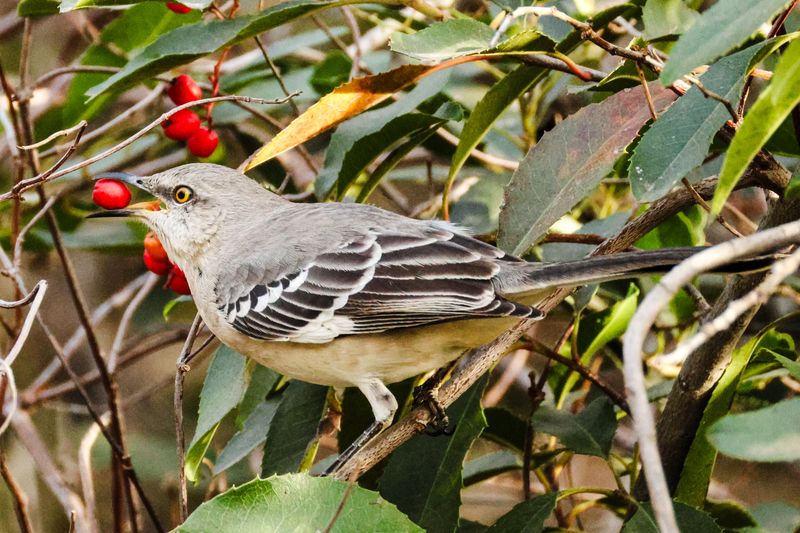
Want more mockingbird visits? A few smart changes to your yard can turn it into a prime mockingbird destination.
Start with native plants. Shrubs like possumhaw holly, American beautyberry, and native hawthorn produce berries that mockingbirds find irresistible from fall through winter.
Open lawn space matters too. Mockingbirds hunt insects on the ground, so a patch of short grass gives them room to forage without obstruction.
Adding a birdbath can make a significant difference. Fresh, clean water attracts mockingbirds for drinking and bathing, especially during dry Oklahoma summers.
Avoid heavy pesticide use in your yard. Mockingbirds rely on insects as a protein source, and chemical treatments wipe out the very bugs these birds need to thrive.
Tall shrubs or small trees near open areas give mockingbirds ideal perching and nesting spots. Dense plantings like roses or hawthorn are especially attractive for nesting pairs.
Mockingbirds are not feeder birds in the traditional sense. They rarely visit seed feeders, so skip the sunflower seeds and focus on habitat instead.
Fruit offerings can help in a pinch. Sliced apples or raisins placed on a flat surface may attract a curious mockingbird, especially during harsh winter months.
Patience is your best tool. Once a mockingbird discovers your yard is a safe and food-rich space, it will return season after season without any extra encouragement needed.
Fun Facts About The Northern Mockingbird
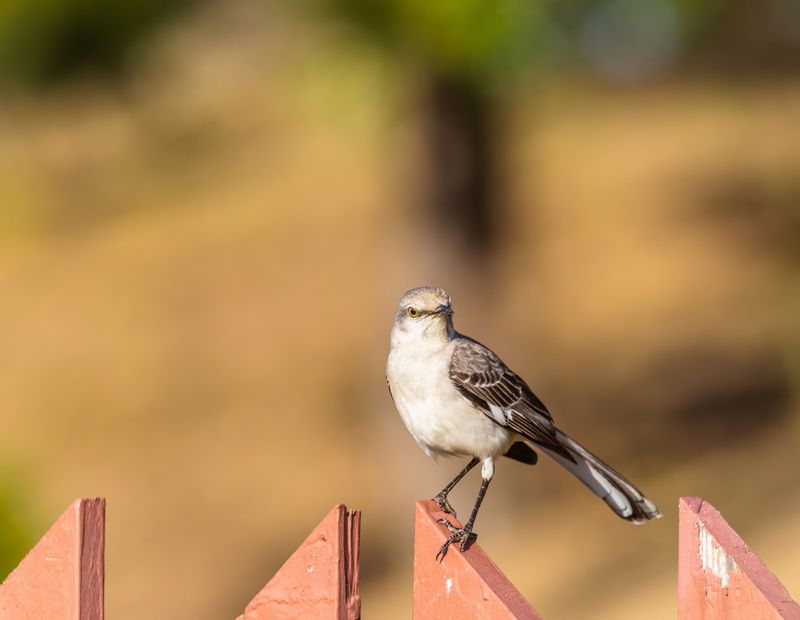
Oklahoma’s official state bird is actually the Scissor-tailed Flycatcher, designated in 1951, not the mockingbird.
The Northern Mockingbird does, however, hold that title in five other states, which tells you how beloved this bird really is.
Mockingbirds can learn up to 200 distinct songs over their lifetime. Each bird builds its own unique musical library by listening and memorizing sounds from its environment.
They do not just mimic other birds. Mockingbirds have been recorded copying car alarms, squeaky gates, and even cell phone ringtones with startling accuracy.
The scientific name for the Northern Mockingbird is Mimus polyglottos. That name translates loosely to many-tongued mimic, which is about as perfect as a name gets.
Male mockingbirds are the primary singers, but females also vocalize. This is unusual among songbirds, where females typically stay quieter than their male counterparts.
A mockingbird’s wings have white patches that flash during flight. Scientists believe these flashes startle insects hiding in grass, making them easier to catch.
These birds are remarkably long-lived for their size. In the wild, a mockingbird can survive eight years or more with the right habitat and food supply.
Mockingbirds have excellent memory and can recognize individual human faces. If you disturb a nest, that bird may remember you and react differently to your presence afterward.
Seeing a mockingbird in your Oklahoma yard connects you to something genuinely wild. Appreciate every song because that bird is performing just for its own joy.