Trees North Carolina Homeowners Should Never Plant Near A Sidewalk
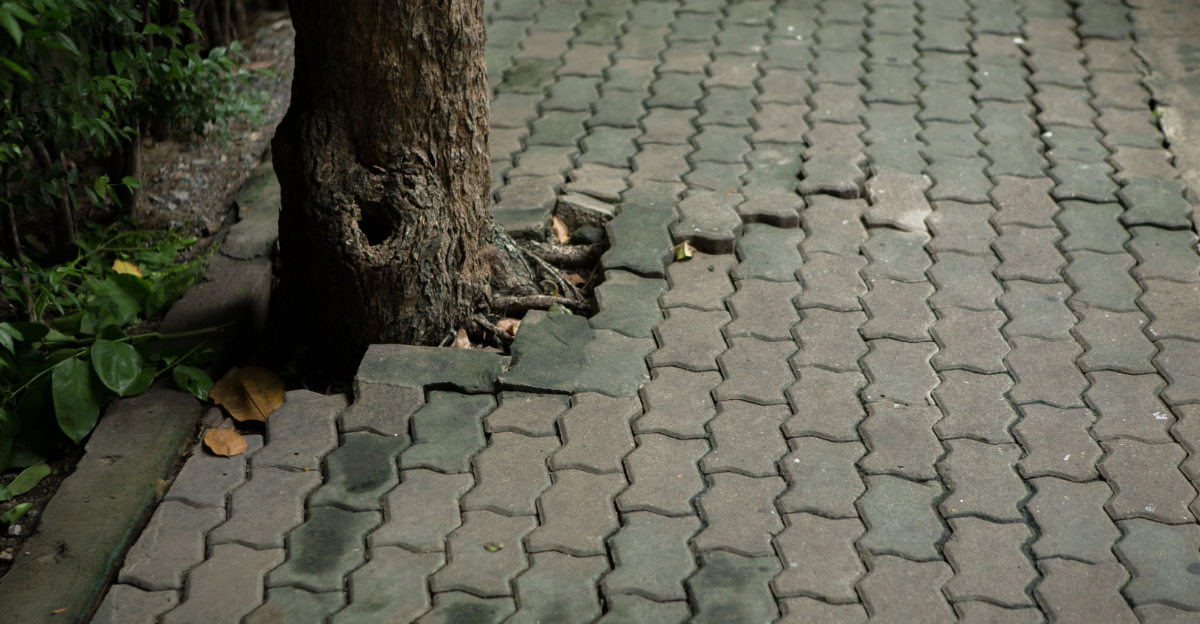
Picking a tree for your North Carolina front yard feels like a fun weekend decision right up until you realize how much is actually riding on it.
Plant the wrong tree near a sidewalk and you could be looking at cracked pavement, expensive repair bills, messy fruit all over the walkway, or branches coming down during the next big storm.
No pressure though, right? The truth is that planting near a curb or sidewalk in a North Carolina neighborhood is one of the trickier landscape decisions a homeowner can make.
Those narrow planting strips do not forgive bad choices, and some trees that look perfectly reasonable at the nursery have root systems and growth habits that cause serious headaches down the road.
Knowing which ones to avoid before you dig makes everything a whole lot easier.
1. Silver Maple Can Lift Nearby Sidewalks
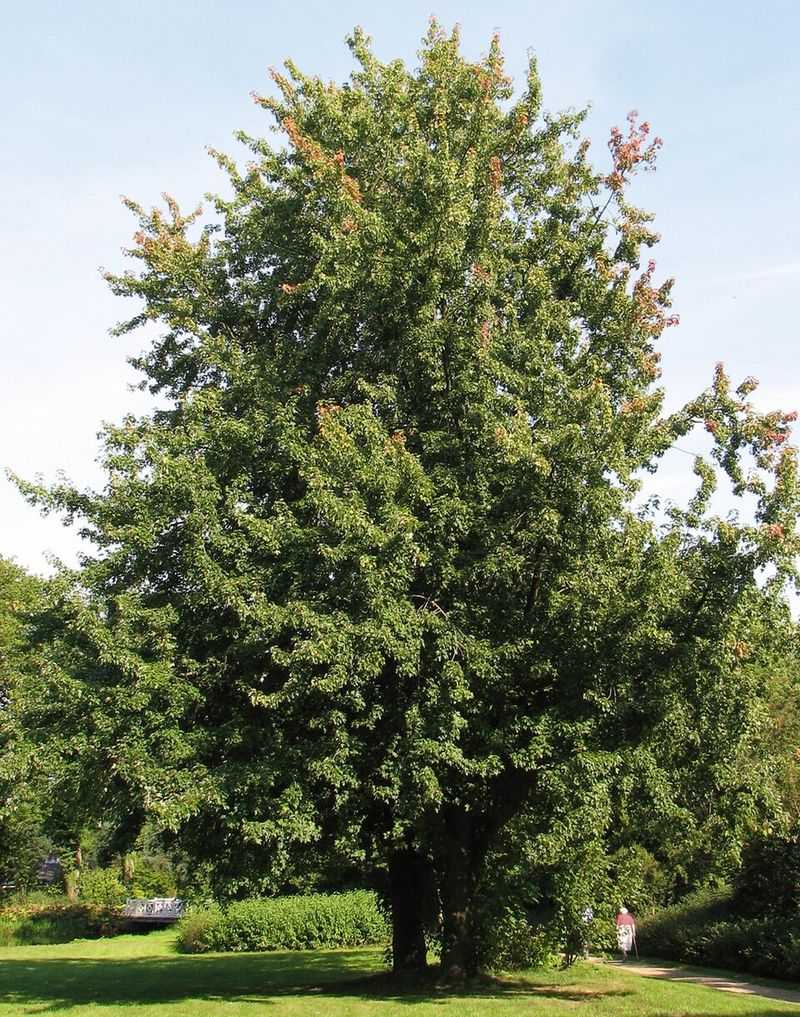
Few trees cause more sidewalk headaches in North Carolina than the silver maple. Its root system is aggressive and fast-growing, spreading wide and shallow just beneath the soil surface.
Those roots are constantly searching for water and oxygen, and a nearby sidewalk does not slow them down much at all.
Over time, the roots push upward against concrete slabs, causing cracks, uneven edges, and lifted sections that become tripping hazards for pedestrians. Repair costs can add up quickly, especially when the damage spreads across a long stretch of walkway.
Homeowners sometimes do not notice the early signs until the damage is already significant.
Silver maples also grow quickly, which sounds appealing at first. But that fast growth means the roots expand just as rapidly, giving you less time to catch problems before they escalate.
In North Carolina, where summer storms can be intense, the wood of this tree is also known to be somewhat brittle, leading to broken limbs falling onto yards and walkways.
If you love this tree, consider planting it in a large open area well away from any paved surface.
2. Red Maple Needs Room For Roots
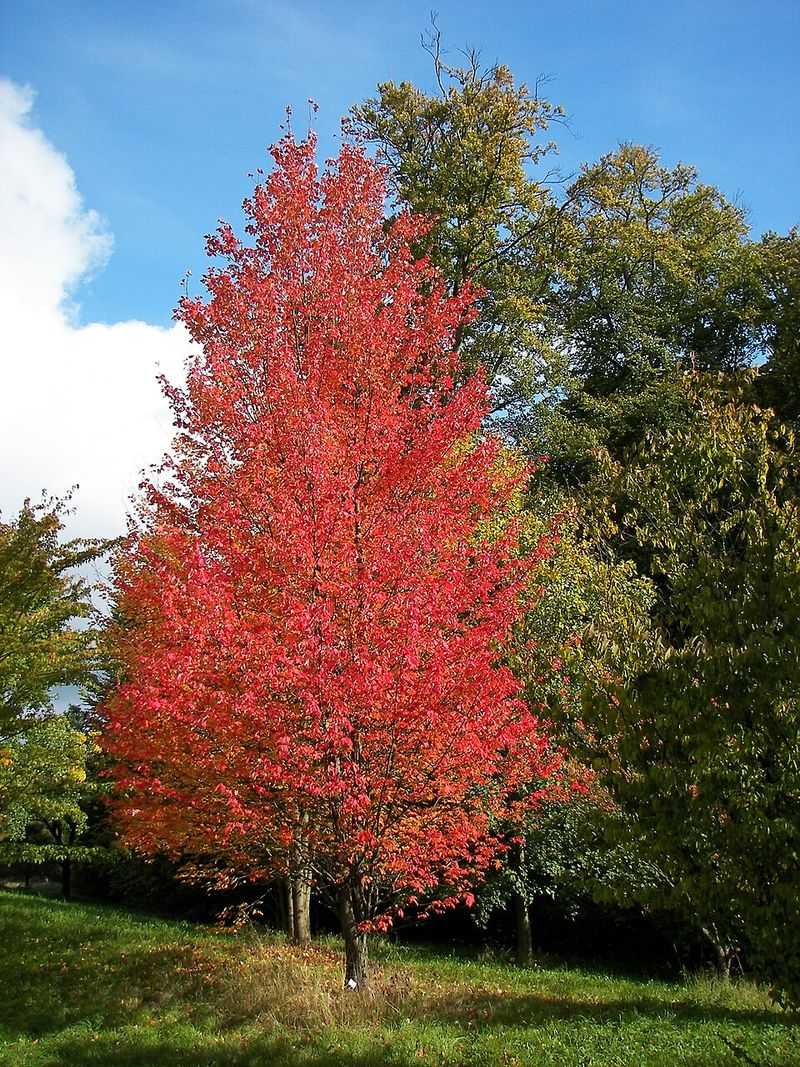
Walking through a North Carolina neighborhood in October, you will spot red maples almost everywhere.
Their brilliant fall color makes them one of the most popular landscape trees in the state, and it is easy to see why homeowners want to plant them close to the street where everyone can enjoy the show.
The problem is that red maples develop a substantial root system as they mature. In tight planting strips between a sidewalk and the curb, the roots simply run out of room.
They begin growing closer to the surface and pushing against nearby pavement, gradually cracking and lifting concrete slabs. The damage can take several years to appear, which is part of why this tree catches homeowners off guard.
Red maples also grow fairly large, sometimes reaching 40 to 60 feet tall with a wide canopy spread. That size is wonderful in a spacious backyard, but it becomes a challenge in a narrow front yard near a walkway.
Your North Carolina Garden Changes Every Week. Your Plan Should Too.
Gardening in North Carolina changes quickly throughout the season. Every Friday you’ll receive a simple weekly plan showing exactly what to plant, prune, fertilize, harvest, and protect so you never miss the right timing.
Planting distance matters a great deal with this species. Giving a red maple plenty of open soil space away from hard surfaces allows it to thrive without creating long-term pavement problems for your North Carolina home.
3. Sugar Maple Can Crack Hard Surfaces
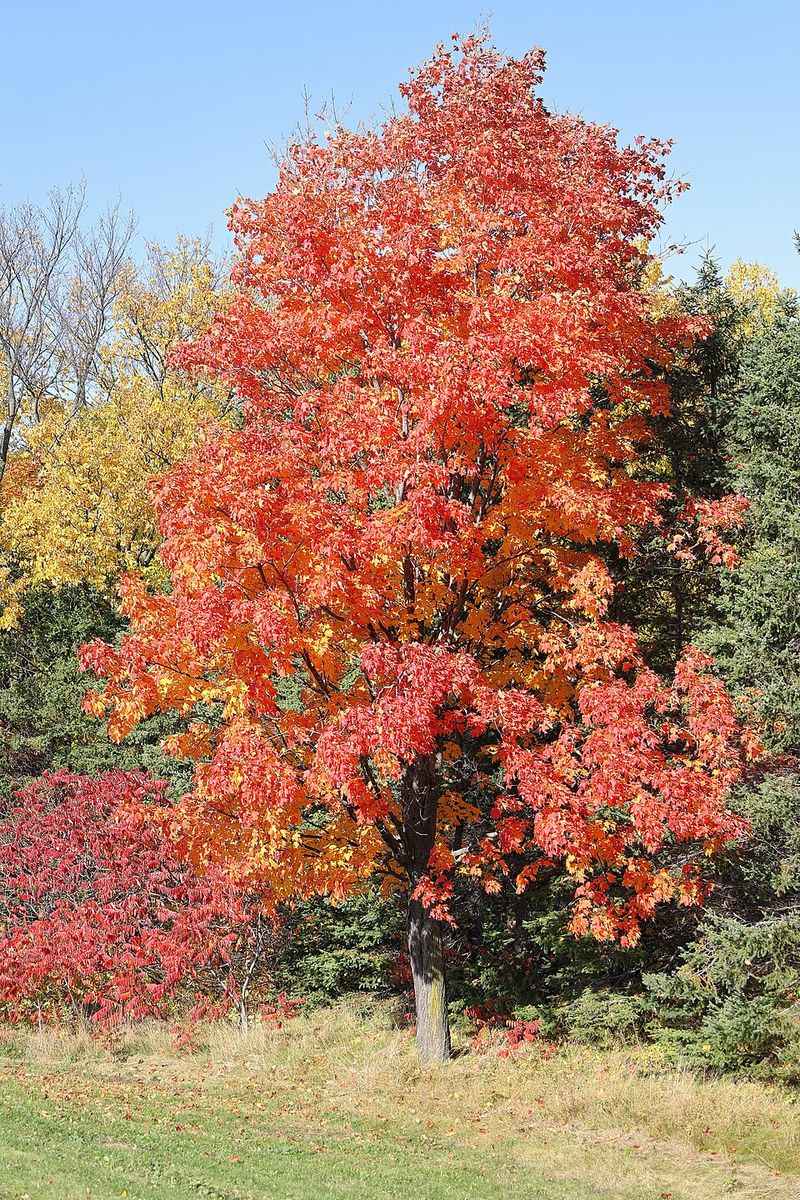
Sugar maples are beloved across the eastern United States for their stunning fall foliage and their role in producing maple syrup, but they come with some real considerations for North Carolina homeowners thinking about sidewalk plantings.
This tree grows large and develops a wide, spreading root system that needs plenty of open ground.
When planted too close to a sidewalk, driveway, or patio, the expanding roots can place steady pressure on hard surfaces over time.
Concrete and asphalt are no match for a mature tree’s root system, and cracks begin forming as the roots seek growing room.
The damage tends to worsen each year as the tree continues to grow.
Sugar maples also prefer consistent moisture and do not always handle the compacted, poorly drained soils found in urban planting strips very well. Stressed trees can develop surface roots more readily, which only increases the risk of pavement damage.
North Carolina’s warm summers and occasional droughts can add extra stress to this species, which is better suited to cooler climates.
If you want a sugar maple in your yard, give it a wide-open space in the backyard where its roots can spread naturally without running into any paved areas.
4. Sweetgum Roots Can Push Into Pavement
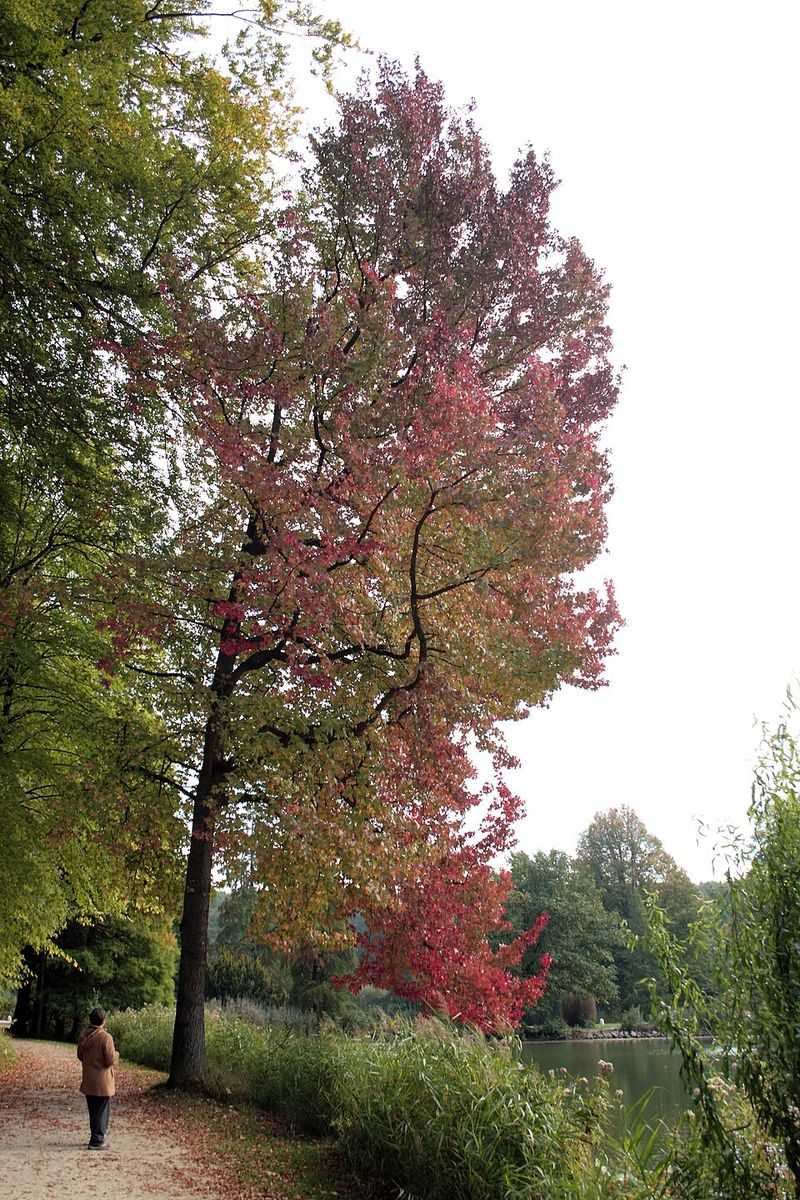
Sweetgum trees have a distinctive look that many people find attractive, with star-shaped leaves that turn brilliant shades of red, orange, and purple in the fall.
But there is a well-known downside to this tree that North Carolina homeowners near sidewalks should take seriously.
Sweetgum produces round, spiky seed pods that drop by the hundreds each season. On a sidewalk or walkway, those pods become a slipping hazard and a constant cleanup chore.
Beyond the pods, the tree’s root system is also problematic near pavement. The roots spread aggressively and tend to grow close to the surface, especially in compacted urban soils, making sidewalk damage a real concern over time.
The combination of root pressure and seed pod litter makes sweetgum one of the more challenging trees to manage near a walkway in any North Carolina neighborhood.
Municipalities across the country have removed sweetgums from street tree lists for exactly these reasons.
The tree itself is not without value, as it provides good wildlife habitat and shade in larger settings. If you want to enjoy its fall color, plant it well away from sidewalks, patios, and driveways where its habits will not create ongoing maintenance headaches.
5. London Planetree Can Lift Sidewalks
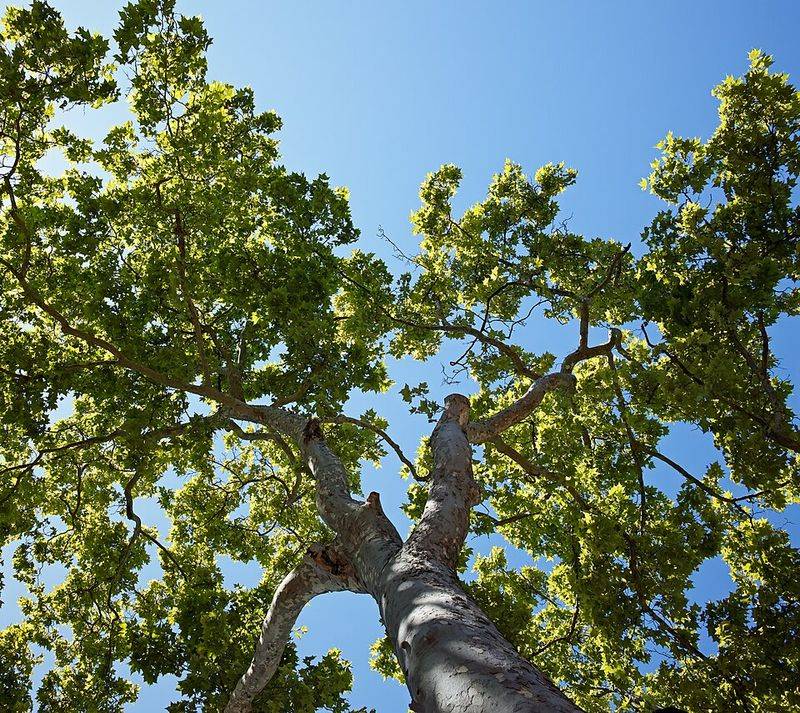
London planetrees are impressive, large-canopied trees that have been widely planted along streets and in parks for decades. Their mottled bark and broad shade are genuinely appealing, and they tolerate urban conditions fairly well.
However, planting one near a residential sidewalk in North Carolina is a decision that often leads to long-term pavement problems.
The tree grows large, sometimes exceeding 70 feet in height with a canopy that spreads just as wide. The root system matches that scale, spreading outward in search of water and nutrients.
In narrow planting strips, those roots have nowhere to go but up, and sidewalk slabs begin to heave and crack as the tree matures.
Repair costs for sidewalk damage caused by large trees can be significant, and some municipalities place the financial responsibility on the adjacent homeowner.
London planetrees also drop bark, seed balls, and leaf litter throughout the year, adding regular cleanup to the list of maintenance tasks.
In a spacious park or large commercial landscape, this tree can be a real asset. For a typical North Carolina home with a standard-sized front yard and a nearby sidewalk, though, its size and root behavior make it a poor fit for that tight planting space.
6. Weeping Willow Roots Spread Too Far
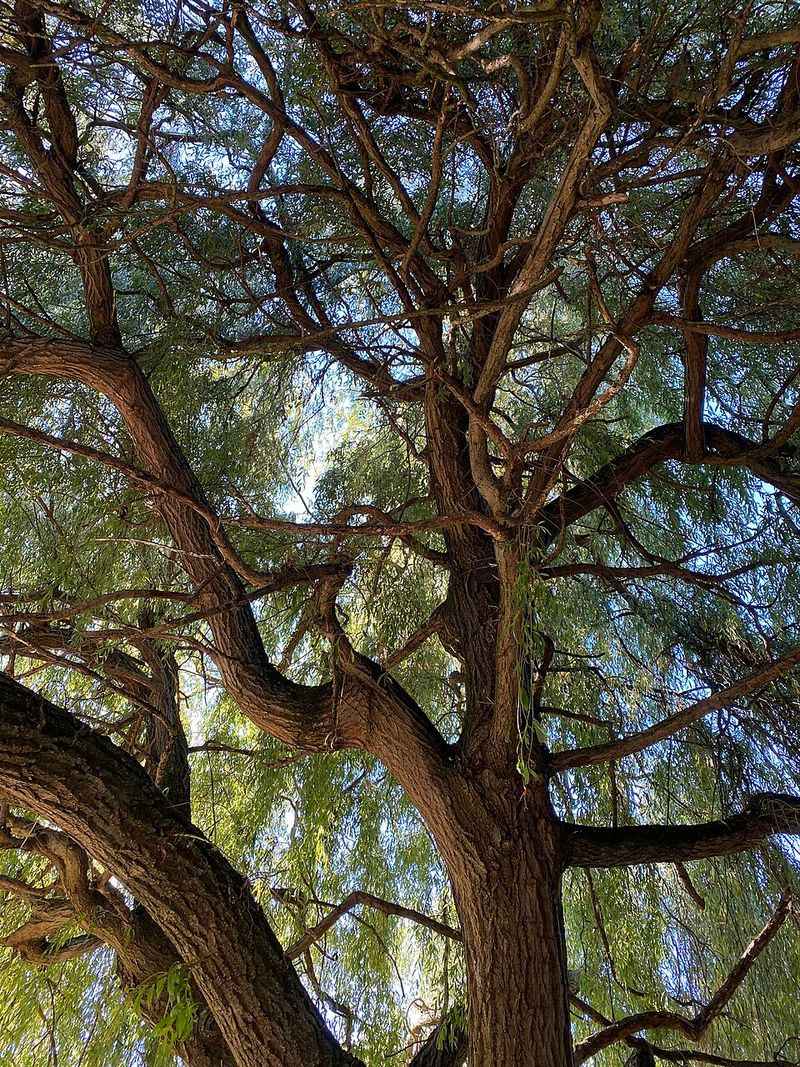
Most people picture weeping willows beside a quiet pond, and that image is actually a pretty good guide for where this tree belongs.
Weeping willows have one of the most aggressive and wide-ranging root systems of any ornamental tree, and that characteristic makes them a serious problem near sidewalks, driveways, and any other paved surface.
The roots are drawn strongly toward moisture, following water lines, drainage paths, and any available soil opening they can find. Near a sidewalk, they spread just beneath the surface and push upward against the concrete over time.
The damage can be extensive and develop faster than many homeowners expect, especially in the moist soils common in many parts of North Carolina.
Beyond pavement damage, weeping willows also grow quite large, with some specimens reaching 30 to 40 feet tall and equally wide.
Their drooping branches need regular trimming to keep walkways clear, and the tree sheds twigs and small branches frequently, especially after storms.
North Carolina’s summer thunderstorm season can leave quite a mess beneath a weeping willow. This tree genuinely needs open space, consistent water access, and plenty of distance from any hard surface to grow without causing problems in a home landscape.
7. White Willow Needs Space Away From Walkways
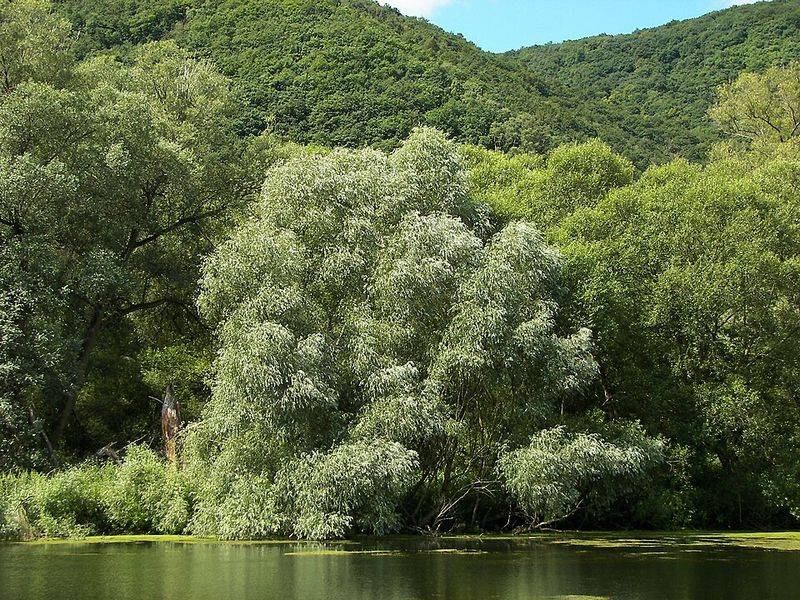
White willow shares many of the same root habits as its weeping cousin, and those habits make it a poor candidate for planting near any sidewalk or walkway in a North Carolina yard.
The tree grows quickly and develops an extensive lateral root system that spreads well beyond the canopy edge in search of moisture.
In a narrow front yard or curbside planting strip, there simply is not enough soil space to contain those roots away from hard surfaces. As the tree matures, root pressure against nearby concrete increases steadily, eventually causing cracks and lifted slabs.
The problem tends to compound year after year as the tree grows larger and the roots push harder against the pavement.
White willow also grows quite tall, sometimes reaching 75 feet or more at maturity, which is far too large for most residential sidewalk plantings in North Carolina.
The branches can be brittle in high winds, and storm cleanup after a strong summer system can be a real chore.
Willow trees in general do best when they have access to water, open soil, and plenty of distance from structures and paved areas.
Placing a white willow near a pond, stream, or open field in a larger North Carolina property is a much more suitable approach than planting it near a walkway.
8. Lombardy Poplar Can Raise Sidewalk Slabs
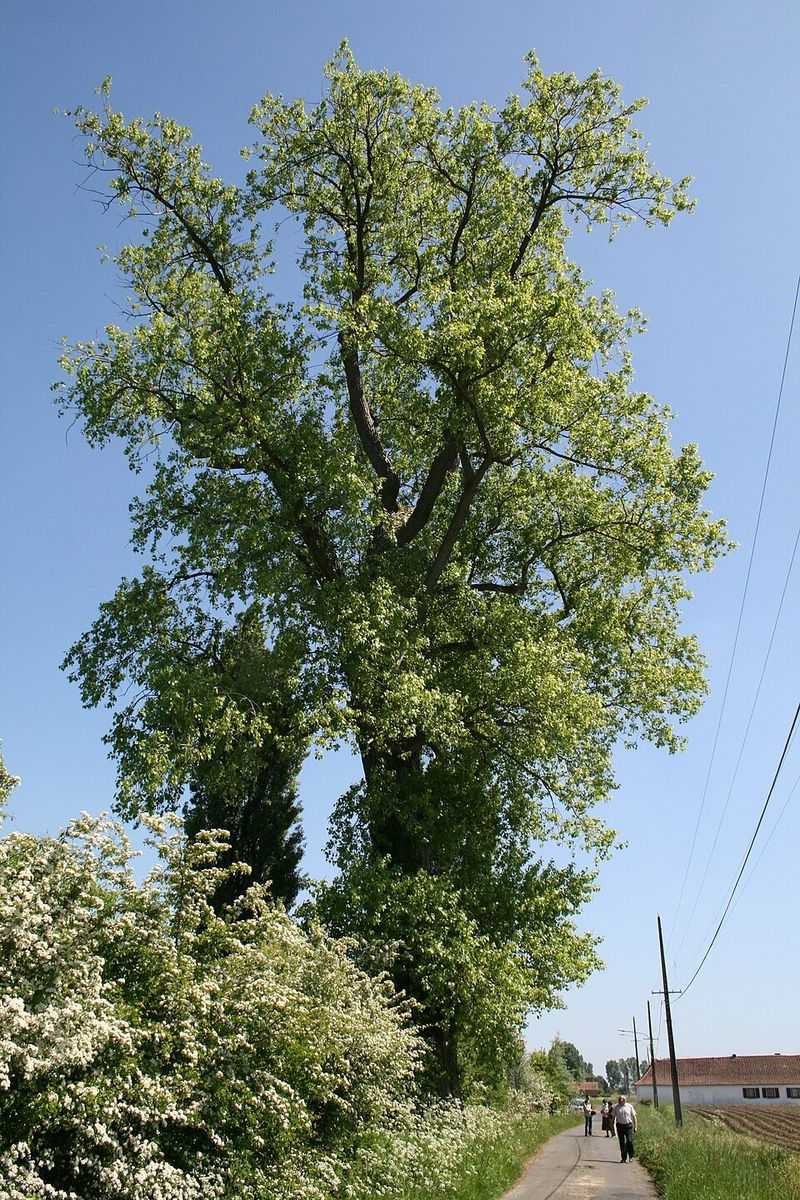
Lombardy poplars have a distinctive tall, narrow shape that makes them popular as privacy screens and windbreaks. Homeowners sometimes plant them along property lines near sidewalks, thinking their slim profile will keep them out of trouble.
Unfortunately, the above-ground shape of this tree does not reflect what is happening underground.
Lombardy poplars develop an aggressive, shallow root system that spreads far beyond what the tree’s narrow canopy suggests.
Those roots travel horizontally just beneath the soil surface, and when a sidewalk is nearby, they push upward against the concrete with steady force over time.
The result is cracked, uneven pavement that can become a safety hazard for anyone walking by.
This tree also has a relatively short lifespan compared to many other landscape trees, and it is susceptible to a fungal canker disease that causes branches and sections of the trunk to decline over time.
In North Carolina, where humidity can be fairly high during summer months, that disease pressure can be significant.
Homeowners who plant Lombardy poplars near sidewalks may end up dealing with both pavement damage and a declining tree at the same time.
For privacy screening purposes, there are better alternatives that offer similar visual effects without the root and longevity concerns.
9. Eastern Cottonwood Belongs Far From Pavement
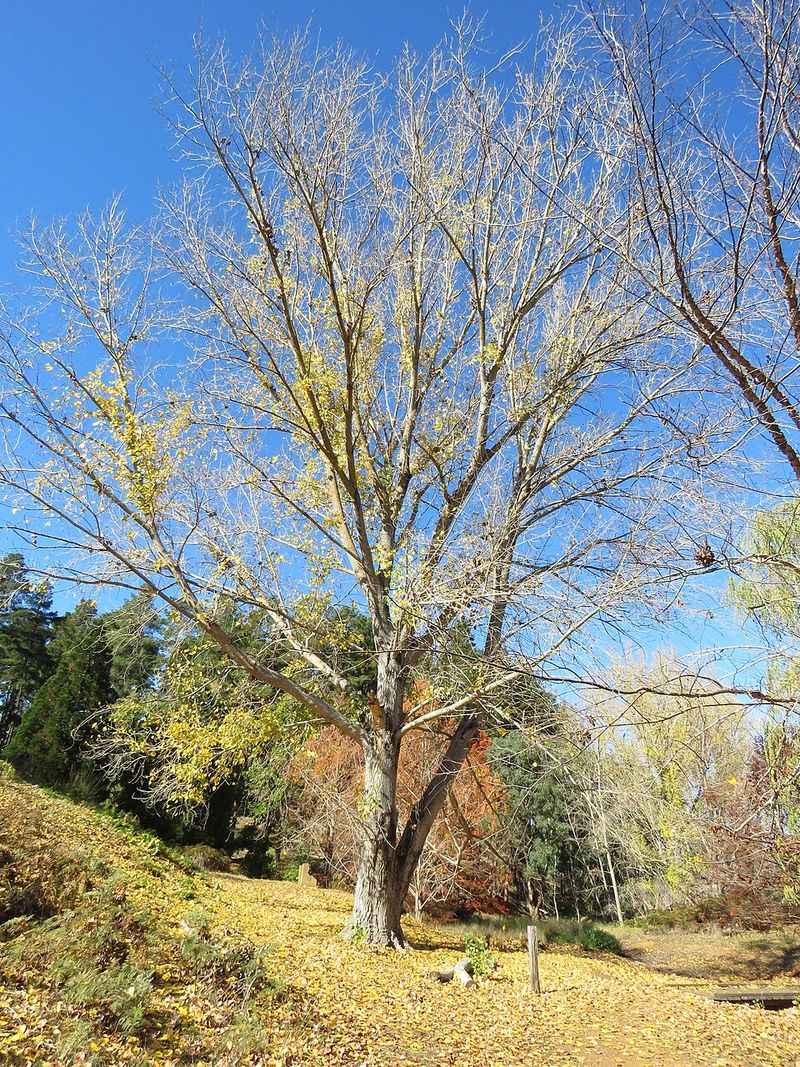
Eastern cottonwood is one of the fastest-growing trees native to North America, and that speed comes with a root system to match.
The roots spread widely and aggressively, making this tree one of the worst choices for any planting site near a sidewalk, driveway, or other paved surface in a North Carolina yard.
At maturity, eastern cottonwood can reach 80 to 100 feet tall with a broad, spreading canopy. That scale alone disqualifies it from most residential sidewalk plantings.
The shallow roots extend far beyond the drip line, and in compacted urban soils they stay near the surface where they can push against and under concrete with considerable force. Sidewalk damage from this species tends to be severe once the tree reaches full size.
Beyond root problems, eastern cottonwood produces enormous amounts of cottony seed fluff in late spring and early summer. That fluff drifts onto sidewalks, clogs gutters, and can pile up in corners and along fences.
It is a significant nuisance near walkways and in smaller yards. In a natural setting along a river bank or in a large open field, this tree plays an important ecological role.
In a typical North Carolina residential landscape near a sidewalk, though, it is simply too large and too aggressive for that kind of tight space.
10. White Mulberry Can Make Walkways Messy
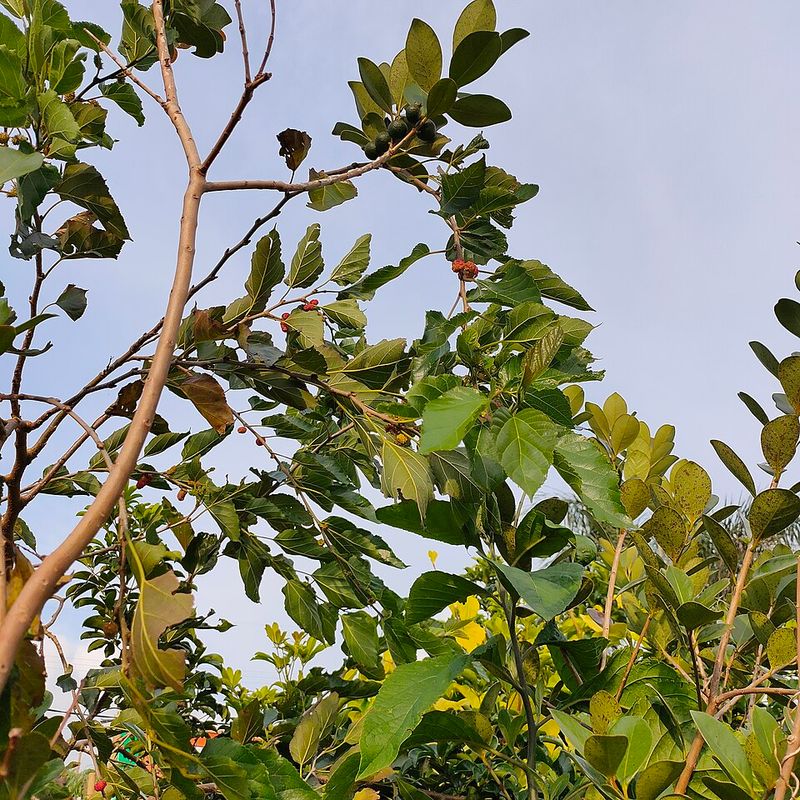
White mulberry has a fruit problem that any homeowner with a nearby sidewalk will notice quickly. The tree produces small berries in large quantities, and when they ripen and fall, they create a slippery, staining mess on any hard surface below.
Sidewalks, driveways, and front walkways all end up covered in crushed berries that stain concrete and attract insects, birds, and other wildlife.
The cleanup alone can feel relentless during fruiting season, and the stains left behind on concrete are stubborn and difficult to remove.
Beyond the fruit issue, white mulberry also develops an aggressive root system that can cause problems near paved surfaces over time.
The roots spread widely in search of moisture and nutrients, and in tight planting areas near a sidewalk, that expansion can put steady pressure on concrete slabs.
White mulberry is also considered an invasive species in many parts of North Carolina, where it spreads readily through bird-dispersed seeds and can crowd out native plants in natural areas.
Planting it near a sidewalk means dealing with fruit mess, potential root damage, and the spread of seedlings into nearby garden beds and lawns.
Fruitless mulberry cultivars exist and reduce the berry problem, but the root behavior near pavement remains a concern worth considering before planting near any walkway.