Stop Relying On Auto-Drip For Oregon Porch Plants During This Heat Advisory
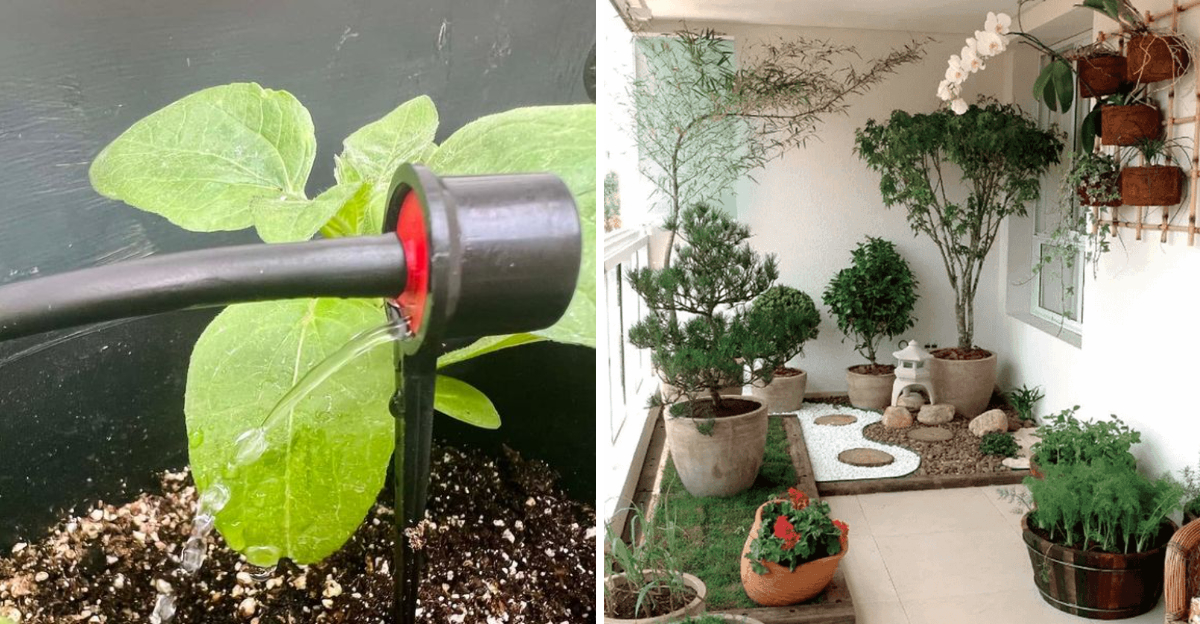
A drip timer can sound very reassuring on a hot morning.
It clicks on, the lines run, and the porch looks handled. Then the afternoon heat builds, the pots warm up, and a few containers start drooping even though the system ran exactly when it was supposed to.
That is the problem.
Automatic drip is useful, but it is not a substitute for checking real plants in real heat. During an official heat advisory or excessive heat warning, Oregon porch containers can dry faster than a programmed schedule can respond.
Pots are not garden beds.
Their roots sit above ground, surrounded by hot air, reflected heat, wind, and limited soil. Small changes in sun, pot size, emitter flow, and plant type can decide which container stays comfortable and which one struggles by noon.
So what should Oregon gardeners do when auto drip is not enough?
Treat the timer as a backup, not the boss. Step outside early, test the soil, inspect every emitter, move vulnerable pots, and hand-water the containers that need help before the day gets dangerous.
1. Timers Miss Fast Heat Changes
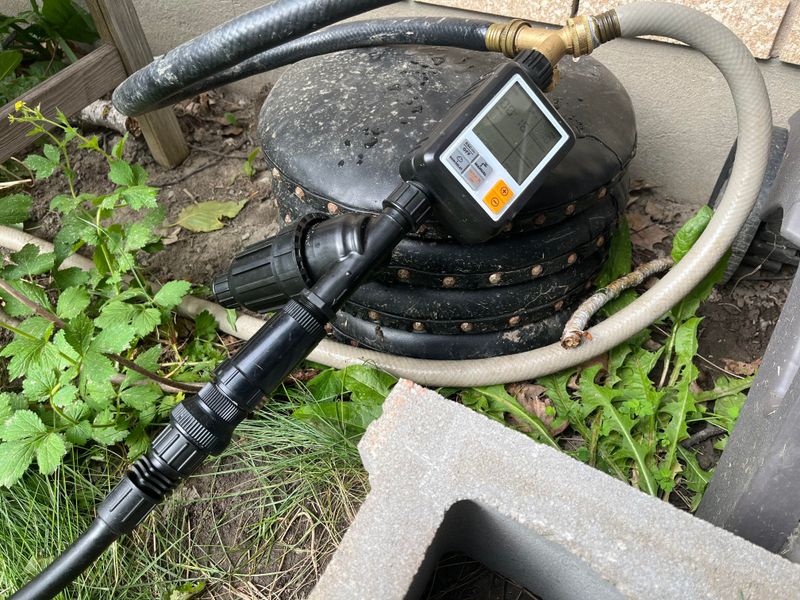
A drip timer does not know the porch is hotter today.
It only knows the schedule programmed into it. That schedule may have been set in spring, when plants were smaller, mornings were cooler, and the containers held moisture much longer.
Heat changes the math. A six-minute run that worked last week may barely touch the root zone during a heat advisory.
Plants change too. A small transplant in May becomes a full leafy container by July, and that larger canopy pulls more water from the soil.
Clouds can vanish fast. A mild-looking morning can turn into a scorching afternoon once the sky clears.
Wind adds another layer. Moving air dries leaves and potting mix faster than still air.
Concrete and walls reflect heat. A porch can become much hotter than the nearby lawn, especially in afternoon sun.
The timer cannot read wilting leaves. It also cannot notice a pot that dried out overnight or a plant that needs a deeper soak.
Manual adjustment matters. During heat alerts, check the controller and consider longer or additional watering only after checking the soil.
Morning checks are safest. They give you time to act before the hottest hours arrive.
The timer is a tool, not a gardener.
In extreme heat, your eyes and hands make better decisions than a clock.
2. Small Pots Dry At Different Speeds
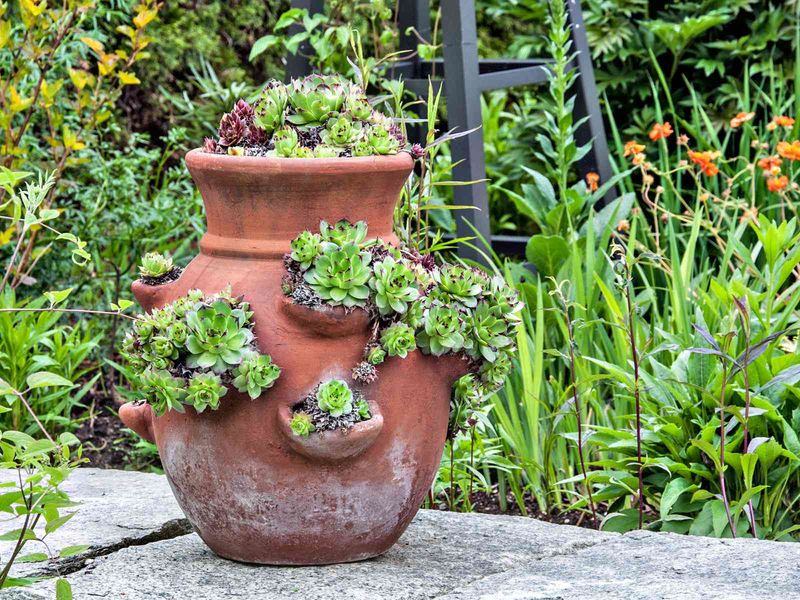
Every porch pot has its own drying speed.
A tiny terra cotta herb pot, a plastic hanging basket, and a large glazed planter may all sit on the same porch, but they do not hold water the same way. One drip zone cannot understand those differences.
Small pots dry first. They hold less soil, less moisture, and less room for roots to escape heat.
Hanging baskets dry even faster. Air moves around them from every side, and basket liners can lose moisture quickly.
Terra cotta breathes. That helps roots get air, but it also lets moisture escape through the pot walls.
Your Oregon Garden Changes Every Week. Your Plan Should Too.
Gardening in Oregon changes quickly throughout the season. Every Friday you’ll receive a simple weekly plan showing exactly what to plant, prune, fertilize, harvest, and protect so you never miss the right timing.
Dark containers heat up. Black nursery pots and dark planters can warm the root zone sharply in direct sun.
Large pots have more buffer. A deep container can stay moist longer because it holds more soil volume.
Root-crowded pots dry faster. When roots fill the container, there is less potting mix left to hold water.
Different plants use water differently. Ferns, annual flowers, herbs, succulents, and tropical foliage should not be treated as one identical group.
Group similar pots together. Containers with the same size, material, and moisture needs are easier to manage on one drip zone.
Move the smallest pots first. During a heat advisory, they usually need shade or hand-watering before larger planters do.
A drip system works best when the pots match.
Mixed containers on one timer always need a human check during heat.
3. Blocked Emitters Hide Trouble
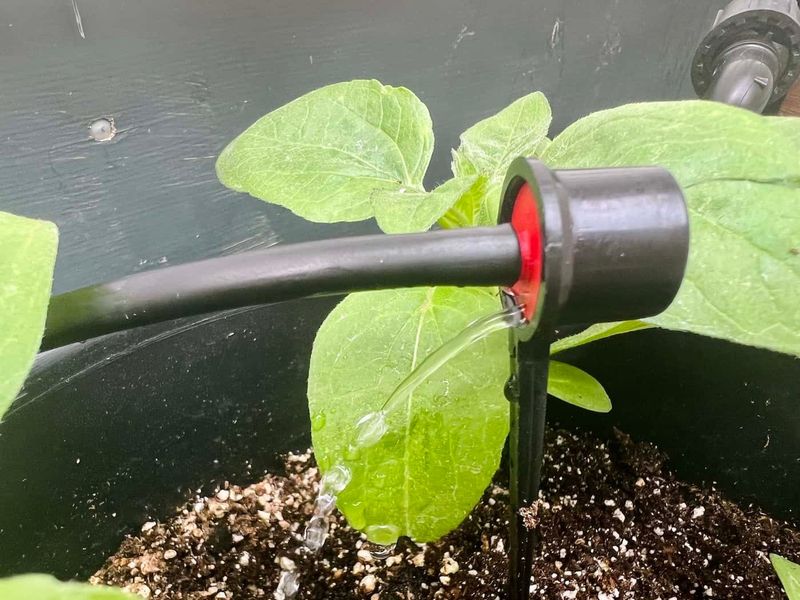
A drip system can run and still miss a pot.
That is what makes blocked emitters so frustrating. The timer turns on, the tubing looks active, and the gardener assumes every container received water. One clogged outlet can prove otherwise.
Mineral buildup can block flow. Hard water deposits may collect inside small emitters over time.
Debris can lodge in the line. Bits of soil, mulch, algae, or grit can reduce flow without making the problem obvious.
Tubing can kink. A sharp bend behind a pot may cut water to one section of the porch.
Stakes can shift. An emitter that once sat in the root zone may now be watering the edge of the pot or the porch floor.
Mulch can hide dry spots. A surface layer may conceal the fact that water is not reaching the root ball.
Run the system while watching. Do not just listen for it. Look at every emitter as it operates.
Check the soil beside each drip point. Dry mix right where water should land means something is wrong.
Flush suspicious lines. A quick flush can clear sediment before a hot day makes the failure obvious.
Replace weak emitters. Uneven drips, no drips, or spurts usually mean that part needs attention.
One failed emitter can cost a plant.
A five-minute inspection can catch the problem before the heat exposes it.
4. Wind Pulls Moisture Faster
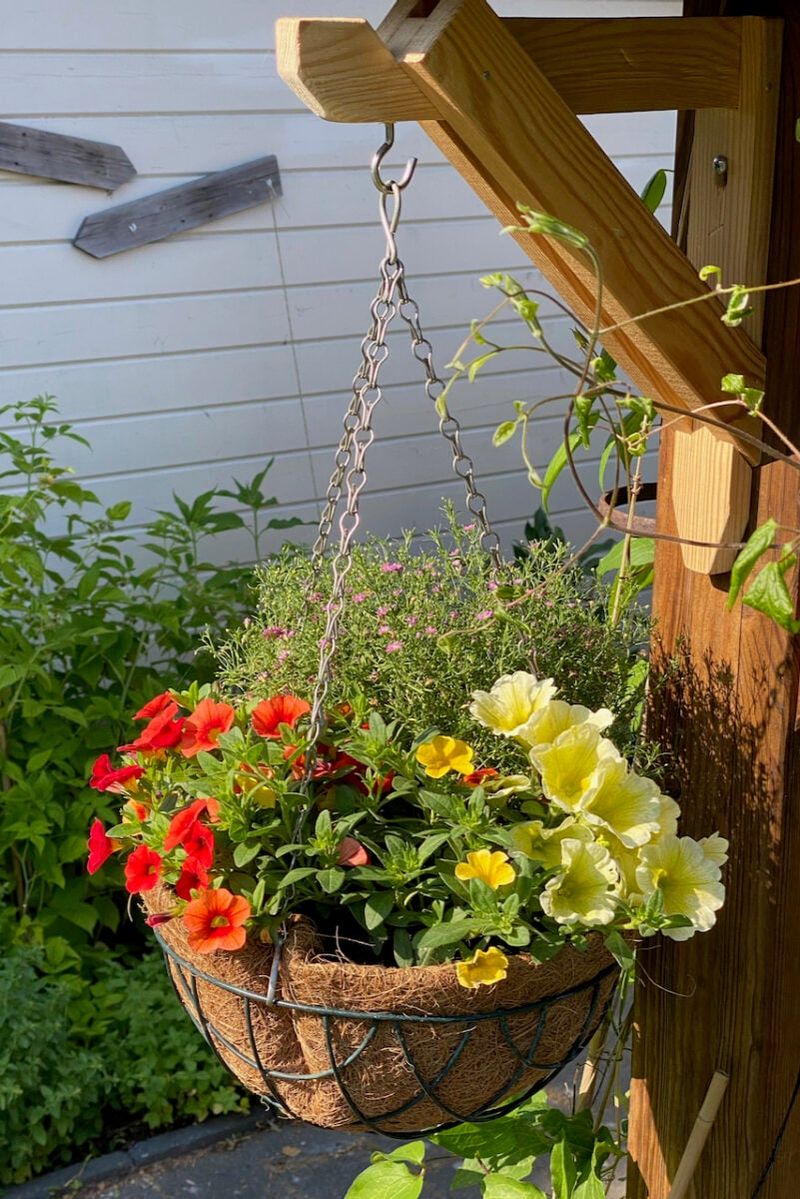
Heat feels worse when wind joins in.
A porch corner, balcony rail, or open landing can act like a small wind tunnel. Warm moving air pulls moisture from leaves and potting mix faster than still air does.
Plants lose water through their leaves. During hot, dry wind, that loss can outpace what roots can replace.
Hanging baskets suffer most. They are exposed from above, below, and all sides.
Outer rail pots dry quickly too. Containers at the edge of a porch catch more sun and more airflow than pots near the house wall.
Wind can fool the timer. The system may deliver its usual amount of water while the plant loses far more than usual.
Move vulnerable pots inward. Even two or three feet closer to a wall can reduce drying.
Use taller pots as shelter. Grouping containers can soften airflow and create a slightly more humid pocket.
Avoid blocking all air. Some airflow helps prevent disease, so the goal is shelter, not a sealed corner.
Check windy spots twice. A basket that looked fine at breakfast may need help by early afternoon.
Secure lightweight containers. Hot wind can tip dry pots, especially hanging or narrow ones.
Wind is easy to overlook.
During a heat advisory, it can be the reason one pot droops while another nearby container stays steady.
5. Test Soil With Your Finger
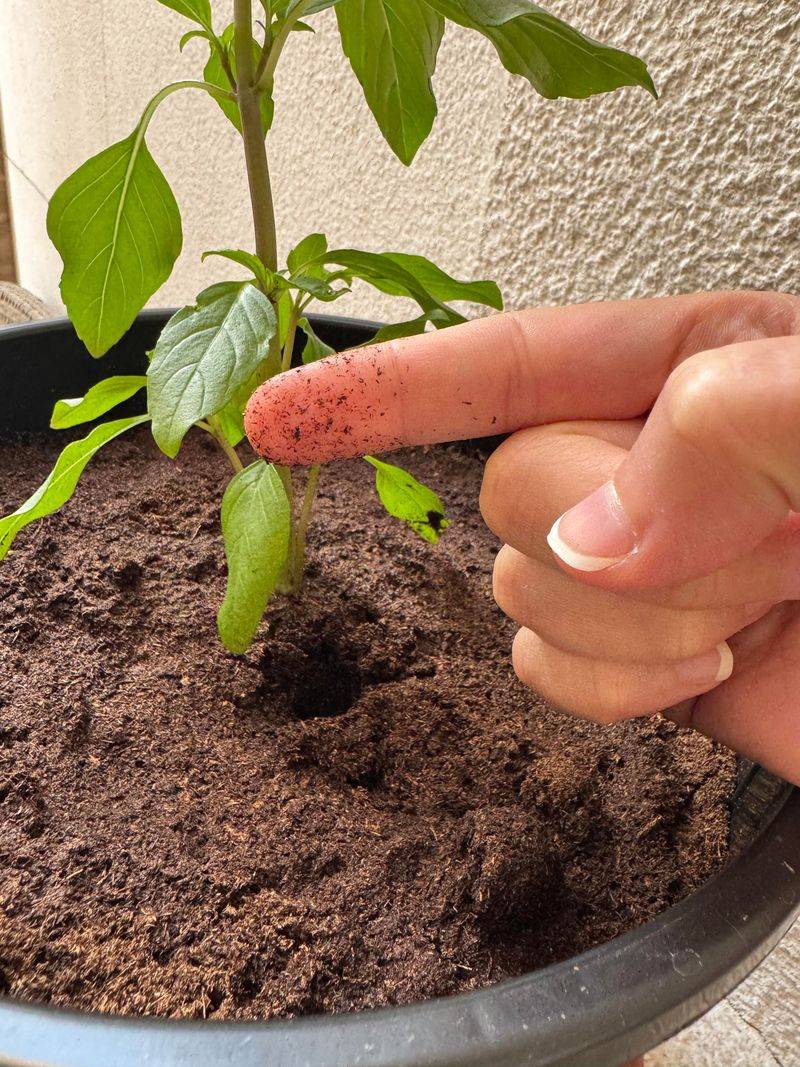
The soil surface does not tell the whole truth.
A pot can look dry on top while the lower root zone still holds moisture. Another can look fine at the surface while the center has pulled dry and tight around the roots.
Push below the surface. A finger test one or two inches down gives better information than a glance.
Feel for coolness. Slightly cool, lightly moist mix usually means the plant can wait.
Dry, dusty mix needs attention. That is especially true for annuals, tropical foliage, and moisture-loving porch plants.
Succulents need different rules. They should not be kept as damp as flowering annuals or ferns.
Use a skewer for deeper pots. A wooden skewer or chopstick pushed into the soil can show moisture deeper in the root zone.
Look for mix pulling from the pot wall. That gap often means the container dried hard and may resist water at first.
Check near the plant, not just the edge. Roots use moisture in the central root ball, so test where the roots actually are.
Test before adding more water. Wet roots can be stressed by extra irrigation just as dry roots can struggle without it.
Make the check early. The morning gives you time to correct problems before heat peaks.
The finger test is simple, but it is powerful.
It turns watering from guessing into a real-time decision.
6. Lift Pots Before Adding Water
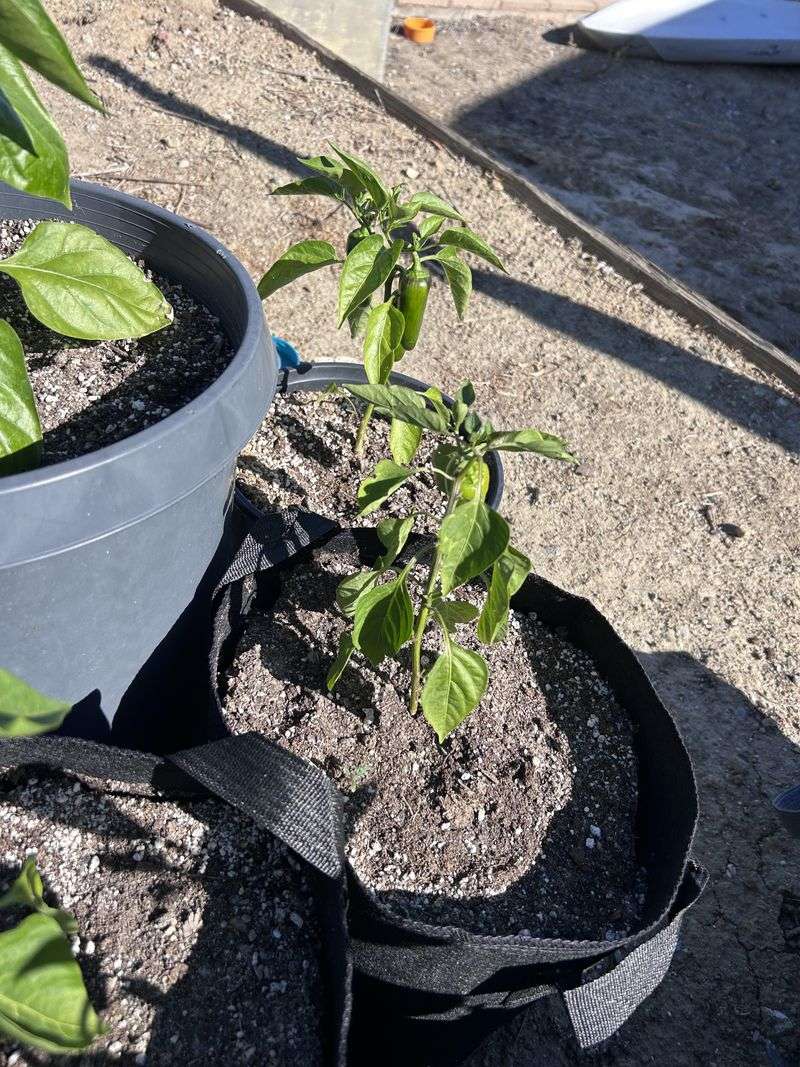
Pot weight tells the truth quickly.
A freshly watered container feels heavy. A dry container feels surprisingly light. Once you learn the difference, lifting becomes one of the fastest ways to judge porch plant moisture.
Start with manageable pots. Never strain to lift a large planter during heat.
Learn the full weight. Lift small pots after a thorough watering so you know how they feel when the mix is properly moist.
Compare the next morning. A pot that feels much lighter has likely used much of its available water.
Dry hanging baskets are obvious. They often feel almost weightless when the root zone has dried too far.
Heavy can mean trouble too. A pot that stays heavy for days may have poor drainage or trapped water at the bottom.
Check drainage holes. Blocked holes can leave roots sitting in stale moisture even while the top looks dry.
Tip gently when safe. A careful tilt can show whether water drains freely.
Use the finger test for heavy containers. Large planters should be checked without risking your back.
Work before the heat builds. Lifting pots during the hottest part of the day adds stress to you and the plant.
Move slowly and safely. Heat advisories are not the time for rushed heavy lifting.
Weight is a quick clue.
Used with a soil check, it helps you decide which pots need water and which ones need better drainage instead.
7. Hand Soak The Driest Containers
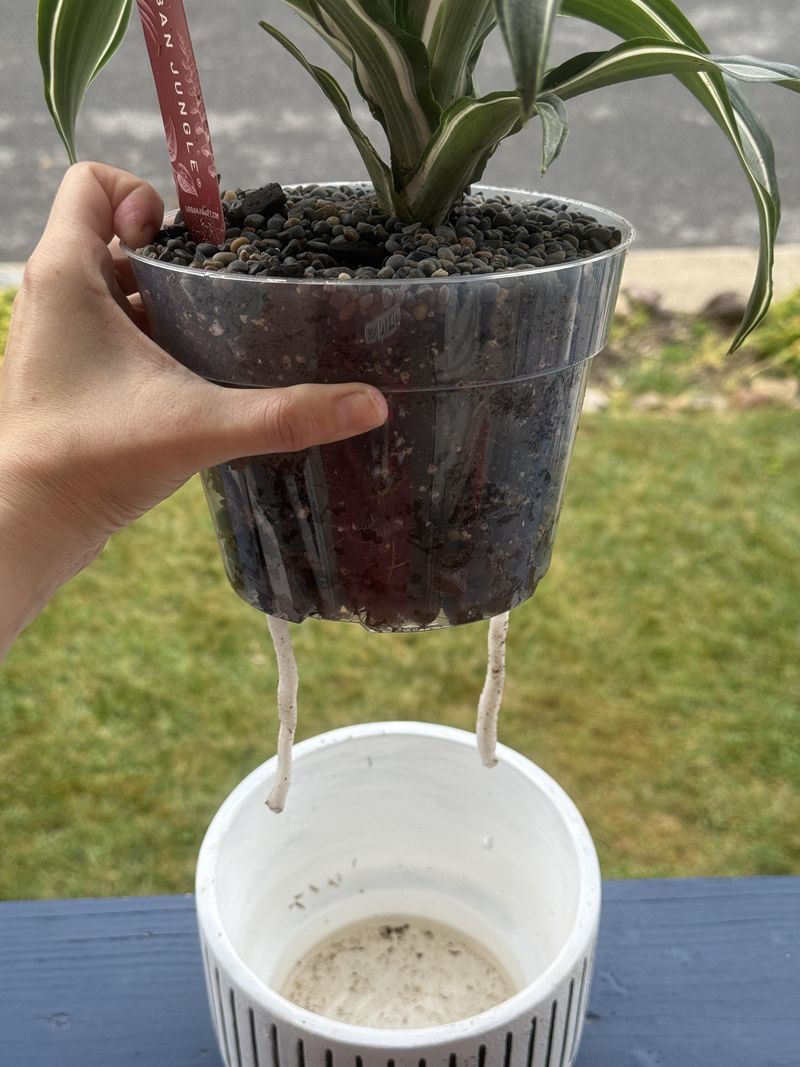
A bone-dry pot often rejects water at first.
Potting mix can shrink away from the sides of the container when it dries too much. Then water runs down the gap and out the drainage hole without soaking the root ball.
One big pour does not fix it. Most of that water may leave before the mix has time to absorb anything.
Start slowly. Pour a small amount around the base of the plant and wait.
Let the mix swell. After a short pause, the dry material begins to take in moisture and close some of the gap.
Water again in passes. Two or three slow rounds work better than one heavy dump.
Move around the pot. Wet the whole root zone rather than one narrow channel.
Watch the drainage hole. Water should eventually move through, but not instantly race out from the first pour.
Soak small pots from below when helpful. Set a very dry container in a shallow tub of water for a short period, then let it drain fully.
Empty saucers afterward. Standing water in a saucer can push roots into soggy conditions once the top finally rehydrates.
Resume drip only after the mix accepts water. A drip emitter works better when the root ball has re-expanded.
Dry containers need patient watering.
A slow hand soak can save a plant the timer watered badly without realizing it.
8. Move Vulnerable Pots Into Shade
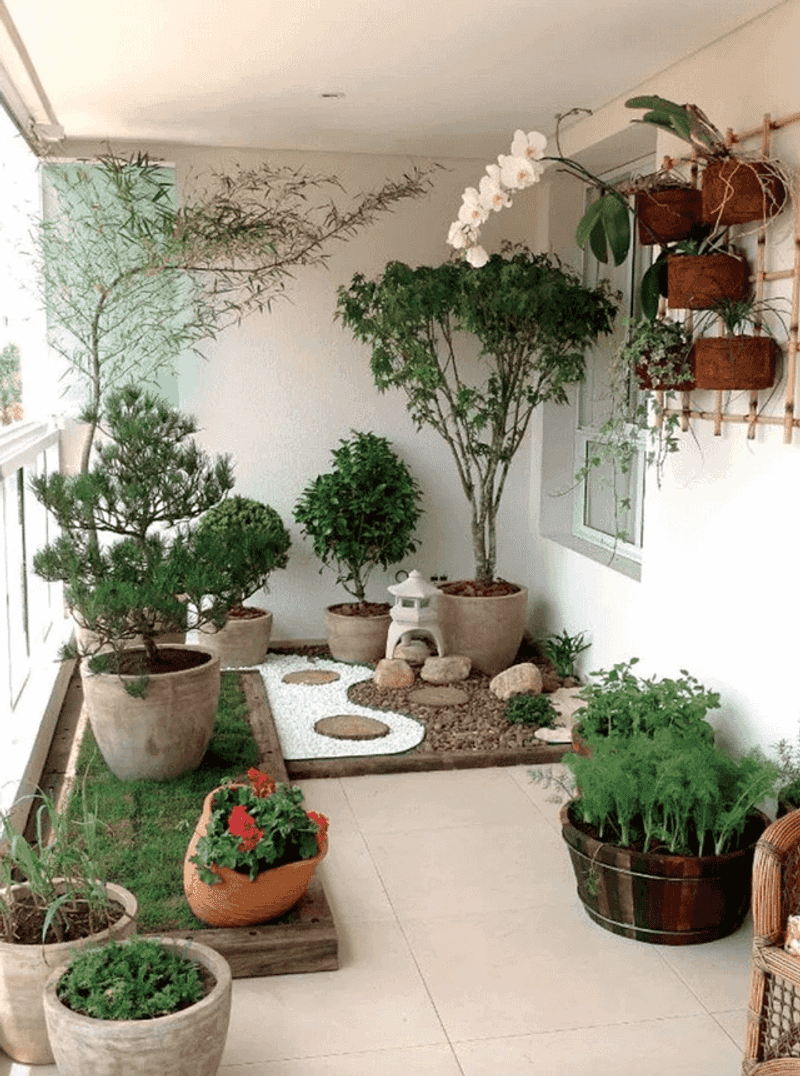
Temporary shade can prevent serious stress.
During a heat advisory, the goal is not perfect growth. The goal is getting porch plants through the hottest stretch with roots and leaves intact.
Afternoon shade matters most. The hours from noon through late afternoon usually create the strongest heat load.
Move small pots first. They heat and dry faster than larger containers.
Protect thin-leaved plants. Fuchsias, ferns, impatiens, begonias, and tender foliage plants often need help before tougher herbs or succulents.
Use filtered shade. An overhang, shade cloth, patio umbrella, lattice panel, or taller plant can soften direct sun.
Avoid deep shade for too long. Sun-loving plants may stretch or weaken after several days without enough light.
Group pots together. Containers clustered in light shade hold humidity better than isolated pots on hot concrete.
Lift pots off hot surfaces. Plant stands, wood slats, or saucers with airflow can reduce heat moving into the container from below.
Move plants back gradually. Once the heat alert passes, return sun-lovers over a couple of days instead of shocking them with full exposure.
Do not drag heavy planters alone. Shade is useful, but personal safety matters more.
Shade during extreme heat is triage.
Your plants can return to their ideal spots after the worst conditions pass.