Skip Nandina In Your North Carolina Yard And Plant This Native That Feeds Birds Instead Of Poisoning Them
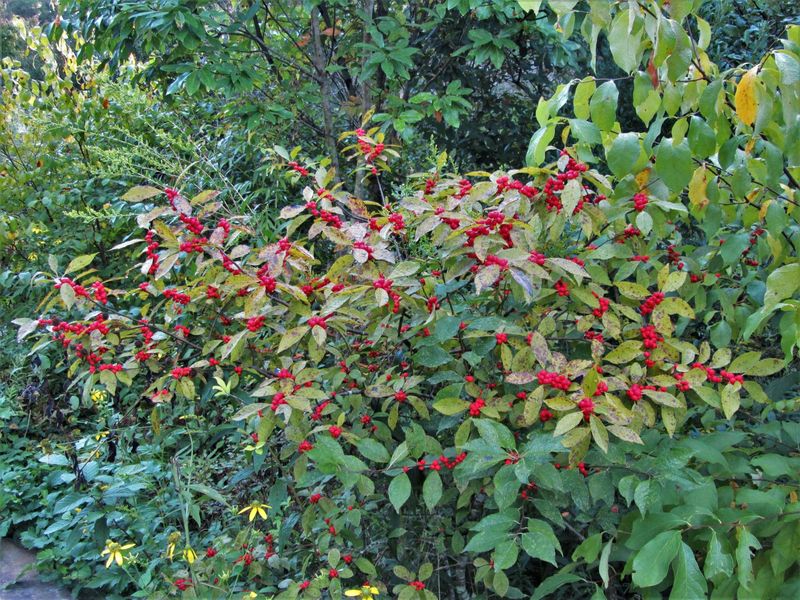
That glossy shrub with the bright red berries looks great against a winter fence, and millions of North Carolina homeowners have planted it for exactly that reason. But nandina, also called heavenly bamboo, carries a real problem: its berries contain cyanogenic compounds that can release hydrogen cyanide when birds eat large quantities, and a documented case in Georgia linked nandina to the deaths of dozens of cedar waxwings. The good news is that a native North Carolina shrub called winterberry holly can give you a similar red winter display while supporting local wildlife instead of threatening it. The catch is that winterberry works best in the right yard, and getting it right takes a little planning.
Choose Winterberry Only Where It Fits
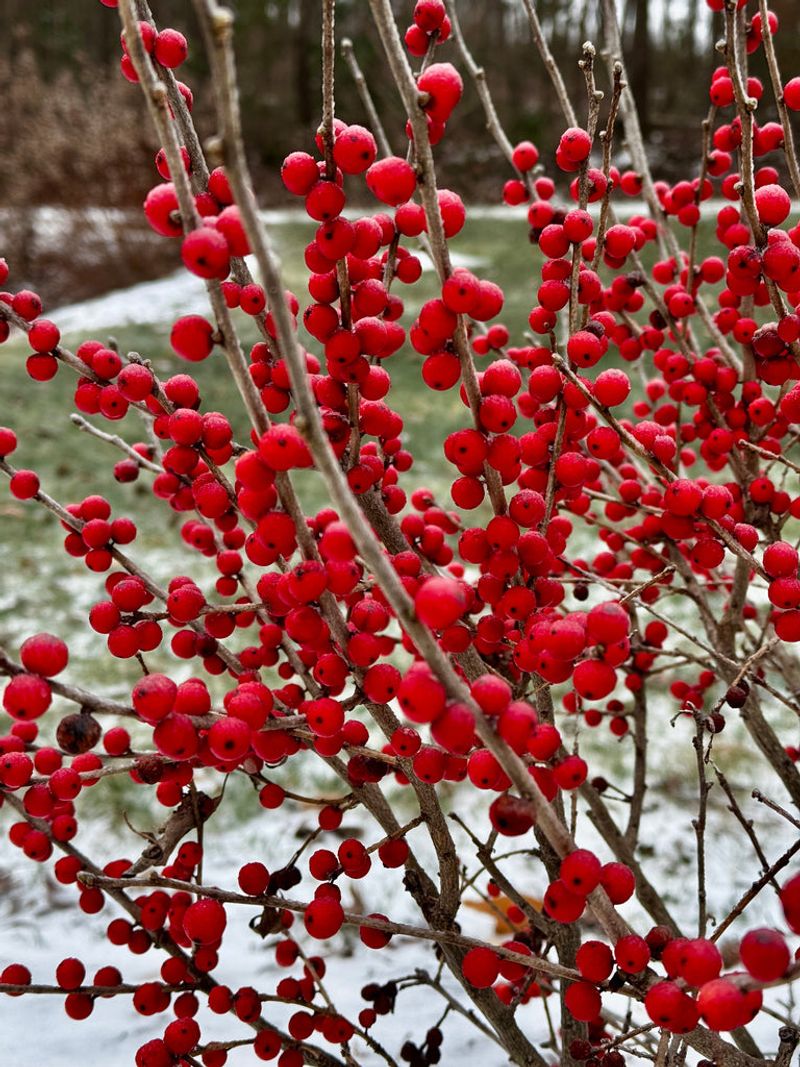
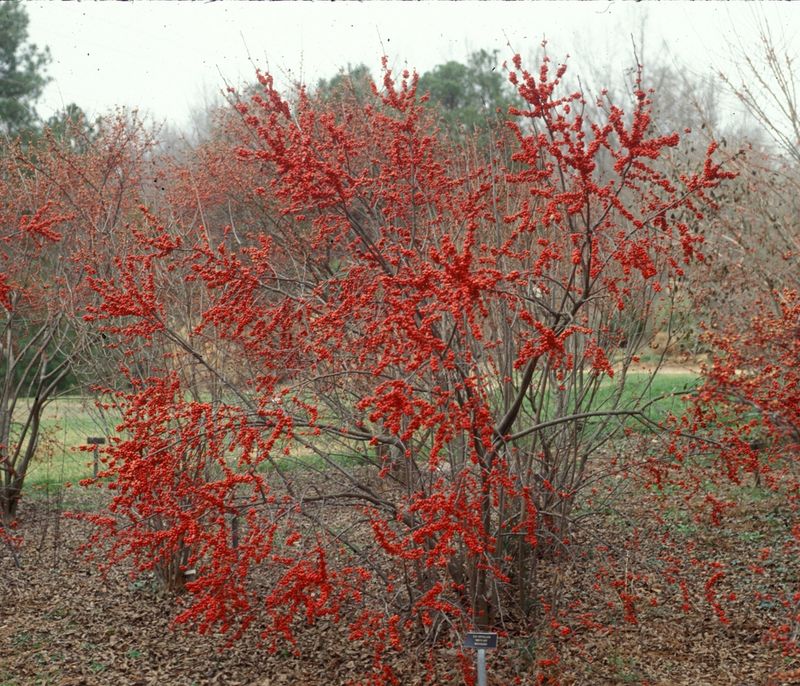
Winterberry holly, Ilex verticillata, is genuinely one of the better native swaps for North Carolina homeowners who want red berries in winter without the ecological baggage that comes with nandina. Female plants hold clusters of bright red fruit on bare branches well into winter, and NC State Extension lists winterberry as a native option suitable for the Coastal Plain, Piedmont, and Mountain regions, with documented use by more than 48 bird species including cedar waxwings.
Here is where it gets tricky, though. Winterberry is deciduous, which means the leaves drop in fall, leaving berries on bare stems rather than tucked inside the evergreen foliage that makes nandina look so tidy through January. If you are replacing nandina partly because you love that layered green-and-red winter look, winterberry delivers a different kind of beauty, not an identical one.
The plant also needs specific conditions to perform. Moist, acidic soil and compatible male and female plants are both required for reliable fruit. A dry foundation bed or a sunny slope that bakes through August in the Piedmont is not automatically a good winterberry site, and no amount of wishful thinking changes that. Frame this as a site-based decision rather than a guaranteed upgrade, and you will avoid disappointment and make a better choice for your specific yard.
Nandina Can Harm Cedar Waxwings in Large Berry Meals
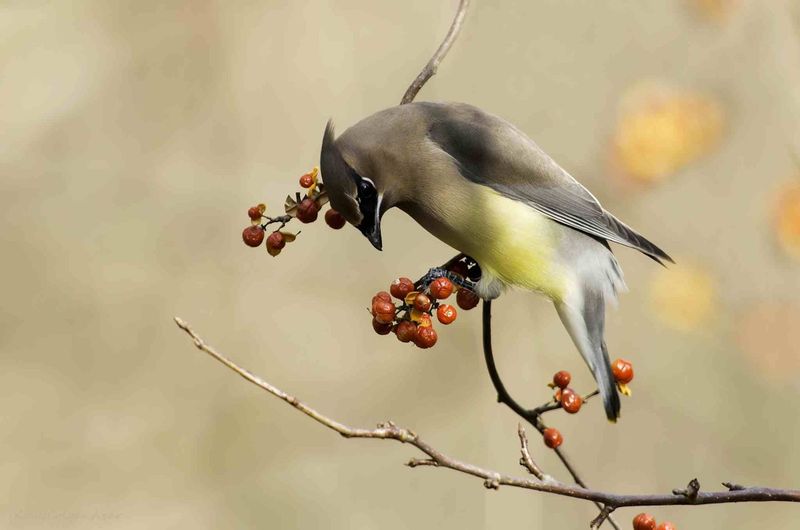
Nandina domestica contains cyanogenic glycosides, compounds that can break down into hydrogen cyanide during digestion. The risk is not theoretical. A peer-reviewed case report documented dozens of cedar waxwings found dead in Thomas County, Georgia, in April 2009. Five examined birds had nandina berries as the only identifiable food in their digestive tracts, and the findings were consistent with cyanide toxicity.
That is the confirmed mass-mortality event on record, and it happened in Georgia, not across North Carolina.
Cedar waxwings are particularly vulnerable because of how they eat. Cornell Lab of Ornithology notes that cedar waxwings feed almost entirely on fruit year-round and commonly move through gardens and woodland edges in flocks, gorging quickly on whatever is available. A bird that swallows dozens of berries in a single feeding bout takes in far more cyanogenic material than one that samples a few.
The risk is also not uniform across every nandina plant or every berry. Research on cyanogenic nandina fruit found that green fruits were strongly and rapidly cyanogenic, while most ripe fruits released less cyanide and some tested negative entirely. Fruits generally became less cyanogenic the longer they stayed on the plant. So ripe red berries in January are not automatically as dangerous as green ones in late summer, though the hazard does not disappear entirely.
Your North Carolina Garden Changes Every Week. Your Plan Should Too.
Gardening in North Carolina changes quickly throughout the season. Every Friday you’ll receive a simple weekly plan showing exactly what to plant, prune, fertilize, harvest, and protect so you never miss the right timing.
The Missouri Department of Conservation puts it plainly: many birds eat a few berries without apparent harm, while birds that gorge on the fruit are at greater risk. The practical takeaway is that nandina can cause cyanide poisoning when birds consume large quantities, and cedar waxwings are the species most likely to eat that much at once.
Remove Existing Nandina Without Spreading It
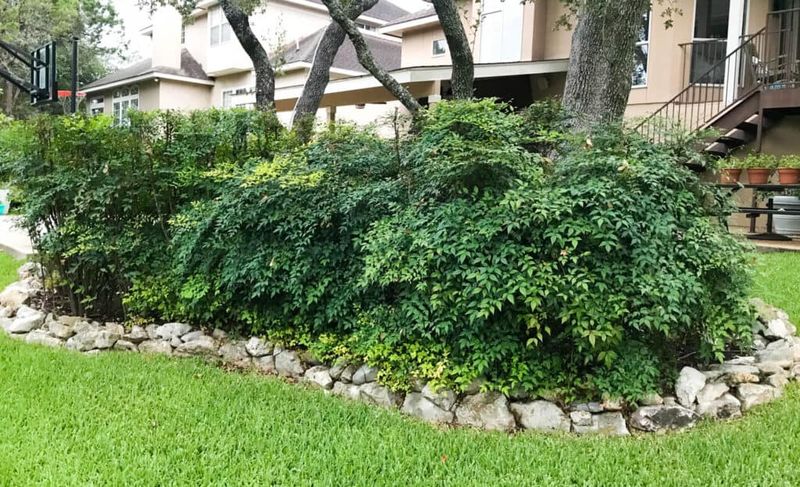
Before you plant anything new, the nandina already in your yard deserves careful attention. NC State Extension identifies nandina as invasive in North Carolina and recommends native alternatives or non-fruiting cultivars. That invasive designation reflects the plant’s ability to spread into natural areas, but it is worth knowing that NC State’s ecological classification is separate from the North Carolina Department of Agriculture’s statewide noxious-weed list, which is a legal regulatory category. Being called invasive by an extension service does not automatically make a plant a legally classified noxious weed, though the ecological case for removal is solid on its own.
Cutting the shrub to the ground and walking away is not enough. Nandina spreads through underground runners, and stems cut at soil level can resprout from roots left behind. University of Florida IFAS recommends hand-pulling small infestations completely, removing all root fragments, and disposing of berries carefully to prevent spread. Do not toss pulled plants or berries into a compost pile that could redistribute seeds, and keep material out of natural areas near your property.
Safety matters during removal too. Poison Control notes that all parts of nandina contain cyanogenic glycosides, with leaves and green fruits more strongly cyanogenic than ripe ones. Wear gloves while cutting or pulling, wash your hands after working around the plant, and keep children and pets from chewing any part of it. Fallen berries on the ground are worth picking up before they attract birds in quantity.
For large, established nandina plantings that have spread across a bed or into a wood edge, a single afternoon of hand-pulling may not be enough. Larger infestations are worth consulting your local cooperative extension office about site-specific control options rather than applying a one-size approach.
Plan For Male And Female Winterberries
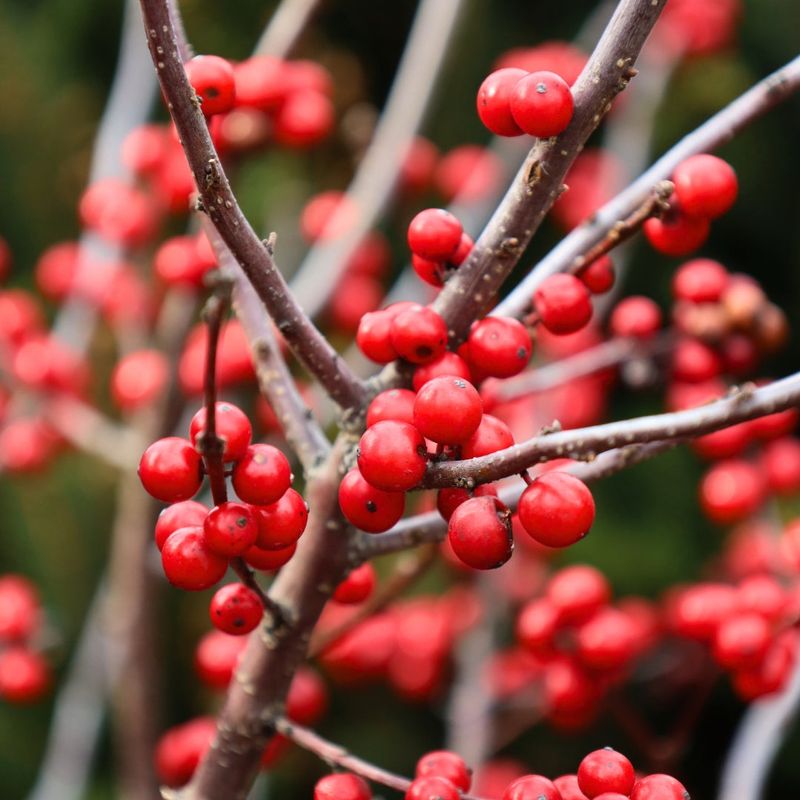
Winterberry has a requirement that catches a lot of first-time buyers off guard at the nursery. Female plants produce the berries, but they cannot do it alone. A compatible male plant must be blooming at the same time nearby for pollination to happen, and without it, your female winterberry will grow into a perfectly healthy shrub that never produces the red display you bought it for.
NC State Extension guidance recommends planting one male pollinizer for every 10 to 20 female plants, with the male positioned within 50 feet of the females. Cultivar pairing matters because bloom timing has to line up. ‘Jim Dandy’ works well as a male companion for early-blooming female cultivars like ‘Red Sprite,’ while ‘Southern Gentleman’ pairs better with mid- to late-season females like ‘Winter Red’ or ‘Winter Gold.’ Mixing those pairings can leave one plant blooming alone with no compatible partner ready.
Before you buy, ask your nursery which female cultivars they carry and which male pollinizer is the correct match. A good garden center in the Piedmont or on the Coastal Plain will know this combination well, but it never hurts to confirm. Write both plant names on a tag and keep them together when you check out so you do not accidentally leave the male behind.
One more practical note: if a neighbor already has a compatible male winterberry within 50 feet of your property line, you may get fruit from a female-only planting. But that is a lucky accident, not a plan, so do not count on it when you are designing your bed.
Match Winterberry To Moist Acidic Soil
Soil and moisture are the two factors most likely to determine whether your winterberry thrives or limps along without berries. The shrub prefers moist, acidic, well-drained soil, and NC State Extension lists clay, loam, and sand as suitable textures when moisture and acidity are right. That range sounds flexible, but the moisture requirement is the real constraint. Overly dry soil can prevent fruit set even when the plant looks healthy above ground.
Rain gardens, spots near ponds, drainage swales, and low areas that stay naturally damp after North Carolina’s afternoon summer storms are often ideal. Many Piedmont homeowners find that low corners of the yard where water pools briefly after heavy rain become excellent winterberry sites once drainage is improved just enough to prevent standing water. The plant wants moisture, not a swamp.
Sandy Coastal Plain soil drains fast and dries out quickly, which can work against winterberry unless you are near a water feature or can commit to regular irrigation during establishment and dry spells. Piedmont red clay holds moisture well in wet seasons but can bake hard in a drought year, so a 2- to 3-inch layer of organic mulch around the root zone helps moderate soil moisture through summer. That mulch layer is useful general practice for any shrub in NC heat, not a special winterberry formula.
Dry Sandhills locations and foundation beds that face south or west and bake through July and August are honest challenges for winterberry. If your site fits that description, consider supplemental drip irrigation or look into another native holly that handles drier conditions. Forcing a moisture-loving shrub into a drought-prone spot will disappoint you both.
Expect Red Berries On Bare Branches
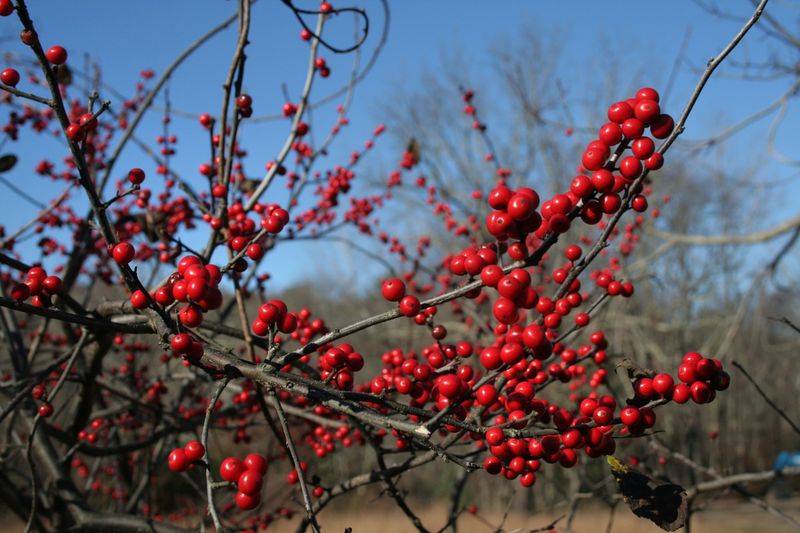
Winterberry puts on a striking winter show, but the show looks different from what nandina delivers. When temperatures drop and the leaves fall, usually by late October or November in the Piedmont, you are left with bare gray branches covered in clusters of bright red fruit. Some people find it more dramatic than nandina’s evergreen backdrop. Others miss the green foliage and need a moment to adjust their expectations before they fall in love with it.
Size varies more than most plant tags suggest. NC State Extension gives a typical mature range of 3 to 15 feet tall and 3 to 12 feet wide depending on the cultivar, so a compact selection like ‘Red Sprite’ behaves very differently from a straight-species plant left to grow on its own. Choose a cultivar sized for your actual space rather than assuming you can prune it down later without consequences.
Pruning winterberry requires some timing awareness. Flowers form on new growth, so cutting the shrub back hard at the wrong time removes the wood that would have carried next season’s blooms and berries. Light shaping right after the berries drop in late winter is generally the safer window, but consult your local extension office for the most current regional guidance before you take a saw to it.
If you genuinely need evergreen foliage year-round, American holly, Ilex opaca, is a native alternative worth knowing. NC State Extension notes that American holly can eventually reach 40 to 60 feet tall, so it is not a small-shrub swap for a foundation bed. It is a tree, and it deserves to be treated like one when you are picking a planting spot.
Build More Than A One-Shrub Bird Habitat
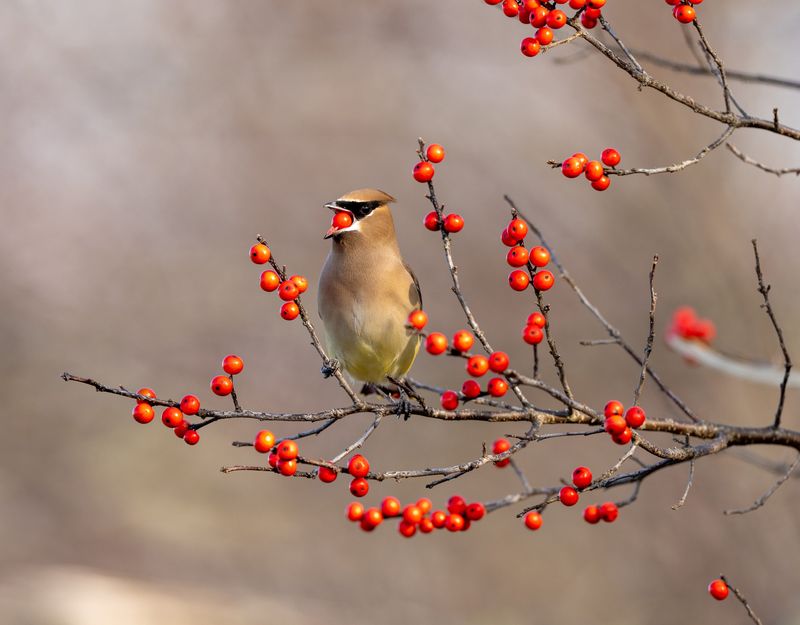
Swapping one nandina for one winterberry is a meaningful improvement, but a single shrub does not create a functioning bird habitat on its own. Cedar waxwings, for example, move through yards in flocks and need a variety of fruiting plants with staggered ripening times to keep them fed across fall and winter. Cornell Lab of Ornithology describes cedar waxwings as fruit specialists that rely on berry-producing plants across multiple seasons, which means a diverse planting serves them far better than any single species ever could.
Native viburnums, American beautyberry, buttonbush, and native dogwoods all complement winterberry well in North Carolina yards and extend the seasonal food window for birds and other wildlife. Mixing fruiting, flowering, and dense cover plants suited to your region creates layers that different species use in different ways. That layered approach is genuinely more valuable than any one perfect shrub.
A practical note on safety that sometimes gets lost in the bird-habitat conversation: Poison Control warns that holly berries, including winterberry, can cause vomiting, diarrhea, and other illness in people who eat them. NC State Extension rates winterberry’s poisoning severity as low, but low is not zero. Bird-supporting does not mean child-safe or pet-safe, so keep that context in mind when you are deciding where to plant and how to talk to your kids about the yard.
Careful nandina removal and a well-matched winterberry planting, with the right soil, the right pollinizer, and a few companion natives alongside it, can preserve that red winter accent while fitting your yard into the larger ecological picture. The yard becomes one small piece of a connected North Carolina landscape, and that is a quiet thing worth feeling good about.