Stop Watering Your North Carolina Succulents When Nighttime Temperatures Drop Drastically
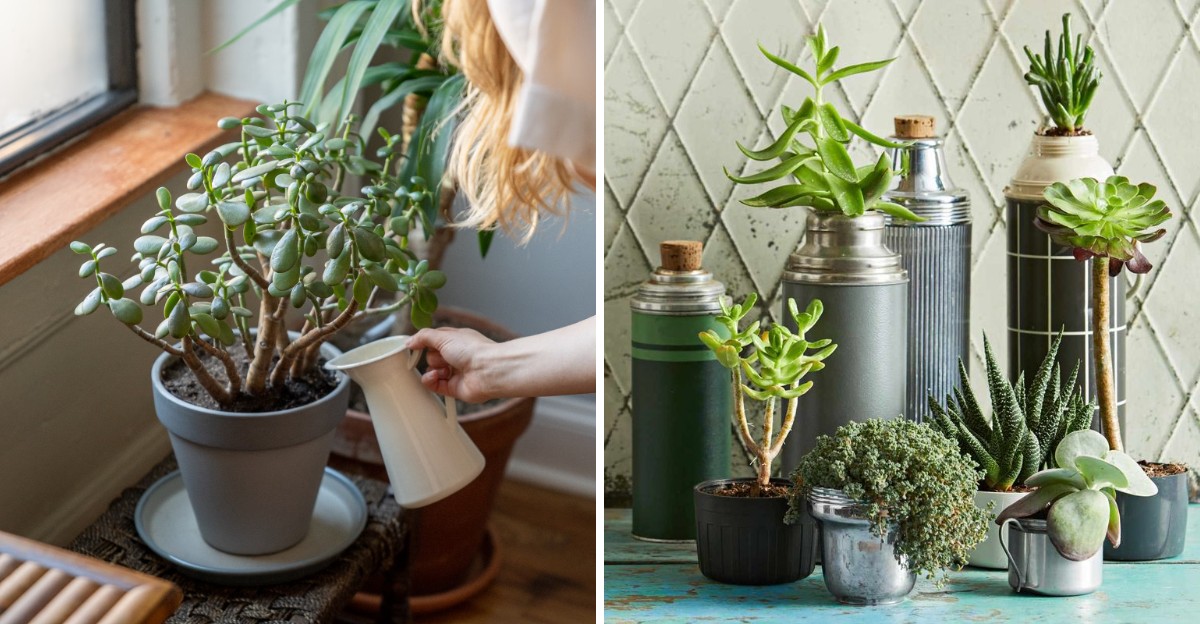
A succulent can handle drought far better than it handles a cold, wet night. Its thick leaves store water, so the plant does not need much help. When temperatures fall, growth slows, and the roots take up less moisture.
Water poured on at that moment has nowhere to go. It sits in the soil, and cold, soggy roots begin to rot. The leaves turn soft and translucent, and by the time you notice, much of the damage is done.
North Carolina fall weather can swing from warm afternoons to chilly nights in a single day, which makes the habit easy to get wrong.
Pausing the watering can on the calendar and checking the soil instead keeps your plants safe. Knowing when to hold back is the most useful skill here.
1. Cut Back On Water, But Don’t Cut It Off Completely
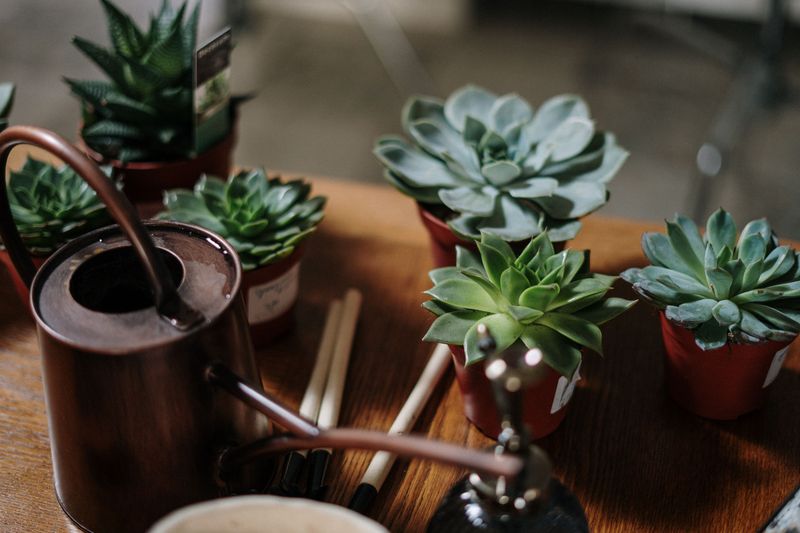
Summer succulents drink like thirsty athletes, but autumn ones sip like sleepy cats. Once nights turn cold and days get shorter, most succulents slow their growth or slip into a semi-dormant rest. They simply use far less water than they did in July.
Still, slowing down is not the same as switching off. Roots and leaves need a little moisture to stay firm and healthy, and a plant left bone dry for months can shrivel and weaken. The goal is balance, not a total drought.
So how do you find that sweet spot? Start by watering much less often than you did in summer. Let the soil dry out completely between drinks, all the way down to the bottom of the pot.
A wooden chopstick pushed into the soil works like a handy moisture meter, since it comes out clean when the mix is dry.
Toss out the calendar, too. A summer routine of watering every week can cause real trouble in cooler months. Instead, check your plants every week or so and water only when the soil and leaves tell you it’s time.
Many growers find that their outdoor container succulents need water only every few weeks in fall. Some go even longer, depending on rain, sunshine, and pot size. Small pots dry faster, while big ones hold moisture for a surprisingly long time.
North Carolina makes this tricky in a fun way. Fall nights often dip into the 40s while afternoons stay warm and sunny, sometimes reaching the 70s.
Those mild days can fool you into thinking your plants want more water, but cold nights keep the soil damp longer, so a light hand pays off.
2. Cold, Wet Soil Is The Real Danger
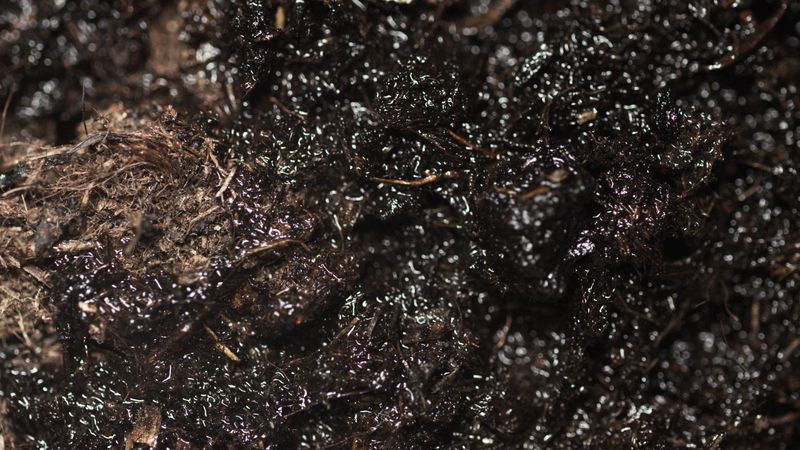
Here’s a surprise for many gardeners: cold weather alone usually isn’t the biggest threat to succulents. The real troublemaker is cold weather mixed with soggy soil. Together, they create a recipe for rot.
Think about how succulents work. They store water inside their thick leaves and stems, almost like tiny living water bottles. When soil stays wet during cool weather, the roots sit in moisture they can’t use, and rot can set in quickly.
Freezing temperatures add another layer of risk. Tender succulents packed with water are more likely to suffer damage when the thermometer slips below 32°F. Water inside the cells can freeze and burst them, leaving leaves limp and see-through.
A few easy habits make a huge difference. Avoid watering right before a cold night, because damp soil chills faster and stays cold longer. Check the forecast first, and if frost is coming, wait until the weather warms up again.
Saucers deserve a quick look as well. They catch rainwater and hold it right against the bottom of the pot, which keeps roots soaking for days. Empty them after every rain, or remove them completely during the cool season.
Location matters, too. Move containers away from spots where rain drips off the roof or puddles collect on the patio. A covered porch or a spot under an overhang can keep extra moisture away while still giving plants fresh air and light.
North Carolina gardeners know this weather well. Cool, rainy spells are common in late fall and winter, often lasting several days. Keeping soil on the dry side during those stretches is one of the smartest moves you can make.
3. Hardy Outdoor Succulents Rarely Need Extra Water
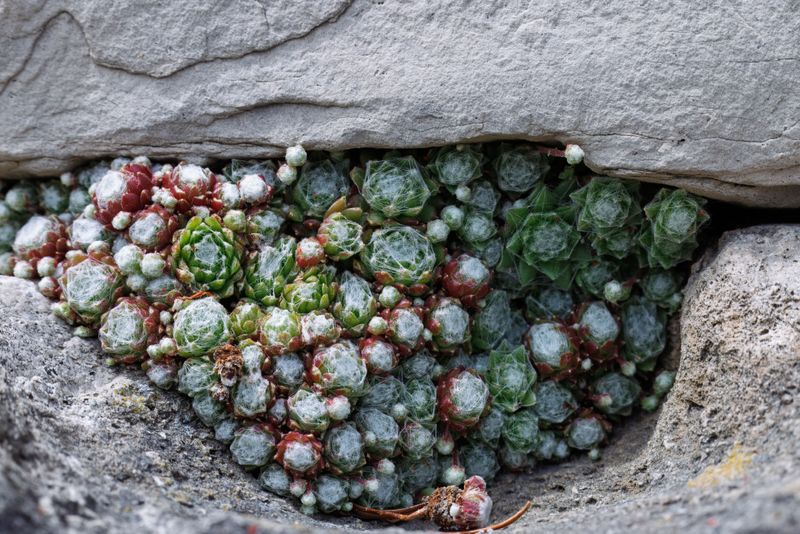
Some succulents are true winter warriors. Hens and chicks (Sempervivum), many sedums, eastern prickly pear (Opuntia humifusa), and Adam’s needle yucca (Yucca filamentosa) can shrug off freezing weather in most of North Carolina.
In fact, eastern prickly pear and Adam’s needle both grow wild in the state. During winter, these tough plants go dormant. They rest quietly, using very little water while they wait for spring. Rain and occasional snow usually give them all the moisture they need.
Because of that, you can skip regular watering for in-ground hardy succulents from late fall through winter. Watering them on a schedule can actually do more harm than good. Extra moisture just sits around the roots during a season when the plants aren’t growing.
Prickly pear even has a clever cold-weather trick. Its pads often wrinkle and droop in winter as the plant pulls water out of them to protect against freezing. It looks alarming, but the pads plump back up when warm weather returns.
Long dry spells are the one exception. If several weeks pass without meaningful rain, give your hardy succulents a light drink every few weeks. Pick a mild morning when temperatures are well above freezing, and water just enough to moisten the soil.
Why bother at all? Much of North Carolina has faced drought conditions in recent years, and dry winters can leave even tough plants stressed. A quick check of the soil after a long rainless stretch helps you decide whether your plants need a little help.
Keep it simple and stay observant. Hardy succulents are built for this weather, and they reward a hands-off approach.
4. Bring Tender Succulents Inside Before Cold Nights
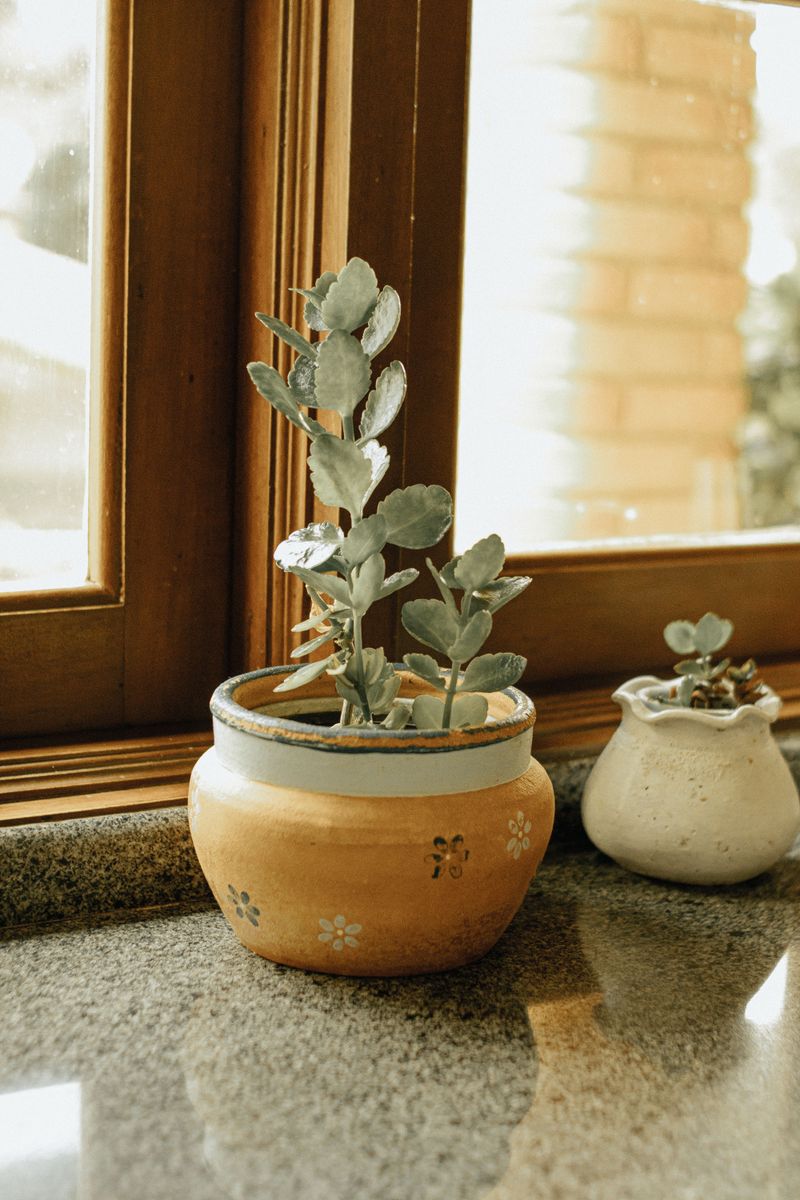
Not every succulent is ready for a Carolina winter. Echeveria, aloe, jade plant, haworthia, and many of those bright, colorful hybrids from garden centers come from warmer places.
Frost can damage them, and long stretches below about 40°F can stress them too, especially if their soil is wet.
Timing your move indoors makes all the difference. Watch your local forecast and plan to bring these plants inside before nights fall near freezing. Waiting until the first frost warning can leave you scrambling in the dark with an armful of pots.
A little prep goes a long way. Stop watering several days before the move so the soil can dry out. Dry soil is lighter to carry, and it keeps roots safe as your plants adjust to lower indoor light.
Before anything crosses the doorway, give each plant a close inspection. Look under leaves and around the stems for mealybugs, which look like tiny bits of white cotton.
Aphids and spider mites can hitch a ride too, so it’s much easier to deal with them outside than in your living room.
Once inside, find the brightest spot you have. A south-facing or west-facing window is usually the winner.
Succulents that don’t get enough light can stretch out and turn pale, a condition called etiolation. North Carolina’s first frost dates vary across the state.
The Mountains often see frost in October, the Piedmont usually gets it from late October to early November, and the Coastal Plain typically sees it in November. Knowing your region helps you plan the big move with confidence.
5. Water Indoor Succulents Only Every Few Weeks
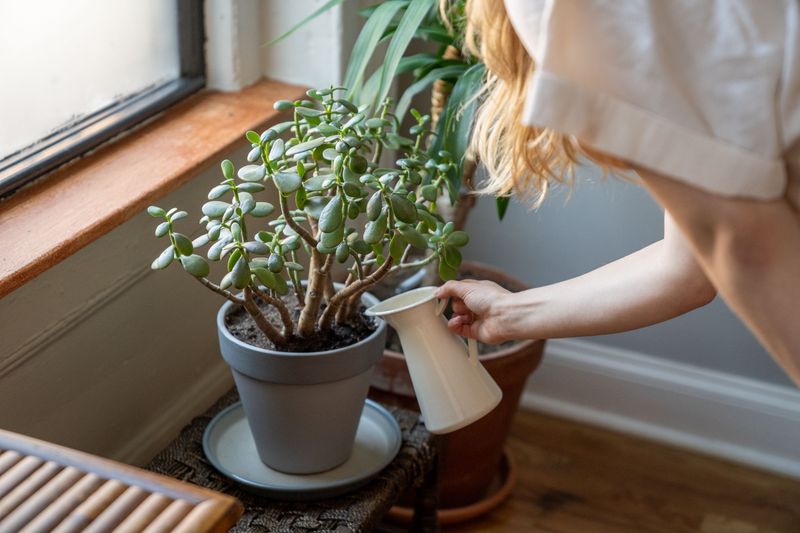
Overwatering is the number one reason indoor succulents struggle. It sneaks up on even careful plant owners, especially during fall and winter. The good news is that fixing it is simple.
Indoor light is much weaker than outdoor sunshine, even in a bright window. Add shorter days and cooler temperatures, and your succulents slow way down. That means soil inside the house stays moist much longer than it would on a sunny deck.
So when should you water? Only when the soil is completely dry. For many succulents, that works out to about every two to four weeks, but the exact timing depends on the plant, the pot, and the room.
When you do water, be generous. Soak the soil until water runs out of the drainage holes at the bottom. Small sips that only wet the surface can leave deeper roots thirsty while still keeping the top layer damp.
After that big drink, let the pot drain fully. Never let it sit in a saucer or decorative pot cover full of water. Standing water is a fast path to root rot, and it’s an easy mistake to make with pretty cachepots that hide what’s happening below.
Every home is a little different, and North Carolina homes are no exception. Many rely on heat pumps or forced-air heating, which can blow warm, dry air across some plants while others sit in cooler corners.
A pot near a vent might dry out in ten days, while one in a chilly bathroom stays damp for a month. Checking each plant on its own is the secret. Treat them as individuals, and they’ll stay healthy until spring.
6. Water In The Morning On Mild Days
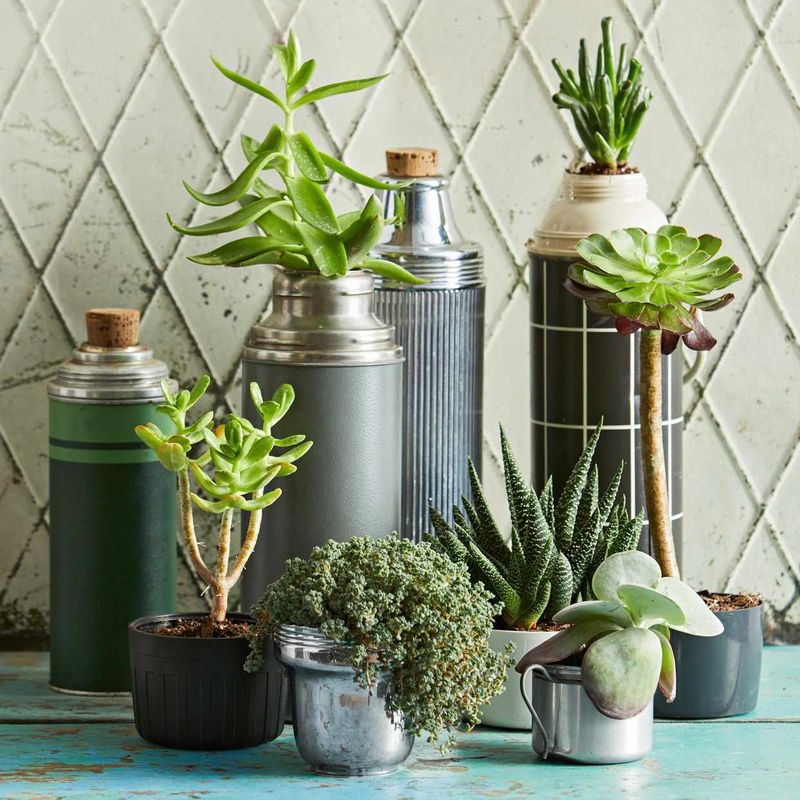
Timing can be just as important as the amount of water you give. A splash at the wrong hour can leave roots chilled and soggy overnight. A splash at the right hour gives your plants a much safer start.
Mornings are your best friend during cool weather. When you water early on a mild day, extra moisture has hours to drain out of the pot. The sun and warm air also help the soil surface dry before cold night temperatures roll in.
Sunny or mild mornings work best for outdoor and porch succulents. Look for days when temperatures will climb comfortably above 50°F. Those conditions let the plant take up water while it’s still a bit active.
Evening watering is a different story in fall and winter. Soil that’s still damp at sunset turns cold and clammy as the temperature falls. Water can also settle into the center of rosettes like echeveria and stay there all night, which may lead to rot or freeze damage.
Always peek at the forecast before you grab the watering can. If a freeze or a very cold night is coming, skip watering and wait for a warmer stretch. Your plants can easily handle a few extra dry days, but they can’t easily recover from frozen, soggy roots.
North Carolina winters love a good plot twist. A sunny 65°F afternoon can turn into a 28°F night in just a few hours. That swing is exactly why morning watering on mild days is such a smart habit.
Pair your watering with your morning coffee, and you’ll build a routine that keeps your succulents safe all season.
7. Good Drainage Matters Most In Winter
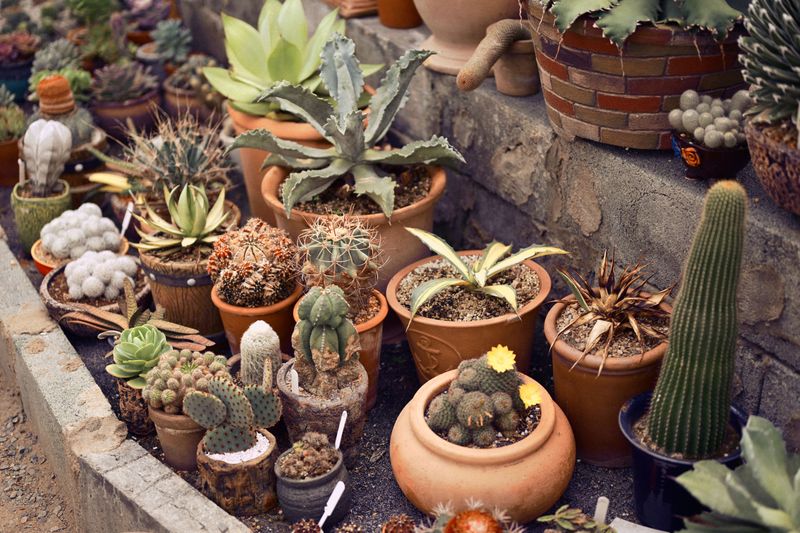
Drainage is the unsung hero of succulent care. You can water perfectly and still run into trouble if the soil holds onto moisture like a sponge. In winter, that problem grows even bigger.
Winter rain adds water you can’t control. Poorly drained beds and pots can’t shed it fast enough, so roots end up sitting in cold, wet soil for days. Rot often follows soon after.
For containers, start with pots that have drainage holes. Fill them with a gritty cactus or succulent mix, then add extra perlite, pumice, or coarse sand for even better flow. Many growers mix in about one part grit for every one or two parts soil.
Terracotta pots make a nice choice, too. The clay is porous, so it lets moisture escape through the sides and helps the soil dry faster. Plastic and glazed pots hold water longer.
In-ground succulents need a similar setup. Raised beds, gentle slopes, and rock gardens all help water drain away from roots. Adding gravel or crushed stone to the planting area can also improve drainage.
Mulch choice matters more than you’d think. Wood mulch holds moisture against the base of the plant, which succulents don’t enjoy. A layer of gravel or small stones keeps the crown dry and looks tidy.
Here in North Carolina, red Piedmont clay is famous for being heavy and dense. It drains slowly and can stay soggy for days after a winter rain.
Building up your beds or planting in containers gives succulents a fighting chance against that sticky soil. Good drainage turns tough winters into easy ones for your plants.
8. Read The Signs Of Too Much Or Too Little Water
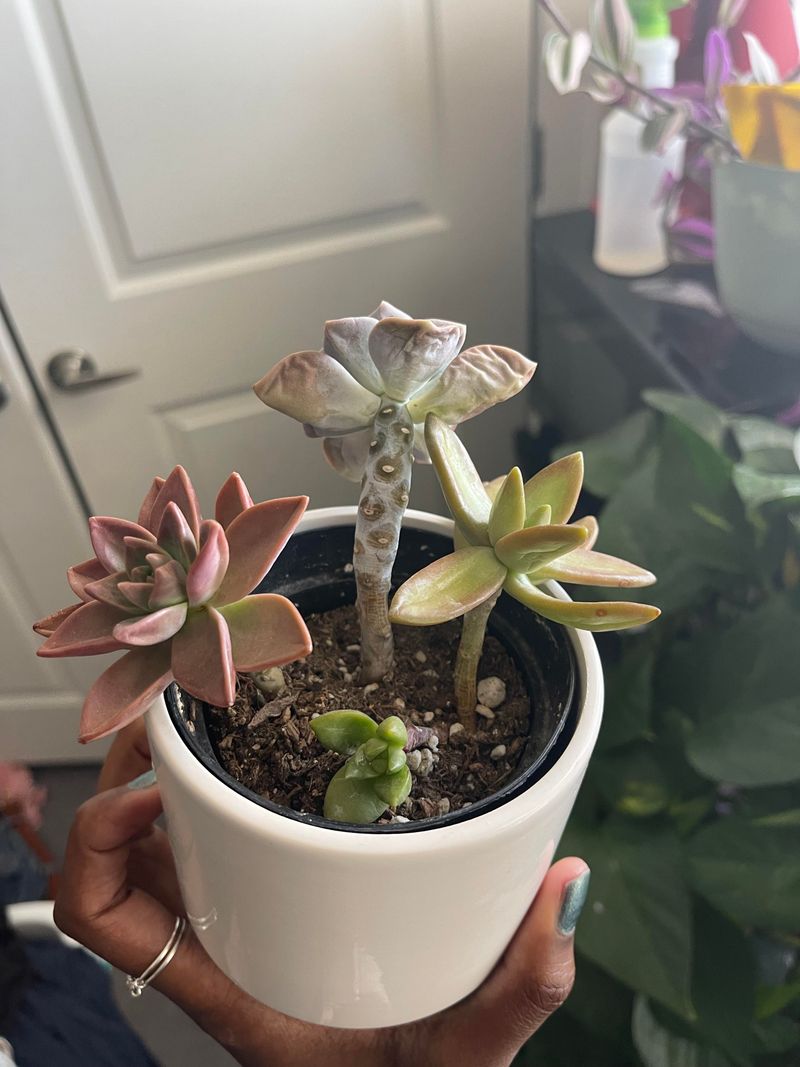
Your succulents are always talking to you. You just need to know how to listen. Their leaves give clear clues about whether your watering habits are on track.
Thirsty plants have a certain look. Leaves may turn wrinkled, soft but dry, or shriveled, kind of like a grape slowly becoming a raisin. Lower leaves sometimes dry up and fall off, which is often normal, but widespread wrinkling usually means it’s time for a drink.
Too much water tells a very different story. Leaves may turn yellow, translucent, or mushy, and they can feel squishy when you touch them. Stems might darken or turn black near the soil, which points to rot or cold damage.
Spotting these warning signs early helps a lot. Use clean, sharp scissors or a knife to trim away any mushy or blackened parts. Cut back into firm, healthy tissue, then let the plant dry out and reduce your watering.
If rot has reached most of the stem, there’s still hope. Many succulents can be saved by taking a healthy cutting or a few firm leaves. Let them dry for a few days, then set them on dry soil, and they’ll often grow fresh roots.
A quick weekly check makes reading these signs easy. Gently squeeze a leaf, look at the color, and feel the soil before you decide what to do.
North Carolina temperatures can swing wildly from week to week during fall and winter. Adjusting your water to match those changes, instead of sticking to a fixed plan, keeps your succulents healthy and ready to shine when spring arrives.