7 Strong Scents That Draw Coyotes To Your Texas Yard
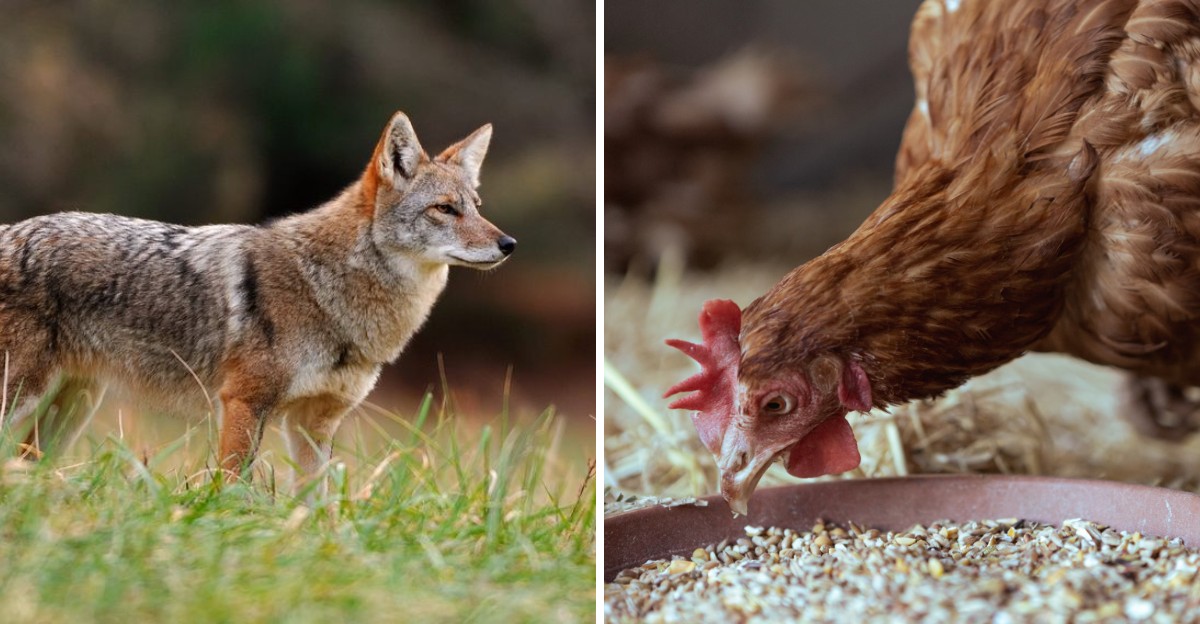
What does your yard smell like to a coyote? The answer might surprise you, and it could explain why one keeps wandering through after dark.
Coyotes rely on their noses to survive. Their sense of smell helps them track rabbits through tall grass, find scraps in the dark, and pick up on easy meals from surprising distances.
In Texas neighborhoods, plenty of everyday smells send a clear invitation. Garbage cans, compost piles, pet food bowls, fallen fruit, and even greasy grill drippings all carry strong odors that hungry coyotes have learned to follow.
Most homeowners have no idea their yard is sending out those signals. Knowing which scents act like a dinner bell can help you cut them off at the source and keep coyotes moving along.
1. Garbage And Food Scraps
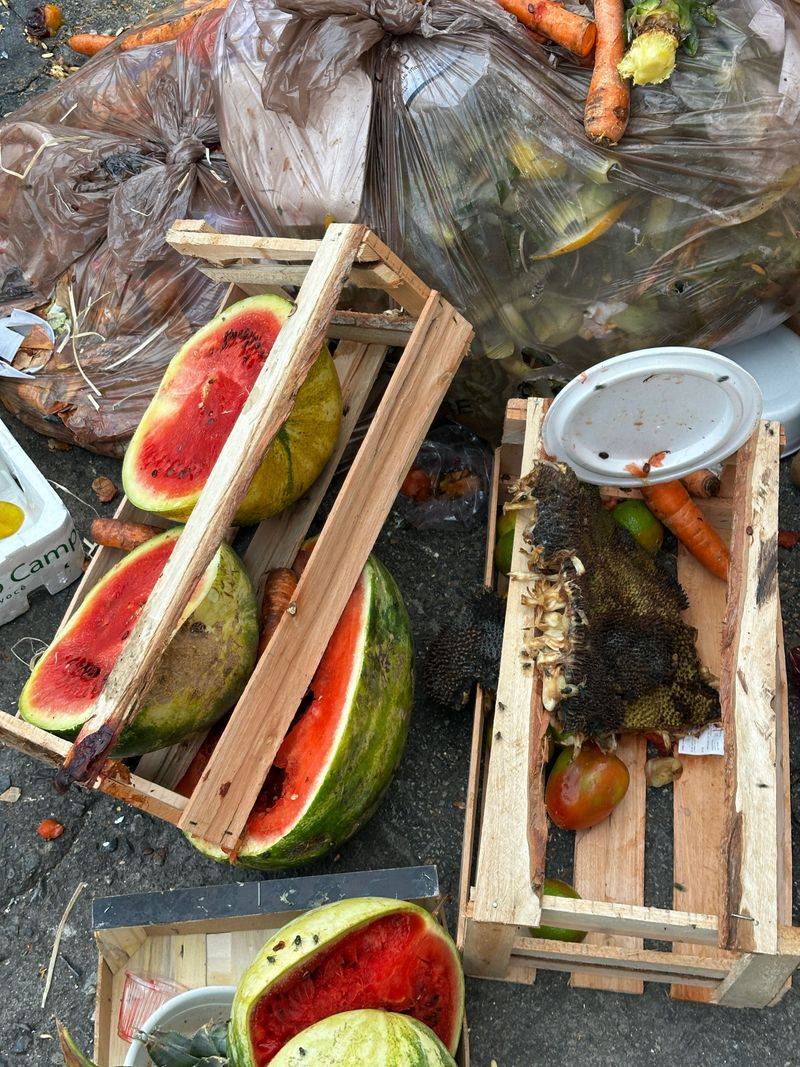
Ever wake up to find your trash scattered across the driveway? Plenty of Texans blame raccoons or stray dogs. Sometimes, though, the real culprit is a coyote that followed its nose straight to your bin.
Garbage is full of strong smells. Meat scraps, chicken bones, greasy wrappers, and old leftovers all give off odors that drift through the neighborhood.
In hot Texas weather, those smells grow even stronger as food breaks down. A coyote can catch that scent from far away.
Open or flimsy trash cans are easy targets. A coyote can knock one over and pick through the mess in minutes. Once it learns your yard has snacks, it may add your home to its nightly route.
Start with a sturdy can that has a tight-fitting or locking lid. Bungee cords or simple clamps work well if your lid tends to pop open. Heavy cans are also harder to tip over.
Where you keep the can matters, too. Store it in a garage, shed, or fenced area until trash day. Try to put it out on the morning of pickup instead of the night before.
Here is a handy trick. Wrap meat scraps and bones in a sealed bag, then freeze them until collection day. Frozen scraps barely smell at all. You can also rinse cans with a mix of water and a little bleach every few weeks to cut lingering odors.
These steps take only a few extra minutes. In return, your street stays cleaner, and local coyotes find nothing worth sniffing around for.
2. Pet Food Left Outside
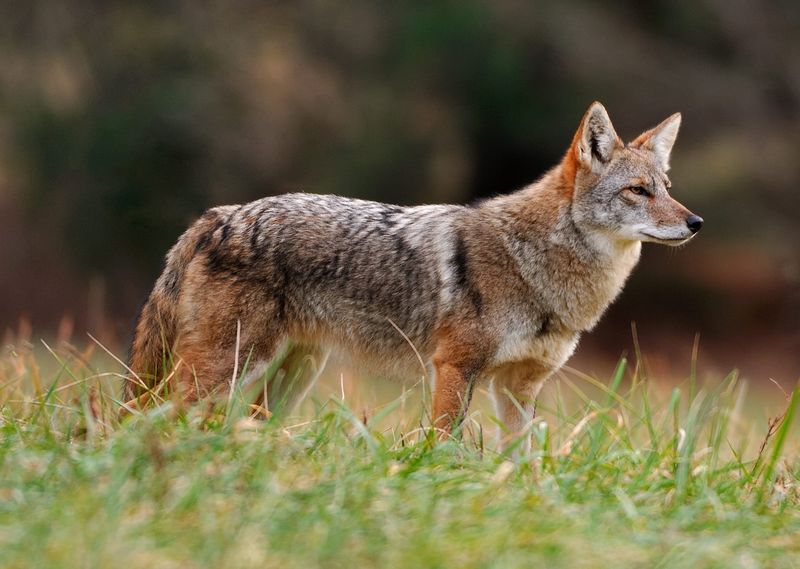
Your dog may be a picky eater, but a coyote is not. A bowl of kibble left on the porch is like a free buffet sign glowing in the dark. Coyotes can smell that food from a surprising distance, especially on calm Texas nights.
Dog and cat food is packed with meat, fat, and fish oils. Those ingredients give off a rich smell that travels on the breeze. To a hungry coyote, it is one of the easiest meals around. No chasing is needed, and no hunting skills are required.
Many pet owners leave food out so their animals can snack all day. That habit feels kind, but it can cause real trouble.
Your Texas Garden Changes Every Week. Your Plan Should Too.
Gardening in Texas changes quickly throughout the season. Every Friday you’ll receive a simple weekly plan showing exactly what to plant, prune, fertilize, harvest, and protect so you never miss the right timing.
Once a coyote finds food in a yard, it often comes back again and again. Over time, it may lose its fear of people and pets.
The fix is simple. Feed your pets indoors whenever you can. If your dog or cat must eat outside, stay nearby during mealtime. When the bowl is empty, bring it straight back inside.
Water bowls are usually fine, but rinse food dishes so no crumbs or grease remain. Store big bags of pet food in a garage, pantry, or sealed plastic bin. Coyotes, raccoons, and even skunks can tear open a paper bag in seconds.
Also think about outdoor cats. A cat eating on the patio at night could become a target itself. Bringing both pets and bowls in before dark protects everyone.
One small change in your feeding routine can cut down coyote visits fast. Your pets will still be happy, and your yard will smell a lot less like dinner.
3. Compost Piles With Food Scraps
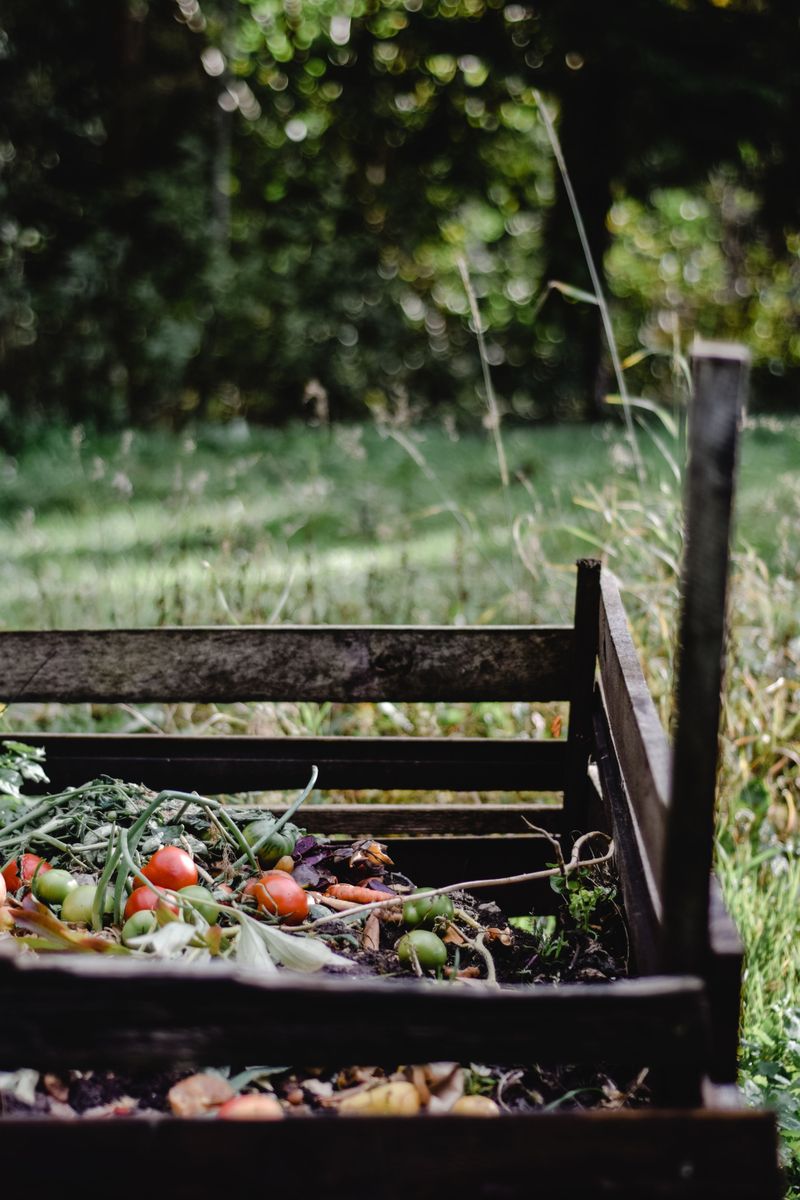
Gardeners love compost, and honestly, so do coyotes. That warm heap of kitchen waste can smell like a snack bar to a wild animal. Composting is great for the planet, but it needs to be done the right way.
The biggest problem comes from certain foods. Meat, fish, bones, cheese, butter, and greasy leftovers create powerful smells.
They also attract rats and mice, which coyotes like to hunt. So a messy pile can draw coyotes in two different ways.
Uncovered scraps are another issue. Banana peels, melon rinds, and veggie bits sitting on top of the pile send out a sweet, tempting odor. Coyotes will happily dig through the heap to find them.
Luckily, a few easy habits can keep your compost working without inviting trouble. First, keep meat, dairy, and oily foods out of the pile completely. Toss those items in the trash instead. Stick to fruit, veggies, coffee grounds, and eggshells.
Next, always bury fresh scraps. Cover them with a thick layer of brown material, such as dry leaves, straw, or shredded cardboard.
Gardeners call this the brown layer, and it helps hold in smells while speeding up the composting process.
If you can, switch to an enclosed bin or tumbler. These containers have lids and sturdy sides that animals cannot easily open. Many Texas cities even offer discounted compost bins, so check with your local government.
Fun fact: a healthy compost pile should smell earthy, a lot like a forest floor. If yours smells sour or rotten, it needs more brown material. A good-smelling pile is better for your garden and much less interesting to coyotes.
4. Grease From Barbecue Grills
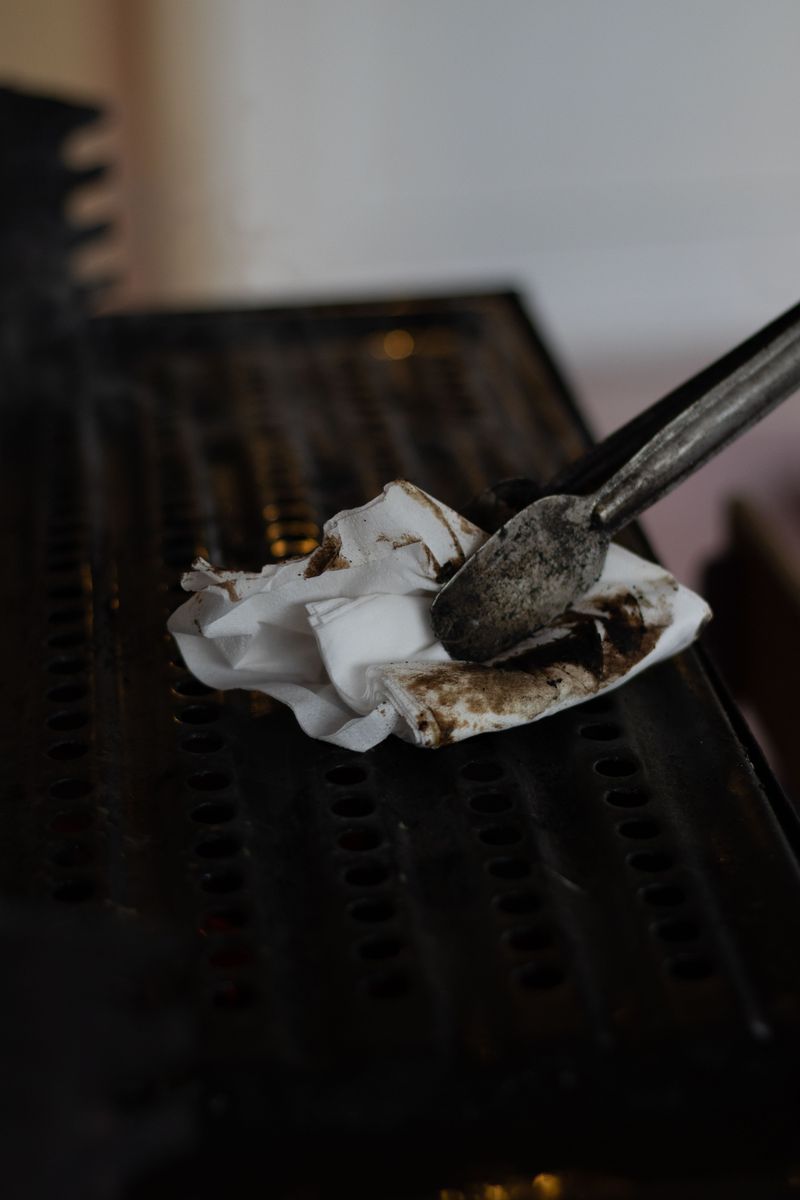
Texas takes barbecue seriously. Brisket, ribs, sausage, and burgers are part of life here. Sadly, coyotes appreciate a good cookout just as much as we do, even after the party ends.
When meat cooks, fat drips down onto the grates and into grease traps. That grease keeps smelling long after the fire goes out. The scent is rich, smoky, and meaty. For a coyote passing by at night, it is almost impossible to ignore.
Leftover grease can lure more than coyotes. Raccoons, opossums, skunks, and even neighborhood dogs may come sniffing. Some animals will lick the grill or knock over the drip pan. That creates a mess and can damage your equipment.
The best plan is to clean your grill after every use. While the grates are still warm, scrub them with a grill brush. Warm grease comes off much more easily than cold, sticky gunk. Wipe down the outside of the grill, too, since splatters can leave smells behind.
Do not forget the grease trap or drip tray. Empty it often, especially after cooking fatty meats like brisket or pork shoulder.
Let the grease cool, pour it into an old can or jar, seal it, and throw it in a locked trash bin. Never dump grease on the ground or in the yard.
Disposable foil liners for drip trays make cleanup faster. Just swap them out when they fill up. A grill cover adds another layer of protection.
Spending ten minutes on cleanup keeps your patio from smelling like an all-night cookout. Your grill will last longer, and your food will taste better next time.
5. Fallen And Rotting Fruit
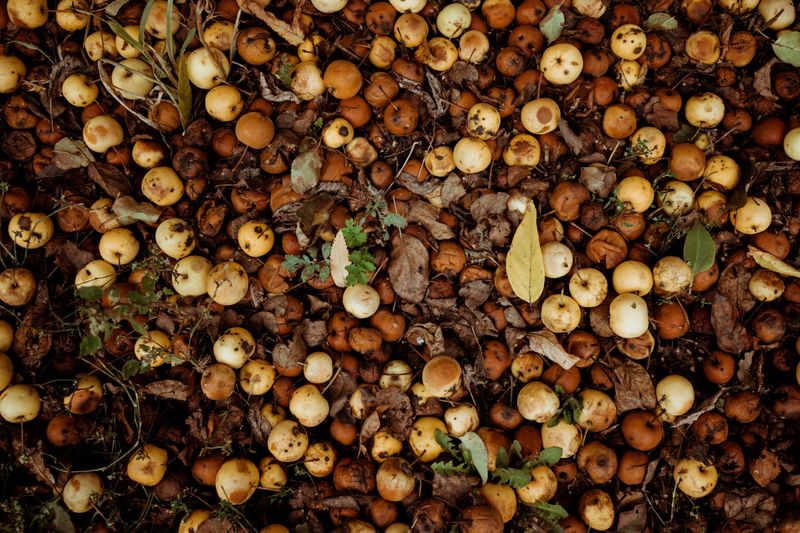
Most people think of coyotes as pure meat eaters. Surprise! They actually love fruit. In parts of Texas, coyotes munch on persimmons, prickly pear fruit, mesquite beans, and wild berries whenever they get the chance.
So that fig tree or persimmon tree in your backyard can become a coyote magnet. When fruit drops and starts to rot, it gives off a sweet, heavy smell. Late summer and fall heat makes the odor even stronger. Coyotes can follow that scent right to your lawn.
Gardens can draw them in, too. Ripe melons, tomatoes, peaches, and pecans may tempt a curious coyote. Some will even nibble on watermelons left sitting in the patch.
Rotting fruit also brings in bugs, birds, and rodents. Those extra critters make your yard even more interesting to a hungry predator. It turns into a chain reaction you probably do not want.
Keeping up with your trees is the simplest fix. Walk around your yard every day or two during fruiting season.
Pick up anything that has fallen, and toss it in a sealed bag or a covered compost bin. A rake or a fruit picker tool can make the job easier on your back.
Harvest ripe produce quickly instead of letting it hang too long. If you have more fruit than you can use, share it with neighbors or donate it to a local food pantry. Many Texas communities have gleaning groups that will happily help.
Fencing small gardens can protect melons and veggies, too. A tidy yard full of fresh harvests tastes better for you and smells far less inviting to wild visitors.
6. Chicken Coops And Animal Feed
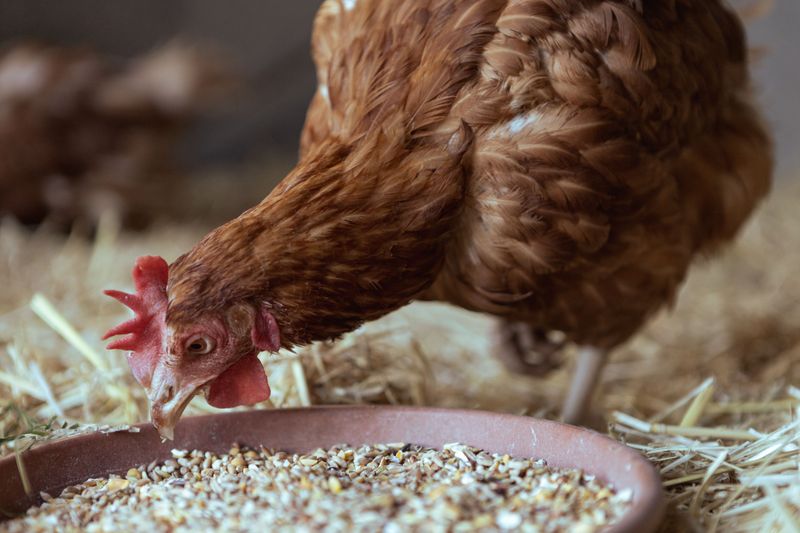
Backyard chickens have become super popular across Texas. Fresh eggs are a wonderful perk. Just know that from a coyote’s point of view, a flock of hens looks a lot like a menu.
Chickens create several smells at once. There is the scent of the birds themselves, plus their feed and their droppings.
Spilled grain also attracts mice and rats, which bring even more attention. Put it all together, and a coyote has plenty of reasons to visit.
Coyotes are clever hunters. They often watch a coop for days before trying anything. Many attacks happen around dawn and dusk, when birds are moving in or out. A weak latch or a small gap in the fence is all it takes.
Protecting your flock starts with feed storage. Keep grain in metal cans with tight lids. Galvanized trash cans work great and are hard for animals to chew through. Sweep up spilled feed daily.
A clean coop matters, too. Remove droppings and old bedding often to reduce strong odors. Fresh pine shavings help keep the space smelling better.
At night, lock your chickens inside a secure coop every single time. Use hardware cloth instead of chicken wire, since coyotes can tear through thin wire.
Bury the fencing at least a foot deep, or add an apron along the ground to stop digging. Latches should need two steps to open.
Quick tip: motion-activated lights near the coop can startle coyotes at night. Some ranchers also use guardian animals like donkeys or livestock dogs. With smart setup, your hens can stay safe and keep those eggs coming.
7. Rodents Drawn By Birdseed
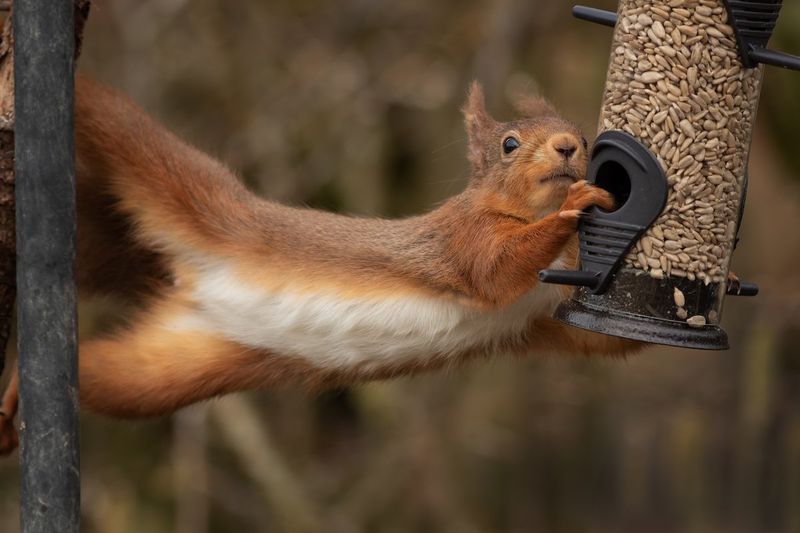
Feeding cardinals and finches seems harmless, right? Bird feeders bring so much color and song to a yard. Yet the mess underneath them can start a sneaky chain that ends with a coyote at your fence.
Birds are messy eaters. They toss seeds and shells onto the ground as they feed. That spilled seed becomes a midnight snack for mice, rats, squirrels, and rabbits. Coyotes love hunting those small animals, and they can smell them easily.
So the coyote is not after the birdseed itself. It is after the critters eating it. Rodents leave scent trails, droppings, and nests, all of which signal an easy meal. A yard full of rodents is basically a hunting ground.
You do not have to give up bird watching to fix this. Start by adding a seed catcher tray beneath your feeder.
These trays grab most of the falling seed before it hits the ground. Rake or sweep up any spills every few days.
Choosing the right seed helps, too. No-mess blends with hulled sunflower hearts leave fewer shells and scraps behind. Birds eat more of the seed, so less ends up in the grass.
Think about bringing feeders inside at night. Most songbirds feed during the day, while rodents and coyotes are busiest after dark. Taking the feeder in at sunset cuts off the nighttime buffet.
Store extra birdseed in a sealed metal container in the garage. Did you know a single mouse can eat its way through a paper seed bag overnight?
With a few easy changes, you can enjoy your feathered friends without inviting any furry hunters.