Black Walnuts Are Pelting Your New York Yard – Here’s What To Do With Them
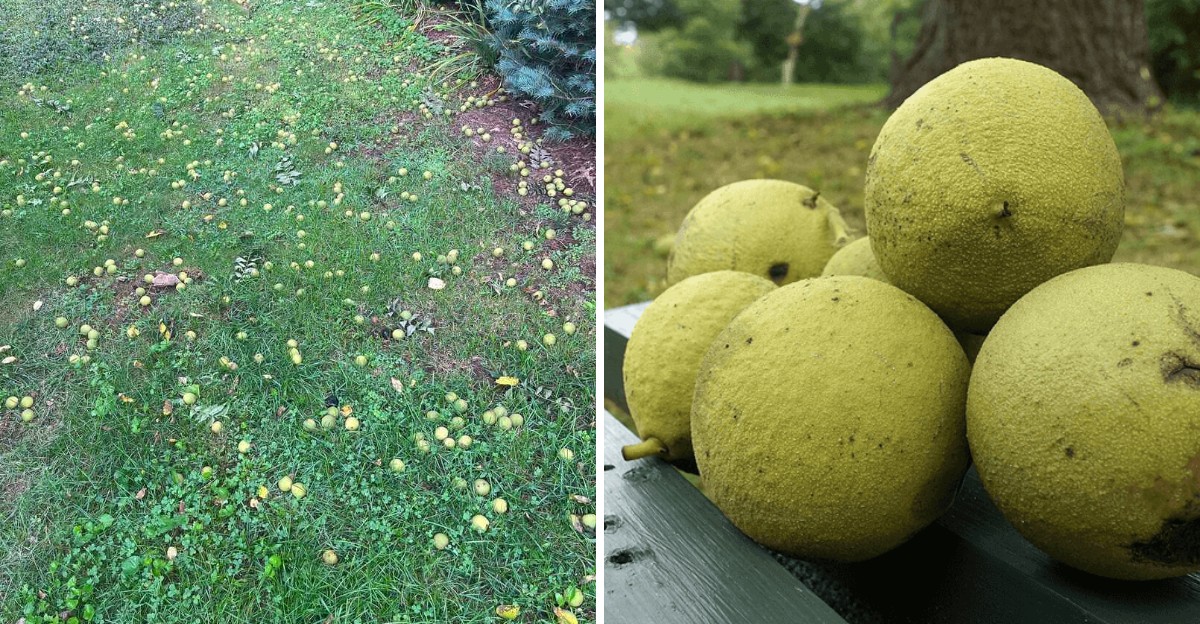
Black walnuts are one of the few free foods that can bruise you on the way down. Each fall, these heavy green balls rain onto lawns, driveways, and the occasional unlucky head.
Across New York, they pile up faster than anyone can rake them. They smell sharp and citrusy and stain everything they touch.
Inside that messy husk, though, hides a rich, earthy treat that people happily pay good money for. Those same nuts also carry a few hidden risks for gardens, pets, and lawn mowers.
With a little know-how, this yearly mess can become a tasty harvest. At the very least, your yard can be a lot safer.
Handling the walnut storm takes less effort than you might think, and a lot more smarts than most people use.
1. Gather Them Quickly Before Squirrels Do
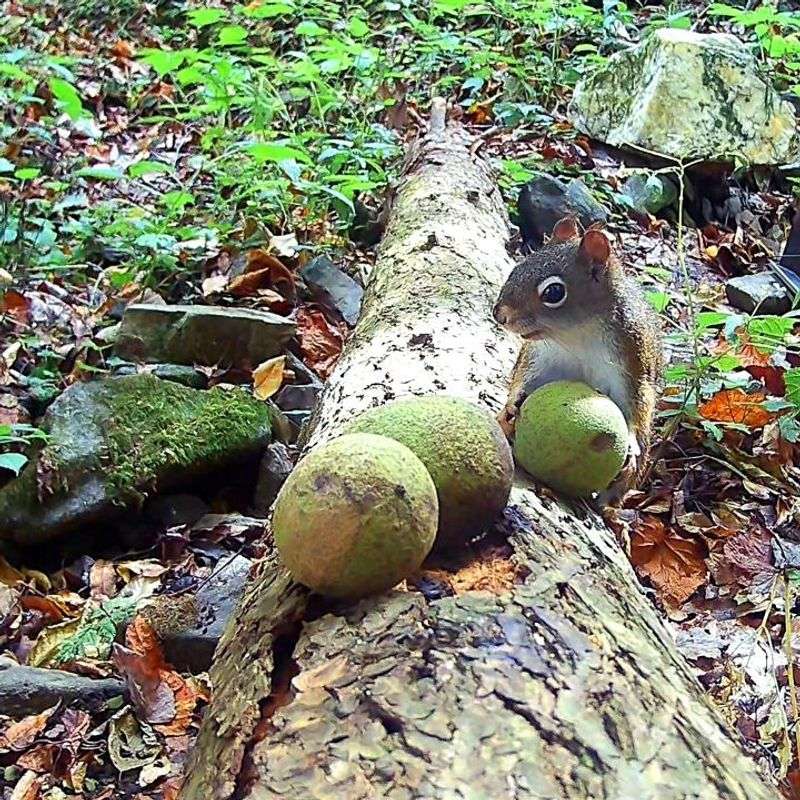
Picture a gray squirrel sitting on your fence, staring at your walnuts like they belong to him. In his mind, they probably do.
Black walnuts usually ripen from late September through October in New York. Some trees start dropping nuts as early as late August.
Squirrels love these nuts for good reason. The kernels are packed with fat and protein, which helps the critters bulk up for winter.
Their strong front teeth can chew through shells that would crack a human tooth. Once they find your tree, the race is truly on.
Your best move is to collect the nuts soon after they fall. You can even pick them straight from low branches when they look ready.
A ripe hull feels slightly soft when you press it with your thumb. Rock-hard green hulls usually need a few more days on the tree.
Early gathering does more than beat the squirrels. It helps keep the kernels pale, mild, and free from that sour, stale taste.
Nuts left lying around also start to grow mold. Moldy hulls create problems for pets and make the nuts inside less safe to eat.
Try checking the ground every day or two during peak season. A bucket by the back door makes quick pickups easy.
Kids often enjoy this job if you turn it into a contest. Offer a small prize for the fullest bucket, and watch the lawn clear fast.
2. Wear Gloves Because The Husks Stain Everything
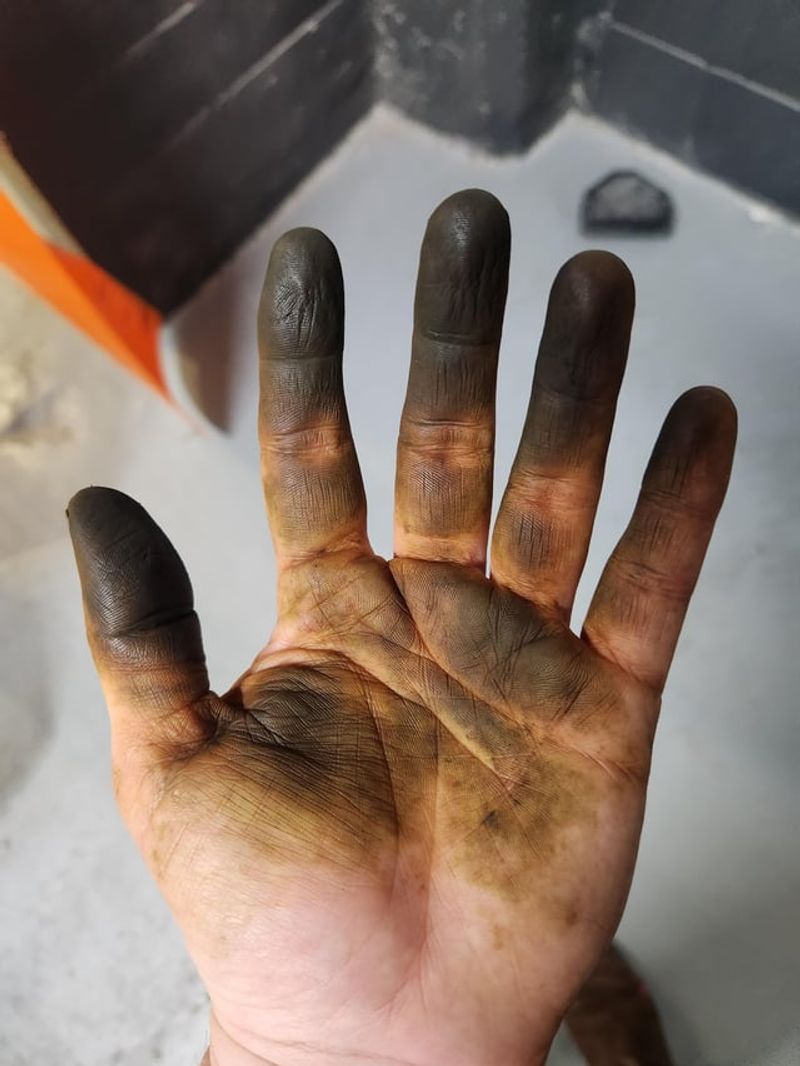
Ask anyone who has handled black walnuts barehanded, and they might show you brown palms. Those marks can stick around much longer than you would guess.
The husks contain a natural compound called juglone. When a husk gets crushed or starts to rot, juglone reacts with air and becomes a powerful dye.
It works a lot like henna. The dye bonds with proteins in the top layer of your skin, so soap barely touches it.
Stains can range from deep yellow to almost black. They often show up hours later, long after you thought you were safe.
On skin, the color may last one to four weeks. Heavy stains can hang on for a few months while your skin slowly sheds.
Your New York Garden Changes Every Week. Your Plan Should Too.
Gardening in New York changes quickly throughout the season. Every Friday you’ll receive a simple weekly plan showing exactly what to plant, prune, fertilize, harvest, and protect so you never miss the right timing.
Clothing has it even worse, since fabric stains are usually permanent. Old jeans, worn boots, and a junk shirt are smart choices for walnut work.
Some people also get itchy skin or blisters from juglone. It acts as an irritant, so sensitive folks should take extra care.
Heavy rubber or nitrile gloves give the best protection. Thin latex gloves can tear on rough husks, so skip those.
Already stained? Wash right away with soap and water for the best chance.
Lemon juice, cooking oil, or baking soda toothpaste may lighten the marks a bit. Honestly, time remains the most reliable fix for walnut hands.
3. Remove The Husks Before They Turn Black
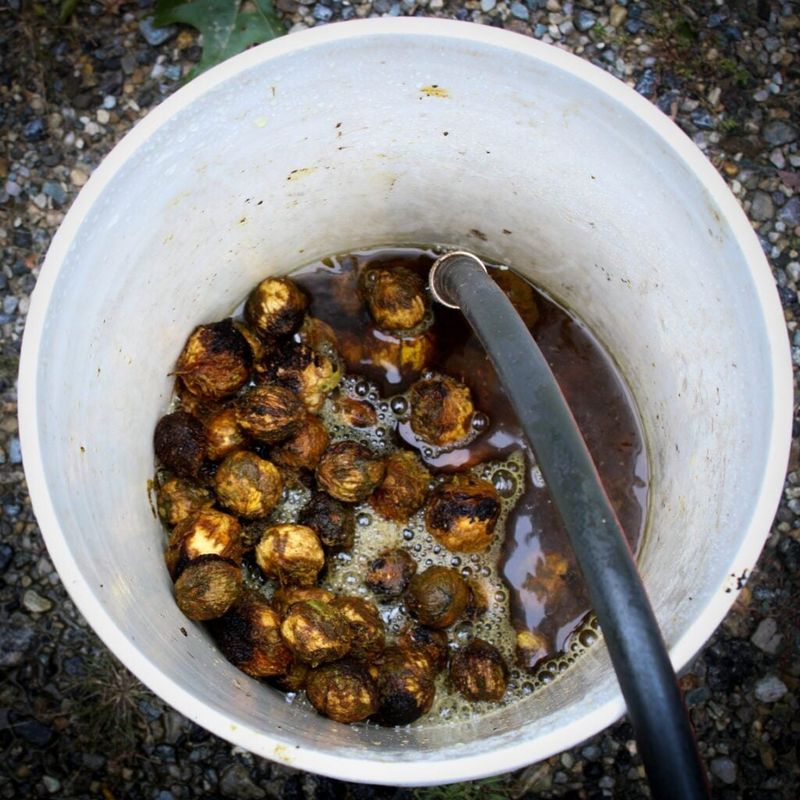
Green, then yellow, then brown, then gooey black. Walnut husks change color like a mood ring as they break down.
Timing matters here more than almost any other step. Once husks darken, their inky juice can seep through the shell and reach the nutmeat.
That juice can leave kernels dark, bitter, or rancid. A whole batch can be spoiled simply because the husks stayed on too long.
Rotting husks also turn into a slimy, smelly pulp. Removing them early saves you from a far messier cleanup later.
Husks come off easiest while they are still soft and fleshy. If some have dried on, soak those nuts in water overnight.
Many people simply stomp on the nuts with sturdy boots. Rolling them under your foot on a driveway pops the husks loose nicely.
For a small batch, a sharp paring knife works fine. Big harvests call for creative tools like a drill with a mud mixer attachment.
Some New York growers even toss nuts into an old cement mixer with gravel and water. The tumbling scrubs husks off in minutes.
After hulling, wash the nuts well in a bucket of water. Any nuts that float are usually empty, so toss them out.
You might spot tiny white worms in old husks. Those are walnut husk fly larvae, and they do not harm the nut inside.
4. Cure The Nuts For A Few Weeks Before Cracking
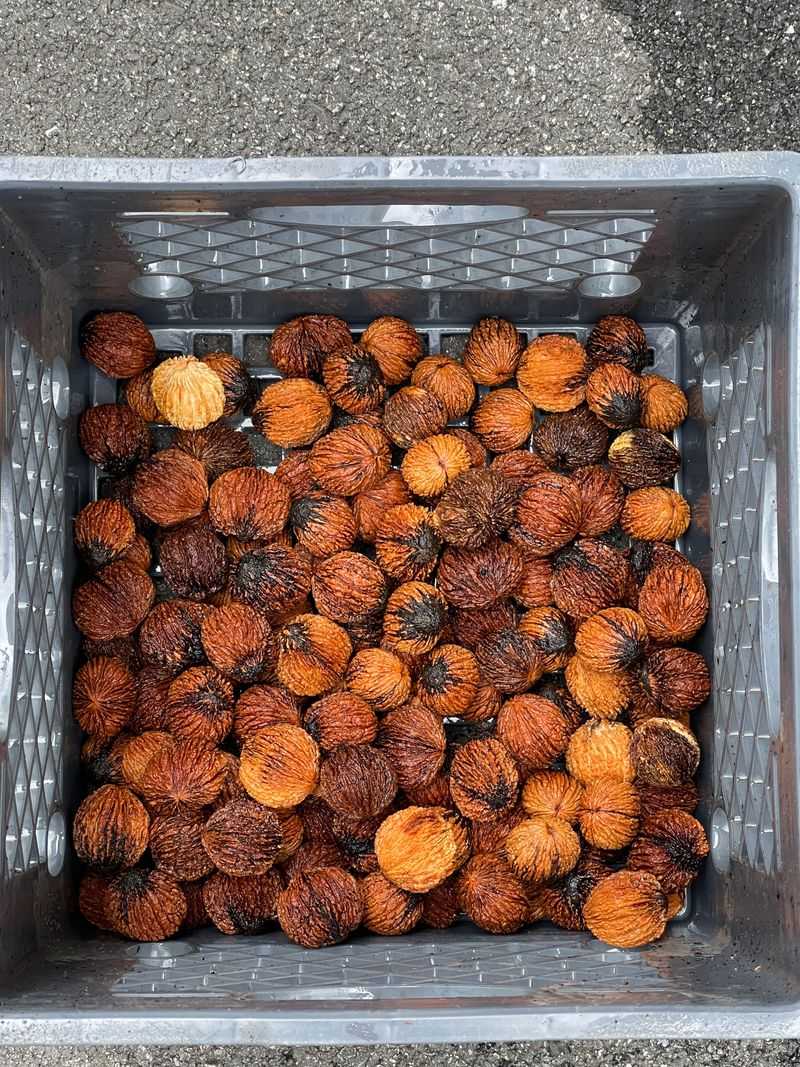
Patience is the secret ingredient in a good black walnut. Crack one too soon, and the kernel feels oddly rubbery and tastes flat.
Curing lets extra moisture escape from the washed nuts. As they dry, the flavor mellows and the kernels firm up nicely.
The process usually takes two to six weeks. Many folks aim for about three or four weeks and then test a few.
Spread the nuts in shallow layers no more than three deep. Wire screens, mesh trays, or onion bags all work well.
Pick a spot that is cool, dry, and out of direct sun. Steady airflow keeps mold from sneaking in while the nuts dry.
A garage or shed is often perfect. Just make sure squirrels and mice cannot find their way to your stash.
How do you know they are ready? Shells should feel dry and brittle, and the kernel should not rattle loosely.
Cracking one open is the surest test. A firm, crisp kernel means the batch is done.
Cured nuts in their shells can last up to a year. Store them in mesh bags, baskets, or burlap sacks somewhere cool.
Shelled kernels are a different story because their oils spoil faster. Keep them in airtight containers in the fridge, or freeze them for long storage.
A sturdy nutcracker or even a hammer on a brick helps with the tough shells. Wear safety glasses, since shell shards love to fly.
5. Keep Them Out Of Gardens With Sensitive Plants
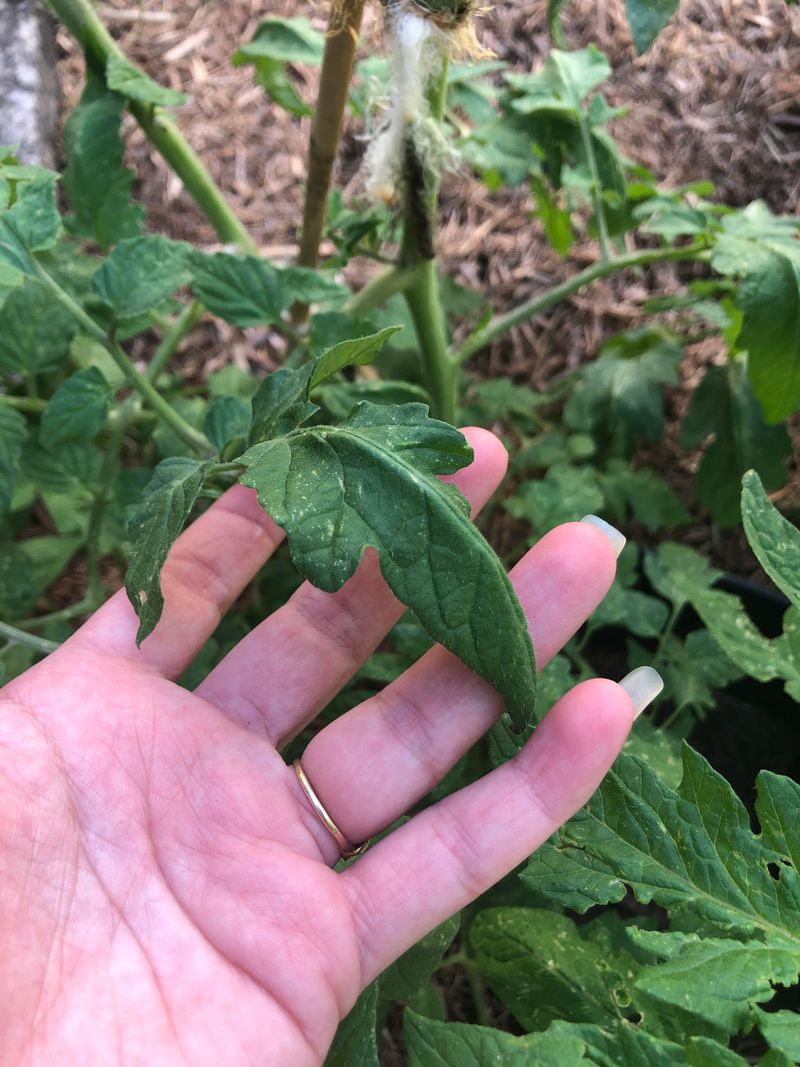
Your tomatoes wilted overnight, and you swear you watered them. The real troublemaker might be standing tall at the edge of the yard.
Black walnut trees release juglone, a chemical that harms many other plants. Scientists call this plant-versus-plant warfare allelopathy.
Juglone appears in every part of the tree. The highest levels sit in the buds, roots, and nut hulls.
It interferes with how sensitive plants make energy. Victims may wilt, yellow, stop growing, or fade away entirely.
The danger zone can stretch 50 to 60 feet from the trunk. Even after a tree is removed, juglone may linger in the soil for two or three years.
Tomatoes, potatoes, peppers, and eggplant are especially touchy. Blueberries, apples, azaleas, rhododendrons, lilacs, and peonies also struggle nearby.
Common New York landscape trees like white pine and white birch can suffer too. Gardeners sometimes mistake the damage for disease or herbicide drift.
Start by keeping fallen nuts and leaves out of garden beds. Rotting hulls add extra juglone right where roots are growing.
Raised beds at least 18 to 24 inches deep can help. Line them with a root barrier to keep walnut roots from creeping in.
Good drainage and healthy, compost-rich soil help microbes break juglone down. Choosing tolerant plants, like many native asters and black-eyed Susans, is the easiest long-term plan.
6. Don’t Compost Large Amounts Of Hulls
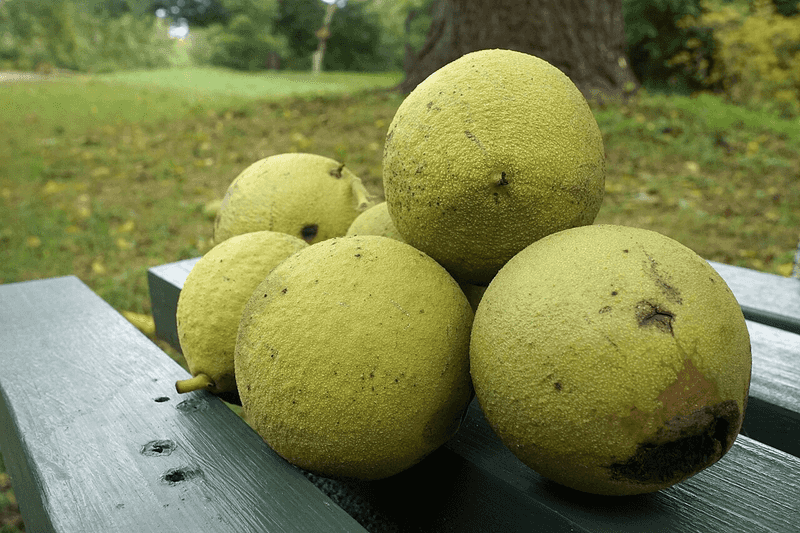
Tossing a mountain of walnut hulls into the compost bin feels like an easy solution. Your future vegetable garden might disagree.
Hulls carry the same juglone that troubles sensitive plants. Dumping a big load at once can make finished compost risky for tomatoes and friends.
Good news, though. Research shows juglone does break down in a well-managed compost pile.
Air, water, and busy microbes do the heavy lifting. A lazy, soggy pile simply works much slower.
Walnut leaves lose their punch fairly fast, often within two to four weeks. Hulls are tougher and woodier, so they need far more time.
Plan on composting hulls for at least six months. With larger amounts, a full year or longer is the safer bet.
Mix hulls with plenty of other materials like leaves and kitchen scraps. Adding green, nitrogen-rich stuff such as grass clippings helps the pile heat up.
Turn the pile often to keep oxygen flowing. That steady care speeds up the breakdown nicely.
Fun fact: well-composted hulls can end up with a neutral to slightly alkaline pH. They can even add helpful nutrients to your soil.
Before spreading that compost around touchy plants, test it on a few first. If they thrive, you are good to go.
Have far too many hulls? Spreading them in a wooded area away from gardens is a simple, low-stress alternative.
7. Moldy Hulls Can Make Dogs Sick
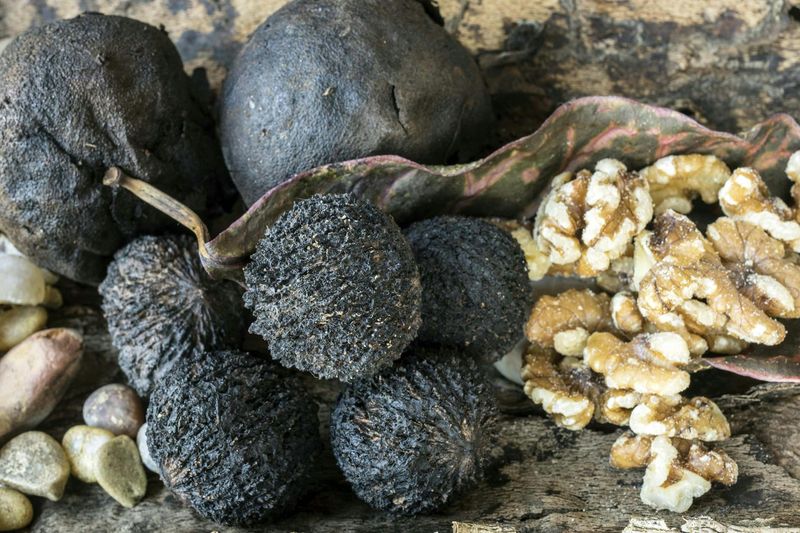
Dogs explore the world with their noses and mouths. Unfortunately, a rotting walnut can smell like a fun snack to a curious pup.
Moldy black walnuts pose a serious danger to dogs. The main threat comes from a toxin called Penitrem A.
It is produced by Penicillium molds growing on decaying nuts and hulls. Shady, damp corners of a yard are prime spots for this mold.
Signs of trouble often include vomiting, diarrhea, and a lost appetite. Your dog might also seem weak, restless, droopy, or start drooling and panting.
More worrying signs involve the nervous system. Watch for shaking, wobbly walking, muscle tremors, or seizures.
Some dogs run a fever or overreact to noise and touch. Liver damage can happen too in rough cases.
Severe poisoning can be life-threatening. If your dog eats moldy walnuts, call your vet right away instead of waiting.
Even fresh walnuts aren’t a great snack for pets. Whole nuts can cause choking or intestinal blockages, and they can upset a dog’s stomach.
Prevention is far easier than an emergency vet visit. Pick up fallen nuts often, especially in shady, wet parts of your yard.
Walk the yard before letting your dog out each morning. A quick scan takes two minutes and could save a scary night.
Fencing off the area under the tree during fall works well too. Your pup still gets outside time without the risky snacks.
8. Clear Them Away Before Mowing
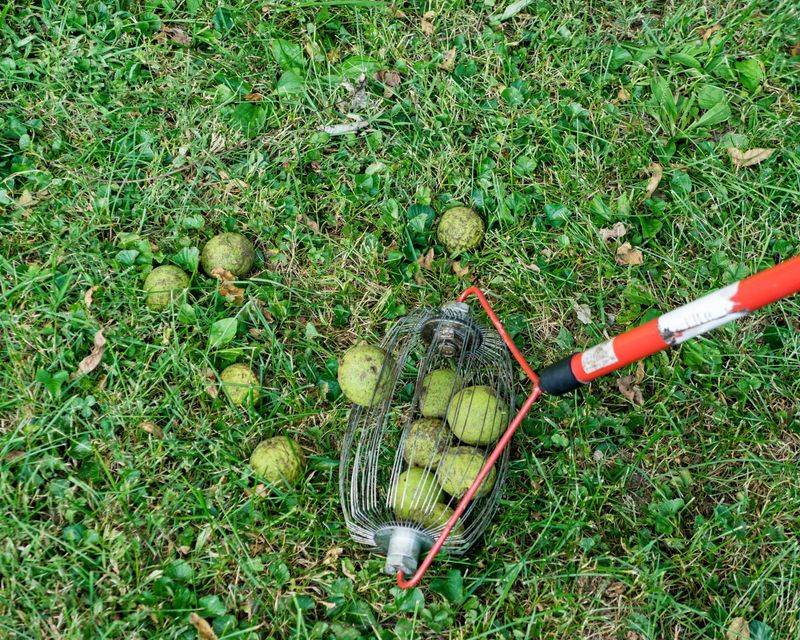
One gardener described walnuts flying from under a mower like baseballs at 90 mph. That image alone should make anyone grab a rake first.
Black walnut shells are incredibly hard. They are so tough that crushed shells are sold as a sandblasting material.
A single direct hit can dent or chip mower blades. Some machines have had cutting discs wrecked by just one nut.
The bigger worry is what flies out of the chute. Speeding walnuts can crack windows, ding siding, and hurt people or pets nearby.
Piles of nuts can jam a mower or bend pulleys. Robotic mowers may get stuck or trip their lift sensors.
Fallen walnuts also roll under your feet like marbles. Many New York homeowners have twisted ankles on a hidden walnut in the grass.
Heaps left to rot can smother and harm the lawn underneath. Chopping them up also releases more juglone into already stressed grass.
The safest plan is to rake or hand-pick nuts before every mow. A rolling nut gatherer makes the job faster and easier on your back.
Short on time? Raising the mower deck may let blades pass over the dense nuts without striking them.
Robotic mower owners can set no-go zones around the tree during walnut season. Those virtual fences keep the robot out of trouble until the ground is clear.
9. Leave Some For Wildlife If You Can
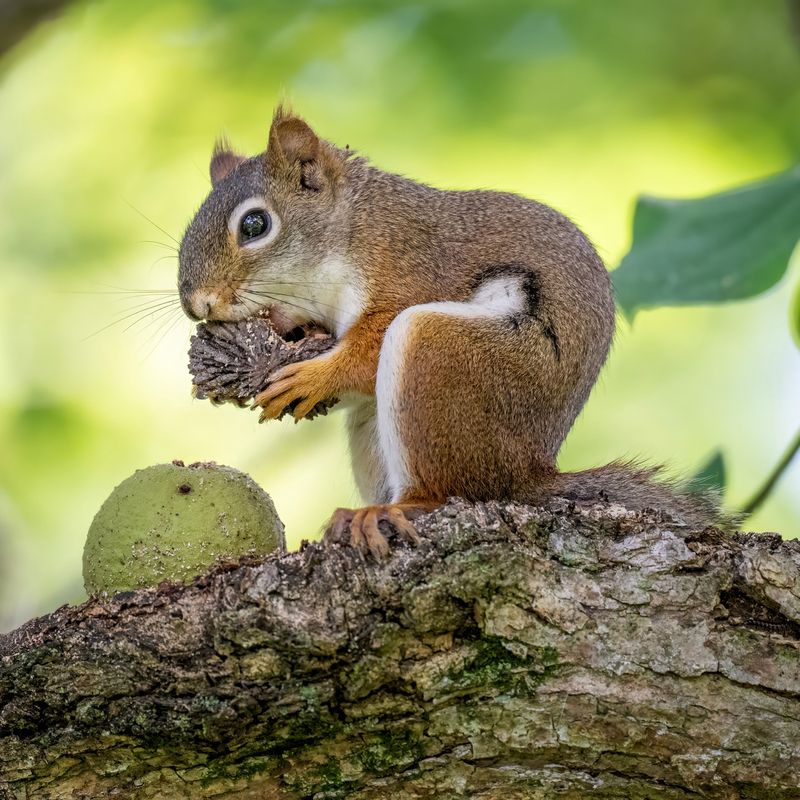
Long before anyone baked walnut brownies, these nuts fed a whole crowd of wild neighbors. Your tree is basically a free winter buffet.
Black walnuts pack plenty of calories, fat, protein, and carbs. That energy helps many animals make it through harsh New York winters.
Squirrels are the most famous fans. They bury nuts for later and forget plenty, which helps plant new walnut trees.
Chipmunks, mice, and voles snack on fallen nuts too. Raccoons, foxes, and even bears add them to their menus.
Birds join the feast as well. Wild turkeys, woodpeckers, and crows have been seen working on walnuts, and crows can be surprisingly clever about it.
The tree helps insects too. Over 100 kinds of moths and butterflies, including the lovely Luna moth, feed on its leaves as caterpillars.
Here is the happy part. Black walnut trees often produce so many nuts that there is plenty to share.
Try leaving a small pile at the edge of your property. A wooded corner or brushy border works nicely and keeps nuts off the lawn.
You get to watch the visitors from your window. Kids especially love spotting turkeys or chipmunks hauling away their prizes.
Pet owners should still keep sharing zones far from dog areas. Fence them off or place them well outside the yard your pup uses.
Sharing turns a messy chore into a small act of kindness for local wildlife.