Why Your Pothos Is Turning Yellow In A Texas Fall
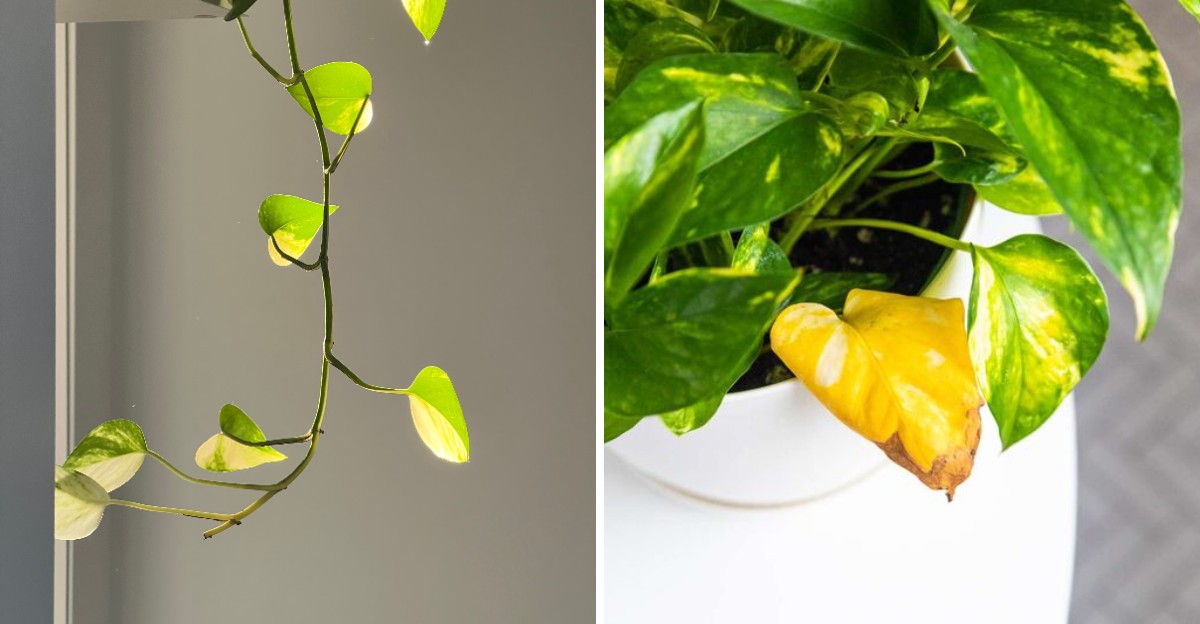
The vine trailing across your bookshelf traces its wild roots to Mo’orea, a small island in French Polynesia. Out there, it climbs tall rainforest trees and grows leaves bigger than a dinner plate, believe it or not.
Indoors, that same tropical climber prefers steady warmth between roughly 65 and 85 degrees, with soil that dries between drinks.
A Texas fall scrambles that routine with sudden cool fronts and much shorter afternoons of usable light.
I spotted my first yellow leaf last October and immediately blamed myself for watering too much. Turns out the real culprit was a drafty window, and the fix took about five minutes.
You might notice a single golden leaf, or maybe a whole stem fading like a Texas sunset. Each pattern tells a different story, so which one is your plant quietly trying to tell you?
1. Soggy Pothos Soil Is Damaging the Roots
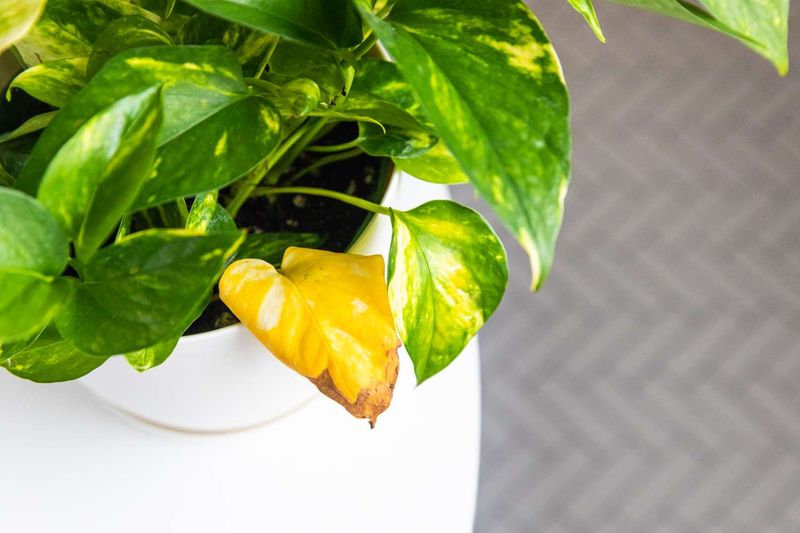
Most yellow pothos leaves I spot at plant swaps trace back to one sweet, well-meaning habit: overwatering. Soggy soil feels heavy and cold, and the older leaves turn soft and limp before going yellow.
Roots need air pockets in the soil, just like we need room to breathe in a crowded elevator. When water fills those pockets for days, the roots run short on oxygen and begin to rot.
Fall makes this problem sneakier because cooler rooms and weaker light slow how fast the plant drinks. The watering schedule that worked in a blazing August can leave the pot soggy by mid October.
Tiny fungus gnats buzzing around the pot are another clue, since their larvae love damp potting mix. I learned this one the hard way after my kitchen window turned into a gnat dance floor.
Before you water again, push a finger into the soil and check the top quarter of the pot. Wait until that layer feels dry, then water slowly and empty the saucer within about thirty minutes.
Pots without drainage holes are a common trap, so slip your plant into a nursery pot inside instead. That simple swap lets extra water escape while keeping your pretty ceramic container proudly on display.
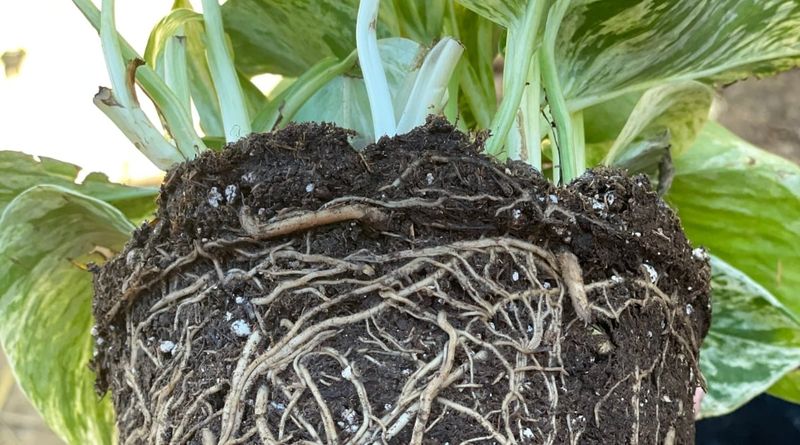
If yellowing keeps spreading, ease the plant out and inspect the roots for brown or black mush. Trim those sections with clean scissors, then repot in fresh, airy mix and water a little less often.
2. Thirsty Pothos Vines Droop And Turn Crispy
Skipped waterings pile up fast during busy fall weekends, and a pothos lets you know with dramatic flair. The leaves droop like tired party streamers, curling inward and feeling thin, almost like paper between your fingers.
Yellowing from thirst usually comes with brown, crispy edges that start at the margins and creep inward. Compare that with overwatered leaves, which feel soft and mushy rather than dry and brittle to the touch.
Check the soil too, because bone dry mix often shrinks and pulls away from the sides of the pot. I once found a gap so wide that my watering can poured straight down the edge.
Water rushing past the roots like that leaves the core of the root ball just as parched as before. A quick splash on top can easily fool you into thinking the whole job is finished.
Bottom watering solves the problem nicely, so set the pot in a sink with a few inches of water. Let it soak for thirty to forty five minutes, then drain it well before returning it to its spot.
Most thirsty plants perk up within a few hours, which makes this problem one of the easiest to fix. Leaves that already turned yellow or crispy will not turn green again, so snip them off.
Heating vents that kick on later in the season dry soil faster than you might expect indoors. Keep plants a few feet away from those vents and check the soil every several days.
3. Shorter Fall Days Leave Pothos Leaves Hungry For Light
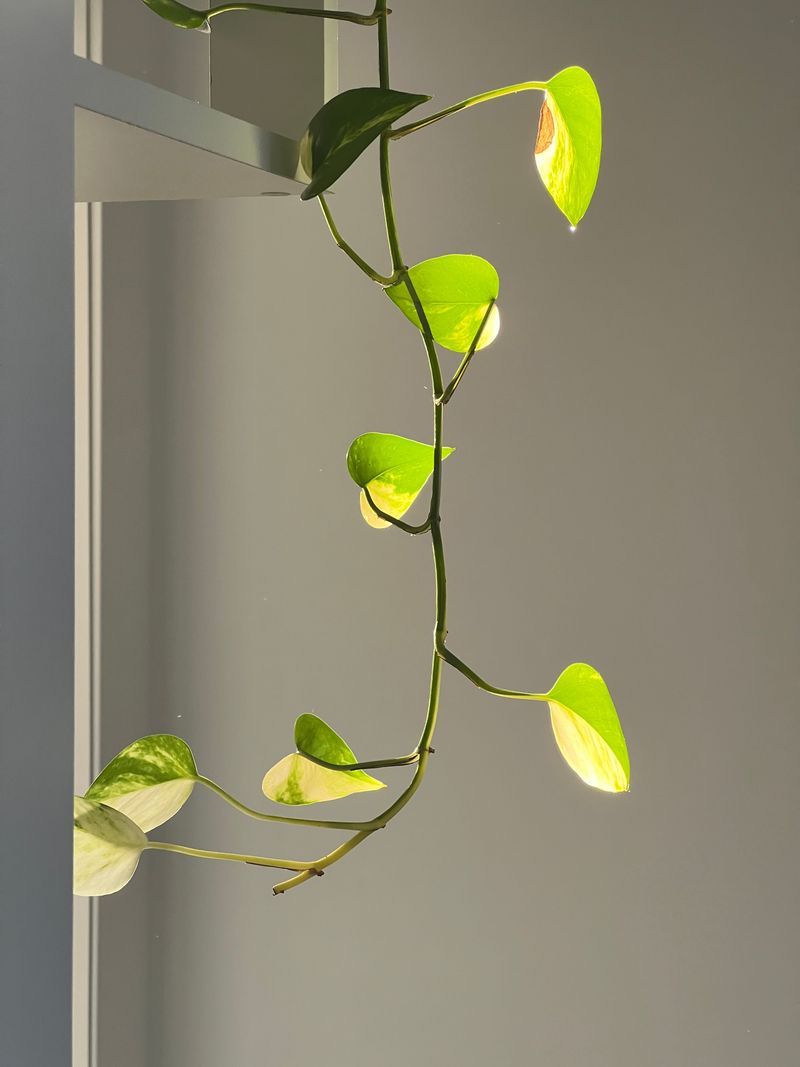
Pothos has a reputation as the plant that survives in a dim office cubicle, and that fame is partly deserved. Surviving and thriving are two very different things, though, especially once the autumn sun drops lower.
Leaves rely on green chlorophyll to turn light into food through photosynthesis, much like tiny solar panels. Without enough light, that green pigment begins to fade and older leaves slowly turn a pale yellow.
Variegated types like Marble Queen can lose some of their creamy streaks when light runs short. I noticed mine looking oddly plain one November and finally realized a new porch awning was blocking the window.
Shorter days in fall mean fewer hours of useful light, even in sunny spots across Texas. A shelf that felt bright in June might quietly sit in gloomy shade by late October.
Bright, indirect light is the sweet spot, such as a few feet back from an east or west window. Harsh direct sun through glass can scorch the leaves, so a sheer curtain makes a helpful buffer.
Rooms with little natural light benefit from a simple LED grow light running about ten to twelve hours daily. A cheap outlet timer handles the switching, so you can forget about it and enjoy the results.
Move your plant gradually rather than all at once, since sudden changes in light can stress it too. Within a few weeks, fresh leaves should unfurl with richer color and longer, more confident vines.
4. Chilly Window Drafts Shock Tropical Pothos Vines
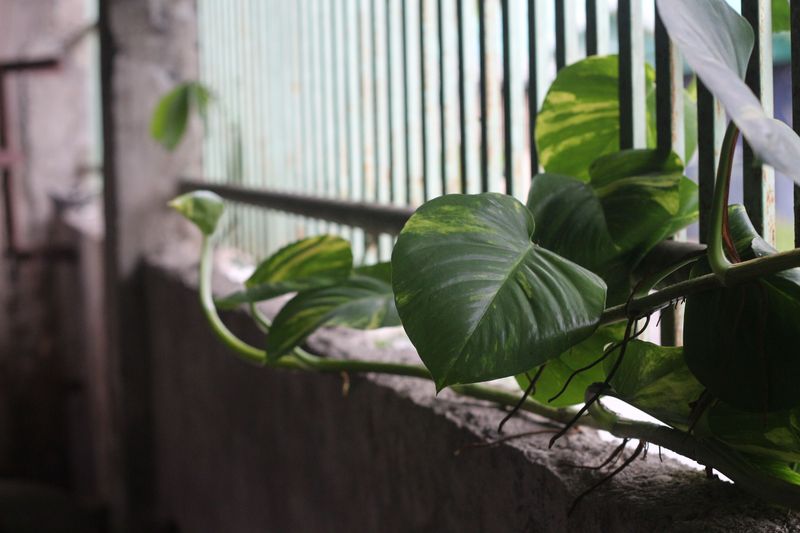
A blue norther can sweep across Texas and drop temperatures by twenty degrees or more in just a few hours. Your pothos, a true child of the tropics, feels that chill seeping through glass and door frames.
Leaves pressed against a cold windowpane often turn yellow, and some develop dark or blackened edges. Damage like this tends to show up a day or two after the cold snap passes.
Pothos grows happiest in a steady range of about 65 to 85 degrees Fahrenheit, according to most care guides. Temperatures below 50 can cause real trouble, especially for plants sitting right next to drafty doors or windows.
I keep a cheap digital thermometer on my plant shelf, and it reveals surprising cold pockets near windows. On chilly nights, the reading by the glass can run several degrees cooler than the middle of the room.
Hot blasts can stress the plant too, so keep it away from heater vents and space heaters. Our homes swing between air conditioning and heat this time of year, which keeps plants guessing.
Slide your pots about a foot back from windows and exterior doors before the first cold front arrives. Outdoor pothos on porches should head back inside well before nighttime lows dip into the fifties.
Cold damaged leaves rarely bounce back, so trim them once you are sure the rest of the plant is stable. New growth from the vine tips usually signals that your tropical friend has fully forgiven you.
5. Pothos Fertilizer Mistakes Show Up In Yellow Leaves
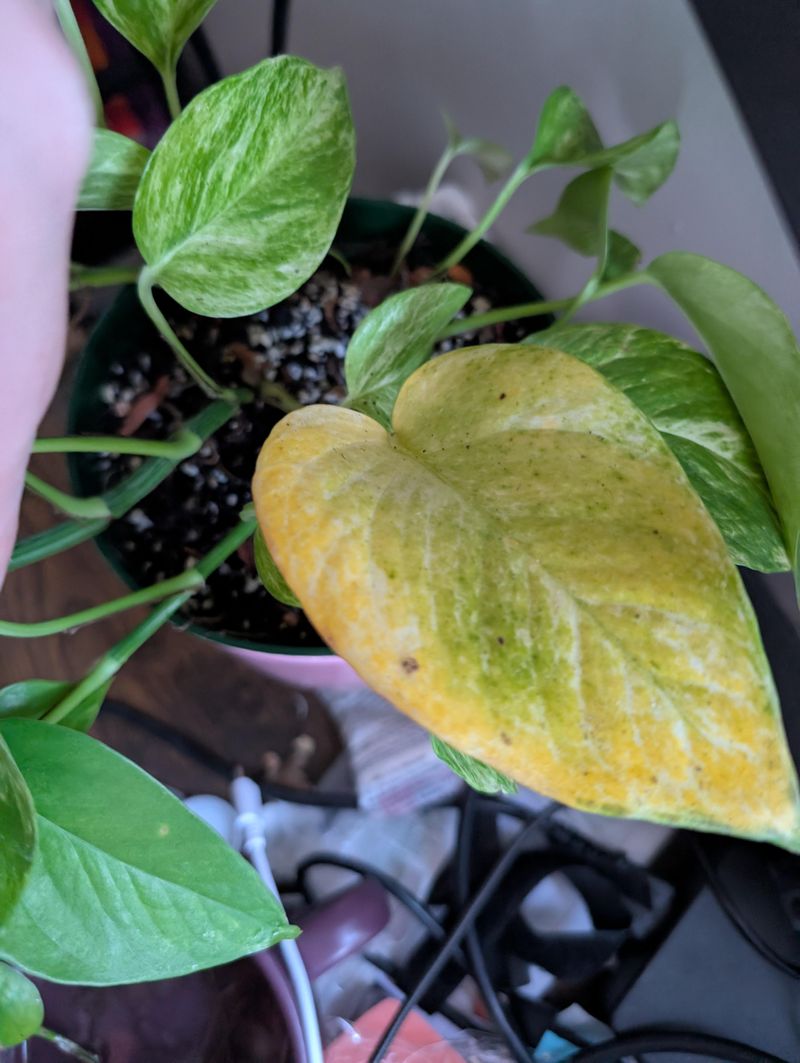
Plant food feels like a gift, yet a pothos can react to too much or too little with yellow leaves. Reading the pattern on each leaf is a bit like solving a colorful little garden mystery.
Low nitrogen usually shows up as even yellowing on the older leaves closest to the soil line. Yellow patches between green veins often point to low magnesium, while pale new leaves can suggest iron trouble.
Soil in the same pot for a couple of years slowly runs out of these helpful nutrients. Overfeeding flips the problem around, since extra fertilizer leaves salts behind that can burn tender roots.
A white crust on the soil surface or around the pot rim is a classic sign of salt buildup. Hard tap water in many parts of Texas can add minerals to that crust over time.
Fall is the time to ease off feeding, because pothos growth slows as days shorten and rooms cool. Most growers skip fertilizer until spring, then use a balanced liquid formula diluted to half strength.
Every few months, I flush my pots by running plain water through the soil for a full minute. That rinse carries extra salts out the drainage holes and gives the roots a fresh start.
If you suspect a true deficiency in an old pot, fresh potting mix in spring often fixes it nicely. Patience pays off here, since adding more food to a stressed plant usually makes matters worse.
6. Spider Mites And Mealybugs Hide Under Pothos Leaves
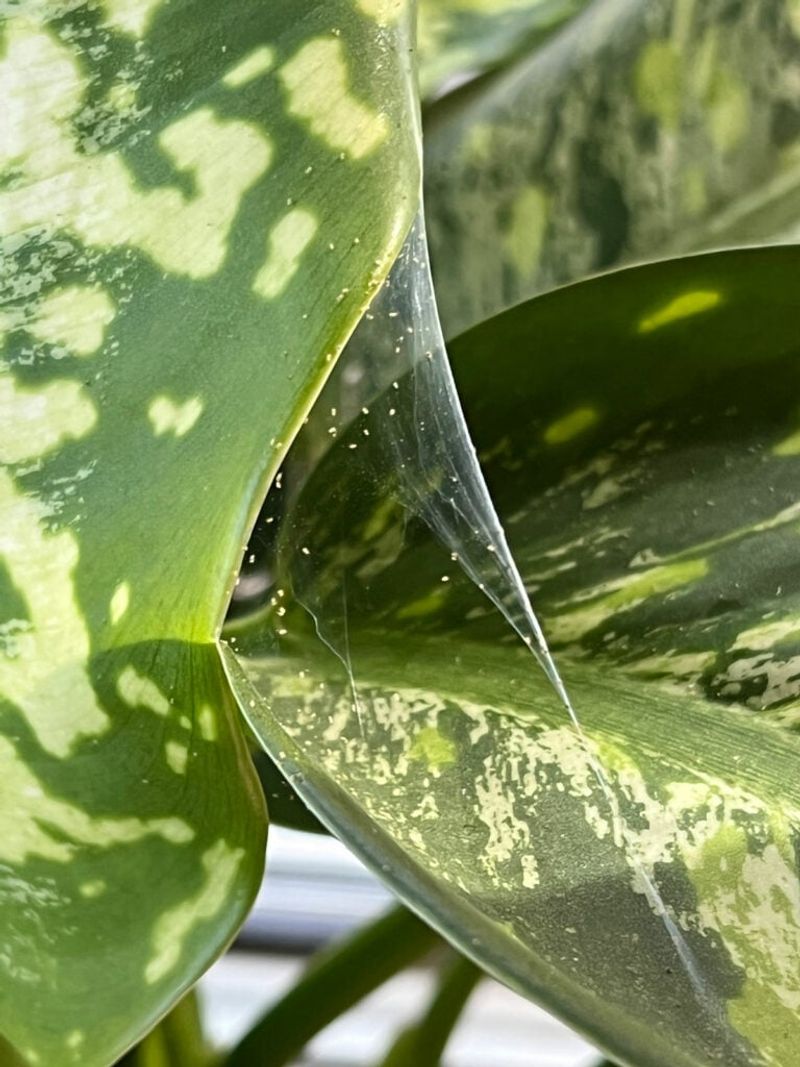
Spider mites are so tiny that most people spot their fine webbing long before they see the mites themselves. Those little sap suckers drain fluids from leaf cells, leaving behind a speckled, mottled yellow pattern.
Mealybugs look like small blobs of cotton tucked into leaf joints and along the twisting stems. Scale insects resemble little brown bumps, and both pests leave sticky honeydew on the leaves below.
Thrips sometimes join the party too, scraping leaf surfaces and leaving silvery streaks with tiny dark specks. Dry indoor air during fall and winter tends to favor spider mites in particular, so stay alert.
Plants that summered outdoors on a shady porch can carry hitchhikers inside when you bring them in. I now give every returning plant a careful once over and a gentle shower before it crosses the door.
Flip a few leaves over each week, since many pests hide on the undersides where you rarely look. A magnifying glass or your phone camera zoom makes the tiniest troublemakers much easier to identify.
Light infestations often clear up with a damp cloth wipe or a firm spray of water in the shower. Heavier problems call for insecticidal soap or neem oil, mixed and applied exactly as the label directs.
Keep infested plants away from your other houseplants until several weekly checks come up clean and bug free. Repeat treatments every week or so, because eggs often hatch after the first round seems successful.
7. Crowded Pothos Roots Circling Inside The Pot
Roots poking out of the drainage holes look a bit like the plant is trying to escape its home. Honestly, it kind of is, because a rootbound pothos has run out of room to grow.
Over several years, roots can wrap around and around the inside of the pot in a tight spiral. With so little soil left, the plant struggles to hold enough water and nutrients for its leaves.
Watch for water that rushes straight through the pot, along with slowed growth and smaller new leaves. My oldest pothos needed a drink every two days before I finally peeked at its packed root ball.
Spring and early summer are the best times to repot, since the plant is actively growing then. A badly crowded plant can still be moved up in early fall while temperatures stay mild.
Pick a new pot only one to two inches wider than the old one, with good drainage holes. Jumping to a giant container leaves too much damp soil around the roots, which invites rot.
Gently tease apart the circling roots with your fingers so they can spread into the fresh potting mix. Snip away any roots that look brown or mushy, then settle the plant at its original depth.
Water thoroughly after repotting and expect a little sulking for a week or two while it adjusts. Fresh roots soon fill the new space, and the leaves usually reward your effort with deeper color.
8. Old Pothos Leaves Yellow As New Growth Takes Over
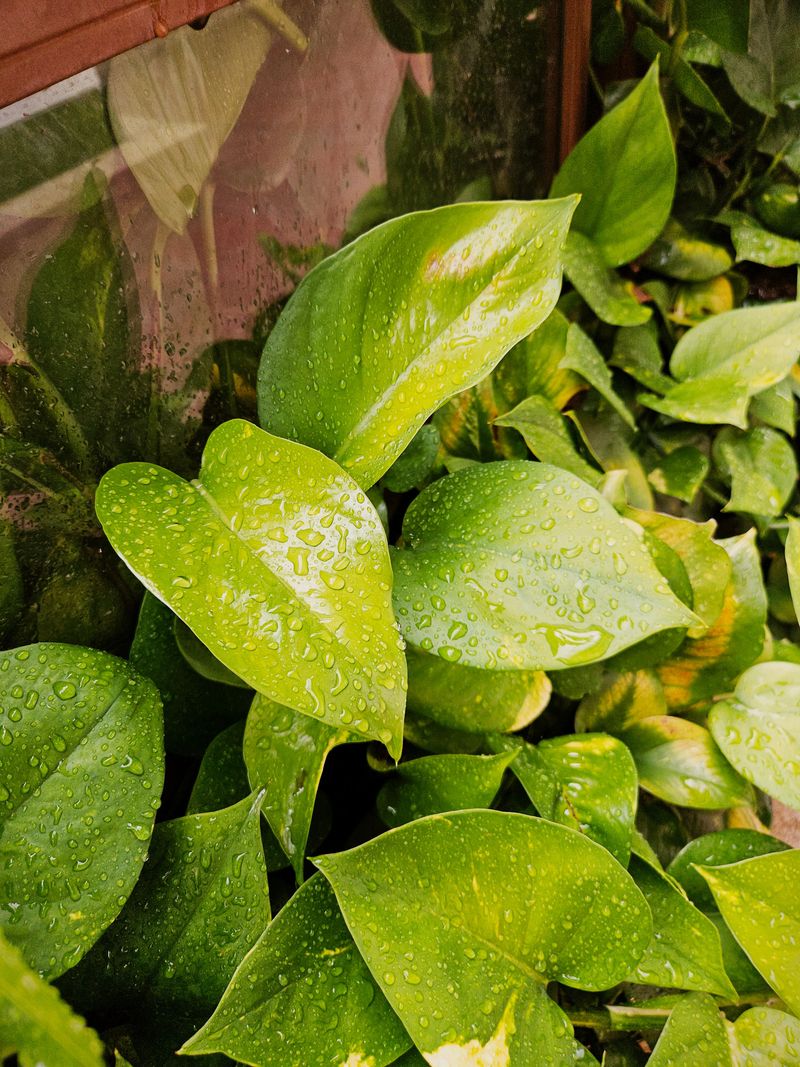
Sometimes a yellow leaf is simply a retirement notice, and your plant is doing exactly what nature intended. Older leaves near the base of the vine naturally fade and drop as fresh ones unfurl at the tips.
The plant pulls mobile nutrients like nitrogen out of those aging leaves and sends them toward newer growth. I find that recycling trick pretty clever, honestly, since almost nothing useful inside the leaf goes to waste.
One or two yellow leaves now and then, on an otherwise lush and healthy plant, usually mean nothing serious. Worry starts when many leaves turn at once, or when the yellowing shows up on brand new growth.
Long trailing vines often go bare near the soil as they age, which is normal for pothos. A light trim encourages bushier growth, and fall is a fine time for a gentle tidy up.
Use clean, sharp scissors and cut yellow leaves off where the leaf stem meets the vine. Removing them keeps the plant looking fresh and lets you spot any new problems much more easily.
Snipped vine pieces with a node or two will root in a jar of water within a few weeks. Tuck those rooted cuttings back into the pot to fill bare spots, or share them with friends.
Keep pothos away from curious pets and kids, since the leaves contain calcium oxalate crystals that irritate mouths. With a watchful eye and a few small adjustments, your vine should glide through a Texas winter beautifully.