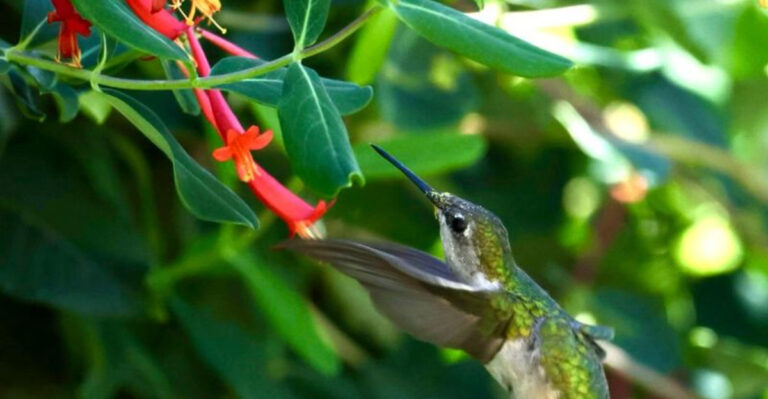
North Carolina Shrubs That Can Look Their Best In August With Little Extra Care
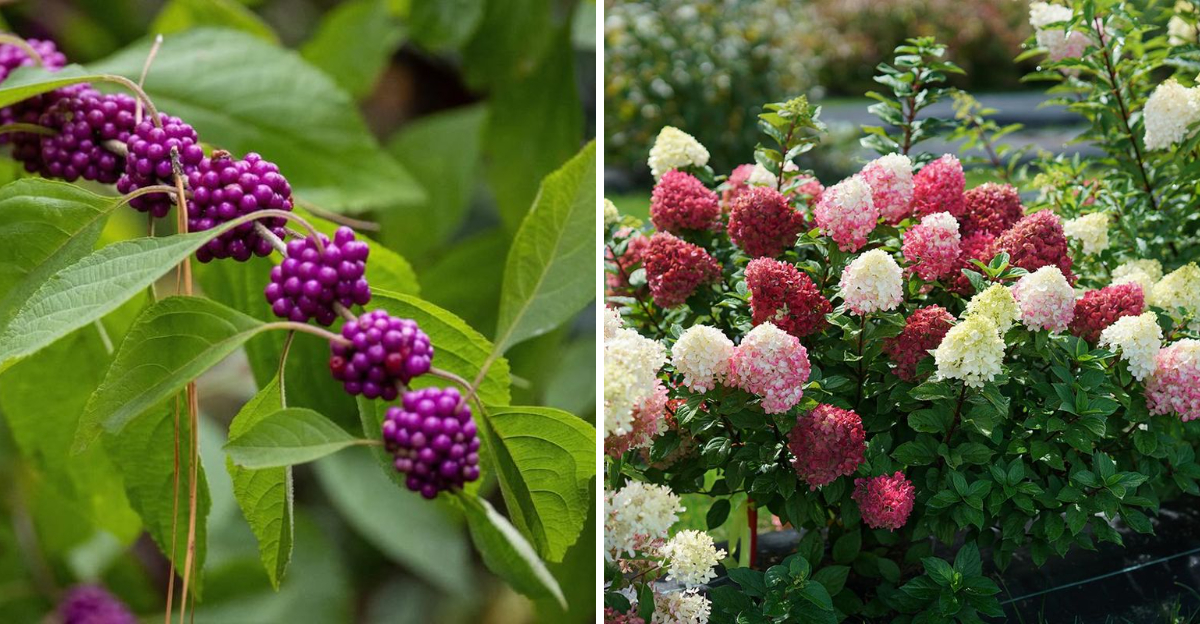
August in North Carolina is basically the final boss of the gardening season. Temperatures are relentless, the humidity is suffocating, dry spells show up without warning, and a lot of landscaping starts looking genuinely rough around the edges.
But here is the thing: some shrubs are actually built for exactly this kind of punishment and still manage to look great when everything else in the yard is waving a white flag.
Choosing shrubs that naturally thrive in North Carolina’s late summer climate means spending a lot less time stressing about your yard when the heat peaks.
The shrubs worth knowing about here can offer late summer blooms, colorful fruit, steady evergreen structure, or compact tidy growth during one of the toughest months for home landscapes.
Once established and planted in the right spot, these are the plants that genuinely show up in August.
1. Glossy Abelia Blooms Through Summer
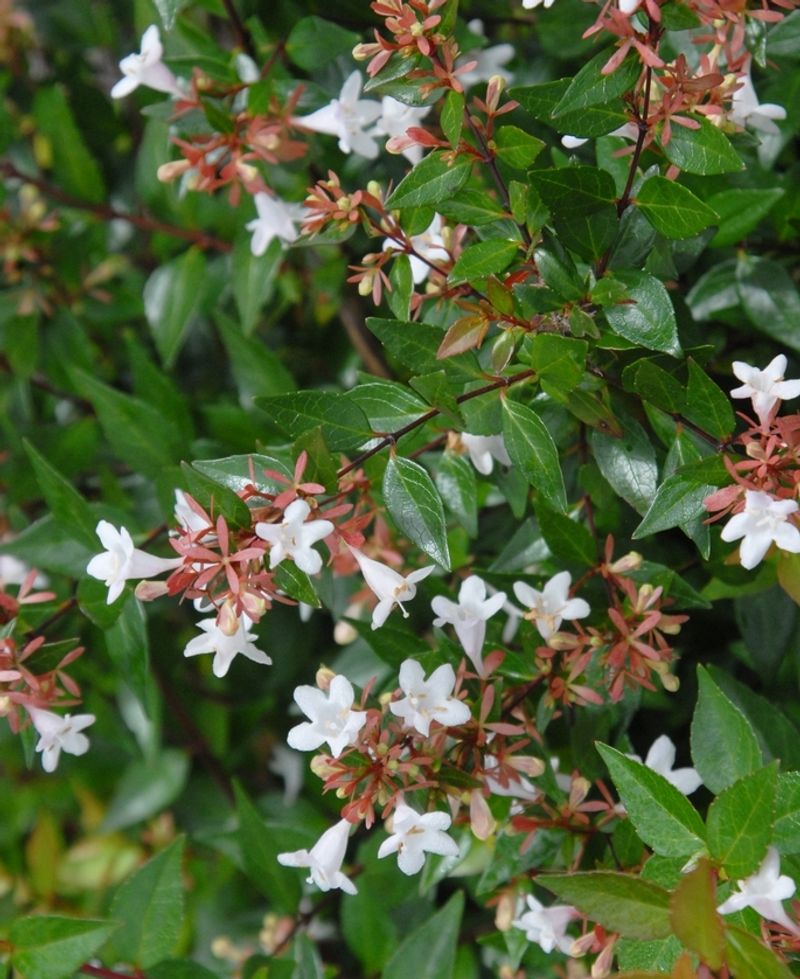
Few shrubs keep up the same steady show of flowers through the heat of a North Carolina August quite like Glossy Abelia.
This semi-evergreen shrub produces small, tubular, white to pale pink blooms from late spring all the way through fall, making it a reliable presence in the landscape when many other flowering shrubs have already finished for the year.
The arching branches and glossy dark green leaves give it a graceful, slightly informal look that fits naturally into mixed borders, foundation beds, and along walkways.
Glossy Abelia handles North Carolina’s summer heat and humidity well when planted in full sun to partial shade and given soil with reasonable drainage.
Once established, it shows decent tolerance to dry spells, though some supplemental watering during extended droughts in summer will help it look its best.
The foliage often takes on bronzy or reddish tones as the season shifts, adding a subtle color change that extends its seasonal interest.
Pollinators, including butterflies and bees, are drawn to the flowers throughout summer, making it a practical choice for pollinator-friendly beds.
It responds well to light pruning after the main flush of bloom, but heavy pruning should be saved for late winter to avoid cutting off developing buds.
North Carolina homeowners often appreciate how little intervention Glossy Abelia seems to need once it settles into a good spot, especially during the demanding stretch of mid-to-late summer.
2. Rose Creek Abelia Stays Neat And Compact
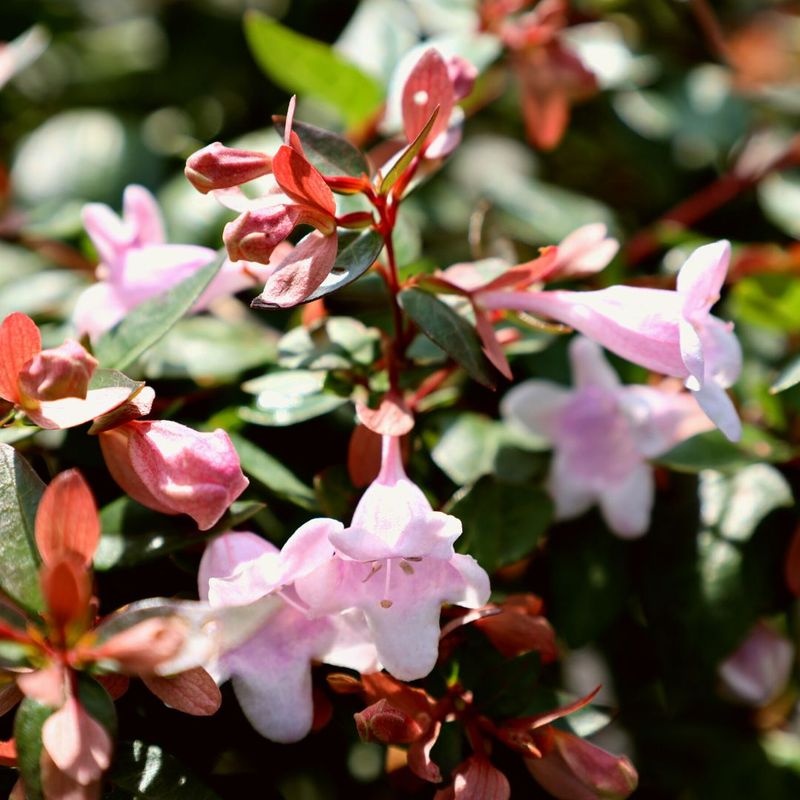
Compact shrubs earn a special place in residential landscapes, and Rose Creek Abelia makes a strong case for itself in North Carolina front yards and foundation beds.
This selection of abelia grows in a tidy, mounded form that rarely needs heavy pruning to stay looking neat, which is a genuine advantage during the busy summer months when gardeners may not have extra time to fuss with shaping.
The small white flowers with faint pink tints appear in clusters along the branches and continue blooming through the heat of summer and into fall.
Rose Creek Abelia tends to stay smaller than the standard Glossy Abelia, usually reaching around two to three feet tall and wide under typical growing conditions.
Your North Carolina Garden Changes Every Week. Your Plan Should Too.
Gardening in North Carolina changes quickly throughout the season. Every Friday you’ll receive a simple weekly plan showing exactly what to plant, prune, fertilize, harvest, and protect so you never miss the right timing.
That restrained size makes it well-suited for low borders, edging along paths, or planting in groups along a foundation where you want a consistent, low-maintenance look.
It performs well in full sun to partial shade and appreciates soil that drains reasonably well rather than staying soggy after heavy rain.
In North Carolina’s humid August conditions, Rose Creek Abelia holds its foliage cleanly without looking ragged or dropping leaves excessively. The bronzy-green leaf color adds visual interest even when flowers are between flushes.
Pollinators visit the blooms regularly, and the shrub tends to attract butterflies during late summer.
Homeowners who want a refined, low-growing shrub that does not demand constant attention during August will find this one worth considering for smaller garden spaces.
3. American Beautyberry Brings Late-Summer Color
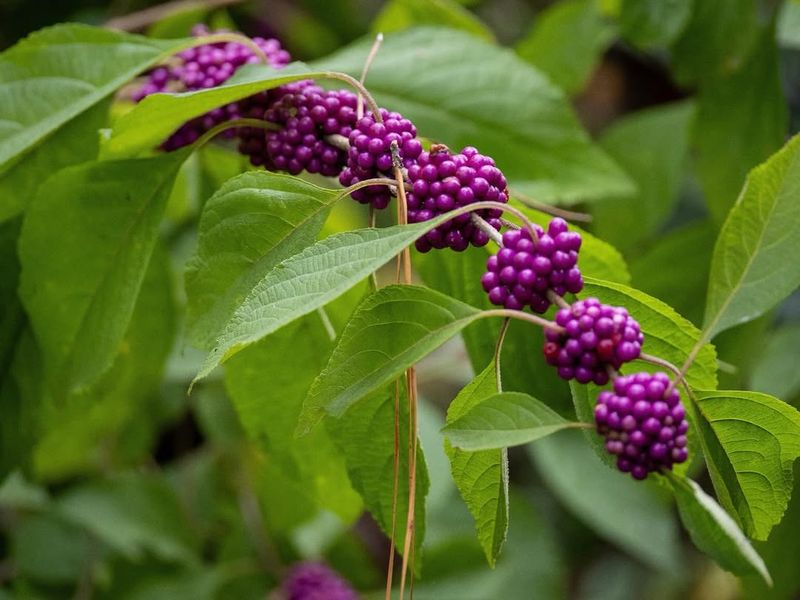
By the time August rolls around in North Carolina, most of the spring and early summer color has long faded, which is exactly why American Beautyberry feels like such a welcome surprise.
The real show on this native shrub is not the flowers – it is the clusters of bright magenta to violet berries that form tightly along the arching stems and start becoming noticeable in late summer.
That bold fruit color is genuinely hard to match in an August landscape, and it continues into fall, making the plant a late-season standout in mixed borders and naturalized areas.
American Beautyberry is native to the southeastern United States, which means it is naturally adapted to North Carolina’s summer heat, humidity, and clay-heavy soils.
It grows vigorously in full sun to partial shade and tends to handle dry spells reasonably well once established, though young plants benefit from consistent moisture during their first growing season.
The large, somewhat coarse leaves provide a lush green backdrop through summer before the berry clusters steal the spotlight.
Wildlife gardeners particularly appreciate this shrub because birds and other animals feed on the berries in fall and winter.
It grows with a loose, arching habit that looks most natural in informal settings, cottage gardens, and native plant beds rather than tightly clipped formal hedges.
Pruning in late winter or early spring encourages vigorous new growth and better berry production. North Carolina homeowners looking for reliable native color in late summer will find American Beautyberry hard to overlook.
4. Summersweet Clethra Flowers In Humid Weather
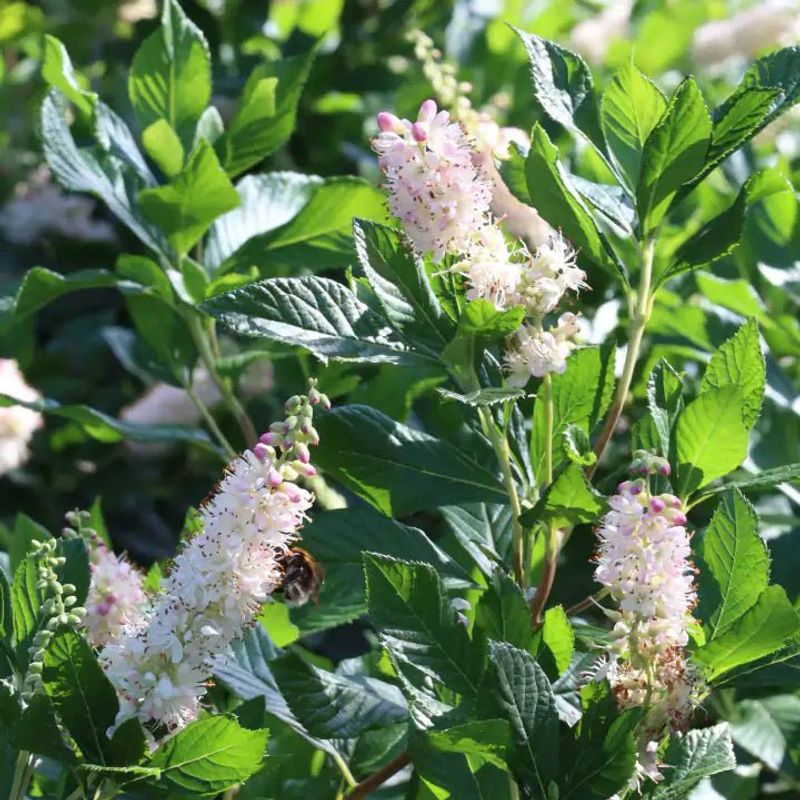
Hot, sticky August days in North Carolina are not ideal for most flowering shrubs, but Summersweet Clethra seems to come alive in exactly those conditions.
This native shrub produces upright spikes of small white or pale pink flowers in mid-to-late summer, and the blooms carry a noticeable sweet fragrance that can drift across a yard on a warm evening.
The combination of reliable bloom timing, pleasant scent, and heat tolerance makes it a smart choice for gardeners who want something flowering in August without a lot of extra effort.
Summersweet Clethra is native to the eastern United States and grows naturally in moist, low-lying areas and woodland edges, which tells you something about its preferred conditions.
It performs best in partial shade to full shade with consistently moist, acidic soil – conditions that are fairly common in many North Carolina backyard landscapes.
It is not the best fit for hot, dry, full-sun spots with poor drainage, so matching the plant to the right site is important for it to look its best in August.
The foliage turns attractive shades of yellow in fall, adding a second season of interest beyond the summer flowers. Pollinators, especially bees and butterflies, are strongly attracted to the blooms during summer.
Compact selections like Hummingbird and Sixteen Candles fit smaller spaces well without losing the fragrance or flower display.
North Carolina homeowners with shaded, moist beds or rain gardens may find Summersweet Clethra one of the most rewarding late-summer flowering shrubs available.
5. Panicle Hydrangea Peaks In Late Summer
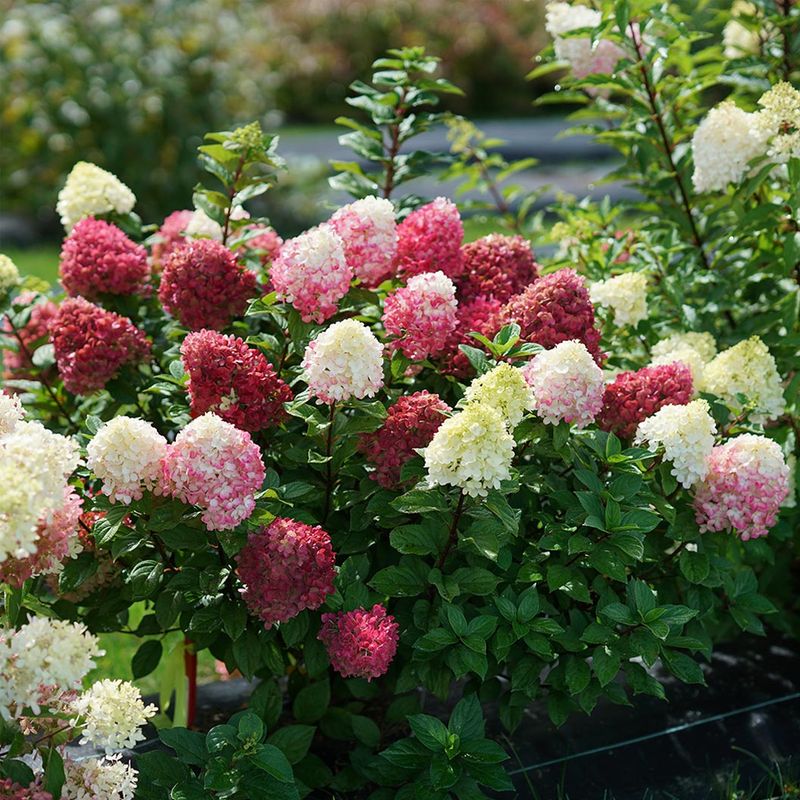
When the rest of the summer garden starts looking a little worn around the edges, Panicle Hydrangea tends to be hitting its stride.
Unlike Bigleaf Hydrangeas, which can struggle with summer heat and require more careful siting in North Carolina, Panicle Hydrangeas bloom reliably in mid-to-late summer on new wood, meaning the timing lines up well with August.
The large, cone-shaped flower clusters open creamy white and gradually age to shades of pink or rosy red as summer transitions toward fall, giving the shrub a layered, changing look over several weeks.
Panicle Hydrangeas are among the more heat-tolerant and sun-adaptable hydrangeas available to North Carolina gardeners. They generally prefer full sun to light shade and well-drained soil with reasonable moisture.
Because they bloom on new wood each year, pruning in late winter or early spring does not interfere with flowering the way it can with other hydrangea types.
That pruning flexibility makes them easier to manage for homeowners who want to control size without sacrificing blooms.
Popular selections like Limelight, Quick Fire, and Pinky Winky are widely available at North Carolina nurseries and have proven themselves in residential landscapes across the state.
The sturdy stems hold the heavy flower heads upright better than many other hydrangea types, which means the plants tend to look tidy even after summer rainstorms.
North Carolina yards with full sun foundation beds or mixed borders are often good candidates for Panicle Hydrangeas, especially for late-summer color impact.
6. Limelight Hydrangea Holds Big August Blooms
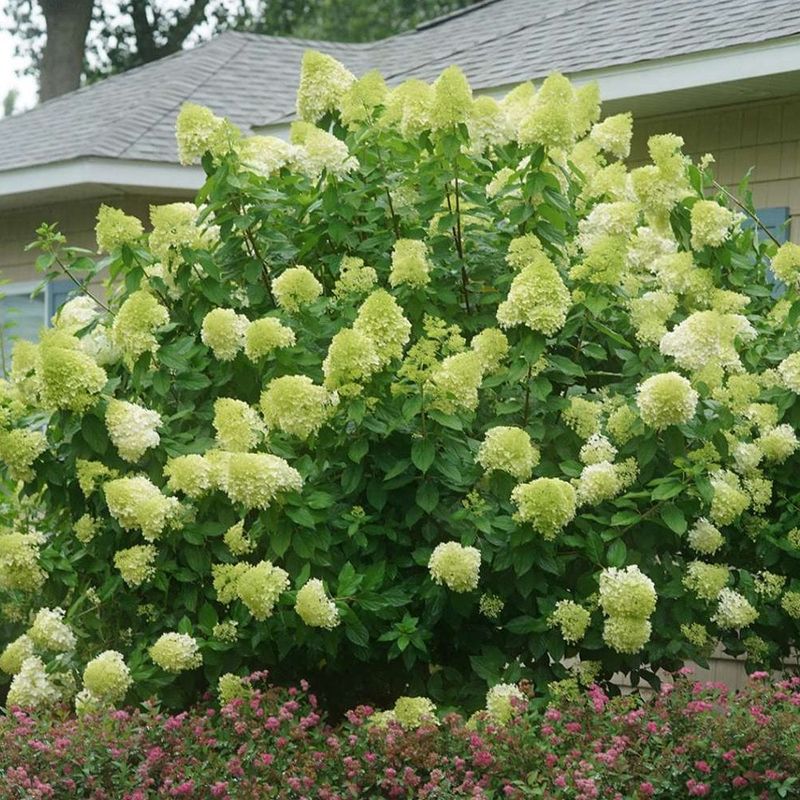
There is something almost theatrical about a Limelight Hydrangea in August – the flower clusters are large, the color is unusual, and the whole shrub carries a presence that is hard to ignore in a North Carolina yard.
Limelight is a selection of Panicle Hydrangea that produces especially large, cone-shaped flower heads in a distinctive chartreuse to lime-green color when they first open, gradually shifting to creamy white and then developing pink blush tones as the weeks pass.
That color evolution through late summer and into fall is one of the reasons it has become such a popular choice in residential landscapes.
Limelight grows vigorously in full sun and prefers well-drained soil with consistent moisture, particularly during dry summer stretches.
In North Carolina’s clay-heavy soils, amending the planting area to improve drainage can help the plant establish more successfully.
Once settled in, it shows reasonable tolerance to summer heat, though supplemental watering during extended dry spells in August will help the blooms stay fresh and the foliage remain healthy looking.
The shrub can reach six feet or taller without pruning, so homeowners who want a more compact plant should look for the Limelight Prime or Little Lime selections, which offer the same flower style in a smaller package.
Pruning in late winter encourages strong new growth and better flower production for the coming season.
North Carolina gardeners who want a bold, late-summer flowering shrub that holds up through August heat often find Limelight one of the most satisfying options in the landscape.
7. Rose Of Sharon Keeps Flowering In Heat
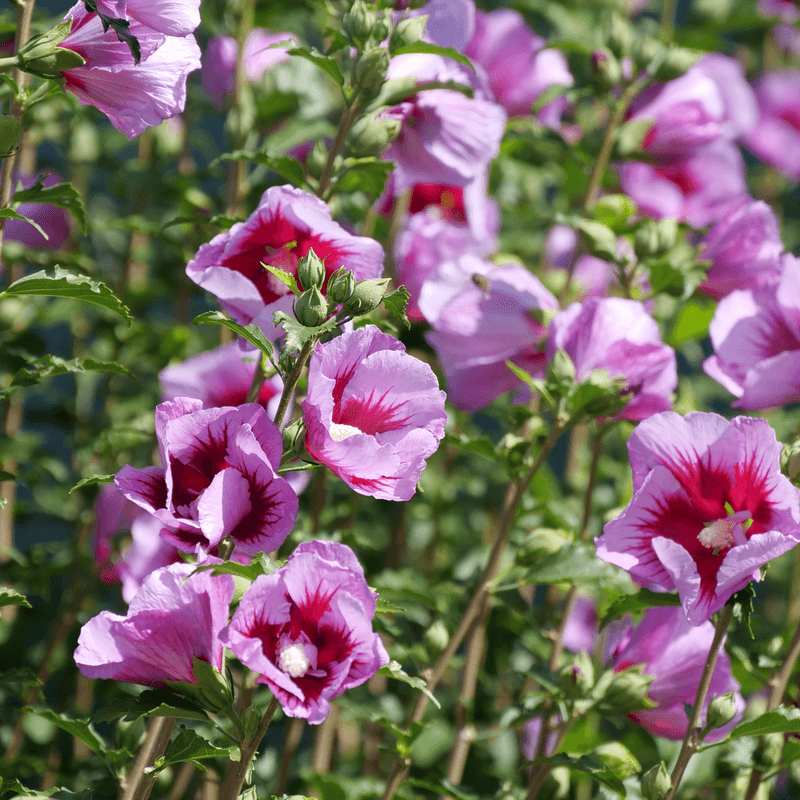
Late August can feel like a floral desert in many North Carolina yards, which makes Rose of Sharon one of the more appreciated shrubs in the late-summer landscape.
This upright, multi-stemmed shrub blooms from mid-summer well into fall, producing large hibiscus-like flowers in shades of white, pink, lavender, purple, and bicolors depending on the selection.
The flowers open daily over a long period, so even as individual blooms fade, new ones continue to appear, keeping the shrub looking active and colorful through some of the hottest weeks of the year.
Rose of Sharon handles North Carolina’s summer heat and humidity with noticeable resilience. It grows in full sun to partial shade and adapts to a range of soil types, including the clay-heavy soils common across much of the state.
It is more drought tolerant than many flowering shrubs once established, though consistent moisture during establishment and during extended dry spells helps it perform at its best.
The upright growth habit makes it useful as an informal screen, a back-of-border plant, or a single specimen in a mixed planting.
One consideration for North Carolina homeowners is that older, straight-species Rose of Sharon plants can self-seed prolifically.
Selecting sterile or low-seed cultivars like Aphrodite, Minerva, or Helene can reduce unwanted seedlings while still providing the long bloom season.
Regular deadheading also helps manage seed production on standard varieties. For gardeners who want non-stop late-summer flowers with minimal fuss, Rose of Sharon remains one of the most dependable choices available across North Carolina landscapes.
8. Dwarf Yaupon Holly Stays Clean And Green
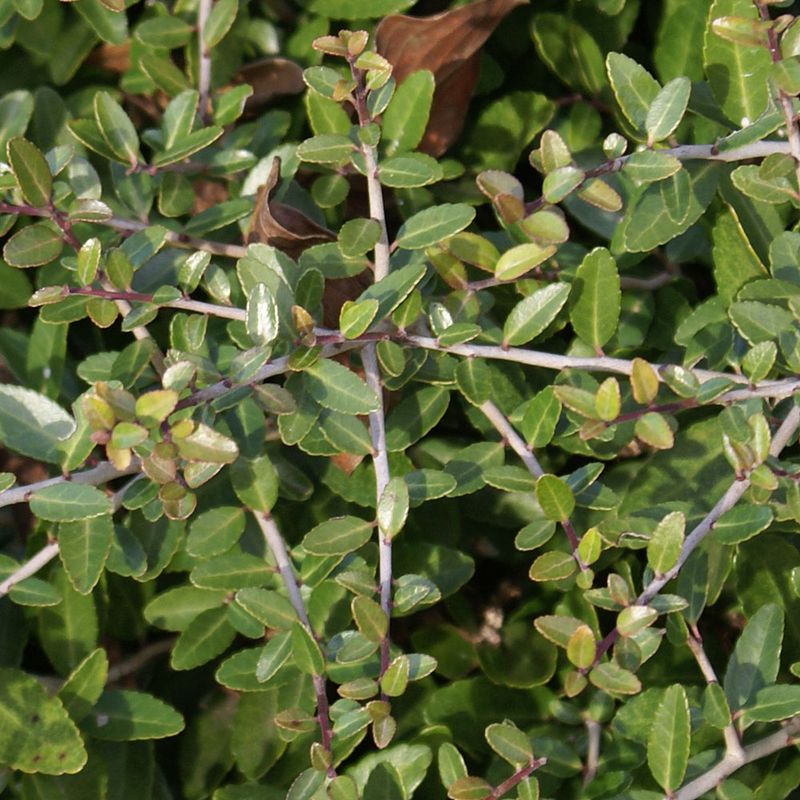
Not every shrub earns its place in an August landscape through flowers or fruit – sometimes steady, clean, green structure is exactly what a yard needs, and Dwarf Yaupon Holly delivers that reliably.
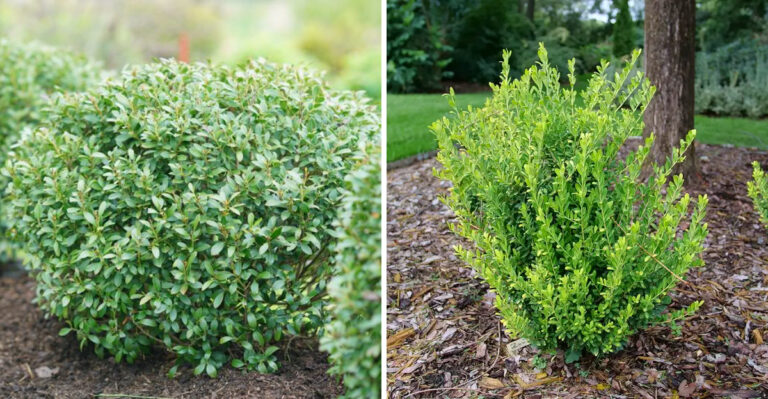
This compact evergreen shrub maintains dense, dark green foliage through the heat and humidity of North Carolina summers without looking stressed, scorched, or tired.
While other shrubs may drop leaves, develop fungal spots, or look ragged by mid-August, Dwarf Yaupon Holly tends to hold its appearance with minimal intervention.
Yaupon Holly is native to the southeastern United States, which gives it a natural advantage in North Carolina’s climate.
It handles heat, drought, humidity, and a range of soil types – including clay – better than many non-native evergreen shrubs commonly used in foundation plantings.
It grows well in full sun to partial shade, and once established, it requires relatively little supplemental watering compared to more water-demanding evergreens.
That adaptability makes it a practical choice for homeowners who want reliable structure without constant maintenance.
The dwarf forms typically stay in the two-to-three-foot range with a naturally rounded, mounding shape that rarely needs heavy pruning to look tidy.
Light shearing in late winter or early spring can sharpen the form if desired, but many gardeners find the natural shape attractive on its own.
Dwarf Yaupon Holly works well in mass plantings, low hedges, and mixed borders across North Carolina residential properties, providing a clean, consistent backdrop that holds up through the full demands of an August landscape.