8 Summer Gardening Tasks Every Virginia Yard Needs This Season
Virginia summers arrive fast. They stay stubborn too. Humidity climbs, and the sun turns relentless. Suddenly your once-tidy beds look worn out and thirsty.
Gardeners across the state know this shift well. Tomatoes droop. Lawns lose their color. Weeds seem to multiply overnight while you’re not looking.
But here’s the thing, a little know-how goes a long way when temperatures spike. The difference between a garden that limps through July and one that keeps pumping out blooms and vegetables comes down to timing.
It also comes down to a handful of smart moves. Virginia’s climate throws curveballs. Thick air, sudden dry spells, storms that dump rain and move on just as quickly.
None of it has to wreck your yard. Get ahead of the heat with these essential summer tasks. Your garden will stay lush, productive, and healthy straight through the season.
1. Water Deeply In Early Morning To Manage The Heat
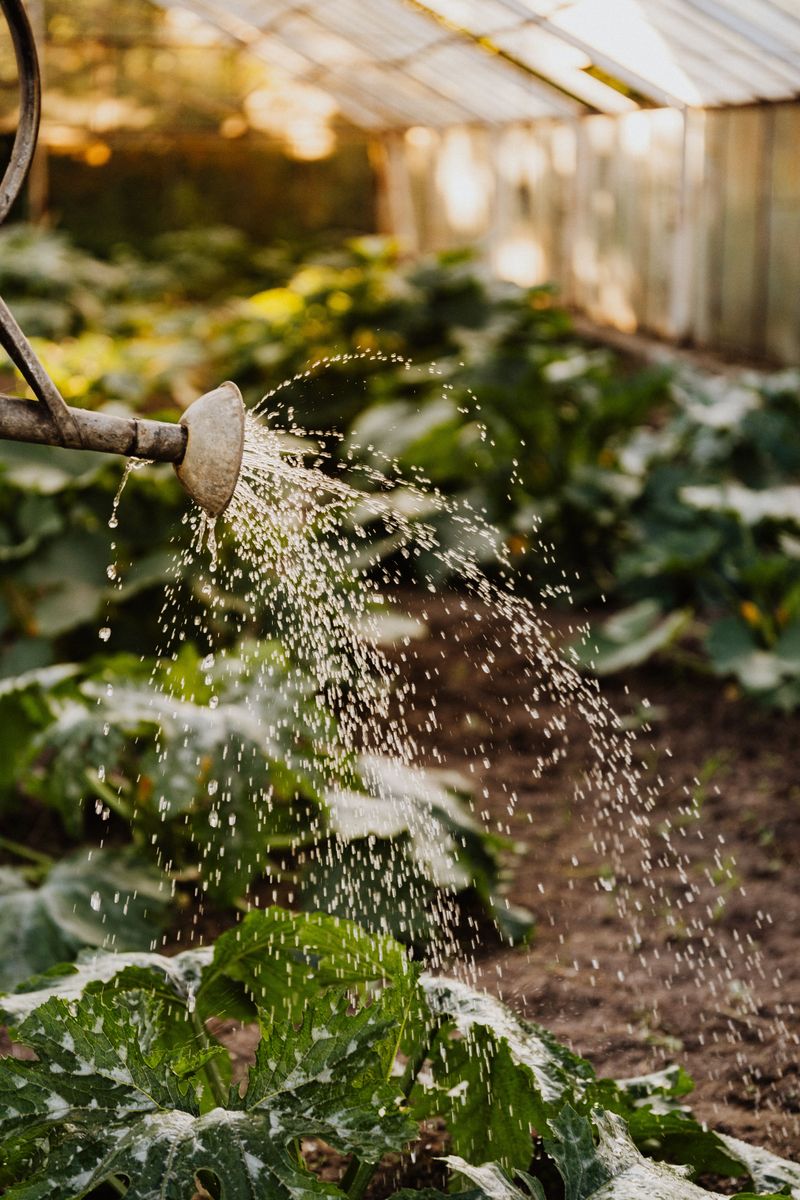
Early morning is your secret weapon. Virginia summers get intense. Watering at the wrong time wastes moisture before roots ever get a chance to drink it up.
Afternoon watering sounds convenient, but the sun evaporates most of it almost instantly. Morning watering works differently.
It gives soil time to soak up every drop before temperatures climb toward their peak. By the time the afternoon heat rolls in, your plants have already had their fill.
Deep watering matters just as much as timing. It trains roots to grow downward instead of spreading sideways near the surface.
Shallow roots struggle the moment surface soil dries out, and in July heat, that happens fast.
Aim for about one inch of water per week across your beds. A simple rain gauge helps you track what nature already provides, so you’re not overdoing it.
Soaker hoses and drip irrigation are worth every penny here. They send water straight to the roots and skip wetting the foliage entirely.
That matters more than people realize. Wet leaves in humid Virginia summers invite fungal problems quickly, and keeping foliage dry is just as important as keeping soil moist.
Water slowly and let it sink in. Rushing through the job causes runoff, which wastes both effort and money.
Not sure if it’s time to water again? Stick your finger about two inches into the soil. If it feels dry at that depth, go ahead and water.
Tasks like this one sound simple, but they add up. A well-watered garden in August is one worth showing off.
2. Mulch Beds To Lock In Soil Moisture
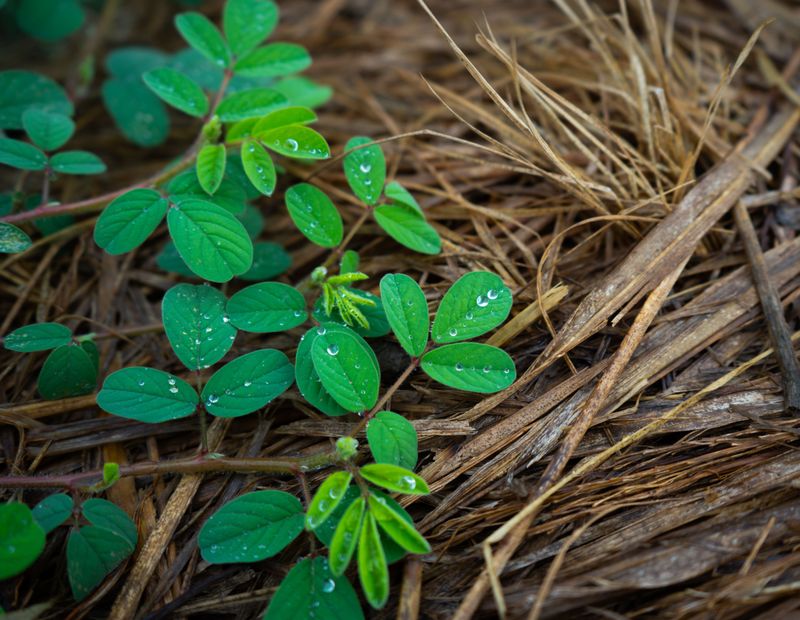
Nothing works harder in your garden without you lifting a finger. A thick layer of mulch acts like insurance for your soil when the heat sets in.
Mulch slows evaporation, which means you water less often. In Virginia’s scorching July heat, that alone makes the effort worthwhile.
Spread two to three inches of mulch around plants and shrubs. Keep it away from stems directly, since piling it too close can lead to rot.
Your Virginia Garden Changes Every Week. Your Plan Should Too.
Gardening in Virginia changes quickly throughout the season. Every Friday you’ll receive a simple weekly plan showing exactly what to plant, prune, fertilize, harvest, and protect so you never miss the right timing.
Organic mulches like shredded hardwood or pine bark do more than sit there. As they break down, they feed the soil with nutrients naturally, building better conditions season after season.
Mulch also suppresses weeds. Weeds compete with your plants for water and nutrients, so fewer of them means less time pulling and more time actually enjoying your yard.
Pine straw remains a popular choice across many Virginia gardens. It is lightweight, affordable, and stays in place even during heavy summer storms.
Color matters more than people expect. Dark-colored mulches absorb heat, which can stress roots in already hot zones. Lighter mulches reflect sunlight instead and help keep soil temperatures steady.
Mid-season is a good time to check your mulch layers. If they’ve thinned out or washed away, a quick top-up keeps moisture locked in all the way through September.
Mulching ranks among the most rewarding summer gardening tasks on this list. Put in the work once, and your garden keeps paying you back for weeks.
3. Snip Spent Blooms For Continued Flowering
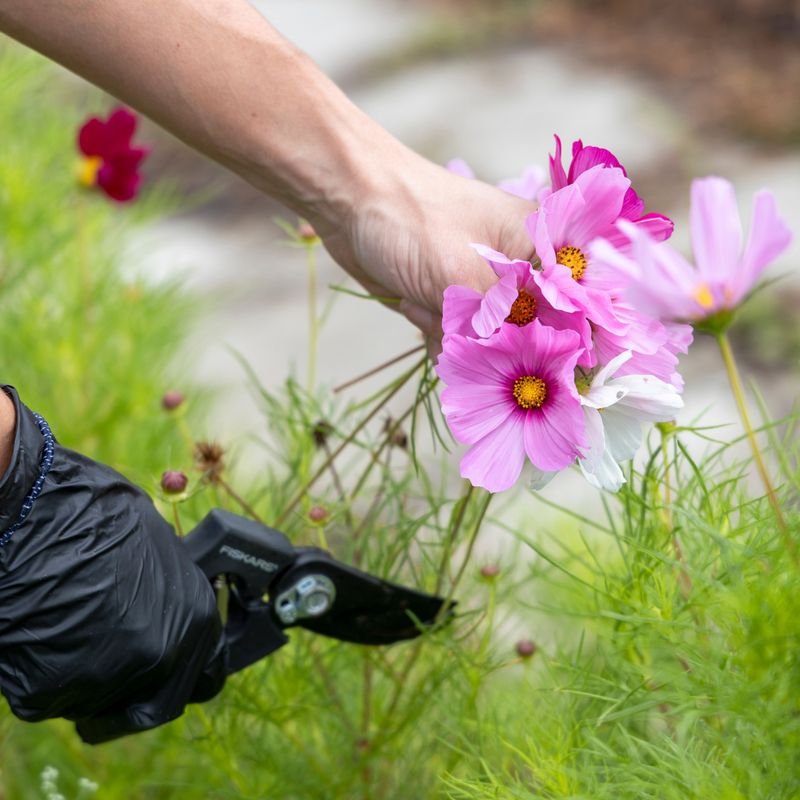
Spent blooms are the garden’s way of saying it is ready to slow down. Your job is to convince it otherwise with a pair of sharp snips.
Trimming faded flowers tells plants to keep producing new blooms. When flowers go to seed, the plant thinks its job is done.
Zinnias, marigolds, and coneflowers respond especially well to regular trimming. They will keep blooming well into fall if you stay consistent.
Use clean, sharp scissors or pruning shears to make clean cuts. Ragged cuts invite disease and slow the healing process significantly.
Cut just above the next set of leaves or a new bud. This encourages the stem to branch out and produce even more flowers.
Make trimming part of your morning routine, and it never feels like a chore. A quick five-minute walk through the garden keeps everything tidy.
Some plants, like black-eyed Susans, benefit from leaving a few seed heads late in the season. Birds flock to those seeds as summer winds down.
Petunias get leggy fast in Virginia’s summer humidity without regular trimming. Cut them back by one-third every few weeks for bushier, fuller growth.
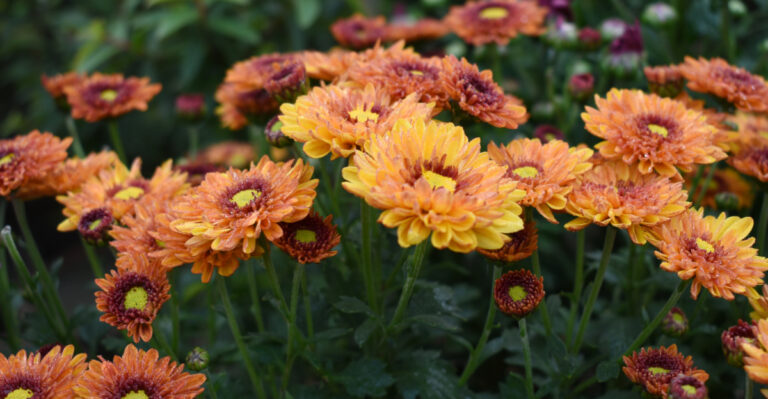
A garden full of color through August is a reward worth earning. Keep snipping, and your yard will be the one neighbors stop to admire.
4. Harvest Vegetables Regularly To Keep Plants Producing
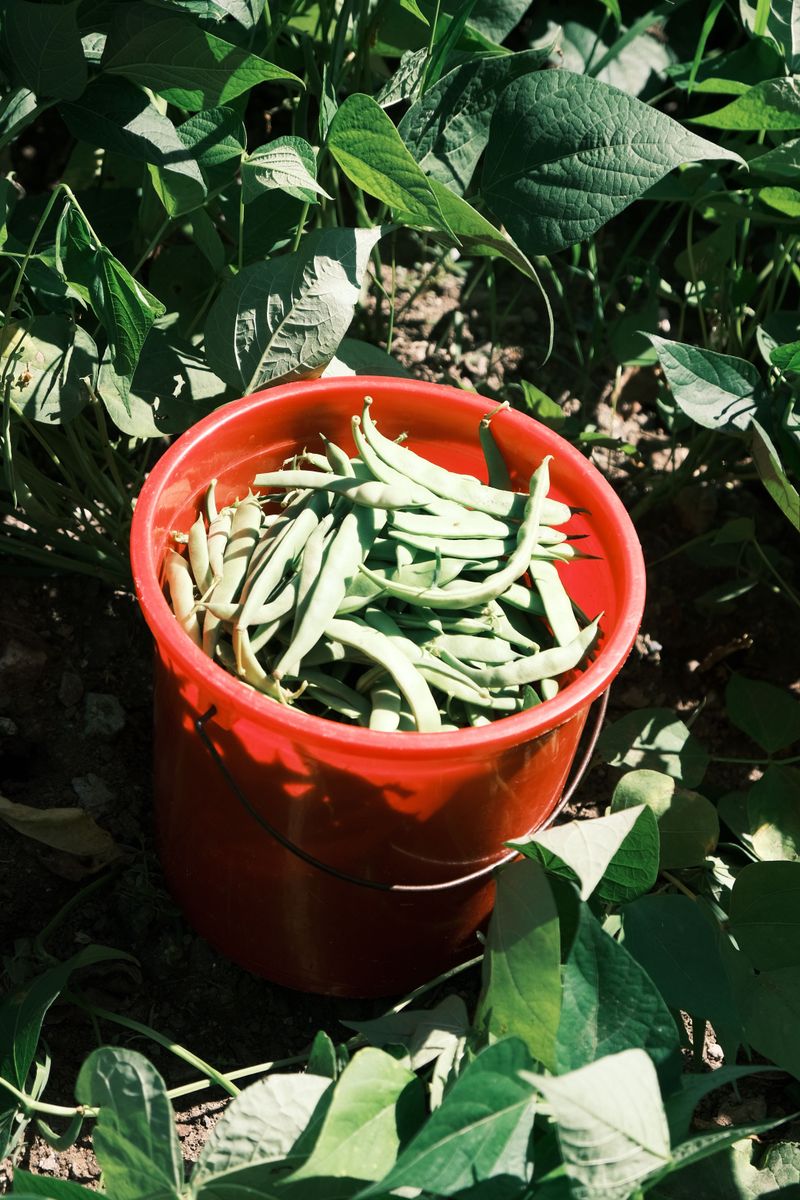
Leaving ripe vegetables on the vine is one of the biggest mistakes summer gardeners make. Plants shift their energy to ripening seeds instead of making new fruit.
Check your vegetable garden every single day during peak summer. Zucchini can go from perfect to enormous in just 48 hours.
Cucumbers left too long turn yellow and bitter, signaling the plant to stop producing. Harvest them young and firm for the best flavor and continued growth.
Beans should be picked before the pods swell and feel bumpy. Once seeds mature inside, production slows down dramatically.
Tomatoes can be harvested once they show full color and give slightly to pressure. Letting them over-ripen on the vine invites pests and splits from rain.
Regular harvesting is one of those summer gardening tasks that directly boosts your yield. The more you pick, the more your garden grows.
Keep a small basket near the garden so harvesting feels easy and quick. When the tools are ready, the habit sticks much more naturally.
Hot peppers need picking too, even if you are not ready to use them. Leaving them signals the plant to slow down new pepper production.
A productive summer vegetable garden feeds your family and your neighbors. Stay on top of harvesting, and your plants will stay on top of producing.
5. Watch For Pests Like Japanese Beetles And Aphids
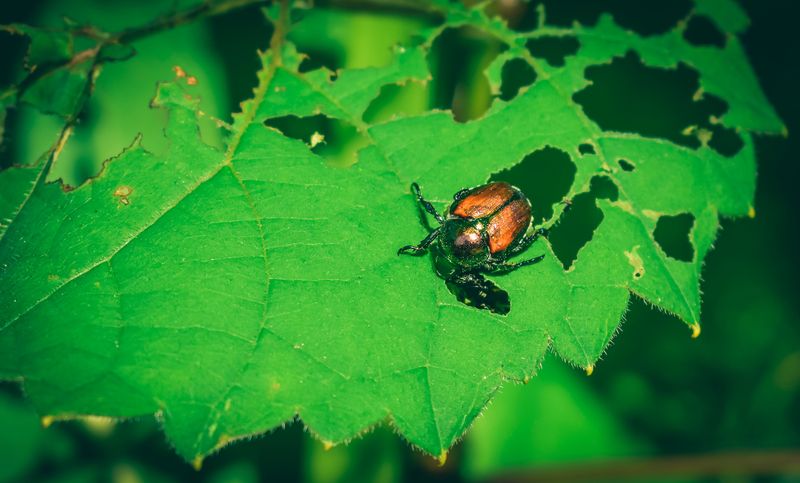
Japanese beetles arrived in the U.S. in 1916 and have been causing garden damage ever since. In Virginia summers, they are practically unavoidable without a watchful eye.
These shiny copper-and-green beetles skeletonize leaves, leaving behind lacy, brown damage. Roses, grapes, and beans are among their favorite targets in backyard gardens.
Hand-picking beetles in the early morning is surprisingly effective. They are sluggish when cool, making them easy to knock into a bucket of soapy water.
Aphids are another common summer pest that clusters on new growth. They suck sap from stems and leaves, causing curling, yellowing, and stunted growth.
A strong blast of water from a garden hose knocks aphids off most plants. Repeat daily for a week, and populations shrink quickly without chemicals.
Ladybugs and lacewings are natural aphid predators worth welcoming into your garden. Avoid broad-spectrum pesticides that wipe out these helpful insects along with the pests.
Check the undersides of leaves where both pests like to hide. Most gardeners miss early infestations because they only look at the tops of leaves.
Neem oil spray works well on both beetles and aphids when applied correctly. Follow label directions carefully and spray in the evening to protect pollinators.
Catching pest problems early keeps them from causing significant plant damage. A sharp eye now saves your plants from serious damage all summer long.
6. Prune Suckers Off Tomato Plants
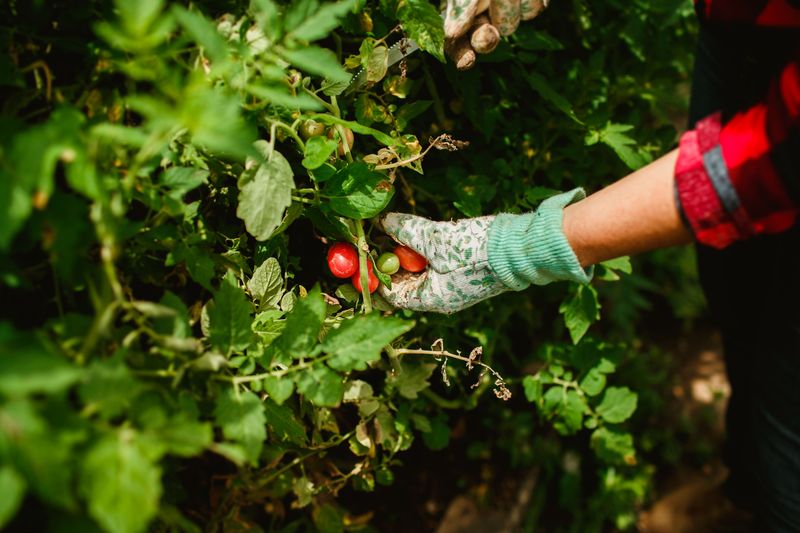
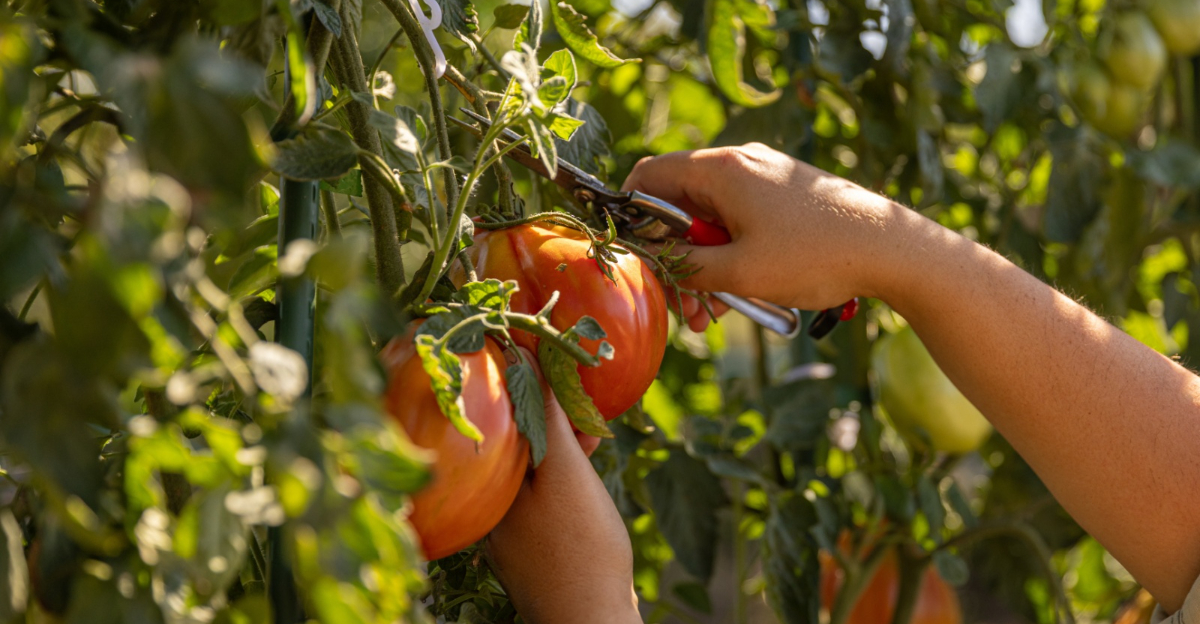
Tomato suckers are easily overlooked growths hiding in plain sight that drain the plant’s energy. They sprout in the crotch between the main stem and a branch, stealing energy from fruit.
Left unchecked, suckers turn into full branches that crowd the plant. More branches mean less airflow, which leads to disease in Virginia’s humid summers.
Pinch small suckers off with your fingers when they are under two inches long. Larger ones should be cut with clean pruning shears to avoid tearing the stem.
Indeterminate tomato varieties, like beefsteak and heirloom types, benefit most from regular suckering. Determinate varieties need less pruning and produce fruit all at once.
Removing suckers directs the plant’s energy toward developing bigger, juicier tomatoes. Fewer growing points mean more nutrients go to the fruit already forming.
Pruning also keeps plants at a manageable height for staking and caging. Overgrown tomato plants flop over and become difficult to manage by midsummer.
Morning is the best time to prune so cuts can heal during the day. Nighttime moisture slows healing and can open wounds to fungal infection.
Always wash your hands between plants to avoid spreading disease. Tomato mosaic virus spreads easily through contact during pruning sessions.
Consistent suckering is one of those summer gardening tasks that transforms a mediocre harvest. Give your tomatoes a little attention now, and they will reward you big.
7. Fertilize Container Plants More Frequently In Heat
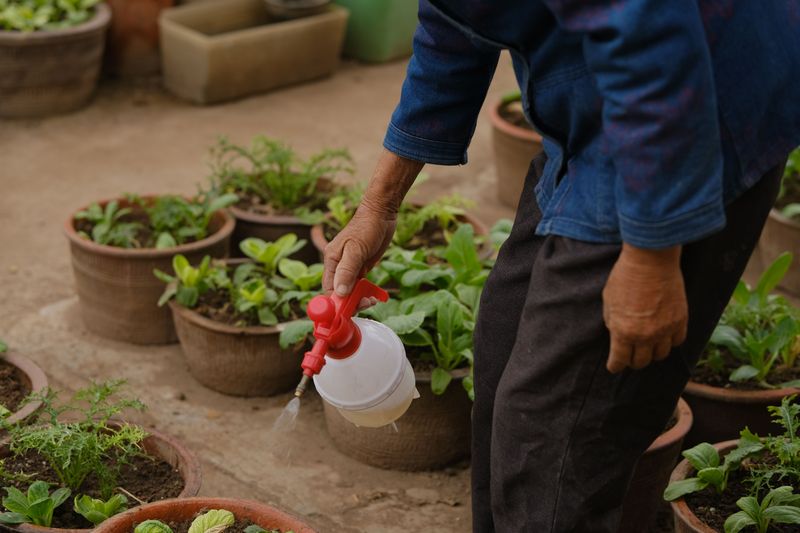
Container plants are the high-maintenance stars of the garden world. They look amazing, but they need constant feeding to keep up that show-stopping performance.
Frequent watering in summer flushes nutrients out of potting mix fast. What was perfectly fertilized in May is basically nutrient-depleted by July.
A balanced liquid fertilizer applied every one to two weeks keeps containers thriving. Look for a ratio like 10-10-10 or a bloom-booster formula for flowering pots.
Slow-release granular fertilizers offer a lower-maintenance option for busy gardeners. One application lasts several months and releases nutrients gradually with each watering.
Watch for pale, yellowing leaves as a sign of nutrient deficiency. Plants in containers cannot reach beyond the pot for extra nutrition the way ground plants can.
Herbs in containers, like basil and parsley, need lighter feeding than flowering plants. Too much nitrogen makes herbs grow fast but taste bland and watery.
Mix fertilizer at half-strength if plants show signs of stress from heat. Stressed plants absorb nutrients poorly, and too much fertilizer can actually cause leaf burn.
Patio containers in full Virginia sun need more attention than shaded ones. Sun accelerates both drying and nutrient depletion, creating a double demand on your schedule.
Well-fed containers are the jewels of any summer garden setup. Keep the feeding schedule consistent, and your pots will look their best from June all the way through fall.
8. Plant Heat-Tolerant Crops Like Okra And Southern Peas
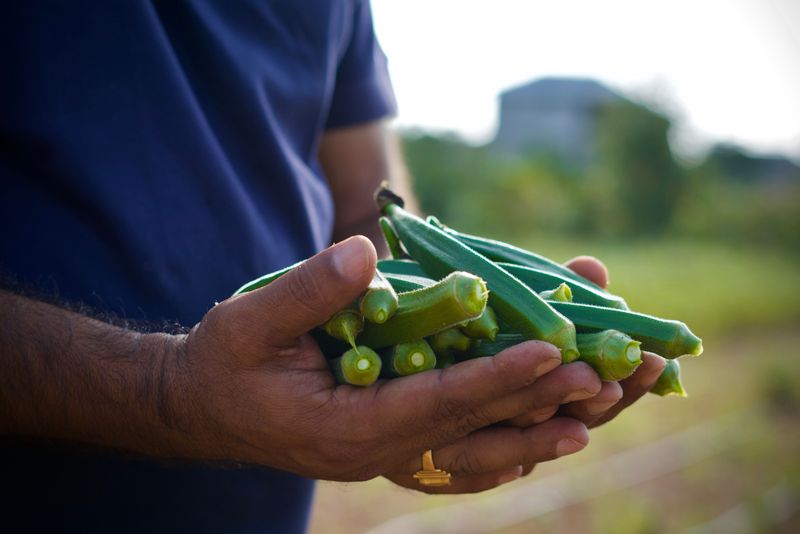
When most vegetables wave the white flag in August heat, okra is just getting started. Southern crops love Virginia summers the way most gardeners love spring.
Okra thrives in hot, humid conditions and produces pods quickly once established. Plant seeds directly in the ground after soil temperatures reach at least 65 degrees.
Southern peas, also called cowpeas or black-eyed peas, are equally heat-hardy. They fix nitrogen in the soil, which benefits whatever you plant there next season.
Both crops need full sun and well-drained soil to perform at their best. Soggy roots cause rot fast, especially during Virginia’s summer thunderstorm season.
Start okra seeds by soaking them overnight before planting to speed up germination. They can be slow to sprout, but once they get going, growth is rapid.
Southern peas are ready to harvest in about 60 to 70 days from planting. Pick pods when they are plump but still green for fresh eating.
These crops require minimal care beyond regular watering once established. Their natural resilience makes them perfect for gardeners who want summer results without constant maintenance.
Adding heat-tolerant crops is one of the smartest summer gardening tasks you can tackle. Instead of fighting the season, you work with it for maximum reward.
A late-summer harvest of okra and peas brings real satisfaction to any home gardener. Plant them now, and your dinner table will thank you before September ends.