The Right Time To Fertilize Lavender For Stronger, More Fragrant Blooms
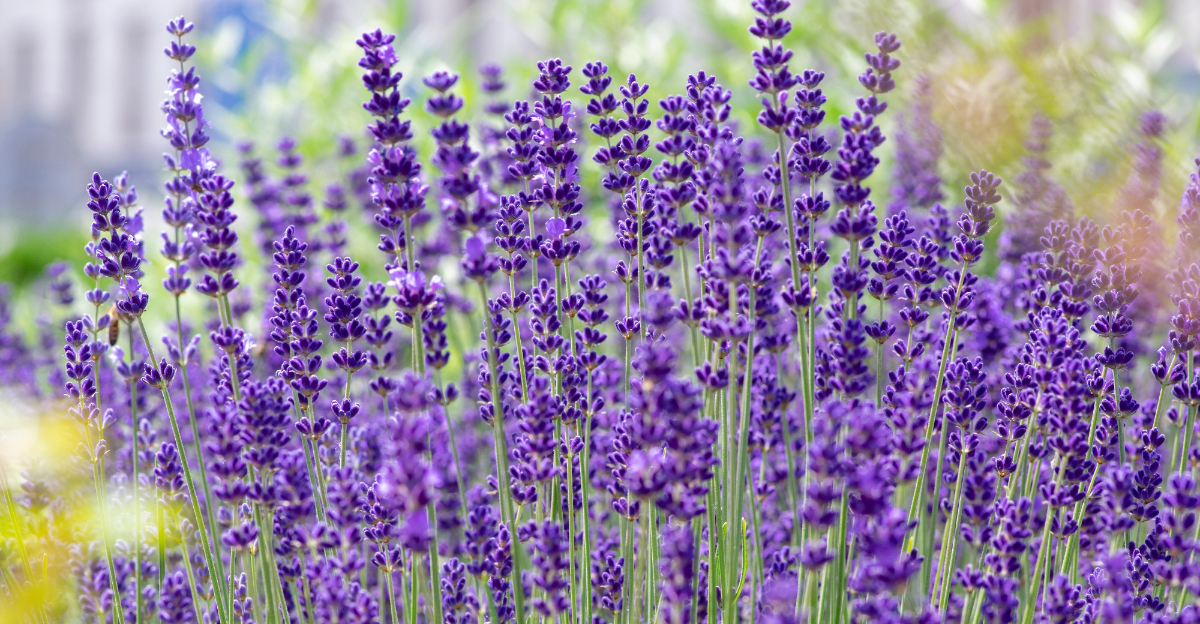
Lavender has a reputation for being fussy, but the truth is simpler: most people just get the fertilizer part wrong. Too much nitrogen at the wrong moment, and you end up with a plant that grows tall and floppy instead of tight and fragrant.
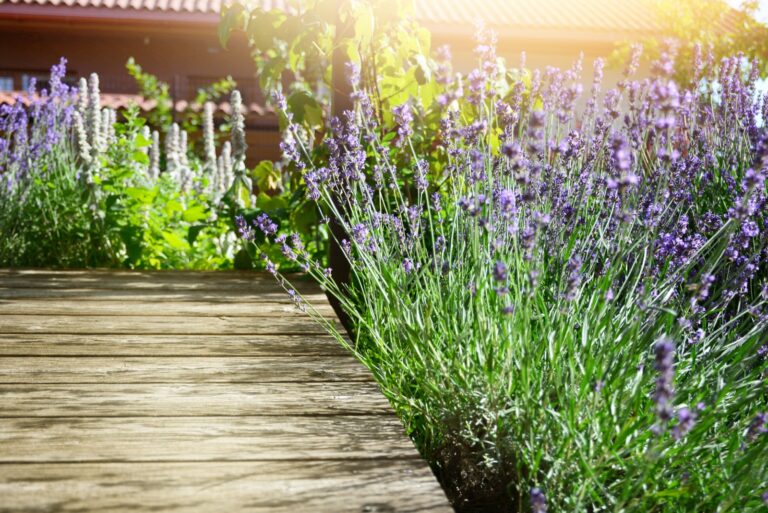
Lavender doesn’t ask for much, yet the small window when you feed it makes or breaks the whole season. Nail the timing and you get compact bushes loaded with silvery foliage and spikes of color that draw bees from three yards over.
Miss it, and you’re left wondering why your lavender looks nothing like the ones in gardening magazines. The fix isn’t complicated. It just takes knowing what your plant actually needs and when it needs it.
Keep reading, because the answer might surprise you.
1. The Best Time To Fertilize Lavender
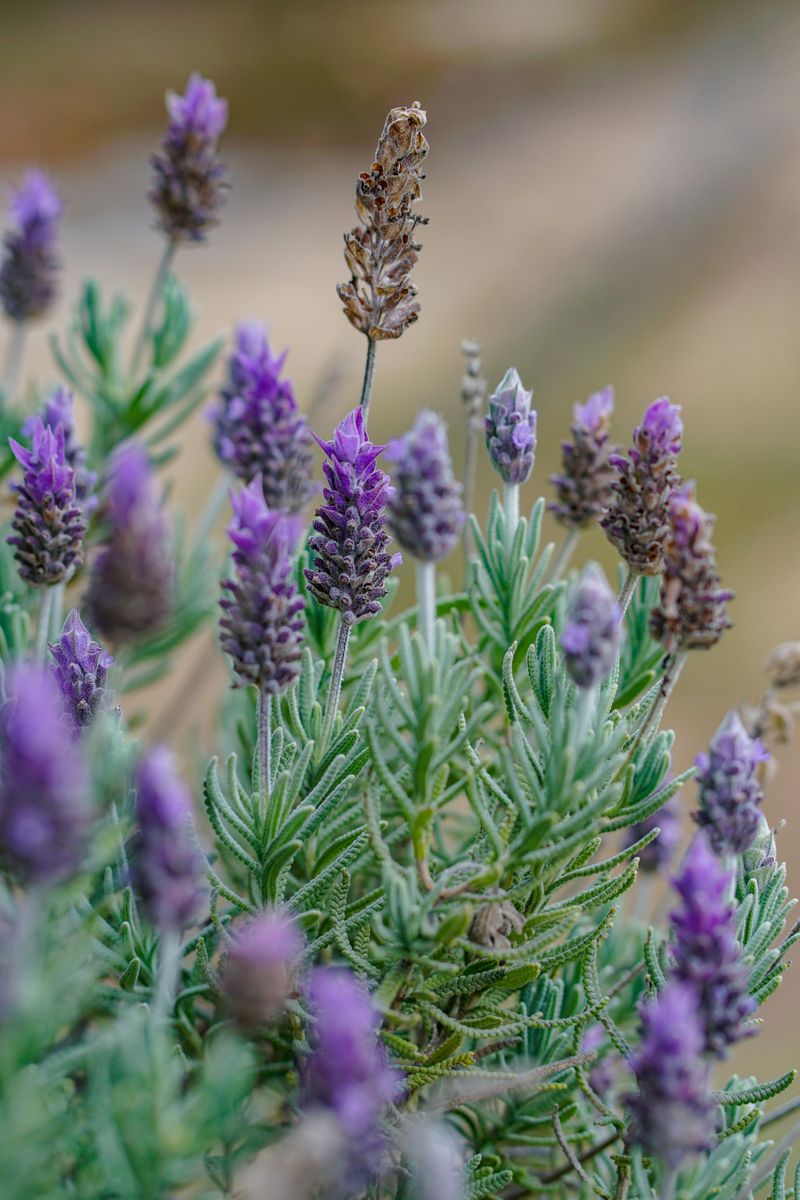
Spring is when lavender wakes up hungry. That first push of new growth signals the perfect window to give your plant a gentle boost.
The best time to fertilize lavender is early spring, just as you spot fresh green shoots emerging from the base. This timing aligns with the plant’s natural growth cycle.
Feed too early and the nutrients wash away before the roots can absorb them. Feed too late and you risk pushing leafy growth instead of flowers.
A single feeding in early spring is usually all lavender needs for the entire season. Lavender is native to rocky Mediterranean hillsides where soil is lean and dry.
Replicating those conditions means holding back on heavy feeding schedules. One well-timed application beats three poorly timed ones every single time.
If you live in a warmer climate with a long growing season, a second light feeding in early summer can help. But keep it minimal and stop all fertilizing by midsummer.
Feeding too late in the season encourages soft new growth that cannot harden before cold weather arrives. Tender growth going into fall is a recipe for plant stress and poor blooming next year.
Mark your calendar for late March or early April depending on your zone. The right time to fertilize lavender is a small detail that delivers big, fragrant rewards all season long.
2. Lavender Doesn’t Need Much Fertilizer
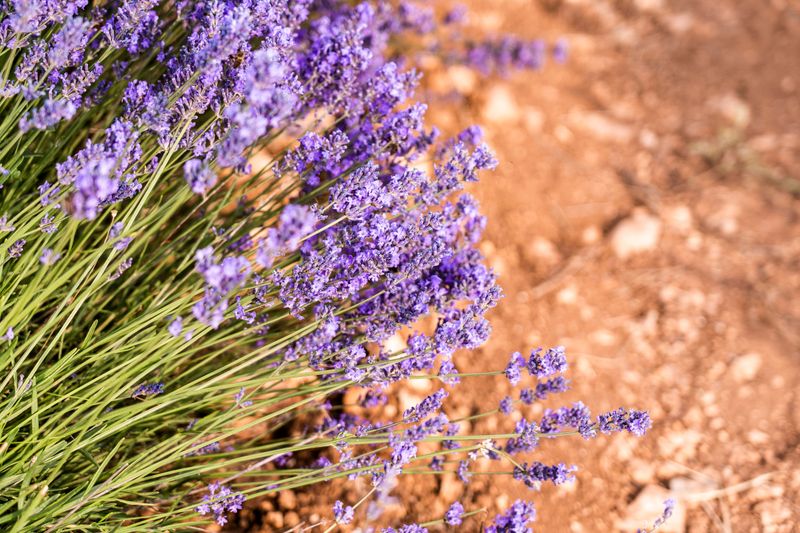
Less is genuinely more when it comes to feeding lavender. This plant evolved in poor, almost barren soil and actually prefers it that way.
Overfeeding lavender leads to lush, floppy foliage and almost no blooms. The plant puts all its energy into leaves instead of flowers when nutrients are too rich.
Nitrogen is the main culprit behind over-fertilized lavender. High nitrogen fertilizers push green growth fast, but they significantly reduce the flowering process.
Think of lavender like a marathon runner on a strict training diet. It performs best when conditions are a little tough, not pampered.
Soil that is too fertile actually weakens the plant’s natural defenses and fragrance production. The essential oils that create lavender’s famous scent develop more intensely under mild stress.
A lean soil environment signals the plant to produce more aromatic compounds as a survival response. That is why lavender grown in rich garden beds often smells weaker than wild or minimally fed plants.
If your garden soil is already decent, you may not need to fertilize at all. Do a quick soil test before adding anything to avoid guessing.
Understanding that lavender does not need much fertilizer saves you money, time, and a lot of frustration. Feeding it like a rose or a tomato plant is one of the fastest ways to ruin a perfectly good lavender patch.
3. Choosing The Right Type Of Fertilizer
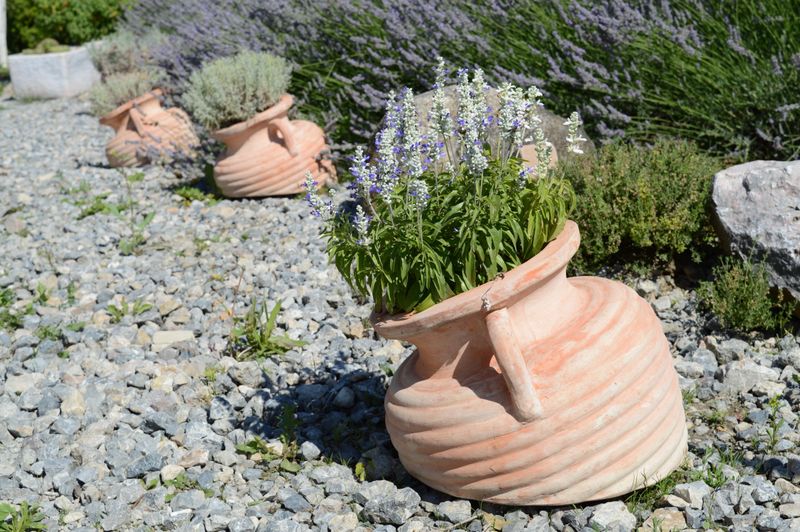
Not all fertilizers are created equal, especially when lavender is involved. Choosing the wrong formula can send your plant in the wrong direction fast.
Low-nitrogen fertilizers are the go-to choice for lavender growers who want blooms over bulk. Look for a formula where the middle and last numbers on the label are higher than the first.
A balanced fertilizer like 5-10-10 or a bloom-boosting mix works well for this plant. Phosphorus and potassium support root strength and flower development without overloading the plant with nitrogen.
Slow-release granular fertilizers are a popular option because they feed gently over several weeks. One application in early spring can carry the plant through its entire active growing season.
Organic options like compost tea, fish emulsion, or bone meal are also worth considering. These release nutrients gradually and improve soil structure at the same time.
Bone meal is especially useful as a phosphorus source that encourages strong blooms. Apply it lightly around the base of the plant in early spring for best results.
Liquid fertilizers require even more restraint because they act quickly. Dilute to half strength and skip feeding if the plant looks healthy and is blooming well.
The right type of fertilizer paired with the right time to fertilize lavender makes a noticeable difference. Matching the formula to the plant’s actual needs is how you grow lavender that truly thrives.
4. Signs Your Lavender Actually Needs Feeding
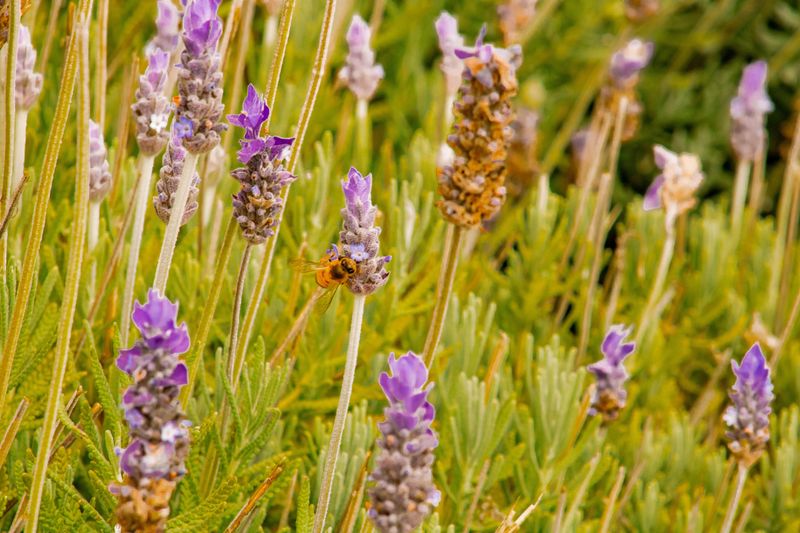
Yellowing leaves on lavender can mean several things, but nutrient deficiency is one possibility worth checking. Knowing the signs helps you act without guessing.
Pale or washed-out foliage that was once a healthy silver-green is a subtle clue. If new growth looks weak and the stems seem thin, the plant may benefit from a light feeding.
Fewer blooms than previous years can also point to a soil that has become too depleted. Lavender growing in containers is especially prone to nutrient loss over time.
Container-grown lavender has limited soil volume, so nutrients get used up faster. A once-a-season feeding for potted plants is often necessary to maintain good bloom production.
Before you grab the fertilizer bag, rule out other issues first. Poor drainage, overwatering, and compacted soil can cause the same symptoms as nutrient deficiency.
Check the soil moisture and drainage situation before assuming the plant is hungry. Wet roots in heavy clay soil can produce a similar pale, struggling look as a plant that needs feeding.
If drainage is fine and watering is on point, a soil test is your best next step. Testing tells you exactly what is missing so you can fix the actual problem.
Feeding lavender without knowing why it looks stressed can make things worse. Spotting the real signs early means you can give your plant exactly what it needs, nothing more.
5. A Light Touch Beats Overfeeding
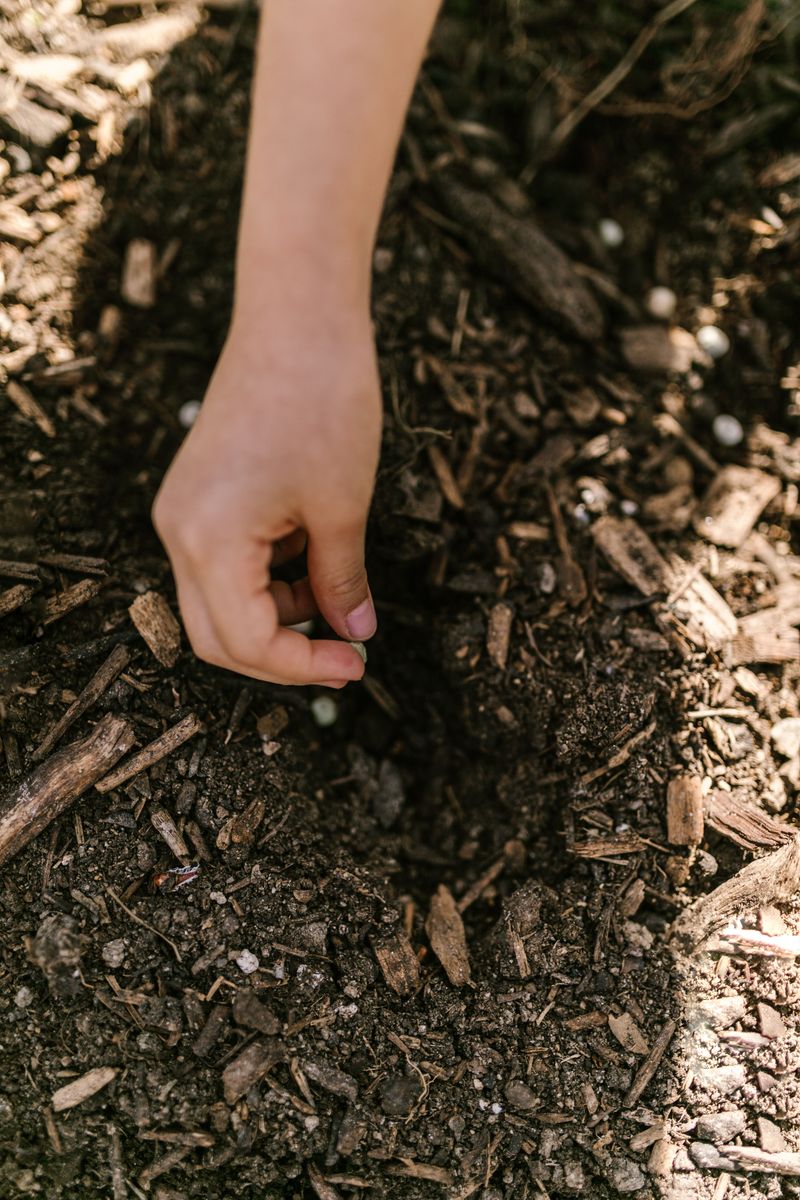
Grabbing the fertilizer bag and going heavy might feel productive, but lavender will punish that impulse quickly. Overfeeding is one of the most common mistakes home gardeners make with this plant.
Too many nutrients cause the plant to grow fast and floppy, with thick stems that flop over by midsummer. Blooms become sparse and the signature fragrance fades noticeably.
A light touch means applying roughly half the amount suggested on the fertilizer label. Lavender responds better to gentle, infrequent feeding than to aggressive nutrient loading.
Think of it as seasoning food rather than pouring on the sauce. A little enhances the result, but too much ruins everything you were going for.
When using granular fertilizer, scatter it lightly around the drip line of the plant. Avoid piling it directly against the stem, which can cause burning or rot.
Water the area gently after applying granules to help them begin breaking down. This small step helps nutrients reach the root zone without overwhelming the plant at once.
Liquid fertilizers require even more restraint because they act quickly. Always dilute to half strength and skip any feeding if the plant looks healthy and is blooming well.
Healthy lavender that gets too much fertilizer will show you its displeasure through weak stems and fewer flowers. Backing off the feeding schedule often fixes the problem faster than adding anything new to the soil.
6. Common Mistakes That Weaken Blooms And Fragrance
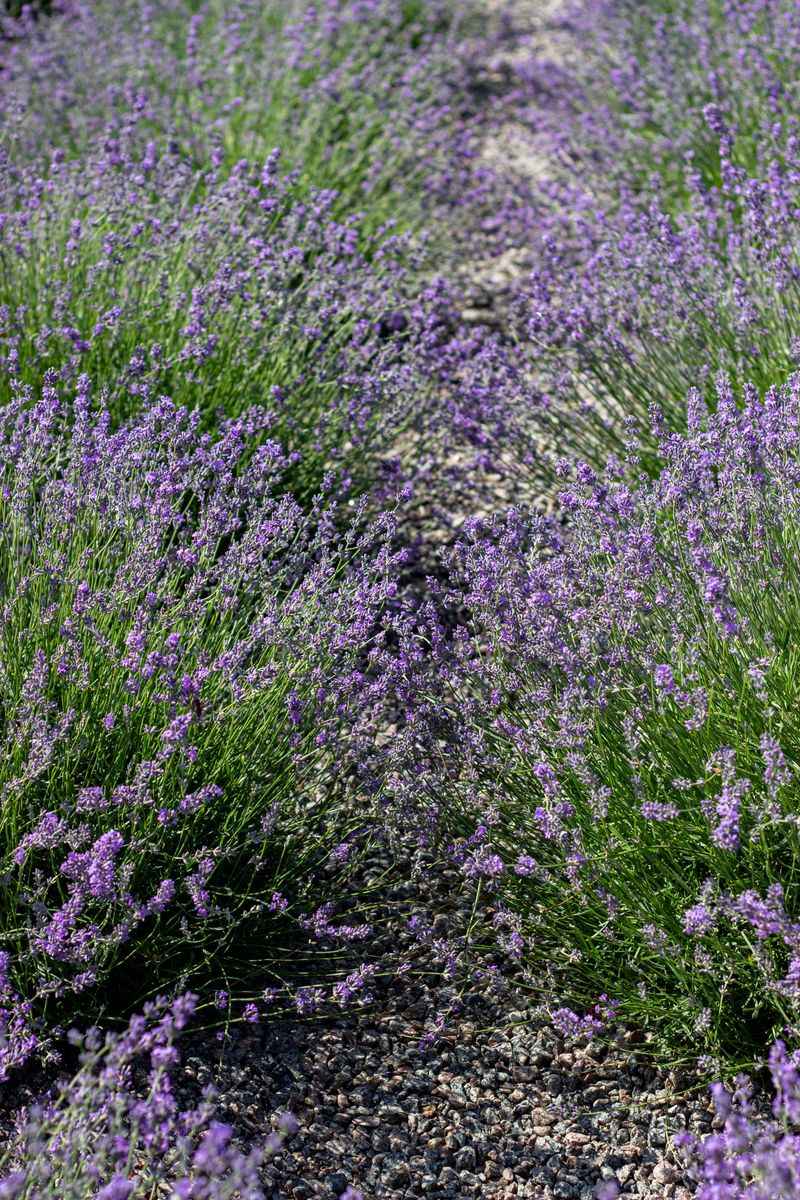
Feeding lavender at the wrong time is just one way gardeners accidentally sabotage their plants. Several other common habits chip away at bloom quality and fragrance strength.
Fertilizing after midsummer is a mistake that many people make without realizing the damage. As mentioned, feeding too late pushes soft new growth that has no time to harden before winter, leaving the plant more vulnerable to cold damage and disease.
Using a high-nitrogen lawn fertilizer is another frequent error. Lawn fertilizers are designed to push green growth, which is exactly the opposite of what blooming lavender needs.
Planting lavender in heavy, rich soil without amending for drainage also limits bloom potential. Even perfect fertilizing cannot overcome a soggy root environment that suffocates the plant slowly.
Pruning at the wrong time can also reduce next year’s flower production, which often gets blamed on fertilizer. Prune after blooming, not in early spring when buds are forming.
Watering too frequently after fertilizing flushes nutrients out of the soil before roots can absorb them. Water deeply but infrequently to let the plant access what you have applied.
Avoiding these pitfalls is just as powerful as getting the right time to fertilize lavender correct. Strong blooms and deep fragrance come from consistent care across every part of the growing season.