8 Smells In Your Virginia Garden That Naturally Repel Unwanted Critters
Something ate every single tomato before they turned red. Not one made it.
Every critter within a mile of your Virginia garden has already marked your beds as fair game, and they show up hungry every single night.
Turns out, the garden itself was begging to fight back the whole time.
What if your spice cabinet was the answer? Certain aromas that humans find downright intoxicating hit animal senses like a brick wall.
Pests abandon ship. Wildlife reroutes entirely. Bugs refuse to land.
There is a whole invisible chemistry happening in fragrant plants, and raiders want absolutely nothing to do with it.
Virginia gardeners who tap into this stop replacing seedlings and start actually eating what they grow. No traps.
No toxic sprays. Just specific smells that turn your garden from an open buffet into a no-fly zone.
1. Garlic
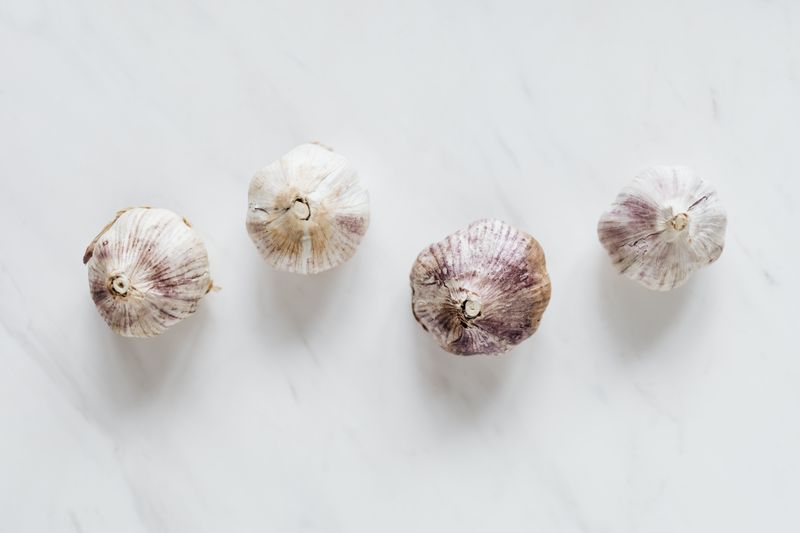
Garlic is basically nature’s alarm system for pests. That sharp, pungent smell that makes your kitchen feel cozy may deter deer, rabbits, aphids, and Japanese beetles from moving in on your plants.
In Virginia gardens, garlic is one of the most trusted natural repellents around, and it has been for centuries.
Tucking a few garlic cloves along the edges of your garden may help discourage some animals. Results can vary depending on the critter and the garden.
You can also crush a few cloves and mix them with water to make a simple spray for your vegetable beds.
Even garlic powder sprinkled around the base of vulnerable plants can do the trick during dry weather.
The secret weapon inside garlic is a compound called allicin, which releases that signature sharp odor when the clove is broken or crushed.
Animals have a far stronger sense of smell than humans, so what seems mild to us feels overwhelming to them. That sensitivity is exactly what makes garlic so effective as a critter deterrent.
Gardeners in Virginia often plant garlic near roses and tomatoes to protect those high-value crops from aphids and spider mites.
It works as a companion plant, meaning it helps neighboring plants thrive while quietly keeping pests at bay.
Best of all, you get a harvest of fresh garlic at the end of the season. Your garden gets protection, and your kitchen gets flavor.
2. Marigolds

Few flowers work as hard as the marigold. Beneath those cheerful orange and yellow blooms is a scent so sharp and bitter that nematodes, whiteflies, squash bugs, and even rabbits tend to steer clear.
Virginia gardeners who plant marigolds along the edges of their beds often notice fewer pest problems throughout the entire growing season.
The whitefly-deterring effect comes from a compound called limonene, which marigolds release through their leaves.
Their roots separately produce alpha-terthienyl, which works against nematodes in the soil and disrupts their ability to reproduce.
Some gardeners even tuck marigold plants directly between tomatoes or peppers to create a living pest shield.
Root-knot nematodes are a serious problem in Virginia soil, and marigolds are one of the few plants that actually fight back underground.
Your Virginia Garden Changes Every Week. Your Plan Should Too.
Gardening in Virginia changes quickly throughout the season. Every Friday you’ll receive a simple weekly plan showing exactly what to plant, prune, fertilize, harvest, and protect so you never miss the right timing.
That makes marigolds a long-term investment in your garden’s health, not just a pretty face.
Beyond pest control, marigolds attract pollinators like bees and butterflies, which means your garden gets double the benefit.
They are low-maintenance, drought-tolerant once established, and bloom from spring through fall in most parts of the state.
Planting a row of marigolds around your Virginia garden is one of the easiest upgrades you can make.
They cost almost nothing at the nursery, need very little care, and pay you back with months of colorful, pest-fighting blooms.
3. Mint
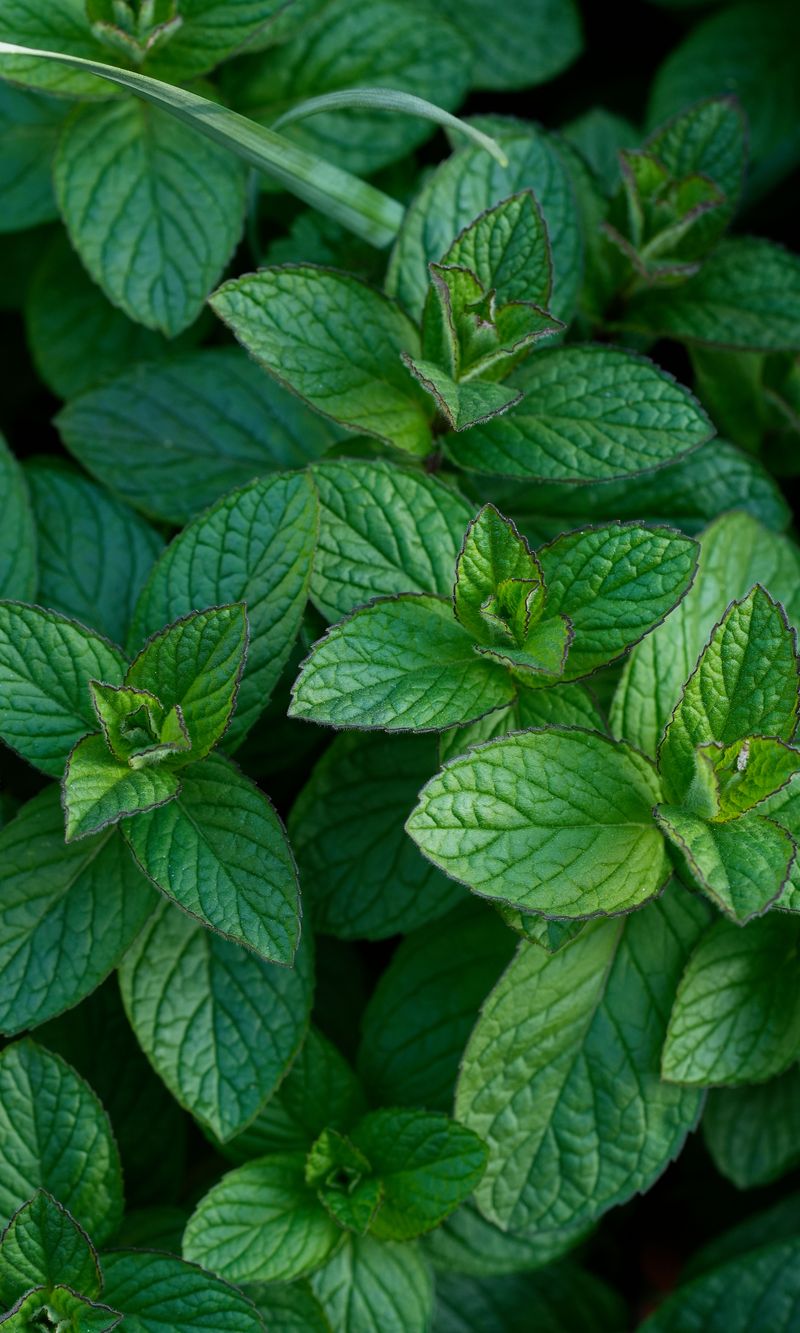
Mint smells like a fresh start, but for ants, aphids, and insects, it smells like a warning sign. The intense menthol aroma that makes mint so refreshing to humans is genuinely disorienting to small critters and insects.
Planting mint near your garden entrance or along pathways creates a natural scent boundary that many pests simply will not cross. Spearmint and peppermint are excellent choices for Virginia gardens.
Pennyroyal has a long history of being used to repel mosquitoes and fleas, but it contains a compound called pulegone that is toxic to cats, dogs, and children.
Plant it with caution and keep it well away from areas where pets and kids spend time. Even brushing against spearmint or peppermint leaves as you walk by releases that sharp, clean scent into the air around your garden beds.
One important thing to know about mint is that it spreads aggressively if left unchecked. Planting it in containers or buried pots helps keep it from taking over neighboring plants.
Once you manage that growth habit, mint becomes one of the most reliable and low-effort repellents in your entire outdoor space.
Mice are a real headache for Virginia gardeners, and peppermint oil is one of the scents they tend to find most offensive.
Placing cotton balls soaked in peppermint oil near garden entrances, sheds, or compost bins adds another layer of protection.
Fresh mint also works well as a companion plant near cabbage and tomatoes to confuse caterpillars and insects looking for a host plant.
4. Lavender
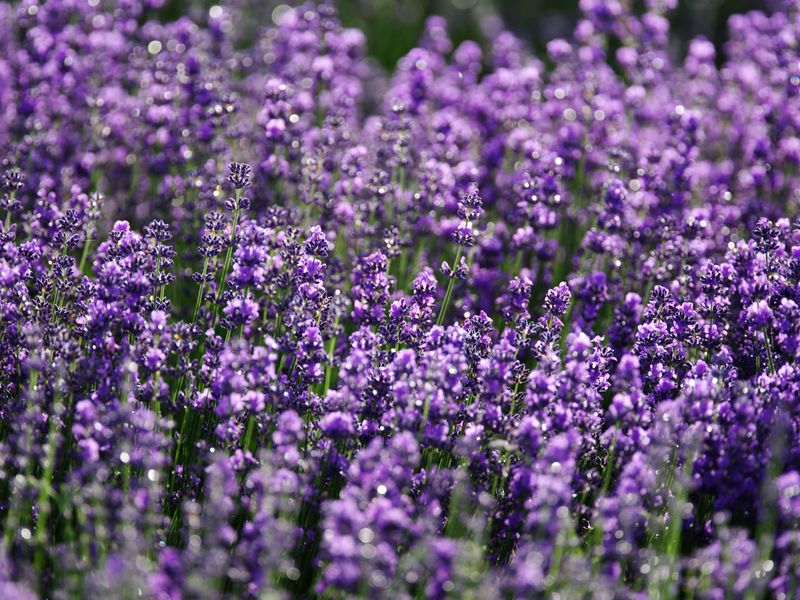
Lavender might be the most beloved scent in any garden, but deer, rabbits, fleas, moths, and mosquitoes tend to give it a wide berth.
What smells like a spa day to you is a full sensory overload for many common garden pests.
Virginia gardeners who plant lavender along walkways or near entryways often report noticeably fewer pest problems in surrounding areas.
The key ingredient is linalool, a naturally occurring compound that gives lavender its signature floral scent.
Insects that rely on smell to find food or shelter get confused by it, though the repellent effect is strongest from the concentrated essential oil rather than the growing plant alone.
Even dried lavender bundles hung near doors or tucked into garden sheds help keep moths and insects from settling in.
Lavender thrives in Virginia’s warm summers and handles drought conditions better than many other garden plants.
It prefers well-drained soil and full sun, making it a smart choice for raised beds or sunny borders.
Once established, it requires very little attention and returns year after year with fresh blooms and full fragrance.
Planting lavender near your vegetable beds or fruit trees adds a layer of aromatic protection that blends beautifully into any landscape design.
It also attracts bees and beneficial insects, which supports healthy pollination across your entire garden.
It looks gorgeous, smells incredible, and works quietly in the background to keep unwanted visitors from settling too close to your prized plants.
5. Onion And Chives
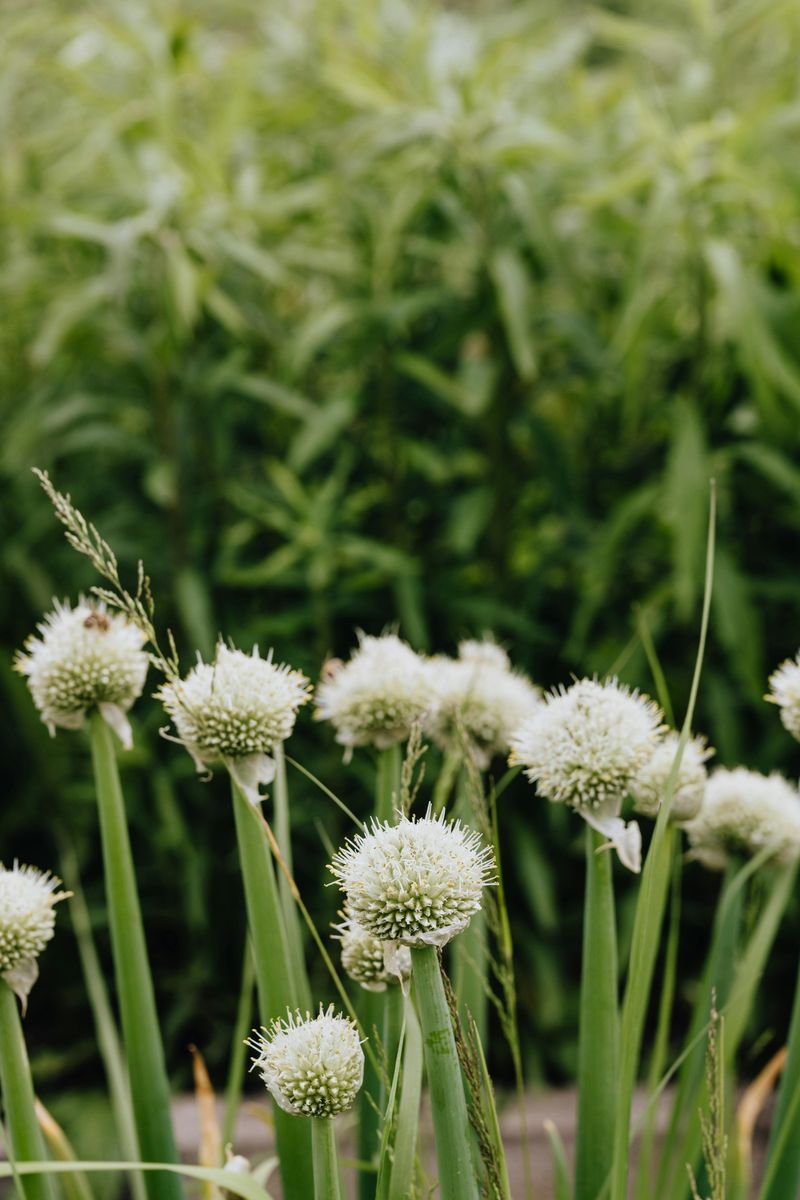
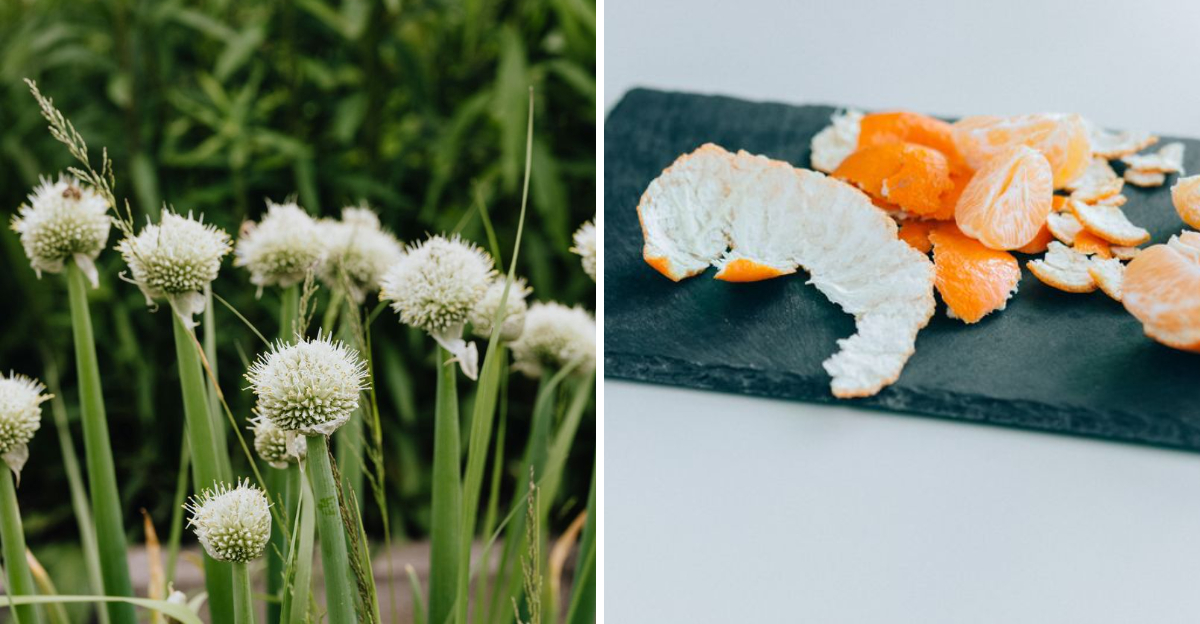
Onions and chives pack a punch that goes way beyond the kitchen. That sharp, sulfur-heavy smell that lingers after chopping onions?
Deer, moles, and carrot flies want absolutely nothing to do with it.
These two plants are among the most underrated natural repellents available to Virginia gardeners.
Chives are especially easy to grow and come back every year without much fuss.
They produce cheerful purple flowers that attract pollinators while their roots and leaves quietly release that sulfur-based scent that pests find so offensive.
Planting chives near carrots, roses, or apple trees is a classic companion planting strategy that has worked for generations.
Onions work in a similar way, releasing allium compounds that confuse insects trying to locate host plants by scent.
Interplanting onion sets throughout your vegetable garden creates a scent maze that leaves pests completely turned around.
Finding their targets becomes a whole lot harder when every direction smells the same. Some gardeners also use onion-infused water as a foliar spray to protect individual plants.
Both plants are practical, affordable, and easy to find at any Virginia nursery or garden center. They need minimal care, tolerate heat well, and fit into nearly any garden layout.
Chives especially work well tucked into flower beds where their slim profile does not crowd out neighboring plants.
If you want a reliable, no-fuss addition to your natural pest-management toolkit, onions and chives deserve a permanent spot in your garden rows.
6. Cayenne Pepper
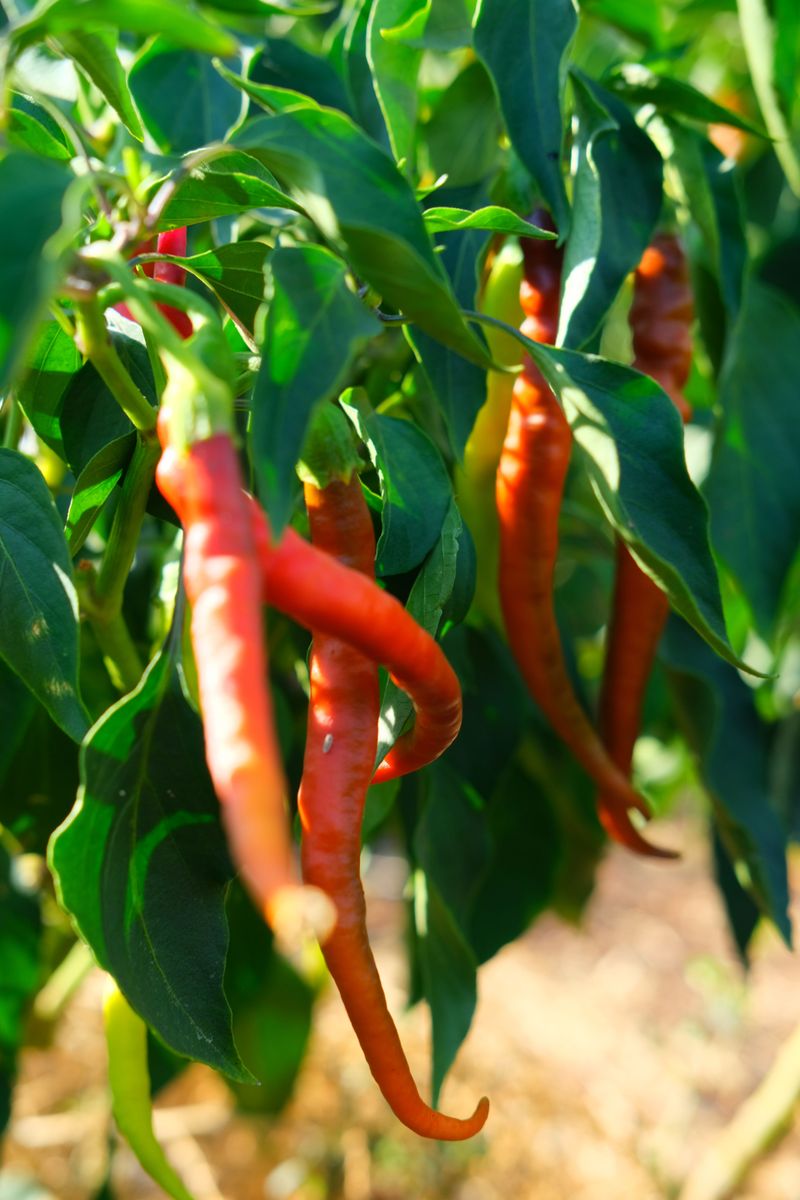
Squirrels respect very few boundaries, but cayenne pepper is one of them. Capsaicin hits the eyes and nose of mammals hard, making it one of the most effective natural deterrents around.
A light dusting of cayenne powder around your garden beds can significantly reduce critter activity, especially with consistent reapplication.
Sprinkling cayenne directly on soil, mulch, or around the base of plants creates a scent and taste barrier that most animals learn to avoid quickly.
You can also mix cayenne with water and a few drops of dish soap to create a spray that sticks to plant leaves. Reapply after rain or heavy watering to keep the protection active.
Birds are not affected by capsaicin at all, which means cayenne pepper will not harm the helpful songbirds or woodpeckers visiting your garden.
That makes it one of the few repellents that targets mammal pests specifically without disrupting the beneficial wildlife you actually want around.
Growing cayenne pepper plants directly in your garden adds another layer of protection through the scent released by the foliage itself.
The plants are also productive, giving you a spicy harvest alongside their pest-repelling benefits.
A little goes a long way, and once local critters encounter it repeatedly, many will start looking for easier targets elsewhere.
7. Coffee Grounds
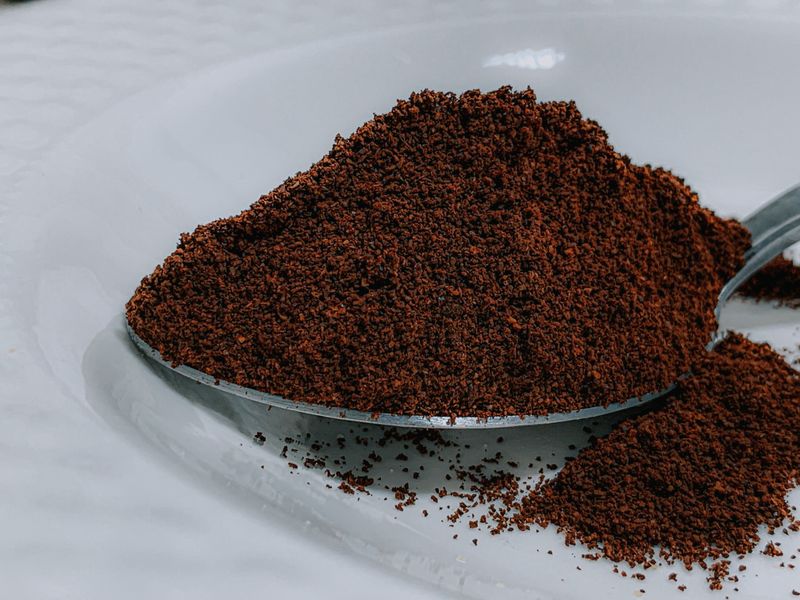
Your morning cup of coffee might be doing double duty without you even knowing it.Used coffee grounds carry a bold, acidic aroma that slugs, snails, and ants want no part of.
Just know that brewing removes most of the caffeine, so fresher is stronger. A strong brewed coffee solution poured directly on soil works more effectively against slugs than dry grounds alone.
The strong scent disrupts the sensory trails that ants use to navigate toward food sources. For slugs and snails, the gritty texture is also a deterrent since the grounds are uncomfortable to crawl across.
That combination of smell and physical barrier makes coffee grounds surprisingly useful against two of the most common garden nuisances in Virginia.
Beyond pest control, coffee grounds add organic matter and a small boost of nitrogen to your soil as they break down.
They work especially well around acid-loving plants like blueberries, azaleas, and rhododendrons.
Just avoid piling them on too thick, as a dense layer can form a crust that repels water instead of letting it soak through.
Local coffee shops and cafes in Virginia are often happy to give away used grounds for free if you simply ask.
That makes this one of the most cost-effective natural repellents available to any home gardener.
Sprinkle a fresh layer every week or after rainfall to keep the scent active. Paired with other aromatic plants, coffee grounds quietly build up your garden’s natural defenses without costing much at all.
8. Citrus Peels
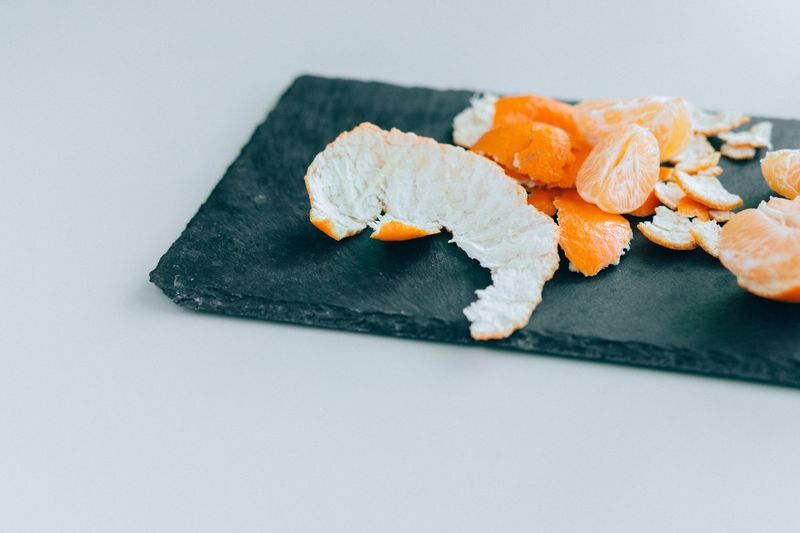
Citrus has a sharp, strong scent. Ants and aphids tend to avoid it. Cats often dislike it too, though not always. Gnats are less reliably bothered by it.
Orange, lemon, and grapefruit peels pack compounds like limonene and linalool that insects and critters actively avoid.
Scattering fresh citrus peels around your garden is a popular trick, though the real pest-repelling power comes from the concentrated oils inside them rather than the peel alone.
For stronger results, blending peels with water and straining them into a spray delivers far more limonene directly to leaves than placing whole peels on soil.
Refreshing the spray every few days keeps the scent strong enough to be effective. You can also fight aphids and gnats by applying it directly to affected leaves.
Neighborhood cats are a surprisingly common problem for Virginia gardeners who use open soil beds.
Feline visitors tend to treat freshly tilled soil like a litter box, and citrus peels scattered across the surface send a clear message to stay away.
Most cats will sniff the area once and promptly find somewhere else to go. Citrus peels also break down into the soil over time, adding small amounts of nutrients as they decompose.
Citrus peels are safe for children and pets. They are also safe for bees and ladybugs. But concentrated citrus sprays are different.
Those can harm beneficial insects. Save your peels after breakfast and let nature handle the rest.