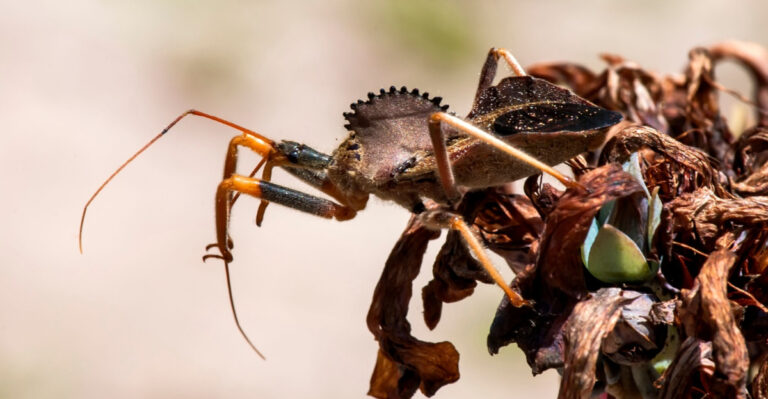
These Blue-Tailed Lizards Are Turning Up In Oklahoma Gardens More Often
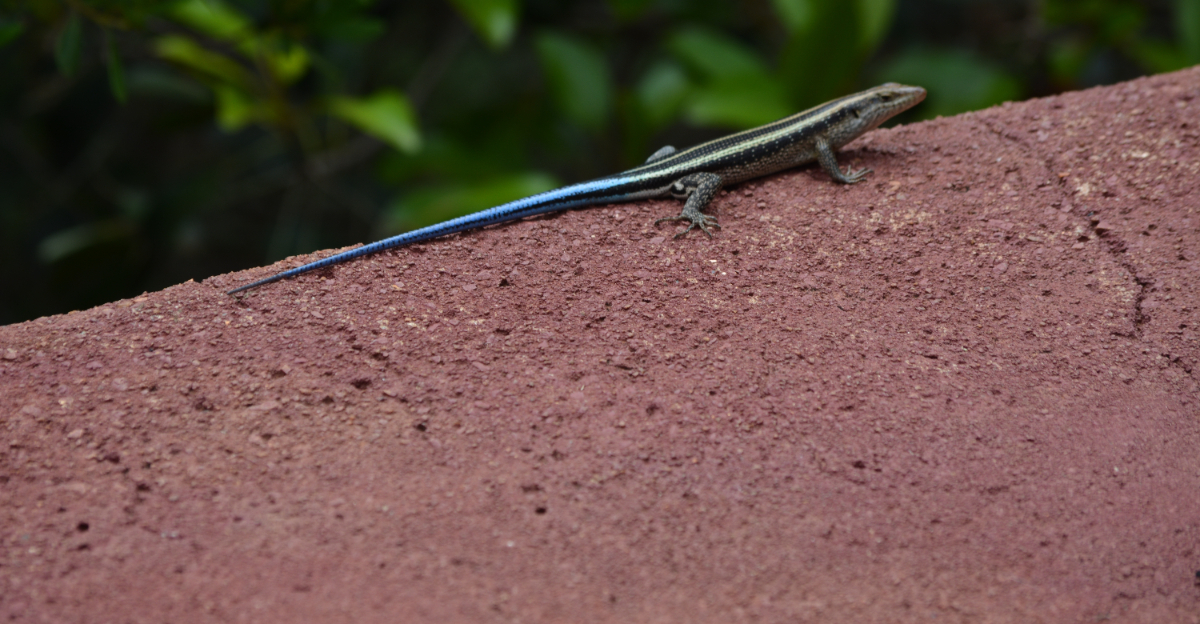
A blur of electric blue just darted through your garden. Your eyes barely catch it before it disappears. Something fast is moving through Oklahoma gardens right now.
Skinks, blue-tailed lizards, are multiplying across backyards this season. Homeowners near Tulsa spot them beside rock walls daily. Oklahoma City residents report the same startling blue flash.
Gardens now double as stages for this reptile’s display. Rock borders hide dozens of these quiet creatures unnoticed. Flower beds shelter them between roots and loose soil.
Gasps follow when that tail flashes near bare feet. Curiosity quickly replaces worry once the science surfaces.
Nervous energy, not threat, explains that vivid blue color. Predators mistake the tail for the head and misfire.
Understanding this trick changes how you see your garden. Every backyard in your state hides a hidden secret.
Children chase these lizards without knowing their evolutionary advantage. You cannot afford to ignore them now.
What This Blue-Tailed Lizard Actually Is
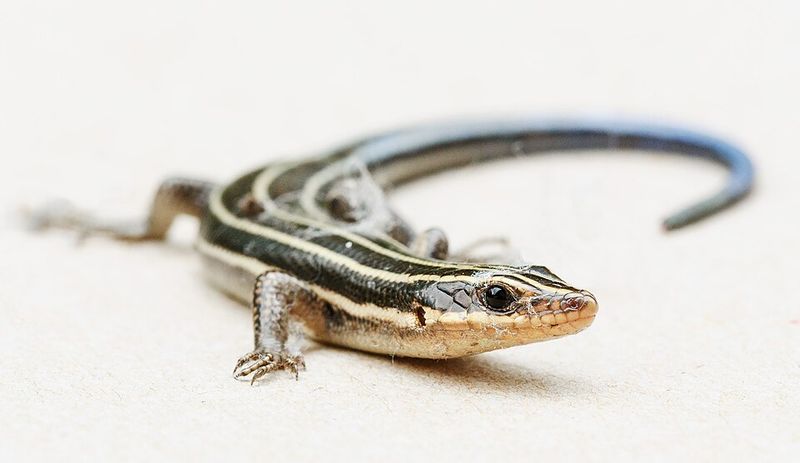
Bright blue tails do not belong in most people’s idea of a backyard guest. Yet here they are, skittering across your garden path like tiny neon-accented athletes.
The blue-tailed lizard most Oklahomans are seeing is the five-lined skink, known by its scientific name Plestiodon fasciatus. Young skinks wear five pale stripes down their backs and sport that unmistakable vivid blue tail.
Adults tend to fade as they age, losing the bright stripes and the bold tail color. Males can even develop an orange-red head during mating season, which surprises a lot of gardeners who spot them for the first time.
These lizards are not exotic invaders or escaped pets. They are native wildlife that has called this region home for thousands of years.
A fully grown five-lined skink reaches about five to eight inches from nose to tail tip. Their bodies are smooth, sleek, and built for speed across leaf litter and rocky soil.
Many people confuse them with snakes when they move quickly through tall grass. Once you see those four tiny legs pumping, the mystery clears up fast.
Skinks belong to the family Scincidae, one of the largest lizard families on the planet. There are approximately 1,500 species worldwide, but only a handful call North America home.
Blue-tailed lizards are cold-blooded, meaning they rely on the sun to regulate their body temperature. That is why you often spot them basking on warm stones or sun-baked garden borders in the morning hours.
Why Sightings Are Increasing This Summer
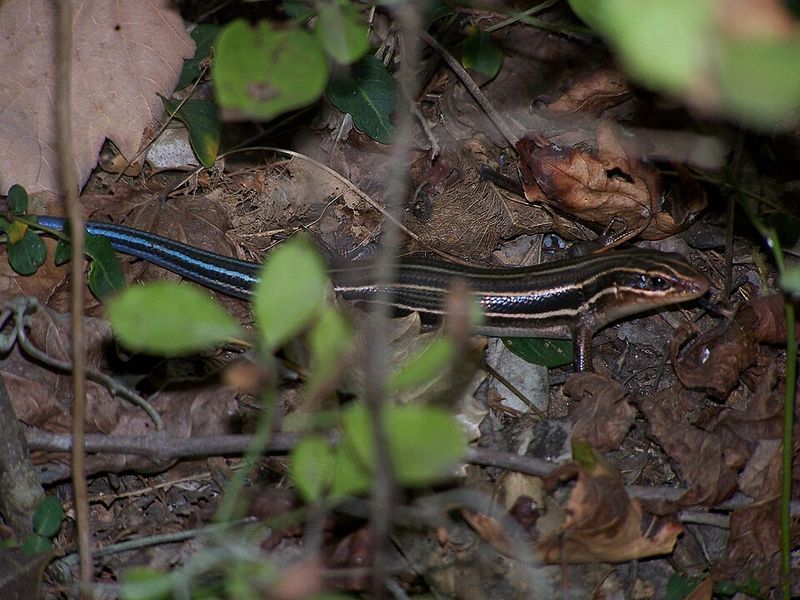
Many gardeners across the state believe they’re noticing more skinks this season. While no official count confirms a statewide increase, several factors could explain why sightings feel more frequent.
Warmer spring temperatures may have arrived earlier than usual this year in some regions. That early warmth gave skinks a longer active season, letting populations grow and spread into new territory faster.
Mild winters also play a big role in population booms. When temperatures stay above freezing for longer stretches, fewer skinks perish during hibernation, and more survive to breed in spring.
Your Oklahoma Garden Changes Every Week. Your Plan Should Too.
Gardening in Oklahoma changes quickly throughout the season. Every Friday you’ll receive a simple weekly plan showing exactly what to plant, prune, fertilize, harvest, and protect so you never miss the right timing.
Urban gardens have also become surprisingly attractive habitat. Mulched flower beds, stacked stones, and dense ground cover mimic the natural woodland edges where skinks thrive in the wild.
Homeowners are also spending more time outdoors, which means more eyes scanning the garden. A skink that would have gone unnoticed two years ago is now spotted, photographed, and posted online within minutes.
Insect populations may also be higher than usual this summer in some areas. More bugs can mean more food, which supports larger and more active skink communities in residential areas.
Growing conservation awareness may also be leading more people to leave wildlife undisturbed. Skinks that once would have been chased off are now left alone to establish territories.
Blue-tailed lizards are thriving partly because human spaces have become surprisingly livable for them. Your well-mulched, bug-rich garden may be exactly the kind of place a skink dreams about.
Where They Like To Hide In Yards
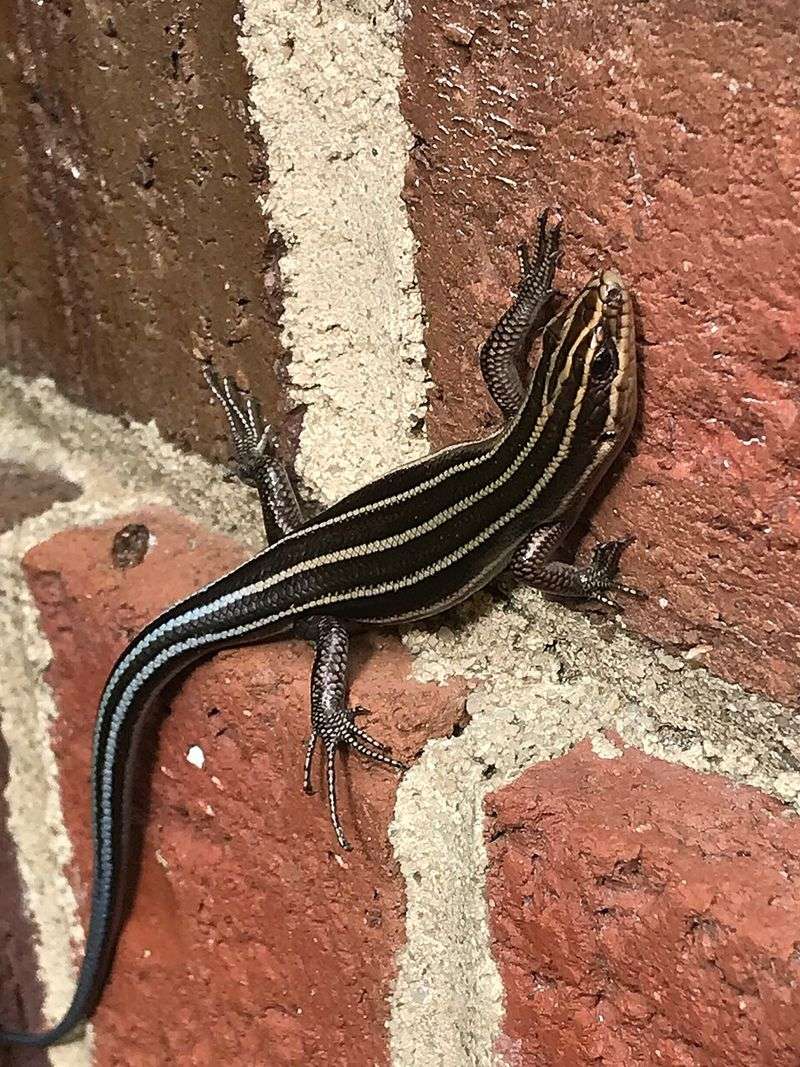
Skinks are not random wanderers. They are strategic little creatures who pick hiding spots with impressive precision.
Flat rocks and stepping stones are prime real estate for these lizards. The stones absorb heat from the sun, creating warm shelters that skinks return to day after day.
Stacked timber, old railroad ties, and decorative log borders are also popular hideouts. The gaps between wood pieces offer dark, humid corridors that feel safe and protected.
Thick mulch layers are another favorite haunt. A good three-inch layer of bark mulch holds moisture and shelters a wide range of insects, providing a steady food source for skinks.
Compost bins and leaf piles attract them too, for the same reason. Decomposing organic matter draws beetles, grubs, and earthworms that skinks find irresistible.
Dense ground cover plants like creeping phlox or liriope create shaded tunnels at ground level. Skinks use these plant corridors to move around the yard without exposing themselves to hawks or cats.
Gaps beneath concrete pavers, retaining walls, and raised garden beds serve as nesting sites. Female skinks lay small clutches of eggs in moist, sheltered spots and guard them carefully.
If you want to spot one, check the south-facing edges of garden borders in the morning hours. Blue-tailed lizards love to bask in early sunlight before retreating into cover when temperatures climb too high.
Are They Harmful Or Beneficial To Gardens
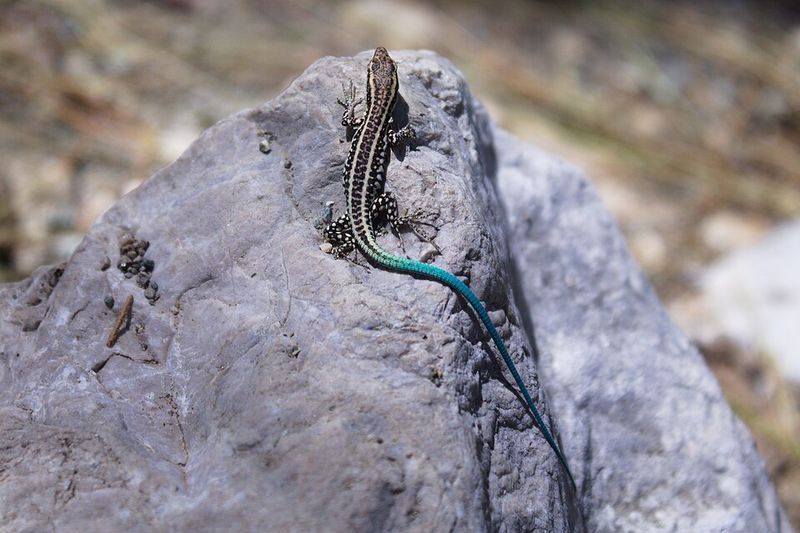
Let’s get straight to what most Oklahoma gardeners want to know. Are these little reptiles a problem, or are they secretly working for you?
Skinks are almost entirely beneficial to home gardens. They eat insects, and they eat a lot of them every single day.
A single skink can consume dozens of beetles, grasshoppers, crickets, and caterpillars in one afternoon. That kind of appetite makes them one of the most effective natural forms of pest control in a garden.
They also eat slugs, which are notorious plant destroyers that gardeners spend serious money trying to control. Watching a skink hunt down a slug is a notable example of natural pest control in action.
Grubs are another menu item skinks pursue aggressively. Lawn grubs damage grass roots from below, and skinks rooting through mulch and soil help keep those populations in check.
Skinks do not eat plants, vegetables, or flowers. Your tomatoes and petunias are completely safe from these lizards, which is more than you can say for deer or rabbits.
They pose no threat to pets or humans under normal circumstances. A skink will flee long before a curious dog or child gets anywhere close to it.
The only downside some Oklahoma gardeners mention is disturbed mulch from skinks digging and foraging. That minor inconvenience is a small trade-off for the natural pest control skinks provide in your flower beds.
How Their Blue Tail Helps Them Survive
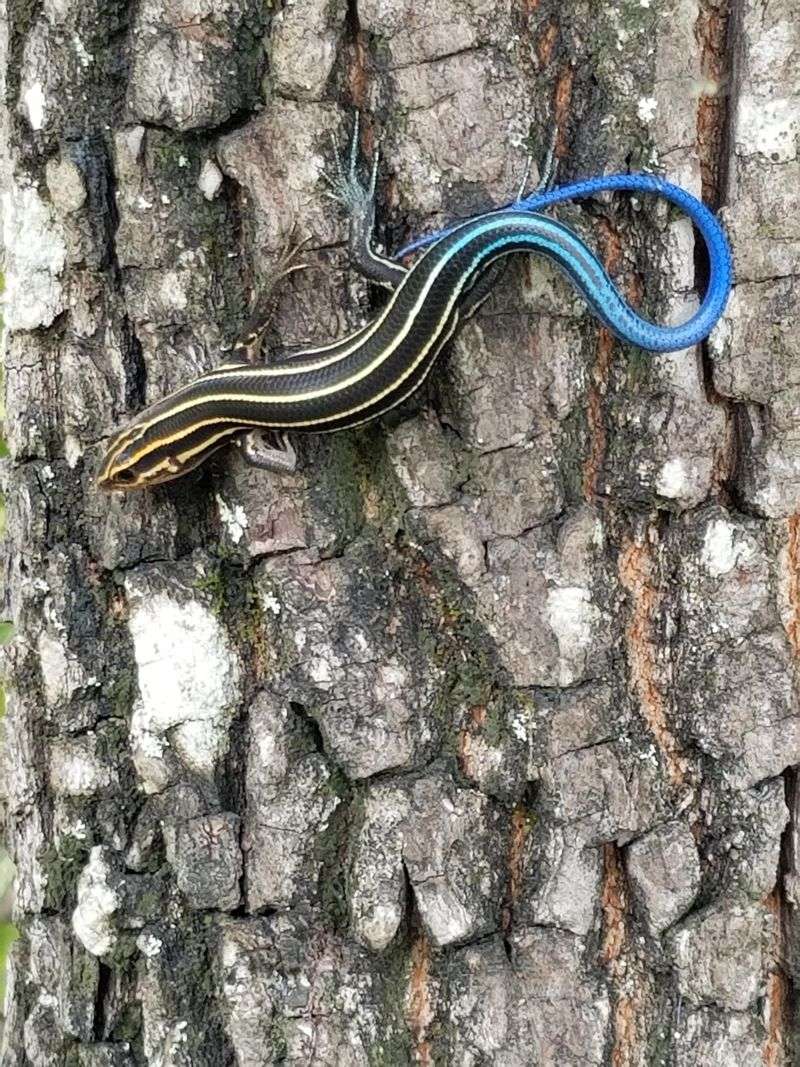
That blue tail is not just for show. It is an effective survival adaptation that works remarkably well.
The vivid color draws a predator’s attention directly to the tail. A hawk or snake strikes at the brightest, most obvious target, which is exactly what the skink wants.
When grabbed, the tail detaches and keeps wriggling on the ground. The confused predator investigates the moving tail while the skink escapes into cover unharmed.
This ability is called autotomy, and it is a controlled biological process. Special fracture points along the tail vertebrae allow a clean, quick separation without major injury to the lizard.
The tail grows back over several weeks, though the replacement is usually made of cartilage rather than bone. The regrown version is often shorter and slightly different in color from the original.
Blue-tailed lizards tend to lose their bright tail color as they mature into adults. Scientists believe the vivid blue is most important when lizards are young and slower, making them more vulnerable to predators.
Some researchers have also proposed that the blue color could signal mild toxicity to predators in certain skink species, though this theory is less established than the autotomy explanation.
Blue-tailed lizards have been perfecting this survival strategy for millions of years. That electric tail reflects millions of years of evolutionary adaptation, hiding right in your garden border.
Tips For Coexisting With Them Safely
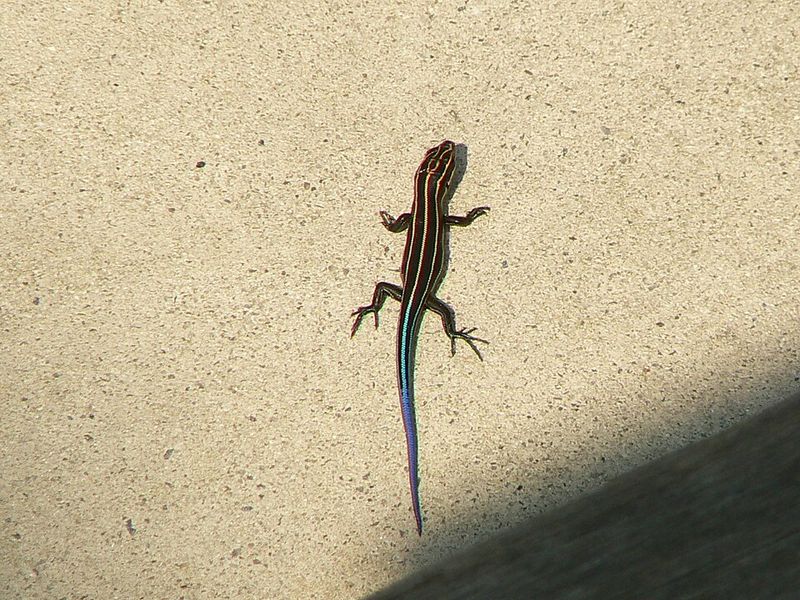
Sharing your Oklahoma garden with blue-tailed lizards is easier than you might expect. A few simple habits make the relationship comfortable for both sides.
Start by leaving some natural shelter in place. A flat rock, a small log, or a patch of leaf litter gives skinks the cover they need to feel safe and stay in your yard.
Avoid using broad-spectrum pesticides on your Oklahoma garden. Those chemicals wipe out the insects skinks depend on for food, which drives them away and removes their natural pest-control benefit at the same time.
Keep cats indoors or supervised when possible. Some wildlife experts consider domestic cats a significant threat to skink populations in residential neighborhoods.
If you find a skink inside your home, stay calm and guide it toward an open door using a broom or piece of cardboard. They rarely enter homes intentionally and want out just as much as you want them out.
Teach children to observe skinks from a distance rather than chasing or grabbing them. Handling causes stress to the lizard and may trigger the tail-drop response, which harms the animal even if it survives.
Water sources like shallow garden dishes or birdbaths attract skinks during hot weather. Providing a small water feature can encourage them to stick around and keep working your Oklahoma garden.
Blue-tailed lizards are low-maintenance garden visitors that ask for very little. Treat them with basic respect, and they will continue to provide natural benefits to your outdoor space all summer long.