10 Summer Watering Mistakes Every Kansas Gardener Should Avoid
Kansas heat does not negotiate. Triple-digit afternoons and winds that strip moisture straight from the soil turn every summer into a test of endurance for Kansas gardeners.
Ground that shifts from iron-hard clay to powder-dry sand within a single season makes this the battlefield they work in year after year. I lost an entire row of tomatoes one July, not to pests or disease, but to a watering habit I was convinced was correct.
That stung. Summer watering mistakes move quietly, like a slow leak in a good plan, draining the life from plants before you ever notice the damage.
Your zucchini yellows. Your peppers curl inward like fists. Your mulch sits bone-dry an inch below the surface. The garden looks fed but runs on empty.
If your beds have been struggling despite honest effort, the problem likely lives in how and when water actually hits the ground. What if the water itself is working against your garden? Fix the method, save the season.
1. Watering In The Heat Of The Day
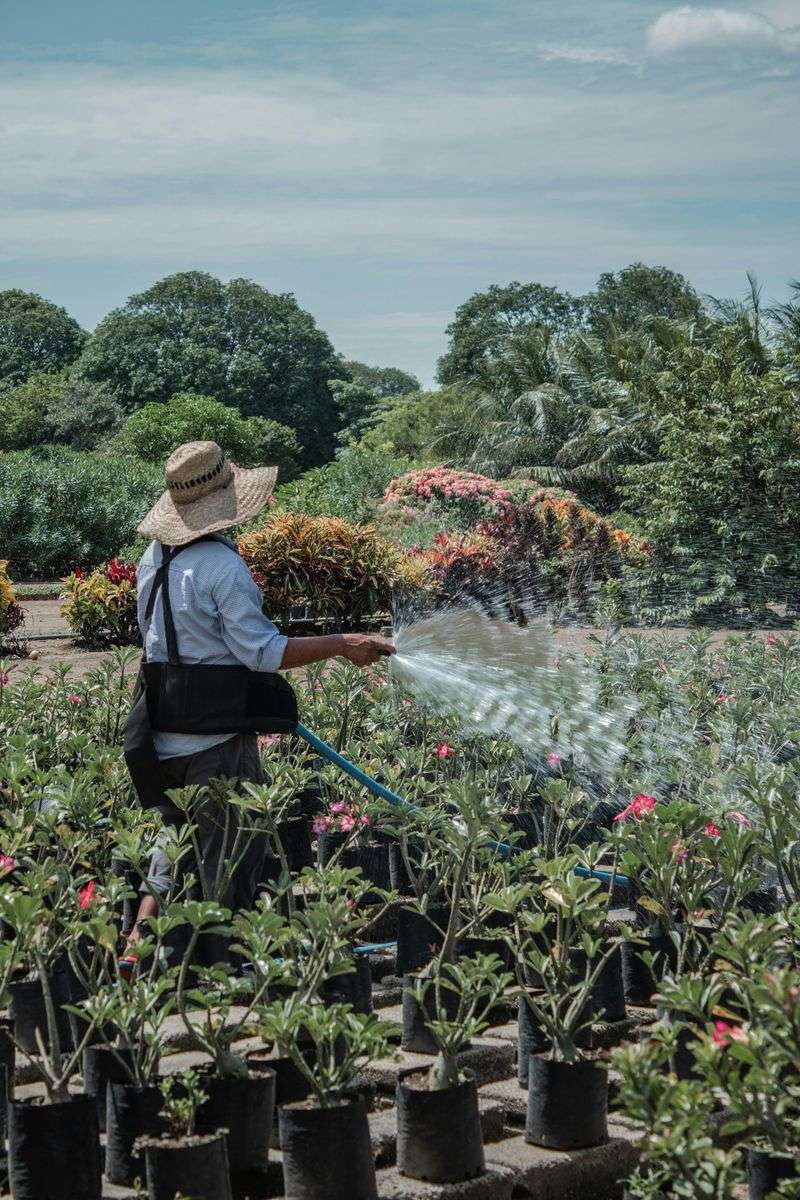
Noon in July feels like standing next to an oven with the door wide open. Watering during peak heat hours, between 10 a.m. and 4 p.m., is one of the costliest mistakes Kansas gardeners make.
The water evaporates almost before it hits the soil, robbing your plants of the moisture they desperately need.
Midday watering wastes more water to evaporation. And wet foliage can contribute to stress or disease issues depending on the plant.
Your plants end up stressed instead of refreshed, and your water bill climbs for no good reason.
You are essentially pouring money straight into the summer air. Early morning, ideally between 5 a.m. and 9 a.m., is the sweet spot for watering.
The soil is cooler, evaporation rates are low, and plants have time to absorb moisture before temperatures spike.
Morning watering also allows leaves to dry out during the day, which helps prevent fungal diseases from taking hold.
Shifting your watering schedule by just a few hours can make a dramatic difference in how well your garden handles brutal Kansas heat. Small timing changes lead to big plant wins.
2. Shallow, Frequent Watering Instead Of Deep And Infrequent
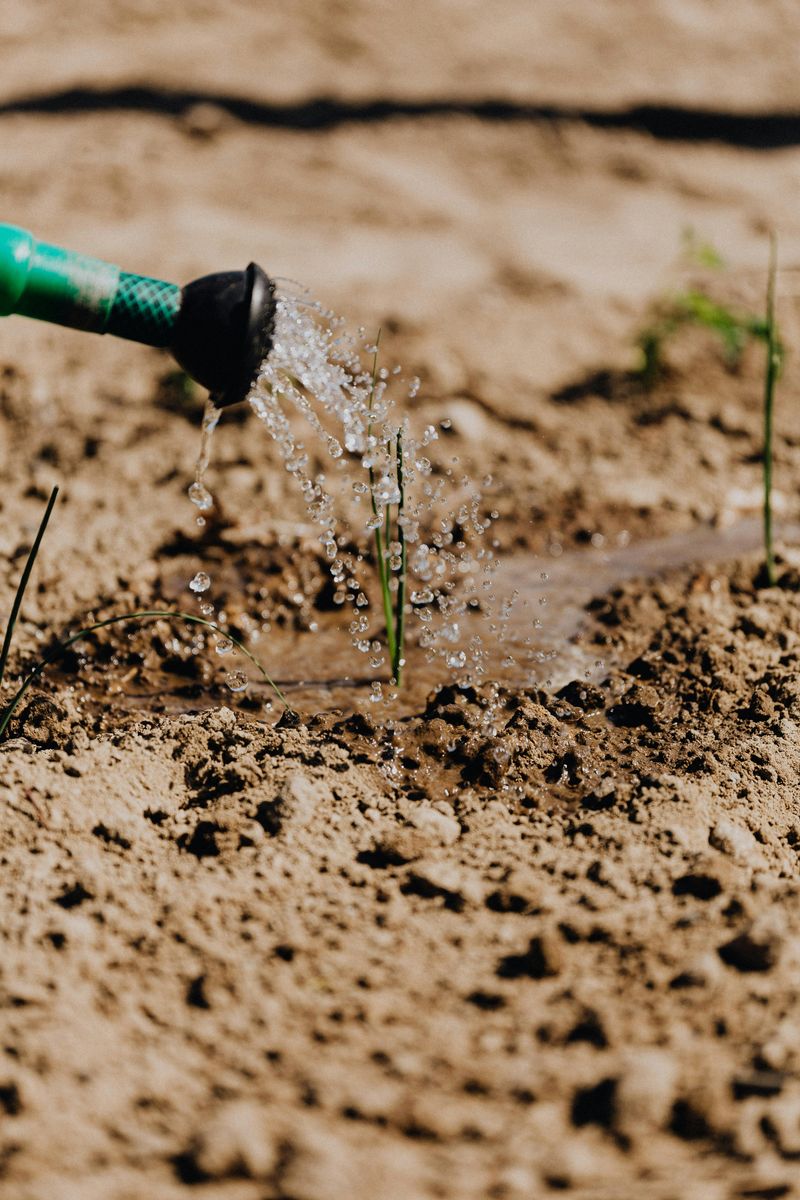
Roots dig deep for water and find nothing but dust. Shallow, frequent watering trains roots to stay near the top of the soil, making plants far more vulnerable to heat and drought stress.
This is one of the sneakiest summer watering mistakes because it actually looks like you are being a dedicated gardener.
When you water lightly every day, moisture only penetrates the top inch or two of soil. Roots follow the water, and shallow roots mean fragile plants.
One hot, windy Kansas afternoon can wipe out weeks of effort if your plants have no deep root system to fall back on.
Deep watering, meaning soaking the soil six to eight inches down, encourages roots to chase moisture deeper into the ground where temperatures stay cooler and more stable.
Your Kansas Garden Changes Every Week. Your Plan Should Too.
Gardening in Kansas changes quickly throughout the season. Every Friday you’ll receive a simple weekly plan showing exactly what to plant, prune, fertilize, harvest, and protect so you never miss the right timing.
Watering deeply two or three times per week beats a quick sprinkle every morning. It pushes roots downward where soil stays cooler and holds moisture longer.
In Kansas, sandy ground drains fast and may need more frequent watering. Heavy clay holds moisture well and rewards the deep, infrequent approach.
A simple soil probe or wooden dowel can tell you exactly how deep your water is actually reaching.
Train your plants to be tough, not dependent. Deep roots are survival roots, and that is exactly what Kansas summers demand.
3. Using Overhead Sprinklers In The Evening
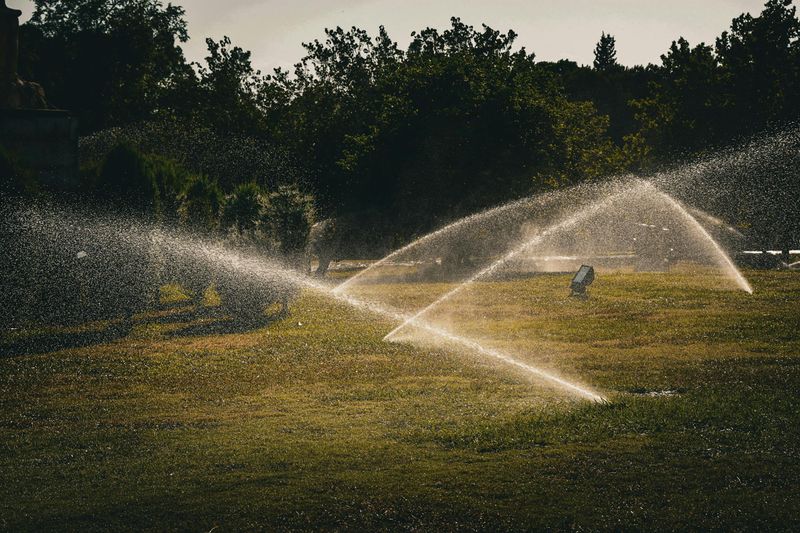
Evening watering feels kind. Your plants pay for it by morning. Wet foliage overnight is an open invitation for powdery mildew, leaf spot, and blight to take hold.
Kansas humidity combined with wet leaves overnight is practically a welcome mat for plant pathogens. Tomatoes, squash, roses, and many other common garden plants are especially prone to fungal problems when their leaves stay damp through the night.
Once a fungal infection takes hold, it spreads fast and can be tough to manage without chemical treatments. Prevention is always easier than damage control when it comes to plant disease.
If evening watering is your only practical option, switch from overhead sprinklers to drip irrigation or soaker hoses. These systems deliver water directly to the root zone, keeping foliage dry and dramatically reducing disease risk.
Your plants get the hydration they need without the overnight soaking that invites trouble. Choosing the right watering method matters just as much as choosing the right time. A small equipment change now can save you a garden full of headaches later in the season.
4. Watering On A Fixed Schedule Instead Of Checking Soil Moisture
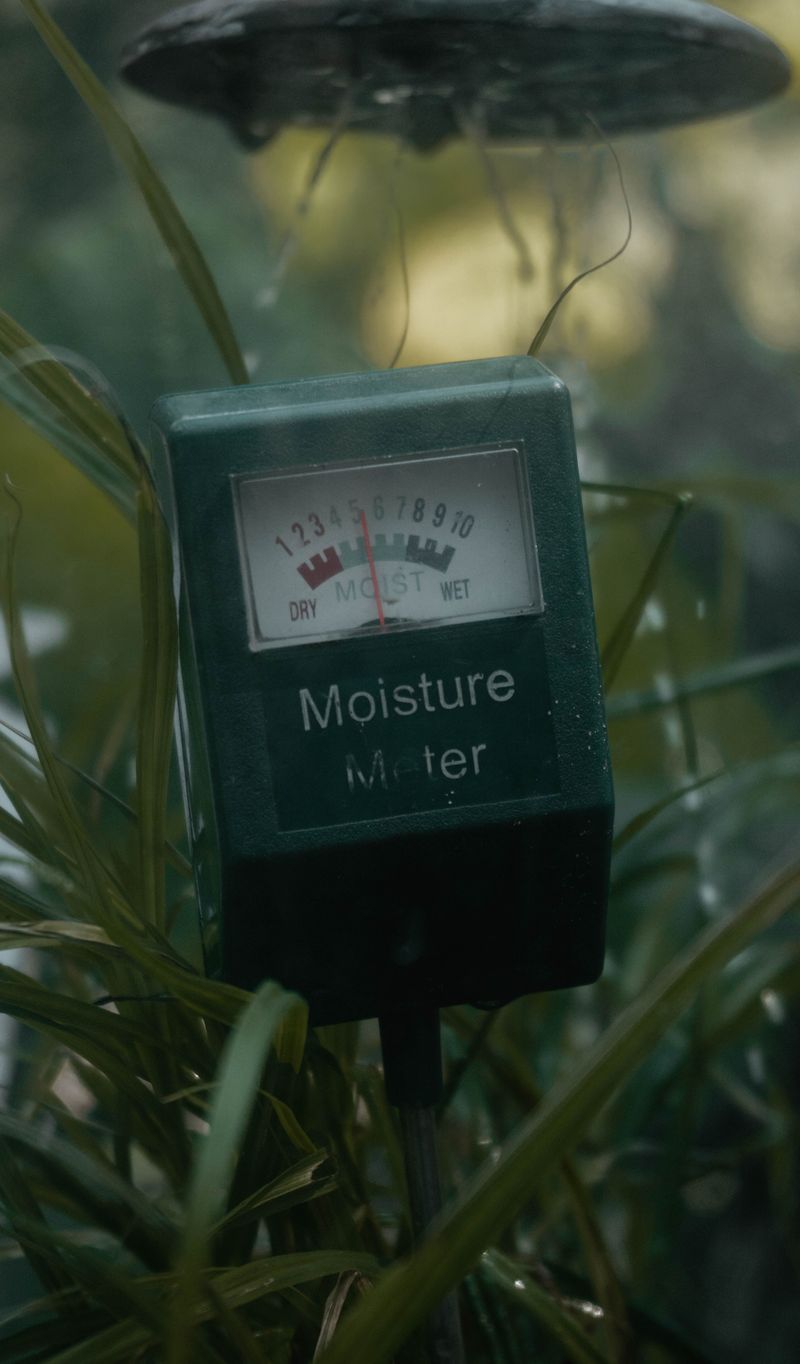
Your garden does not own a calendar. Fixed watering schedules ignore what is actually happening in your soil.
Recent rainfall, temperature swings, and plant growth stages all change what your garden actually needs.
Rigid routines are one of the most overlooked summer watering mistakes among home gardeners.
A heavy rainstorm on Monday means your scheduled Wednesday watering might drown roots that are already sitting in saturated soil.
Overwatered roots suffocate and rot, and the damage often looks identical to drought stress, which makes it doubly confusing.
Many gardeners end up adding more water to plants that actually need less. The simplest fix costs nothing at all: stick your finger two inches into the soil before you water.
If it feels damp, wait another day. If it feels dry and crumbly, it is time to water thoroughly. Inexpensive soil moisture meters are also widely available and take the guesswork out of the equation entirely.
Learning to read your soil instead of your schedule puts you in sync with your garden’s actual needs. That kind of attentiveness is what separates thriving gardens from struggling ones all summer long.
5. Skipping Mulch
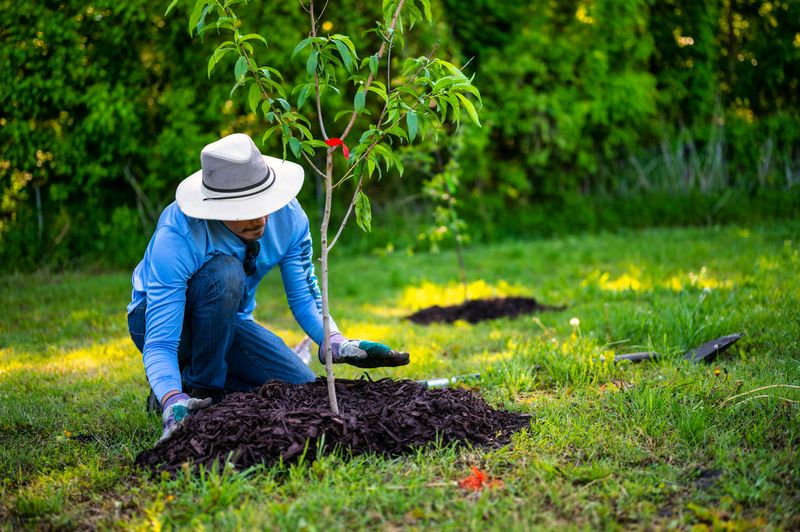
Bare Kansas soil in summer loses moisture faster than any hose can replace it. Skipping mulch is a mistake that forces you to water far more often than necessary while watching your plants struggle anyway.
A two-to-four-inch layer of organic mulch around your plants is one of the most powerful tools in your summer gardening arsenal.
Mulch acts as a physical barrier between the hot sun and your soil, slowing evaporation dramatically.
Mulched garden beds can retain moisture significantly longer than bare soil, depending on mulch type and conditions.
In a Kansas July, that difference can mean the gap between a garden that thrives and one that barely survives.
Wood chips, straw, shredded leaves, and compost all work well as mulch materials. Spread it generously around the base of plants, keeping it a couple of inches away from stems to prevent rot.
As organic mulch breaks down over the season, it also feeds your soil with nutrients, creating a slow-release bonus for your plants.
Mulching once in early summer can cut your watering frequency nearly in half. That is less work, less water, and healthier plants all the way through fall.
6. Watering All Plants The Same Way
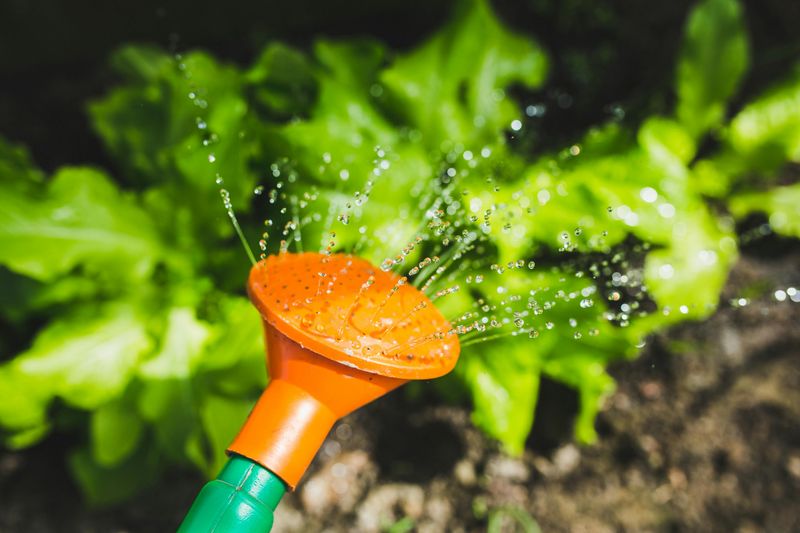
Treating every plant in your garden like it has identical thirst is like feeding steak to a goldfish. Different plants have wildly different water needs. A one-size-fits-all approach leaves some drowning while others parch.
Knowing your plants is just as important as knowing your soil. Succulents and native prairie plants like black-eyed Susans and coneflowers are naturally drought-tolerant and can suffer from root rot if overwatered.
On the other hand, vegetables like tomatoes, cucumbers, and peppers need consistent, deep moisture to produce well and avoid problems like blossom end rot.
Grouping plants by water needs, a practice called hydrozoning, makes managing your garden far more efficient.
Container plants also need special attention because pots dry out much faster than in-ground beds, sometimes requiring daily watering during a heat wave.
Meanwhile, established trees and shrubs need far less frequent watering than annuals or vegetables.
Taking a few minutes to research each plant’s specific moisture preferences pays off enormously over a long, hot summer. Your garden is a community of individuals, not a uniform crowd.
Treat each plant according to its own needs, and the whole garden rewards you with better growth and fewer problems.
7. Not Accounting For Clay Soil’s Slow Drainage
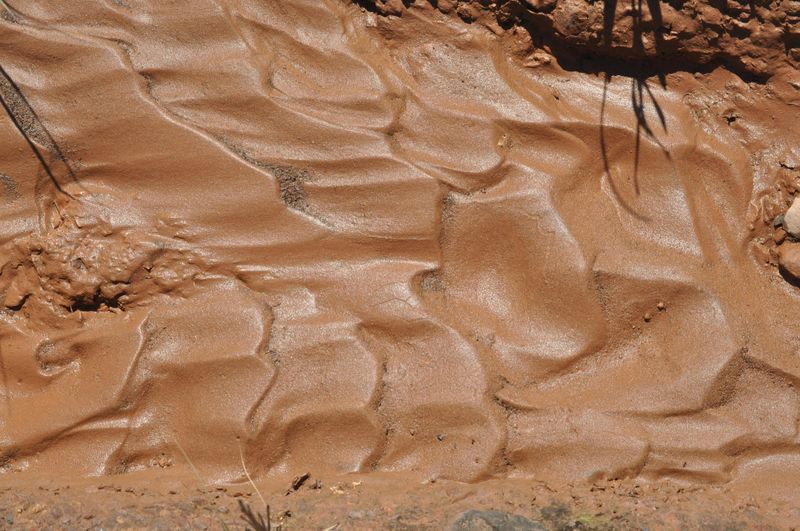
Kansas clay holds water long after you think it is gone. Watering clay soil the same way you would water sandy or loamy soil is a recipe for waterlogged roots and suffocated plants.
Clay particles are incredibly fine and pack tightly together, which slows drainage to a crawl. When you add water to clay faster than it can absorb it, the water pools on the surface and runs off rather than soaking in.
Meanwhile, the soil below might still be saturated from the last watering session. This creates a frustrating situation where the top of the soil looks dry while the root zone is actually oxygen-deprived and soggy.
The solution is to water clay soil slowly and in shorter cycles with breaks in between. Drip irrigation or soaker hoses are ideal because they release water gradually, giving the soil time to absorb it properly.
Amending clay with compost over time also improves its structure, making it more workable and better draining season after season.
Clay soil is not the enemy if you learn to work with its quirks rather than against them. Understanding your soil type is the foundation of every smart watering decision you will make all summer.
8. Mistaking Heat Wilt For Drought Stress
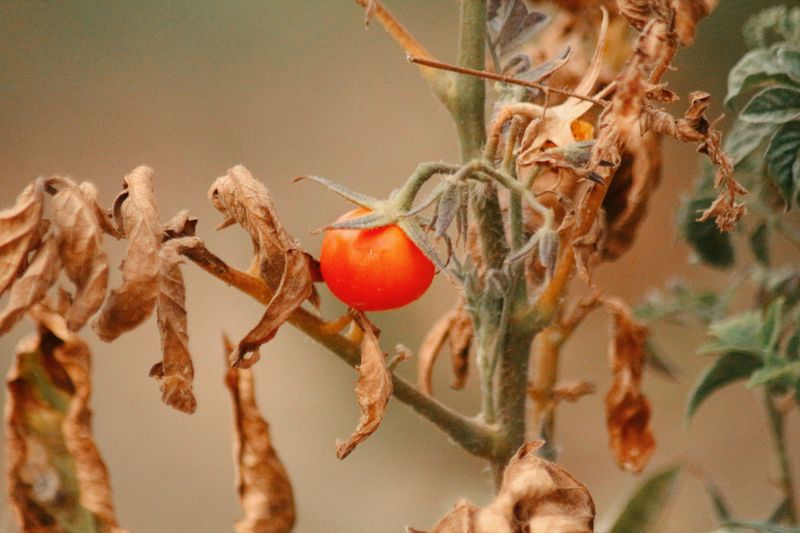
Afternoon wilting looks like thirst. It is often just heat stress. Many plants, especially tomatoes and squash, wilt naturally during the hottest part of the day as a self-defense mechanism to reduce water loss through their leaves.
This is called heat wilt, and it looks almost identical to drought stress but has a completely different cause.
Watering plants that are already in adequately moist soil because they look droopy in the afternoon can lead to overwatering and root problems that compound over time.
The quick test is simple: check the soil moisture two to three inches down. If the soil is still damp, put the hose down and wait until evening to reassess.
True drought stress typically shows up as wilting that does not recover even after temperatures drop in the late afternoon and evening.
Leaves may also feel dry and papery rather than limp and soft. If your plants perk back up once the sun starts to set, heat wilt was the culprit, not thirst.
Learning to tell the difference between these two conditions can save your plants from being loved into a slow decline. Observation is a gardener’s most underrated skill.
9. Underestimating Wind’s Drying Effect

Wind is your garden’s silent thief. Kansas breezes pull moisture from soil and leaves faster than you think.
Ignoring wind when planning your watering routine is a mistake that quietly undermines all your other efforts.
On a calm day, your mulched garden bed might hold moisture comfortably for two days between waterings. On a windy day with gusts over 20 miles per hour, that same bed can dry out significantly faster than expected.
Wind also increases the rate of transpiration, meaning plants lose water through their leaves much faster than normal.
Windbreaks made from fencing, hedges, or even tall companion plantings can dramatically reduce wind exposure and cut moisture loss significantly.
Watering more frequently during windy stretches is sometimes unavoidable, so staying aware of forecasted wind conditions helps you stay one step ahead.
Even adjusting your soaker hose placement to account for prevailing wind direction can improve efficiency.
Respecting the wind means working smarter, not harder, in your garden. Once you start factoring it into your watering plan, you will wonder how you ever ignored it before.
10. Neglecting Newly Planted Trees and Shrubs
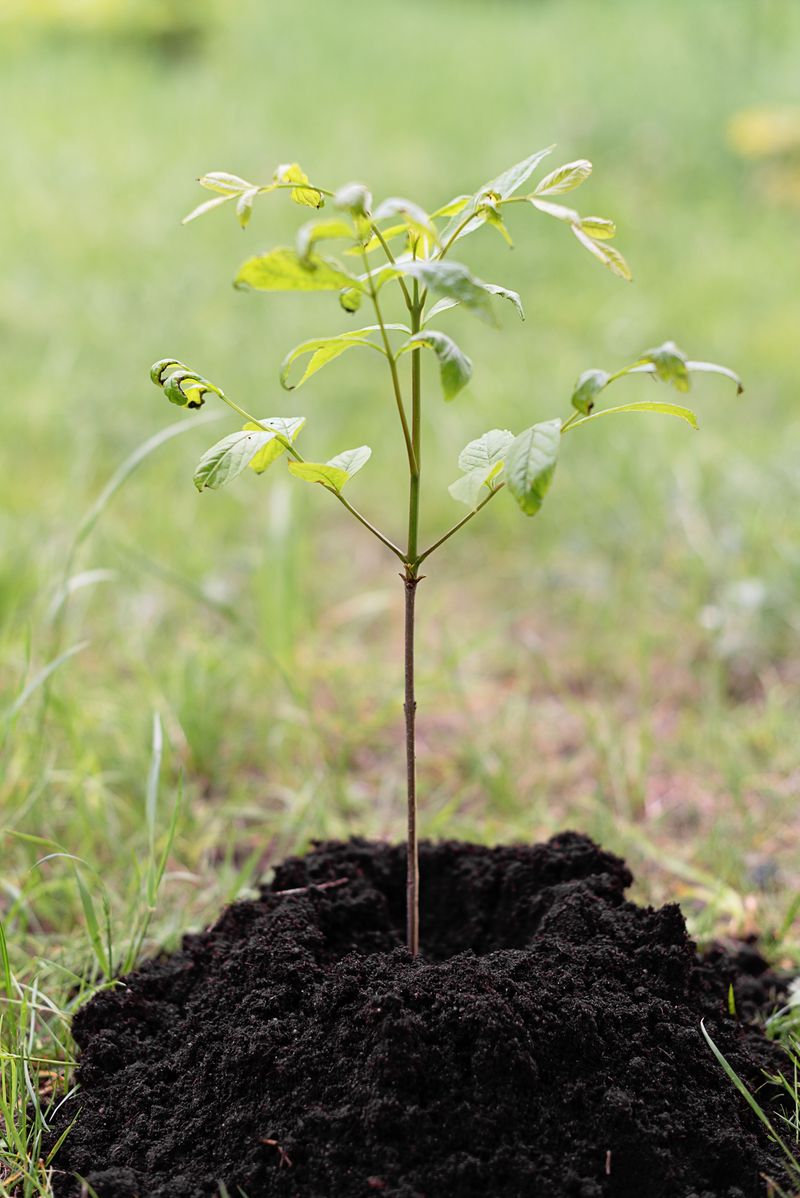
Freshly planted trees and shrubs are in survival mode from day one. Their small root zones dry out shockingly fast in Kansas summers.
Neglecting their watering needs in the first season is one of the most consequential summer watering mistakes a homeowner can make.
Most newly planted trees and shrubs need slow, deep watering two to three times per week for the entire first growing season.
A slow trickle from a hose left at the base for 30 to 45 minutes encourages roots to grow outward and downward into the surrounding soil.
Quick surface watering does almost nothing useful for a plant that is still establishing its underground framework.
Adding a wide mulch ring, at least three feet in diameter, around new plantings helps retain soil moisture and keeps competing grass away from the root zone.
Avoid piling mulch against the trunk itself, as that can trap moisture and invite disease or pest damage.
Think of that mulch ring as a protective investment in your plant’s future. The first summer after planting is the most critical window for a tree or shrub’s long-term health.
Get the watering right now, and you set yourself up for decades of shade, beauty, and resilience.