These Are The Florida Fruit Trees You Should Be Fertilizing Right Now
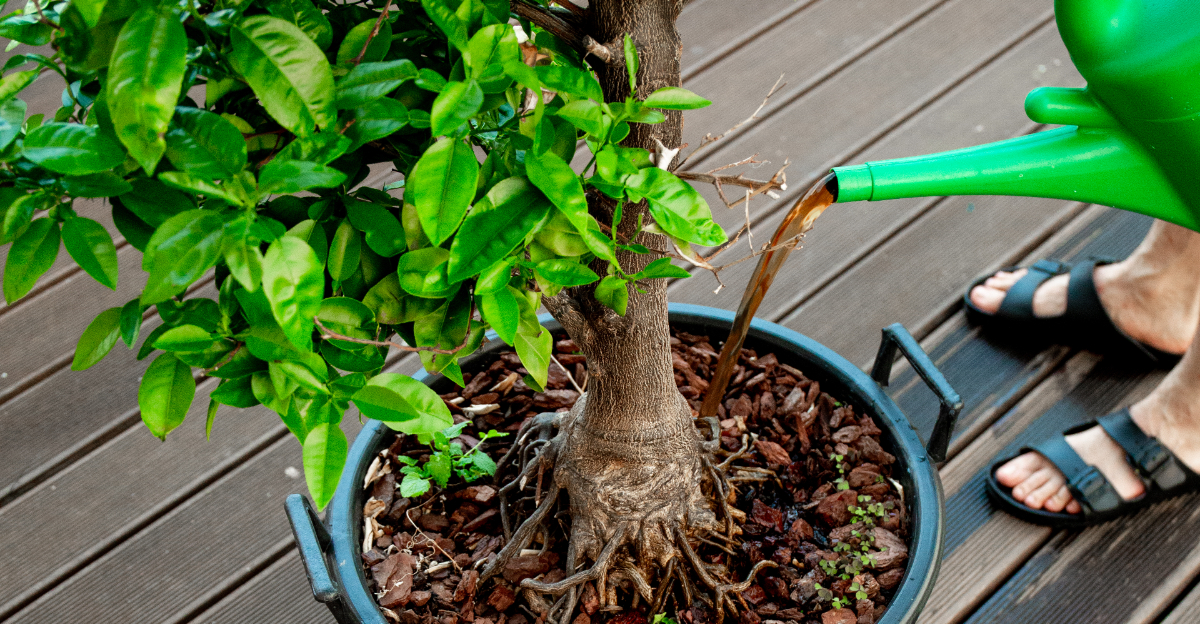
Florida fruit trees are in full growth mode right now and what you do this month shows up directly in your harvest.
Most fruit tree owners fertilize on a loose schedule, whenever they remember, whenever a bag is on sale, whenever the tree starts looking a little off.
That approach costs you fruit and you usually cannot trace it back to the real cause until the season has already passed. Florida’s heat and rainfall burn through soil nutrients fast.
What lingered in the ground through a mild spring is largely gone by now, and actively growing trees are making demands that an unfed root system cannot meet.
The result is smaller fruit, shorter harvest windows, and trees that hit summer stress without the reserves to bounce back cleanly.
Certain fruit trees are especially responsive to a well-timed feeding right now. Miss this window and you are waiting another full year for a second shot.
1. Feed Citrus During Its Early Summer Window
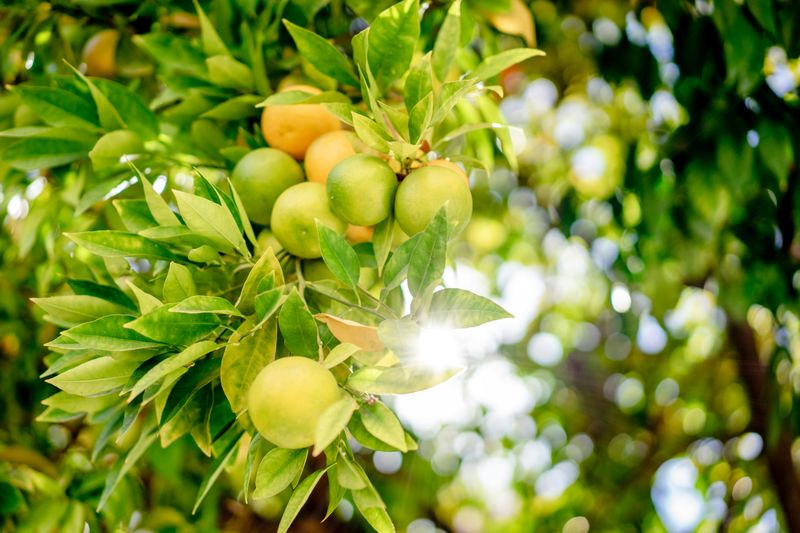
Summer settles in, the afternoon clouds start building, and your citrus tree is already pushing a flush of bright new growth.
For many bearing citrus trees, June can fit within the early-summer fertilizer window that UF/IFAS supports, but the details matter more than the calendar date.
UF/IFAS recommends that mature bearing citrus trees in home landscapes receive three fertilizer applications per year. These are typically made in late January or February, May or June, and October.
The May-June window is real, but it is not a blanket rule. Young trees have different needs and may follow a more frequent, lighter-application schedule during their first few years of establishment.
Sandy soils across much of this state drain quickly, and summer rains can leach nutrients before roots have a chance to absorb them. That makes timing and rate especially important.
UF/IFAS guidance recommends following label directions carefully and avoiding extra nitrogen. Too much nitrogen can encourage excessive leafy growth at the expense of fruit quality and tree health.
Use a complete citrus fertilizer that includes micronutrients such as magnesium, manganese, and zinc, which sandy soils often lack. Spread it evenly under the canopy, water it in if rain is not expected soon, and keep fertilizer away from the trunk.
One more thing to check before you apply: local fertilizer ordinances. Some counties restrict nitrogen and phosphorus products during the rainy season.
Fruit trees may or may not be exempt depending on your local rules, so confirm with your county Extension office first.
2. Fertilize Mango Trees While Summer Growth Is Active
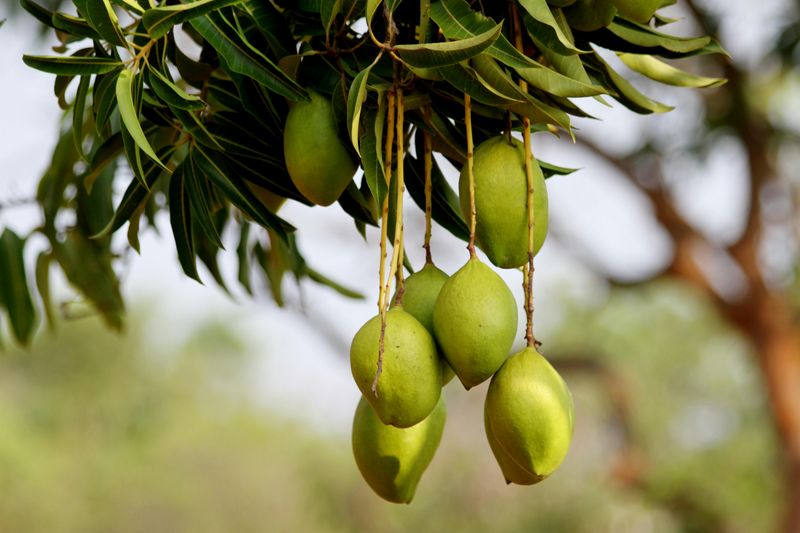
By June, the warmth has fully arrived across central and southern Florida regions. Mango trees respond by pushing new flushes of growth and, on some trees, carrying fruit that set earlier in the season.
This active growing period is one of the reasons summer fertilizing matters for mangoes, but the approach depends heavily on the tree’s age and fruiting stage.
UF/IFAS guidance draws a clear line between young and mature mango trees.
Your Florida Garden Changes Every Week. Your Plan Should Too.
Gardening in Florida changes quickly throughout the season. Every Friday you’ll receive a simple weekly plan showing exactly what to plant, prune, fertilize, harvest, and protect so you never miss the right timing.
Young trees, generally in their first few years, often benefit from lighter applications made more frequently throughout the warm season to support steady establishment and growth.
Mature bearing trees are typically managed with fewer annual applications, and the nutrient balance shifts. UF/IFAS recommends lower nitrogen and higher potassium for bearing trees.
Too much nitrogen can push leafy vegetative growth at the expense of flower and fruit production.
Mango is primarily suited to warmer central and southern regions and some protected coastal areas. Northern regions are generally too cold for reliable mango production, so this recommendation does not apply statewide.
If you are in a marginal zone, your tree’s history with cold exposure matters when planning any fertilizer program.
Apply fertilizer evenly under the canopy, extending to the drip line. Water it in well after application.
Avoid piling fertilizer near the trunk, and always follow label rates. More is not better with mangoes.
Pushing excess growth late in the season can reduce next year’s flowering cycle, which typically depends on a period of cooler, drier conditions to trigger bloom.
3. Give Avocados Their Summer Nutrients And Sprays
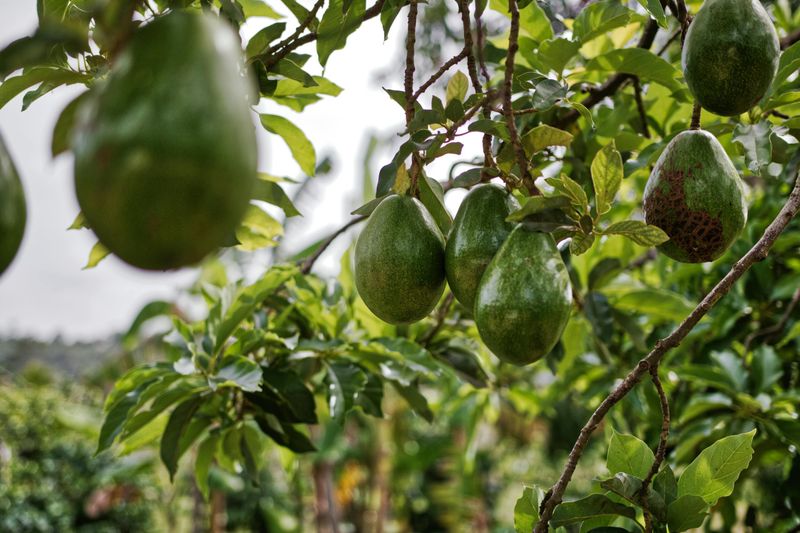
Glossy new leaves catching the morning light, a canopy filling in fast, maybe a few developing fruits tucked under the foliage.
June is an active time for avocado trees in warmer regions, and that activity is a signal that the tree may be ready for summer care.
UF/IFAS guidance for avocado trees recommends multiple fertilizer applications throughout the year during the active growing season.
Spring through summer is a key window, and June can fall squarely within it depending on your tree’s schedule and condition.
UF/IFAS also supports the use of nutritional sprays during this period, particularly for micronutrients that sandy or alkaline soils may not supply reliably.
Zinc, manganese, and boron are among the nutrients that avocados can show deficiencies in under local soil conditions.
Avocado care is not one-size-fits-all. Tree age, cultivar, soil type, and whether the tree has known micronutrient problems all shape the right approach.
A young tree being established needs different management than a mature tree carrying a heavy fruit load. If your tree has shown yellowing leaves or unusual growth patterns, a soil or tissue test can take the guesswork out of what to apply.
Avocados are best suited to warmer central and southern regions and protected coastal sites.
Cold exposure is one of the biggest limiting factors for this tree across the peninsula, and trees in borderline areas may already be dealing with stress that affects how they respond to fertilizer.
Always follow label directions, keep fertilizer spread evenly under the canopy, and water it in after application to move nutrients toward the root zone.
4. Keep Bananas On Their Warm Season Feeding Schedule
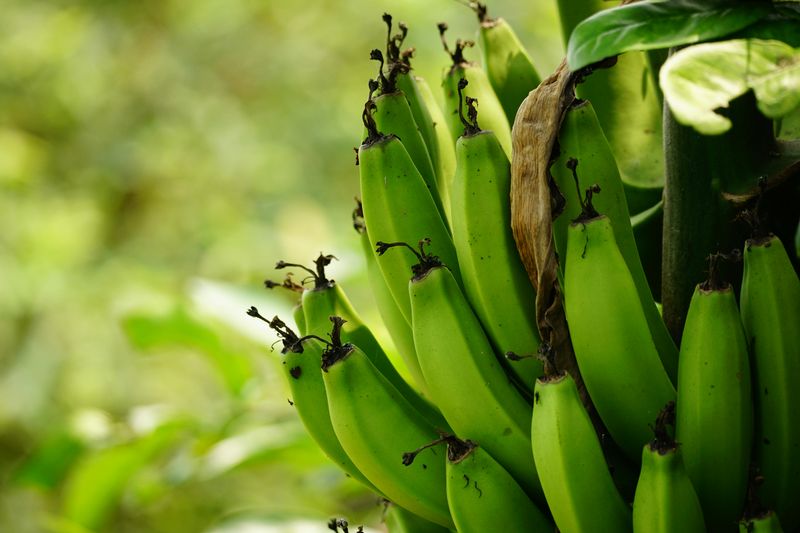
Those giant leaves unfurl almost overnight in June heat. If you grow bananas, you already know the pace at which they move once warm weather locks in, and that rapid growth comes with an equally rapid demand for nutrients.
Bananas are heavy feeders, and UF/IFAS guidance reflects that. In this state’s sandy, low-fertility soils, regular fertilization during the warm season is important for keeping plants productive.
UF/IFAS recommends applying dry fertilizer to bananas regularly during periods of active growth. Micronutrients may also be needed during the warm months, particularly in soils that drain quickly and do not hold nutrients well.
A balanced fertilizer that includes potassium is especially valuable for bananas. Potassium supports fruit development and overall plant vigor.
When applying dry fertilizer, spread it evenly around the base of the plant but keep it away from the pseudostem, which is the thick stalk made of tightly wrapped leaf bases. Direct contact with the pseudostem can cause irritation to the tissue.
Water the fertilizer in well after applying, and avoid creating conditions where runoff carries nutrients off the property.
Regional differences are real with bananas. In southern regions, warm temperatures persist nearly year-round, so plants may grow and produce with fewer cold interruptions.
In northern regions, cold snaps can set plants back significantly, cutting the productive warm season shorter and affecting how and when you fertilize.
Check local fertilizer ordinances before applying in June. Some counties restrict nitrogen applications at the start of the rainy season, and the rules around ornamental and edible plants can vary.
Your county Extension office is the best place to confirm what applies to your yard.
5. Feed Guava Trees Before Summer Rains Take Over
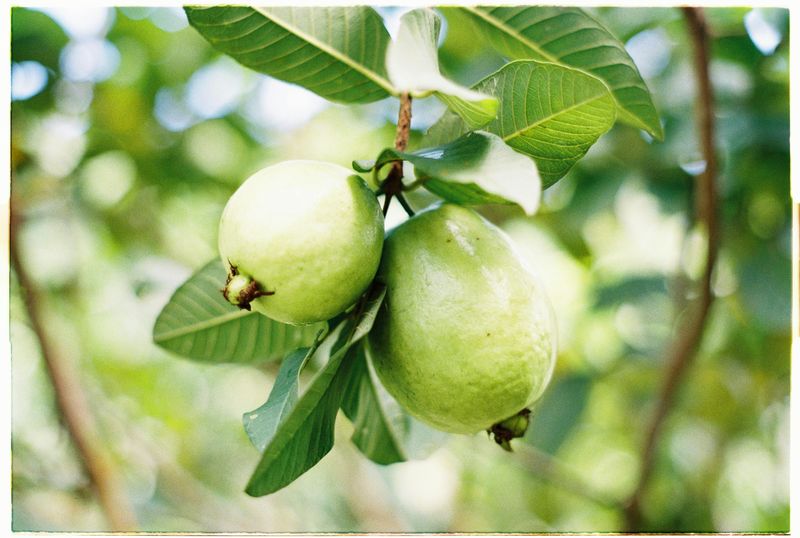
Right before the rainy season shifts into full gear is actually a smart moment to think about guava fertilizer. Once the daily downpours become routine, nutrients applied to sandy soil can leach away quickly, making timing a bigger factor than many homeowners realize.
UF/IFAS guidance for guava depends on tree age. Young guava trees generally benefit from lighter, more frequent applications during the warm season to support steady establishment.
Mature trees are typically managed with fewer annual applications. UF/IFAS notes that nutritional sprays may be used from spring through summer when micronutrient deficiencies are present or suspected.
Such deficiencies are common in the well-drained, low-organic soils found across much of this state.
Guava is a fast grower and a reliable producer in the right conditions. Applying fertilizer before heavy rain patterns set in gives the tree a better chance to absorb nutrients before they move through the soil profile.
Follow label directions for rate and timing, and watch the tree for signs of deficiency such as yellowing between leaf veins or slow, weak new growth.
Guava is better suited to warmer central and southern regions and protected coastal sites. Trees in more northern areas face cold exposure that can limit production and affect how the tree responds to fertilizer programs.
If your tree has experienced cold damage in recent seasons, factor that into your approach before applying.
Keep fertilizer spread evenly under the canopy and away from the trunk. Water it in if rain is not immediately expected.
And as always, confirm your county’s rainy-season fertilizer rules before you apply anything to the yard.
6. Fertilize Apples And Pears In Northern Regions This Month
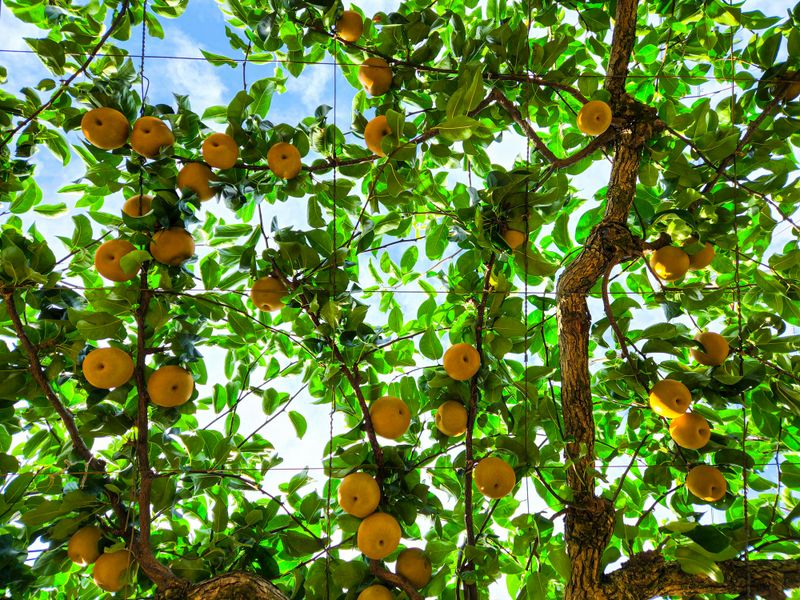
Walk through a home orchard in the northern part of this state in June and you may see something that looks out of place compared to tropical yards farther south.
Apple and pear trees are leafed out in a temperate-style setting and carrying fruit from a long chill season.
Apples and pears are not tropical trees, and their management does not follow the same calendar as citrus, mango, or avocado.
For these trees, June fertilizer timing is mainly relevant to northern regions, where UF/IFAS home orchard calendars support a summer application following the spring growth flush.
This is not a statewide recommendation. Homeowners in central and southern regions are generally not growing apples or pears successfully, since these trees require a certain number of chill hours during winter to flower and fruit reliably.
Site, cultivar selection, chill hour accumulation, and regional climate all shape whether an apple or pear tree thrives in a given location.
UF/IFAS recommends choosing low-chill cultivars suited to northern regions and following local Extension timing for fertilizer applications.
The goal in June is to support the tree through the active growing season without pushing tender new growth too late, which could create problems if an early cold event arrives in fall.
Avoid heavy nitrogen applications that encourage excessive soft growth. Follow your local county Extension calendar for specific timing and rates.
If you are unsure whether your location supports apples or pears, a conversation with your county Extension office will save you a lot of guesswork and potential disappointment down the road.
7. Give Persimmons And Plums Their Timed Summer Feeding
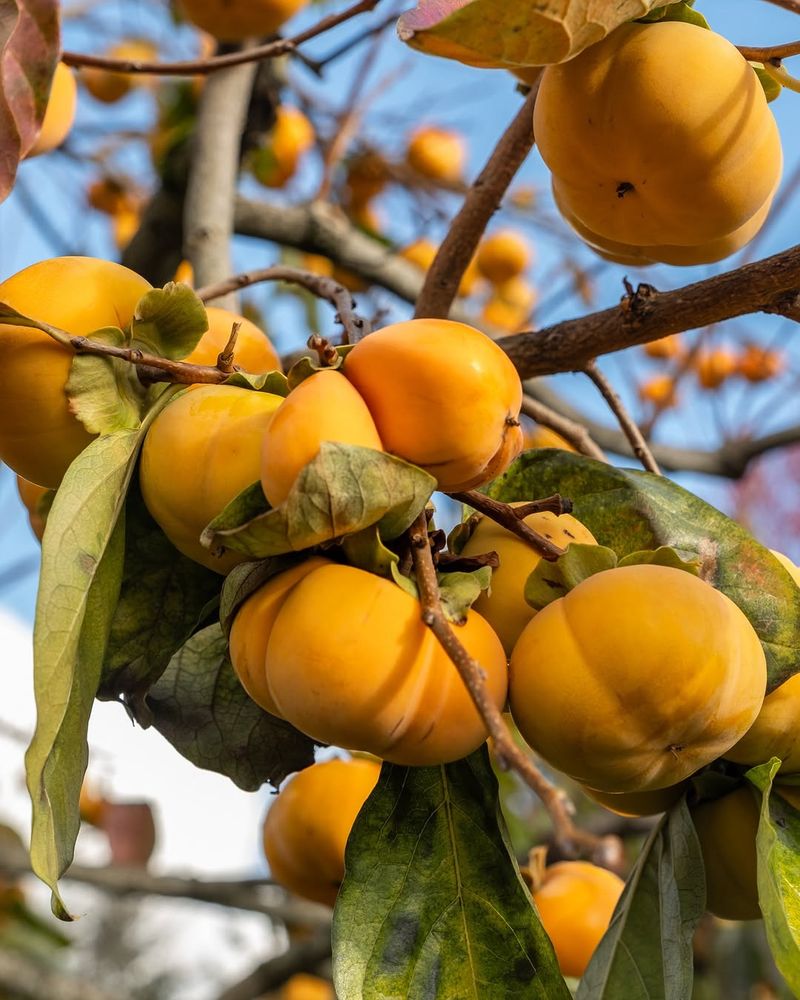
Picture a homeowner standing in a modest backyard orchard in northern regions, printed Extension calendar in hand, comparing the date to a handwritten note about when to fertilize the persimmon and the plum trees growing side by side.
That kind of careful, calendar-based approach is exactly what UF/IFAS home orchard guidance encourages for these trees.
Persimmons and plums are managed differently from the tropical and subtropical fruit trees on this list. They belong more to the temperate-style home orchard tradition, and their fertilizer schedules reflect that.
UF/IFAS guidance for northern-region home orchards can include June fertilization for persimmons and a timed summer application for plums. The exact timing depends on the tree’s growth stage and the management calendar being followed.
These are not the same recommendations that apply to citrus or mango, and they should not be treated as such.
Matching fertilizer timing to the tree’s actual growth stage matters here. Applying nutrients at the wrong time, especially late in summer, can push new vegetative growth that does not have enough time to harden before cooler fall temperatures arrive.
Follow your local county Extension calendar closely rather than relying on general advice. Timing windows for temperate-style fruit trees in this state are narrower than for tropical species.
Use a complete fertilizer with appropriate nitrogen levels for the tree’s age and size. Avoid guessing on rates.
Spread fertilizer evenly under the canopy, water it in, and keep records of what you applied and when. That habit pays off over multiple seasons by helping you spot patterns in tree performance and adjust your program before small issues become bigger ones.