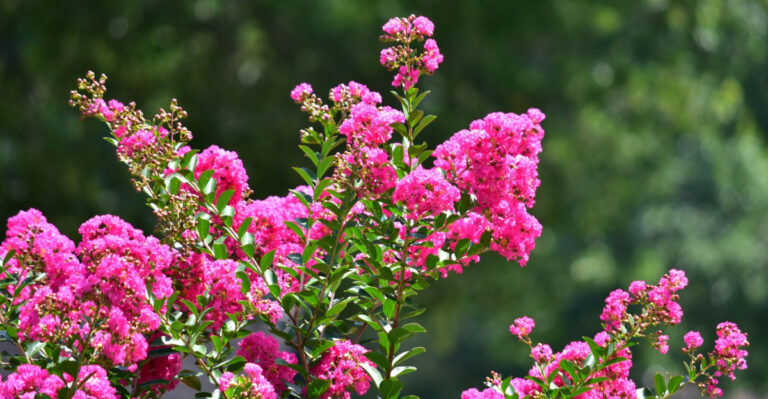
8 Things Tennessee Crape Myrtles Need Before July Ends
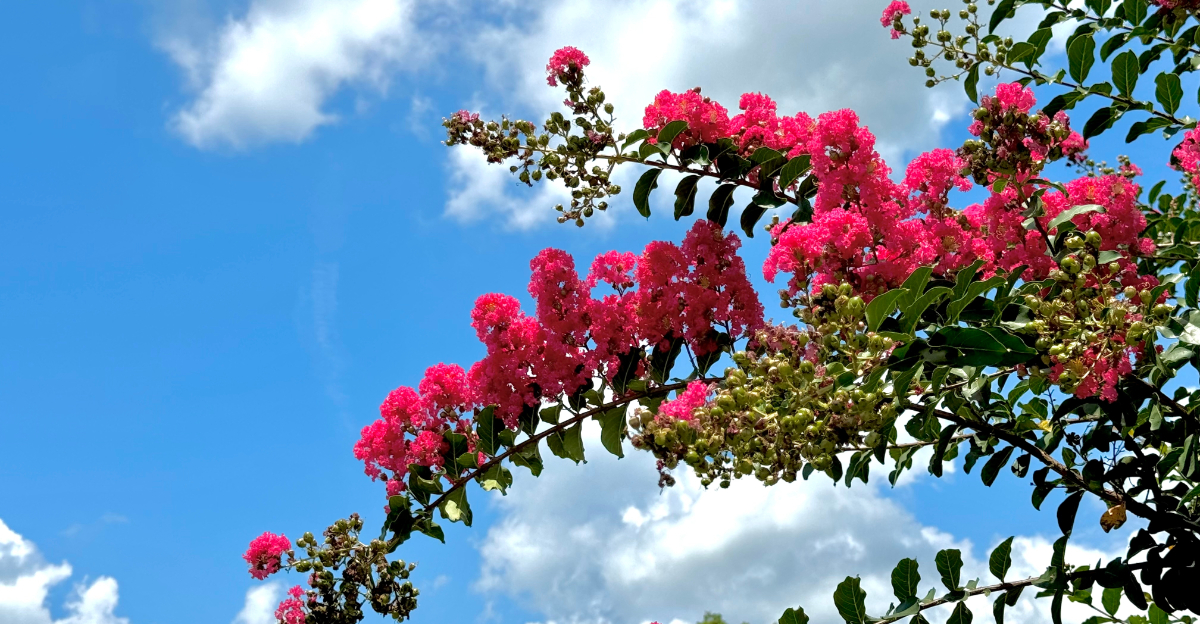
July in Tennessee doesn’t ease in. It shows up with thick heat, sticky air, and afternoons that test every plant in the yard.
Crape myrtles handle it better than most, but late summer still catches some off guard. A tree that looked full in June can suddenly drop blooms or stall out.
These trees are built for Southern summers, but they still lean on you for the basics. Water timing, root support, and smart pruning make the difference between a tree that limps along and one that keeps blooming.
Here are eight things your crape myrtle needs before July wraps up, so it keeps its color through fall instead of fading early.
1. Give Established Trees A Second Light Feeding
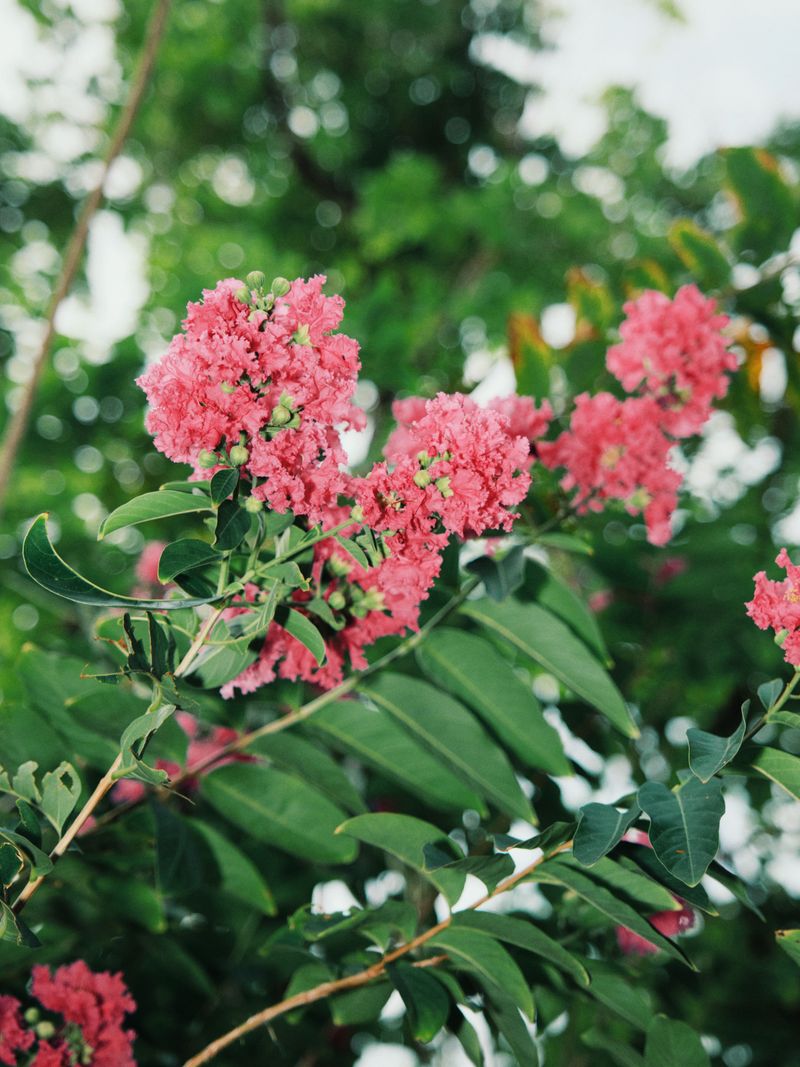
Feeding your crape myrtles in midsummer is like giving a marathon runner a snack at mile thirteen. A second light feeding can push trees into a stronger bloom cycle.
Most trees got their first feeding back in spring, and that boost has mostly worn off by now. A small nutrient top-up helps the tree keep producing flowers.
Use a balanced, slow-release fertilizer like 10-10-10 or 8-8-8, applied around the drip line. Water it in well after applying.
Too much fertilizer mid-season encourages leafy growth instead of blooms. A light hand works best during active flowering.
Established trees, meaning those in the ground two or more years, are the best candidates. Newly planted trees should skip this step entirely.
Their root systems are still adjusting to the ground around them. Extra fertilizer at this stage can add unnecessary stress.
Check the fertilizer label first, since some slow-release products last three to four months. If your spring feeding is still active, skip ahead to late summer.
Trees planted in containers may need slightly lighter doses than those in the ground. Container soil holds less volume to buffer against overfeeding.
A well-timed second feeding shows up clearly in bloom count within a few weeks. It is one of the simplest ways to boost color heading into August.
Water the tree well a day or two before feeding rather than right after a dry spell. Applying fertilizer to parched soil can burn roots instead of feeding them.
2. Remove Spent Blooms To Push Out A Fresh Flush
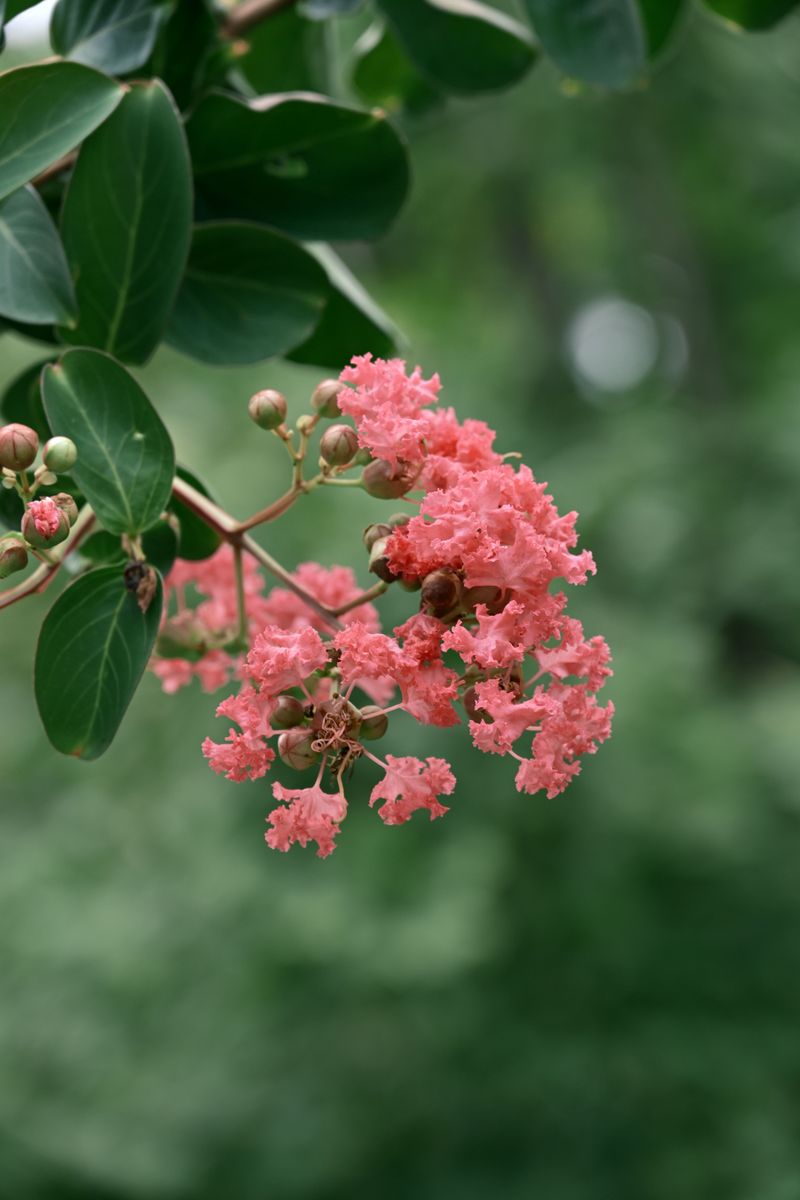
Spent blooms hanging on a crape myrtle look like confetti left on the floor after a party. Removing them signals the tree to produce fresh flowers.
Snip off old seed heads before they fully form, using clean, sharp hand pruners. Cut just below the flower cluster where it meets a side branch.
Avoid cutting into larger sections of branch while doing this. That crosses into pruning territory, which is a separate task for a different season.
The best time is right when blooms start to brown and fade. Don’t wait until the seed pods fully harden.
Getting to it early gives the tree more time to push out a second or even third round of color. Waiting too long shortens that window considerably.
Your Tennessee Garden Changes Every Week. Your Plan Should Too.
Gardening in Tennessee changes quickly throughout the season. Every Friday you’ll receive a simple weekly plan showing exactly what to plant, prune, fertilize, harvest, and protect so you never miss the right timing.
Smaller trees can be done by hand, while larger ones may need a pole pruner. Work your way around the whole canopy for even results.
Some gardeners tackle this task weekly through midsummer rather than all at once. Smaller, regular sessions keep the tree tidy without much effort each time.
This task takes about thirty minutes on a medium-sized tree. The reward is fresh blooms stretching into September and sometimes beyond.
A pair of bypass pruners tends to work better here than anvil-style ones. Bypass blades slide past each other for a cleaner cut that heals faster.
Wipe your blades with a disinfecting solution between trees if you’re working on more than one crape myrtle in the yard. This simple habit stops any disease from spreading between plants.
3. Switch To Deep Weekly Watering As Heat Builds
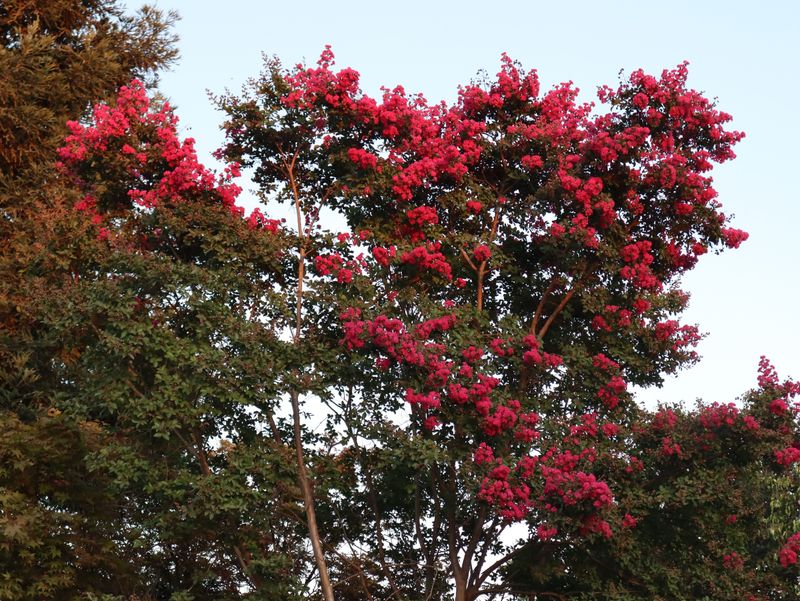
Shallow, frequent watering is a common July mistake that keeps roots near the surface. Surface roots are far more vulnerable to heat and drought.
Deep watering once a week pushes roots downward, chasing moisture deeper into the soil. That deeper root system holds up much better through August heat.
Run a slow drip or soaker hose at the base for thirty to forty-five minutes. This pushes moisture six to eight inches down into the ground.
A quick sprinkle from a garden hose doesn’t reach that depth. It wets only the top layer, which evaporates fast in peak summer heat.
Newly planted trees still need consistent moisture, even though established ones are drought-tolerant. Check the soil two inches down before watering.
If the soil feels dry at that depth, it’s time to water. If it still feels moist, hold off a day or two.
Early morning is the best time to irrigate. Evening watering leaves moisture sitting on leaves overnight, inviting fungal problems.
Morning moisture has time to soak into the soil before the sun climbs high. That timing alone can prevent a lot of disease pressure later.
Clay-heavy Tennessee soils hold water longer than sandy ones, so adjust your schedule accordingly. The goal is moist, never waterlogged, roots all season long.
4. Check For Japanese Beetles Before Populations Explode

Japanese beetles are the uninvited guests that show up every July and eat like they own the place. These shiny, copper-winged insects feed heavily on leaves and chew through flower petals in a matter of days.
They tend to arrive in waves, peaking in early to mid-July across much of Tennessee. Catching them early, before the population builds, is the smartest way to protect your trees.
Once a large group settles in, control gets much harder. Walk around your crape myrtles every few days and look closely at the upper leaves and flower clusters.
Beetles feed in groups and are easy to spot once you know what to look for. Their damage leaves behind lacy leaves with only the veins remaining.
For light infestations, hand-picking is surprisingly effective. Knock beetles into a bucket of soapy water early in the morning when they are sluggish from cooler temperatures.
This method avoids chemicals and works well on smaller trees. For heavier infestations, a pyrethrin-based spray can help reduce populations quickly.
Apply it in the early morning or evening to avoid harming pollinators. Avoid spraying in the heat of the day, since that can stress the tree and reduce spray effectiveness.
Skip the beetle bag traps, since extension specialists note they can attract more beetles to your yard than they catch. Stick with hand removal or targeted sprays for the best outcome this season.
5. Skip Any Pruning Until Late Winter
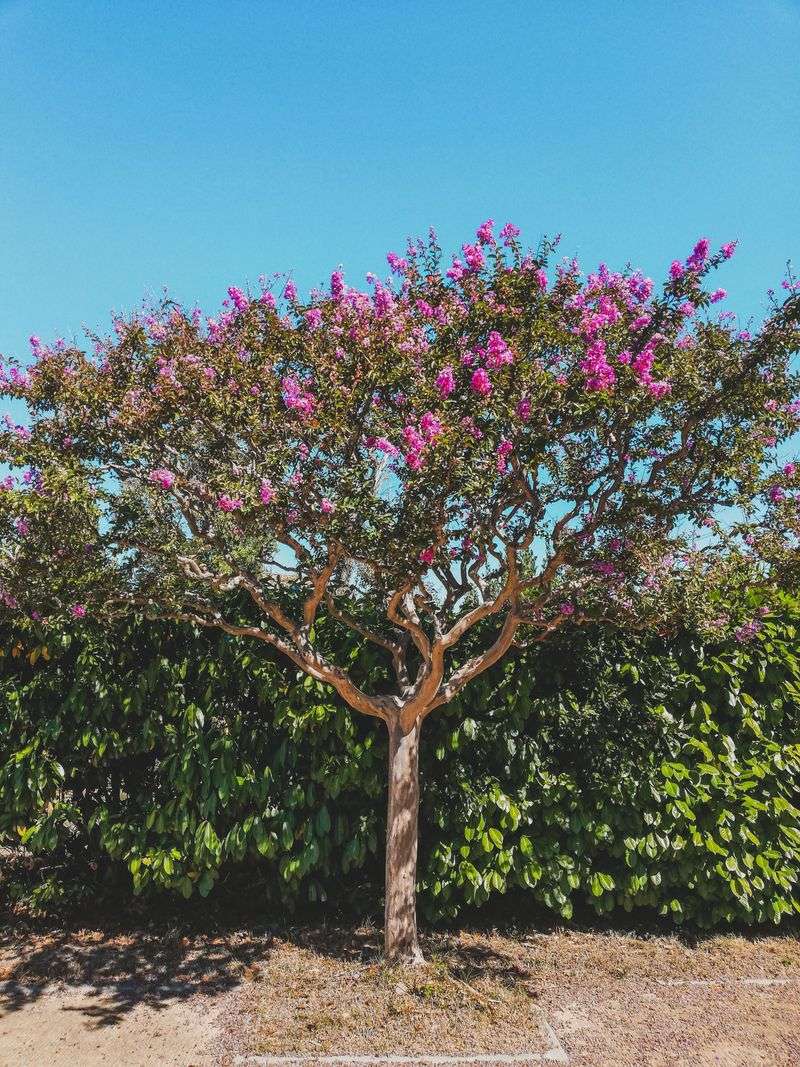
Picking up pruning shears in July feels productive, but it’s one of the worst things for a crape myrtle. Heavy pruning removes next year’s bloom buds.
Cutting these trees back hard mid-season is a well-known mistake among home gardeners. It disfigures trees and reduces long-term flower production.
If you spot crossing branches or bare twigs, you can remove those carefully. Hold off on any major shaping or size reduction until late winter.
Late February or early March, before new growth begins, is the right window. You’ll see the branch structure clearly without foliage in the way.
Cuts made during that dormant window heal quickly once spring growth kicks in. Cuts made now, during active growth, take much longer to recover.
Right now, your only job is to let the tree do its thing. Those branches you’re tempted to cut hold energy for fall blooms.
Removing them now means fewer flowers this season and a longer recovery next year. Patience here pays off far more than a quick trim would.
Step back and admire the color instead. Save the pruning shears for winter, when the tree is ready for them.
A tree left alone through summer often surprises you with how full the canopy becomes by September. That fullness comes directly from buds you didn’t cut back in July.
If you’re unsure whether a branch counts as light shaping or real pruning, wait. When in doubt, it’s always safer to leave the branch for the dormant season.
6. Refresh Mulch To Lock In Root Moisture
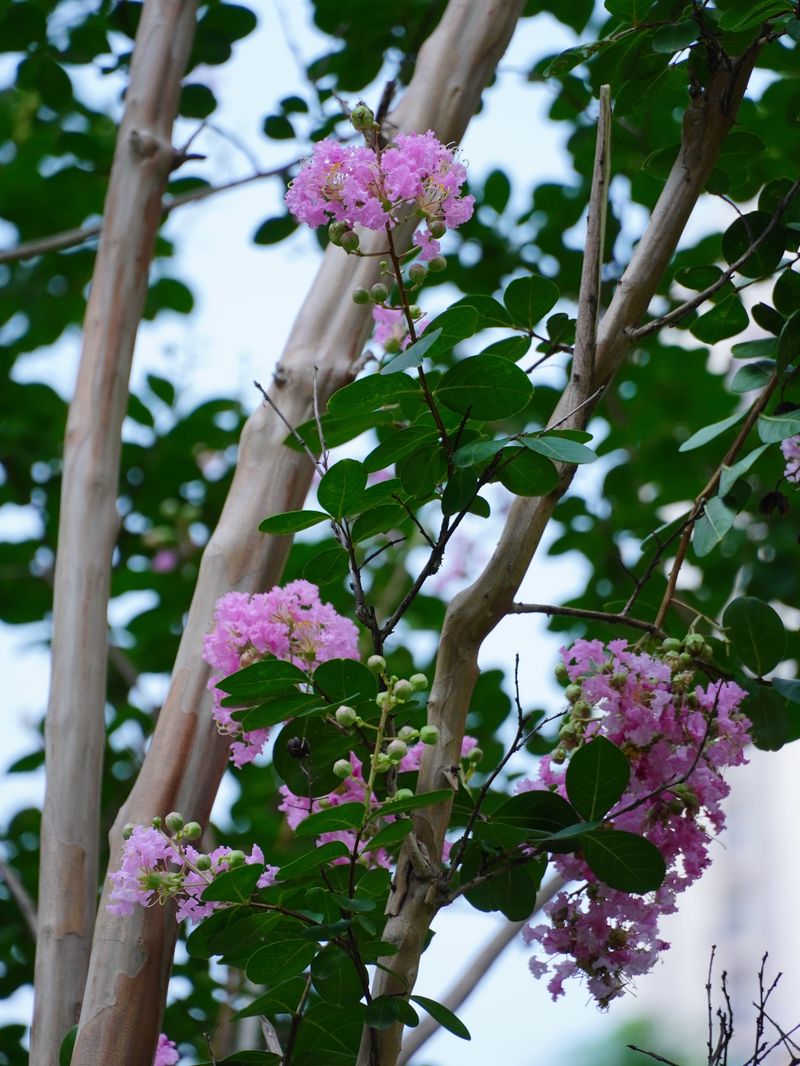
Mulch is one of the most underrated tools in a summer gardener’s kit. A fresh two to three inch layer holds moisture and cools the soil.
By July, spring mulch has usually thinned out, faded, or broken down. Topping it off shields the root zone from the summer sun.
Use shredded hardwood, pine bark, or wood chips, spread in a wide circle. Extend it two to three feet out from the trunk in every direction.
Crape myrtle roots spread much wider than most gardeners expect. A generous mulch ring supports far more of the root system than a small one.
Keep mulch a few inches away from the trunk itself. Piling it against the bark traps moisture and can invite rot or pests.
Think of the shape as a donut around the tree, not a mound against it. That small detail makes a real difference over time.
Cooler soil under mulch keeps roots active and better able to absorb water. That matters enormously during a Tennessee heat wave.
This task costs very little and takes about twenty minutes. Few summer chores offer this much payoff for so little effort.
Avoid dyed mulch varieties if you can find a natural alternative nearby. Some dyed products break down more slowly and add less organic matter to the soil.
Check the mulch depth every few weeks, since heavy rain and foot traffic can compact it over time. Fluffing it up occasionally keeps air and water moving through to the roots.
7. Watch For Powdery Mildew On Humid Days
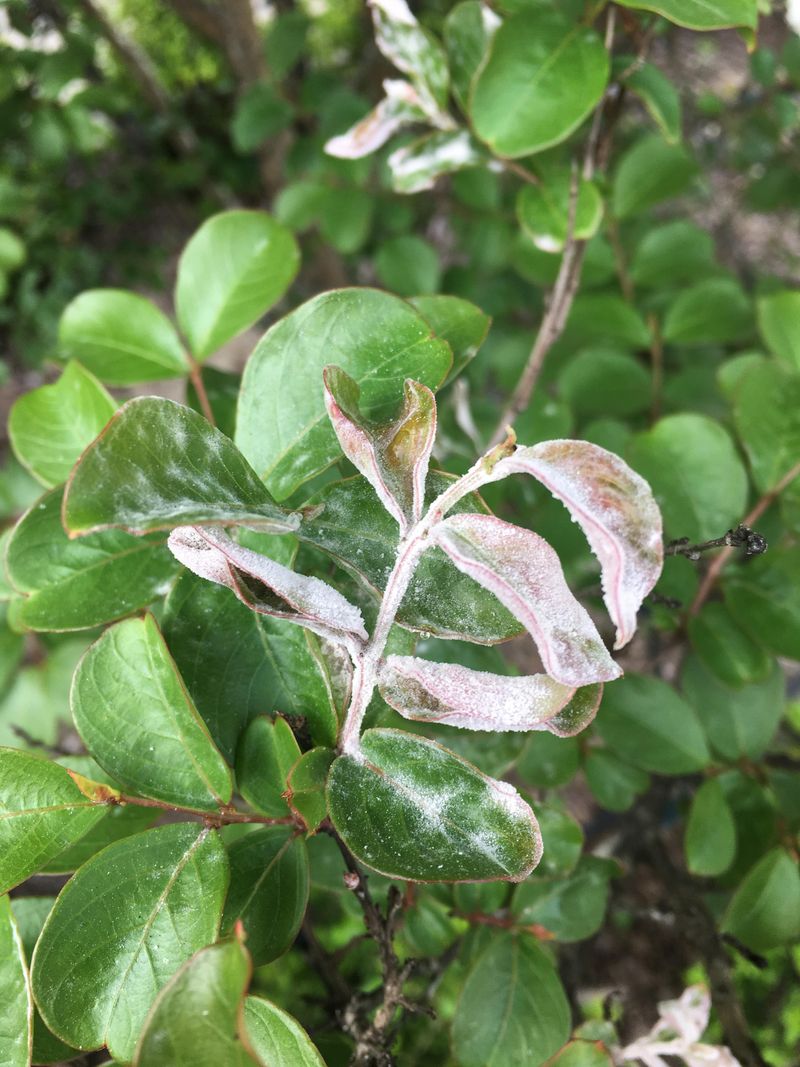
Powdery mildew looks like someone dusted the leaves with white flour. This fungal disease thrives in warm, humid Tennessee summers.
It usually shows up on new growth first, coating young leaves with a grayish film. Affected leaves may curl, yellow, or drop early if untreated.
Severe infections can slow growth and cut into flowering if left unchecked. Catching it early keeps the problem from spreading through the whole canopy.
Some older crape myrtle varieties are far more susceptible than newer hybrids. Natchez, Tuscarora, and Muskogee all have strong resistance built in.
If mildew keeps returning every summer on an older variety, it may be worth planting a resistant type next time. Newer hybrids handle Tennessee humidity far better.
For infected trees, spray diluted neem oil or a baking soda solution. Mix one tablespoon of baking soda with a quart of water and a little dish soap.
Spray affected areas every seven to ten days until the symptoms clear. Consistency matters more than the strength of any single application.
Good air circulation and dry foliage help prevent it in the first place. Avoid overcrowding plants and keep irrigation off the leaves when possible.
A quick weekly check of your foliage takes about two minutes. Catching mildew early saves weeks of treatment later in the season.
8. Avoid Late Nitrogen That Delays Cold Hardiness
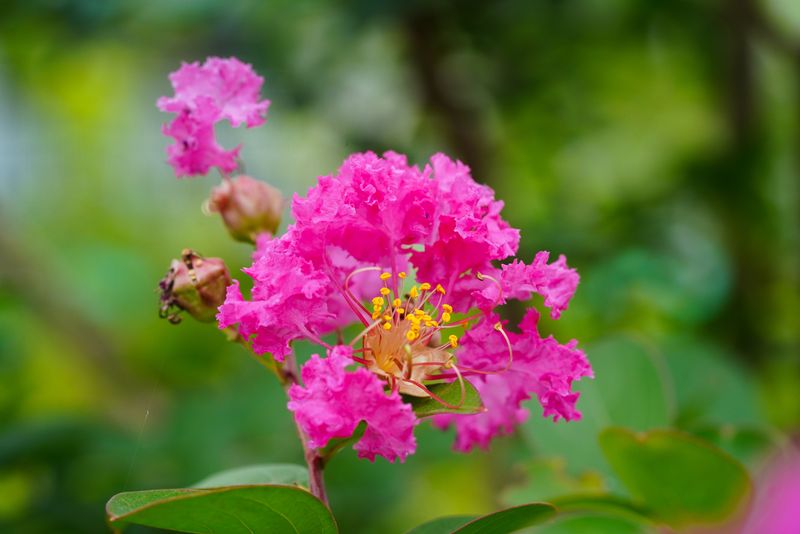
Nitrogen makes plants grow fast and green, but timing matters more than most gardeners realize. Late-summer nitrogen pushes soft growth that has no time to harden.
That tender new growth is extremely vulnerable to frost. A cold snap in October or November can damage it badly before it toughens up.
The result can be damaged branches that take the whole following season to recover from. Avoiding late nitrogen now prevents that setback entirely.
As a general rule, avoid any fertilizer with a high first number after late July. That first number represents nitrogen content on the bag’s label.
If you want to feed your trees once more before summer ends, choose a low-nitrogen formula instead. Something like 3-10-10 works well for this purpose.
Higher phosphorus and potassium numbers support root development without pushing top growth. Stronger roots anchor trees better through winter winds and cold soil.
Tennessee crape myrtles are cold-hardy down to USDA zones 7 and sometimes 6b. That hardiness depends heavily on the tree entering dormancy properly each fall.
Late nitrogen feeding disrupts that natural shutdown process. The tree keeps producing tender growth right when it should be slowing down.
Think of it this way: the tree needs to wind down, not ramp up, heading into fall. Skipping late nitrogen is one of the simplest ways to protect it.