What Texas Pecan Tree Owners Should Do In July For The Best Fall Harvest
July in Texas has a reputation, and your pecan trees are fully aware of it.
While the heat bears down and the soil dries out faster than you can keep up with, something important is happening up in those branches: nuts are actively filling right now, and what you do this month has a direct connection to how your fall harvest turns out.
This is also prime time for the kind of pest activity that catches homeowners off guard, aphids, stink bugs, leaf-footed bugs, and hickory shuckworm showing up quietly before the damage becomes obvious.
Early nut drop can sneak up on you faster than expected.
Deep watering, consistent soil moisture, regular scouting, and keeping an eye out for pecan weevil as late July arrives are the habits that separate a disappointing harvest from a genuinely rewarding one.
1. Water Deeply During Nut Filling
Pecan leaves drooping in the July heat are not just a visual cue that the tree is uncomfortable. They are a signal that the tree may be struggling to move enough water to support the nuts forming on every branch tip.
In Texas, July heat can be relentless, and the demand pecan trees place on soil moisture during nut filling is significant.
Watering deeply means getting water down into the root zone, not just wetting the surface. Shallow, frequent watering encourages roots to stay near the top of the soil where moisture evaporates quickly.
A slow, deep soak that reaches 12 to 18 inches into the soil gives roots access to water that lasts longer between watering sessions.
For most Texas backyard pecan trees, a deep watering every one to two weeks during dry stretches is a reasonable starting point, though sandy soils may need more frequent attention than clay soils.
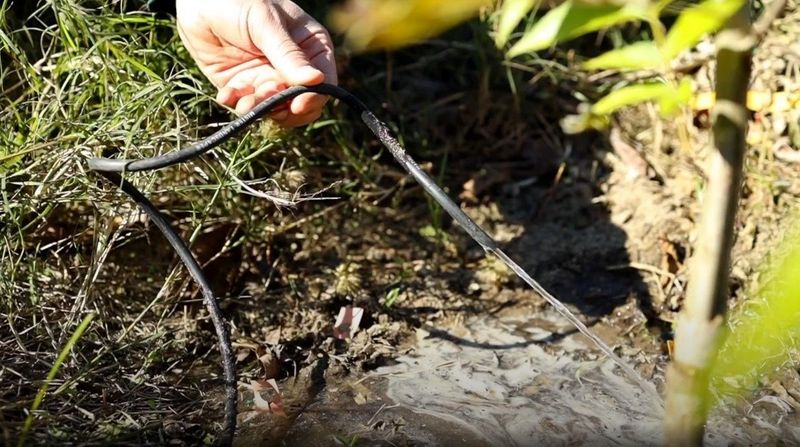
Soaker hoses, drip emitters, or slow-running sprinklers placed around the drip line of the tree work better than a quick spray at the trunk base.
Getting water to where the roots actually are makes a real difference during this critical growth window.
2. Keep Soil Moisture As Consistent As Possible
Small nuts forming on branch tips in July are more sensitive to soil moisture swings than most Texas pecan owners realize. When the soil goes from wet to bone dry and back to wet in short cycles, the tree responds by shedding nuts it cannot support through the stress.
Keeping moisture levels steady, rather than swinging between too dry and too wet, helps the tree hold onto its developing crop.
Mulching around the base of the tree is one of the most practical tools available to homeowners managing soil moisture in Texas summers.
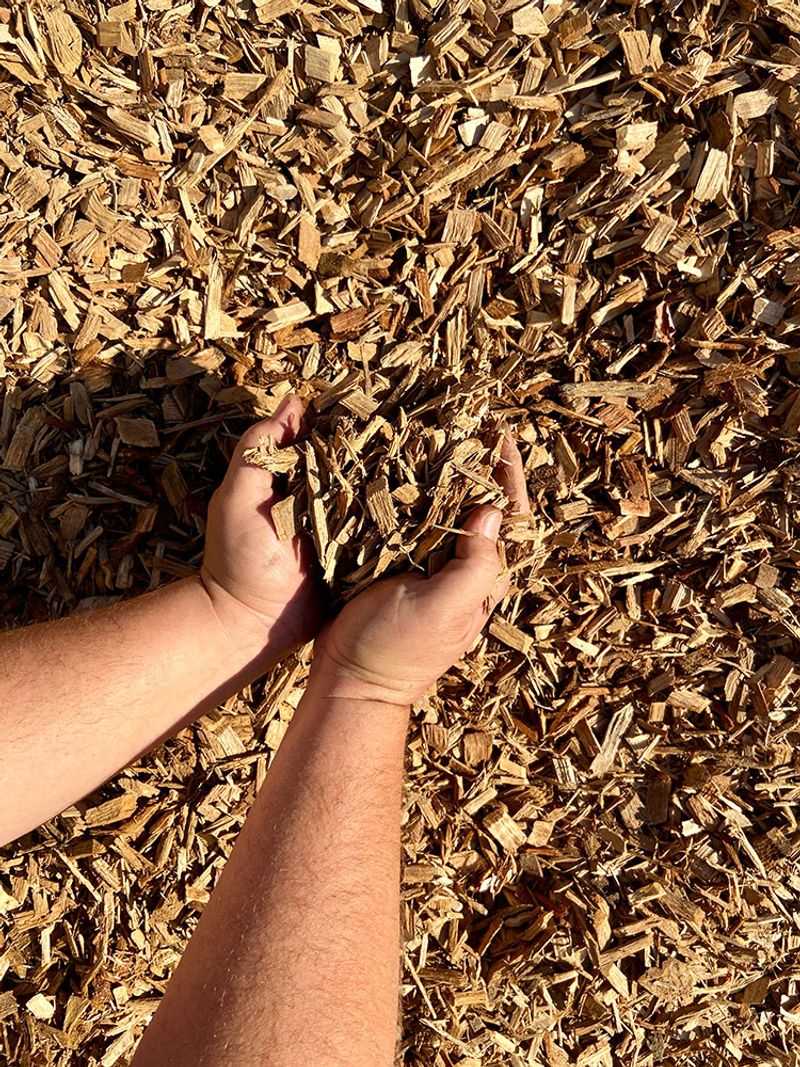
A three to four inch layer of wood chip mulch spread out to the drip line can slow evaporation noticeably, moderate soil temperature, and reduce the frequency of needed watering.
Keep the mulch a few inches back from the trunk itself to avoid creating a moist environment directly against the bark.
Checking the soil before watering rather than watering on a fixed schedule helps avoid both underwatering and overwatering. A simple screwdriver or soil probe pushed six inches into the ground can tell you whether the soil is still moist or has dried out too far.
Your Texas Garden Changes Every Week. Your Plan Should Too.
Gardening in Texas changes quickly throughout the season. Every Friday you’ll receive a simple weekly plan showing exactly what to plant, prune, fertilize, harvest, and protect so you never miss the right timing.
Consistent moisture management throughout July can make a meaningful difference in how many nuts stay on the tree into fall.
3. Watch For Early Nut Drop During Drought Stress
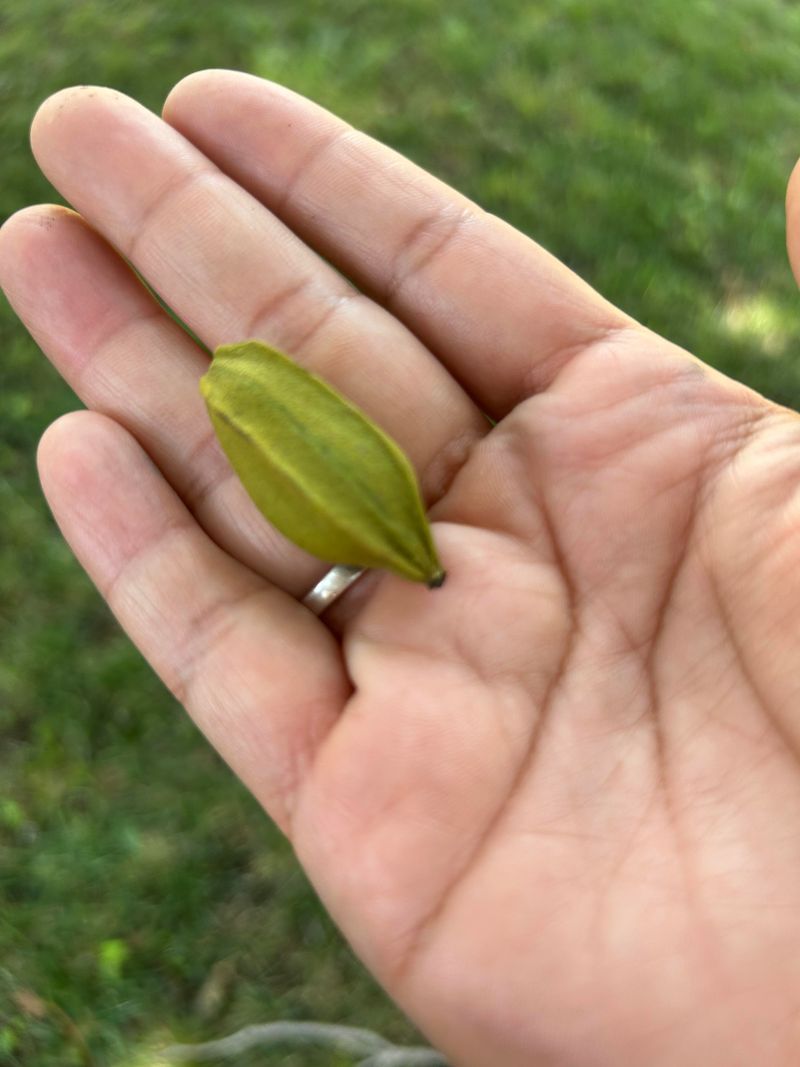
Finding small green pecans scattered across the ground in July can be alarming if you were not expecting it. Some early nut drop is a natural part of how pecan trees self-regulate their crop load, especially when conditions get stressful.
However, heavier-than-normal drop during dry spells is often a sign that the tree is shedding nuts it does not have enough moisture to carry through the season.
Texas summers can push trees into drought stress quickly, particularly on properties where irrigation is inconsistent or where trees are competing with turf grass for water.
Mature shade trees with large canopies have enormous water needs, and when soil moisture runs low, the tree makes difficult choices about what it can support.
Nuts are often the first thing to go.
Watching how much drop is happening and when it spikes can help you connect the dots between dry periods and tree stress.
If you notice a sharp increase in dropped nuts following a stretch of no rain and no supplemental watering, that is useful information.
Increasing watering frequency during dry stretches can help slow additional drop, though nuts that have already fallen will not return. Acting quickly when you spot the pattern matters more than waiting to see how bad it gets.
4. Scout For Aphids On Leaves
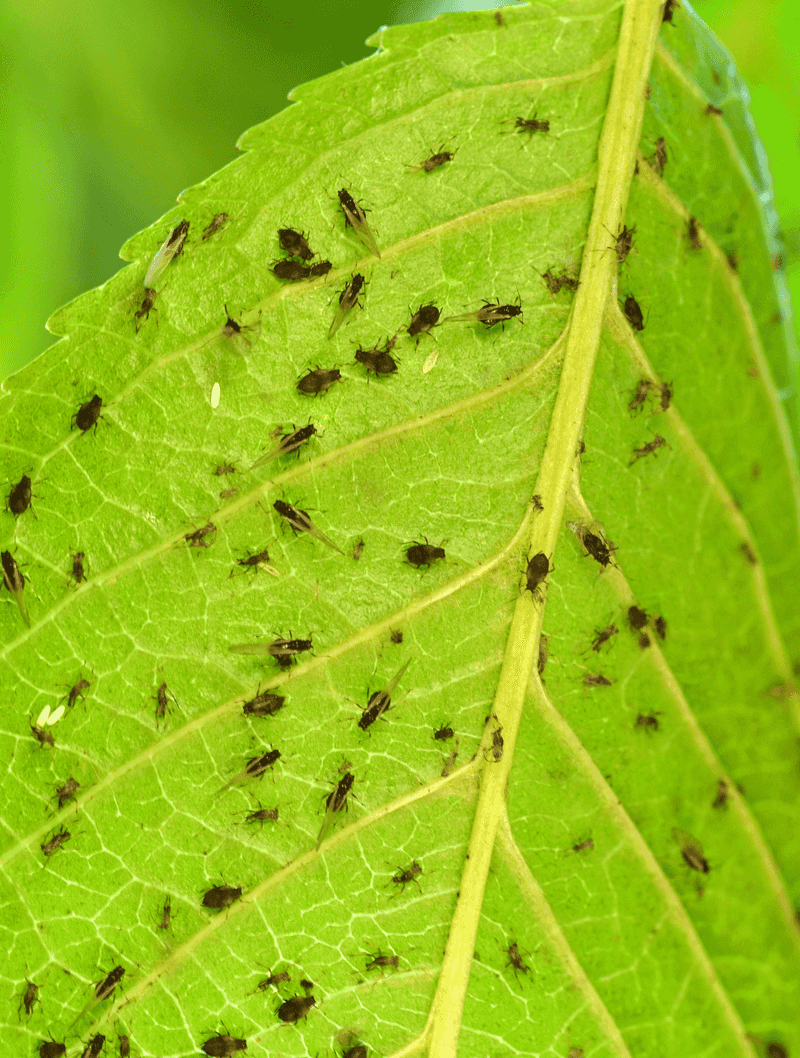
Aphids on pecan trees are not a new problem for Texas homeowners, but July is when several species tend to build up their populations quickly.
Yellow pecan aphids and black-margined pecan aphids are among the most common, and both feed on the undersides of pecan leaflets, pulling out plant fluids and leaving the tree working harder than it should during an already stressful month.
Scouting for aphids means actually looking at the leaves rather than waiting for visible damage to show up from the ground. Flip leaflets over and check the undersides, especially on new growth near the ends of branches.
Early colonies may be small enough to miss without a close look, but they can expand rapidly in hot, dry conditions when natural predators like lady beetles and lacewings are not keeping up.
Not every aphid sighting requires a response. Light infestations on large, healthy trees often get managed naturally by beneficial insects already present in the landscape.
The goal of scouting is to understand what is actually happening on your trees before deciding whether any action is needed.
Knowing the difference between a minor aphid presence and a population that is genuinely overwhelming the tree helps you avoid overreacting and making the situation more complicated than it needs to be.
5. Check For Sticky Honeydew Under The Canopy
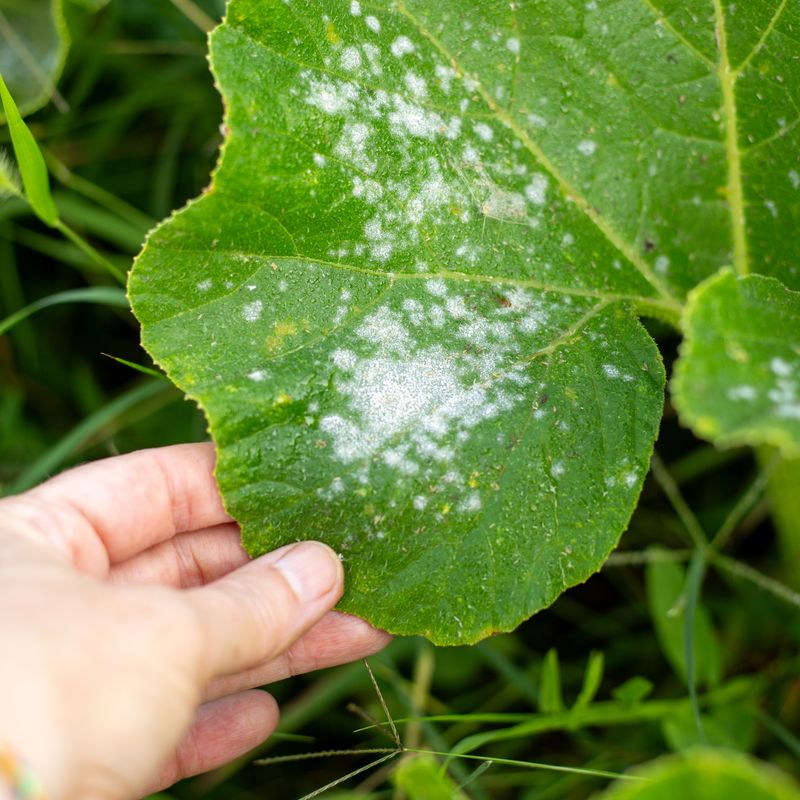
That sticky film on your car hood or patio furniture parked under a pecan tree is not tree sap. It is honeydew, a sugary liquid that aphids excrete as they feed on leaf tissue above.
If you are noticing honeydew on surfaces beneath your pecan tree, that is a strong signal that an aphid population is active in the canopy and has grown large enough to produce noticeable amounts of waste.
Honeydew itself is not directly harmful to the tree, but it creates a surface where a black sooty mold can develop on leaves, branches, and anything else it lands on.
Heavy sooty mold on leaves can interfere with the leaf’s ability to capture sunlight, which matters during a time when the tree is trying to fuel nut development.
Checking for honeydew is a fast and easy way to gauge whether aphid activity is worth a closer look.
Walk under your tree on a calm day and hold your hand or a sheet of white paper in the air beneath the canopy for a minute. If you feel or see tiny droplets landing, aphids are likely active above.
This simple check takes almost no time and can help you decide whether a more thorough leaf inspection is worth doing before the aphid population grows further.
6. Look For Stink Bugs And Leaf-Footed Bugs
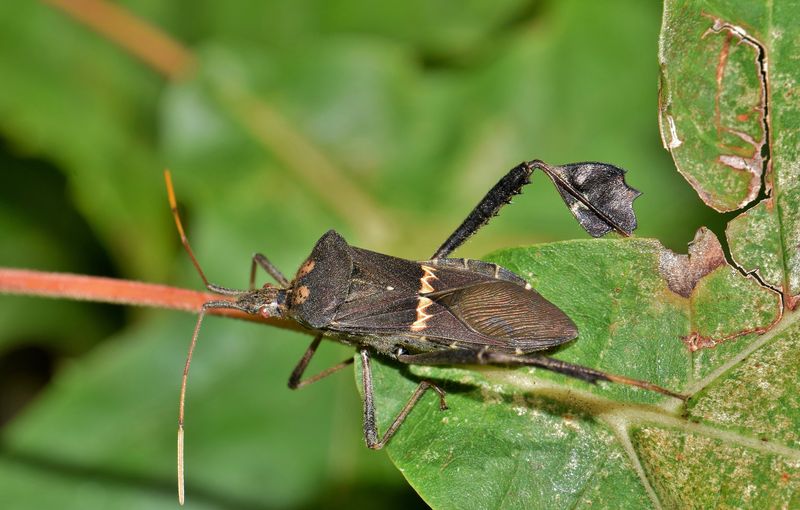
Stink bugs and leaf-footed bugs are among the more frustrating pests Texas pecan owners encounter in summer, partly because they move through the canopy quickly and partly because the damage they cause is not always obvious until it is too late.
Both types of insects use piercing mouthparts to feed directly on developing nuts, injecting saliva that can cause internal nut damage, dark spots in the kernel, or premature nut drop.
July is a good time to start watching for these insects because populations often build as summer progresses and nearby crops or weedy areas dry out. Leaf-footed bugs are easier to spot because of their distinctive flattened, leaf-shaped hind legs.
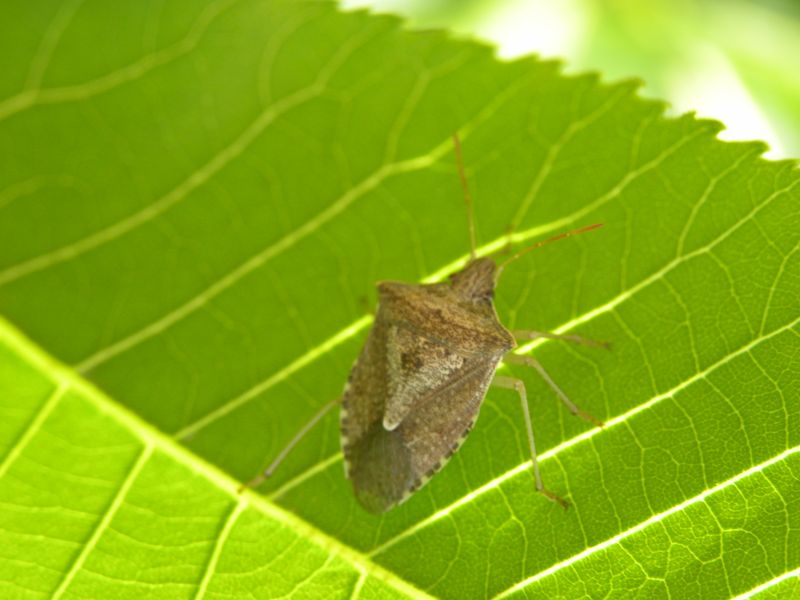
Stink bugs are shield-shaped and come in several colors, including brown and green varieties common across Texas. Both tend to feed on nuts in the upper canopy, which makes them harder to monitor than insects found lower on the tree.
Walking around your tree in the morning when temperatures are cooler can make spotting these insects easier, as they tend to be more active and less likely to drop or fly when approached slowly.
Look for insects on the nuts themselves and on surrounding branches.
Finding a few does not automatically mean treatment is needed, but tracking their numbers over time helps you understand whether pressure is increasing as the season moves forward.
7. Monitor For Hickory Shuckworm As Nuts Develop
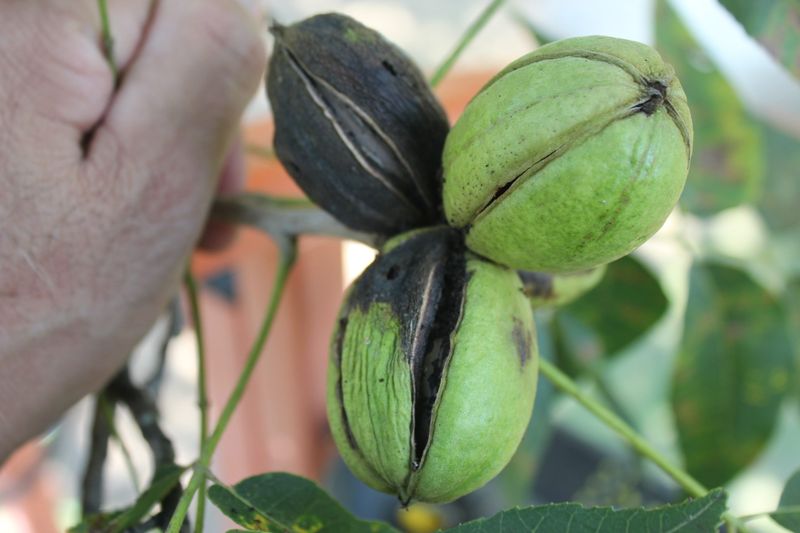
One pest that tends to fly under the radar until damage becomes obvious is the hickory shuckworm, a small moth whose larvae bore into pecan shucks during the summer months.
In July, as nuts are actively developing, shuckworm larvae feeding inside the shuck can disrupt the connection between the shuck and the developing nut.
This can interfere with proper nut fill and, in some cases, cause nuts to drop before they mature.
Shuckworm activity is difficult to see without close inspection because the larvae work inside the shuck rather than on the surface.
Signs to look for include small entry holes in the shuck, dark staining or discoloration around those holes, and internal tunneling if you cut open a suspect nut or shuck.
Dropped nuts in July that appear otherwise intact on the outside may have shuckworm damage inside.
Monitoring becomes more practical when you collect and examine dropped nuts regularly rather than leaving them on the ground.
Cutting open a sample of dropped nuts to check for tunneling or larvae takes only a few minutes and can tell you whether shuckworm pressure is building.
Homeowners with small backyard trees or a few pecan trees in a suburban yard may find that pressure varies considerably from year to year depending on how many overwintering moths emerged in spring.
8. Keep Weeds And Tall Grass Managed Around Trees
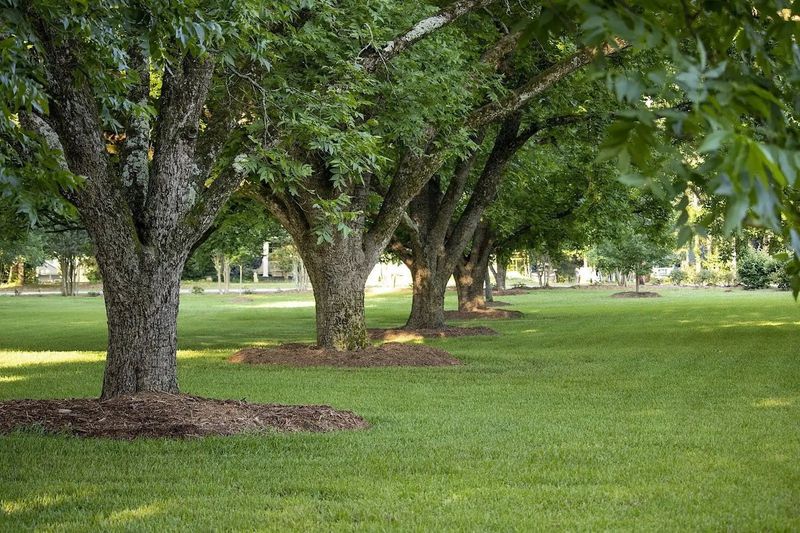
Weeds and tall grass growing around the base of your pecan tree do more than look untidy. They compete directly with the tree for water and nutrients at a time when the tree needs every bit of available moisture to push through nut development.
In Texas July heat, that competition can matter more than many homeowners expect.
Tall grass and dense weed growth also create an environment that makes scouting harder. When the area around the tree is overgrown, it is easier for pest insects to move in from surrounding vegetation without being noticed.
Leaf-footed bugs, stink bugs, and other pests often move in from field edges or weedy areas, and a cluttered understory gives them more places to stage before moving up into the canopy.
Keeping the area beneath and around your pecan tree mowed or cleared does not need to be complicated. A regular pass with a mower or string trimmer every week or two is usually enough to stay ahead of the growth.
Avoid hitting the tree trunk with equipment, as bark damage can create entry points for secondary problems.
If you are using mulch under the canopy, the mulch itself can help suppress weed germination and reduce how often you need to clear the area manually.
9. Avoid Spraying Unless A Pest Is Confirmed
Reaching for a pesticide spray at the first sign of any insect activity is one of the most common mistakes Texas pecan owners make in summer. The impulse is understandable.
You have invested time and energy into your tree, and you want to protect the developing crop. But spraying without confirming what pest is actually present, and whether it has reached a level that warrants treatment, can cause more harm than the original problem.
Broad-spectrum insecticide sprays applied without a confirmed target can reduce populations of beneficial insects that naturally keep pest numbers in check.
Lady beetles, lacewings, parasitic wasps, and other beneficial insects live in and around pecan trees and provide real pest-management value throughout the season.
Disrupting those populations can lead to secondary pest outbreaks that would not have occurred otherwise.
Before considering any spray, take time to identify what you are actually seeing.
A phone photo sent to your local Texas county extension office or a sample brought in for identification can save you from treating the wrong pest or treating when no treatment is warranted.
Scouting, identifying, and then deciding is a far more reliable approach than spraying on suspicion. Patience and observation are genuinely useful tools in managing a backyard pecan tree through a Texas summer.
10. Plan Ahead For Late-July Pecan Weevil Monitoring
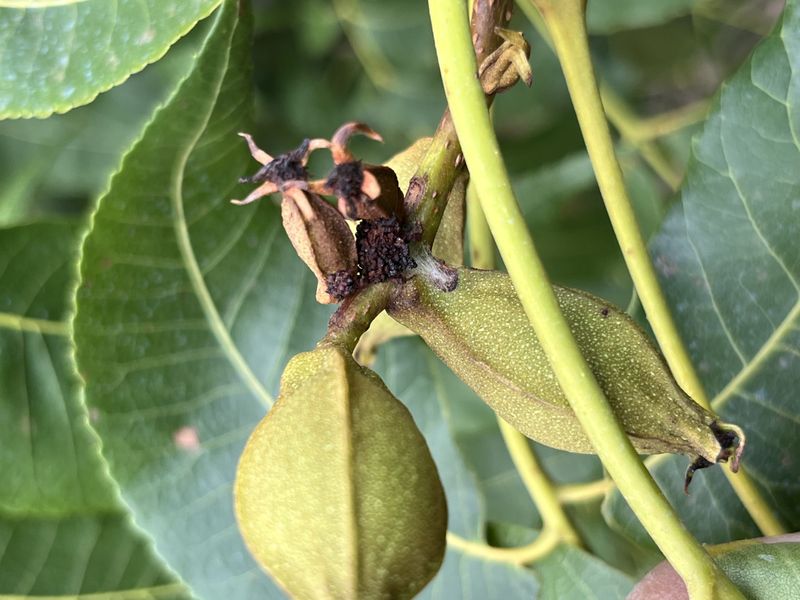
Late July is when Texas pecan owners need to start thinking seriously about pecan weevil, even if they have not seen one yet. Pecan weevil adults emerge from the soil beginning in late July through August, and their timing is closely tied to nut development.
Adult weevils feed on nuts in the water stage and gel stage of nut fill, and females lay eggs inside nuts during the shell-hardening period. Getting a head start on monitoring before peak emergence matters.
Pecan weevil is considered one of the most damaging late-season pests in Texas, and by the time homeowners notice infested nuts on the ground, the generation is already complete and larvae have moved into the soil.
Monitoring with circle traps or sticky traps placed around the trunk in late July can help you detect adult activity early and understand when emergence is happening on your specific property.
Trap monitoring is not a treatment, but it gives you information you can act on. If your property has had weevil pressure in past seasons, setting traps up in the last week of July puts you in a much better position to respond at the right time.
Consulting with your local Texas county extension office before making any treatment decisions is a smart move, as timing and thresholds vary by location, tree size, and crop load.