Texas Gardeners Can Help Keep Ticks Away With These 8 Essential Oils
Texas yards are genuinely wonderful places to spend time in spring and summer, right up until you do a tick check after an afternoon in the garden and realize the warm weather brought some uninvited company.
Ticks are a real part of outdoor life across the state, and garden beds, fence lines, shaded borders, and brushy edges give them exactly the kind of environment they’re looking for.
It’s no surprise that a lot of gardeners have started wondering about plant-based options and essential oils after spotting those ingredients on repellent and botanical product labels.
Some plant-derived compounds do show up in EPA-registered repellents and minimum-risk pesticide products, which is genuinely interesting.
The catch is that essential oils work best as one part of a broader approach rather than a standalone fix, and habitat management is still doing a lot of the heavy lifting.
1. Oil Of Lemon Eucalyptus For Personal Tick Repellent
Walking through tall grass along a Texas garden path or brushing past border plants near a wooded edge is exactly the kind of activity that puts you in tick territory.
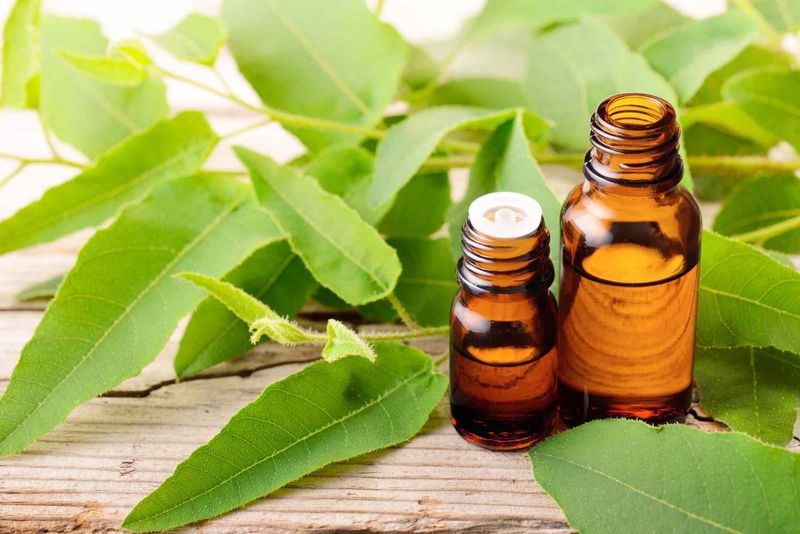
Oil of lemon eucalyptus, often shortened to OLE, stands out from most plant-derived options for a significant reason.
It is the only plant-based active ingredient that the CDC recognizes as providing repellent protection comparable to lower concentrations of DEET for personal use.
That makes it one of the easier essential-oil-related options to discuss accurately, as long as the article stays focused on labeled personal repellent products rather than homemade yard sprays.
In a Texas garden, that distinction matters because the highest-risk moments often happen when someone is moving through tick habitat, not when the product is sitting on a shelf.
OLE is not the same as plain lemon eucalyptus essential oil purchased at a health store. The active compound, PMD, is produced through a refinement process, and products containing OLE must be properly registered and labeled for use as repellents.
Gardeners should look for this distinction on product labels before purchasing.
Labeled OLE repellent products are typically applied to skin and clothing according to label directions, not sprayed around yard spaces.
Habitat conditions in Texas yards, including leaf litter, brush piles, and shaded moist soil near fence lines or wooded edges, still drive tick exposure more than any single repellent ingredient.
Pairing a labeled OLE product with mowing, brush removal, and gravel barriers along garden borders gives gardeners a more well-rounded approach to reducing tick encounters during outdoor time.
2. Citronella Oil In Labeled Repellent Products
Most Texas gardeners have seen citronella candles on patio tables or citronella-based sprays near the back door, and that familiarity makes this plant-derived ingredient one of the most recognized names in outdoor repellent products.
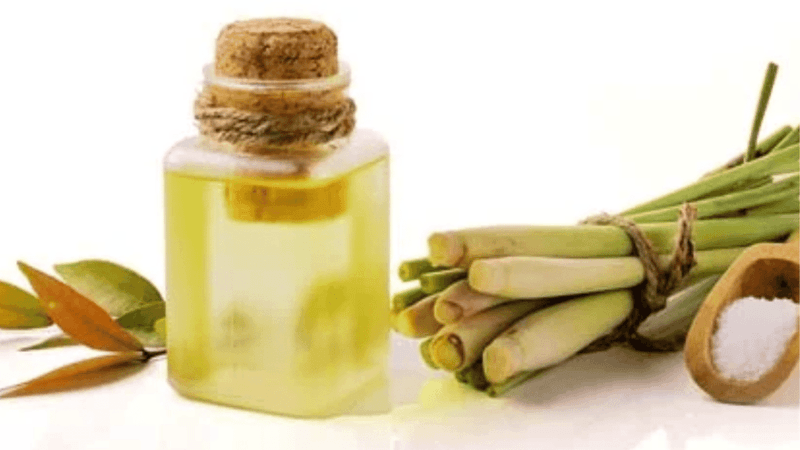
Citronella oil comes from certain grasses and has been used in outdoor settings for decades, appearing in candles, torches, sprays, and wearable repellent products.
That visibility can make citronella feel like an all-purpose pest fix, but tick prevention needs more careful wording.
For Texas yards, citronella is best discussed as an ingredient in labeled products, not as a stand-alone answer for brushy borders or tick-friendly lawn edges.
Your Texas Garden Changes Every Week. Your Plan Should Too.
Gardening in Texas changes quickly throughout the season. Every Friday you’ll receive a simple weekly plan showing exactly what to plant, prune, fertilize, harvest, and protect so you never miss the right timing.
When it comes to ticks specifically, citronella-based products vary widely in how they are formulated and what they are labeled to address.
Some EPA-registered repellent products include citronella oil as an active ingredient, but the effectiveness depends on the concentration, the formulation, and how the product is applied according to label directions.
Buying a labeled product rather than using raw oil on your own is the practical approach for homeowners.
Citronella candles placed on a patio may contribute to an outdoor atmosphere, but they are not a yard-wide tick solution.
Tick exposure in Texas is closely tied to habitat conditions like tall grass along fence lines, leaf litter under garden shrubs, brushy borders near wooded edges, and shaded damp soil where ticks tend to wait for a passing host.
Mowing regularly, clearing brush, and reducing leaf buildup in garden beds and along pet paths still offers meaningful habitat management that no single oil can replace on its own.
3. Cedarwood Oil In Some Minimum-Risk Tick Products
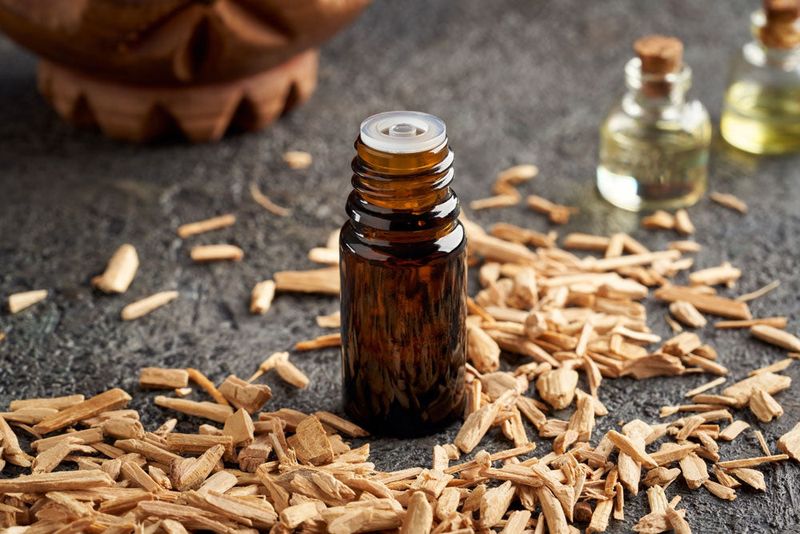
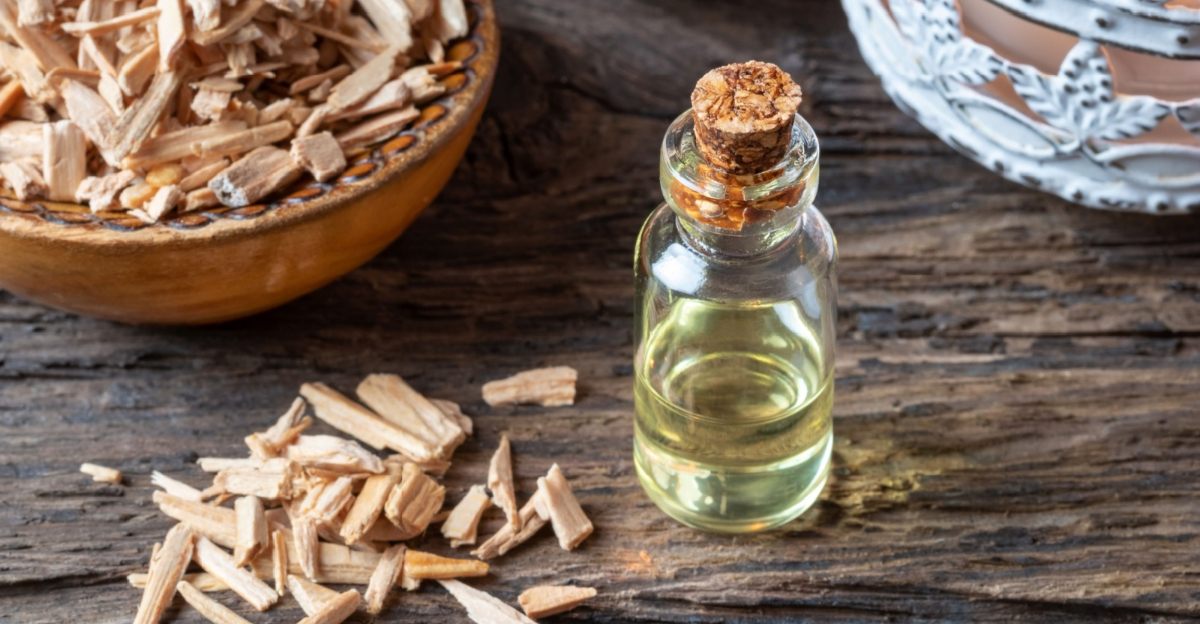
Cedarwood has a warm, woody scent that many people associate with closets, chests, and outdoor spaces, but it also shows up as an active ingredient in some minimum-risk pesticide products designed for tick and insect management.
Under EPA guidelines, certain ingredients including cedarwood oil may qualify for minimum-risk pesticide exemptions when used in specific formulations and concentrations that meet regulatory standards.
That exemption does not mean every cedarwood oil product works the same way, and it does not turn plain essential oil into a reliable yard treatment.
The useful distinction for Texas gardeners is whether cedarwood oil appears in a properly labeled product with directions for the exact outdoor use they have in mind.
Products containing cedarwood oil that are labeled for tick management in yard or garden settings are worth reading carefully. The label tells you where the product may be applied, how much to use, and what conditions it is intended to address.
Raw cedarwood oil purchased from a wellness retailer is not the same as a properly labeled tick product, and using it without a label as a yard spray is not supported by pesticide guidance.
For Texas gardeners, cedarwood oil-based products may be one option to explore along garden bed borders, fence lines, or shaded areas where tick habitat conditions exist.
However, cedar wood chip mulch used as a physical barrier along garden paths and wooded edges also appears in tick habitat management guidance as a structural approach rather than a chemical one.
Combining labeled botanical products with habitat work like brush removal, mowing, and leaf litter cleanup along pet paths and shaded borders gives Texas yards a more layered line of awareness against tick encounters.
4. Rosemary Oil In Some Botanical Tick Products
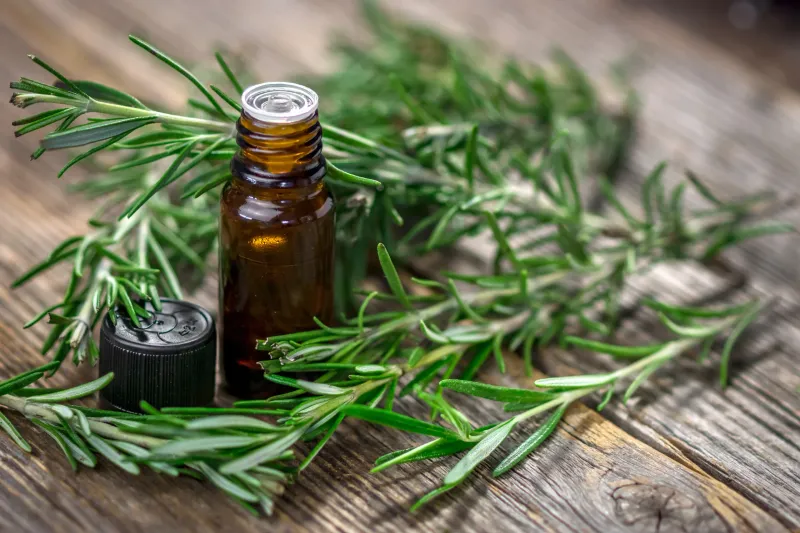
Rosemary is one of those plants that feels right at home in a Texas herb garden, tucked along a sunny border or growing near a patio where it releases its familiar piney scent on warm afternoons.
Beyond the kitchen, rosemary oil also appears as an ingredient in some botanical and minimum-risk pesticide products marketed for insect and tick management in outdoor spaces.
That connection can make rosemary oil sound more promising than it really is, so the product label matters far more than the familiar herb name.
Seeing rosemary oil on a product label does not automatically mean the product is effective against ticks in your specific yard situation.
Botanical tick products vary considerably in how they are formulated, what concentrations they use, and where they are labeled for application.
Reading the full label on any rosemary oil-based product before purchasing or applying it in your Texas yard is the responsible starting point.
Ticks tend to concentrate in areas with tall grass, leaf litter, brushy fence lines, shaded moist soil, and spots where pets or wildlife move regularly.
Even a well-chosen botanical product applied to garden borders or lawn edges will not compensate for heavy leaf buildup, overgrown brush, or a yard with dense ground cover that creates ideal tick resting habitat.
Rosemary oil-based products may be one piece of a broader yard management plan, but mowing, clearing debris, and managing shaded damp areas along wooded edges still provide the foundation of meaningful tick habitat reduction for gardeners.
5. Peppermint Oil In Some Botanical Tick Products
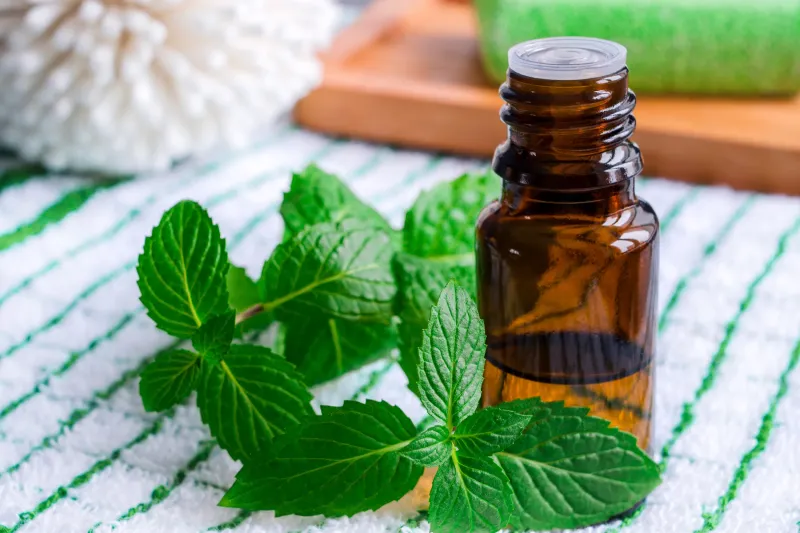
Few scents are as instantly recognizable as peppermint, and that sharp, cooling fragrance is part of why this oil gets attention in the world of plant-based pest management.
Peppermint oil appears in some botanical tick and insect products, and its presence on a label can catch a Texas gardener’s eye when browsing the garden center or searching for plant-derived options for yard use.
Like other botanical ingredients, peppermint oil’s role in tick management depends heavily on formulation, concentration, and label directions rather than the ingredient name alone.
A product that lists peppermint oil as an active ingredient and carries proper EPA registration or qualifies as a minimum-risk pesticide has gone through a level of regulatory review that a homemade or unlabeled spray has not.
Homeowners should check labels closely and apply products only as directed.
Peppermint has a strong scent that some people find pleasant in outdoor spaces, but that scent alone does not tell you much about how well a specific product performs against ticks in a Texas yard.
Tick habitat in Texas yards is shaped by conditions like shaded borders, damp soil, tall grass near garden edges, leaf litter under shrubs, and movement of pets and wildlife.
Addressing those habitat factors through regular mowing, brush cleanup, and leaf removal along fence lines and wooded borders still plays a larger role in reducing tick encounters than any single plant-derived product can on its own.
6. Thyme Oil In Some Botanical Tick Products
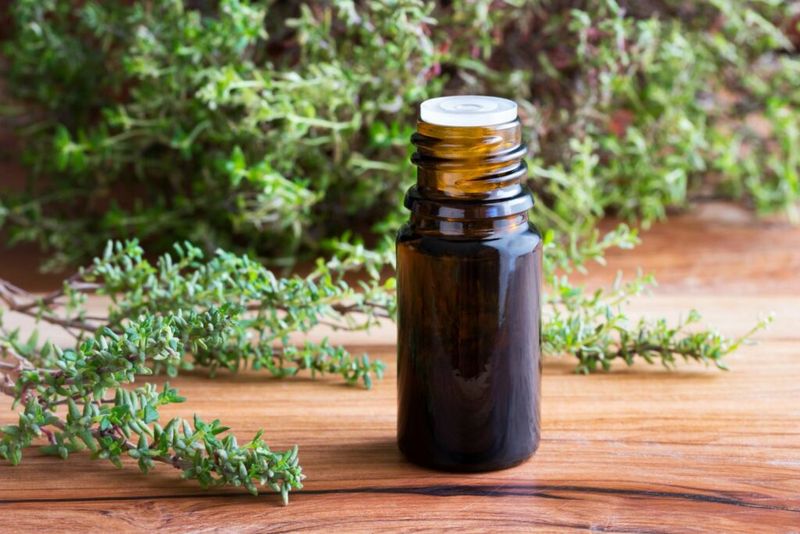
Checking a pet after it has wandered through the shaded back corner of a Texas yard is a routine many gardeners know well.
And it is hard to do that without starting to wonder what plant-based options might actually help reduce tick pressure around garden beds, lawn edges, and wooded borders.
Thyme oil is one botanical ingredient that appears in some tick management products, and it has drawn interest in part because thymol, a compound found in thyme, is an active ingredient in certain minimum-risk pesticide formulations.
That distinction matters because thymol is the regulated active ingredient in some labeled products, while plain thyme oil by itself does not tell you enough about safety, use site, or expected performance.
Thymol-based products that qualify under EPA minimum-risk pesticide guidelines have met specific criteria for ingredients considered lower-risk when used as directed.
That said, not every product with thyme oil on the label carries the same formulation or the same labeled uses.
Reading the product label carefully before applying anything in a Texas yard, especially around pets, garden beds, or children’s play areas, is a practical habit worth maintaining.
Thyme oil-based products might be applied along lawn edges, shaded borders, or garden bed perimeters where tick habitat conditions exist, but they are not a substitute for habitat management.
In Texas yards, tall grass left unmowed, leaf litter piled against fences, and brushy edges near wooded areas create the conditions where ticks tend to concentrate.
Addressing those conditions through consistent yard maintenance alongside any labeled botanical product gives gardeners a more complete approach to reducing tick encounters outdoors.
7. Clove Oil Or Eugenol In Some Botanical Tick Products
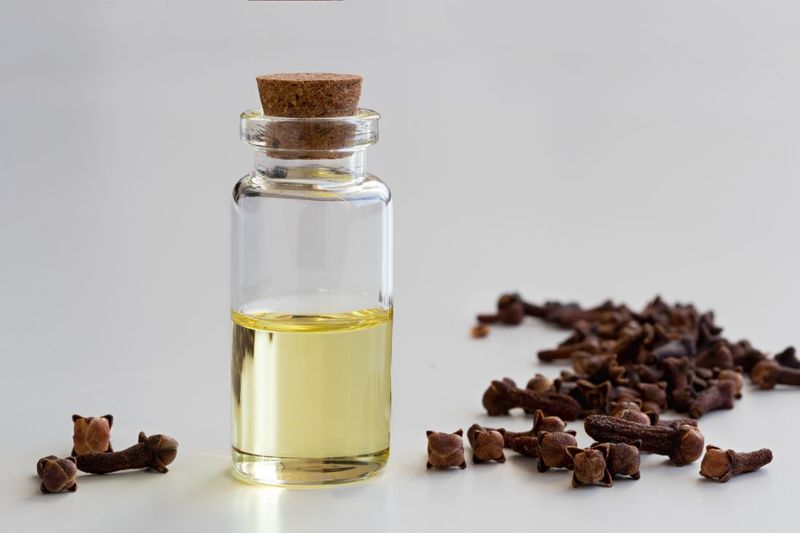
Reading repellent labels at a garden center can sometimes feel like a chemistry lesson, and eugenol is one of those ingredient names that might make you pause.
Eugenol is the primary active compound found in clove oil, and it appears in some botanical pesticide products that are labeled for use against ticks, mites, and other outdoor pests in yard and garden settings.
That makes it important to treat eugenol as a pesticide-label ingredient, not as permission to improvise with clove oil from a kitchen or wellness shelf.
Clove oil and eugenol have been reviewed under EPA pesticide guidelines, and certain formulations containing eugenol may qualify as minimum-risk pesticides when they meet specific criteria.
However, raw clove oil is not the same as a properly labeled eugenol-based pesticide product.
Applying unlabeled or undiluted clove oil around your Texas yard, garden beds, or pet areas is not consistent with pesticide label guidance and is not recommended.
For gardeners, products containing eugenol that are properly labeled for outdoor tick management may be worth exploring as one part of a broader yard strategy.
Shaded moist areas under shrubs, leaf litter along fence lines, brushy borders near wooded edges, and tall grass around garden beds are all habitat features that support tick activity in Texas regardless of what products are applied nearby.
Pairing any labeled botanical product with regular mowing, brush removal, and leaf cleanup along pet paths and garden borders remains one of the more practical ways to reduce the habitat conditions that draw ticks into Texas yards in the first place.