What Florida Gardeners Can Plant To Make Yards More Useful For Kestrels
Something small and fierce is watching your yard right now, and most Florida gardeners have no idea how close they are to hosting one of North America’s most striking little raptors.
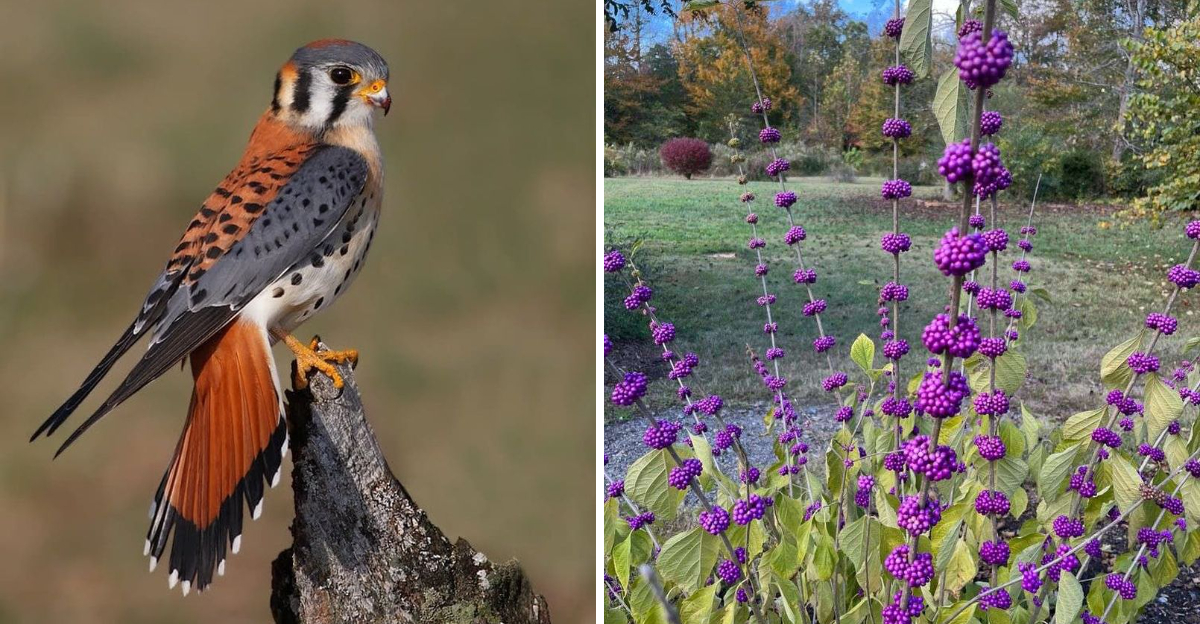
The American kestrel is a colorful, sparrow-sized falcon that has been quietly disappearing from Florida’s landscape for decades.
Habitat loss, the spread of dense vegetation, and yards packed with tall shrubs and shade trees have made it harder for kestrels to find the open hunting ground they need.
Here is the exciting part: you can actually change that.
Florida gardeners have real power to bring kestrels back by making smart, simple choices about what to plant and how to arrange their yards.
You do not need a farm or a wildlife refuge. A sunny suburban yard with the right plants, a few good perches, and clear sightlines can genuinely attract these birds.
This guide walks through eight practical, Florida-friendly planting and habitat choices that support kestrel activity right in your own backyard.
1. Keep Open Grass Near Perches
Yard layout matters more than many gardeners realize.
American kestrels are hunters that scan the ground from high perches, then swoop down fast to catch insects, small lizards, and other prey. That hunting strategy only works when the ground below is visible and clear.
Dense turf, tall ornamental grasses right under perches, or cluttered garden beds can block a kestrel’s view and make your yard useless for feeding.
The goal is simple: keep a stretch of low, open grass near any perch you have or plan to add.
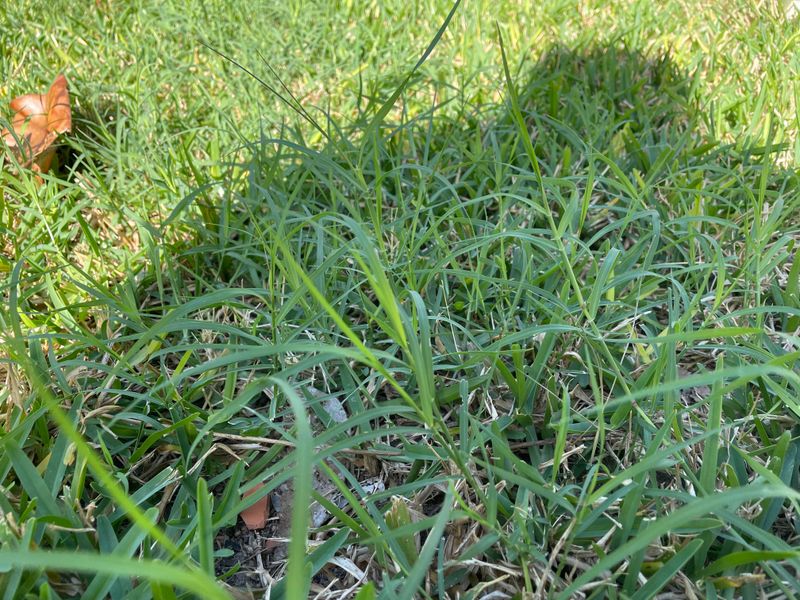
Mowed St. Augustine grass, Bahia grass, or even a patch of bare sandy soil works well. Kestrels are not picky about the exact grass type. They care about visibility.
A lawn mowed to about three inches or shorter gives them a clear window to spot movement below.
Fence posts, power lines, and tree tops are all natural kestrel perches.
Place your open grass zone directly beneath or in front of these structures. Avoid planting tall shrubs or dense flower beds between the perch and the hunting area.
Even a ten-foot-wide strip of open lawn can make a real difference.
Open habitat near perch sites is one of the most critical factors in supporting kestrel use of a property. Start there, and everything else builds on that foundation.
2. Plant Wiregrass For Open Habitat
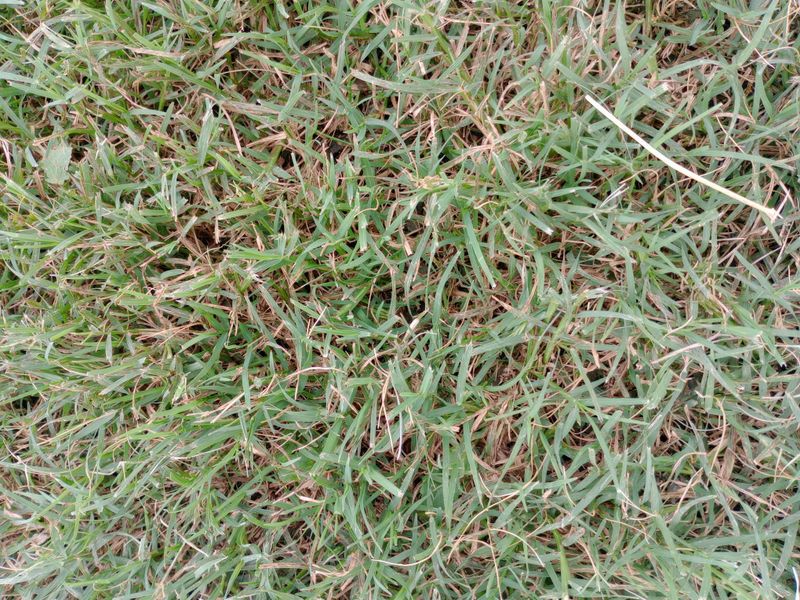
Florida wiregrass has a quiet kind of magic.
It is one of the most important native plants in Florida’s longleaf pine ecosystem, and it also happens to be exactly the kind of low, open ground cover that kestrels love hunting over.
This fine-bladed, clumping grass stays low and does not form a dense wall. Light passes through it. Ground-level movement is still visible from above. That is exactly what a hunting kestrel needs.
Wiregrass, known scientifically as Aristida stricta or Aristida beyrichiana in Florida, thrives in full sun and well-drained sandy soils.
It is drought-tolerant once established, requires no fertilizer, and supports a wide range of native insects. More insects mean more food for kestrels.
Your Florida Garden Changes Every Week. Your Plan Should Too.
Gardening in Florida changes quickly throughout the season. Every Friday you’ll receive a simple weekly plan showing exactly what to plant, prune, fertilize, harvest, and protect so you never miss the right timing.
Planting wiregrass in open sunny patches recreates a small piece of Florida’s native flatwoods habitat right at home.
Space wiregrass clumps a foot or two apart to keep an open, patchy look rather than a solid mat.
This scattered planting style mimics natural Florida flatwoods and gives kestrels the open sightlines they need to hunt effectively.
You can find wiregrass plugs or seeds at Florida native plant nurseries. It takes a season to establish but rewards patience with a low-care, wildlife-friendly yard patch that genuinely serves the birds visiting your property.
3. Use Muhly Grass In Sunny Patches
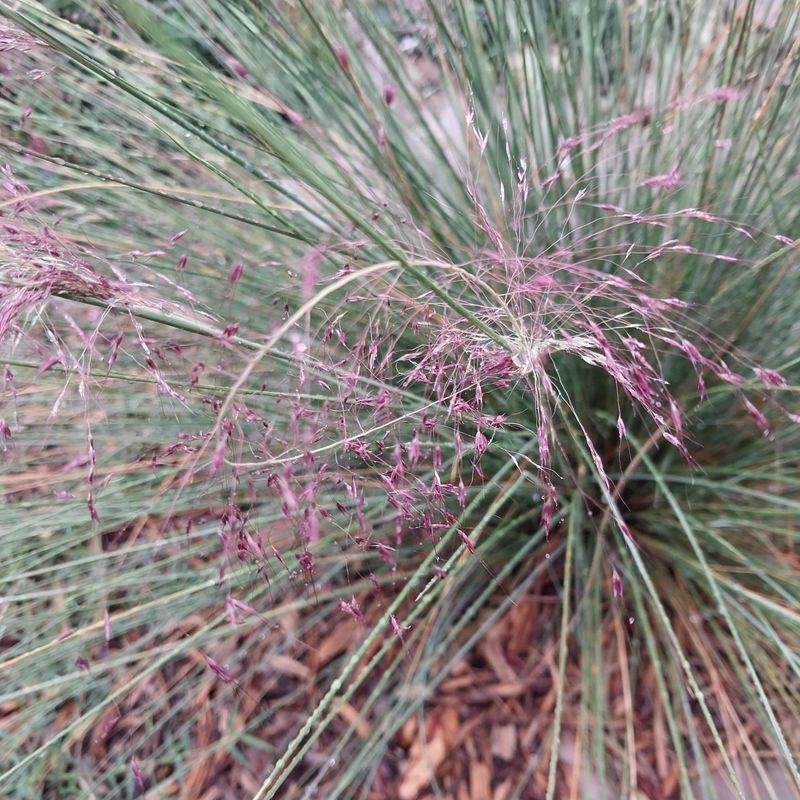
Few plants stop people in their tracks quite like muhly grass in full bloom.
Those soft pink-purple plumes swaying in a fall breeze are genuinely beautiful, and this native Florida grass also supports kestrel habitat when planted the right way.
The key word is right way.
Muhly grass works for kestrels only when used in open, sunny patches with space around each clump, not planted in thick borders that block ground visibility.
Muhlenbergia capillaris stays relatively low and open in structure. Individual clumps rarely top three feet, and the airy plumes do not create a solid visual wall.
When planted in scattered groupings across a sunny area, muhly grass keeps sightlines open while adding native plant value to the yard. It supports native insects, which are a core food source for kestrels throughout the year.
Muhly grass loves full sun and sandy or well-drained soils, making it a natural fit for many Florida yards.
Plant clumps at least two to three feet apart and avoid placing them directly under or in front of perch sites. Keep those zones clear.
Use muhly grass along yard edges or in open middle areas where its beauty shows without crowding the hunting lanes kestrels rely on.
4. Add Saw Palmetto Away From Hunting Lanes
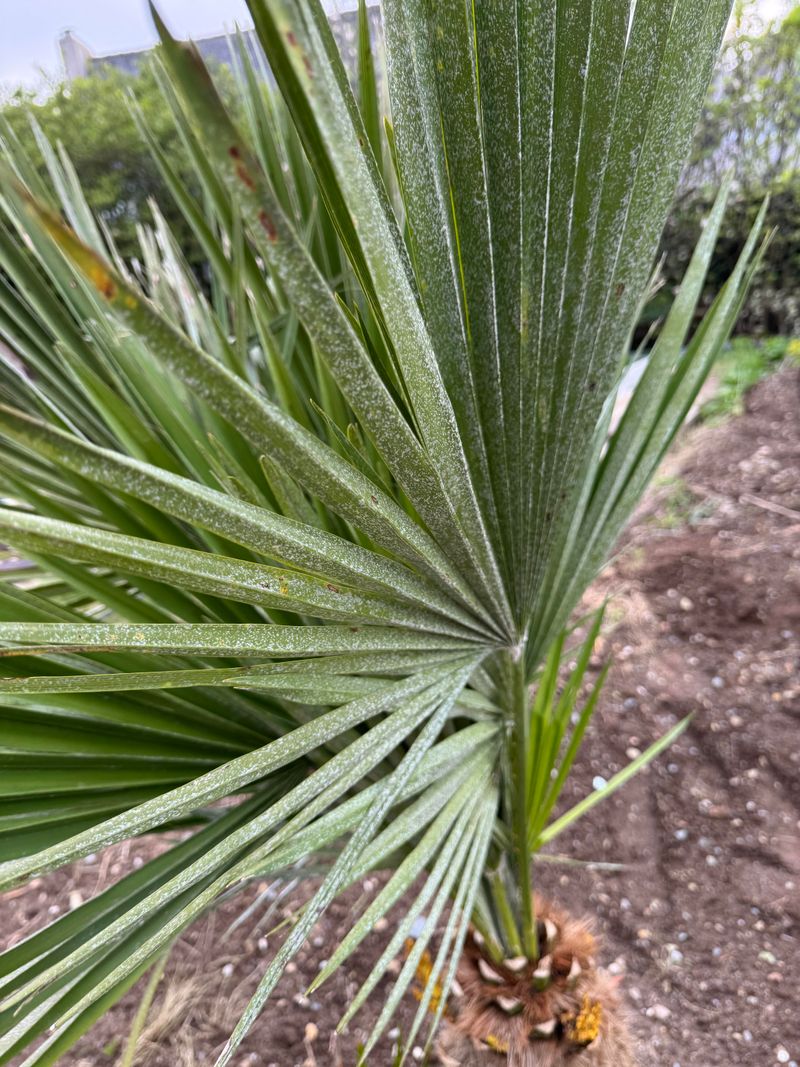
Saw palmetto gets a mixed reputation in Florida yards.
Some gardeners love its rugged, native character. Others see it as a sprawling nuisance. For kestrels, saw palmetto is genuinely useful but only when placed thoughtfully.
Stick it in the wrong spot and it blocks hunting sightlines and makes your yard less attractive to these birds. Put it in the right spot and it adds real habitat value.
The trick is placement.
Saw palmetto, Serenoa repens, should go along the back edges of a yard or in corners away from the open hunting zones kestrels use.
It provides cover for small lizards and insects, adds structural variety to the yard, and creates the kind of layered habitat that supports a healthy food web. More habitat layers mean more prey for kestrels to hunt in the open areas nearby.
Saw palmetto is one of Florida’s toughest native plants.
It handles drought, salt spray, and sandy soils without complaint. Once established, it needs almost no care.
Kestrels prefer open habitats with low shrub cover, so saw palmetto works best as a background player in the yard design. It supports the ecosystem without stealing the spotlight from the open space where kestrels actually hunt.
5. Plant Beautyberry For Habitat Layers
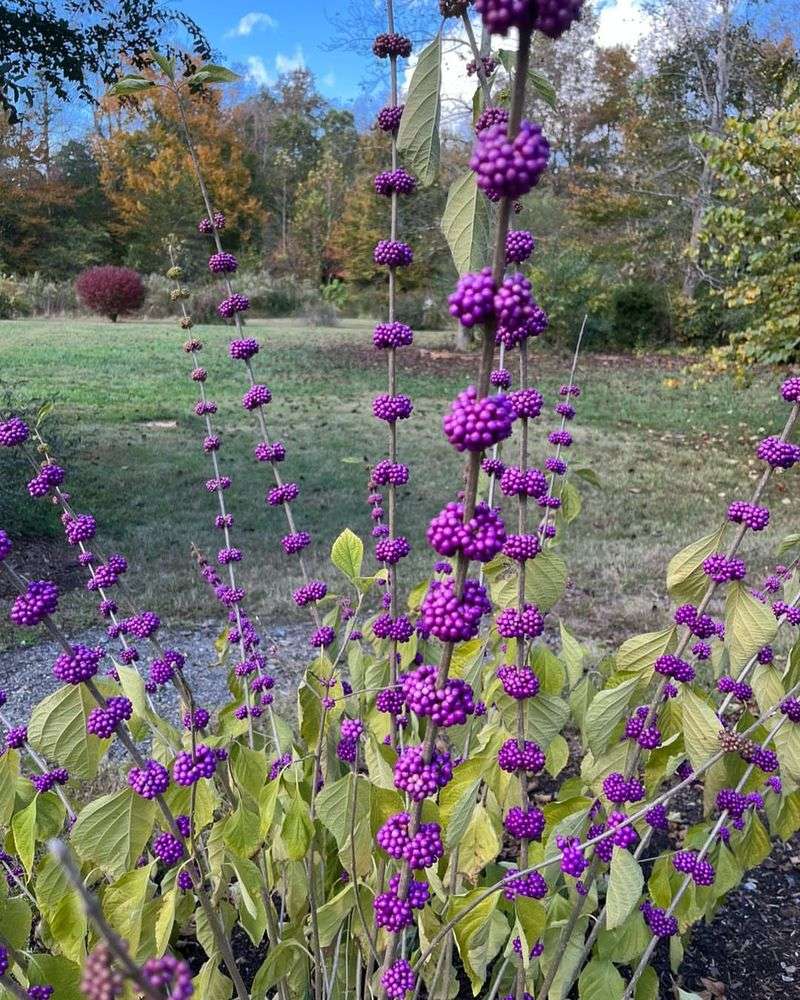
There is something almost electric about a beautyberry shrub loaded with clusters of bright purple fruit.
American beautyberry, Callicarpa americana, is one of Florida’s most recognizable native shrubs, and it earns its place in a kestrel-friendly yard by adding a middle habitat layer that supports insects and small prey without crowding open flight space.
That layered yard structure is exactly what wildlife biologists point to when describing healthy kestrel habitat.
Beautyberry grows four to six feet tall and wide, producing those famous purple berry clusters in late summer and fall.
It thrives in full sun to partial shade and handles Florida’s sandy soils well. The shrub attracts native insects, including beetles and caterpillars, that become food for kestrels hunting nearby.
Place beautyberry shrubs along yard edges or in transition zones between open lawn and denser plantings.
Keep them away from the center of your open hunting area. A beautyberry planted on the perimeter adds structure and food resources without blocking the clear sightlines kestrels need to hunt successfully from a perch.
Prune it back hard in late winter if it gets too wide, which also encourages fresh growth and more berry production the following season.
6. Use Wax Myrtle As Edge Cover
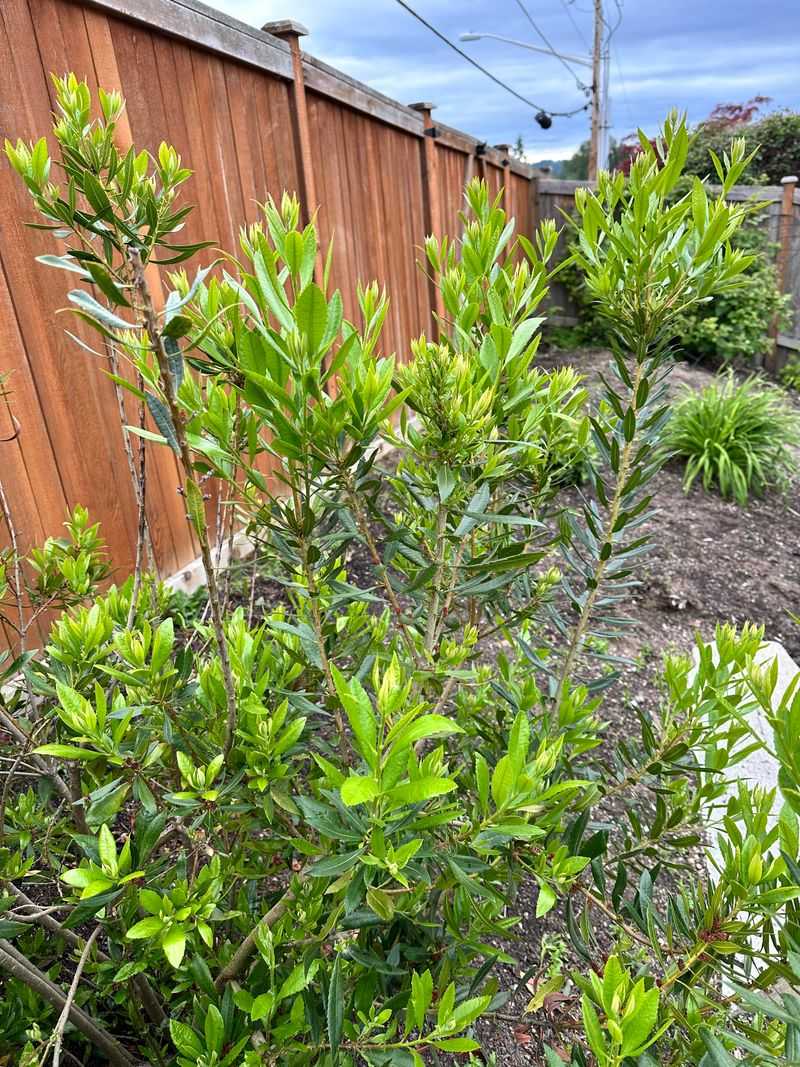
Wax myrtle is one of those plants that serious Florida wildlife gardeners keep coming back to.
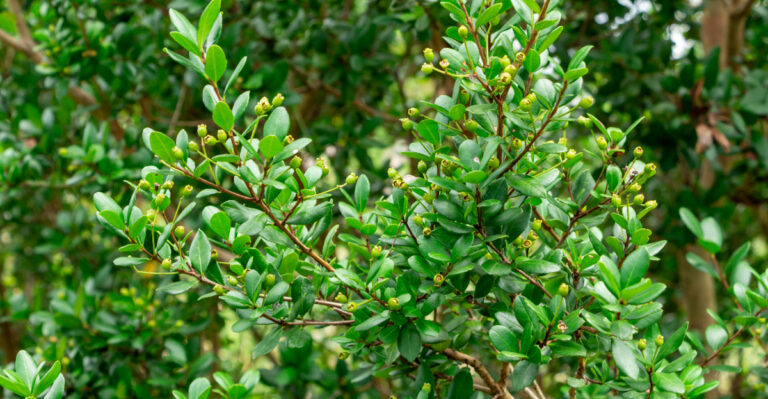
Morella cerifera grows fast, handles almost any Florida soil, and provides dense edge cover that supports a wide range of insects and small creatures.
For a kestrel-friendly yard, wax myrtle belongs at the edges, not the center.
Planted along fences, property lines, or the back of the yard, it creates a natural backdrop that defines open space without consuming it.
Edge habitat is actually important for kestrels.
The transition zone between open hunting ground and denser vegetation is where prey animals move, feed, and shelter. A row of wax myrtle along a yard edge creates exactly that kind of productive edge without shrinking the open area kestrels need to hunt.
Wax myrtle can grow quickly to fifteen feet or more, so plan for its size from the start.
Keep it trimmed if needed to maintain a manageable height and avoid shading out the open lawn areas you want to preserve. Plant it in full sun for the best growth and the densest insect-supporting foliage.
A well-placed wax myrtle hedge along one side of your yard can frame the perfect open hunting corridor without a single inch of unnecessary clutter.
7. Keep Snags Where They Are Safe
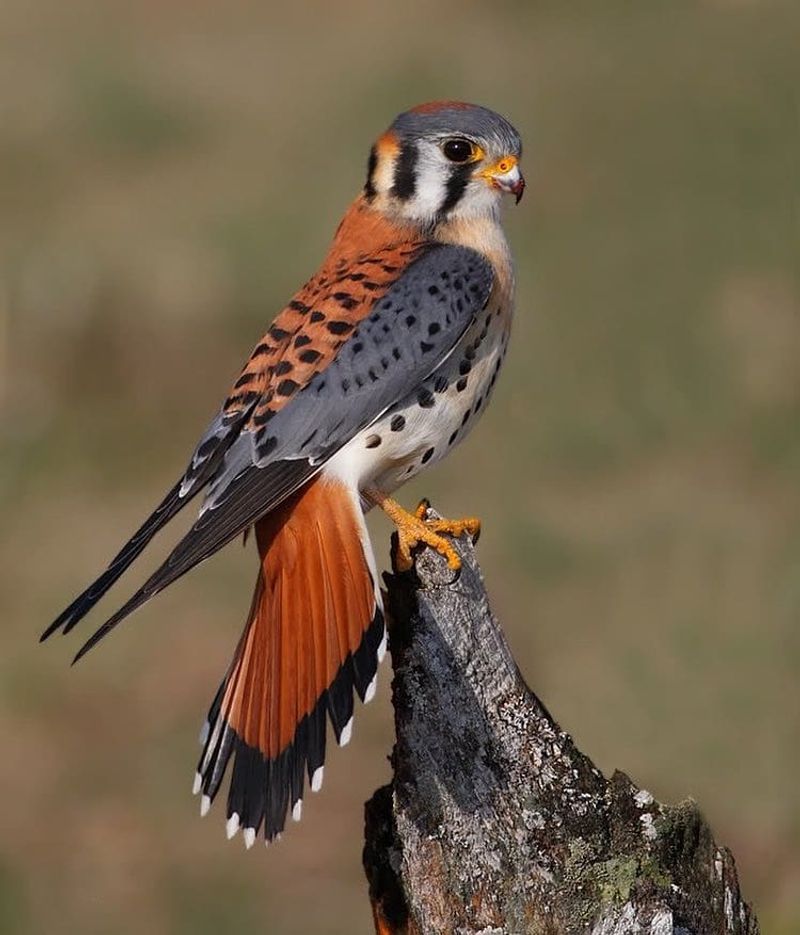
A standing tree might look like yard clutter to some people, but to a kestrel it looks like prime real estate.
Snags, which are partially decayed trees, serve as natural perches and potential nesting cavities that kestrels actively seek out.
Florida has lost enormous amounts of natural snag habitat over the decades as land has been cleared and tidied up. Leaving a safe snag in your yard is one of the most direct ways to support these birds.
Kestrels are cavity nesters.
They do not build nests from scratch but instead use existing holes in trees, often old woodpecker cavities. A snag with a cavity opening roughly three inches in diameter at the right height can attract a nesting pair.
Even without a cavity, a tall snag gives kestrels an elevated perch with a clear view of open ground below, which is essential for their hunting style.
Safety matters here.
Only keep snags that are not at risk of falling on structures, fences, or areas where people spend time. Consult an arborist if you are unsure about stability.
If you do not have a natural snag, a nest box mounted on a post can provide a similar cavity option for kestrels looking for a place to raise young.