7 Signs Your Texas Cucumber Plants Are Struggling And How To Save The Harvest
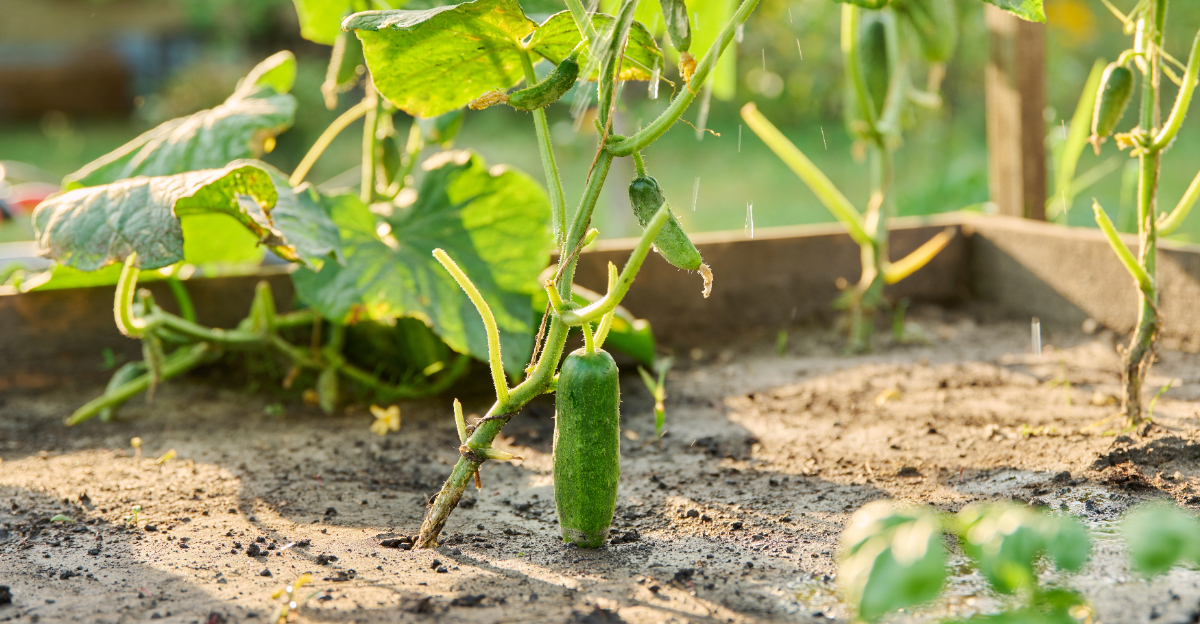
Texas cucumber plants have a specific way of asking for help. The signals show up every day.
In the way the leaves look at two in the afternoon. In the shape of the fruit coming off the vine. In the flowers that open and close without setting anything.
Many Texas gardeners miss those signals until the harvest starts slipping. Not because they are careless.
Because cucumber stress in Texas heat can look like several problems at once, and none of them come with a label explaining what went wrong.
Texas summers push cucumbers hard. The plants love warmth, but they have limits, and July heat tests those limits fast.
The difference between a full basket of crisp cucumbers and a nearly empty vine often comes down to catching one or two clues before they build into a bigger problem.
That is where the harvest rescue starts.
1. Watch Wilting In Afternoon Heat
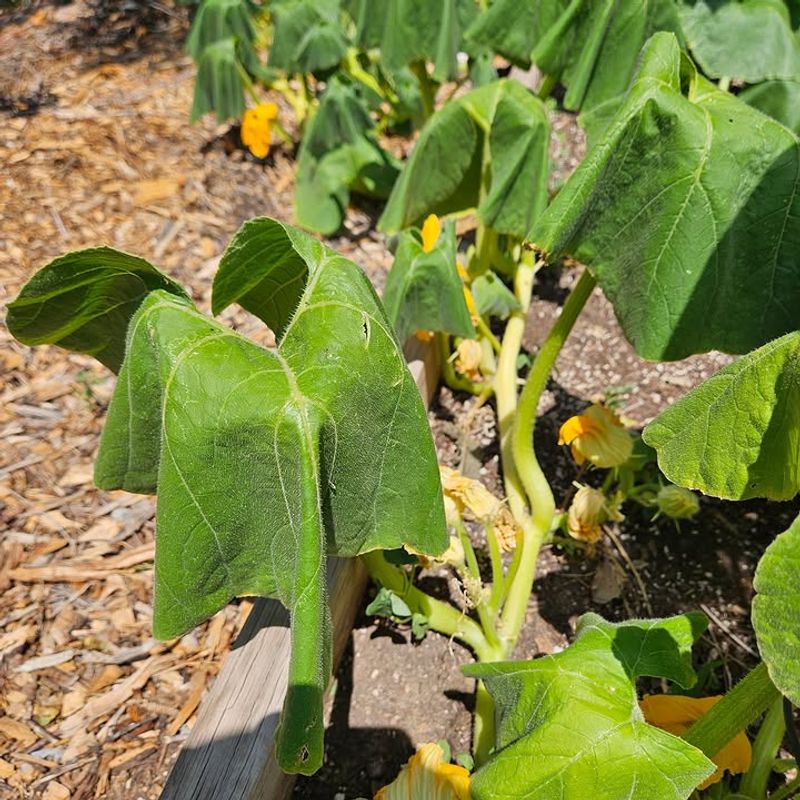
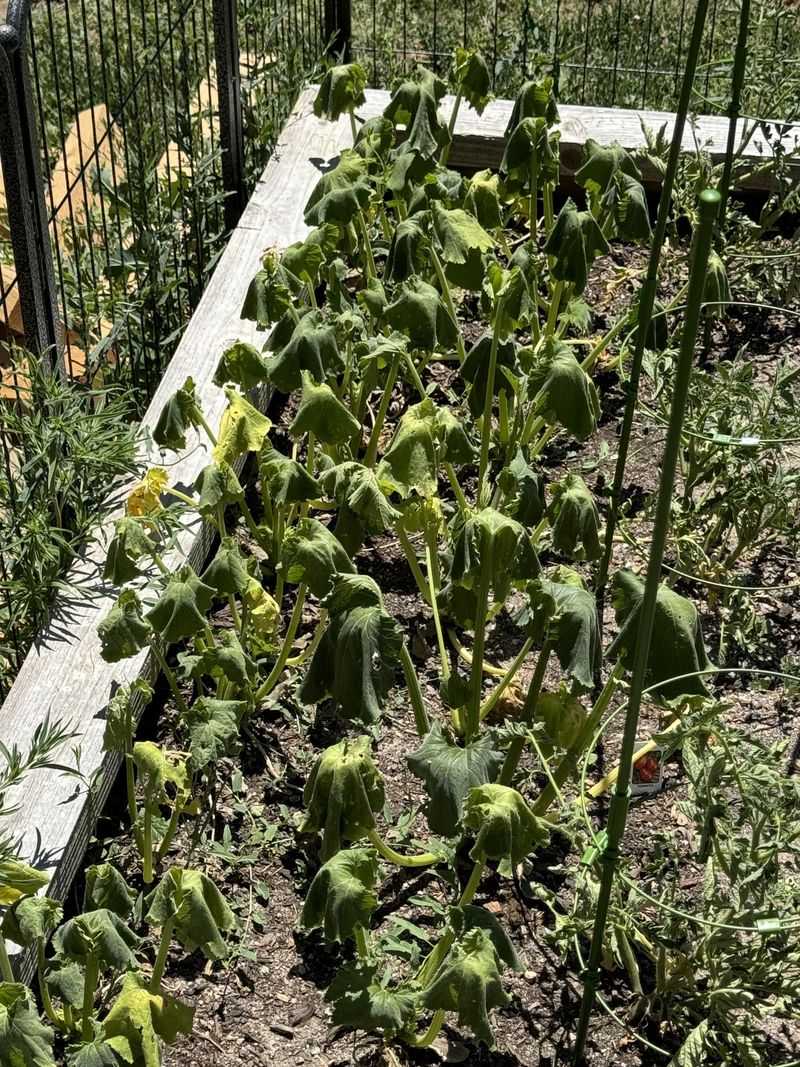
Two in the afternoon in a Texas garden and the cucumber vines are flat on the ground. Every leaf drooped. Every stem leaning. The whole planting looks like it gave up somewhere around noon.
This is one of the most common and most misread signs in Texas cucumber gardening.
Heat stress wilting happens when the plant loses water through its leaves faster than the roots can replace it from the soil.
Even well-watered plants wilt temporarily during peak afternoon heat when temperatures push toward the upper nineties.
The test is simple. If the vine recovers and looks normal by early evening, heat stress is the cause rather than a watering failure.
Wilting that continues into cooler evening hours is a different situation.
That pattern indicates soil moisture is genuinely insufficient, and the plant cannot recover even when the ambient temperature drops. Sticking a finger two inches into the soil near the base of the plant confirms the diagnosis quickly.
Cucumbers need one to two inches of water per week under normal Texas summer conditions, with more required during extended heat stretches.
There is a third possibility worth knowing. Bacterial wilt, spread by cucumber beetles, causes wilting that does not respond to watering at any time of day.
A vine that stays wilted despite adequate soil moisture deserves a closer look for cucumber beetle damage before any other intervention.
Catching heat stress early keeps the plant strong. Missing it until the vine stays down past sunset costs more harvest than the delay is worth.
2. Notice Bitter Or Misshapen Fruit
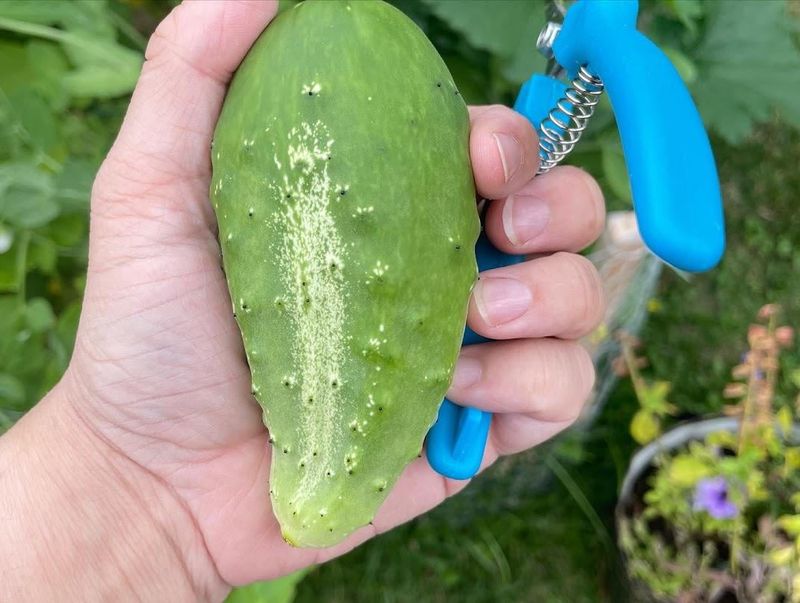
Biting into a homegrown cucumber and tasting something sharp and unpleasant is one of the more disappointing moments in a Texas summer garden.
The plant grew. The fruit set. The harvest happened on schedule. And then the flavor tells the real story about what the plant went through to get there.
Bitterness in cucumbers comes from compounds called cucurbitacins. These compounds increase when plants experience uneven watering, extreme heat, or inconsistent fertilization.
Texas summers create the right conditions for all three problems simultaneously. Soil moisture that swings between completely dry and waterlogged prevents the plant from regulating these compounds properly.
Your Texas Garden Changes Every Week. Your Plan Should Too.
Gardening in Texas changes quickly throughout the season. Every Friday you’ll receive a simple weekly plan showing exactly what to plant, prune, fertilize, harvest, and protect so you never miss the right timing.
Misshapen cucumbers carry similar information. A cucumber that looks pinched, curved, or oddly proportioned usually experienced poor pollination or inconsistent watering during the specific days when the fruit was actively developing.
Pollinators visit cucumber flowers in the cooler morning hours. When heat arrives early, bee activity drops and pollination becomes incomplete before the flowers close.
Harvest timing contributes to the bitterness problem independently of heat stress.
Cucumbers left on the vine past their ideal size begin producing seeds, which increases bitter compound concentration in the flesh.
Slicing cucumbers should come off the vine at six to eight inches. Pickling types come off even earlier.
Picking consistently, watering evenly, and protecting pollinator access during morning hours addresses most bitter and misshapen cucumber problems before they develop into a pattern that ruins the whole season.
3. Spot Yellow Leaves Before Vines Stall
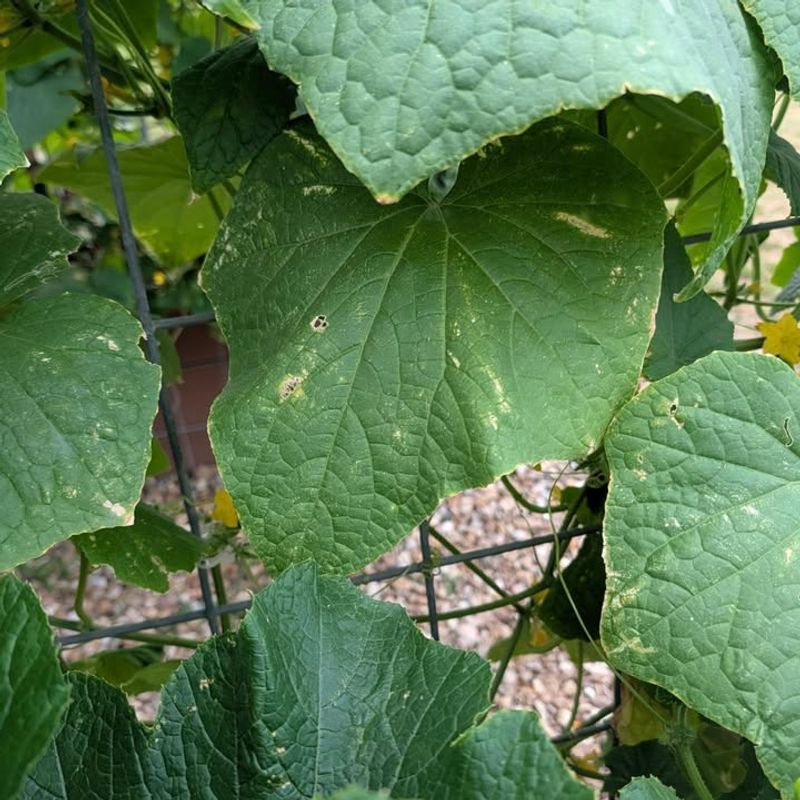
Yellow leaves on a cucumber vine mean something specific is wrong.
The challenge is that yellowing looks similar regardless of which problem is causing it, and the correct fix depends entirely on identifying which one is actually present.
Nitrogen deficiency is one of the most common causes in Texas gardens. Older leaves at the base of the plant yellow first when nitrogen is running low.
A balanced vegetable fertilizer applied every three to four weeks addresses this efficiently. Texas soils, particularly sandy or clay-heavy types, often need regular feeding to support the fast growth pace cucumber vines maintain through summer.
Overwatering or poor drainage produces yellowing through a different mechanism.
Saturated roots cannot absorb nutrients even when those nutrients are present in the soil, so the plant shows deficiency symptoms that look identical to actual deficiency.
Checking drainage before adding fertilizer prevents the mistake of feeding a plant that is actually drowning rather than starving.
Spider mites thrive in hot, dry Texas conditions and cause speckled yellowing distributed across leaf surfaces rather than concentrated at the base.
Downy mildew creates yellow patches with a grayish coating visible on the undersides of affected leaves.
Scouting plants at least twice weekly during peak summer catches each of these problems at the stage where intervention still changes the outcome.
Yellowing that gets addressed early enough to correct rarely takes down the whole vine. Yellowing that goes unread until the stem follows is a different situation entirely.
4. Check For Few Female Flowers
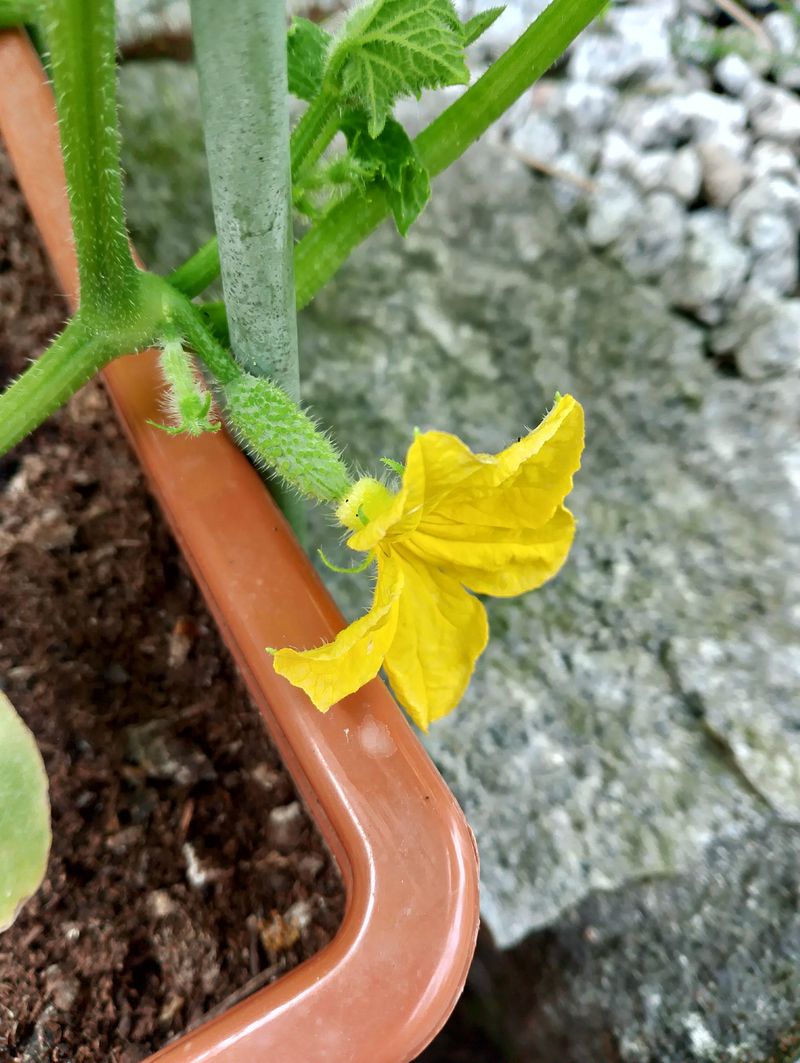
The vines are enormous. Flowers are opening every morning. Bees are visiting. Everything looks like a garden that is about to produce a serious amount of cucumbers.
And then nothing forms. Week after week of flowers without a single cucumber developing.
The problem is flower type rather than pollinator activity. Cucumber plants produce male flowers and female flowers as separate structures.
Male flowers appear first and arrive in clusters with no swelling at the base. Female flowers arrive slightly later with a tiny cucumber-shaped structure visible at the base of the bloom.
Without female flowers present and available for pollination, no fruit can form regardless of how active the pollinators are.
High temperatures shift the ratio significantly.
When daytime temperatures stay above ninety-five degrees for extended periods, plants produce a much higher proportion of male flowers and delay or reduce female flower output as a heat stress response.
Excess nitrogen fertilizer contributes to the same imbalance by pushing the plant toward vigorous vegetative growth rather than reproductive activity.
Vines that are lush, dark green, and growing rapidly without setting fruit are often over-fertilized. Reducing nitrogen and selecting a fertilizer with slightly higher phosphorus shifts the plant’s priority toward flowering.
Some cucumber varieties are parthenocarpic, meaning they set fruit without pollination.
In a Texas garden where heat disrupts pollinator timing, variety selection that accounts for this can make a significant difference in how reliably the plant produces through the hottest weeks.
5. Harvest Cucumbers While Still Small
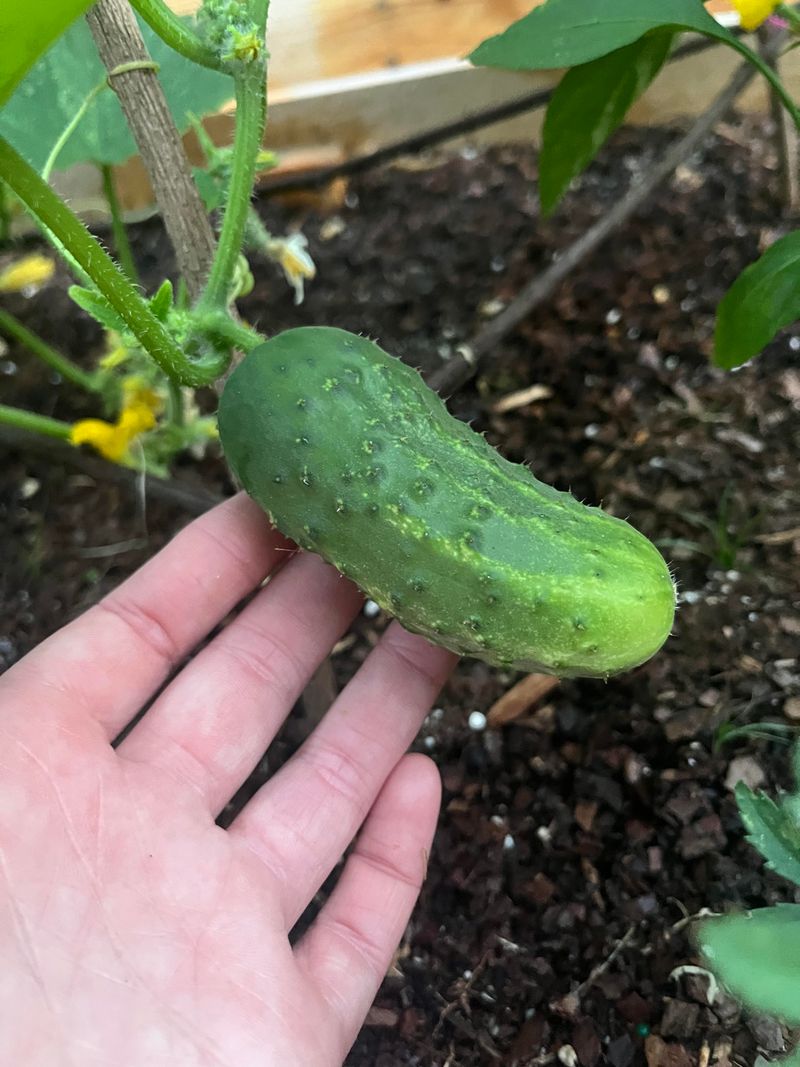
The cucumber sitting on the vine looks like it could still get bigger. It seems wasteful to pick it now when another few days might add some size.
So it stays. Then it turns yellow. Then the seeds harden. Then the vine slows down and the whole summer harvest shrinks accordingly.
Picking too late is one of the most common and most correctable mistakes in a Texas cucumber garden, and the consequences compound faster than most gardeners expect.
Slicing cucumbers reach peak flavor at six to eight inches long. Pickling types should come off at two to four inches.
At these sizes the skin is thin, the seeds are soft, and the flavor is at its best. Waiting past these benchmarks invites bitterness, toughness, and a plant that starts directing energy away from new production.
A mature cucumber left on the vine sends a specific signal. The plant interprets it as task completion and begins shifting resources toward seed maturation rather than continuing to produce new fruit.
Removing fruit consistently keeps the plant in active production mode throughout the season.
Texas summer heat accelerates this timeline considerably. A cucumber that looked ideal on a Tuesday morning can be past its prime by Thursday afternoon.
Checking vines daily during peak season and harvesting with clean scissors rather than pulling prevents vine damage that slows subsequent production.
A cucumber patch that gets harvested every day is a cucumber patch that keeps producing. The plants are very literal about that particular arrangement.
6. Water Deep And Keep Soil Even
Watering cucumbers in Texas is not simply a matter of keeping the soil from going completely dry.
The goal is consistent moisture, and that is a harder target to maintain when temperatures are relentless and soil dries out within hours of irrigation.
Uneven watering drives bitter fruit, cracked skin, yellow leaves, and misshapen harvests simultaneously.
The plant cannot regulate its chemistry properly when moisture swings between soaking wet and bone dry. Texas summers make that swing happen faster than gardeners anticipate.
Shallow, frequent watering trains roots to stay near the surface where they are most exposed to heat and drought.
Deep, less frequent watering encourages roots to move downward into cooler, more stable soil.
Watering slowly and thoroughly, allowing moisture to reach at least six inches below the surface, builds the root depth that helps plants handle Texas heat between irrigation cycles.
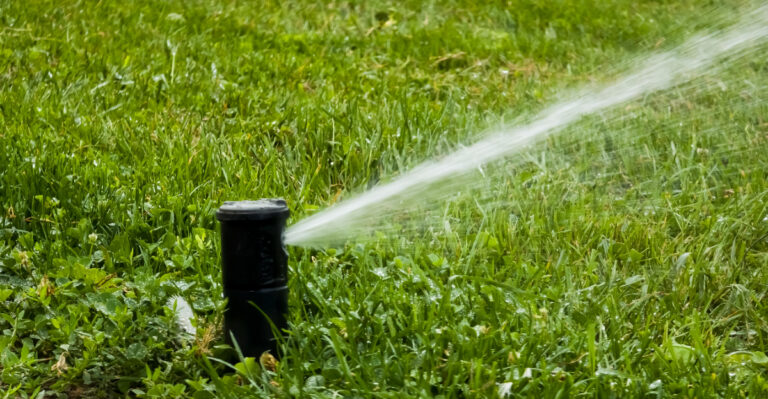
Drip irrigation and soaker hoses deliver water directly to the root zone without the evaporation losses that overhead watering produces during peak afternoon heat.
Cucumbers need one to two inches of water weekly under moderate conditions. Extended heat waves push that requirement higher.
Checking soil moisture two inches below the surface before watering rather than following a fixed schedule accounts for variation in temperature, cloud cover, and evaporation rate.
What the soil needs on a ninety-degree cloudy day is different from what it needs on a one-hundred-and-five-degree afternoon with no cloud cover in sight.
Watering in the early morning gives leaves time to dry before evening, which reduces fungal disease pressure through the humid stretches that arrive with Texas summer rain patterns.
7. Add Mulch Around The Vines
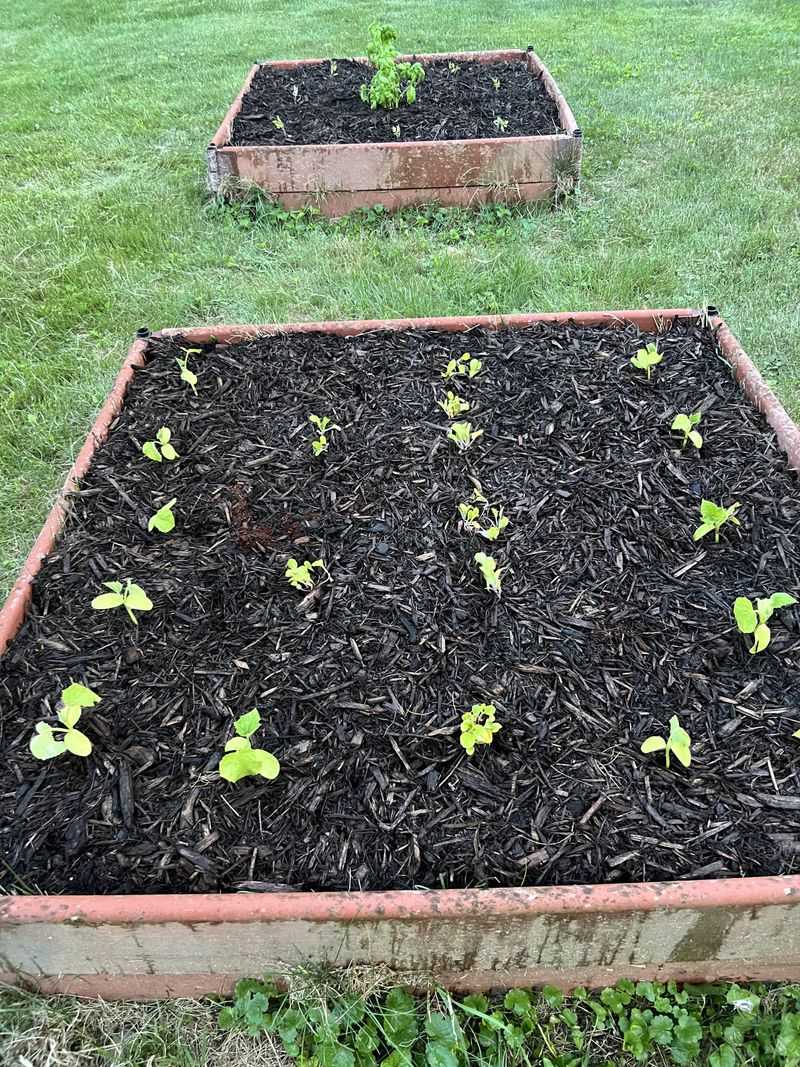
Mulch is one of the most underused tools in a Texas cucumber garden. The absence of it shows up directly in harvest quality and plant longevity through the summer.
A three to four inch layer of straw, shredded leaves, or wood chips around cucumber vines lowers soil temperature by ten degrees or more.
It also slows moisture evaporation between waterings, and dramatically reduces the wet-to-dry swings that cause bitter fruit and stressed plants.
That combination of benefits addresses multiple cucumber problems simultaneously with a single bag of material from the garden center.
Cucumber roots spread outward from the plant in a wide, shallow pattern. Covering as much of that root zone as possible with mulch keeps the entire functional root area cooler and more consistently moist than bare soil maintains under direct Texas sun.
Mulch also interrupts the disease cycle for soil-borne pathogens that travel from infected ground to plant tissue through water splash.
Angular leaf spot and several other common cucumber diseases spread exactly this way during watering and rain events.
A thick mulch layer absorbs that splash before it reaches the lower foliage and keeps infection rates significantly lower through the season.
Keeping mulch pulled back a few inches from the stem itself prevents moisture from accumulating directly against the base where fungal problems concentrate.
The best time to put mulch down is before the worst heat arrives rather than after the plant is already showing stress.
Early mulching gives the root zone protection through the full summer season rather than providing recovery support after damage is already established.