The Most Underrated Texas Native Plant That Helps Keep Scorpions Out Of Raised Garden Beds
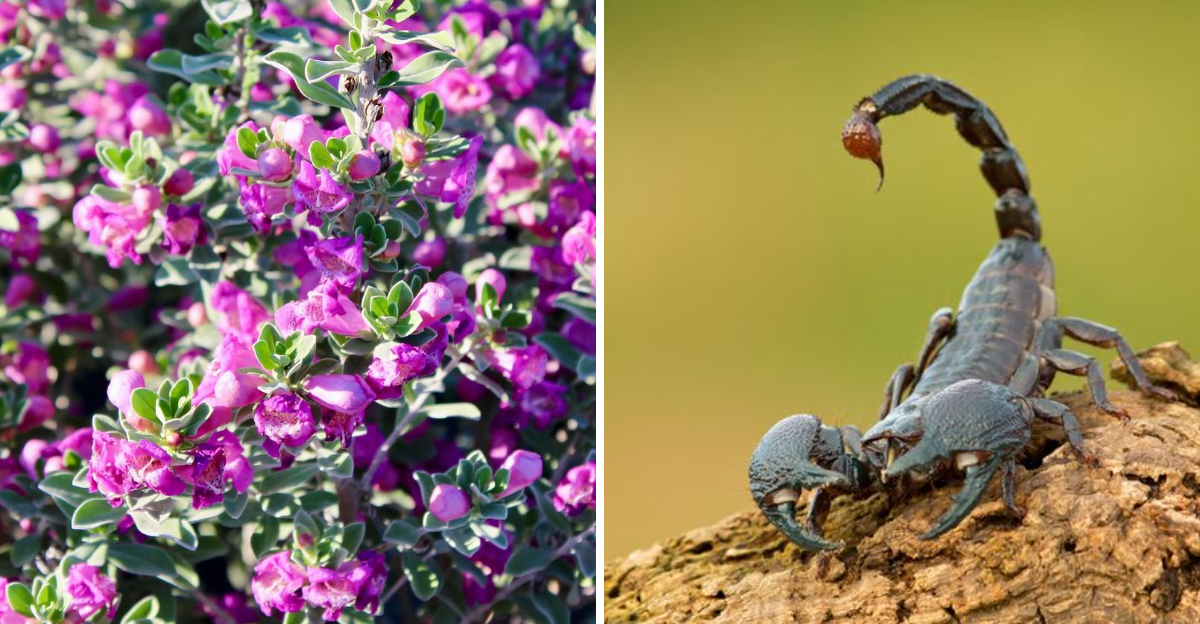
Finding a scorpion in your raised garden bed is the kind of discovery that makes you want to garden with full body armor from that point forward.
And if you’ve had the experience, you know it changes how you approach every morning harvest. Gloves on, shake everything out, check twice before reaching in. It gets old fast.
Most people tackle the scorpion problem with pesticides or physical barriers, and those have their place.
But there’s a native Texas plant that has been quietly earning a reputation for making raised beds a lot less appealing to scorpions, and most gardeners have never even considered it.
It thrives in the Texas heat, looks great alongside vegetables and herbs, and brings bonus benefits like attracting pollinators and deterring other unwanted pests. All while doing its quiet work of discouraging scorpions from settling in.
If scorpions have been stressing you out in the garden, this plant might be exactly the solution you didn’t know existed.
Meet Texas Sage
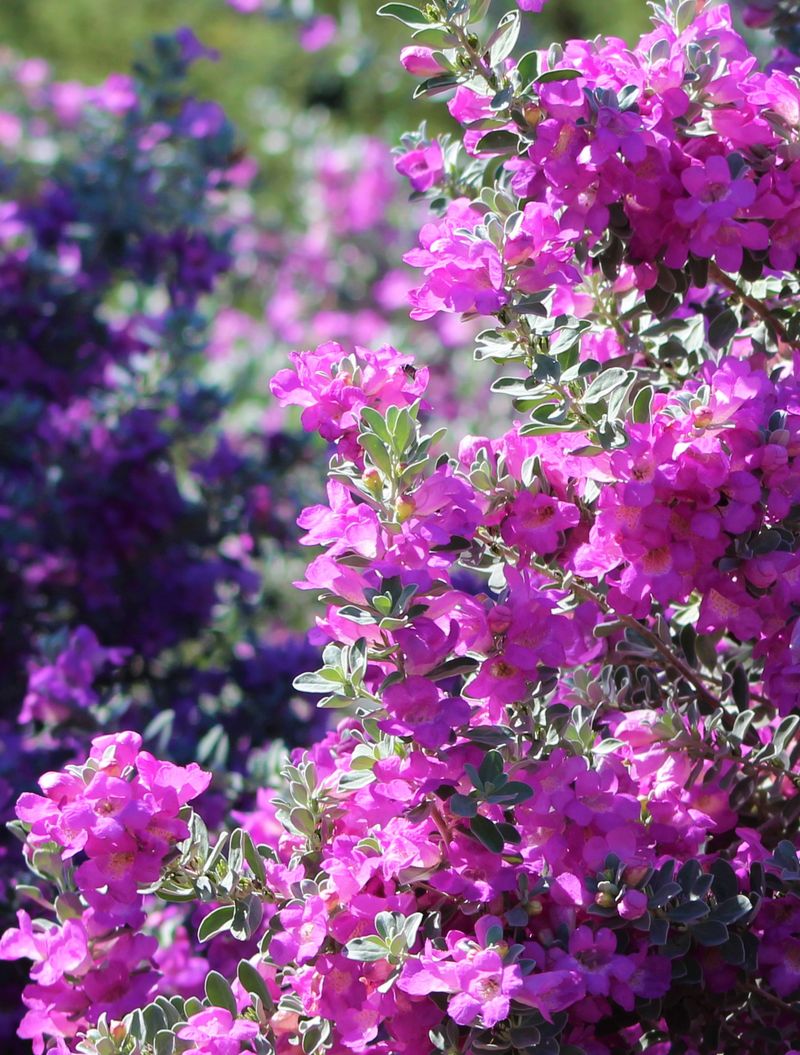
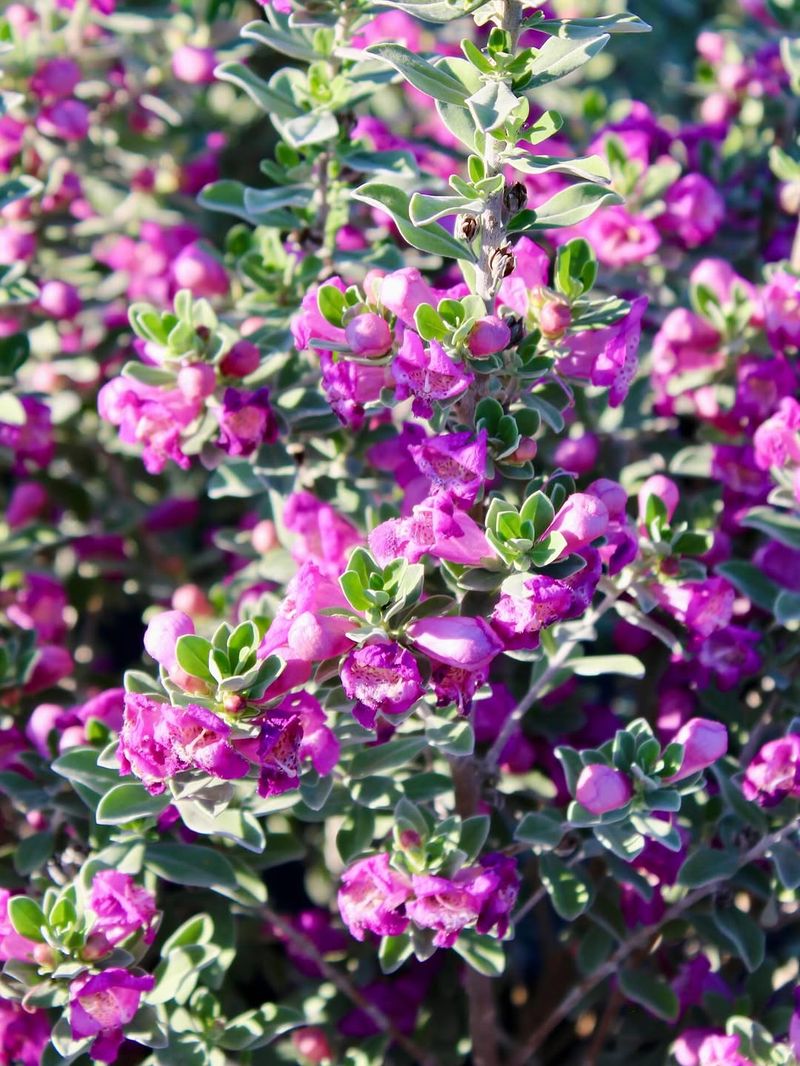
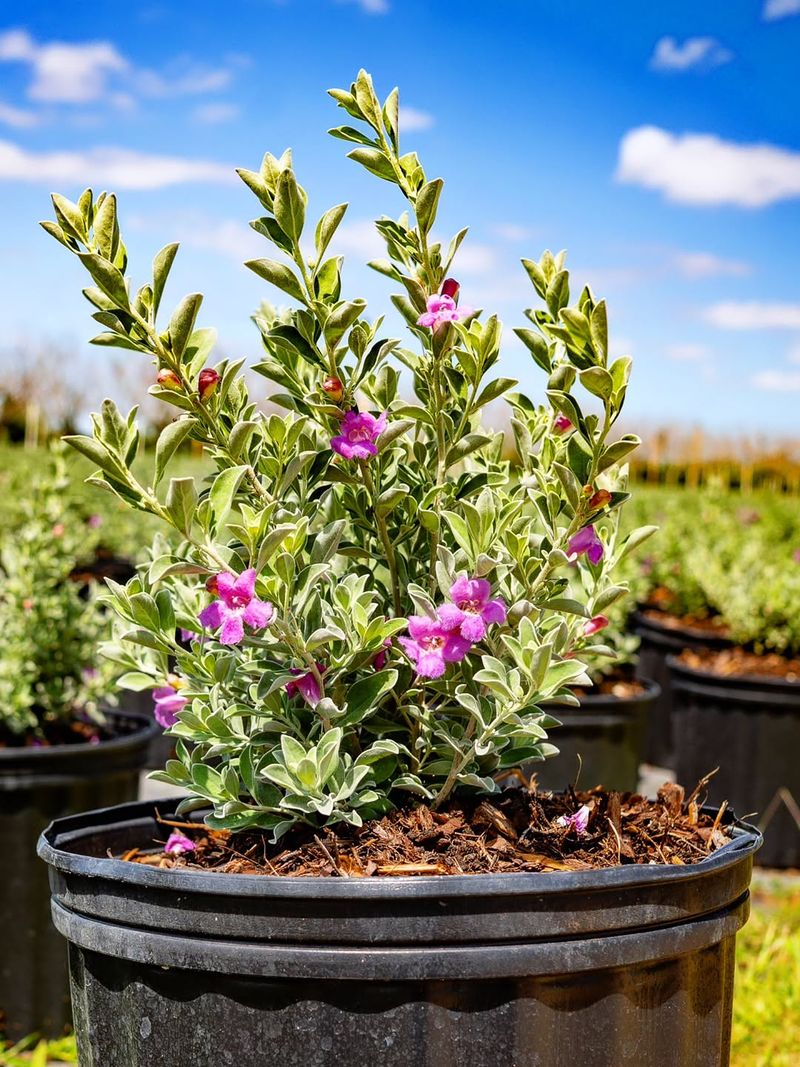
Walk through almost any Texas neighborhood and you have probably noticed a silvery-leaved shrub covered in purple flowers after a good rain. That plant is Texas Sage, known scientifically as Leucophyllum frutescens.
It is one of the most recognizable and beloved native plants in the Lone Star State, yet many gardeners still do not realize how powerful it truly is.
Texas Sage is a woody shrub that typically grows between four and eight feet tall. Its leaves have a soft, silver-gray color that comes from tiny hairs covering each leaf surface.
Those hairs help the plant reflect sunlight and hold moisture, which is exactly why it handles Texas heat so well. The plant blooms in shades of purple, lavender, and sometimes pink, usually triggered by high humidity or rainfall.
People often call it by fun nicknames like Barometer Bush or Rain Sage because it seems to bloom right before or after a rainstorm. This natural weather-reading ability makes it a conversation starter in any garden.
Beyond its looks, Texas Sage is also incredibly tough and long-lived, with some established plants thriving for decades with almost no special care.
For raised bed gardeners dealing with scorpion problems, Texas Sage is worth a serious look. Its dense, bushy structure and natural growing habits make it more than just a pretty face.
Planting it around your garden beds adds beauty, structure, and a layer of natural protection that chemical sprays simply cannot match. Getting to know this plant is the first step toward a healthier, safer garden space.
Natural Barrier Against Scorpions
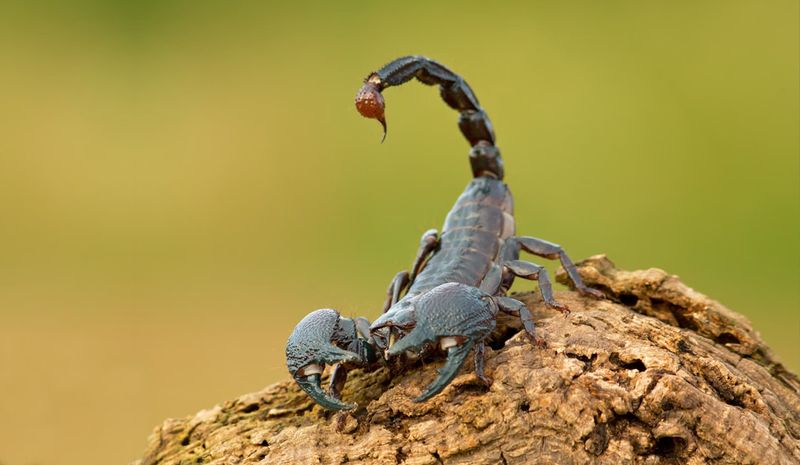
Scorpions are sneaky. They squeeze through tiny gaps, crawl along walls, and love to tuck themselves into cool, hidden corners near garden beds.
If you have ever reached into your raised bed and had a close call, you know how stressful that can be. Texas Sage offers a surprisingly effective natural solution by creating a dense physical barrier that scorpions prefer to avoid.
The shrub grows thick and full, with branches packed closely together from the base up. That tight growth pattern leaves very little open space at ground level, which is exactly where scorpions travel.
Your Texas Garden Changes Every Week. Your Plan Should Too.
Gardening in Texas changes quickly throughout the season. Every Friday you’ll receive a simple weekly plan showing exactly what to plant, prune, fertilize, harvest, and protect so you never miss the right timing.
When you plant Texas Sage along the edges of your raised beds or garden paths, you are essentially building a living wall that blocks their usual routes.
Scorpions rely on dark, sheltered pathways to move around, and a dense hedge of Texas Sage disrupts that movement.
Did you know that scorpions are also sensitive to certain plant compounds and textures? The rough, hairy surface of Texas Sage leaves is not a comfortable surface for them to crawl over.
Combined with the plant’s thick branching structure, it becomes a space they naturally want to skip. It is not a magic force field, but it significantly reduces the chances of scorpions finding easy access to your raised beds.
Think of Texas Sage as your garden’s first line of defense. Pair it with good garden hygiene like removing debris and wood piles nearby, and you have a solid, plant-powered strategy for reducing scorpion encounters.
Simple, natural, and effective is a combination that is hard to beat.
Heat And Drought Tolerance
Texas summers are brutal. Temperatures regularly climb past 100 degrees Fahrenheit, the soil bakes like concrete, and many garden plants simply cannot keep up.
That is where Texas Sage stands out in a big way. Built for exactly these conditions, this native shrub practically thrives on neglect during the hottest months of the year.
Leucophyllum frutescens evolved in the Chihuahuan Desert and the rugged Hill Country of Texas, where rainfall is unpredictable and the sun shows no mercy.
Because of that tough upbringing, the plant developed deep root systems that pull moisture from far below the surface.
Once established, usually after one full growing season, Texas Sage needs very little supplemental watering. That makes it a dream plant for busy gardeners or anyone trying to cut down on their water bill.
Full sun is where this shrub performs best. Give it six or more hours of direct sunlight daily and it will reward you with lush, full growth and regular bursts of blooms.
Shade or overwatering, on the other hand, can cause the plant to get leggy and sparse. Less really is more when it comes to caring for Texas Sage.
For raised bed gardeners, this drought tolerance is a major bonus. You can focus your watering efforts on your vegetables or flowers inside the bed while your Texas Sage hedge takes care of itself on the perimeter.
It fits naturally into a smart, water-wise garden plan without demanding extra attention. Tough, reliable, and low-cost to maintain, that combination makes it a standout choice for any Texas garden setup.
Supports Beneficial Insects
A garden without pollinators is like a party without music. It technically works, but something important is missing.
One of the most underappreciated things about Texas Sage is how powerfully it attracts beneficial insects, turning your garden into a buzzing, fluttering, thriving ecosystem that works in your favor.
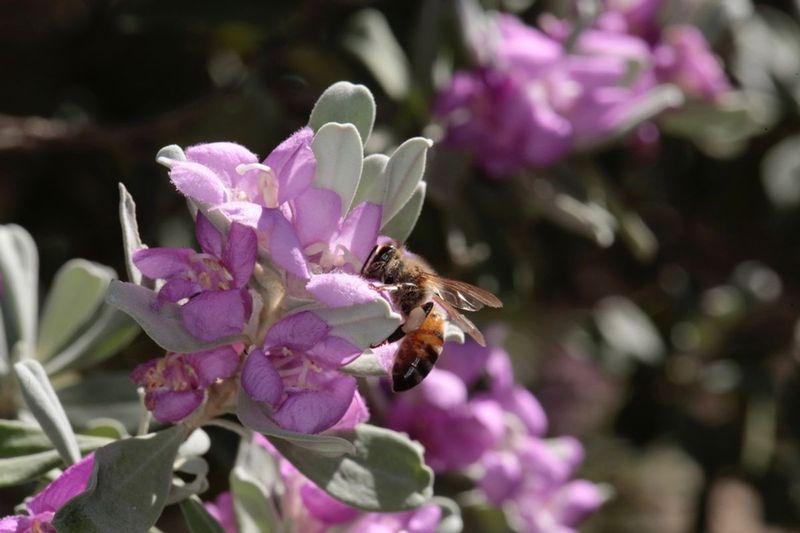
When Texas Sage blooms, bees show up fast. Honeybees and native bees are especially drawn to its tubular purple flowers, which are perfectly shaped for their feeding style.
Butterflies love it too, and you might spot Gulf Fritillaries, Monarchs, and Sulphurs visiting regularly during bloom periods. These pollinators do not just enjoy the Sage.
They also move on to pollinate your vegetables, herbs, and flowers inside your raised beds, giving you better harvests and healthier plants.
Beyond pollinators, Texas Sage also attracts predatory insects like assassin bugs, lacewings, and parasitic wasps. These are the good guys of the insect world.
They feed on aphids, caterpillars, and other soft-bodied pests that can damage your garden crops. By planting Texas Sage nearby, you are essentially inviting a natural pest control crew to set up shop right next to your raised beds.
A balanced garden ecosystem is one of the smartest tools a gardener can build. When beneficial insects are present and thriving, harmful pest populations tend to stay in check without the need for chemical sprays.
Texas Sage plays a quiet but crucial role in making that balance possible. Adding just a few shrubs around your garden perimeter can make a noticeable difference in overall plant health and garden productivity throughout the growing season.
Evergreen And Year-Round Coverage
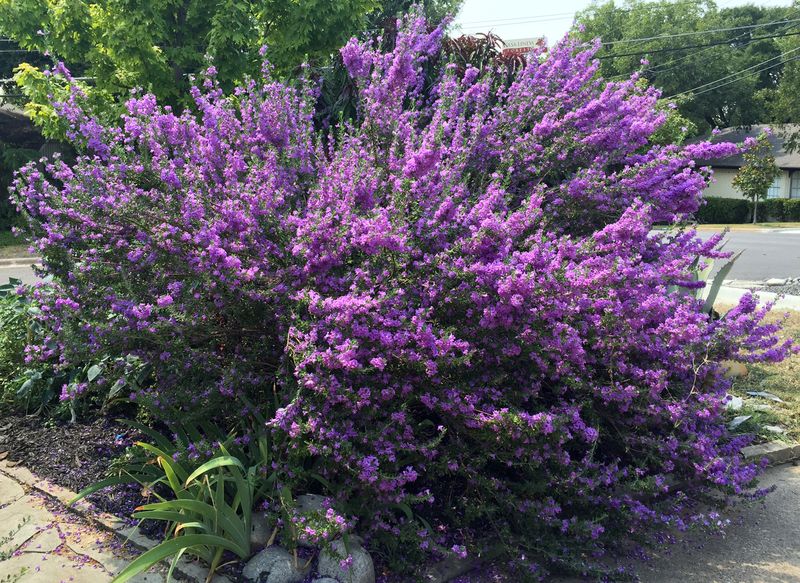
Some plants do their job for a season and then disappear, leaving your garden exposed and unprotected during the colder months. Texas Sage is not that kind of plant.
It keeps its foliage year-round, giving your raised beds consistent coverage and structure no matter what time of year it is.
In Texas, where winters are generally mild, Leucophyllum frutescens stays green and full even through the cooler months. The silvery leaves hold their color beautifully, and the plant maintains its dense, bushy shape without dropping its leaves the way deciduous shrubs do.
That means the physical barrier it creates against scorpions and other pests does not disappear when temperatures drop.
Year-round coverage also means year-round garden structure. Raised beds can sometimes look bare or disorganized, especially in the off-season when crops have been harvested.
A border of Texas Sage keeps the garden looking intentional and well-designed throughout every month. It adds visual weight and a sense of permanence that makes the whole space feel more put-together.
Gardeners who use raised beds for multiple growing seasons will especially appreciate this consistency. You do not have to replant your border every spring or worry about gaps in your natural barrier during fall and winter.
Texas Sage stays on duty all year long, quietly doing its job while everything else in the garden goes through seasonal changes. That dependability is something you really come to value once you experience it firsthand.
For low-effort, high-reward gardening, evergreen coverage is a feature that belongs at the top of every gardener’s wish list.
Planting And Care Tips
Ready to add Texas Sage to your garden? Getting it started is easier than you might think. This plant is forgiving, adaptable, and does not require a green thumb to succeed.
A few smart choices at planting time will set you up for years of low-maintenance beauty and natural pest protection.
Start by choosing a spot that gets full sun for most of the day. Texas Sage does not do well in shade, so avoid planting it close to tall fences or under tree canopies.
Well-draining soil is a must. This plant hates sitting in soggy ground, so if your soil holds water, mix in some coarse sand or gravel before planting.
Raised bed borders are actually ideal locations because the soil there tends to drain well naturally.
Space your plants about three to five feet apart along the edges of your beds, walkways, or garden perimeter. This spacing gives each shrub room to fill out fully without crowding, which keeps the barrier dense and effective.
Water newly planted shrubs regularly for the first few months to help them establish strong roots. After that, you can pull back significantly on watering and let the plant do its thing.
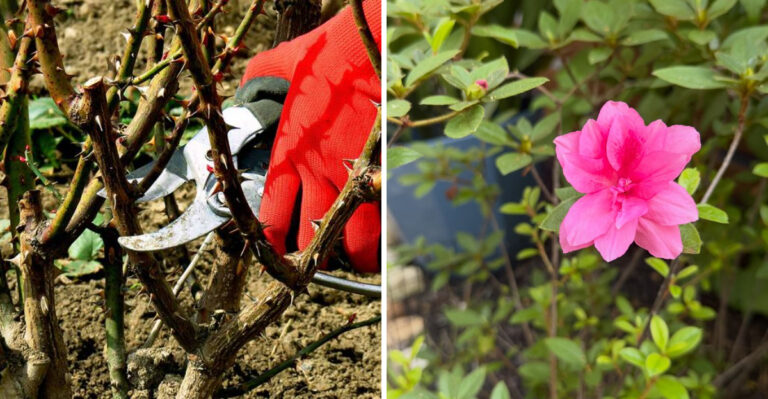
Pruning is rarely necessary, but a light trim after the main bloom period can help keep the shape tidy and encourage fresh growth. Avoid heavy pruning into old wood, as Texas Sage does not always bounce back well from that.
Pair it with other Texas natives like Turk’s Cap or Blackfoot Daisy to boost biodiversity and create a fuller, more balanced natural pest control system around your entire garden.