That Purslane You Keep Pulling From Your Arizona Yard Is A Heat- and Drought-Adapted Edible Green
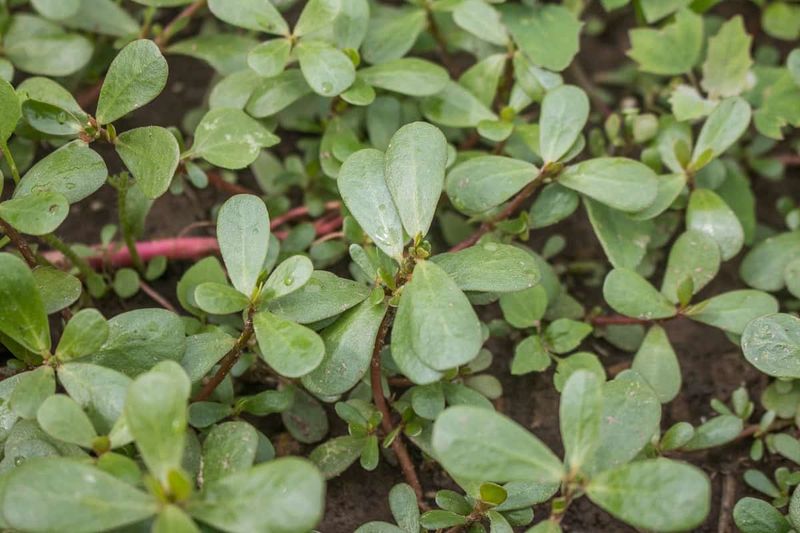
Every summer, Arizona homeowners yank the same fleshy little weed from their garden beds and pavement cracks without a second thought. That plant is almost certainly common purslane, and it turns out to be one of the richest plant sources of omega-3 fatty acids among leafy greens.
Before you eat a single leaf, though, there are real identification and contamination risks worth understanding. This guide gives you a straight look at what purslane actually is, what it can and cannot do, and how to use it safely if you choose to keep it.
Identify common purslane before you harvest anything
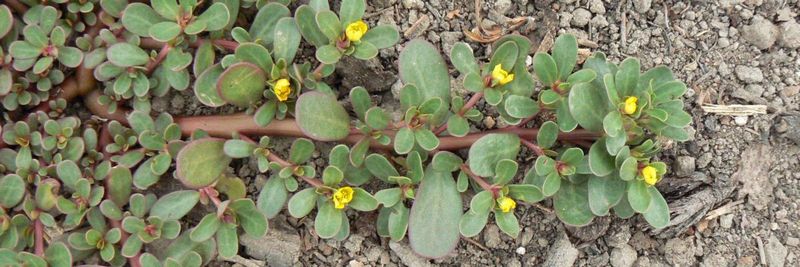
Not every low-growing succulent weed in your yard is fair game for the salad bowl. The plant worth knowing is common purslane, Portulaca oleracea, and getting the identification right before you harvest anything is the single most important step in this whole process.
University of Arizona Cooperative Extension notes that Arizona has multiple plants carrying the common name “purslane,” and they are not interchangeable. Common purslane has smooth, fleshy, rounded-to-oval leaves and thick, succulent stems that often take on a reddish or purplish tint near the base.
The leaves are hairless and feel slightly rubbery. Plants grow low to the ground in a spreading mat, and the whole plant snaps cleanly when broken.
Two look-alikes deserve a specific mention. Spotted spurge is a flat, mat-forming weed that can share the same pavement cracks and disturbed soil.
Break a spurge stem and it bleeds a milky white sap; common purslane does not. That single test rules spurge out.
Horse purslane (Trianthema portulacastrum) is another Arizona plant with a similar common name but a different species entirely, and it is not the edible plant discussed here.
Resemblance alone does not establish a safe identification. If you cannot confirm smooth, hairless, fleshy leaves, succulent stems, no milky sap, and a mat-forming growth habit, do not harvest the plant.
Every section that follows assumes you have correctly identified Portulaca oleracea.
Explain why purslane copes with heat and drought
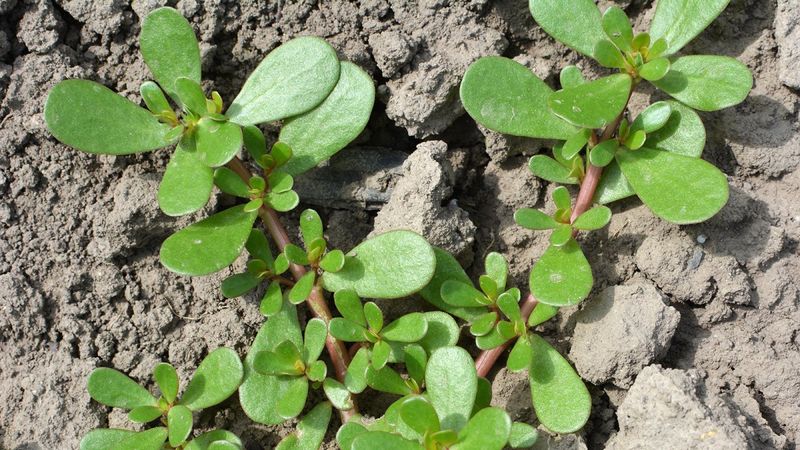
Purslane survives where many garden plants collapse, and the reasons are biological rather than accidental. Its fleshy leaves and stems store water in the same way a cactus does, giving the plant a reservoir to draw on when the soil dries out between monsoon rains or irrigation cycles.
Beyond water storage, purslane has a documented ability to shift between two photosynthetic strategies. Under normal conditions it uses C4 photosynthesis, which is already more water-efficient than the common C3 pathway used by most leafy vegetables.
When drought stress intensifies, research on C4-to-CAM plasticity in the Portulaca oleracea complex shows the plant can shift toward crassulacean acid metabolism, closing its leaf pores during the day to reduce water loss and fixing carbon at night instead. That flexibility lets it maintain growth and carbon uptake under conditions that would shut down less adaptable plants.
Those traits explain why purslane keeps reappearing in disturbed spots, including lawns, garden beds, and pavement cracks, through Arizona summers. Its adaptations may allow it to persist when some cool-season greens, including lettuce, are damaged by heat and dry soil.
Your Arizona Garden Changes Every Week. Your Plan Should Too.
Gardening in Arizona changes quickly throughout the season. Every Friday you’ll receive a simple weekly plan showing exactly what to plant, prune, fertilize, harvest, and protect so you never miss the right timing.
That is a meaningful advantage, but it is not a guarantee. Prolonged extreme heat, inadequate water, compacted soil, or poor overall plant health can still injure or kill purslane.
Arizona Extension confirms that even adapted plants can be harmed by the kind of sustained triple-digit heat the low desert regularly delivers.
Focus the nutrition story on ALA, not miracle claims
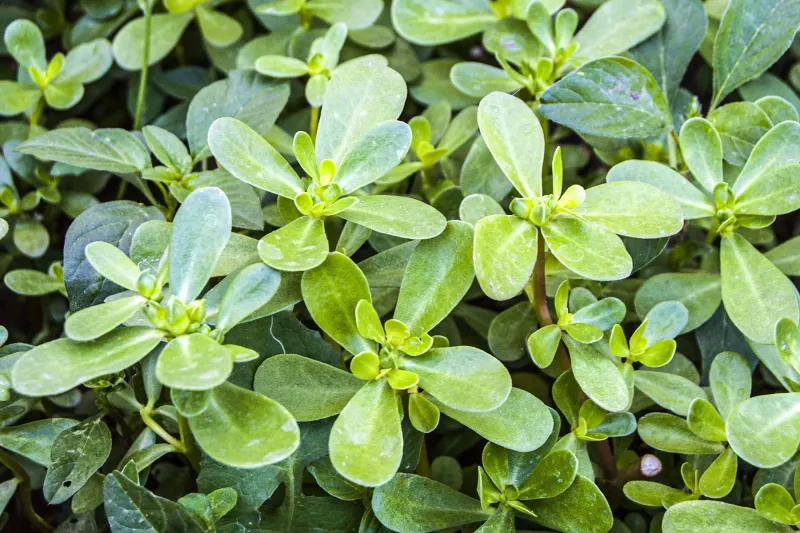
Purslane’s nutritional reputation rests on a specific and well-documented fact: its fresh leaves are among the richest leafy-vegetable sources of alpha-linolenic acid, commonly abbreviated ALA. Peer-reviewed research, including an early study identifying purslane as a source of omega-3 fatty acids and antioxidants, commonly reports values around 300 to 400 milligrams of ALA per 100 grams of fresh leaves.
That puts it well above most common salad greens.
Those figures are real, but they are not fixed. A cultivar grown in sandy Arizona soil under full summer sun will not produce identical nutrient levels to one grown in a coastal research garden.
Growing conditions, plant maturity, the specific part of the plant sampled, and the measurement method all shift the numbers. Research confirms that harvest stage alone can significantly affect fatty-acid concentration, so the 300-to-400-milligram range is a useful benchmark rather than a guarantee stamped on every plant in your yard.
The article headline’s implied comparison to iceberg lettuce deserves a direct answer. The reviewed evidence does not support a universal 15-times figure; published comparisons differ substantially depending on which lettuce data set and which serving basis are used.
The accurate statement is that purslane is exceptionally high in ALA relative to most leafy greens, and that is genuinely notable without needing an inflated ratio.
ALA is a plant-based fatty acid, and it is not the same as EPA or DHA, the longer-chain omega-3s found in fish. The human body converts only a small fraction of consumed ALA into those longer-chain forms.
Purslane contributes real nutrition, but it does not replace fish oil, and no ordinary serving has been shown to prevent or treat disease.
Choose a clean growing spot instead of a pavement crack
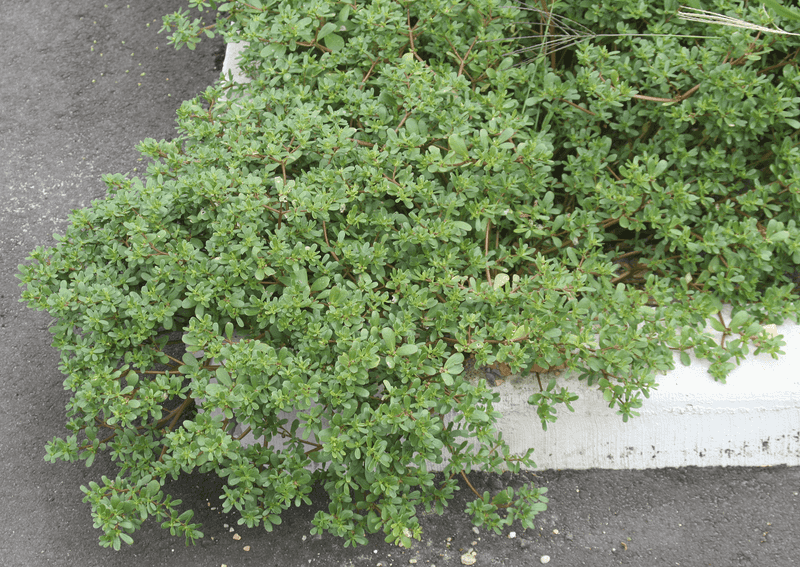
A plant’s nutritional profile only matters if the plant itself is safe to eat. Purslane growing in a pavement crack, along a driveway, near a drainage ditch, or in a lawn that has ever been treated with herbicides or pesticides is not a candidate for your kitchen, full stop.
Rinsing a leaf under the tap does not fix this. Washing can remove surface dirt and some biological residues, but it cannot pull out systemic herbicides that the plant has already absorbed through its roots, and it cannot neutralize petroleum residues, unknown chemical runoff, or pathogens from pet waste.
As UF/IFAS Extension guidance on eating weeds makes clear, contamination history matters more than appearance, and a clean-looking plant from a suspect location is still a suspect plant.
The practical recommendation, drawn from contamination and cultivation guidance rather than a single formal study, is to keep your edible purslane in a known clean location. That means a raised bed or container filled with untreated soil, watered with a hose rather than runoff, and located away from vehicle traffic, treated turf, and chemical storage areas.
If a purslane plant shows up there on its own and you can confirm both the identification and the soil history, you can consider it a candidate for harvest. If it showed up in a crack in the driveway, pull it and move on.
Time and manage an edible patch for the low desert
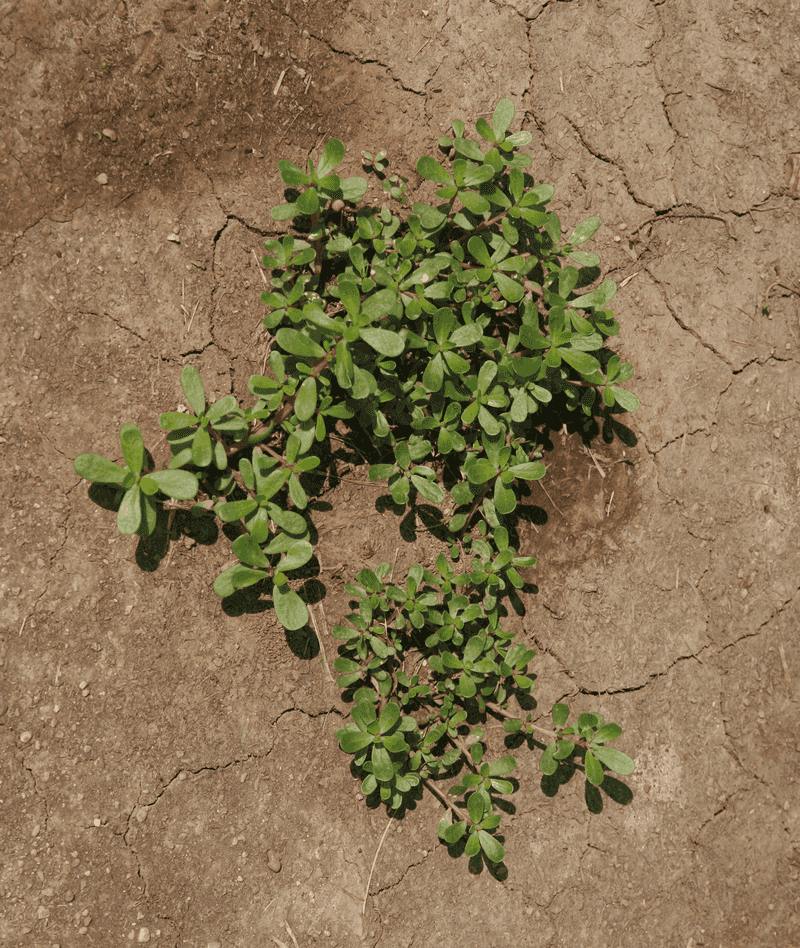
Keeping purslane as an intentional edible crop rather than a random yard visitor gives you control over soil history, watering, and harvest timing. Growing it on purpose in the low desert means working with Arizona’s actual seasons rather than assuming the plant will take care of itself.
Spring and fall are the main vegetable-growing windows in Maricopa County, according to University of Arizona Extension’s vegetable planting calendar. Purslane is a summer annual that germinates in warm soil, so a late-spring start can work, but establishing any plant during the peak of Arizona summer is harder than gardening catalogs suggest.
Extreme soil temperatures, rapid moisture evaporation, and intense afternoon sun can stress even heat-adapted seedlings before they get established.
Regular irrigation during the establishment period matters more than most people expect. Once purslane is rooted and actively growing, it tolerates dry spells better than cool-season greens, but it still needs water to produce the tender, palatable leaves worth harvesting.
A clean raised bed or large container is the most practical setup: it keeps the edible patch physically separate from treated turf or contaminated ground, makes targeted watering easier, and lets you monitor the soil history from the start.
No planting schedule guarantees success in a Phoenix or Tucson summer. Treat the first season as a trial run, pay attention to how the plants respond to your specific microclimate, and adjust timing and shade exposure from there.
Harvest tender leaves and stems for raw or cooked dishes
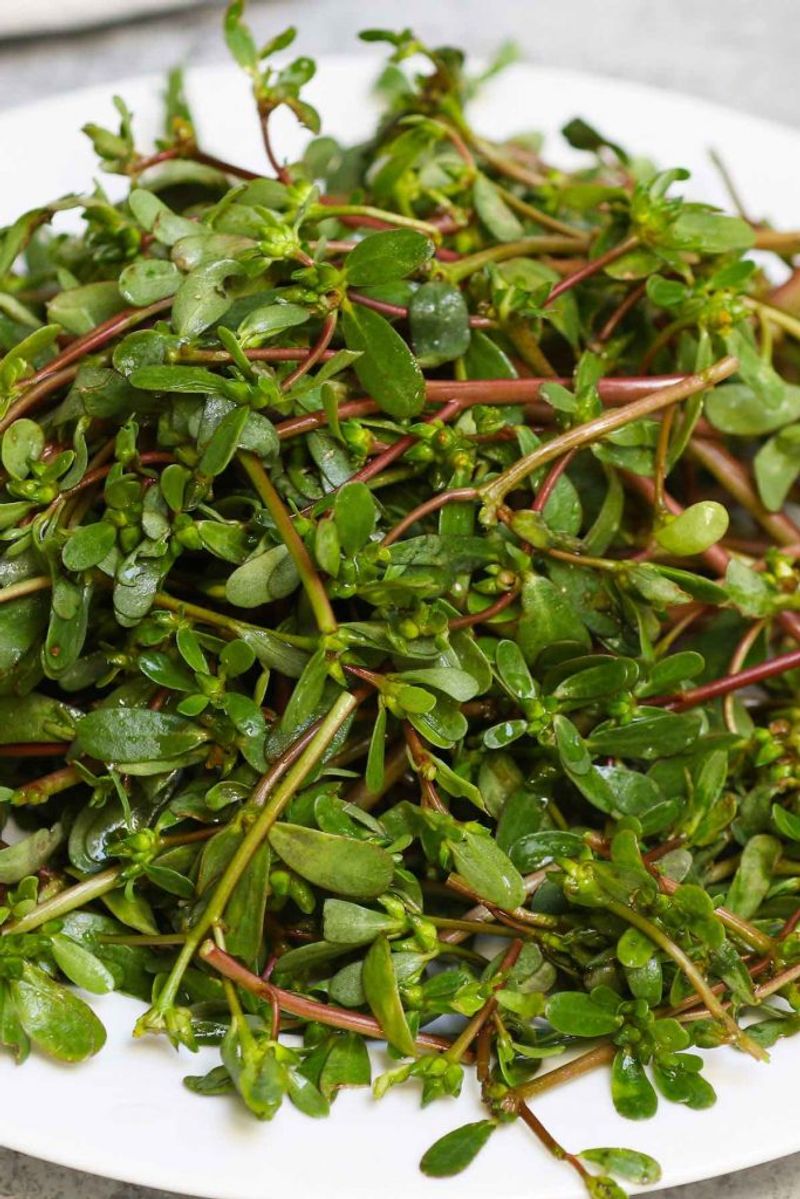
Young, tender leaves and the soft upper portions of the stems are the parts worth harvesting. Older stems become woody and less pleasant to chew, so aim for growth tips and leaves that snap off cleanly rather than bend.
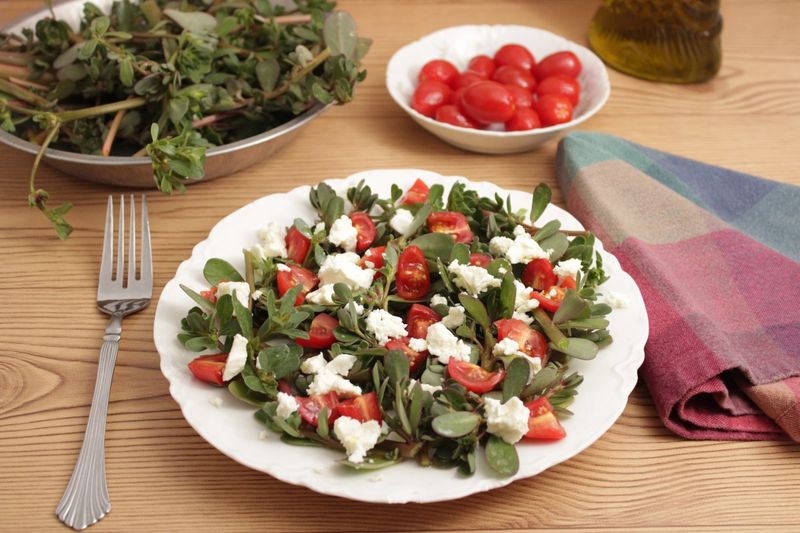
Raw purslane has a mild, slightly tart flavor with a crisp, juicy texture that works well in salads or as a garnish. Cooking changes the experience considerably: heat softens the leaves and reduces the plant’s natural mucilaginous quality, which some people find slippery or slightly slimy when raw.
Sauteed briefly with garlic or stirred into a soup near the end of cooking, it behaves more like spinach or watercress.
One point cannot be repeated enough: preparation does not correct a bad identification or a contaminated growing history. Cooking a misidentified plant does not make it safe, and boiling leaves from a pesticide-treated bed does not neutralize chemical residues.
The time to address those issues is before the plant ever reaches your cutting board, not after. As long as you are starting from a correctly identified plant grown in a known clean location, the preparation itself is straightforward and flexible.
Set sensible limits for eating and growing purslane
Purslane is not a food you need to eat by the bowlful to benefit from it, and there are a few reasons to keep portions moderate rather than treating it as an unlimited green. University of Arizona Cooperative Extension flags oxalates as a reason for caution, particularly for people who are prone to kidney stones.
Purslane contains oxalic acid, and while typical culinary portions are unlikely to cause problems for most healthy adults, people with a history of kidney stones or oxalate sensitivity should check with a healthcare provider before adding it regularly to their diet. No universal serving limit exists in the reviewed literature, so moderation rather than a specific gram count is the practical guidance.
Nutrient levels are also not fixed. ALA concentration varies with the plant’s genetics, maturity at harvest, growing environment, and which part of the plant you are eating.
Younger leaves from a well-watered plant in partial shade may differ meaningfully from older leaves harvested in peak summer stress.
On the garden-management side, common purslane is an introduced, weedy plant in Arizona, not a native species. The Yavapai County plant database lists Portulaca oleracea as introduced and weedy, and it should not be framed as a habitat plant or a substitute for native species with documented wildlife value.
The plant produces a large number of seeds quickly, and once those capsules mature and open, you will have far more purslane than you planned for. Pulling or cutting plants before seed capsules fully develop is the most reliable way to keep an intentional edible patch from becoming a persistent weed problem across the rest of your yard.
Use a grounded rule for deciding whether to keep it
The decision comes down to four things: correct identification, a clean growing location, realistic expectations about nutrition, and timely seed management. Confirm the plant is Portulaca oleracea before anything else.
Keep it only in a bed or container with a known, untreated soil history. Value its genuinely high ALA content among leafy greens without expecting it to function as a supplement or a medical treatment.
And pull or cut it before seed capsules open if you want to stay in control of where it grows next season.
Purslane’s heat and drought adaptations make it a reasonable candidate for an Arizona edible-green patch. Research on purslane’s physiological responses to drought and heat stress supports that framing, as long as you drop the “heat-proof” label and treat it as a plant with useful traits rather than a guaranteed survivor.
A weed that earns a place in your garden by being genuinely useful is a better story than a superfood that overpromises and underdelivers.