That Silver Flicker On Your Illinois Bathroom Tile Has A Surprising Story
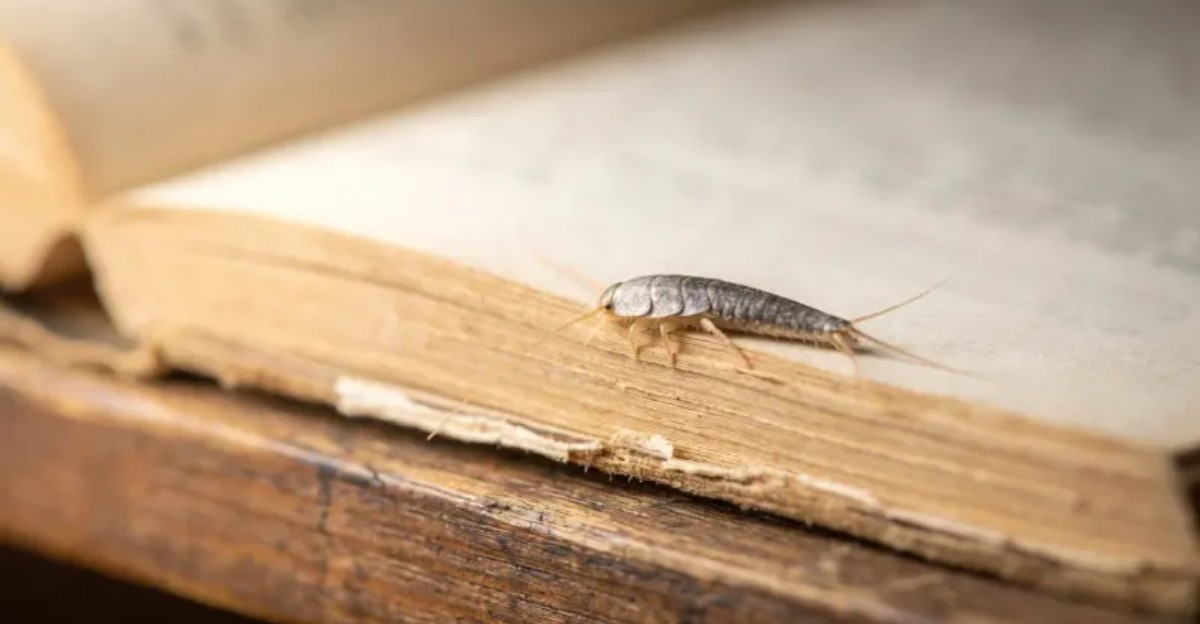
The tiny streak that bolted under my bathtub belongs to a family older than the dinosaurs. Its ancestors were scurrying across the ground long before the first flowers bloomed.
I flipped on the light at midnight in my Illinois home and caught one mid-dash on the tile. It moved with a strange wiggle, almost like a fish slipping through water. Covered in shiny scales, it vanished into a grout crack in about one second.
You might notice these visitors more in an Illinois bathroom, basement, or laundry room than in other parts of the house.
Moisture is the big clue, and their choice of snacks is even stranger. Paper, glue, and even the starch in old book bindings are on their list.
A little reading gave me a whole new respect for this odd little houseguest. A creature this ancient didn’t pick your shower floor by accident; it found the damp, dark corner its ancestors have favored for hundreds of millions of years.
That Shiny Bug Under The Bathroom Sink Is Older Than The Dinosaurs
Silverfish belong to an ancient group of insects called Zygentoma. Their close relatives show up in the fossil record hundreds of millions of years ago, well before dinosaurs walked the earth.
Scientists consider them one of the most primitive insect groups still around today, and they are still thriving in Illinois homes.
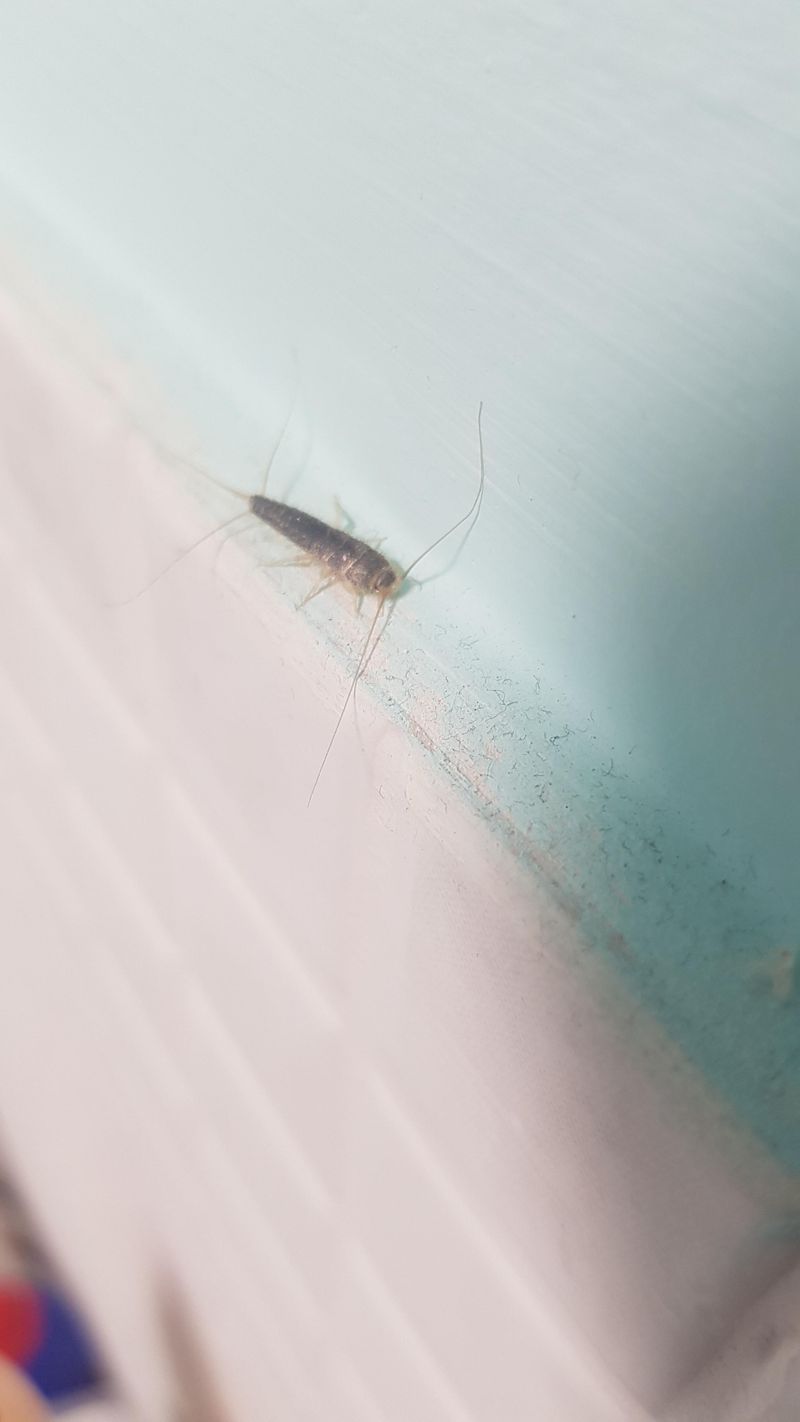
Those early roots explain their unusual look. They never developed wings, and their flattened bodies are shaped like a teardrop or a carrot.
Adults usually measure about half an inch to three quarters of an inch long, which is why an Illinois homeowner can easily miss one until it crosses a bright floor.
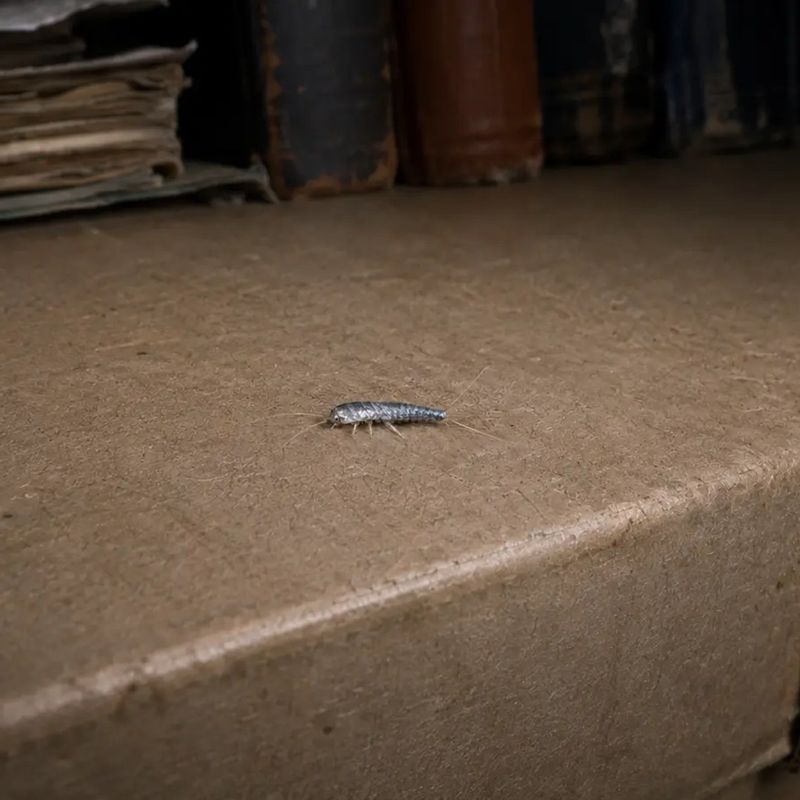
You can spot three key features. Two long antennae wave from the head, and three bristly tails trail from the back end. The whole body is covered in tiny silvery scales that rub off easily.
The name comes from the way they move. They wiggle side to side as they run, which looks a lot like a small fish darting through water. I laughed the first time I noticed it, because the comparison is spot on.
Another odd trait is that adults keep molting their whole lives. Most insects stop shedding once they are grown, but silverfish keep going.
That ancient body plan has clearly worked for a very long time, and it still works just as well in an Illinois basement today.
Steamy Showers Turn Your Bathroom Tile Into Silverfish Paradise
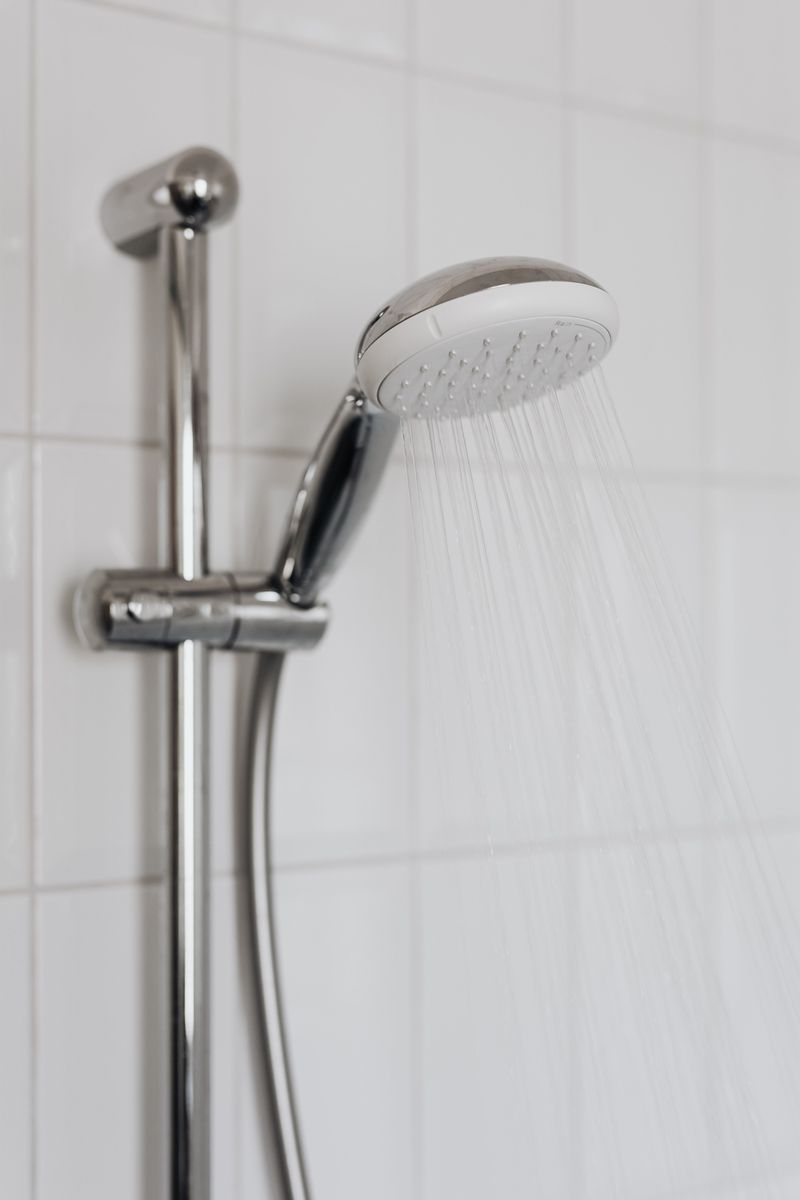
Humidity is the whole story here. Silverfish thrive where relative humidity sits around 75 percent or higher, according to many university extension guides. A hot shower can push a small bathroom past that mark in minutes.
Bathrooms offer more than steam. Cracks in grout, gaps behind baseboards, and the dark space under the sink give them safe places to hide during the day. A slow drip from a pipe keeps those spots damp around the clock.
Older homes in Illinois often add to the problem. Damp basements, crawl spaces, and laundry rooms feed moisture into the rest of the house, especially during muggy summers. Chicago bungalows and farmhouses alike can have these pockets.
These insects are mostly active at night. That is why you usually see one only when you flip on a light at 2 a.m. They race for cover the moment they are exposed.
So that flicker on the tile is less about dirt and more about dampness. A spotless bathroom can still host them if the air stays wet. Think of each sighting as a humidity report delivered on six tiny legs.
Book Glue And Wallpaper Paste Are Silverfish Favorites
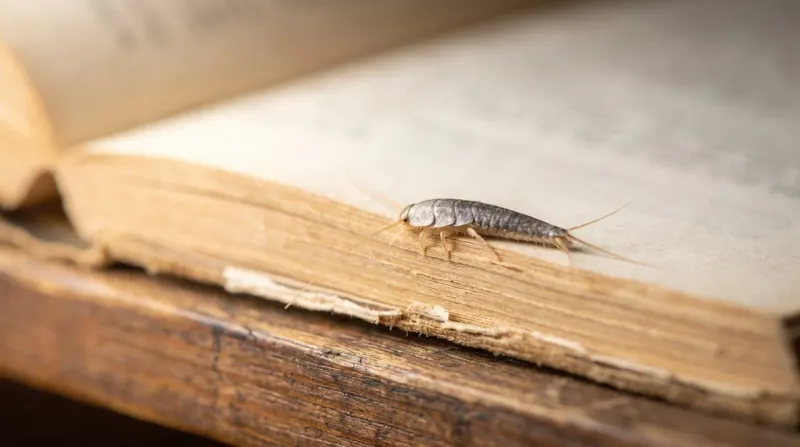
Here is the twist that surprised me most. Silverfish love starch and sugars, which means paper and glue rank near the top of their menu. Book bindings, wallpaper paste, and cardboard boxes all count as dinner.
They also nibble on fabrics like cotton, linen, rayon, and silk, especially if the cloth has been starched. Pantry foods such as flour, oats, and cereal tempt them too. Even crumbs, dandruff, and soap residue can keep them going.
What really impressed me is their stamina. Researchers have found that silverfish can go many months without eating if water is available. That patience helps them hang on in quiet corners nobody checks.
Fun fact for book lovers. Some libraries and museums treat silverfish as a real concern, because old documents and photographs are full of the starches they crave. Archivists keep humidity low partly to protect treasures from them.
At home, your risk spots are similar. Stacks of magazines under the bathroom sink, old seed catalogs, or cardboard boxes in the basement make easy targets. Moving those items to plastic bins takes away both a meal and a hiding place.
Your Garden Plants Are Safe, But Stored Seed Packets Might Not Be
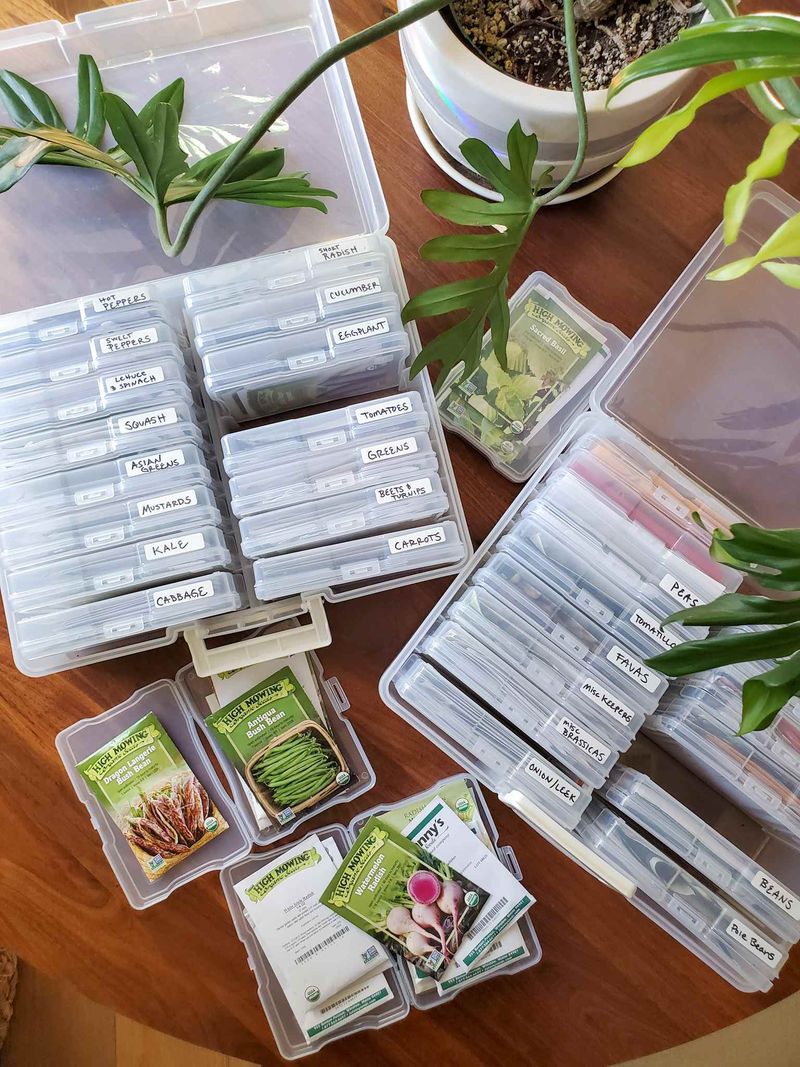
Good gardeners worry about every bug, so let me ease your mind. Silverfish do not attack living plants in your beds or containers. Your tomatoes, hostas, and coneflowers have nothing to fear from them.
Outdoors, related insects live under bark, rocks, and leaf litter. There they help break down old plant material, much like many other small decomposers. Common household silverfish, though, mostly live indoors near people.
Trouble starts with garden supplies kept in damp places. Paper seed packets, cardboard seed-starting kits, old gardening books, and dried herbs can all attract them. A humid shed or basement corner makes those items even more inviting.
I moved my seed collection into a sealed plastic tub with a silica gel pack, and the problem went away. Seeds stay viable longer when they are cool and dry anyway. So the fix helps your garden in two ways.
Check stored bags of potting mix and peat pots too. Wet bags sitting on a concrete floor can create a damp pocket that draws insects.
Raise them on a shelf or pallet, and keep the storage area well ventilated through the humid months.
Tiny Holes And Shed Silver Scales Give Silverfish Away
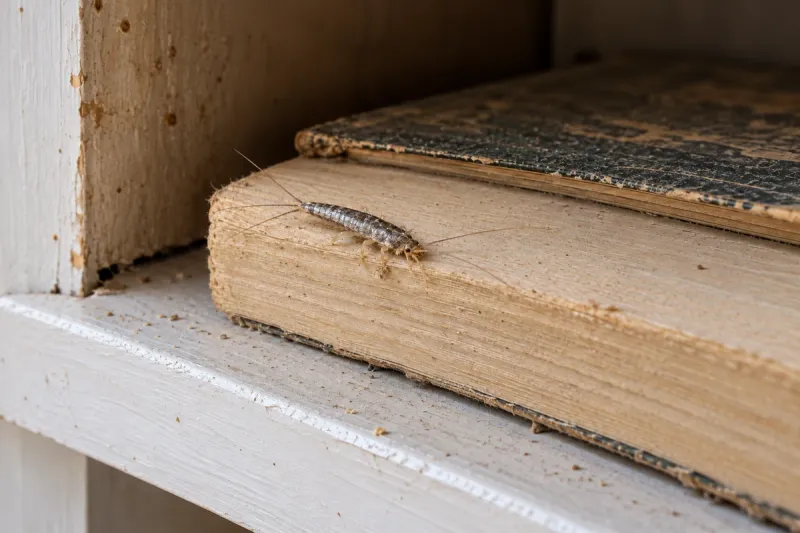
Most people find the clues before they see the culprit. Since silverfish hide by day, damage is often the first sign. Learning what to look for makes detective work much easier.
Watch for irregular holes, notches along edges, or thin scraped areas on paper and wallpaper. The surface can look lightly etched, as if someone used fine sandpaper. Damage to clothing tends to show as small, uneven spots.
Look closely and you may notice tiny yellowish stains nearby. You might also find shed skins or a light dusting of silvery scales. Small pepper-like droppings are another hint.
A simple trap test helps confirm things. Wrap a small glass jar in masking tape so they can climb the outside, then set it near the suspected area overnight. Silverfish slide inside but struggle to climb the smooth glass.
Don’t stop at the bug itself. Frequent sightings can point to a hidden leak, poor ventilation, or damp walls.
Those moisture problems can lead to mold and wood damage, so they deserve attention even more than the insects do.
An Exhaust Fan And A Dehumidifier Send Silverfish Packing
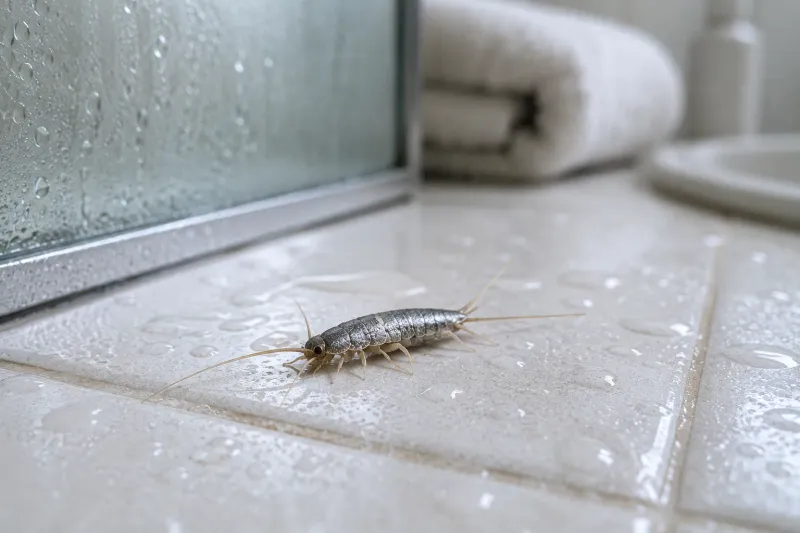
Drying things out is the single most effective step you can take. Extension experts agree that cutting moisture makes a home far less welcoming. Chemicals help much less when the dampness stays.
Run the bathroom exhaust fan during every shower and for at least 20 minutes after. Crack a window if you lack a fan. Wipe down wet tile and hang towels where they can dry quickly.
Fix dripping faucets and leaking pipes under sinks right away. Seal cracks in grout, around tubs, and along baseboards with caulk. That removes both water and hiding places in one weekend.
Basements matter here in Illinois, where humid summers are common. A dehumidifier set to keep relative humidity near 50 percent works well. Empty the bucket or connect a hose to a floor drain.
Clutter control finishes the job. Recycle old newspapers and cardboard, and store papers, fabrics, and dry foods in sealed plastic containers.
Vacuum regularly along edges and in closets to remove crumbs, eggs, and scales. Sticky traps placed along walls can also help you track whether numbers are dropping.
Long-Lived Silverfish Need Patience And Sometimes A Pro
Patience pays off with these hardy insects. Silverfish can live for several years, and some sources report up to eight in ideal conditions. Females tuck eggs into tiny cracks, so new ones may keep appearing for a while.
Their growth is slow, too. Young silverfish can take months to reach adulthood, which means a population builds gradually and fades gradually. Expect a few weeks or more of steady effort before sightings drop.
Some homeowners turn to dusts like boric acid or diatomaceous earth in wall voids and cracks. Apply them only in places kids and pets cannot reach, and follow label directions carefully. Light applications work better than heavy piles.
Call a licensed pest professional if numbers stay high after you control moisture. They can find hidden leaks, inspect attics and crawl spaces, and use targeted treatments safely.
Illinois requires commercial applicators to be licensed through the state, so ask to see credentials.
My biggest takeaway is simple. Silverfish are harmless to people and plants, but they point to extra moisture.
Treat each sighting as a friendly nudge to dry your house, and both your books and seed packets will thank you.