The One Shrub Georgia Gardeners Should Wait To Prune Until After Winter
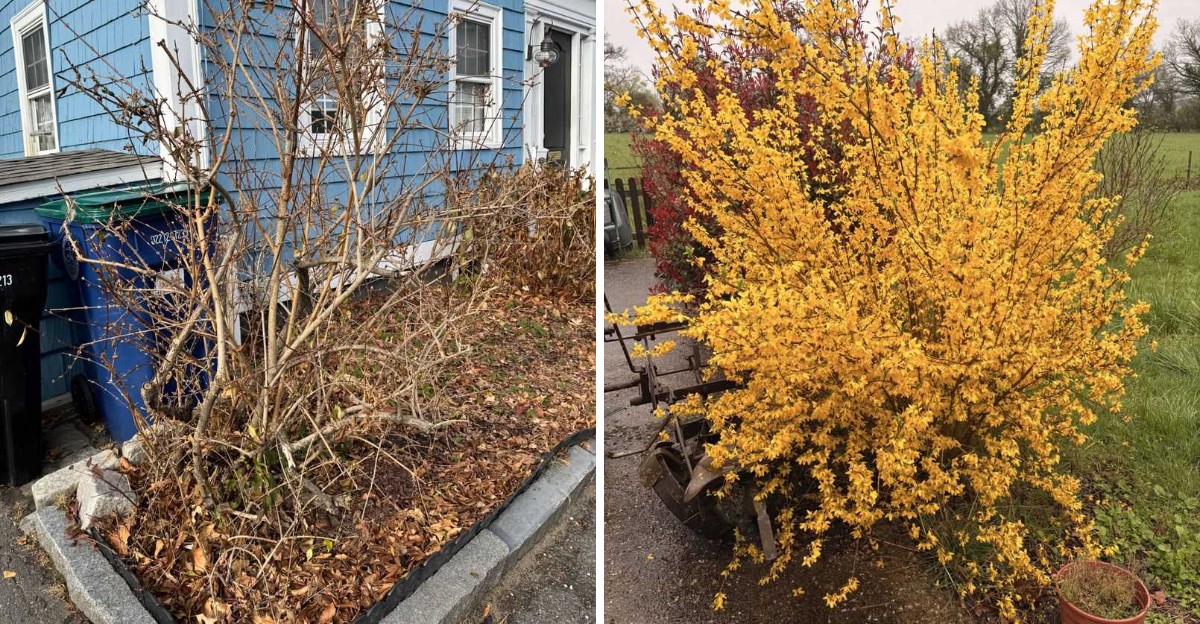
Next spring’s flowers are already hiding on certain shrubs by midsummer. They sit there all fall and winter, tucked into tiny buds along last year’s stems.
One snip in October can quietly erase a whole season of gold. I learned that the hard way after a tidy autumn cleanup left me with a green bush and zero flowers in March.
Here in Georgia, this cheerful shrub often lights up yards in late winter or early spring. Some years it opens in February, and other years it waits until late March.
You need to know which stems hold the magic before you grab your shears.
I think the timing secret is the most useful pruning lesson a beginner can learn. Once you see how the buds form, your whole calendar starts to make sense.
Getting that first cut right could mean the difference between a shrub full of golden blooms and another disappointing spring.
1. Those Golden Forsythia Buds Form Months Before You See Them
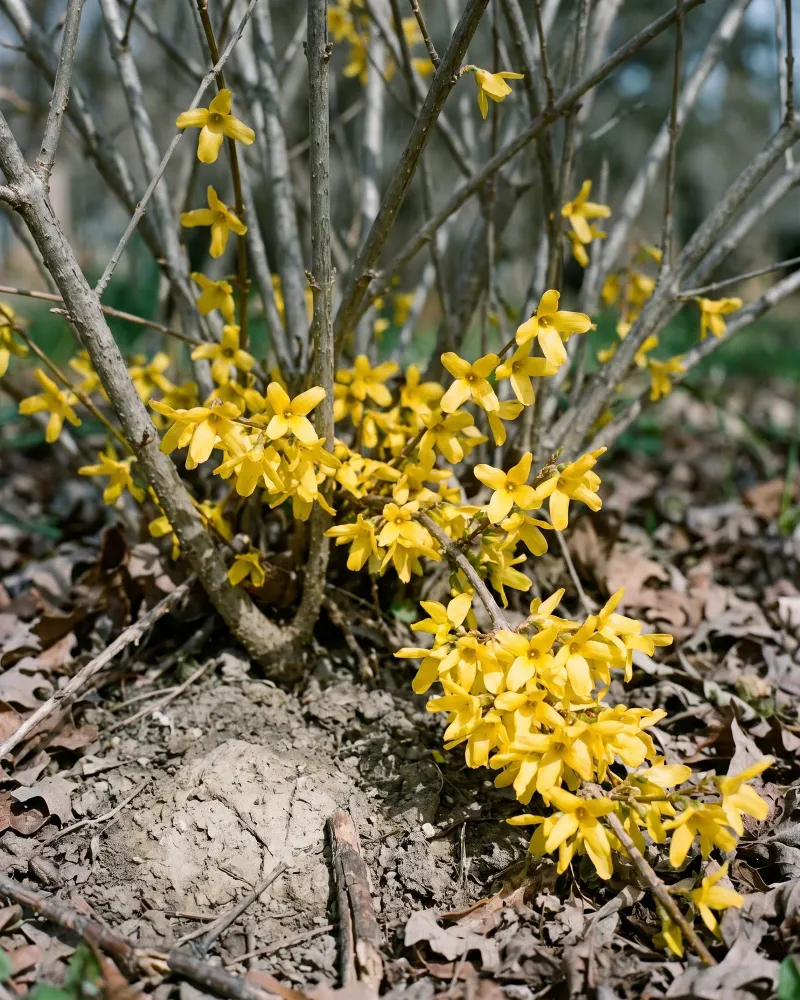
Walk past a forsythia in August and it looks like a plain green shrub. Look closer, though, and you might spot small, pointed buds along the stems.
Those buds hold next spring’s flowers. Forsythia blooms on what gardeners call old wood, meaning stems that grew during the previous season.
The plant usually sets its flower buds by midsummer, then holds them through fall and winter.
That one fact explains the whole pruning puzzle. Any stem you cut after midsummer takes its flower buds with it.
Cut enough of them, and your spring show shrinks to a few lonely blossoms.
I find it oddly satisfying to know the plant plans so far ahead. It does its homework early, then waits patiently for warm days to arrive.
Many other spring bloomers work the same way, including azaleas, lilacs, and many spireas. Learning this pattern once helps you care for a whole group of early flowering shrubs.
So the next time you feel tempted to tidy up a shaggy forsythia in autumn, pause for a second. Those scraggly stems are carrying something valuable.
Leaving them alone until spring lets every bud get its chance to open and shine in your yard.
2. Grab Your Pruners Right After The Yellow Flowers Fade
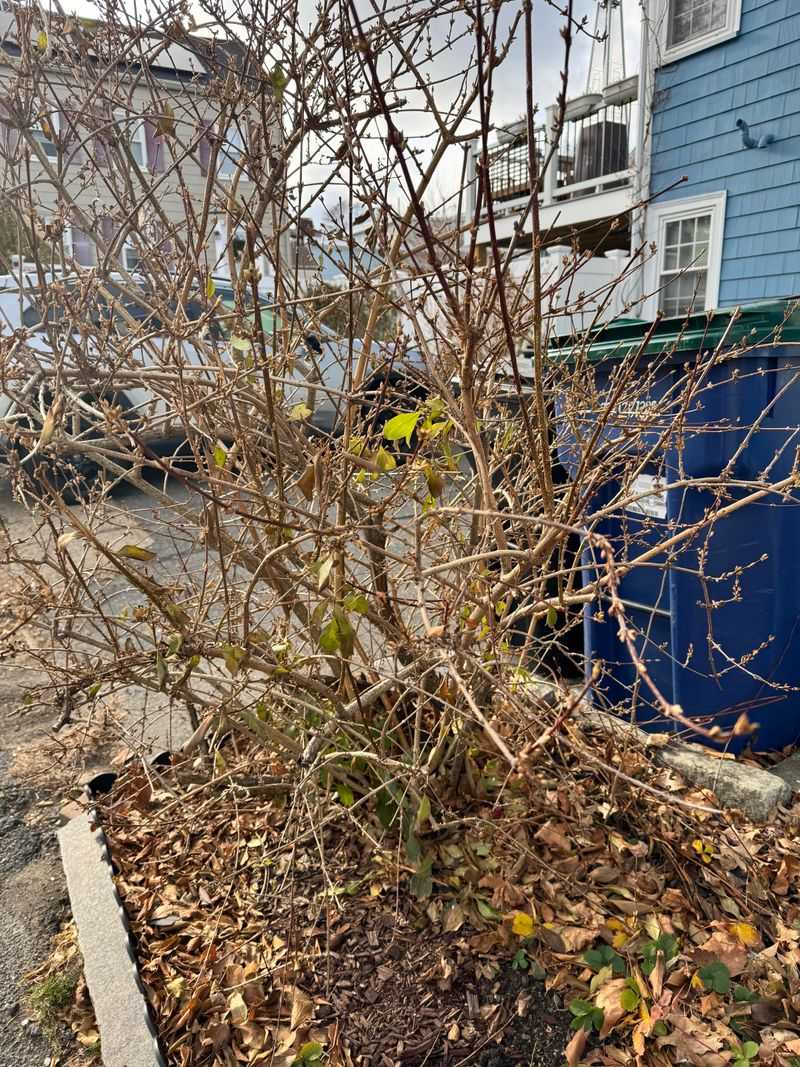
The perfect pruning window opens the moment the last yellow petals drop. For most Georgia yards, that lands somewhere between March and April, depending on your area and the weather.
Blooms usually last about two to three weeks. Once they fade and fresh green leaves start pushing out, you can prune with confidence.
Why so soon? Pruning right after flowering gives the shrub the whole growing season to produce new stems.
Those new stems will set buds by midsummer, ready for next year’s display.
Wait too long, and you start cutting into that freshly forming bloom wood. A good rule is to finish your forsythia pruning by early summer, ideally before late June.
South Georgia gardens often bloom earlier, sometimes in January or February, so the window shifts earlier too. Mountain gardens in the north usually run a little behind.
I like to set a simple reminder on my phone when I see the first flowers. Two or three weeks later, I check the shrub and get to work.
Watching the bush itself works better than any fixed date. When the gold is gone and leaves take over, that is your signal to start.
3. Thin Out The Oldest Forsythia Canes At Ground Level
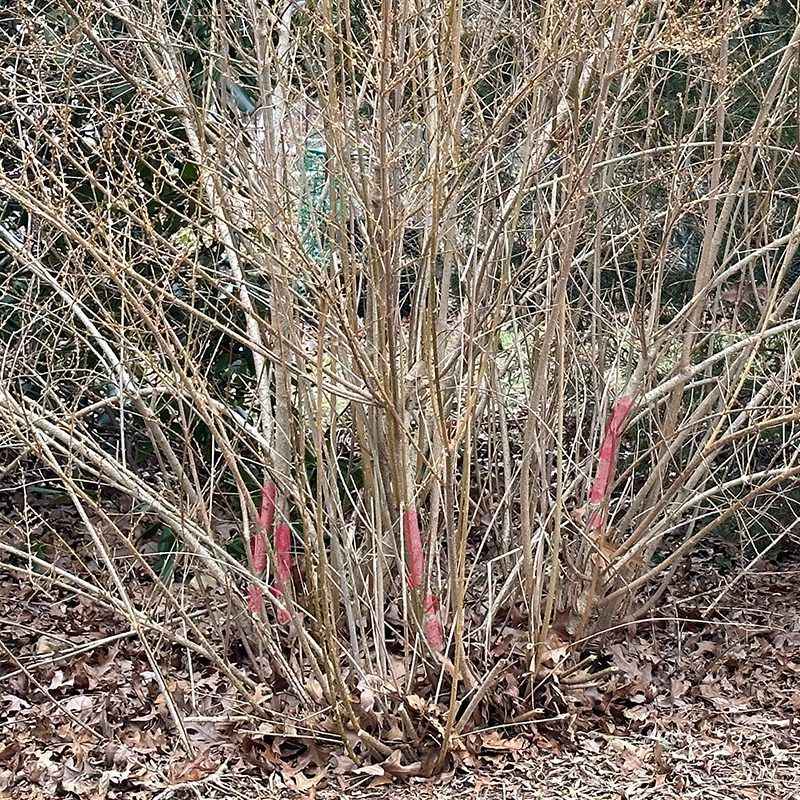
Forget the fancy trims. The best forsythia pruning method is surprisingly simple and mostly happens down near the soil.
Each year, remove about one-quarter to one-third of the oldest, thickest stems right at the base. These older canes tend to be gray and woody, and they produce fewer flowers than younger growth.
Cutting them out makes room for fresh shoots to rise from the ground. Those young stems bloom heavily and keep the shrub looking lively.
While you work, also remove broken, diseased, crossing, or rubbing branches. Stems growing into the center of the shrub can go too.
For smaller cuts higher up, snip just above a bud or where a branch meets a larger stem. A slight angle helps water run off the cut.
Thinning lets sunlight and air reach the middle of the bush. Better airflow helps reduce disease, and more light means more buds next year.
A sharp pair of bypass loppers handles most canes. A small pruning saw works well for the really thick ones.
Step back often while you prune. A forsythia looks its best with an arching, fountain-like shape, so let that natural form guide your cuts.
4. Hedge Shears Turn A Graceful Forsythia Into A Green Meatball
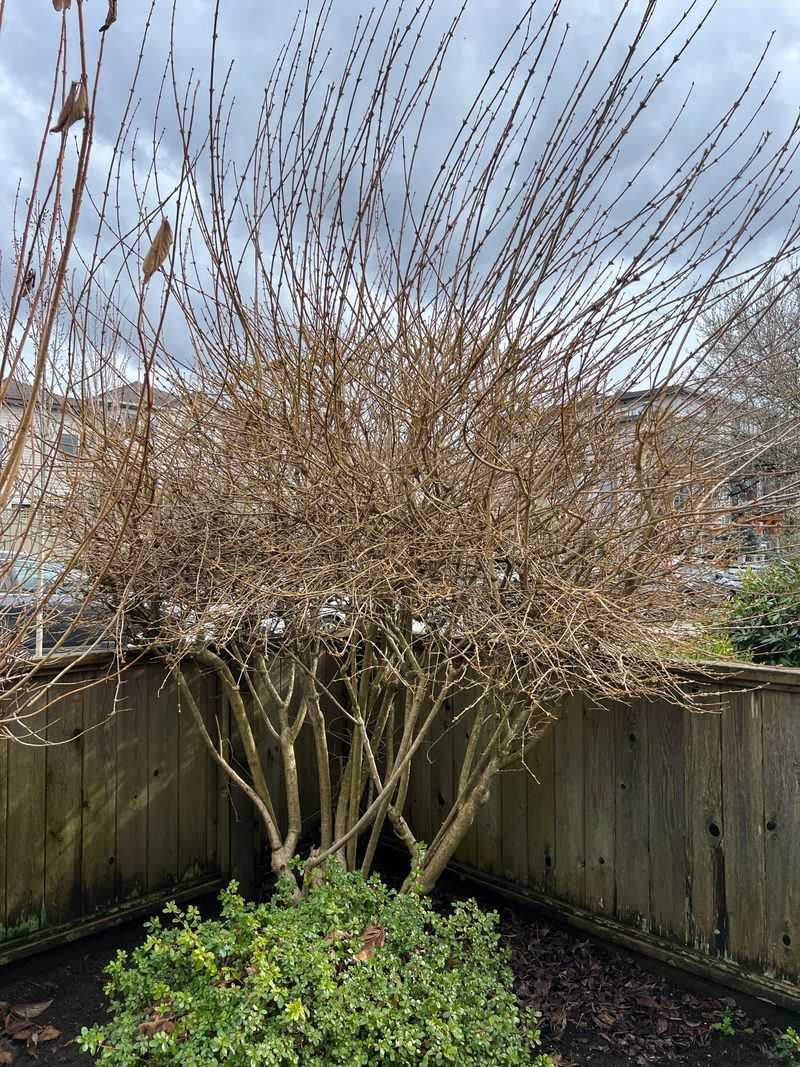
We have all driven past one. A forsythia clipped into a tight box or ball, standing stiffly by the driveway.
It may look neat for a week, but shearing causes real problems. Clipping only the outside creates a thick shell of short twigs, while the inside turns woody and bare.
That dense outer layer blocks light from reaching the center. Over time, the shrub weakens and flowers mostly on its outer edges, if at all.
Shearing at the wrong time makes things worse. Run electric hedge trimmers over a forsythia in fall, and you remove most of next spring’s buds in one pass.
Honestly, forsythia looks happiest when it gets to arch and sway. Its long, bending stems are a big part of its charm, especially when covered in gold.
If your shrub has already been sheared for years, do not panic. Start thinning out the oldest canes at ground level after it blooms, and the natural shape will slowly return.
Need a tighter, more formal look in a small space? Consider a compact variety bred for size, rather than fighting a full-sized shrub with clippers every season.
5. An Overgrown Forsythia Tangle Can Get A Fresh Start
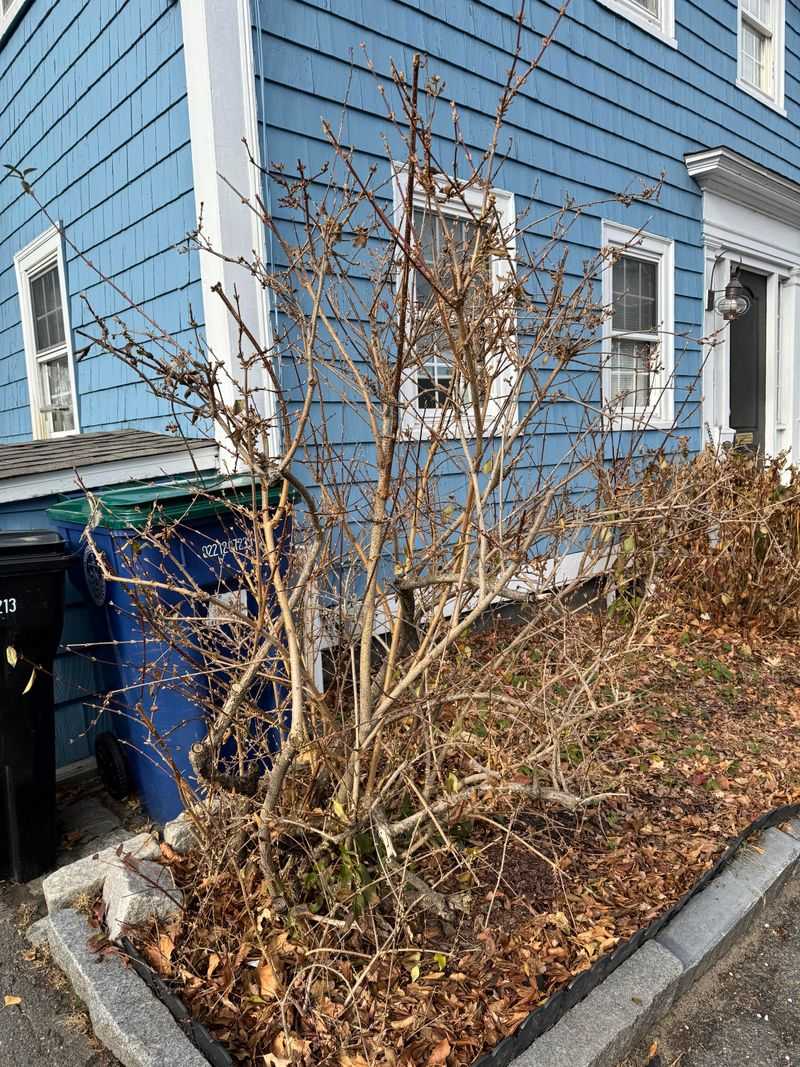
Some forsythias get away from us. Maybe you inherited a giant tangle with a new house, or maybe a few busy years slipped by.
When a shrub is huge, crowded, and barely flowering, rejuvenation pruning can bring it back. This method breaks the usual timing rule, so read carefully.
For a hard reset, cut the whole shrub down to about 6 to 12 inches from the ground. Many experts suggest doing this in late winter or very early spring while the plant is still dormant.
Yes, you will give up that spring’s flowers. In return, the roots push out a flush of strong new stems that bloom well in the following years.
Prefer a gentler approach? Spread the work over two or three years instead.
Remove about one-third of the oldest stems each year after flowering, and you keep some blooms along the way.
Forsythia is famously tough, which is why this works. Healthy, established plants usually bounce back quickly from a hard cut.
Give the shrub water during dry spells after a big pruning job. That extra care helps the new shoots grow strong and sturdy.
6. Full Sun Keeps Your Forsythia Covered In Yellow Blooms
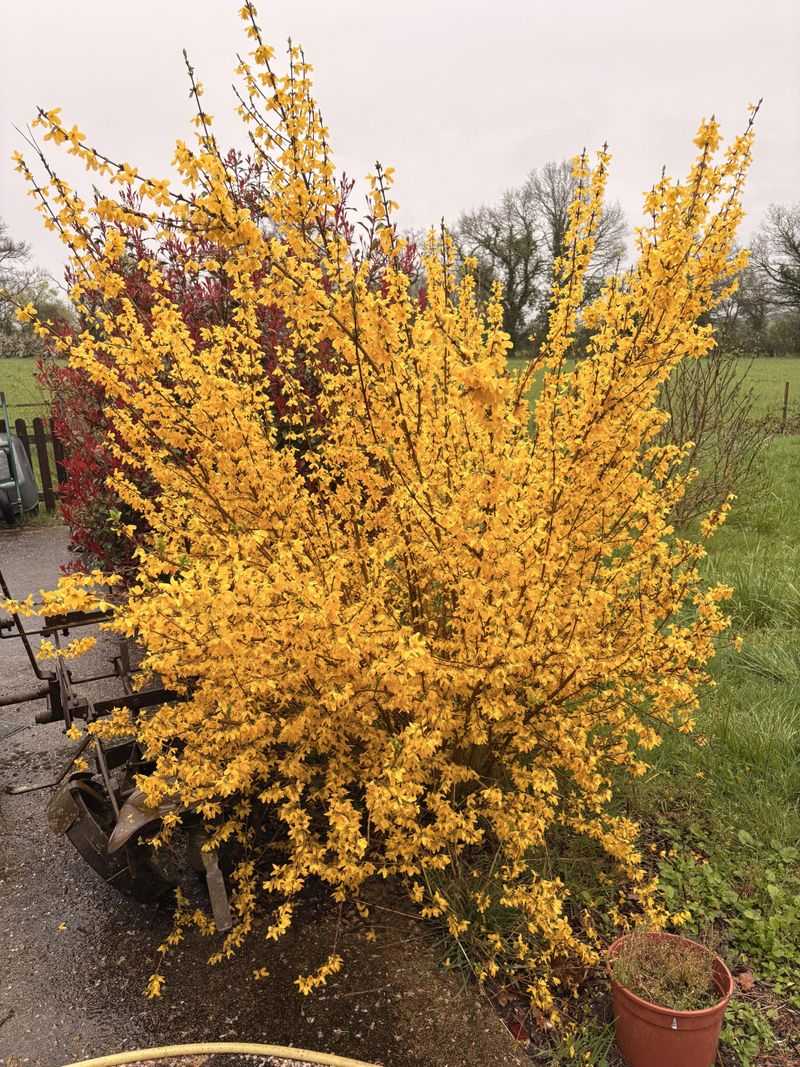
Pruning gets most of the attention, but sunshine matters just as much. A forsythia tucked into deep shade often struggles to flower, no matter how carefully you trim it.
Aim for at least six hours of direct sun each day. The plant will tolerate partial shade, though you can expect fewer blossoms.
Soil counts too. Forsythia adapts to many soil types, including Georgia clay, as long as water drains well.
Soggy, waterlogged spots are a poor match.
Once established, the shrub handles dry weather fairly well. Newly planted ones need regular watering, and even mature plants appreciate a drink during long summer dry spells, since that is when buds form.
Feeding is simple. A light dose of balanced, slow-release fertilizer in late winter or early spring is usually plenty.
Too much nitrogen can push leafy growth instead of flowers.
Fun fact: forsythia stems often root wherever they touch the ground. That is handy for sharing plants, but check the edges of the shrub now and then so it does not wander.
Get the basics right, and your pruning efforts pay off with a bright, cheerful burst of yellow each year.
7. Pair Your Forsythia With Native Spring Bloomers For Pollinators
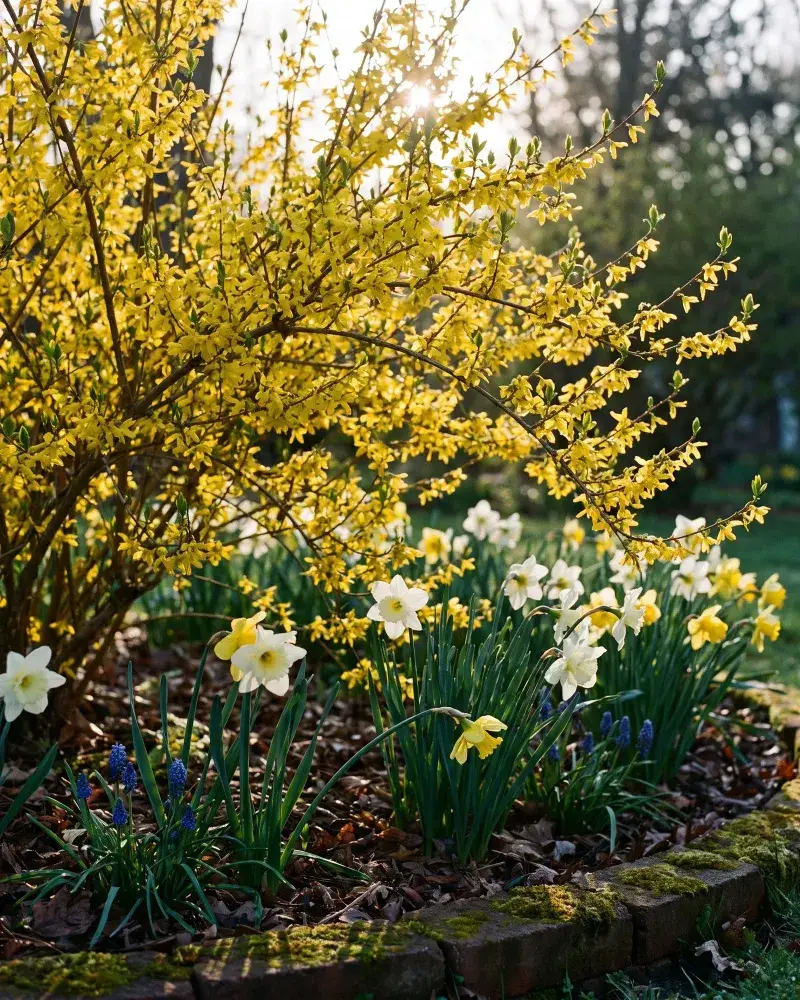
Forsythia is a beloved spring signal, but it is not native to North America. It came from Asia and offers limited value to many native pollinators, since it blooms before lots of insects are active.
That does not mean you need to pull yours out. It simply means your yard can do even more with a few smart additions.
Georgia has wonderful native shrubs and trees that bloom in early spring. Eastern redbud, native azaleas, Carolina jessamine, and serviceberry are all lovely options that support local wildlife.
Planting them near your forsythia creates a longer, richer season of color. Bees, butterflies, and birds get more food, and you get a more interesting garden.
Your pruning calendar stays simple too. Many of these spring bloomers also flower on old wood, so the same after-bloom timing usually applies.
So here is my takeaway. Enjoy the golden show, then prune right after the flowers fade, thin the oldest canes, and skip the shears.
Follow those steps each year, add a few native neighbors, and your yard will greet spring with plenty of color and plenty of buzzing visitors.