9 Outdoor Holiday Decorating Ideas Using Native Virginia Greenery
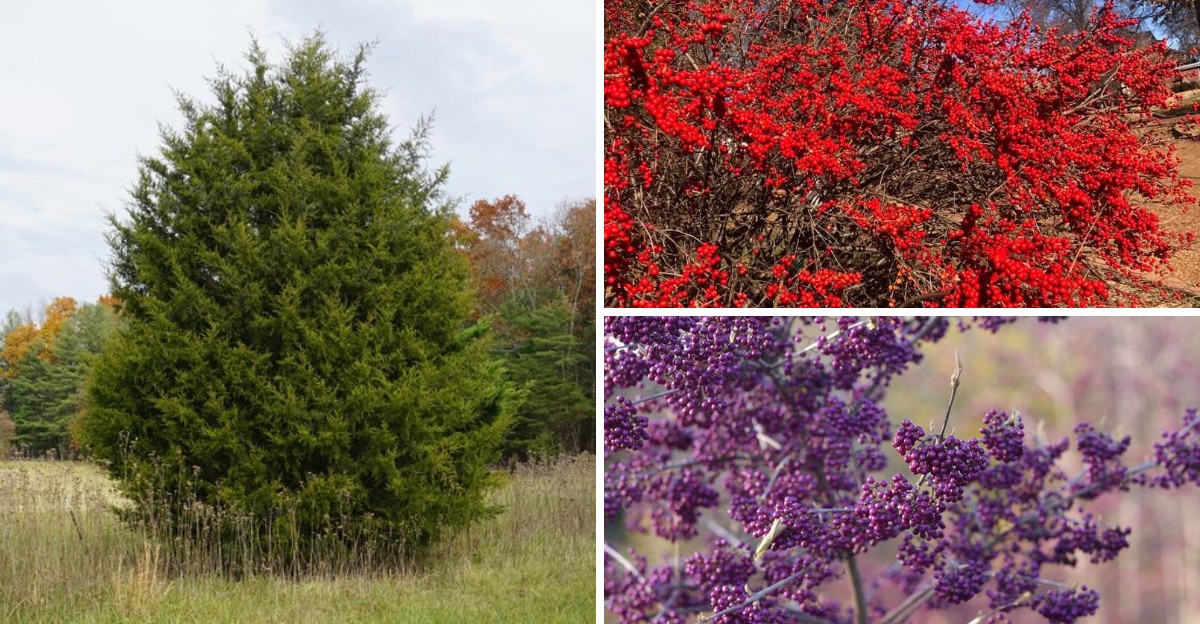
The famous Williamsburg-style door wreaths are a twentieth-century tradition, not a true colonial custom, according to historians there. Those lush designs started catching on in the 1930s, and Virginia homeowners have copied them every December since.
Early colonists mostly brought greenery indoors, tucking sprigs into windows and around fireplaces for a fresh winter scent. They gathered whatever grew close by, which meant woods and fencerows supplied nearly every bough and berry.
Between you and me, I spent years buying shipped-in wreaths before noticing better material growing along my own driveway. Your yard probably hides the same treasures, and the local birds would happily share them with you.
Native branches last surprisingly well outdoors in cold weather, and they cost nothing beyond a sharp pair of pruners. So which Virginia plants deserve a spot on your porch this year, and which ones should stay put?
1. American Holly
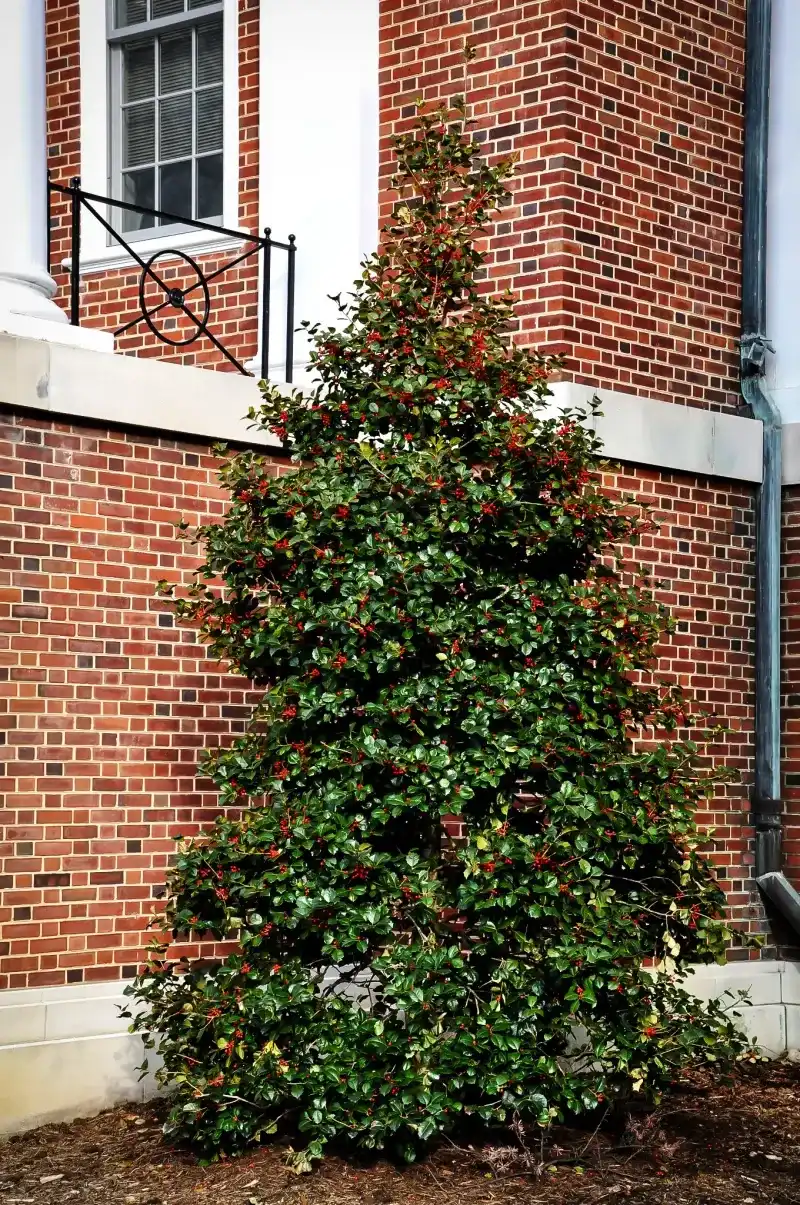
Cut a single sprig of American holly and you’ll understand why folks have hung it on doors for generations. Those glossy, spiny leaves shine like they were polished, and the red berries pop against any painted entry.
Only female trees carry berries, so you need a male holly somewhere nearby for pollination to happen each spring. Take it from someone who planted one lonely female, because that tree stayed berry-free for years.
For a classic door swag, gather three or four long branches and tie their stems together with sturdy wire. A wide burlap ribbon finishes the look, and the real berries mean you can skip anything artificial.
Prune in December, cutting just above a leaf node, and the tree will fill back in come spring. Harvesting a few branches works like a light shaping, so your holly ends up tidier for the effort.
Wear thick gloves while working, because those leaf spines can poke through thin cotton surprisingly fast. Keep finished pieces away from curious children and pets, since the berries can upset stomachs if swallowed.
Cedar waxwings and mockingbirds love those berries during late winter, so leave plenty on the tree for them. The dense foliage also gives birds a sheltered place to rest during cold and blustery winter nights.
American holly handles shade and damp soil, which makes it a smart choice for many yards. Plant one this coming spring, and you could be clipping your own holiday greens within a few years.
2. Eastern Red Cedar
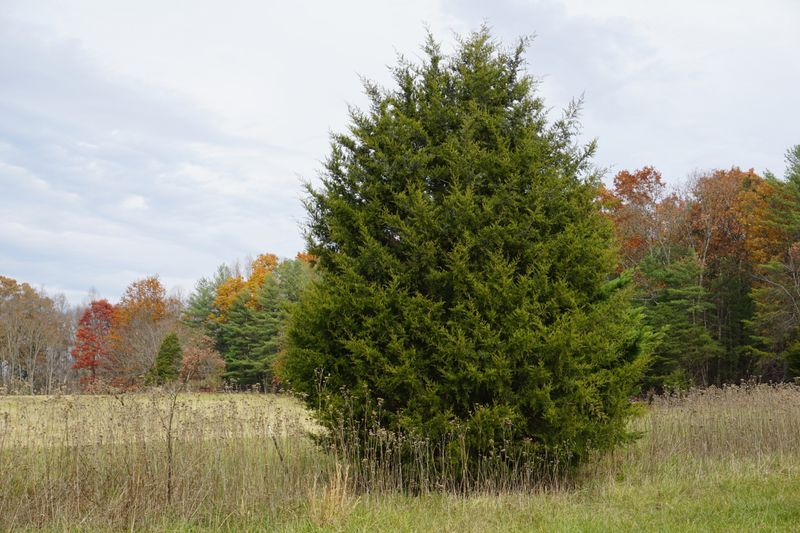
Crush a handful of eastern red cedar foliage and your hands will smell like a freshly opened hope chest. That sharp, woodsy perfume drifts across a porch whenever a winter breeze rustles your homemade garland.
Despite the name, this tree is actually a juniper, and its scientific name honors the state you live in. Those frosty blue berries are really tiny fleshy cones, and you’ll find them only on female trees.
In my own yard, I’ve noticed volunteer cedars popping up along the fence wherever birds like to perch. Those freebies make perfect cutting stock, since you can trim them hard without worrying about a prized specimen.
Bendy cedar branches wrap nicely around porch railings and lamp posts without snapping, even on frosty mornings. Secure them with green floral wire every foot or so, then tuck in a few berry-heavy sprigs.
Scratchy foliage can irritate sensitive skin, so a pair of long sleeves makes the job far more comfortable. Some people also react to the pollen, which the trees release in late winter and early spring.
Apple growers should know that red cedar can host cedar-apple rust, a fungus that spots apple leaves. Keep new cedars a good distance from orchard trees if that disease has caused problems in your area.
Birds lean heavily on those blue cones through the cold months, and dense branches offer them snug cover. Leave the biggest cone clusters on the tree, and you’ll enjoy the bird show long after the holidays.
3. Winterberry Holly
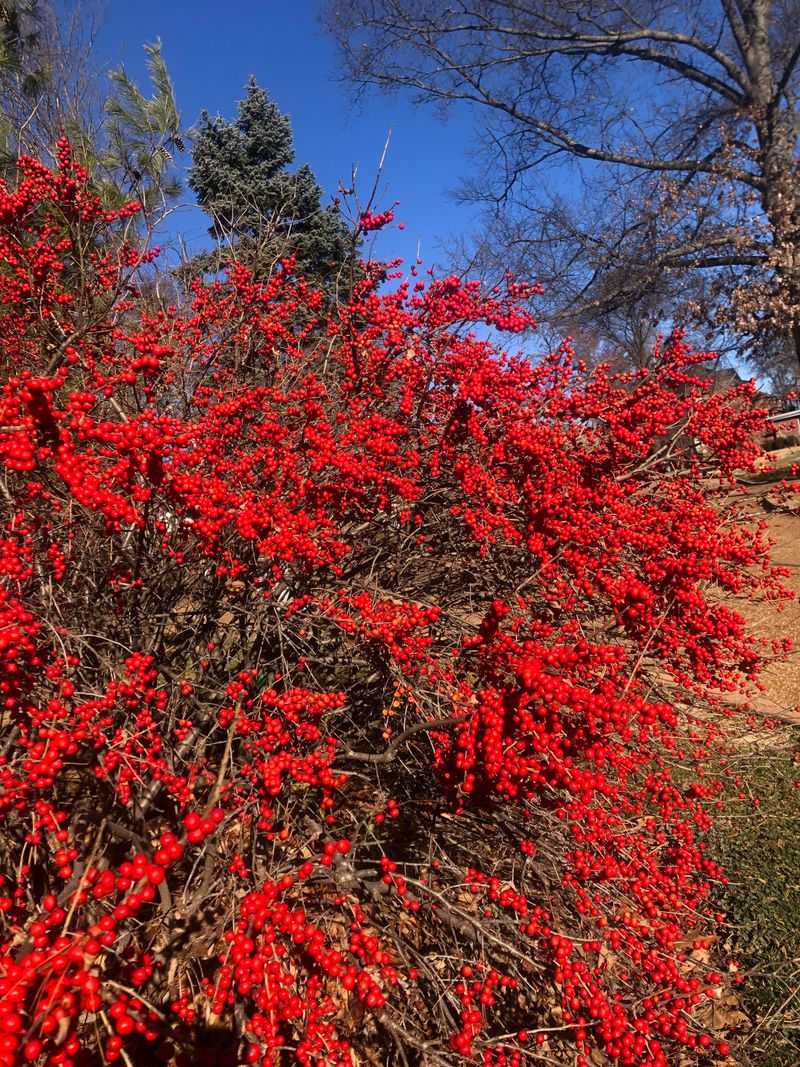
Winterberry holly drops every leaf in fall, then shows off bare stems loaded with scarlet berries like confetti. Few sights brighten a gray December yard faster, and the color often holds well into the new year.
Unlike its evergreen cousins, this shrub has smooth, spineless leaves, so harvesting feels downright pleasant by comparison. Your fingertips will thank you after a morning spent cutting stems for a pair of porch urns.
Tall branches look stunning standing upright in containers, especially when you pack the base with cedar or pine. Stick the stems into damp soil before it freezes, and they’ll stay firmly in place all season.
Looking back, I should have planted a male shrub sooner, because my lone female stayed bare for two years. One male can usually pollinate several females, and nurseries often label them clearly for that reason.
Moist, acidic soil suits winterberry best, and it even tolerates soggy spots where many shrubs struggle. Full sun to part shade produces the heaviest berry crops, so skip that gloomy corner under the maple.
Bluebirds and robins gobble the fruit, and roughly four dozen songbird species are known to eat it. Cut only a portion of the branches each year, leaving the rest for hungry visitors after the holidays.
Keep decorations out of reach of small children and pets, because the berries can cause stomach upset. Otherwise, winterberry earns its place as one of the friendliest decorating shrubs a gardener could ask for.
4. American Beautyberry
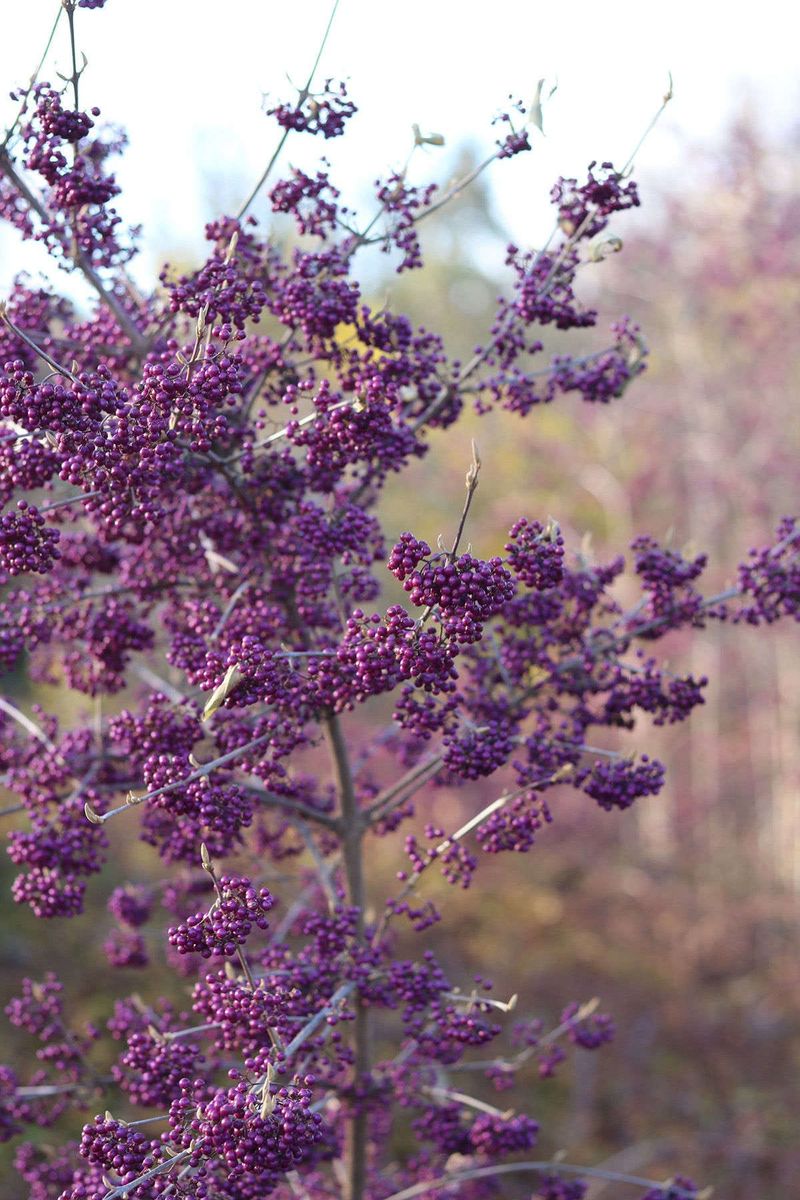
Purple is not a color most folks expect outdoors in winter, but American beautyberry happily breaks that rule. Its glossy magenta berries cling tightly around the stems in clusters, like beads strung on a bracelet.
For what it’s worth, this shrub surprised my family more than any other plant in our holiday lineup. Guests kept asking whether the berries were painted, and I loved explaining that nature did the work.
Berries ripen in late summer and early fall, and birds often thin them out as winter goes on. Cut a few stems early in the season if you want the fullest clusters for your outdoor displays.
Long, arching branches look lovely draped over the edge of a window box or tucked into a wreath. Pair them with silvery or deep green foliage, since purple stands out beautifully against cooler backdrops.
Beautyberry grows three to eight feet tall and handles sun or part shade with very little fuss. It tolerates drought once established, and a hard pruning in late winter keeps the shrub compact.
Mockingbirds and bobwhite quail feed on the berries, so the fruit you leave behind makes a real difference. Deer like to nibble the leaves, though, so protect young plants if browsing is common in your neighborhood.
The fruit is edible and sometimes cooked into jelly, though raw berries taste fairly bland and mealy. Folk tradition also claims crushed leaves repel mosquitoes, and some research has backed that idea up.
5. Christmas Fern
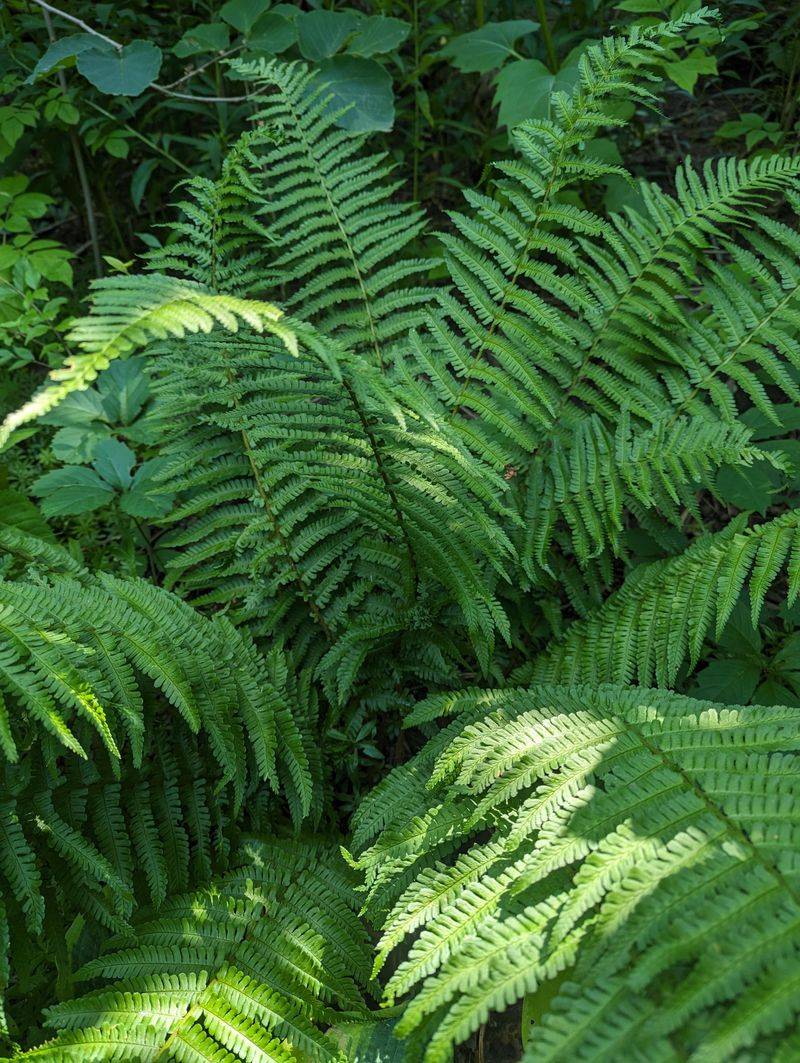
Look closely at a Christmas fern leaflet and you’ll spot a tiny lobe shaped like a hanging stocking. That little bump at the base explains the festive name, though staying green all winter certainly helps too.
Few ferns keep their color through snow and frost, but these leathery fronds hold steady until spring. Low winter sunlight catches their shiny surface, adding a soft glow to shady corners of your yard.
Christmas fern grows in every county of Virginia, often carpeting wooded slopes and shady stream banks. In the garden, it prefers moist, well-drained soil and shade, and it dislikes heavy clay or standing water.
Fronds make wonderful wreath fillers, especially when layered beneath holly or pine for a soft, feathery edge. They also tuck neatly into porch planters, hiding bare soil around taller branches and berry stems.
Don’t make my mistake of stripping one clump bare, because the plant needs those fronds to stay strong. Take one or two fronds from each clump, and spread your harvest across several plants instead.
Please collect only from your own yard or with permission, since gathering plants from public lands often breaks rules. Many state parks and national forests limit plant collecting, so check regulations before you head out.
Cut fronds hold up well outdoors in cool weather, and misting them occasionally helps them last longer. The roots also help hold soil on slopes, making this fern a hardworking plant for shady hillsides.
6. Mountain Laurel
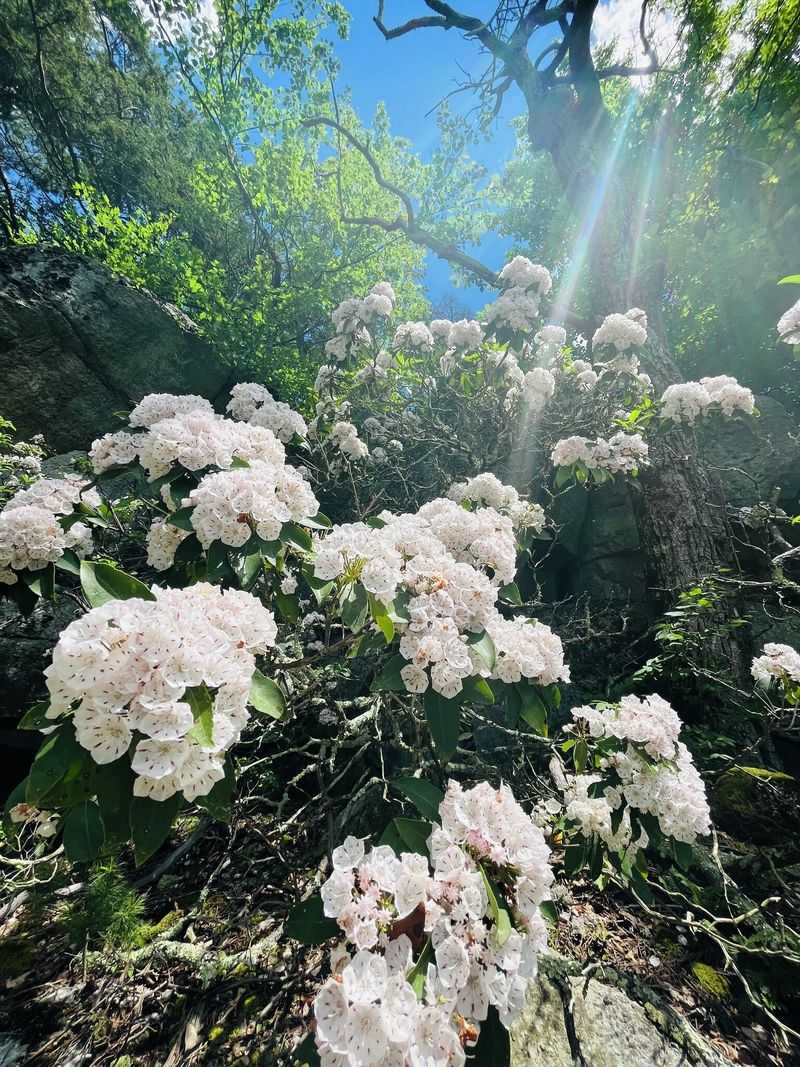
Mountain laurel is the state flower of Pennsylvania and Connecticut, yet it grows just as happily in our mountains. Its glossy, leathery leaves stay dark green all winter, making it a natural choice for sturdy greenery.
Clustered leaves at the branch tips create ready-made rosettes, perfect for tucking into wreaths or porch swags. They hold their shape far longer than softer foliage, even when cold winds whip across your front steps.
My garden taught me that this shrub sulks in full sun, preferring dappled shade and moist acidic soil. Older plants can eventually reach fifteen feet or more, forming crooked branches that look wonderfully ancient.
One serious warning belongs here, because every part of mountain laurel is highly toxic if swallowed. Keep decorations well away from children and pets, and skip this plant near any outdoor food displays.
Gloves are a smart idea while cutting, and you should wash your hands afterward before snacking. Livestock owners should also keep trimmings away from grazing animals, which can be poisoned by the leaves.
Prune right after the spring blooms fade if you want flowers next year, then harvest lightly in winter. Taking a few branch tips during the holidays rarely causes harm, as long as you spread cuts around.
Birds and small mammals shelter in the dense thickets, especially during harsh weather in wooded areas. The shrub also feeds caterpillars of the laurel sphinx moth, adding quiet value to your backyard ecosystem.
7. Loblolly Pine

Loblolly pine cones can measure up to six inches long, and their sharp scales make them surprisingly grippy. Those spiky cones sit beautifully in a porch basket, and they shed rain without turning soggy or moldy.
Long needles grouped in bundles of three give loblolly branches a full, shaggy look that feels relaxed. This fast-growing pine is native to the eastern half of the state, especially the coastal plain and Piedmont.
Let’s just say my first loblolly garland was heavier than expected, so plan for strong hooks and wire. Thick branches work better as short swags over doors rather than long garlands looping down railings.
Collect fallen cones on a dry day, then bake them at low heat to evict any hitchhiking insects. Wear gloves when handling them, because the prickly tips on each scale can scratch your palms quickly.
Wire several cones together into a cluster, then attach it to a wreath alongside holly or cedar sprigs. Natural cones need no paint at all, though a light dusting of white can mimic fresh snow.
Loblolly grows quickly in full sun and well-drained soil, often reaching sixty feet or more over time. Give it plenty of room away from the house, because large pines need space for roots and limbs.
Squirrels and many songbirds feast on pine seeds, while dense branches provide shelter during cold snaps. Leave a few cones on the ground for wildlife, and save the prettiest ones for your front steps.
8. Eastern White Pine
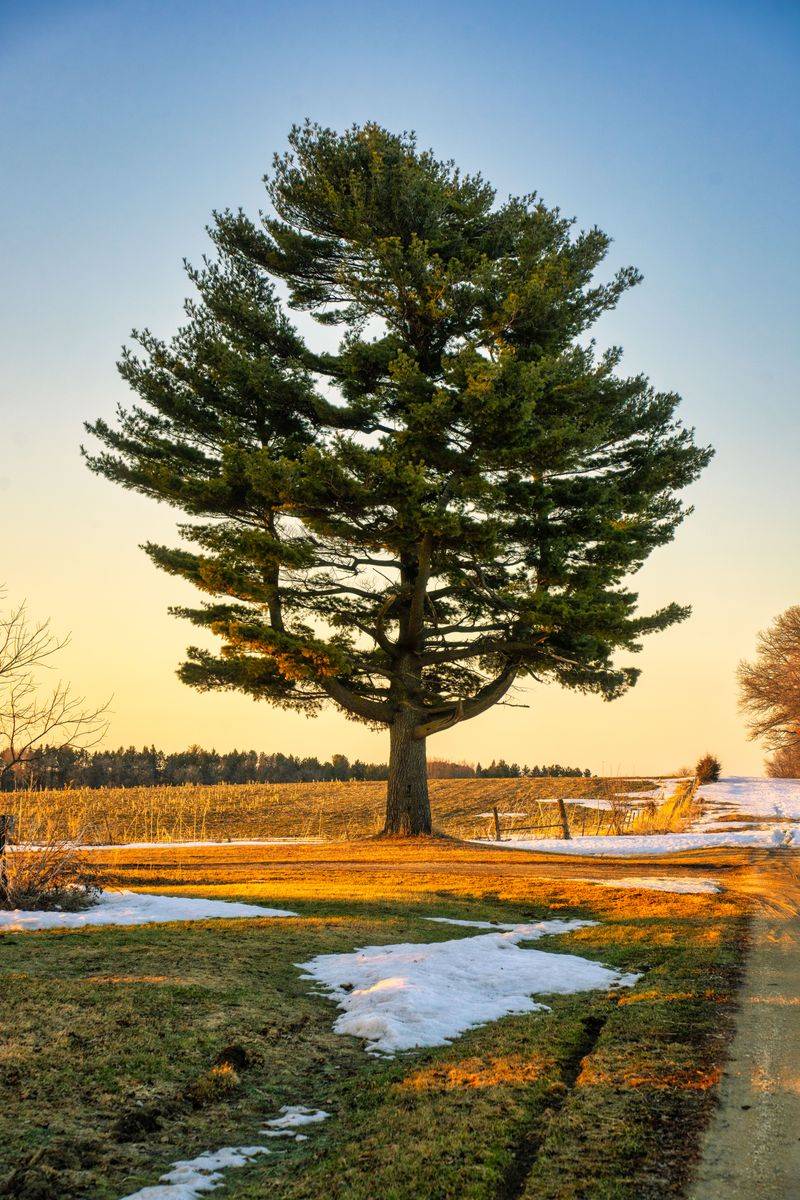
Run your hand along an eastern white pine branch and the needles feel soft, almost like brushing a cat. Each bundle holds five slender needles, and a handy trick is to remember five letters in the word white.
Those flexible branches make white pine the easiest choice for long garlands draped across porch railings and doorways. Lay cuttings in overlapping layers along a rope, then wrap each layer with thin green wire as you go.
Long, slender cones add a graceful touch, and they often ooze sticky sap that looks almost frosted. Rub cooking oil on your fingers to remove pine sap after a long afternoon spent crafting.
In my experience, white pine garlands outdoors stay fresh for weeks, thanks to cool temperatures and occasional rain. Inside a warm house, the same garland dries much faster and drops needles all over the floor.
White pine is native throughout much of the state, especially in the mountains and Piedmont forests. It prefers full sun to partial shade and well-drained acidic soil, while heavy clay tends to slow it down.
Lower limbs are perfect for harvesting, since removing a few opens the view beneath larger trees. Cut back to a side branch or the trunk collar, so the tree heals cleanly afterward.
Squirrels and birds pry seeds from the cones, and dense branches shelter owls and songbirds from icy winds. One mature white pine can supply holiday greens for years, while still standing tall as a backyard landmark.
9. Wax Myrtle

Colonial households boiled the waxy berries of wax myrtle and its bayberry cousins to make fragrant candles. It took a huge pile of berries for a single candle, which explains why those candles felt so precious.
Wax myrtle is a native evergreen shrub that grows wild along the coastal plain in the southeast. Crushed leaves release a spicy, clean scent that makes cutting greens feel like a small aromatherapy session.
Narrow olive-green leaves and clusters of pale blue-gray berries give wreaths a soft coastal look you’ll love. Female plants carry the berries, so check branches before cutting if you want those waxy accents.
For an outdoor display, fill a galvanized bucket with wax myrtle stems and add a big plaid bow. The aromatic leaves hold up nicely in cold air, and they pair well with white pine or holly.
Wax myrtle tolerates salt spray and sandy soil, making it a favorite among gardeners living near the coast. Inland gardeners in colder mountain areas may see winter damage, so plant it in protected spots there.
Yellow-rumped warblers eat the waxy berries all winter, and they’re among few birds that digest the wax well. Tree swallows rely on them too during migration, so leaving some fruit benefits these hardy travelers.
Prune wax myrtle in late winter to shape it, since it grows quickly and can sprawl across walkways. Harvested stems make the job feel productive, turning a routine trimming chore into fresh holiday decorations.