Why Tomato Blossoms Drop In Kentucky Heat Waves, And How To Help
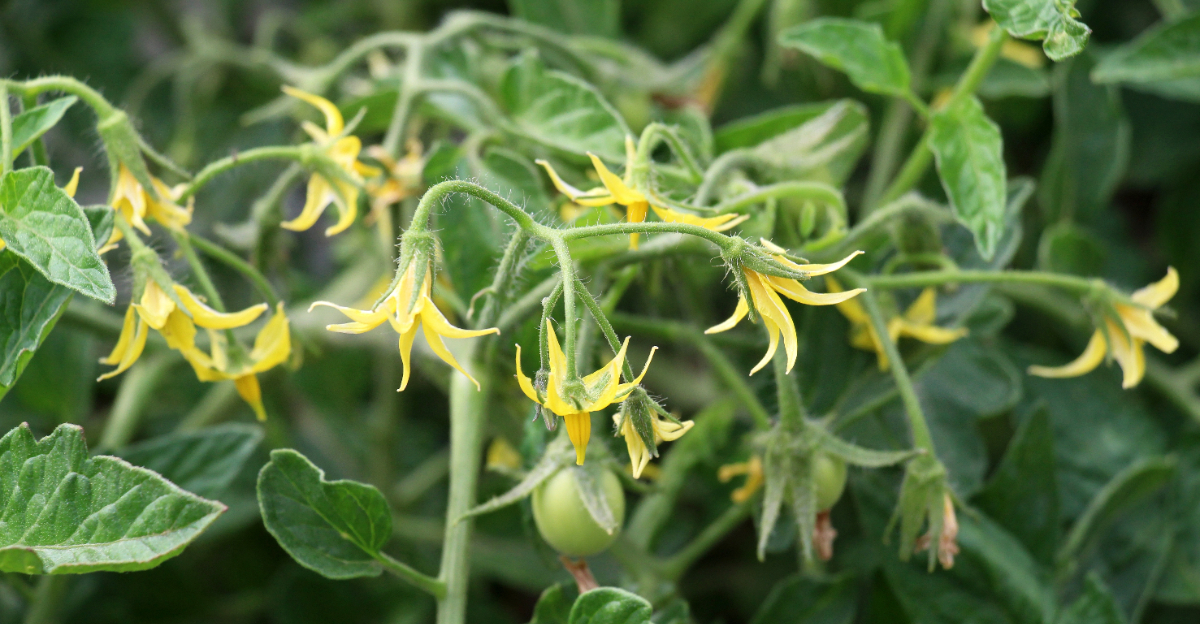
Something is off in your Kentucky tomato patch, and it is not disease or pests. The flowers just quit. One morning they are bright yellow stars covering the vine, and by the next they are scattered on the soil like discarded confetti.
No fruit ever formed. This is blossom drop, and it strikes hardest during the sticky, breathless heat waves that define a Kentucky summer.
Here is what actually happens inside the plant. Pollen grains turn sticky and clump together once temperatures climb too high, so fertilization simply cannot occur.
Without fertilization, the flower has no reason to stick around, and the plant sheds it to save energy for survival instead. The result is a thriving, leafy tomato plant that produces nothing but empty promises.
None of this means your season is over. Blossom drop is a temporary glitch, and a handful of targeted changes can coax your plants back into fruit production once the thermometer cooperates again.
The Science Behind Blossom Drop In Extreme Heat
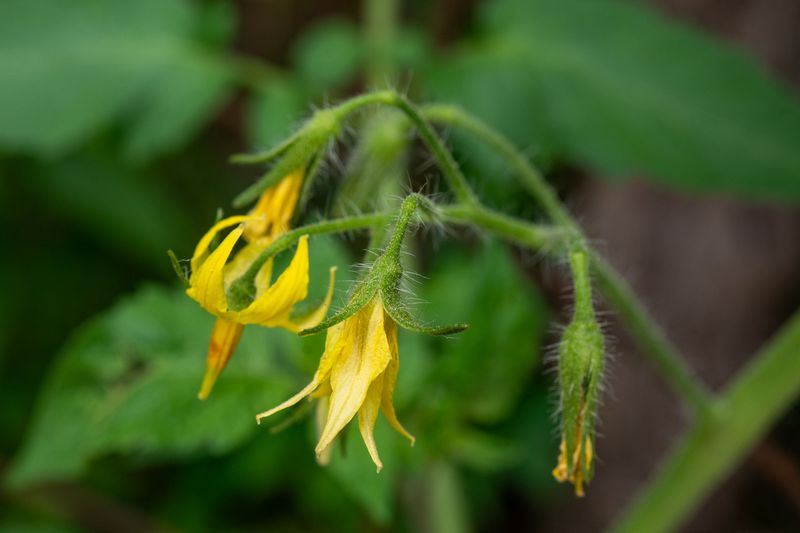
Tomato flowers are surprisingly delicate, and heat is their biggest enemy. When the air gets too hot, something goes wrong deep inside the blossom itself.
Tomato plants reproduce through pollination, and pollen is the key player. Pollen becomes sticky and clumpy once daytime temperatures climb past 85 to 90 degrees Fahrenheit.
Sticky pollen cannot travel the way it needs to. It fails to reach the stigma inside the flower, so fertilization never happens.
Without fertilization, the plant has no reason to keep the flower attached. It drops the blossom to conserve energy for survival instead.
Night temperatures matter just as much as daytime highs. When nights stay above 75 degrees, the plant stays stressed and cannot recover between hot days.
This stress disrupts the plant’s hormonal balance. A hormone called auxin normally signals the plant to hold onto its flowers, but heat throws that signal off balance.
Once the signal breaks down, an abscission layer forms at the base of each flower stem. That layer acts like a scissor, cutting the blossom loose.
Gardeners often blame themselves when blossoms drop during a heat wave. But the truth is, this is a biological response the plant cannot control on its own.
Ideal Temperature Ranges For Tomato Pollination
Tomatoes have a sweet spot, and it is narrower than most gardeners realize. Knowing that range helps you understand when your plants are truly comfortable.
Daytime temperatures between 70 and 85 degrees Fahrenheit are ideal for tomato pollination. Inside that range, pollen flows freely and fertilization happens with ease.
Nighttime temperatures are equally important to track. Tomatoes set fruit best when nights stay between 55 and 75 degrees, giving the plant time to rest and reset.
Push past 85 to 90 degrees during the day, and pollen viability starts dropping fast. The grains lose their ability to germinate, which means fewer flowers ever turn into fruit.
Cold nights below 55 degrees also cause blossom drop, though that is less of a concern during Kentucky summers. The summer battle is almost always about heat, not cold.
Your Kentucky Garden Changes Every Week. Your Plan Should Too.
Gardening in Kentucky changes quickly throughout the season. Every Friday you’ll receive a simple weekly plan showing exactly what to plant, prune, fertilize, harvest, and protect so you never miss the right timing.
Humidity plays a supporting role in this process. Very low humidity dries out pollen before it can do its job, while very high humidity makes pollen clump and stick together.
Kentucky summers often bring both high heat and high humidity at the same time. That double punch makes pollination even harder for tomato plants already fighting the heat.
Understanding these temperature ranges gives you a powerful tool. You can time your planting, your watering, and your shade strategies around the windows when conditions are actually favorable for fruit set.
Kentucky’s Summer Heat Patterns And Their Impact On Tomatoes
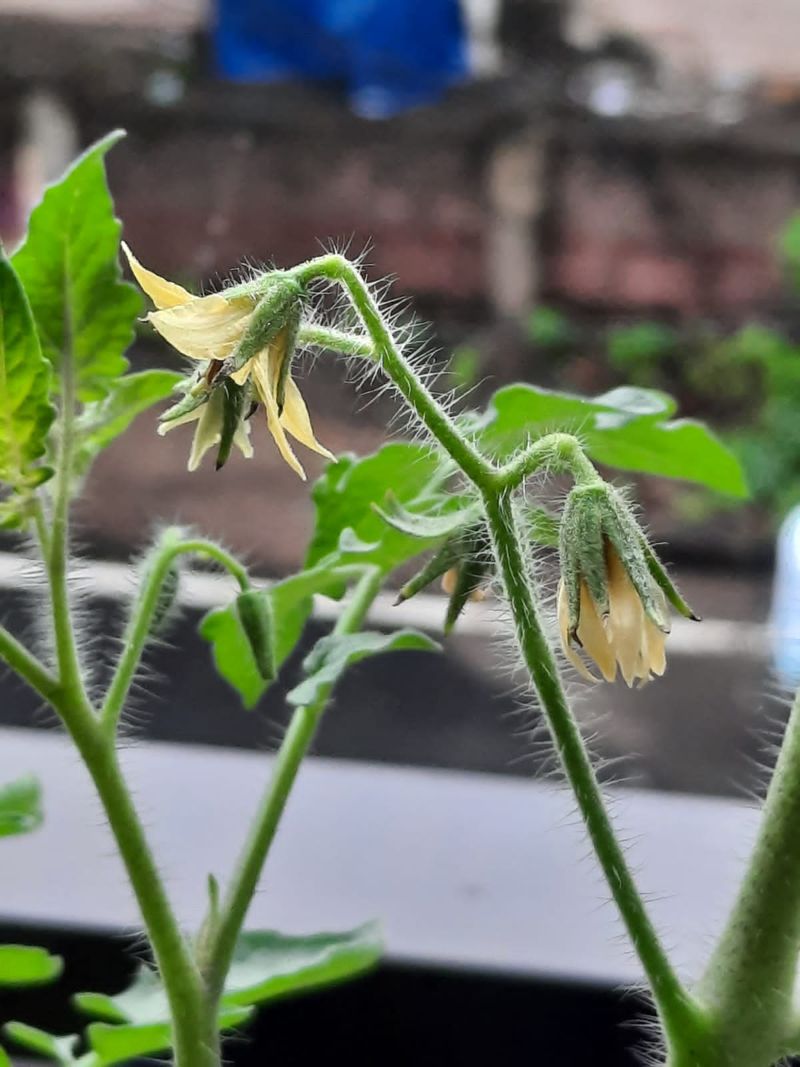
Kentucky summers are not for the faint of heart, and tomato plants feel the heat acutely. The state sits in a climate zone where heat waves hit hard and linger long.
Average July highs across Kentucky hover in the mid to upper 80s. But heat waves can still push temperatures well past 100 degrees for days at a stretch.
Those extended stretches are what really damage tomato pollination. A single hot afternoon is survivable, but five consecutive scorching days breaks the plant down.
Kentucky also deals with high relative humidity throughout the summer months. That moisture in the air traps heat close to the ground, making conditions even more intense for garden plants.
Urban areas like Louisville and Lexington experience an additional heat island effect. Pavement and buildings hold heat overnight, keeping nighttime temperatures from dropping into the safe range for tomatoes.
Rural Kentucky gardens get slightly cooler nights, which gives tomato plants a small advantage. Even a few degrees of overnight relief can allow the plant to recover and attempt pollination again at dawn.
Peak heat in Kentucky typically runs from late June through mid-August. That window lines up almost perfectly with the fruiting season for mid-season tomato varieties.
Gardeners who plant early-season varieties can sometimes dodge the worst heat. Getting tomatoes to set fruit before July arrives is one of the smartest strategies in a Kentucky garden.
Signs Your Tomato Plants Are Struggling In A Heat Wave
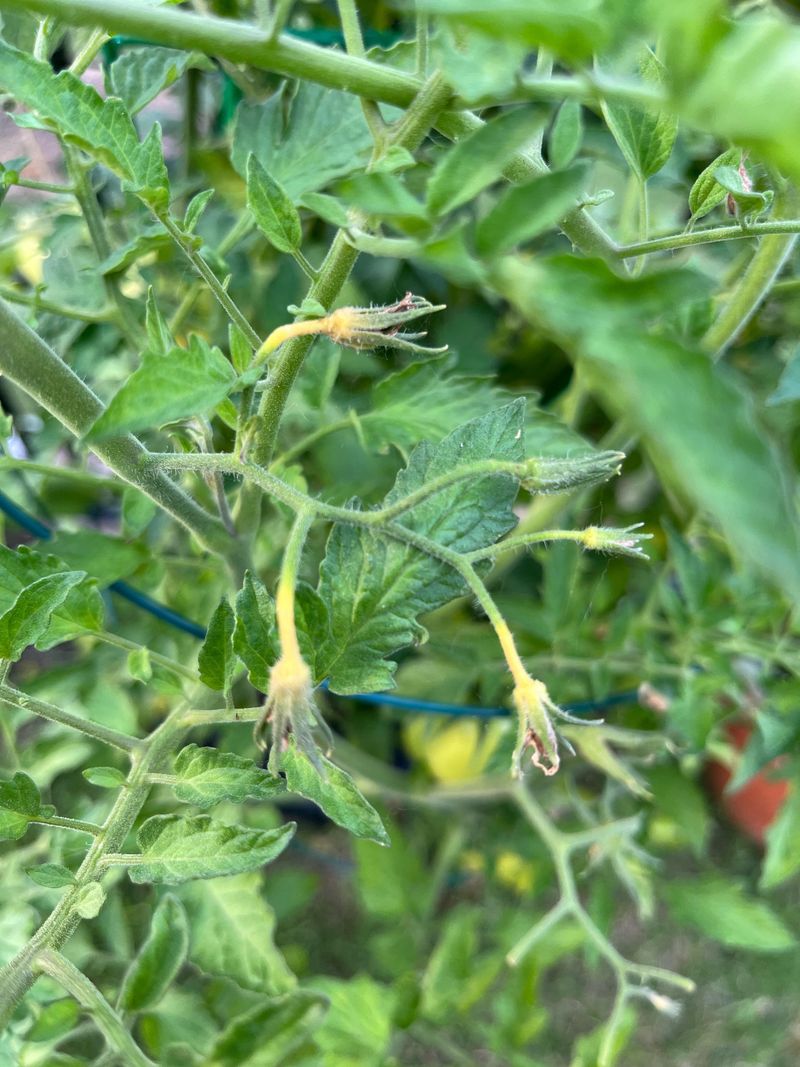
Your tomato plants will tell you when they are in trouble, if you know what to look for. Catching the warning signs early gives you a real chance to step in and help.
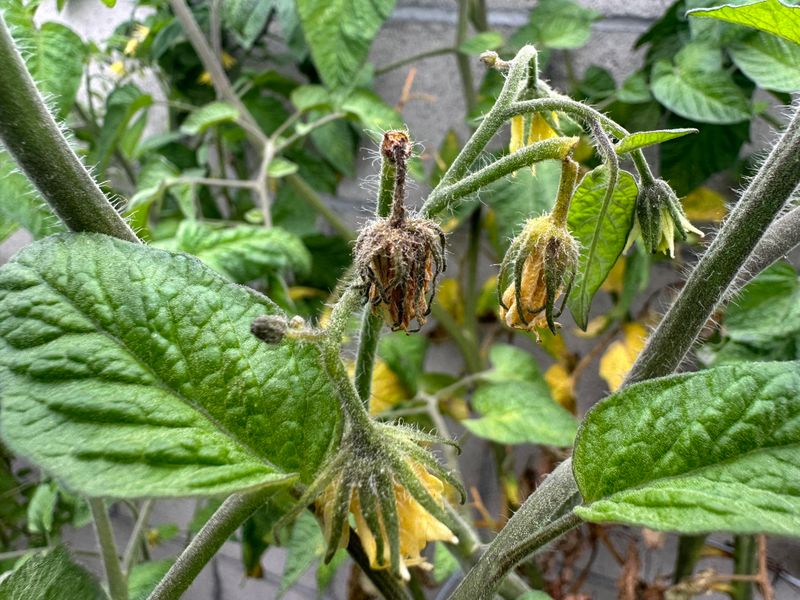
Blossom drop is the most obvious red flag. If flowers are falling off before they even open fully, heat stress is almost certainly the cause.
Wilting leaves during the hottest part of the day is another clear signal. Some afternoon wilting is normal, but plants that fail to perk back up by evening are genuinely struggling.
Yellowing leaves, especially toward the bottom of the plant, can indicate heat-related stress combined with moisture issues. The plant pulls resources away from older growth to protect its core.
Curling or cupping of leaves is a defense mechanism against intense sun. The plant rolls its leaves inward to reduce the surface area exposed to harsh rays.
Flower buds that stay closed and simply fall off are a subtler sign. This happens when stress hits the plant even before the blossom has a chance to develop fully.
Fruit that stops sizing up or develops blossom end rot can also point to heat and water stress working together. These problems often appear in clusters during a prolonged heat wave.
Pale or bleached patches on fruit that faces the sun signal sunscald, which is a direct result of extreme heat exposure. That damage is permanent once it appears on the skin.
Noticing these signs early during tomato blossom drop season lets you act fast. Quick action often protects most of what is left of your harvest.
Watering And Shade Strategies To Protect Blossoms
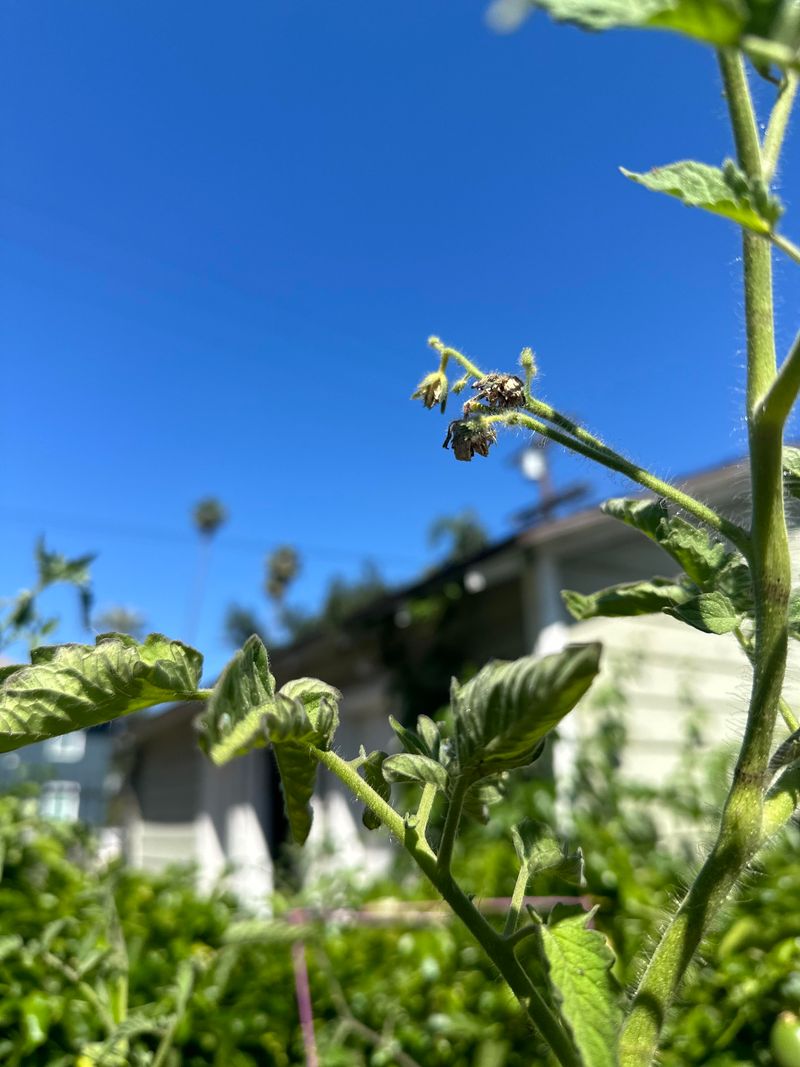
Water and shade are your two best weapons against heat-driven blossom drop. Used together, they can dramatically improve your tomato plant’s odds during a brutal stretch of weather.
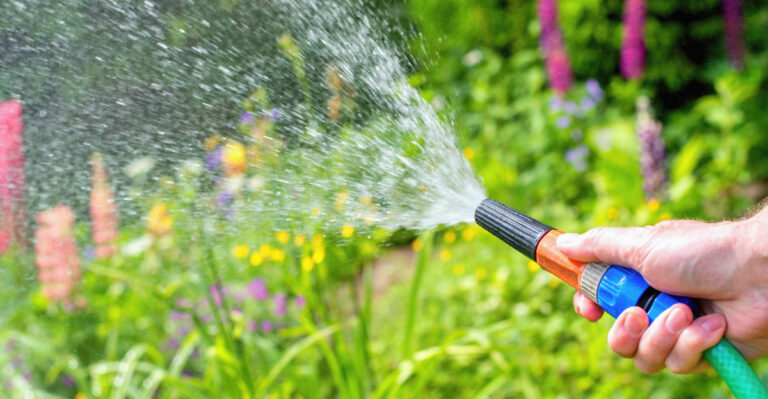
Deep, consistent watering is far more effective than frequent shallow watering. Aim to give tomato plants at least one to two inches of water per week, more during a heat wave.
Water in the early morning so moisture reaches the roots before the sun gets intense. Evening watering works too, but wet foliage overnight can invite fungal problems in humid climates.
Drip irrigation is one of the most efficient tools a Kentucky gardener can own. It delivers water directly to the root zone without wasting moisture on leaves or pathways.
Mulching around the base of each plant makes a real difference for soil temperature. A three-inch layer of straw or wood chips keeps roots cool and slows evaporation significantly.
Shade cloth rated at 30 to 40 percent light reduction gives blossoms a real fighting chance. Hang it above the plants during peak afternoon hours, roughly from noon to five o’clock.
Old bedsheets or lightweight row cover fabric work in a pinch when shade cloth is not available. Even partial shading on the hottest days can keep temperatures just cool enough for pollen to survive.
Avoid wetting the flowers directly when watering, because moisture on open blossoms can interfere with pollination. Keep the water at ground level and let the roots do the work.
Practical Steps To Help Tomatoes Recover And Set Fruit
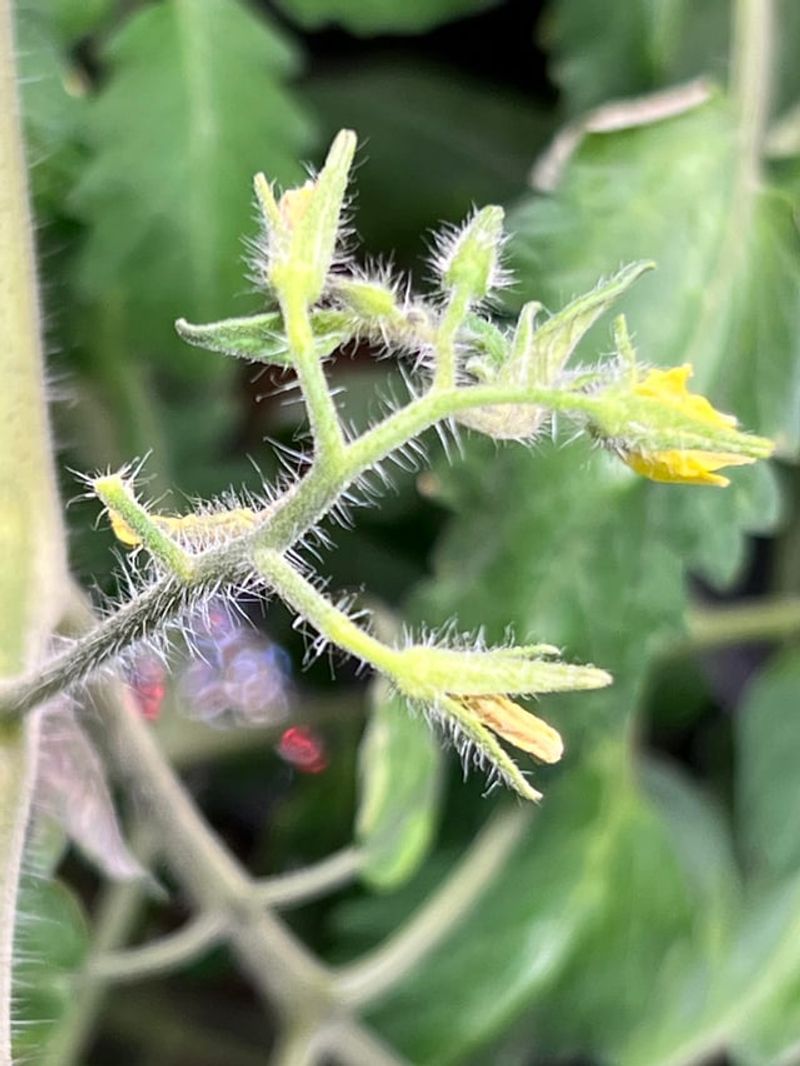
Once a heat wave breaks, tomato plants can bounce back faster than you might expect. Giving them a little targeted help speeds up that recovery and gets fruit setting again.
Start by removing any brown or dropped blossoms from the soil around your plants. Decaying flowers can harbor pests and fungal spores that add stress to an already weakened plant.
Hand pollination is one of the most effective tricks during hot spells when bees are less active. Use an electric toothbrush or a small paintbrush to gently vibrate or touch each open flower.
That vibration mimics the buzz of a bee and releases pollen inside the flower. Do this in the morning when temperatures are cooler and pollen viability is at its highest.
A light application of a balanced fertilizer after a heat wave helps plants rebuild their energy. Avoid heavy nitrogen doses, which push leafy growth instead of encouraging flowers and fruit.
Pruning a few suckers after a heat event redirects the plant’s resources toward fruit production. Fewer growing tips mean more energy goes to the blossoms that actually survive the heat.
Look for heat-tolerant tomato varieties for future seasons, such as Solar Fire, Heatmaster, or Florida 91. These types are bred specifically to set fruit even when temperatures push past 95 degrees.
Patience is part of the process too. Most tomato plants begin setting new blossoms within one to two weeks after temperatures return to a manageable range.
With the right recovery steps, most gardens bounce back quickly. Tomato blossom drop rarely has to mean the end of your Kentucky harvest season.