The 8 Lawn Problems That Thrive When Florida Grass Never Gets a Chance to Dry
Some lawn fungi can launch an attack after grass blades stay wet for roughly two days straight. That short window feels almost unfair when your sprinklers and the afternoon clouds team up against you.
In Florida, dew, humidity, and irrigation often overlap, so a lawn can stay damp from dusk until late morning. Moist thatch and soggy soil then become a cozy home for creatures and organisms you rarely see.
I have to admit, I used to water on a fixed schedule without checking the soil at all. You might notice strange rings, greasy patches, or soft spots, and wonder what exactly moved into your yard.
October is a smart month to look closely, because the rainy season is fading across most of Florida. Which of these sneaky troublemakers is already hiding under your feet right now?
1. Large Patch Fungus Leaves Orange Ringed Circles
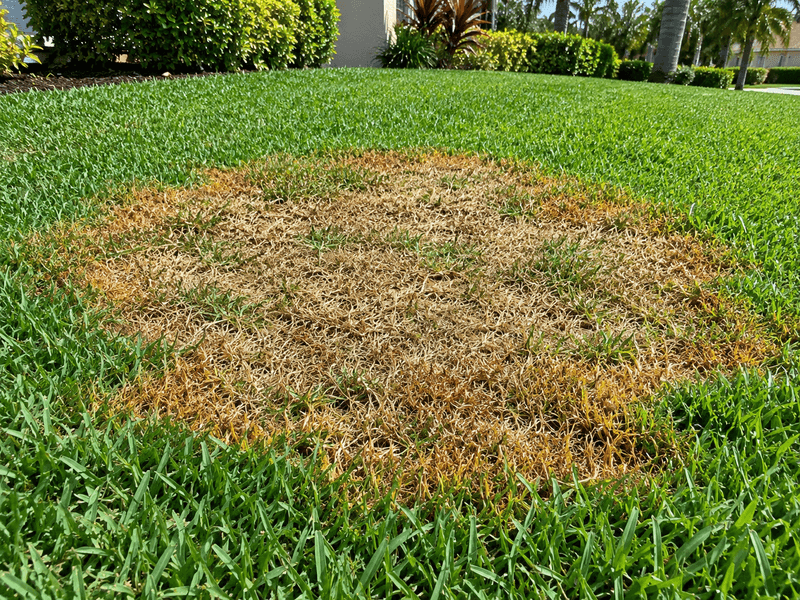
Large patch can spread from a single foot-wide spot into a brown circle several feet across. The edges often glow yellow or orange, like someone outlined the damage with a highlighter pen.
Caused by the fungus Rhizoctonia solani, this disease loves cool, damp weather and leaves that stay wet for long stretches. University of Florida experts note it mostly shows up from fall through spring when temperatures drop below 80 degrees.
Personally, I check suspicious patches by tugging gently on the blades near the outer edge of the circle. Infected leaves often slide out of their sheaths easily, and the base may look rotted and dark.
October is prime time to get ahead of this fungus, since cooler nights are arriving across much of the state. You can cut back irrigation now, because grass needs far less water once summer heat begins to fade.
Skip heavy nitrogen fertilizer this time of year, since lush, soft growth makes an easy target for the fungus. Water early in the morning so blades dry quickly, and avoid evening sprinkler cycles that keep leaves wet overnight.
Drainage matters too, so watch low spots where water lingers after storms and consider fixing grading problems over time. Prone lawns may benefit from a preventive fungicide in late fall, following label directions carefully for your grass type.
2. Greasy Pythium Patches Show Up After Soggy Weeks
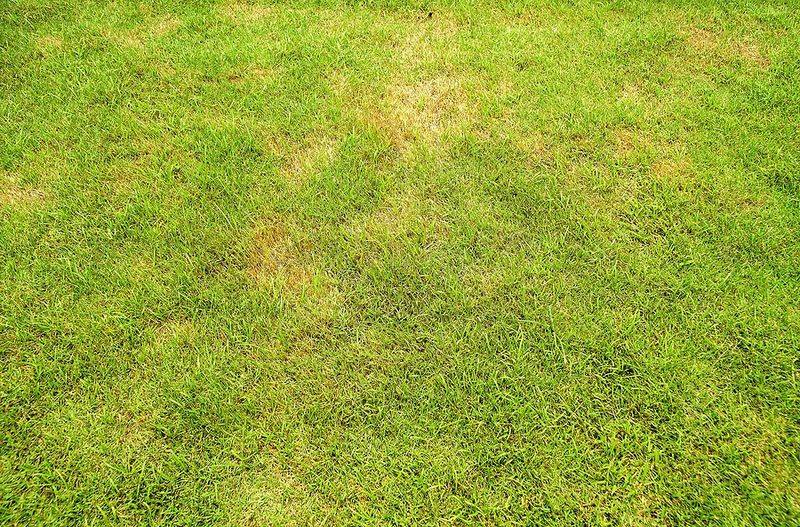
Walk outside early on a muggy morning, and Pythium patches may look oddly greasy or matted down. The grass seems to slump into the soil, and the color fades toward a tired, uneven yellow.
Pythium species are water molds rather than true fungi, which explains why soggy ground suits them so well. They thrive during warm, wet months, roughly May through October, when summer storms keep soil saturated for days.
I find the roots tell the real story, so dig up a small plug from the edge of the patch. Healthy roots look white and firm, while infected roots appear dark, mushy, and much shorter than they should.
Standing water is the biggest warning sign, especially in shady corners where air barely moves and the soil stays heavy. Overwatering adds fuel, so turn off automatic timers after heavy rains instead of letting them run on schedule.
You should also avoid mowing or walking through wet, infected areas, since shoes and mower wheels can carry the problem around. Wait until the grass dries, then mow those spots last and rinse your equipment afterward.
Better drainage offers long-term relief, whether you aerate compacted soil or redirect gutter downspouts away from the lawn. For stubborn cases, a fungicide containing mefenoxam is one labeled option worth discussing with your local extension office.
3. Short Black Roots Reveal Take-All Root Rot
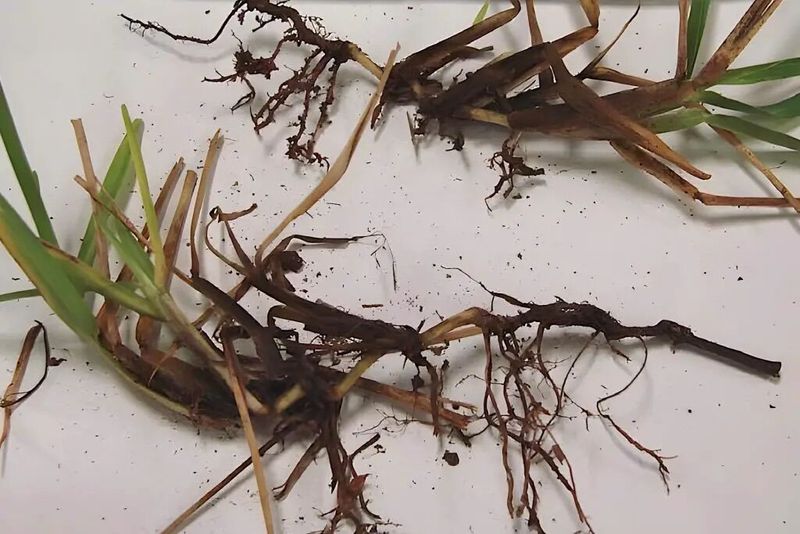
Few things feel stranger than pulling a yellow runner and finding roots that look like burnt matchsticks. Take-all root rot, caused by Gaeumannomyces graminis, quietly attacks from below long before the blades show much trouble.
The fungus lives naturally in the soil and only becomes a menace when grass gets stressed by wet conditions. Summer rains and soggy early fall weather give it the perfect opening, especially in poorly drained yards.
Symptoms begin as yellow or light green areas that slowly thin out and expand over several weeks. I have to admit, many folks mistake those patches for nutrient problems and pile on extra fertilizer, which rarely helps.
Stress reduction is your best friend with this disease, so raise your mowing height a little if you can. Taller grass grows deeper roots, and stronger roots handle soggy soil and fungal pressure much better than scalped turf.
Balanced feeding helps as well, with experts recommending careful attention to both potassium and nitrogen levels. A soil test from your county extension office can show exactly what your lawn needs before you buy anything.
Drainage improvements make a real difference, because constant moisture around the roots gives this fungus its main advantage. As October rains taper off, let the soil dry a bit between waterings so roots can breathe again.
4. Silver Dollar Sized Spots Speckle Damp Turf
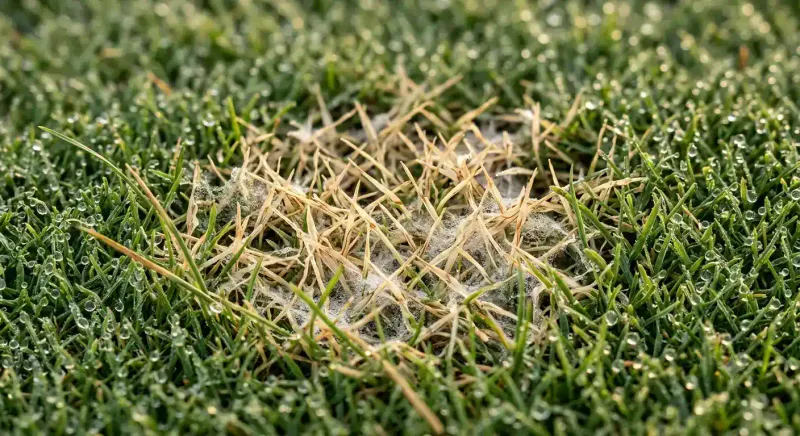
Tiny tan circles about the size of a silver dollar give this disease its wonderfully literal name. Dollar spot, caused by the fungus Clarireedia jacksonii, can freckle a lawn faster than you might expect.
Look closely at single blades, and you may see pale tan lesions outlined by a thin, darker border. Over time, the small spots can merge into larger irregular areas that look sunken and straw-colored.
Warm days, humid evenings, and leaves that stay wet for hours create the ideal setup for this fungus. In warm climates, it can appear from late spring through late fall, so October lawns still deserve a watchful eye.
What surprises me most is how hungry lawns seem to attract dollar spot more than well-fed ones. Low nitrogen often plays a role, so a properly timed light feeding may help grass grow out of the damage.
Watering deeply in the early morning is one of the simplest fixes you can make this week. Morning sun and breezes dry the blades quickly, while evening watering leaves moisture sitting on leaves all night long.
Morning dew also counts, so some gardeners drag a hose across the lawn to knock droplets loose. Keep mower blades sharp too, because clean cuts heal faster than ragged tears that invite more infection.
5. Mushroom Fairy Rings Pop Up Across Wet Lawns
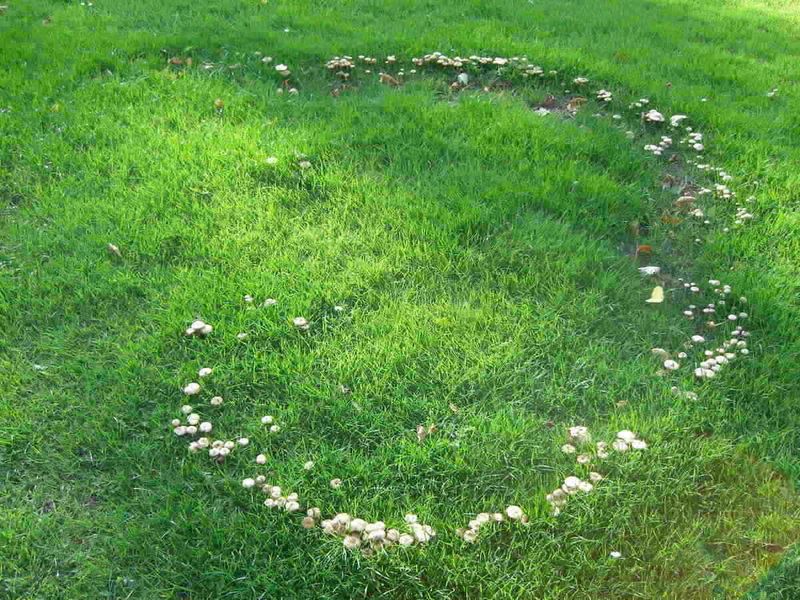
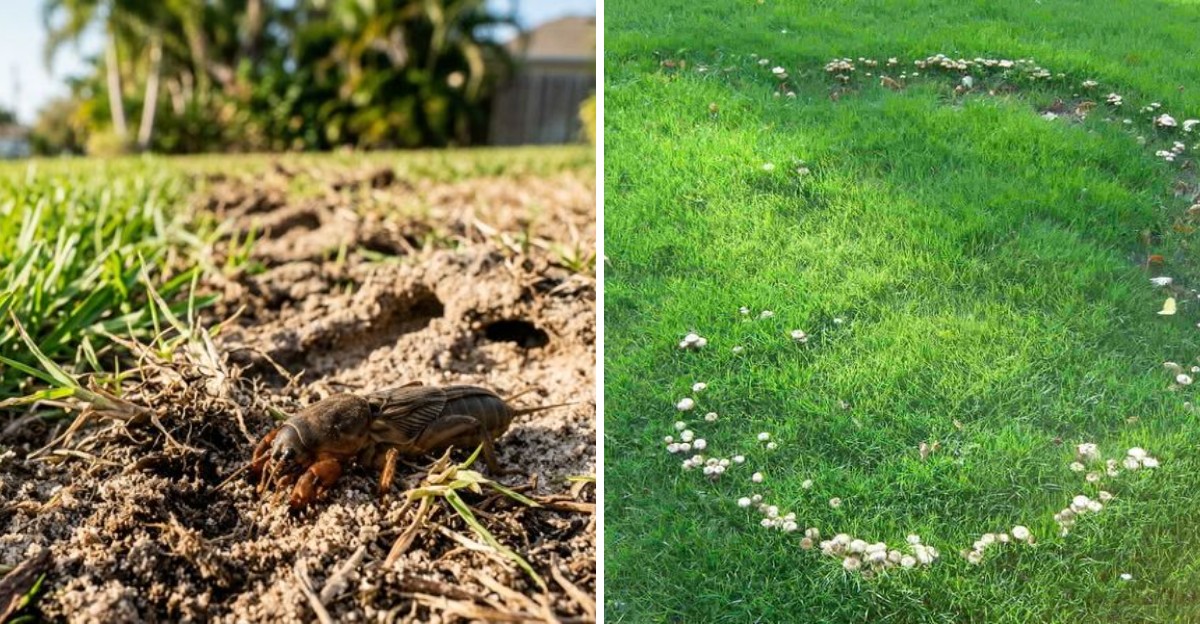
Folklore once claimed that circles of mushrooms marked spots where fairies danced through the night. The real story involves soil fungi feeding on buried organic matter like old roots, stumps, or leftover construction debris.
Fairy rings can show up as arcs of dark green grass, brown circles, or neat rings of mushrooms after rain. I love how magical they look, even though they can cause frustrating trouble for the grass growing above.
Warm, wet weather encourages these fungi, so rings often appear during rainy summer months and linger into early fall. Lawns with thick thatch or compacted soil seem especially welcoming to the underground fungal network.
One sneaky version is called hydrophobic fairy ring, where a dense fungal mat makes soil repel water. That ring can turn brown and crispy even while the rest of your lawn stays soaked from frequent rain.
Core aeration through the affected ring helps break up that water-repelling layer so moisture can reach the roots again. Wetting agents, sometimes called soil surfactants, can also help water soak into stubborn areas more evenly.
You can simply mow or rake away the mushrooms if you dislike their look or have curious pets nearby. Removing them will not fix the fungus below, but it keeps the lawn tidy while you manage the soil.
6. Gray Slime Mold Coats Grass Blades Overnight
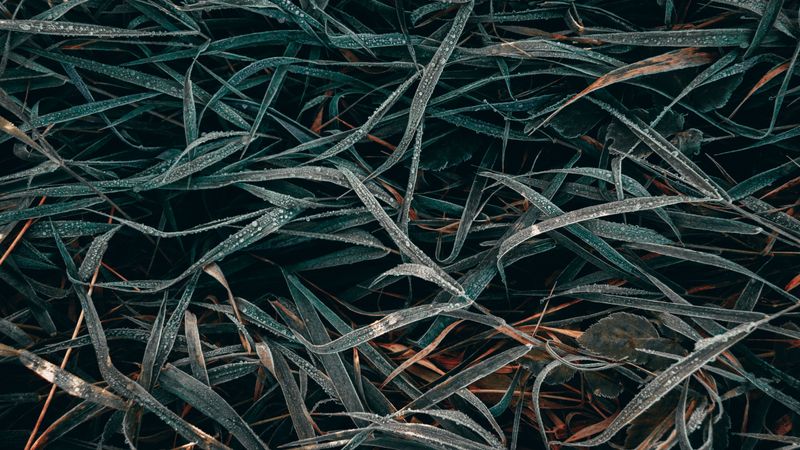
Overnight, a patch of grass can look like someone sprinkled it with gray ash or purple powder. Slime mold loves to startle homeowners, yet it is mostly harmless to the lawn underneath.
These odd organisms are not true fungi, and they do not infect grass tissue at all. They simply climb the blades like a ladder, using them as a sunny perch to release their tiny spores.
Warm, humid weather after heavy rain tends to bring them out, especially in shady corners where moisture lingers. You might notice slime mold under trees or beside fences where the grass rarely dries before noon.
Personally, I think it is one of the most entertaining lawn surprises, since it looks scary but behaves politely. A heavy coating can shade blades briefly, which may cause some yellowing until the growth disappears.
No chemical treatment is usually needed, which saves money and spares the helpful creatures living in your soil. Rinse it off with a strong spray from the hose, brush it away with a broom, or mow it.
Prevention comes down to sunshine and airflow, so trimming low branches can help a soggy area dry faster. As drier October weather settles in, slime mold often fades on its own without any help from you.
7. Tiny Fungus Gnats Hover Over Soggy Soil
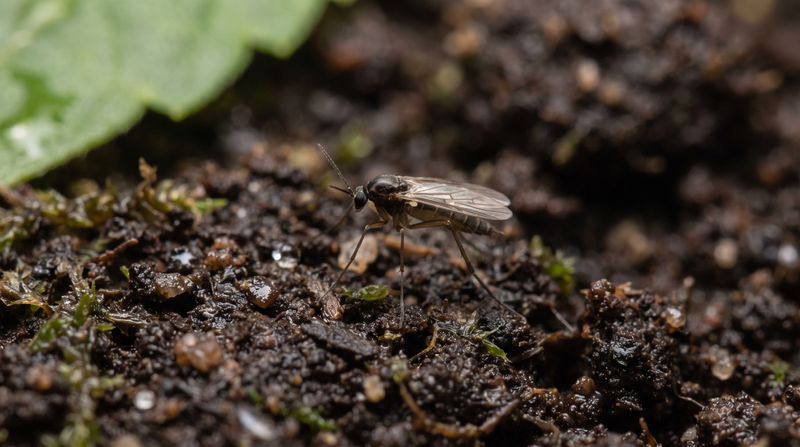
Clouds of tiny dark flies drifting over damp grass can be a clue that your soil stays wet too long. Fungus gnats are usually linked with houseplants, but they also settle into constantly moist outdoor ground.
The adults are weak fliers and do not chew on grass, so they mostly act as an annoying warning sign. Their larvae live in the soil, feeding on fungi and decaying matter, and sometimes nibbling young roots.
You need to look at your watering habits first, because gnats rarely become a problem in well-drained lawns. Overwatered spots, leaky irrigation heads, and low areas that puddle after rain offer the moist conditions larvae require.
I like how quickly these pests respond once you let the top layer of soil dry between waterings. Larvae need moisture to survive, so a drier surface interrupts their life cycle without any spray at all.
Fall brings cooler weather, so most established lawns need far less irrigation than they did in summer. Check sprinkler heads for leaks or broken nozzles, since one constantly wet spot can support a surprising gnat population.
Thick thatch holds moisture and decaying material, so dethatching or aerating can make the area less attractive to them. When drainage improves, gnats usually lose interest and move along without much drama or expense.
8. Mole Crickets Tunnel Through Moist Lawn Soil
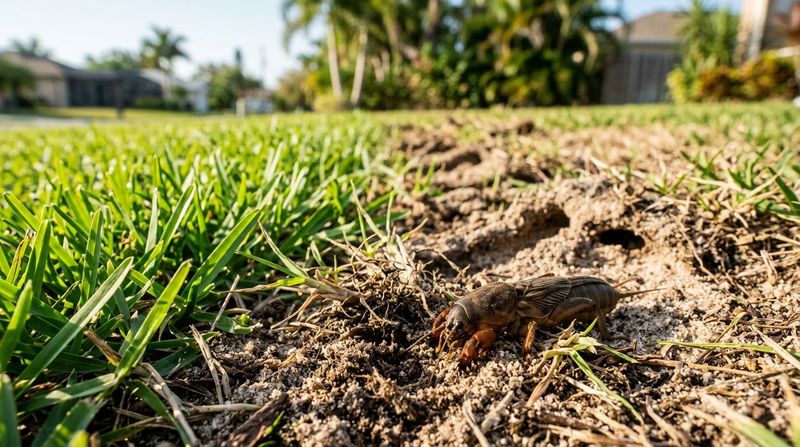
Mole crickets have front legs shaped like tiny shovels, and they use them to plow through sandy soil. These insects can leave raised tunnels across a lawn that feel spongy and uneven when you walk.
Their tunneling loosens roots from the soil, so grass dries out quickly and turns thin or brown. Tawny and southern mole crickets are the main lawn pests in Florida, often causing the most trouble in bahiagrass.
Moist soil attracts them for mating and egg-laying, and they move closer to the surface after rain or irrigation. You might hear males calling on warm spring evenings from tiny chambers they build in the ground.
Early summer matters most because the young nymphs are still small then, making them much easier to manage than the larger nymphs and adults found by October. University of Florida experts suggest June and July, when nymphs are small, as the most effective window for treatment.
A simple soap flush can confirm their presence before you spend money on any product at all. Mix two tablespoons of dish soap in two gallons of water, pour it over a small area, and count crickets.
Biological controls include beneficial nematodes that specifically target mole crickets, which many gardeners appreciate for lawns. If you choose an insecticide, apply it in the late afternoon onto moist soil, following label directions carefully.