The Underrated Porch Plant Texans Overwinter Indoors With Ease
Plenty of porch plants are one-season wonders. They look gorgeous in spring, struggle through the heat, and end up tossed out once the first cold front rolls in. This one breaks that pattern.
With its tall, upright fronds and lush green color, it brings an instant touch of elegance to hanging baskets, front steps, and patio pots. Unlike many leafy porch favorites, it handles Texas heat and brighter light surprisingly well.
When winter approaches, it settles in easily near a bright window and stays green and healthy until spring. Then it can head right back outside, ready to shine again.
If you want a porch plant that lasts for years, this underrated favorite deserves a spot by your door.
A Tough Porch Favorite

Walk through almost any Texas garden center in spring, and you will spot rows of big green ferns in hanging baskets.
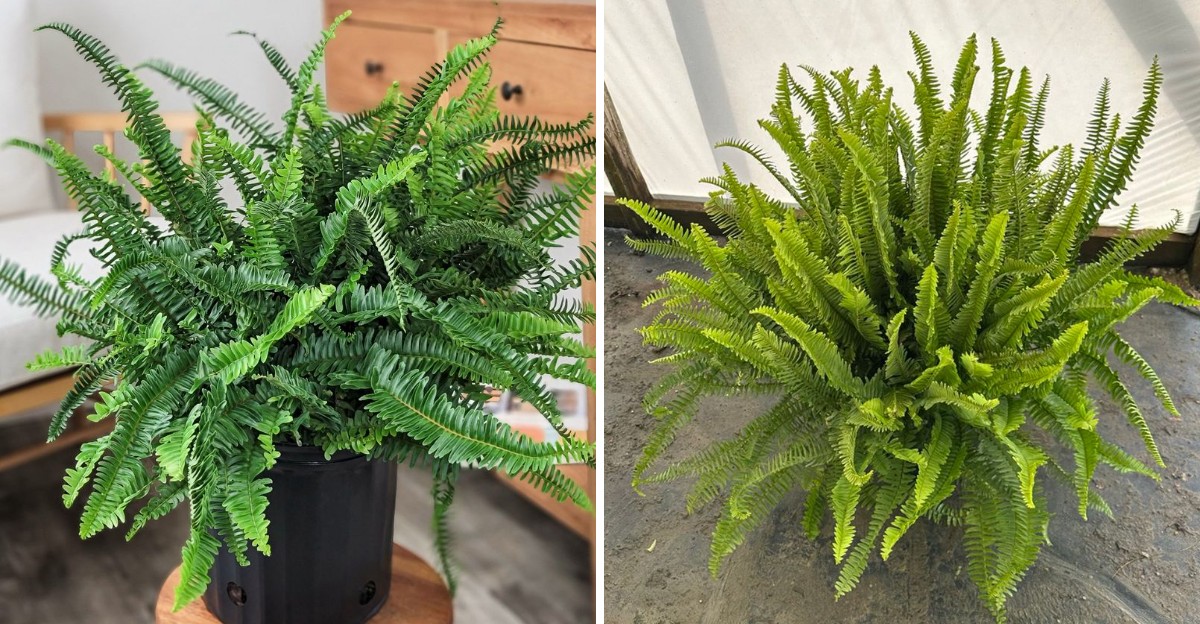
Many of them are Kimberly queen ferns. They have quietly become a porch favorite, even if most folks do not know the name.
The plant comes from Australia and nearby islands. Its scientific name is Nephrolepis obliterata, which sounds fancy but just points to its fern family. Back home, it grows in warm, humid places, so Texas weather feels pretty familiar to it.
What makes it stand out is its shape. The fronds grow straight up and slightly outward, like a bundle of green swords.
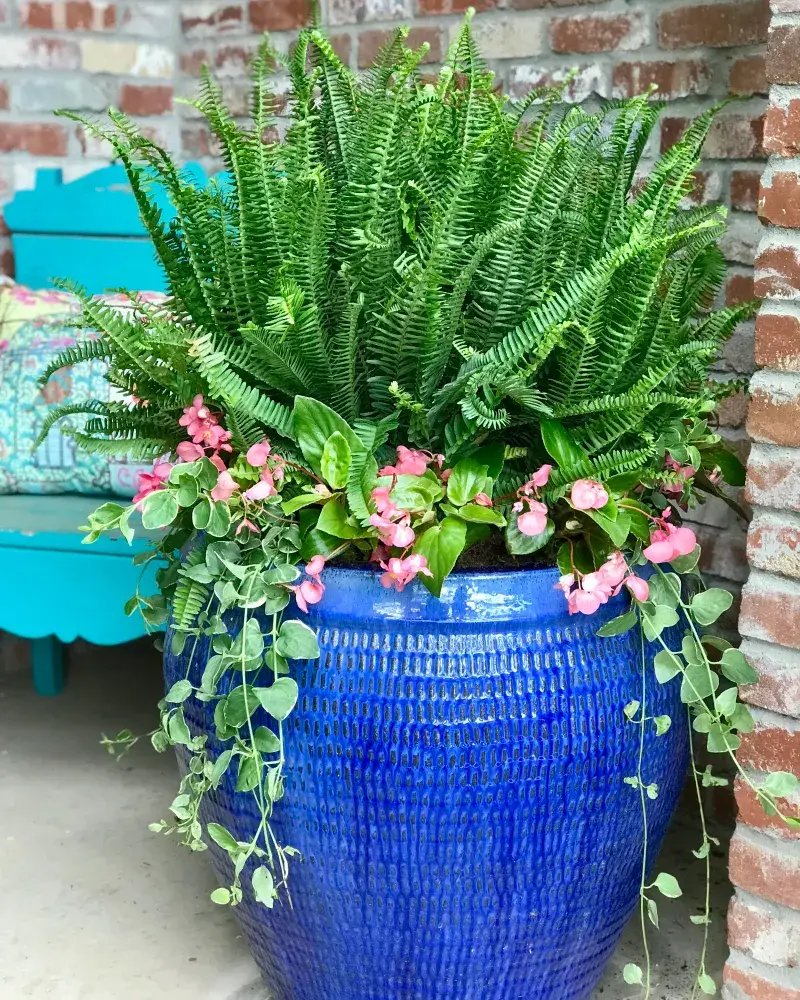
That gives the plant a neat, full look instead of a floppy, droopy one. It looks sharp in a hanging basket, a tall pot by the front door, or a pair of planters flanking your steps.
Here is a fun fact. The Kimberly queen fern was introduced to the U.S. nursery trade in the 1990s. In just a few decades, it went from unknown to a common sight on Southern porches.
Size matters too. A mature plant can reach about two to three feet tall and wide. That means one pot can fill an empty corner with plenty of green.
Shopping tip: pick a plant with deep green fronds and no brown, crispy tips. Look under the leaves for tiny bugs or sticky spots. Check that the soil is not soggy or smelly. A healthy start makes overwintering much easier later.
Spend a few extra dollars on a strong plant now, and it can reward you for many seasons to come.
Tougher Than A Boston Fern
Ask anyone who has kept a Boston fern indoors, and you might hear a groan. Those plants shed tiny leaflets everywhere. Your floor ends up looking like someone sprinkled green confetti across it.
Kimberly queen ferns are different. Their leaflets hold on tight, so there is far less mess to sweep up. For anyone bringing a plant inside for months, that alone is a huge win.
Heat is another area where it shines. Texas summers can push past 100°F, and Boston ferns often turn crispy and pale.
The Kimberly queen handles those hot days much better. It can even take some morning sun or bright filtered light without sulking.
Water needs are friendlier, too. Boston ferns can wilt fast if you forget a drink. A Kimberly queen is more forgiving, so a missed day will not turn it into a sad, brown mess.
Think of it like comparing two pets. One needs constant attention and makes a mess. The other is calm, clean, and easy to live with. Most busy families would pick the second one.
That toughness carries over into winter. Indoor air is often dry, and light is lower. Boston ferns tend to struggle with those changes. Kimberly queens adjust more smoothly, keeping their color and shape.
Quick tip: if you already own Boston ferns, you do not have to give them up. Just try one Kimberly queen next to them this year.
Watch how each plant handles summer heat and winter indoors. Many gardeners make the switch for good after one season of side by side results.
When To Bring It Inside
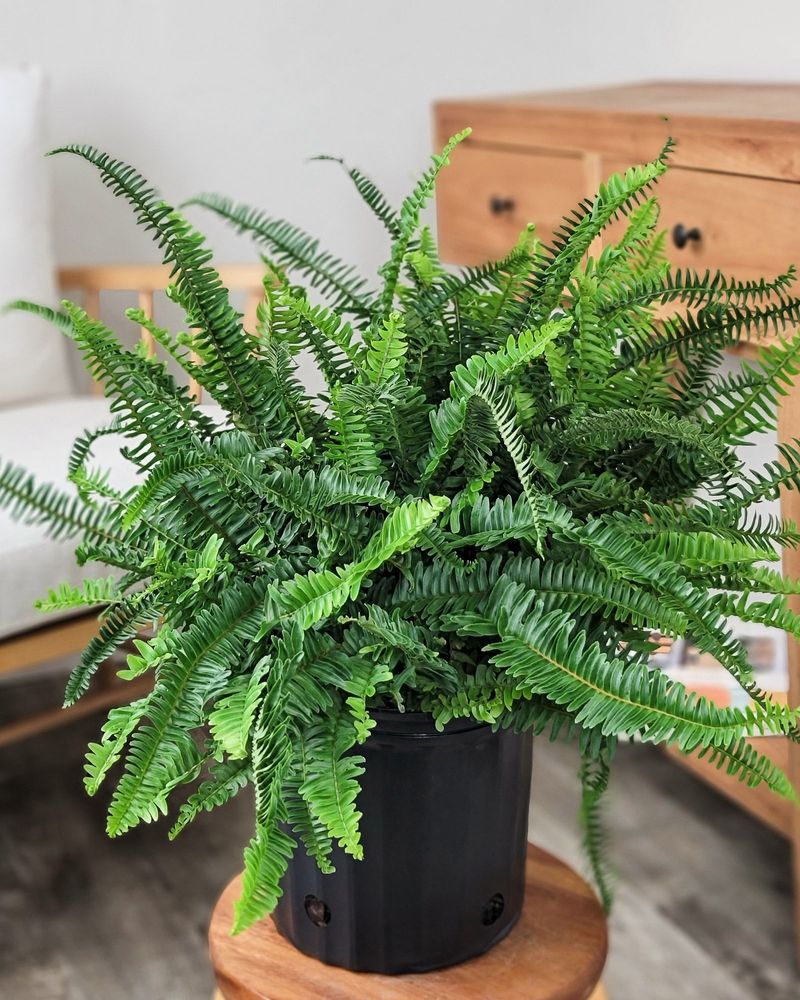
Timing is everything. Texas weather loves to play tricks, with warm afternoons followed by chilly nights. Your fern cannot handle frost, so watching the forecast really pays off.
The magic number is about 50°F. Once nighttime lows start dipping near that mark, it is time to plan the move. In North Texas, that might be late October. Down in the Rio Grande Valley, you may have until December.
Do not wait for the first freeze warning. A single frosty night can burn the fronds and leave them brown and mushy. Moving early is always safer than moving late.
Before the plant crosses your doorway, give it a careful checkup. Pests love to hitch a ride indoors. Look under the fronds and near the soil for mealybugs, scale, spider mites, or little crawling insects.
A gentle spray from the garden hose can knock off many bugs. For stubborn pests, a mild insecticidal soap works well. Let the plant dry before bringing it in.
Next, grab clean scissors. Snip off any brown, yellow, or broken fronds at the base. This tidies the plant and helps it focus energy on healthy growth.
Check the pot, too. Lift it and peek at the drainage holes. Remove any snails, slugs, or ants hiding underneath. Some gardeners even set the pot on a tarp for a day to see what crawls out.
Finally, think about weight. A soaked basket is heavy and drippy. Let the soil dry a bit before moving it. Your back and your floors will thank you.
Where To Place It Indoors
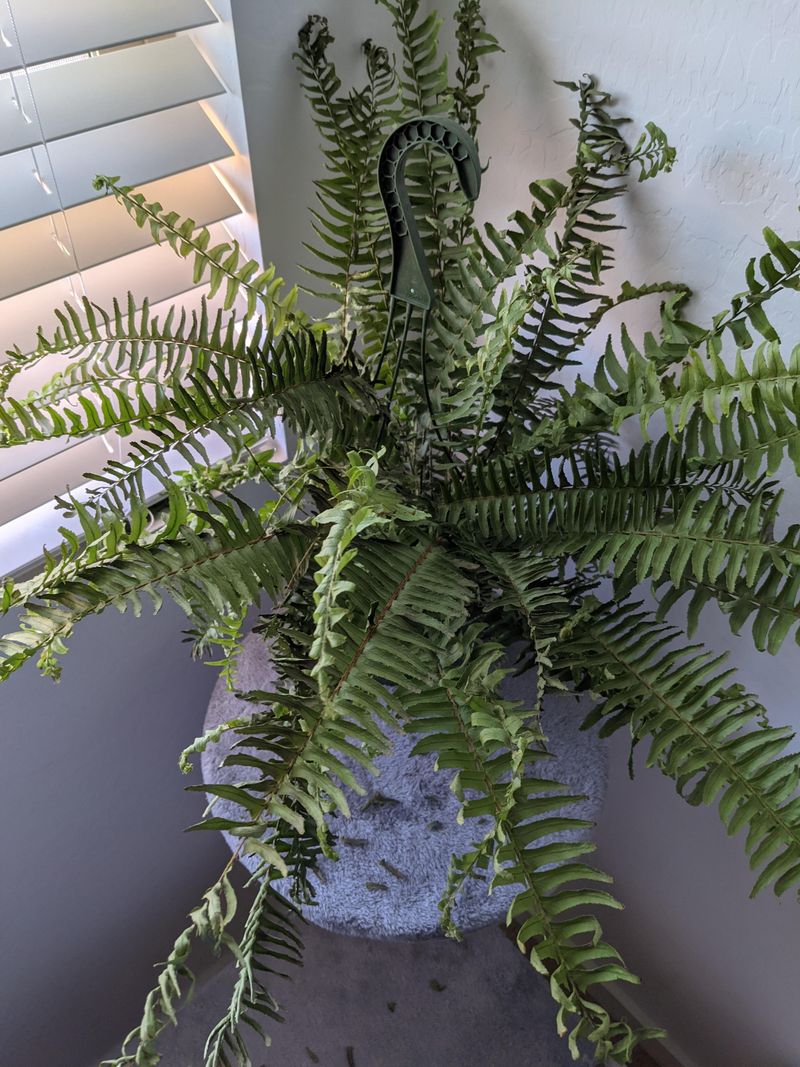
Finding the right spot is a bit like picking a seat at a movie. Too close and things get uncomfortable. Too far and you miss the good stuff. Your fern wants that middle ground.
Bright, indirect light is the goal. An east-facing window is ideal because it gets gentle morning sun. The light is soft enough not to scorch the fronds.
South or west windows can work too. Just set the plant a few feet back so harsh afternoon rays do not hit it directly. A sheer curtain also helps spread the light more evenly.
Watch out for vents. Heating and air conditioning blow dry air that can turn fronds crispy fast. Keep the plant several feet away from any vent, radiator, or space heater.
Cold drafts are a problem too. A spot right next to a drafty door can give your fern a chill every time someone walks in. Choose a calm, steady place instead.
Need a few placement ideas? Try a plant stand beside a sunny window, a bright bathroom, or a corner of the kitchen that gets good light. Bathrooms can be extra nice because showers add moisture to the air.
Here is a handy trick. Rotate the pot a quarter turn every week or two. Plants lean toward light, and turning them keeps growth even and full on all sides.
Also, put a saucer or tray under the pot to protect your floors. Cork mats or plastic liners work great. Your fern stays happy, and your furniture stays dry.
Easy Winter Care
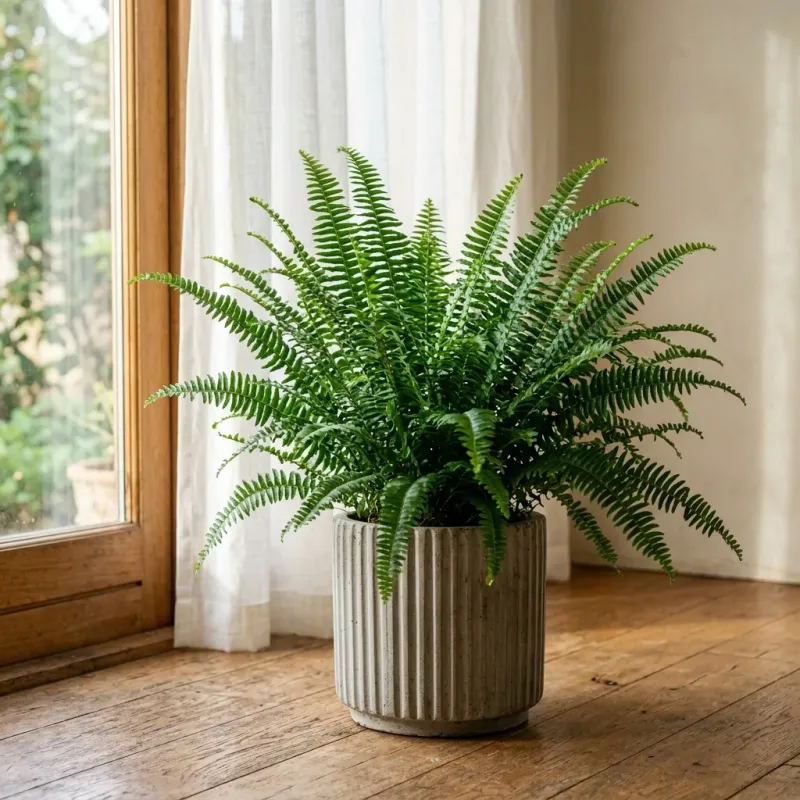
Good news for busy people: winter care is mostly about not overdoing it. Indoors, your fern grows more slowly. That means it needs less water and almost no fuss.
Use the finger test. Push your finger into the soil about one inch deep. If it feels dry, water slowly until it drains out the bottom. If it still feels damp, wait a few more days.
Never let the pot sit in standing water. Soggy roots can rot, and that is the fastest way to lose a healthy fern. Empty the saucer about 15 minutes after watering.
Humidity is another thing to think about. Many ferns hate dry winter air, but the Kimberly queen is more relaxed about it. Still, if your home feels very dry, you can give it a boost.
Try a pebble tray. Fill a shallow tray with small stones and add water just below the top of the pebbles. Set the pot on top. As the water evaporates, it adds moisture around the plant.
Misting the fronds a few times a week can help too. Grouping plants together is another easy option, since they share moisture with each other.
Skip the fertilizer in winter. The plant is resting, and extra food can burn the roots. Wait until spring to feed it again.
Keep an eye out for pests every couple of weeks. Wipe dust off the fronds with a damp cloth if needed. A little attention goes a long way, and you will have a fresh, green plant brightening your home all season.
Moving It Back Outside In Spring
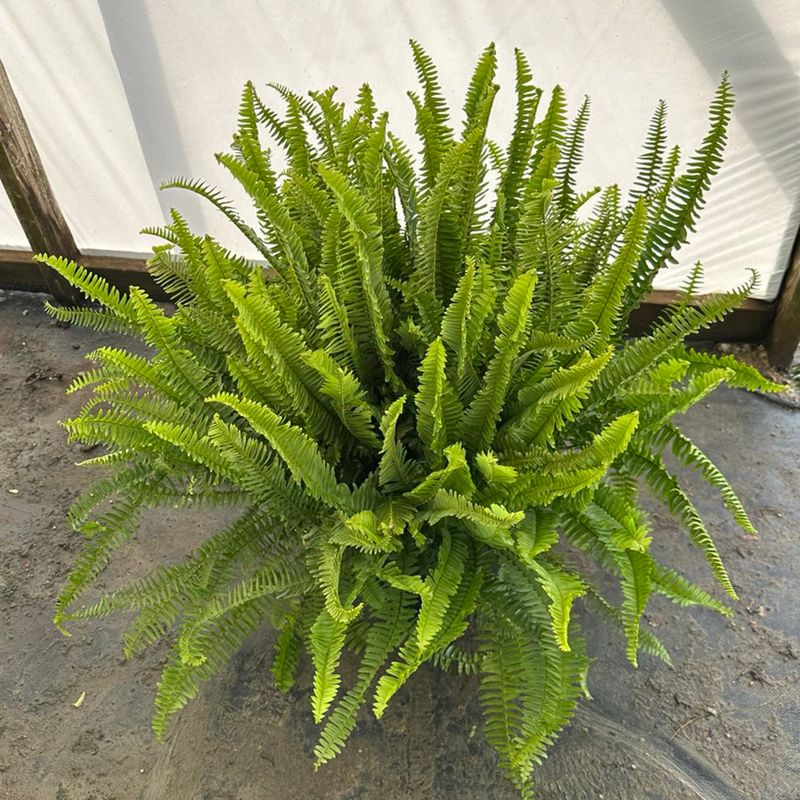
Spring in Texas brings bluebonnets, warm breezes, and one happy fern ready for fresh air. After months indoors, your plant is eager to get back to its porch. Still, a slow move works best.
Wait until nights stay above about 50°F. Check the ten day forecast before you make the switch. Texas can surprise everyone with a late cold snap in March.
Do not put it straight into bright sun. Indoor plants are used to softer light, and sudden sun can scorch the fronds. Start in full shade for about a week.
Then slowly move it to brighter spots over the next week or two. Gardeners call this hardening off. It gives the fern time to toughen up before it settles into its usual home.
Spring is also the perfect time for a little refresh. Trim any tired fronds, and start feeding with a balanced liquid fertilizer every few weeks. If roots are crowded, move it to a slightly bigger pot.
Pet owners have even more reason to smile. Ferns in the same family as the Kimberly queen are generally considered non-toxic to cats and dogs.
The ASPCA lists the closely related Boston fern as safe for pets. That makes this plant a smart pick for homes with furry friends.
Of course, it is still best to keep pets from chewing on any plant. A nibble might upset a sensitive tummy.
Once settled, your fern will burst with new growth. Then, when fall comes again, you will know exactly what to do.