The 8 November Tweaks Florida Gardeners Make to Get Christmas Cactus Covered in Blooms
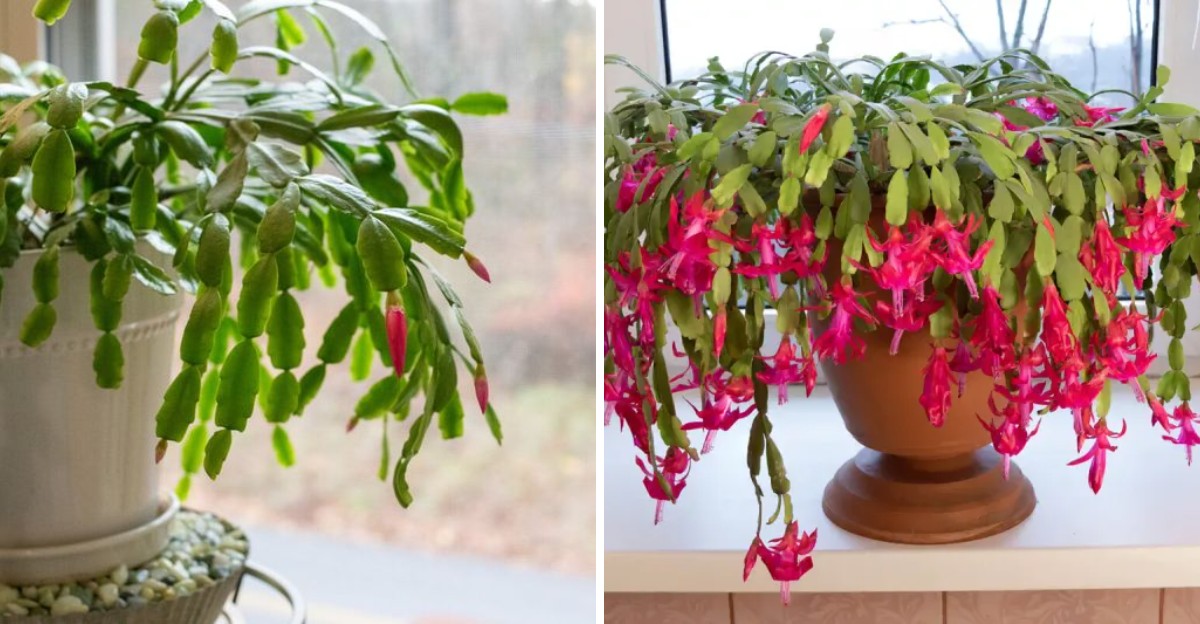
In the wild, this holiday favorite grows high in Brazilian treetops, perched on mossy branches instead of desert sand. Its flowers there evolved to welcome hummingbirds, which explains those tubular pink blossoms that look like tiny lanterns.
Back home, the plant sets buds only after long nights and cooler air tell it that autumn has arrived. Florida throws a curveball, since our porch lights glow late and many November evenings still feel like summer.
I have to admit that my first one sulked for two winters without a single flower to show.
You might notice the same stubborn streak in yours, especially if it shares a room with a reading lamp.
Gardeners across Florida have learned a handful of small autumn adjustments that turn that sulking into a flower show. Which of those simple changes do you suppose makes the biggest difference once the calendar flips to November?
1. Long Nights In A Dark Closet Trigger Christmas Cactus Buds
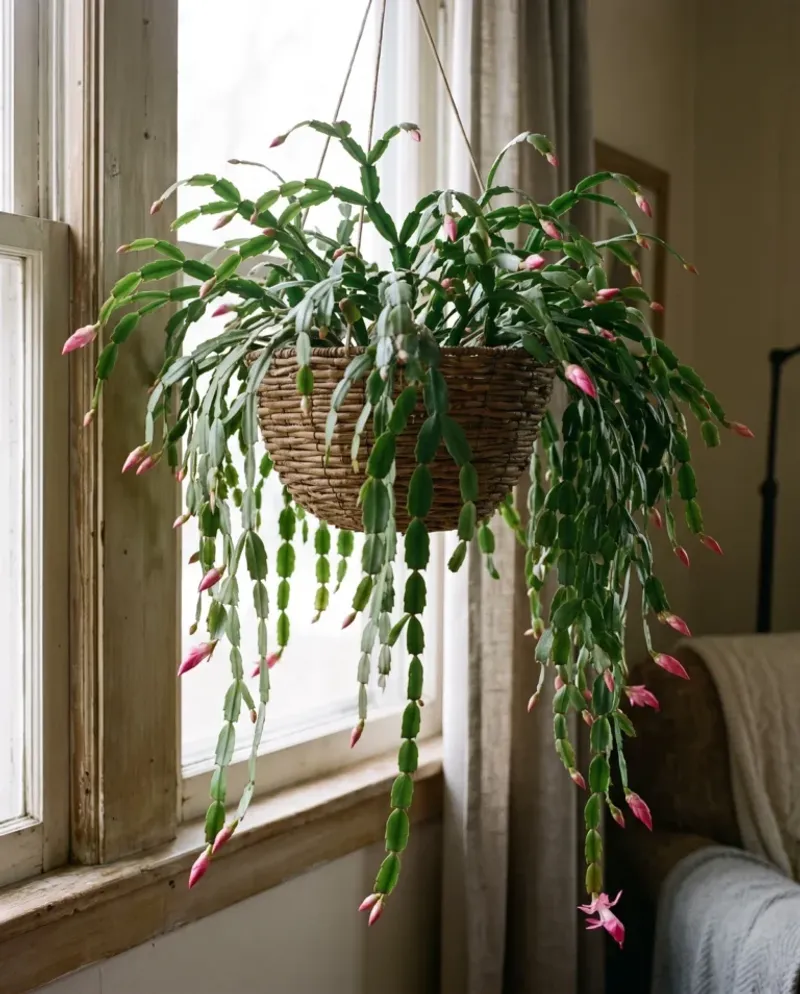
Your Christmas cactus actually keeps track of darkness, and a single flick of a light switch can interrupt that process. I love how something so floppy and segmented can be this picky about its bedtime routine every evening.
Extension experts recommend about 12 to 14 hours of uninterrupted darkness each night for roughly six to eight weeks. Many growers start in early October, but a November start can still nudge buds toward a January show.
Streetlights and porch lamps can spoil the effect when their glow spills through a window after sunset. A spare bedroom that nobody uses at night often works better than a busy family room.
Personally, I slide a large cardboard box over my plant around six each evening and lift it at breakfast. A dark cloth works too, as long as it blocks light without crushing the arching stems.
Daytime still matters, so remember to uncover the plant each morning and give it bright, filtered light. Skipping the morning reveal starves it of the energy it needs to fuel all those developing buds.
Once you spot tiny pink or red nubs at the stem tips, the darkness routine has done its job. At that point you can relax the schedule, though steady light conditions still help buds stay put.
Cool nights below about 55 degrees can also trigger buds by themselves, regardless of how long the nights last. Since many Florida evenings stay warmer than that, the darkness trick carries most of the load here.
2. Cooler Porch Nights Help Christmas Cactus Set Flower Buds
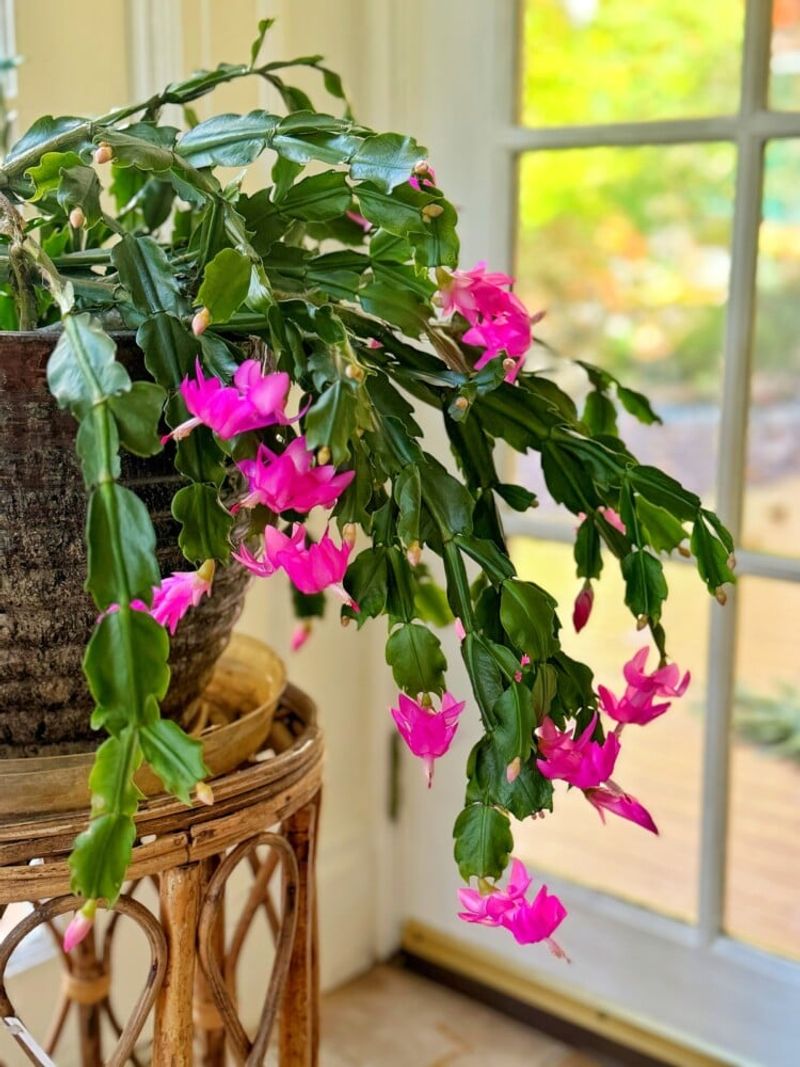
Nothing makes this rainforest native happier than a crisp autumn evening around 55 degrees, which feels downright luxurious here. I can’t imagine a better excuse to sit on the porch with the plant and a mug of cocoa.
Research shows that nights between roughly 50 and 65 degrees encourage bud formation in most holiday cactus varieties. When nights stay warmer than that, plants often push out new green segments instead of flowers.
North Florida usually delivers those cool spells naturally by November, so a shaded porch or patio works nicely. South of Orlando, gardeners often lean harder on the darkness routine because cool nights arrive later.
Keep an eye on the forecast, since temperatures below 50 degrees can stress the plant and damage tender buds. Frost is a real threat because these tropical stems hold plenty of water inside their flat segments.
On chilly evenings, simply carry the pot indoors to a cool room and return it outside the next morning. That shuffle works fine before buds appear, but frequent moves later can upset the developing flowers quite a bit.
Indoors, a room with the air conditioner set a little lower can mimic those refreshing autumn nights. Personally, I park mine in a north bedroom where the thermostat drops a few degrees after dinner.
A cheap indoor thermometer beside the pot takes the guesswork out of the whole cooling plan. You might be surprised how many degrees separate your living room from a back bedroom at night.
3. Lighter Watering Keeps Christmas Cactus Roots Healthy In Fall
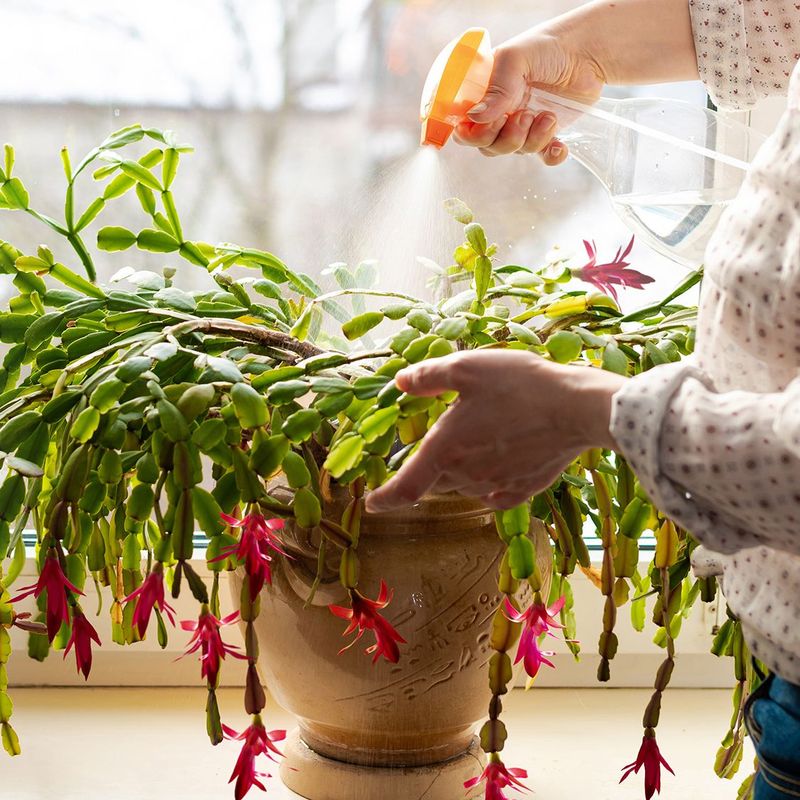
Soggy soil causes more holiday cactus trouble than almost anything else, and November is when many of us overdo it. I get it, because those fat green segments look thirsty even when the roots are swimming.
Cooler weather slows the plant down, so it drinks less water than it did during the steamy summer months. Let the top inch or so of potting mix dry before you reach for the watering can.
Your finger makes a better moisture meter than any calendar, so poke it into the soil every few days. If the mix feels cool and damp, wait and check again a little later in the week.
Bone-dry soil causes its own headaches, because thirsty plants frequently drop buds before they ever open. The goal is light, steady moisture, a bit like a wrung-out sponge rather than a puddle.
Drainage holes are a must, and a chunky mix with bark or perlite helps excess water escape quickly. Remember to empty saucers after watering so the roots are not sitting in a stagnant pool.
Florida rain adds another twist for plants living outdoors, since a few stormy days can flood a pot. Tucking containers under an eave during wet spells protects the roots from staying soggy for too long.
Root rot often shows up as limp, wrinkled stems that look thirsty despite damp soil underneath. Catching it early by easing up on water gives the plant a much better shot at blooming.
4. Skip The Fertilizer While Christmas Cactus Buds Form
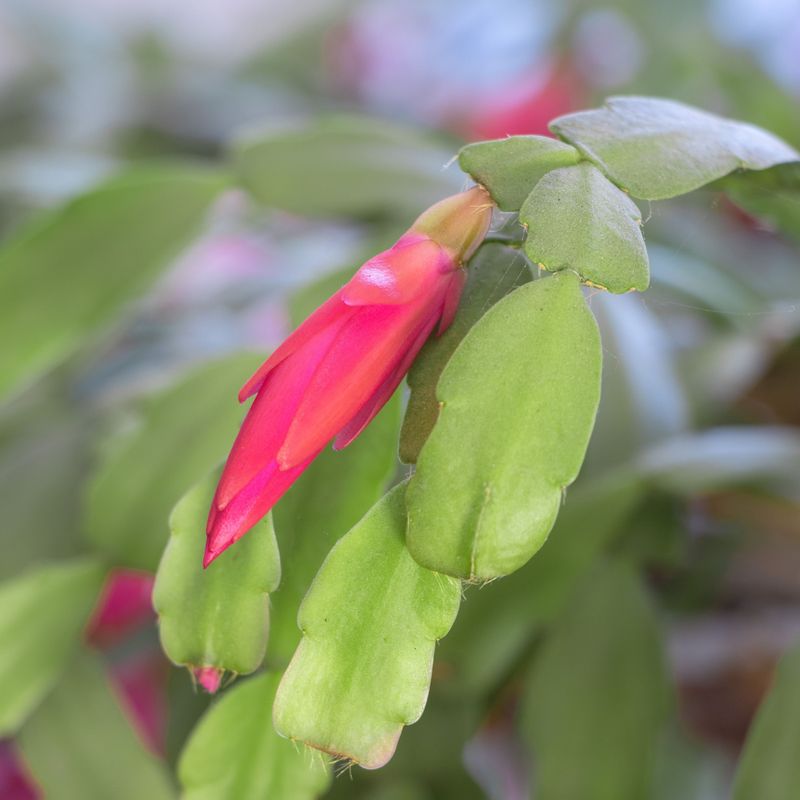
Feeding a budding holiday cactus is a bit like serving a big lunch right before a dance recital. The plant gets distracted by growing new segments and tends to forget about making those holiday flowers.
Most experts suggest stopping fertilizer by late September or October, so November should be a quiet month for feeding. If you forgot, just stop now and let the plant settle into its natural blooming rhythm for the season.
Years ago, I kept feeding mine straight through the fall and got nothing but lanky green stems. That plant looked healthy enough, yet it skipped the whole holiday season without showing a single flower.
Slow-release pellets mixed into the soil earlier in the year can keep releasing nutrients into the fall. Check the label, because some products last several months and may still be quietly feeding your plant.
Heavy summer rains in Florida wash nutrients out of outdoor pots, so growers often feed more during summer. That summer boost has done its work by now, and the plant needs a break from extra food.
Resume feeding once the flowers fade and fresh growth appears, usually sometime in late winter or spring. A balanced houseplant fertilizer at half strength every few weeks keeps things simple and safe for the roots.
Some growers like a dose of Epsom salt in summer, since these plants appreciate a little extra magnesium. Save that trick for the growing season, though, and let November stay a refreshingly simple month for you.
5. Bright Filtered Window Light Fuels Christmas Cactus Flowers
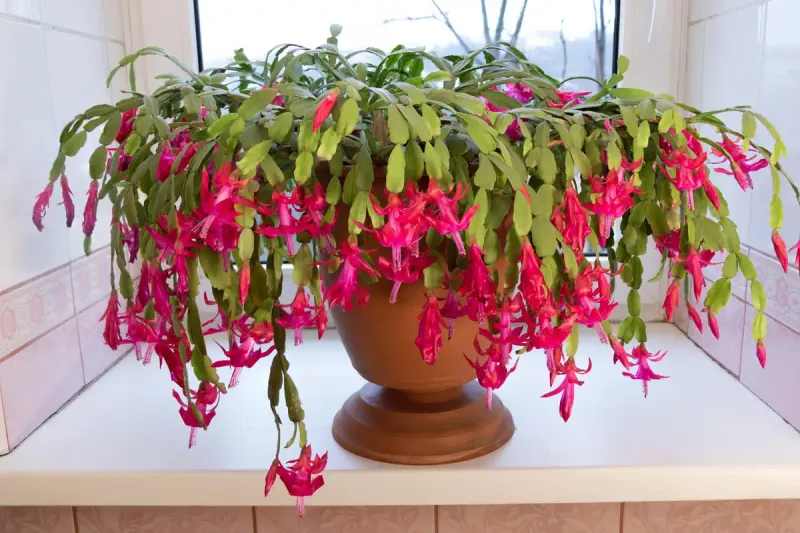
Reddish, sunburned stems are a sneaky clue that your holiday cactus is getting more sunshine than it wants. In its Brazilian forest home, it basks in dappled light filtering down through a leafy canopy.
An east-facing window works beautifully, because gentle morning sun warms the plant without scorching those flat segments. A spot a few feet back from a south or west window can work with a sheer curtain.
Our afternoon sun stays surprisingly strong in the fall, so outdoor plants need real shade after lunchtime each day. I like how a deep porch ceiling or a big live oak branch creates the perfect filtered glow.
Too little light causes trouble as well, since the plant needs daytime energy to build its buds. A dim hallway might satisfy the darkness requirement, but it rarely provides enough brightness during the day.
You need to balance both halves of the day, with bright mornings and pitch-black nights working together. A plant on a bright sill by day and inside a closet by night often blooms happily.
Rotating the pot a quarter turn each week helps growth stay even before any buds start forming. After buds appear, stop turning it, because buds may drop when their light direction suddenly changes.
Grow lights can help in shady homes and apartments, as long as they switch off well before evening. A simple outlet timer keeps that schedule honest, even on the busiest weeknights of the holiday season.
6. Keep A Budding Christmas Cactus In One Steady Spot
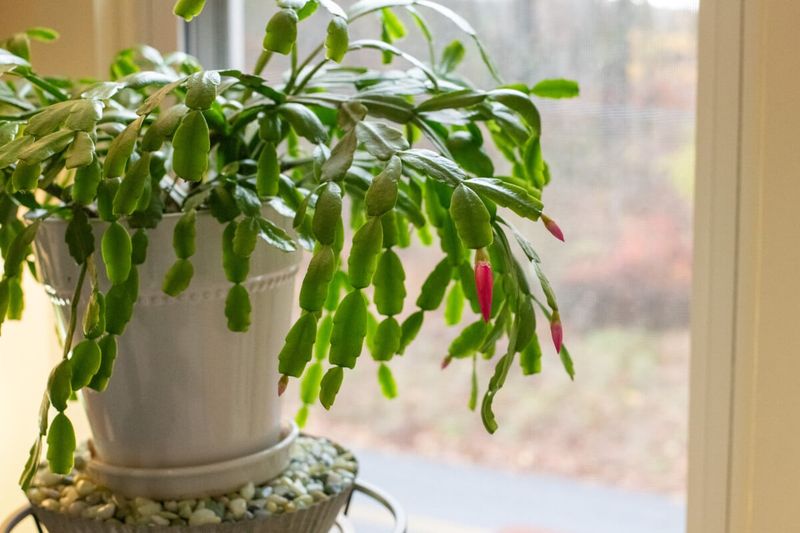
Those plump little buds are surprisingly dramatic, and a simple trip across the room can send them tumbling. What surprises me most is how quickly they react, sometimes dropping within days of a move.
Bud drop happens when the plant senses sudden shifts in light or temperature and responds by shedding its buds. Even a different window in the same house can feel like a whole new climate to it.
Choose the plant’s holiday display spot before buds swell, then settle it there for the rest of the season. My own pot claims a bright side table in early November, and I resist every urge to rearrange it.
That advice clashes a little with the darkness routine, so many gardeners finish the dark treatment first. Once buds are visible and growing, the nightly box or closet trips can usually come to an end.
Gift plants from garden centers often lose a few buds after the ride home, and that is normal. Give a new purchase steady care, and the remaining buds usually open over the following weeks without much fuss.
If you must move the pot, shift it gradually and keep the light level as similar as possible. Short trips, like carrying it to the sink for watering, rarely cause problems if it returns quickly.
Patience pays off here, since buds take several weeks to grow from tiny nubs into open flowers. Leaving the plant alone might honestly be the easiest gardening chore on your list all year long.
7. Keep Christmas Cactus Away From Drafty Doors And AC Vents
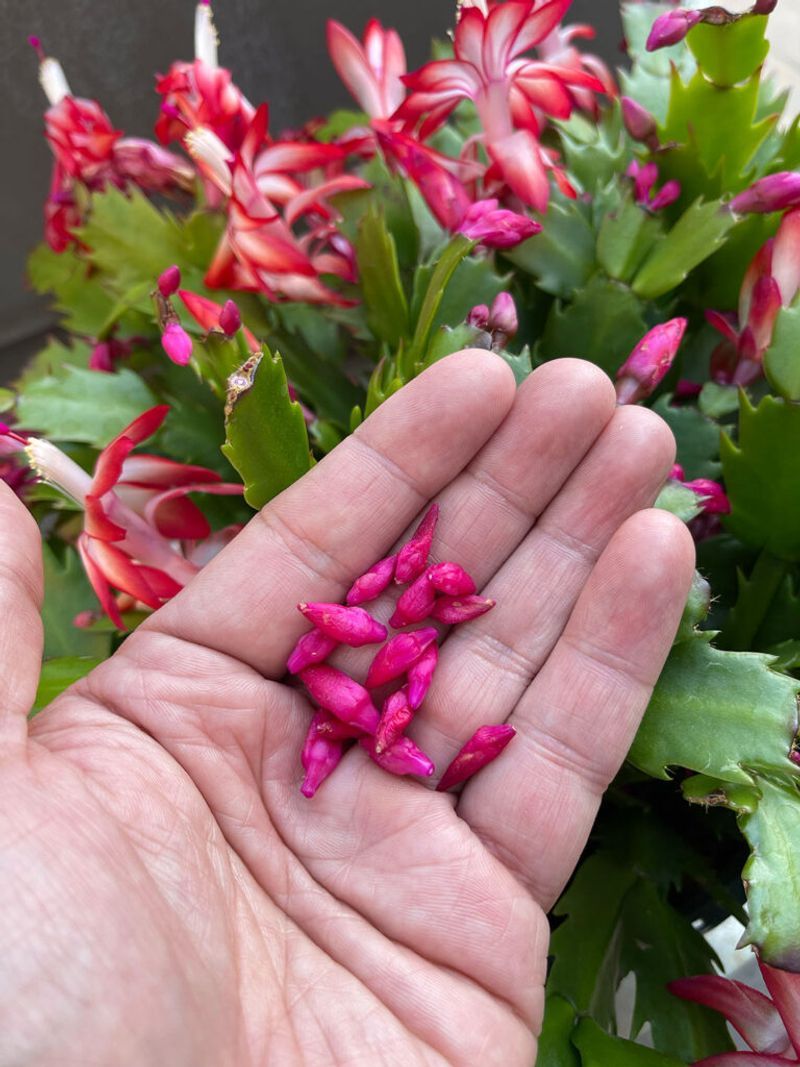
November in the Sunshine State can swing from breezy and cool to sticky and warm within one week. Your holiday cactus handles slow seasonal changes well, but sudden blasts of hot or cold air upset it.
Air conditioning vents are sneaky culprits, since many homes here still run the AC well into autumn. A steady stream of chilly, dry air blowing across buds can cause them to shrivel and drop.
Heating vents create the opposite problem on those rare cold mornings when the furnace finally kicks on. Hot, parched air dries the soil quickly and stresses the delicate flower buds forming at each tip.
Front doors deserve attention too, especially when holiday guests let in gusts of cool evening air with every hello. I believe the entryway is the worst spot for this plant, even though it looks festive there.
A quick test helps, so hold a tissue near your chosen spot and see if it flutters. Any noticeable movement means a draft is passing through, and the plant deserves a calmer location.
Outdoor plants face their own drafts, because gusty cold fronts can whip across exposed patios overnight. Grouping pots against a sheltered wall or behind larger shrubs offers welcome protection from those chilly gusts.
Stable temperatures between roughly 60 and 70 degrees during the day keep developing buds comfortable and steady. Think of it as giving your plant a cozy, predictable bubble while it works on its big show.
8. Pebble Trays Add Humidity Around Christmas Cactus Buds
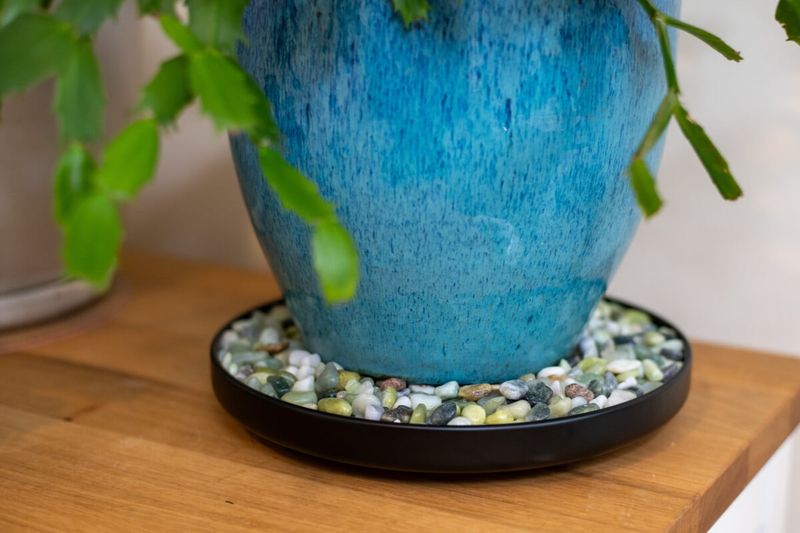
Rainforest plants carry a built-in craving for moist air, and this one grew up wrapped in mountain mist. You’re in for a big surprise if you assume our muggy climate covers every humidity need indoors.
Air conditioning pulls moisture from indoor air, and heaters dry things even further on cool November nights. Holiday cacti prefer humidity around 40 to 50 percent, which many climate-controlled rooms fail to reach.
A pebble tray is one of the easiest fixes, and it costs almost nothing to put together. Fill a shallow dish with gravel and add water just below the tops of the stones.
The pot should rest on the pebbles rather than in the water, so the roots stay out of standing water. As the water evaporates, it creates a small pocket of moist air right around the plant.
Grouping your holiday cactus with other houseplants also raises humidity, since leaves release moisture as they breathe. A little cluster of pots on one table starts to feel like a miniature jungle, which I adore.
Misting gives a brief boost, though the effect fades quickly once the droplets evaporate from the stems. Mist in the morning if you enjoy it, so stems dry well before the evening darkness routine begins.
Outdoor plants in Florida rarely need extra help, since our autumn air usually stays pleasantly humid. Bring yours inside for the holidays, though, and a pebble tray helps those buds open into gorgeous flowers.