The Michigan Trees That Invite Owls Into Your Yard and Why Rats Won’t Like It
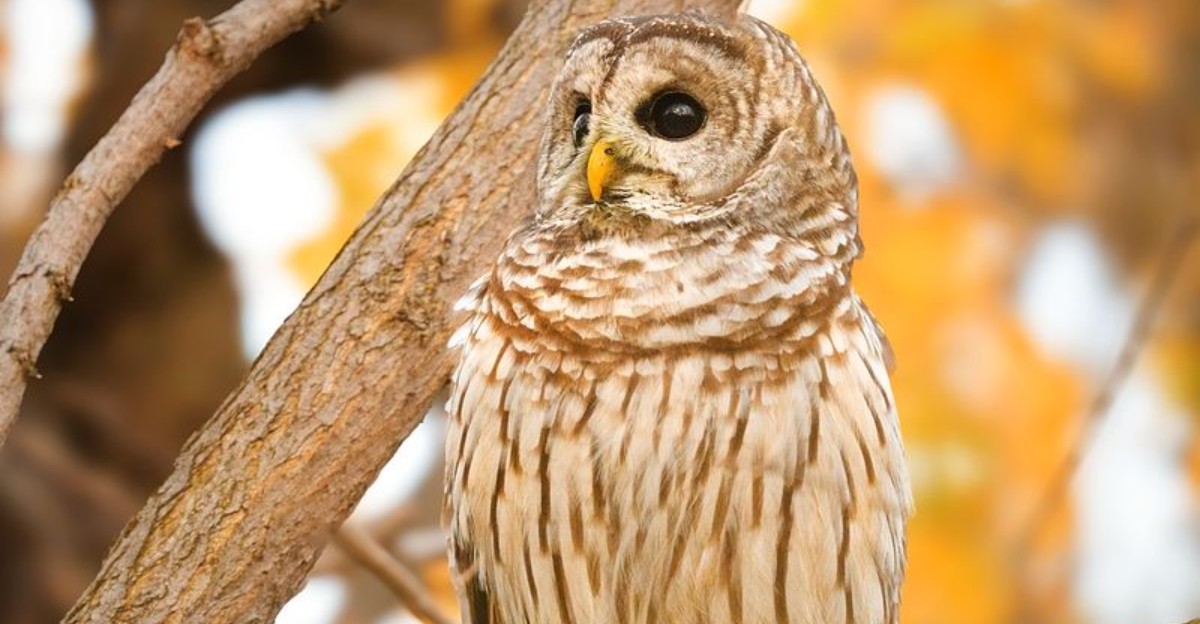
Great horned owls often start nesting in late winter, sometimes sitting on eggs while snow piles across their backs. That toughness makes them some of the earliest nesting birds in Michigan, well before robins even think about spring.
Owls are hungry neighbors too, and mice and voles make up a large share of their nightly menu. Great horned owls also grab rats, a welcome bonus for anyone with a busy shed or compost pile.
In my yard, the first owl I ever heard was calling from a tall evergreen near the back fence. That moment taught me that owls choose where to stay based on the shelter your trees provide.
So which native trees give owls a reason to move in and make local rodents a little nervous? Six Michigan favorites stand out, and a couple of them might already be growing in your yard.
1. Eastern White Pine
Michigan picked the eastern white pine as its state tree in 1955, and owls seem to agree with that choice. Soft bundles of five needles create thick green shelter that hides roosting birds from crows and jays.
During winter, I love scanning the upper branches for a fluffy gray lump pressed tight against the trunk. Eastern screech-owls and long-eared owls often tuck into dense conifers like this to dodge wind and pesky mobbing songbirds.
White pines grow fast once established, often adding two feet or more each year in good conditions. Mature trees commonly reach 50 to 80 feet, so plant them well away from roofs and power lines.
Sandy or loamy soil with decent drainage suits them best, along with full sun or light afternoon shade. Road salt causes needle browning, so keep new plantings back from driveways and busy streets that get plowed.
Older pines sometimes lose large limbs, leaving broken stubs where cavities slowly form over many years. Those hollows can become cozy homes for screech-owls, so consider leaving safe old trees standing when possible.
As for rats, a pine alone will not chase them away, and claiming otherwise would be stretching the truth. Owls hunting from these branches do the real work, picking off rodents that wander across open ground at night.
Plant a small group of three or more pines if space allows, since clustered trees create calmer roosting spots. Water deeply during dry spells for the first two summers, and the tree will mostly take care of itself afterward.
2. Bur Oak
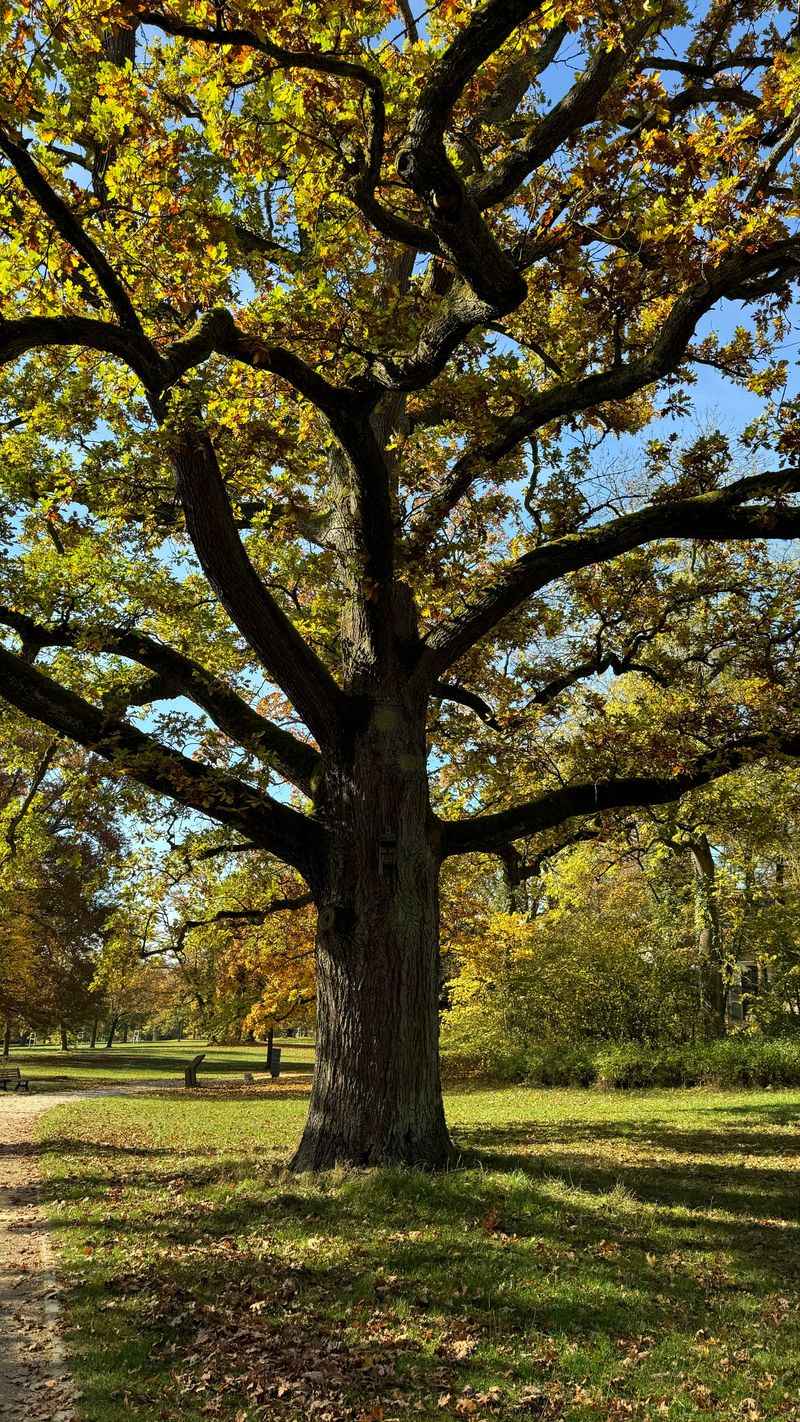
Acorns on a bur oak wear shaggy, fringed caps that look like tiny knitted winter hats. Those acorns feed plenty of mice and chipmunks, and hungry rodents are exactly what owls come looking for.
I find it funny that the snack bar for rodents also doubles as a hunting ground for their worst enemy. Owls perch on the thick lower limbs and listen carefully for tiny footsteps shuffling through fallen leaves below.
Bur oaks are native across much of the southern Lower Peninsula and handle zones 3 through 8 with ease. Their deep taproots help them shrug off drought and heavy clay soil better than many shade trees.
Growth is slow at first, but patience pays off with a massive tree that can live for centuries. Expect a mature height of roughly 60 to 80 feet, with an equally broad and rugged crown.
Old oaks frequently develop hollow spots where branches have broken off and rot has set in slowly. Great horned owls may also borrow old hawk or squirrel nests sitting high in sturdy oak forks.
Plant in full sun and give the young tree a wide circle of mulch to reduce mower damage. Prune oaks only in late fall or winter, since spring and summer cuts can attract beetles spreading oak wilt.
Oak wilt hits red oaks harder than bur oaks, but following this rule helps protect every oak you own. Your future owls will thank you for that caution, even if it takes decades for them to notice.
3. Black Cherry
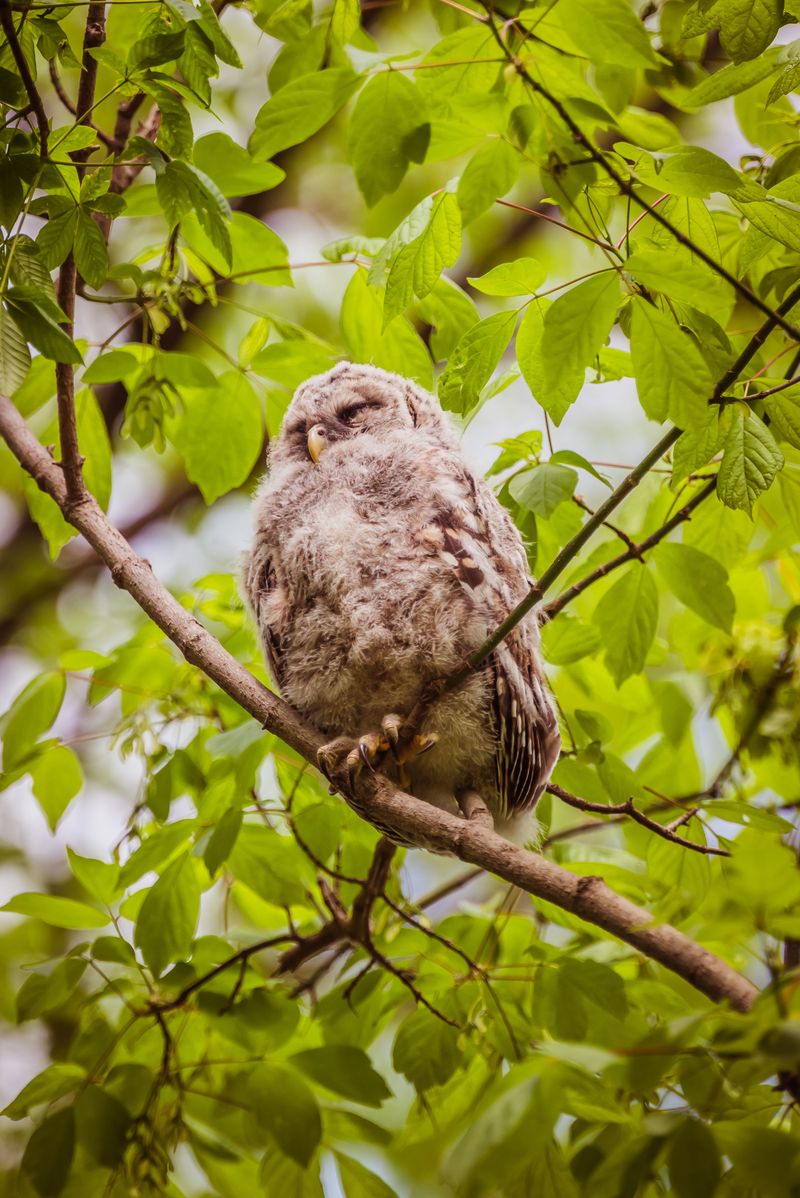
Crush a black cherry twig and you will catch a sharp, almond-like scent that surprises most first-time sniffers. Bark on older trunks breaks into dark, curling plates that many folks compare to burnt potato chips.
Summer brings drooping clusters of small purple-black fruit, and birds descend on them like kids at a snack table. Robins and thrushes gobble the cherries, while mice gather fallen pits from the ground beneath the tree.
That buffet matters because a yard full of small animals becomes a dependable dinner spot for hunting owls. Screech-owls in particular eat plenty of large insects along with rodents as the seasons change through the year.
Black cherry grows quickly and can reach 50 to 80 feet, with a tall, straight trunk in forest settings. Full sun and well-drained soil keep it happiest, and it handles zones 3 through 9 across the state.
One caution deserves attention before planting, because wilted leaves contain compounds that are toxic to horses and cattle. If you keep livestock nearby, place this tree well away from pastures and pick up storm-damaged branches promptly.
Eastern tent caterpillars also love this tree, building silky webs in the branch forks every spring. The damage looks ugly but rarely harms a healthy tree, and those caterpillars feed cuckoos and other birds.
I like letting a few cherries drop and stay put, since that fallen fruit keeps the small critters busy. More small critters means more reasons for an owl to perch nearby, which spells trouble for local rats.
4. Eastern Red Cedar
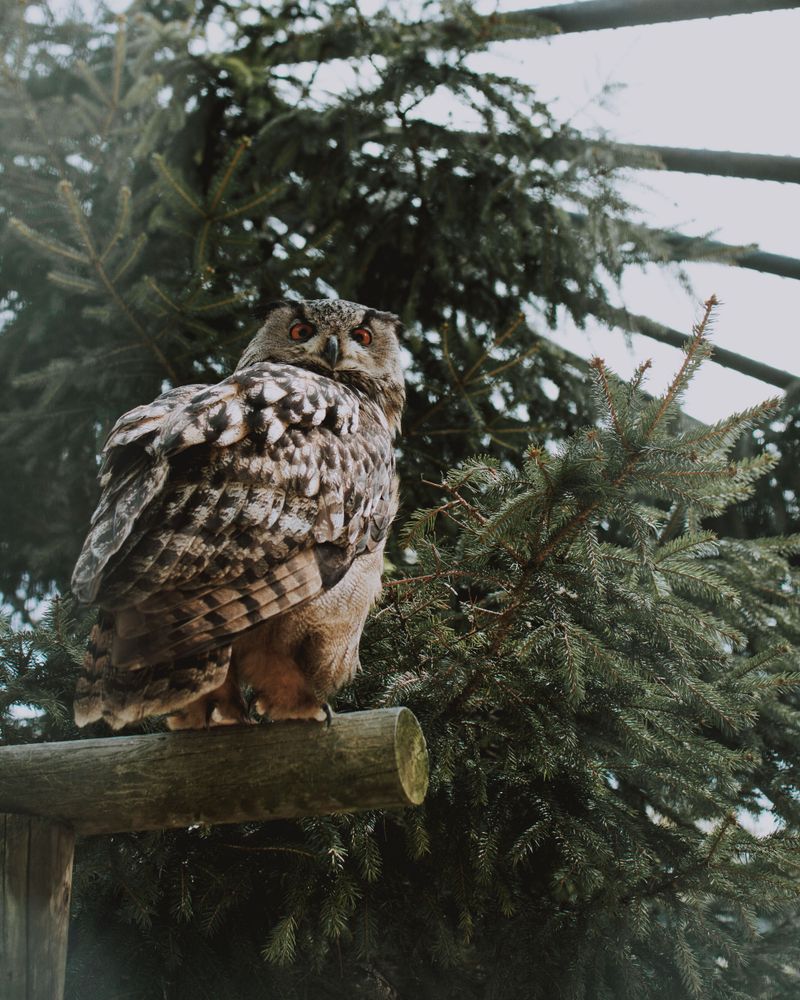
Despite the name, eastern red cedar is actually a juniper, and its frosty blue berries are really tiny cones. Cedar waxwings earned their name partly from their fondness for this tree, gobbling the berries all winter.
Dense, prickly foliage makes this evergreen a favorite hideout for roosting owls during cold, windy months. Long-eared owls and northern saw-whet owls often roost in thick conifers like this, where they blend in remarkably well.
In my experience, these trees rank among the toughest plants for a tricky lot, shrugging off poor soil and drought. They usually top out around 30 to 40 feet, making them a smart pick for smaller suburban yards.
Full sun is a must, because shaded cedars thin out and lose the thick cover owls are seeking. Plant them in spring or early fall, then water weekly during the first season while roots settle in.
Apple growers should know one quirk, since this juniper hosts cedar-apple rust, a fungus that spots apple leaves. Keep cedars a good distance from orchards, or choose rust-resistant apple varieties if you want both in your yard.
The berries also draw bluebirds and robins in winter, which brings even more life to a quiet backyard. That steady bird traffic tells a passing owl that your yard is worth checking out after sunset.
Rats prefer hiding spots close to the ground, so trim lower cedar branches slightly to reduce sheltered runways. Owls then gain a clearer view of the ground, and sneaky rodents lose some of their favorite cover.
5. Sugar Maple
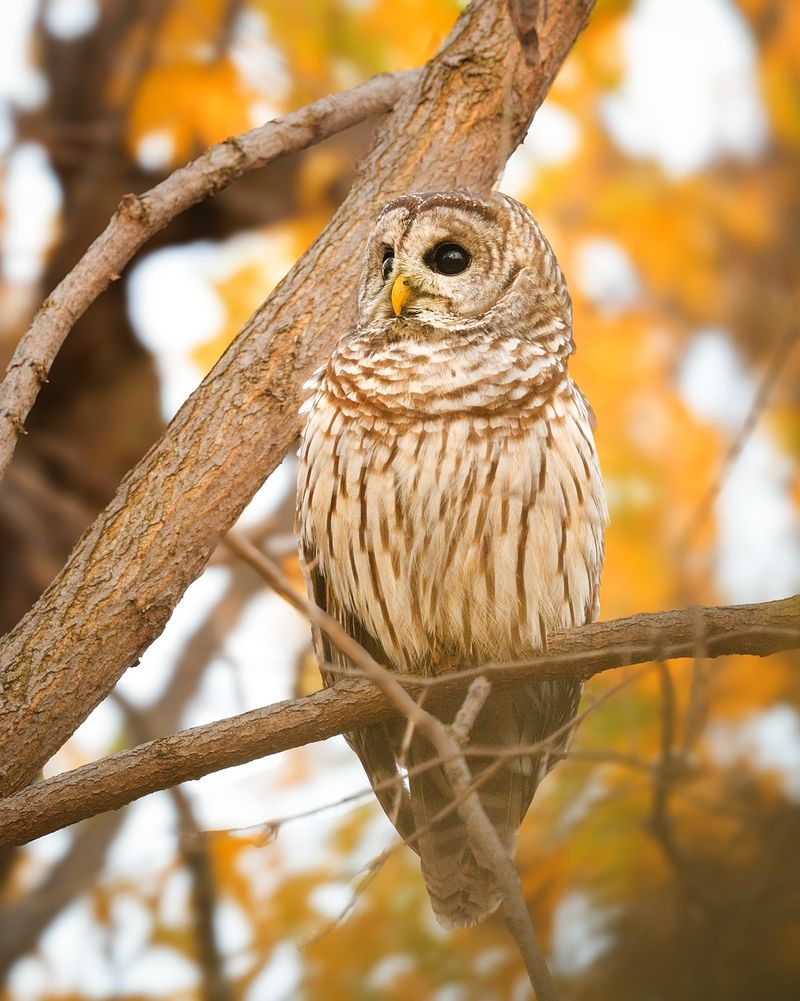
Every October, sugar maples set hillsides ablaze in orange and gold, but owls care more about the sturdy wood underneath. Strong branches hold weight well, giving perching owls a stable seat while they scan the lawn for movement.
Barred owls especially like mature hardwood forests, and old maples often develop the large cavities these owls need for nesting. Their famous call sounds like someone asking, who cooks for you, and it carries surprisingly far on calm nights.
Sugar maples grow at a moderate pace and often reach 60 to 75 feet tall in a roomy yard. They prefer moist soil with good drainage and handle zones 3 through 8, covering every corner of Michigan.
Road salt and compacted soil stress these trees badly, so they struggle along busy city curbs. A backyard spot with deep mulch and plenty of space keeps them far happier for many decades.
Skip silver maples and boxelders if owls are your goal, since their brittle wood breaks easily in storms. Red maple makes a solid backup choice for wetter sites, offering similar shade with better tolerance for soggy ground.
Fallen maple leaves are worth leaving under the tree instead of bagging every last one each autumn. That leaf layer shelters beetles and voles, and owls quickly learn where the hunting is easiest.
I think of my maple as a slow investment, because the real owl payoff arrives once the trunk thickens. Plant one now for your future self, and maybe tap a little sap for pancakes along the way.
6. Tulip Tree
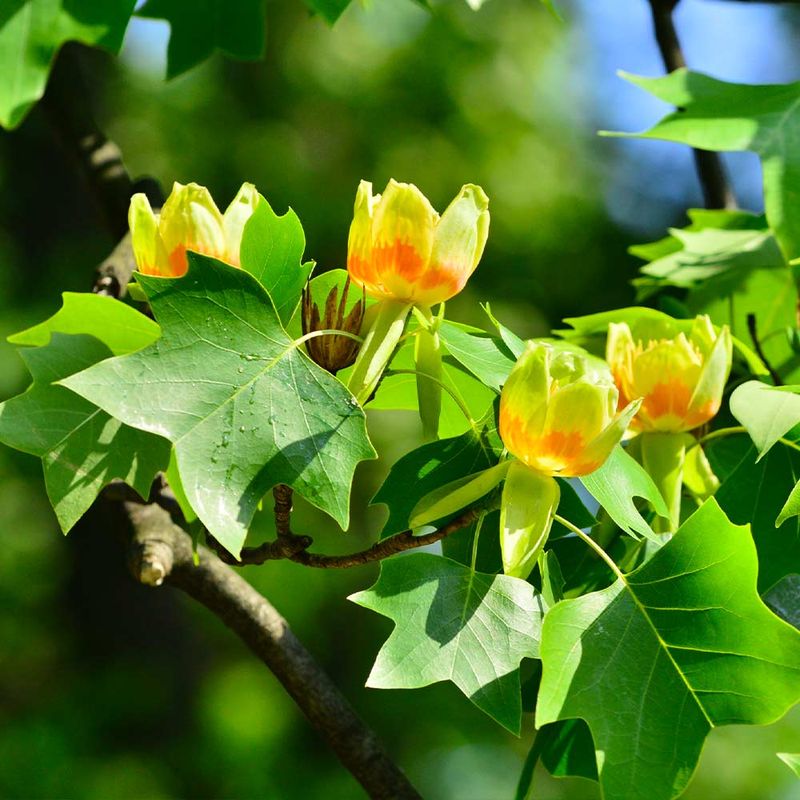
Tulip trees grow so straight and tall that people once carved single trunks into long dugout canoes. Their greenish-yellow flowers with orange bands really do resemble tulips, though they often bloom high above your head.
That height is exactly why owls appreciate them, since lofty perches offer a wide view of the yard below. Great horned owls like hunting from tall lookouts along woodland edges, then gliding down silently on soft-edged feathers.
Native to the southern part of the state, tulip trees are hardy in zones 4 through 9. They can reach 70 to 90 feet, so they belong in big yards rather than tight spaces near houses.
Moist, well-drained soil and full sun help them shoot upward quickly, sometimes adding two feet in a year. Their fleshy roots dislike being moved, so plant small container trees in spring rather than fall.
Hummingbirds and bees visit the nectar-rich blossoms in late spring, adding buzz to an otherwise quiet canopy. Squirrels and finches later pick at the cone-like seed clusters that linger on bare branches into winter.
One honest note about rats belongs here, because no tree will run them off on its own. Owls help a lot, though sealing trash cans and cleaning up spilled birdseed still matter most.
Equally vital, skip rat poisons, since owls that eat poisoned rodents can become seriously sick themselves. Let your tulip tree and its feathered guests handle patrol duty, and enjoy the hoots drifting down after dark.