Rain Can Make Ants More Noticeable in Some Arizona Yards, and Here’s Why
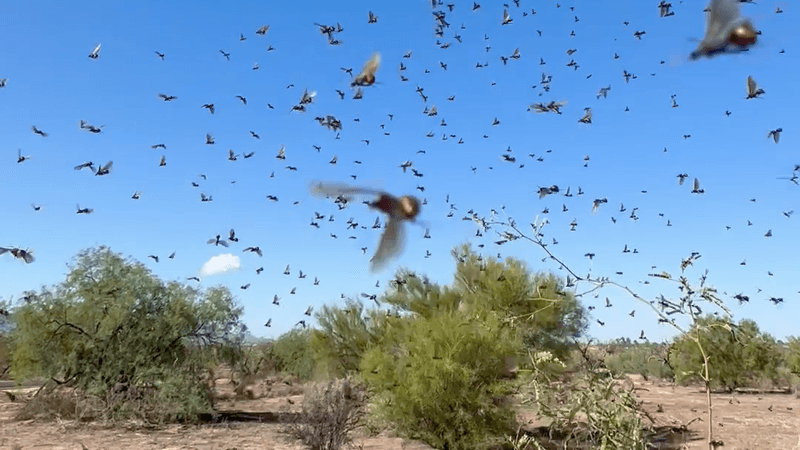
Some ants grow wings, leave their nests, and take to the air during the monsoon. I find that odd and a little magical.
Those winged travelers are young reproductive ants looking to start new colonies.
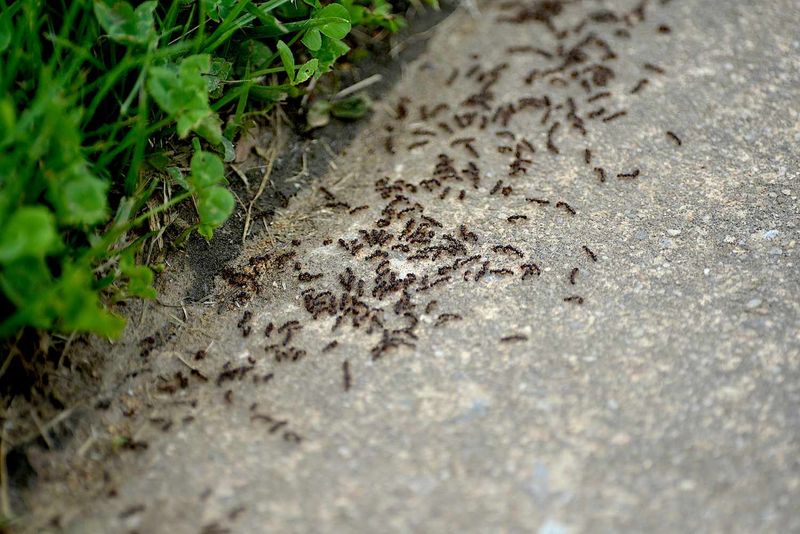
Rain can also push ordinary worker ants out of their homes. That means a busy patch of ants near your patio may have two very different stories behind it.
You can’t tell which one from a quick glance.
I like sorting out these small yard mysteries, because the answer changes what you should do. Sometimes the best move is to leave the ants alone.
Other times you need to check for termites or protect your kitchen.
So what are you really seeing when ants show up around your Arizona yard after rain? Let’s sort out the clues together.
Why Rain Can Make Ants More Noticeable
Rain can make ant activity easier to spot in some Arizona yards, but nobody has shown a statewide surge. Not every rain sparks the same response, and some yards will see nothing at all.
So the dramatic version of this story needs a reality check.
Two different things may be going on. University of Arizona Cooperative Extension reports that excessive rain can displace ants from their habitats, sometimes sending them toward buildings.
Those are worker ants, the ones that forage and haul food.
The second possibility involves reproduction. Extension also notes that winged ants often leave nests during the monsoon.
These are young adults heading out to mate and start new colonies.
Here is the tricky part. Seeing ants in your yard after a storm does not tell you which of these is happening, and rain does not create ants.
It only changes where they are and when you notice them. The next few sections help you read the clues.
Excessive Rain May Displace Worker Ants
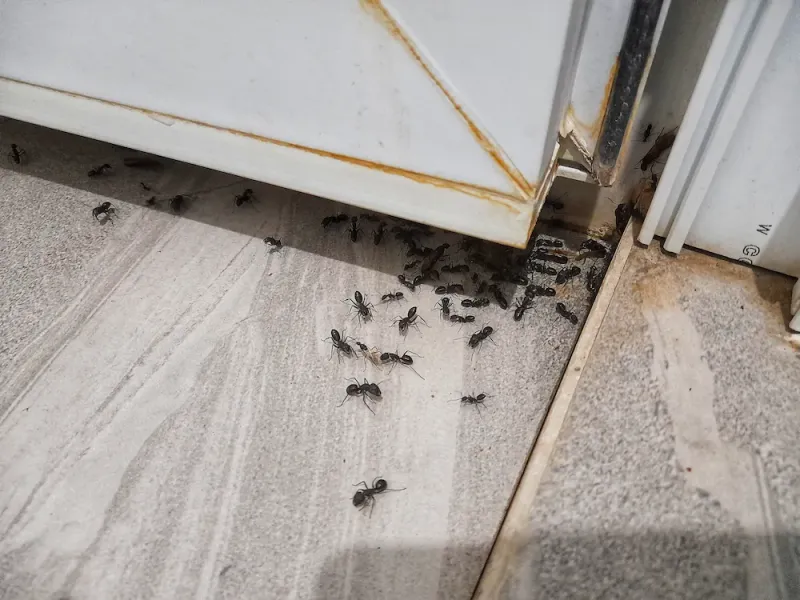
Picture a nest tucked under a patio slab when a heavy downpour soaks the soil. Ants that live there may suddenly need a drier place to be.
Arizona Extension says excessive rain can disrupt their habitats and push workers out, sometimes toward buildings.
Notice the word excessive. Ordinary rain does not always cause this, and a light shower may change nothing for your colonies.
Soil type, nest depth, and the species all likely matter, though no single rule covers every yard.
Displaced workers behave differently from winged ants. They walk, they carry things, and they follow trails.
They are not leaving to mate, so you will not see them take flight.
A line of workers by your foundation does not mean you have an infestation. It may simply be a colony looking for dry ground.
Watch where the trail goes for a few days before you decide anything.
Winged Ants Leave Nests to Reproduce
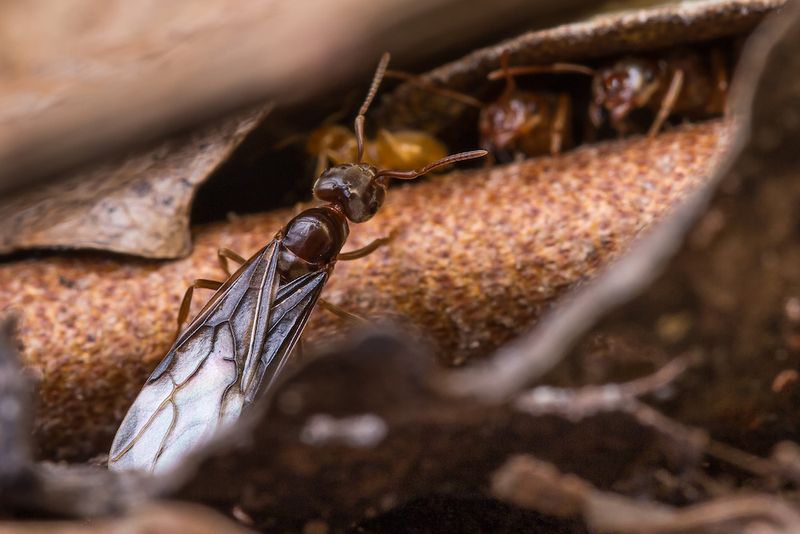
Ants with wings are not a separate kind of ant. They are reproductive adults, called alates, and their job is to leave the nest, mate, and found new colonies.
Most will not survive that trip, which is why colonies send out so many.
University of Arizona Extension reports that ants and termites often leave their nests during Arizona’s monsoon reproductive period. Think of that as a seasonal pattern, not a promise.
It does not guarantee a swarm after any given storm.
No one can give you a calendar date or a number of hours after rain. Species and location change the timing.
Since monsoon season has passed by October, any winged insects you see now need a closer look rather than an assumption.
If you do notice winged insects, keep a calm head. They are often short-lived visitors.
Your next step is to make sure they are actually ants.
Check Whether Those Wings Belong to Termites
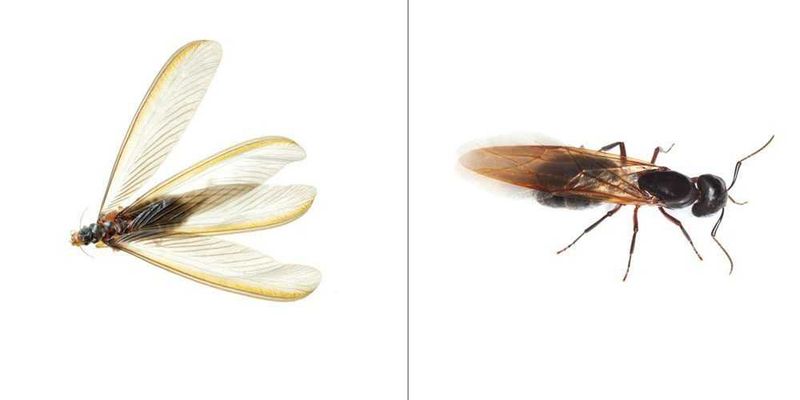
Not every winged swarm is made of ants. Termite alates leave nests around the same time, and the difference matters for your home.
Luckily, a few body clues can help you tell them apart.
According to the University of Arizona termite guide, winged ants have front and back wings of unequal size and a pinched body behind the wings. Termite alates have four wings of similar size and a straighter body.
Look at the waist first, since that is the easiest clue.
If you still cannot tell, collect a specimen safely. A sealed jar or a piece of clear tape works well, and you do not need to handle a swarm.
Arizona Extension suggests asking a pest professional or your local Extension office when identification is uncertain.
Photos help too. Snap a sharp close-up before anything flies off.
Outdoor Ants Can Help and Complicate Garden Care
Ants outside are mostly doing quiet work. Arizona Extension describes them as largely beneficial.
They scavenge and break down organic matter, hunt small insects, and carry some seeds to new spots.
That is a handy crew for a yard. Fewer scraps linger, and some pest insects get eaten.
So ants on the lawn do not automatically call for treatment.
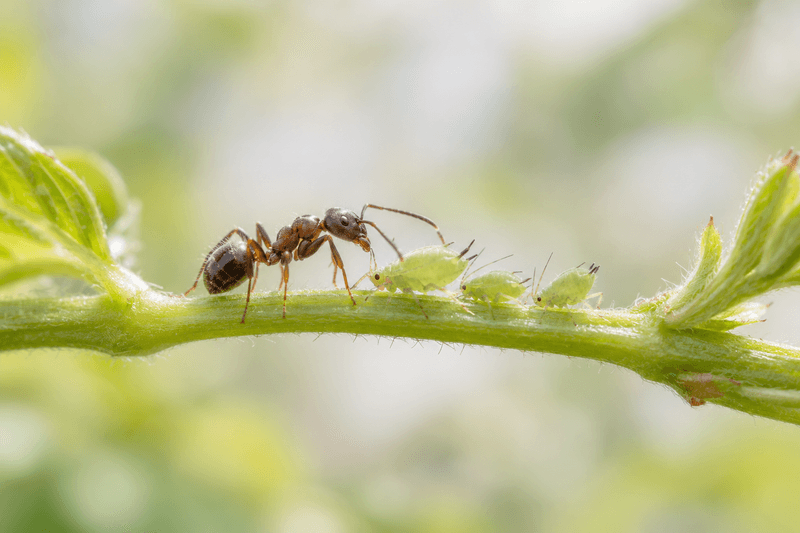
There is a catch for gardeners. Some ants guard honeydew-producing insects such as aphids, scales, and mealybugs, because they feed on the sweet liquid those pests make.
Protected pests can multiply on your plants.
Not every ant does this, so look closely before blaming them. If you see ants marching up a stem and clusters of tiny insects at the top, tackle the plant pests first.
Ants tend to lose interest once the honeydew source is gone.
Keep Your Distance From Unknown Nests

Curiosity is great in a garden, but poking at an unknown ant nest is a bad idea. Some Arizona ants can bite or sting.
Arizona Extension warns that native fire ants may swarm and sting when their nests are disturbed.
The words fire ant can cause confusion. According to the same source, Arizona has native southern fire ants and two desert fire ant species.
Red imported fire ants are not established in the state.
So a stinging ant is not proof of that invader. It still deserves respect, though, because native fire ants can hurt.
Do not dig into the mound, pour things on it, or handle it.
If a nest sits near a play area or walkway, take a photo from a distance. Then ask an Extension office or a pest professional to identify it.
Mark the spot so kids and pets steer clear.
Follow Indoor Trails and Remove What Attracts Ants
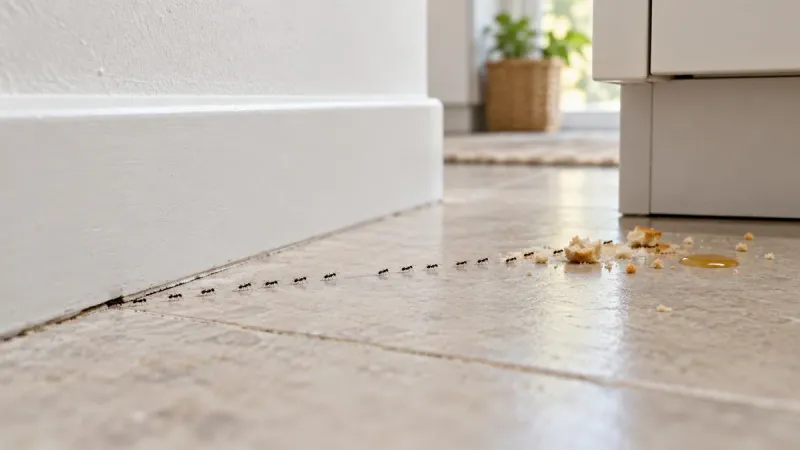
A single ant on the counter is a scout, and a line of them is a message. Start with simple housekeeping, since food is what draws them in.
Arizona Extension recommends cleaning crumbs and spills right away.
Store food and pet food in sealed containers. Wipe up sticky rings under jars and bottles.
Fix any leaks too, because moisture draws ants just as food does.
Next, play detective. Follow the trail to see where ants enter, whether a window frame, a pipe gap, or a crack along a wall.
Sealing those gaps keeps new trails from forming.
Tracing a trail may also hint at where a nest sits. Use that to understand the problem, not to dig.
Prevention and patient watching solve many ant problems before any product is needed.
Consider Targeted Baits Instead of Routine Spraying
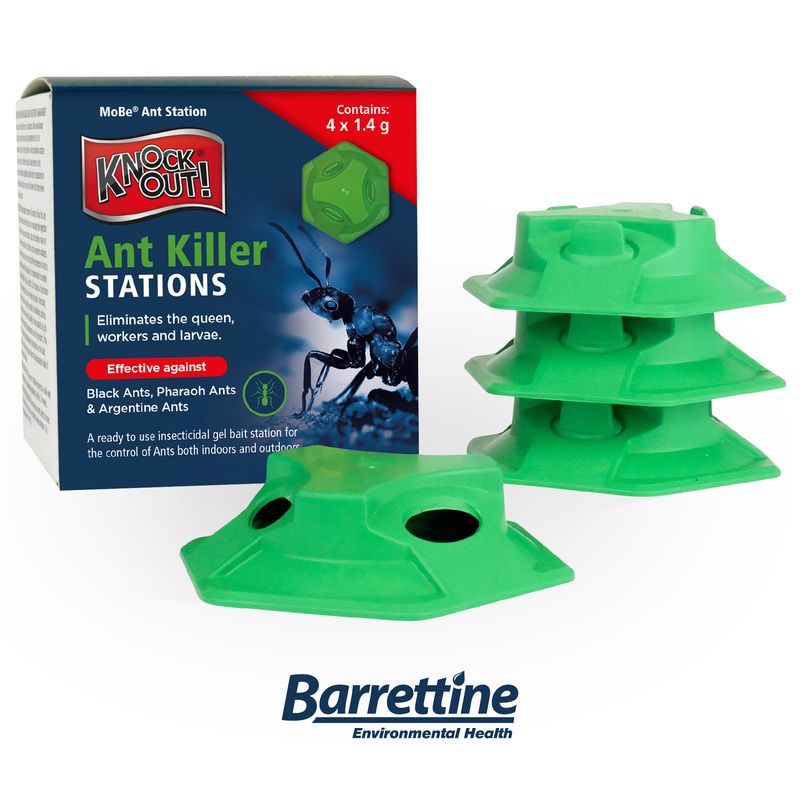
When indoor ants keep coming back after cleaning and sealing, baits may be worth a try. Not every bait works on every ant, though.
Arizona Extension advises species-appropriate baits when warranted, so identification helps.
No method wins every time. Species and circumstances matter, and you may need to try a different bait if ants ignore the first one.
Patience beats panic here.
Routine broad spraying around the yard is a weaker plan. UC IPM notes that sprays may give only temporary control, and outdoor pyrethroid applications can pollute waterways.
Fixing food, moisture, and entry points tends to last longer.
Outdoor colonies do not automatically need treatment, and a sighting alone proves neither an infestation nor a statewide surge. Sometimes the wisest response to wet-weather ants is a cup of coffee and a little observation.