The Adults Are Fading But The Lanternfly Eggs Are Here In New Jersey
The red wings are mostly gone now. After weeks of frost, the adult spotted lanternflies that crowded New Jersey porches and grapevines this fall are disappearing for the season. The few stragglers left are sluggish and easy to spot.
But the season isn’t over. Before the adults disappear for the season, the females lay egg masses that overwinter and hatch next spring, and those are on your property right now.
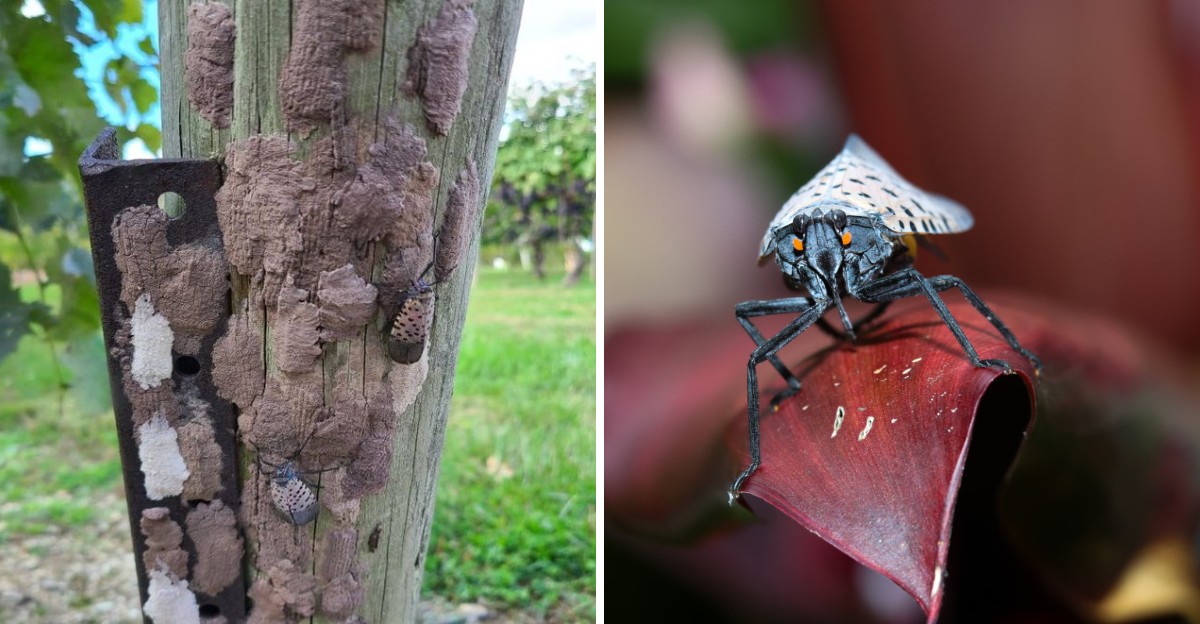
What looks like a smear of dried mud on a fence post or tree trunk is the next generation, and November is one of the best times to deal with it.
If you saw large numbers of lanternflies this fall, there are likely many egg masses waiting nearby.
The New Jersey Department of Agriculture has issued clear guidance on reporting sightings and slowing their advance, and acting now can save your plants real trouble next year.
Identification and Physical Characteristics of Spotted Lanternflies
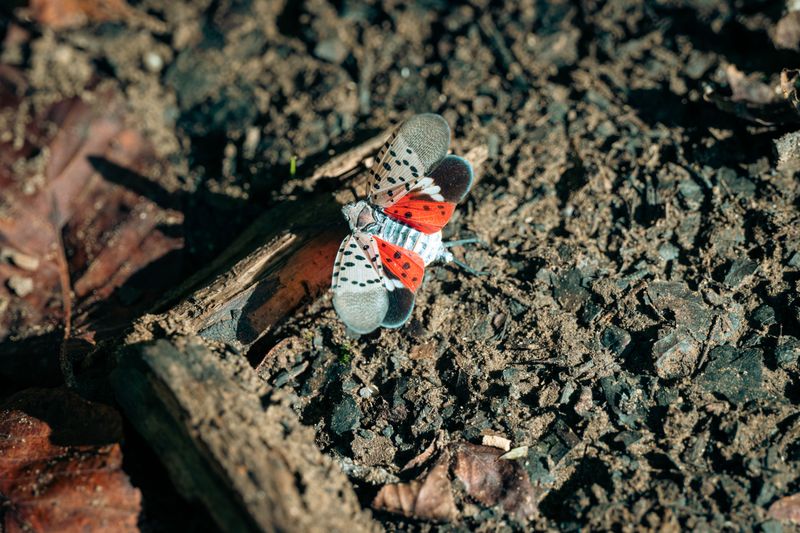
In November, the life stage that matters most is the egg mass, though you may still see a few late adults.
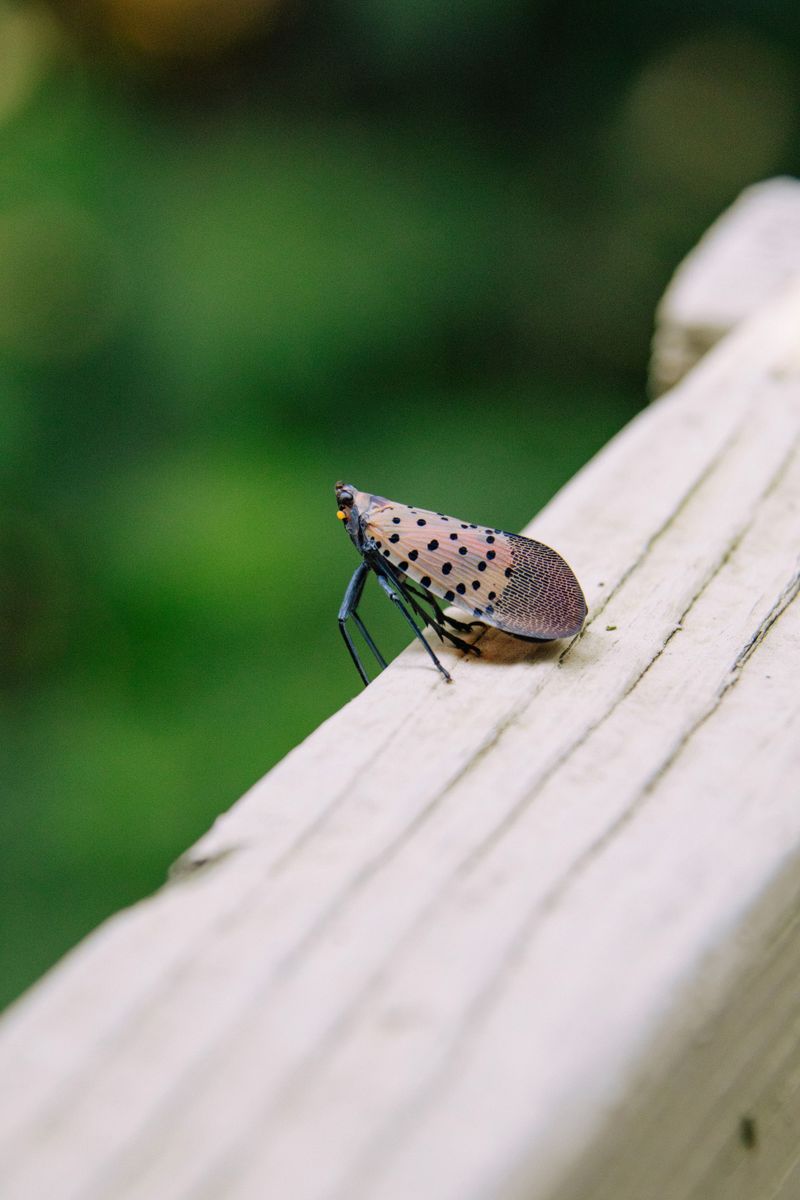
Adults measure about one inch long. Their forewings are gray with black spots, which helps them blend into tree bark.
The hindwings are red, black, and white, and you may still glimpse them on a mild day in early November, when a sluggish adult takes a short hop.
Nymphs, the immature stage, are gone for the season. Next spring they will appear tiny, black, and covered in white dots, later developing red patches. For now, the egg masses are what you need to look for.
Egg masses are easy to overlook because they resemble dried mud. They appear as brownish, waxy smears on flat surfaces like tree trunks, fences, and patio furniture. Fresh ones can look gray and putty-like, and older ones may look cracked and dry.
One egg mass can hold 30 to 50 eggs, and a single female can lay multiple masses in one season, which explains how populations grow so quickly.
Finding egg masses now gives you a head start on slowing their spread before the problem returns in spring.
Origin and Spread Across the Region
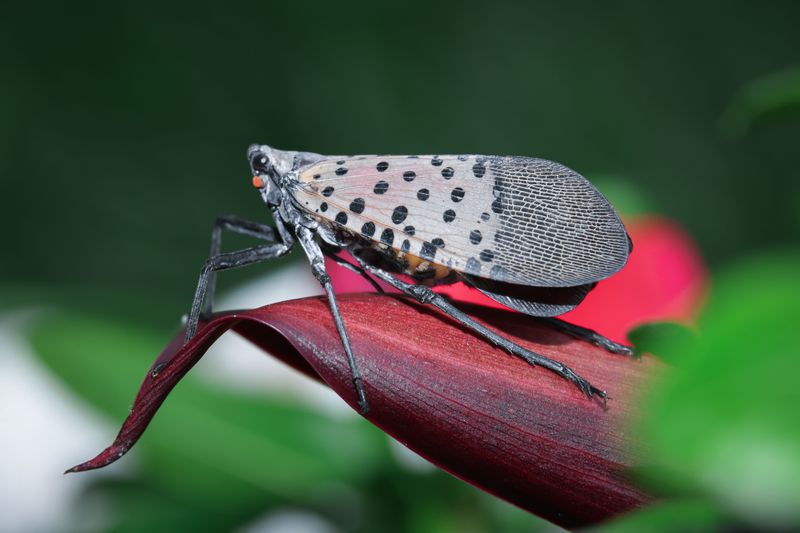
This insect did not start here. Spotted lanternflies are native to China, India, and Vietnam, and they arrived in the United States accidentally around 2014.
The first confirmed sighting in the US happened in Berks County, Pennsylvania. From there, the population grew rapidly across the Mid-Atlantic region at a pace that surprised researchers.
New Jersey reported its first confirmed case in 2018. Since then, every county in the state has documented populations of this invasive pest.
Hitchhiking is their secret weapon. Adults do not travel far on their own, but they cling to cars, trucks, trains, and outdoor furniture.
In November, the bigger risk is the egg mass: it is laid on almost any flat, outdoor surface and can ride along unnoticed on vehicles, pallets, firewood, and stored outdoor items.
A single egg mass stuck to a moving truck or a piece of outdoor equipment can start a brand-new colony hundreds of miles away. Human movement has been the biggest driver of their range expansion.
Neighboring states like New York, Delaware, and Maryland have all seen dramatic population increases. The insects continue pushing northward and westward each season.
Spotted lanternflies are now established in 19 states, stretching well beyond the eastern US into the Midwest and Southeast.
Understanding where they came from helps explain why they thrive here. North America lacks the natural predators that keep populations in check in their home range, giving them a significant advantage in new territory.
Common Signs of Infestation on Trees and Structures
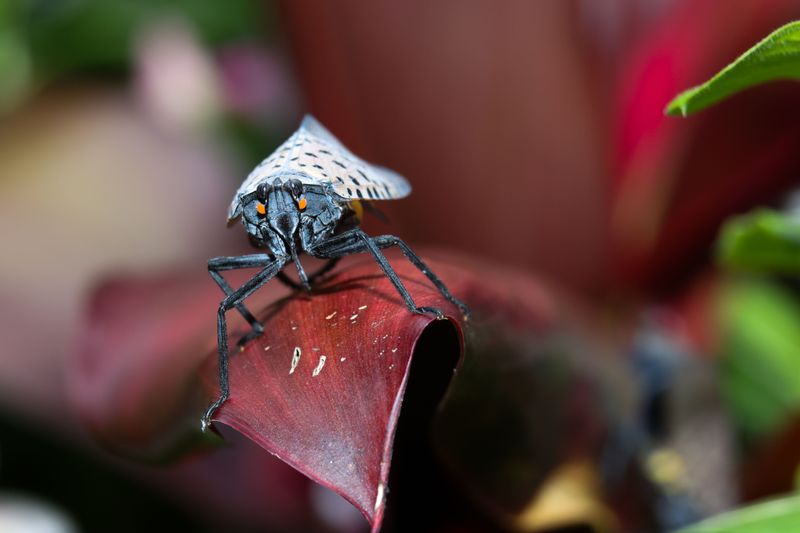
November is a good time to walk your yard and take stock of what this season left behind.
The most important sign now is egg masses. Check tree trunks, fence posts, outdoor chairs, stone walls, grills, play equipment, and even your car if it has been parked near trees.
With leaves falling and trunks more exposed, they are easier to see than in summer.
Remaining adults may still be clustered at the base of favored trees or on surfaces near them. Large numbers of them tell you that the area had a heavy population and that egg masses are likely close by.
Evidence of feeding damage lingers as well. Dark staining on trunks where sap oozed this fall, and the sticky residue called honeydew, may still be visible on decks, patios, and outdoor furniture.
Black sooty mold often follows the honeydew. This dark fungal growth coated leaves and branches earlier in the season, and its traces may remain on bark and surfaces now that the leaves are dropping.
Trees stressed by heavy feeding this year may have dropped their leaves early or look weaker than their neighbors. Note which trees were affected so you can monitor them next season.
Scraping and destroying egg masses before they hatch is one of the most effective actions a homeowner can take, and catching them now on structures can prevent a full-blown outbreak in your yard next spring.
Impact on Plants, Crops, and Property Value
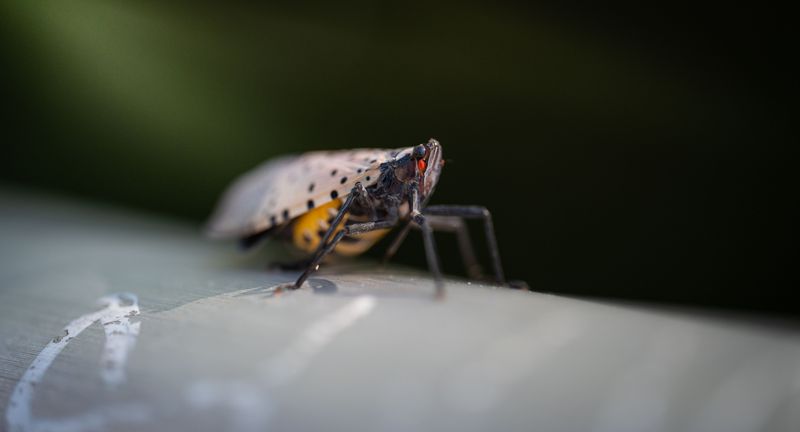
Farmers across New Jersey remain concerned about this pest. Spotted lanternflies feed on over 70 plant species, making them a broad threat to both agriculture and home gardens.
Grapes are among the most vulnerable crops. Vineyards in New Jersey have reported serious stress on their vines after heavy infestations, threatening both yield and long-term vine health.
As the season closes, growers are assessing vine damage and checking for egg masses on posts, trellises, and equipment.
Hops, apples, peaches, and blueberries are also on the target list. These are all commercially important crops in the Garden State, and growers are watching their orchards with concern.
Hardwood trees like oak, maple, walnut, and cherry are favored hosts. When these trees are stressed repeatedly over multiple seasons, their long-term health declines significantly.
Tree of heaven, an invasive tree species itself, is the spotted lanternfly’s preferred host plant. Its widespread presence across New Jersey has helped fuel the insect’s rapid population growth.
Homeowners with large shade trees or ornamental plantings may have noticed reduced vigor this year. A property with visibly stressed or damaged trees can lose curb appeal and market value, though this varies by market.
The economic effects extend well beyond agriculture. Outdoor hospitality businesses, nurseries, and landscaping companies all face higher costs and greater uncertainty because of this growing spread.
Prevention and Control Methods for Homeowners
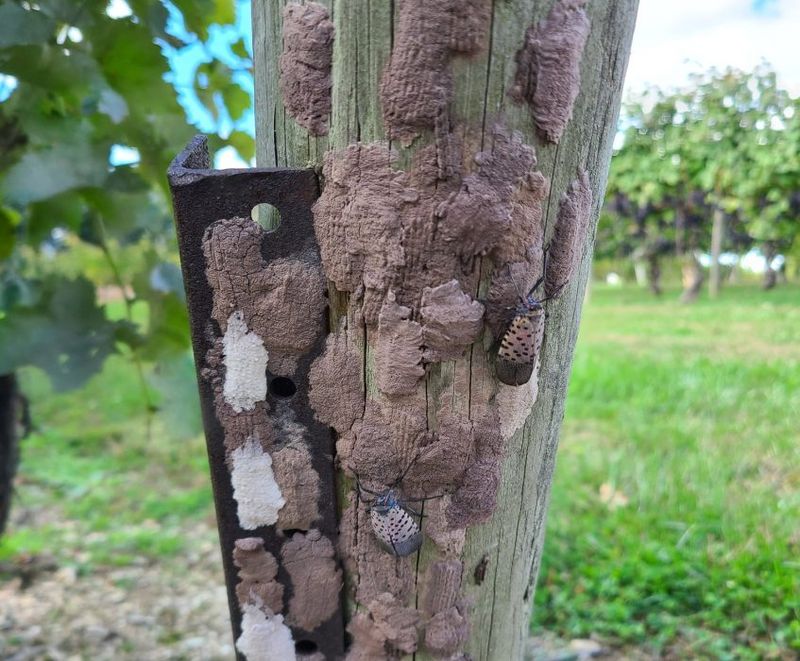
Scrape egg masses now. Use a stiff card or scraper to remove them from hard surfaces.
Drop the scrapings into a bag with hand sanitizer or rubbing alcohol so the eggs cannot hatch. Egg-laying can continue into December, so check again after your first pass.
Pressure wash hard surfaces. Clean fences, patio furniture, and stone walls of egg masses before spring. Doing this in late fall gives you a head start on next season.
Inspect before you move things. Before storing outdoor furniture, moving firewood, or driving to another area, check vehicles, equipment, and items left outside for egg masses.
Plan for tree of heaven. With leaves down, you can still identify it by its large, stout twigs and the dried seed clusters that often hang on.
Mark the trees you find and consider having them removed, since this preferred host plant is a major food source and breeding ground. Ask a professional or your extension office about proper removal, because improper cutting can cause sprouting.
Take down sticky bands. The nymph stage they target is over, and bands can trap birds and small animals, so don’t leave them up through winter.
Reinstall them next spring with bagging or wire mesh guards to protect wildlife. Hold off on insecticides. There are no active nymphs and few, if any, adults left to treat in November.
If you are considering treatment for next season, consult your local cooperative extension office first.
A steady routine of prevention and removal keeps their numbers manageable. No single action solves the problem, but cleanup now makes next spring easier.
Reporting Procedures and Local Resources for New Jersey Residents
Reporting a sighting might feel like a small act, but it genuinely helps. State officials rely on resident reports to track where spotted lanternflies are moving and how fast, and an egg mass found in a new location is valuable information.
The New Jersey Department of Agriculture has an online reporting portal specifically for invasive species sightings. Submitting a photo with your location takes less than five minutes and provides valuable data to researchers.
You can also call the department’s hotline to speak with someone directly. Extension agents are trained to help homeowners identify the insect and suggest next steps based on the severity of what they are seeing.
Rutgers Cooperative Extension is another excellent local resource. They publish updated guidance each season, and many offer information and workshops over the winter to prepare homeowners and landscapers for spring.
Your county’s agricultural agent can connect you with region-specific advice. What works in one county may differ slightly from what is recommended in another based on local tree species and infestation levels.
Community reporting apps like iMapInvasives allow residents to log sightings with GPS coordinates. These tools help build a real-time picture of where the insects are spreading across the state.
Sharing information with neighbors is one of the most underrated tools available. A coordinated neighborhood effort in November, with everyone scraping egg masses and checking vehicles, is far more effective than individual efforts alone.
Spotted lanternflies may be fading from view for the winter, but an informed and connected community can make sure fewer of them return in spring.