Why Pacific Tree Frogs Start Calling After California’s First Rains
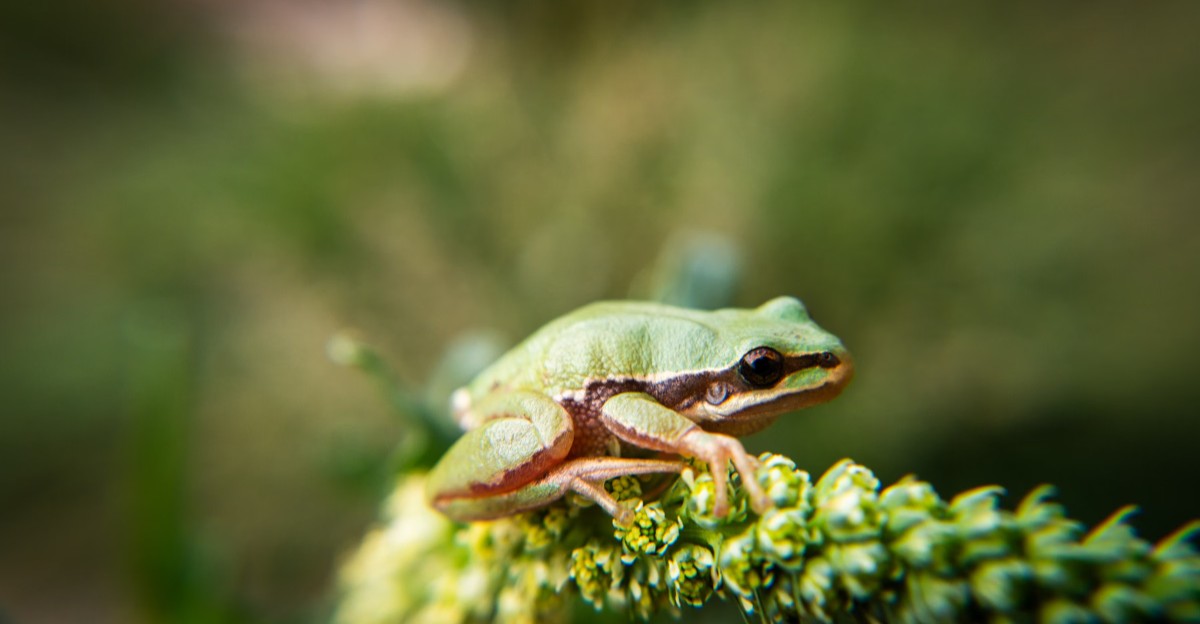
The famous ribbit heard in countless Hollywood jungle scenes actually came from a tiny frog native to the West Coast. That same voice wakes up across California after the first real autumn storm soaks the dusty ground.
I love how a backyard that sounded silent all summer suddenly fills with chirps on a damp October night. The singer is barely longer than a paper clip, yet its chorus can carry through closed windows.
Personally, I used to blame the noise on crickets until I finally found the culprit clinging to a watering can. You might notice the same thing in California gardens, especially near leaky hoses or shady flowerbeds.
So why does one good soaking flip the switch from quiet summer hiding to loud nightly serenades? The answer mixes thirsty skin with clever timing, and it says a lot about your garden too.
1. The Tiny Pacific Tree Frog Behind The Backyard Chorus
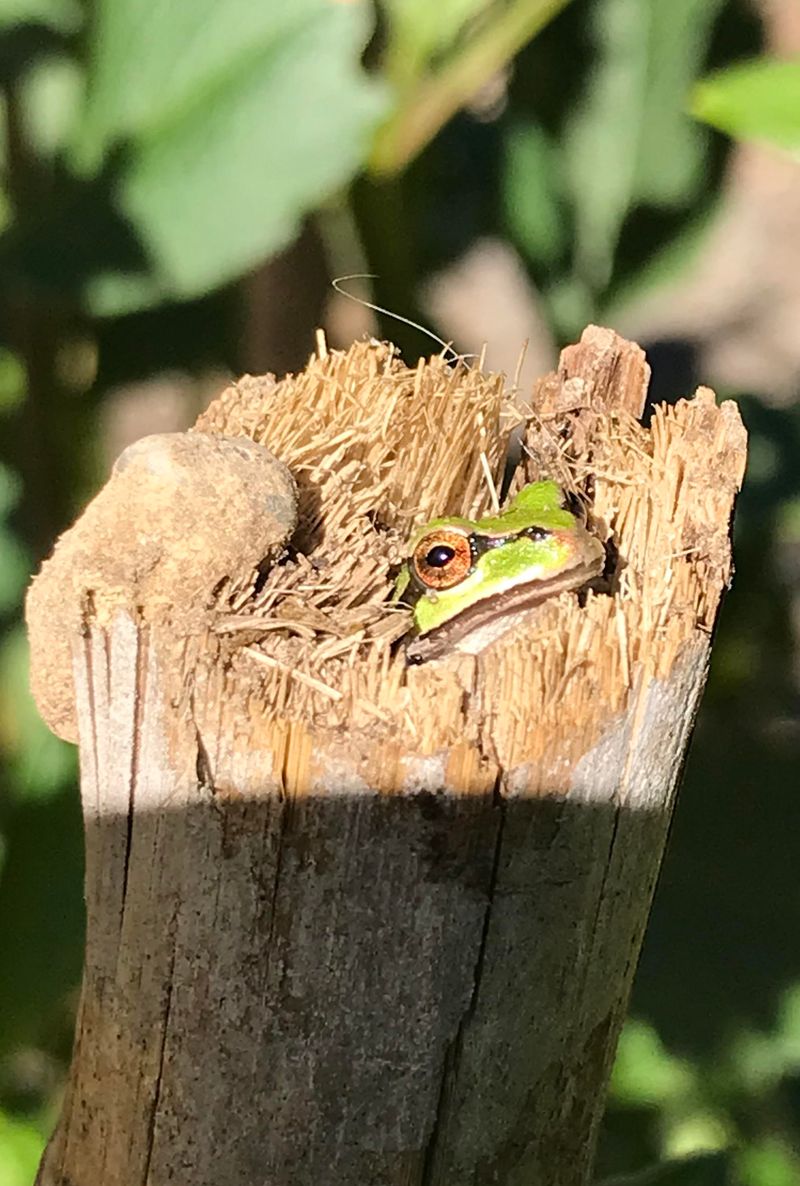
My first close look at one revealed a bold dark stripe running from its nose right past its eye. That mask is the easiest field mark, and it shows up whether the frog is green or brown.
Adults usually measure between three quarters of an inch and two inches, so they fit on a fingertip. Sticky round toe pads help them cling to slick windows and the smooth undersides of broad leaves.
Scientists long called this species Pseudacris regilla, and many guides still use that familiar name today. Recent genetic work split it into several species, including the Sierran tree frog across much of the state.
Southern gardeners may technically host a close cousin, Pseudacris hypochondriaca, which looks and sounds nearly identical. Most people simply call all of them Pacific tree frogs, and honestly, the frogs do not seem to mind.
I love how they shift color over time, moving between leafy green and muddy brown shades. Temperature and moisture seem to influence the change, which helps them blend into bark and damp soil.
Males have a stretchy throat pouch that balloons out like bubble gum when they call at night. That vocal sac acts like a speaker, boosting a sound that seems far too loud for the body.
You can find them by following the sound slowly with a dim flashlight after a rainy evening. Move gently, and the caller often freezes mid-song, which makes the hunt part of the fun.
2. Dry Summer Months Send Tree Frogs Into Hiding
Summer in a Mediterranean climate is rough on any little creature that breathes partly through its skin. Frog skin is thin and permeable, so dry air pulls moisture out of their bodies surprisingly fast.
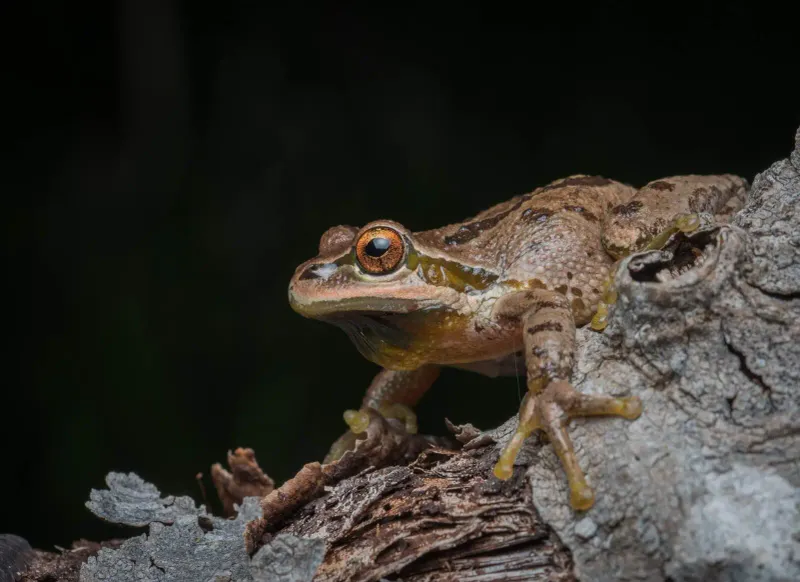
To cope, tree frogs tuck themselves into cool, humid hideouts during the hottest and driest months of the year. Rodent burrows and deep rock cracks make popular retreats, since they hold moisture long after the surface dries.
I have to admit that I once found one wedged inside a garden hose reel in August. It looked grumpy about being disturbed, so I gently placed it back in its shady little nook.
Biologists describe this quiet period as a kind of summer rest, sometimes called estivation in other amphibians. Activity drops sharply during this long stretch, and the frogs save energy until conditions finally improve again.
Not every frog goes silent, though, because irrigated yards and shady creeks can keep some individuals active. You might hear a lone chirp near a dripping faucet even during a heat wave in July.
Garden tip: leave a few flat stones or overturned clay pots in shady corners for summer shelter. A thick layer of mulch also helps, since it traps cool moisture right where hiding frogs need it.
Avoid raking every leaf out of your beds, because tidy gardens leave tiny amphibians with fewer refuges. A slightly messy corner can become the safest summer bedroom in the neighborhood for your resident frogs.
3. The First Soaking Rain Rehydrates Thirsty Tree Frogs
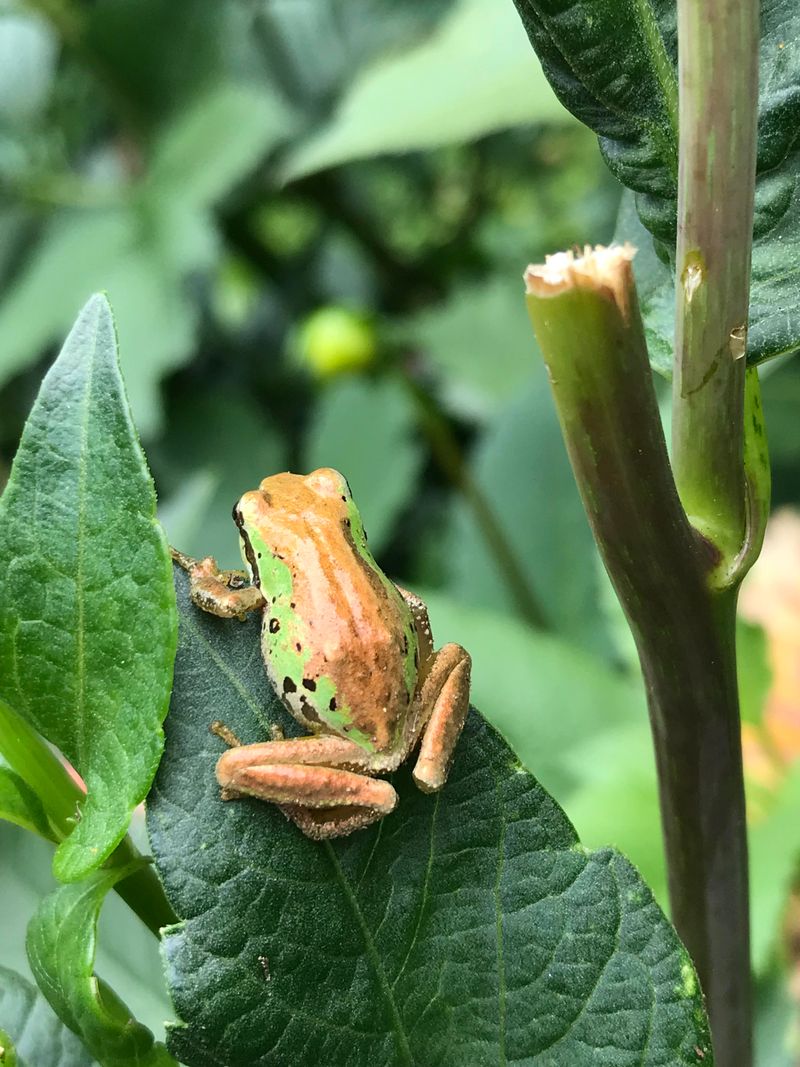
That earthy smell after the first big storm is a wake-up call for more than just gardeners. Tree frogs sense the jump in humidity and soil moisture, and they start creeping out of hiding.
Frogs do not drink with their mouths the way we do, which still surprises a lot of people. Instead, they absorb water through their skin, especially through a thin patch on the belly and thighs.
Sitting on wet leaves or damp soil lets them soak up moisture like a sponge after months of dryness. Once rehydrated, they finally have enough energy to hunt and travel, and soon the singing begins.
I believe the timing makes perfect sense, because rain also refills the low spots where eggs could later develop. Wet ground also makes it safer to travel, since frogs lose less water hopping across damp surfaces.
Scientists have linked calling activity in many frogs to humidity and recent rainfall, not just temperature alone. So a warm dry night may stay quiet, while a cool drizzly one can sound like a party.
You can help by avoiding heavy fertilizer or pesticide use right before the forecast calls for rain. Runoff from those products flows straight into puddles, and frog skin absorbs chemicals as easily as water.
Personally, I treat the first storm as a reminder to clean my birdbath and check my rain barrels. Those small chores keep fresh water around, and the frogs seem to appreciate every clean, damp hideout.
4. Male Tree Frogs Sing To Attract Females To Fresh Ponds
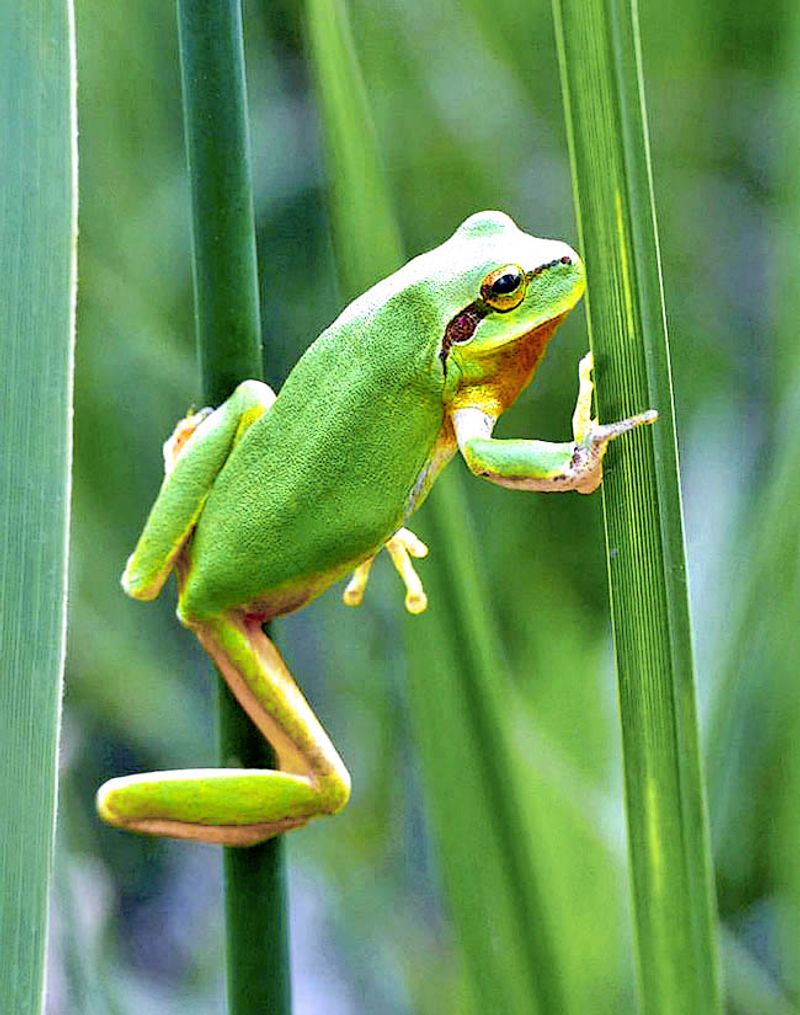
Every loud ribbit in your yard is basically a tiny male shouting for a date on a rainy night. Only the males call, and they usually gather near shallow water where females will eventually lay eggs.
Their main advertisement call is a two-part ribbit or kreck-ek, repeated over and over through the evening. Females listen carefully and appear to judge males partly by how often and how steadily they call.
What surprises me most is how fast the calls come, sometimes nearly once every second. That pace burns a lot of energy, which is why a well-fed male can often sing much longer.
In many lowland areas of the state, breeding choruses build from late fall into winter and early spring. Mountain populations at high elevations often wait much longer, breeding after snowmelt in late spring or even summer.
Seasonal puddles and slow ditches count as suitable spots, as long as the water stays calm and shallow. Temporary pools are especially valuable because they usually lack fish that would happily gobble up eggs.
If you have a small pond, skip the goldfish and let native plants soften the edges instead. Rushes and sedges give singing males a perch and give females something sturdy to attach eggs to.
Fair warning: one happy chorus near your bedroom window can feel very loud at two in the morning. I keep earplugs handy and remind myself that the racket means my garden is doing something right.
5. The Early Fall Creek Call Means Tree Frogs Are Waking Up
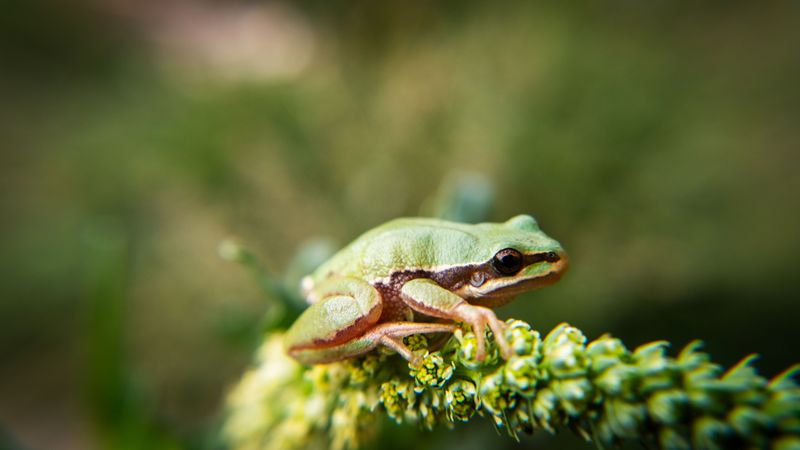
Some of the first frog sounds after summer are not the classic ribbit, which puzzled me for years. Many observers describe a single drawn-out note, often written as krr-r-r-ek, coming from scattered hiding spots around the yard.
The website California Herps notes this one-note call is often heard during the early fall rainy season. Frogs may give it away from water, sometimes long before any serious breeding choruses get started.
Researchers have not settled exactly what this call means, so I treat the explanations with healthy caution. One popular idea is that it simply reflects frogs becoming active again as the air turns humid.
Another possibility is that males are staking out spots or warming up their voices ahead of breeding. Either way, it serves as a handy seasonal signal that the long dry stretch is finally ending.
You might notice these calls coming from odd places, like rain gutters or a stack of firewood. Tree frogs are skilled ventriloquists in a sense, because their voices seem to bounce around walls and corners.
I like to keep a simple notebook and jot down the date I hear the first fall call. Over a few years, those notes reveal how closely the frogs track rainfall in your own neighborhood.
Community science apps like iNaturalist welcome recordings, so your phone can contribute real data to scientists. Even a ten-second audio clip of a backyard chorus can help map where these frogs still thrive.
6. Tree Frog Eggs Need Rain-Filled Pools To Hatch
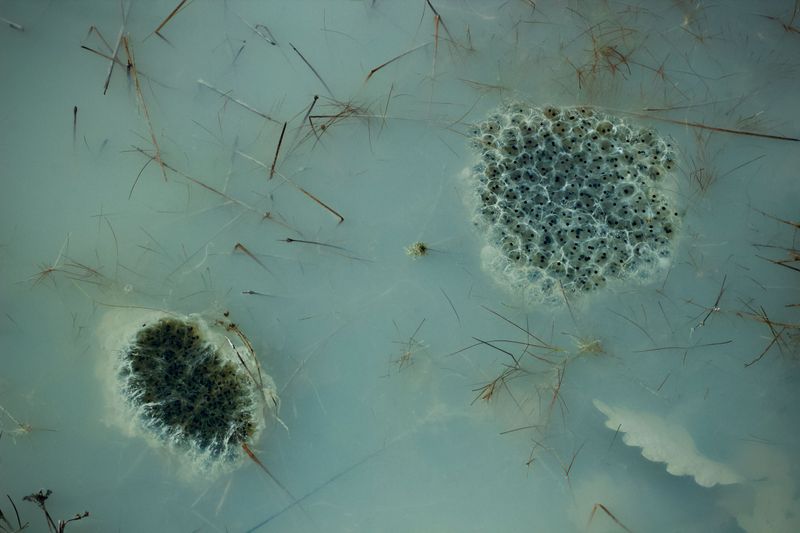
A clump of frog eggs looks like a blob of clear jelly sprinkled with tiny poppy seeds. Females attach these loose clusters to submerged twigs or grass stems in calm, shallow water nearby after rains.
Each cluster usually holds somewhere between ten and ninety eggs, and one female may lay several clusters. Spreading them around is a smart strategy, since one dried puddle will not ruin her whole effort.
Eggs typically hatch within a few weeks, depending heavily on how warm the water stays during the day. Tadpoles then graze on algae for roughly two months before sprouting legs and hopping onto land.
That speedy schedule matters, because many winter pools shrink and vanish once the warm weather returns. Starting early in the wet season gives tadpoles the longest possible window to finish growing up safely.
I have to admit I once nearly drained a muddy low spot that turned out to be a nursery. Dozens of wriggling tadpoles changed my mind fast, and that soggy corner now stays wet on purpose.
You can create a similar spot with a shallow basin sunk into the ground and gently sloping edges. Fill it with rainwater when possible, since chlorinated tap water can irritate the delicate eggs and tadpoles.
Please resist the urge to move eggs or tadpoles from wild ponds into your own backyard garden. Relocating them can spread disease, and wandering frogs usually find good water on their own surprisingly quickly.
7. Hungry Tree Frogs Patrol Your Garden For Insects
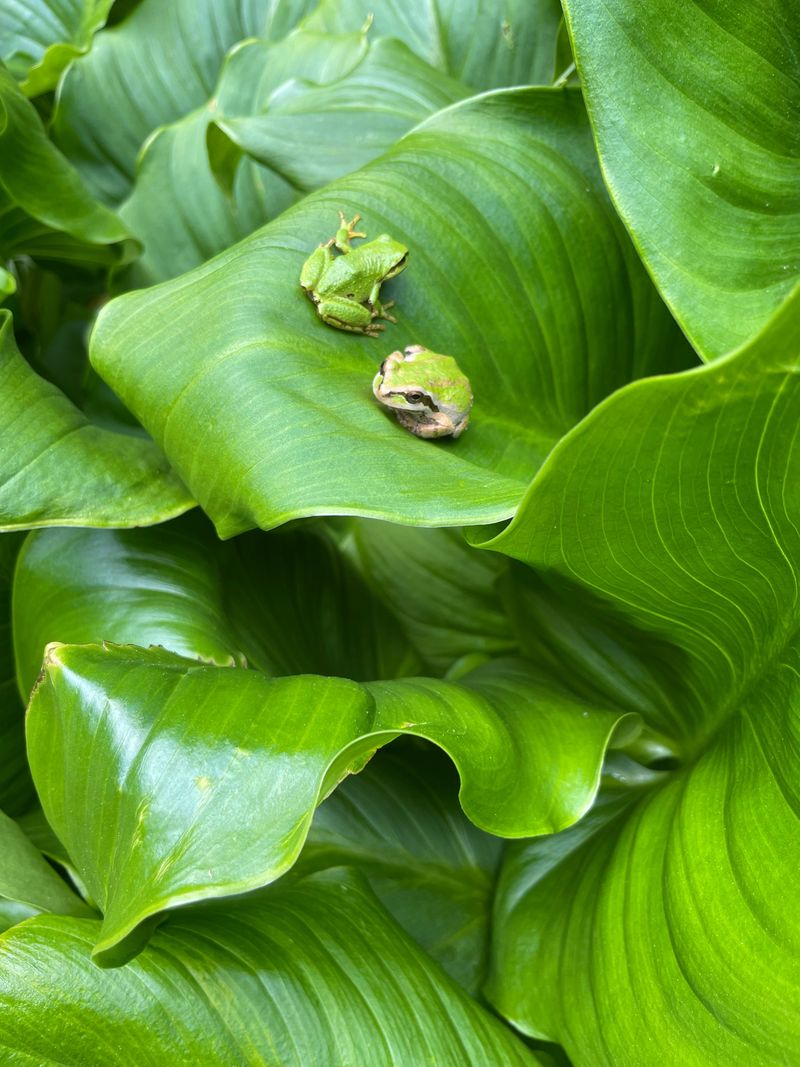
Free pest control that sings at night sounds too good to be true, yet here we are. Adult tree frogs snack on flies and beetles, along with spiders and other small creepy-crawlies in your beds.
They mostly hunt by sitting still and waiting, then snapping up prey with a quick sticky tongue. Porch lights attract moths, so you might spot a frog parked beside your door on warm evenings.
I adore how one frog will claim the same windowsill night after night like a regular at a diner. It treats the glowing glass like a buffet counter, catching insects drawn to the light inside.
Tadpoles help too, though in a different way, by grazing algae and bits of plant material underwater. That cleanup keeps small ponds a little clearer, especially in the cooler months when algae can build up.
Frogs also feed plenty of other wildlife, from garter snakes to herons hunting along the water. Keeping pet cats indoors at night gives your local chorus a much better chance of lasting.
Skip broad-spectrum insecticides whenever you can, because they remove the very bugs your frogs depend on for meals. Snail baits made with metaldehyde are toxic to pets and wildlife, so iron phosphate baits are a gentler choice.
Native shrubs and groundcovers bring in more insects, which in turn keeps your frogs well fed. Personally, I think a few chewed leaves are a fair trade for a chorus right outside my window.
8. Loud Tree Frog Choruses Hint At A Healthy Neighborhood
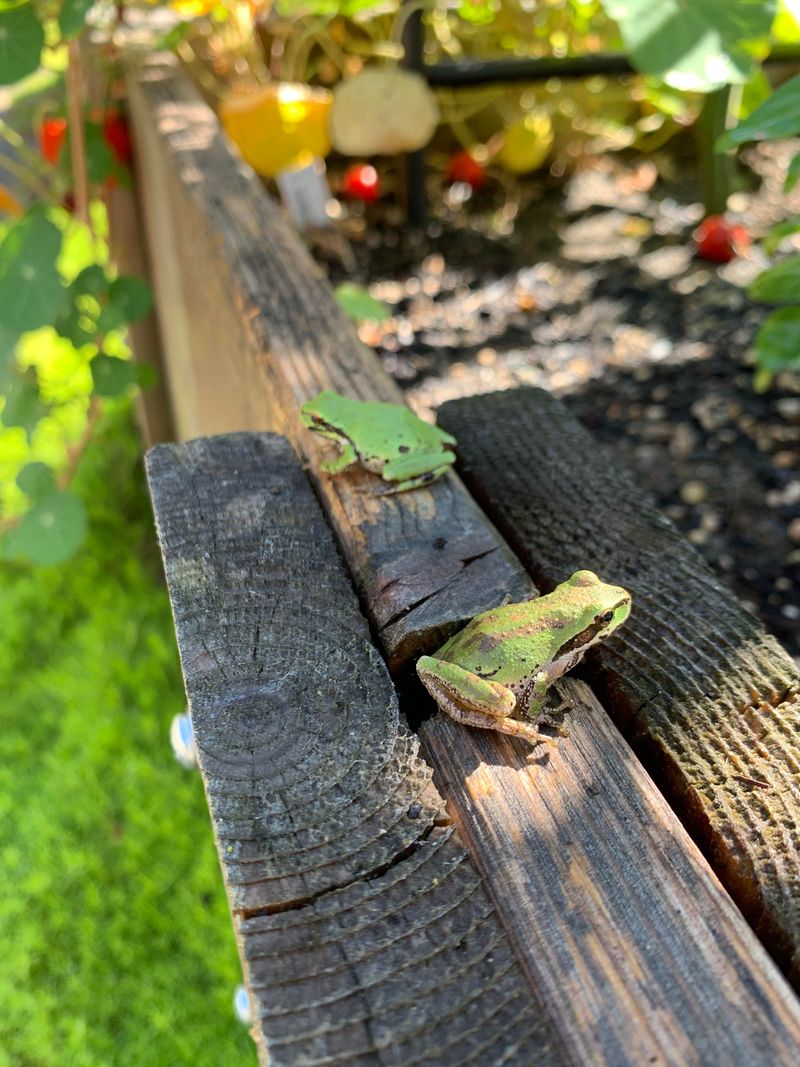
A backyard full of frog song tells you something reassuring about the water and soil nearby. Amphibians absorb pollutants through their skin, so they tend to react quickly when their habitats get contaminated.
That sensitivity is why biologists often treat frogs as indicators of environmental health in wetlands and streams. A steady chorus year after year suggests the local water is clean enough to raise healthy tadpoles.
Pacific tree frogs are listed as Least Concern by the IUCN, and they remain common across the West. Many other frogs in California have not been so lucky, including the red-legged frog made famous by Mark Twain.
Wetland loss and a fungal disease called chytrid have hit amphibian populations hard around the world. Pacific tree frogs can carry chytrid with fewer problems than some species, which scientists are still studying.
Please avoid releasing aquarium fish or pet turtles into ponds, since they compete with or eat native wildlife. American bullfrogs are another trouble spot, and they gobble up smaller frogs wherever they move in.
I believe small actions add up, like sweeping fertilizer off sidewalks before rain washes it into drains. Storm drains usually flow straight to creeks, so whatever lands on pavement can end up in frog habitat.
If your once noisy yard suddenly goes quiet for several winters, take note and look for causes. Drained puddles or new chemical use nearby are common culprits, and both can often be fixed fairly easily.