The Amaryllis Timing Trick Texas Gardeners Use For Holiday Blooms
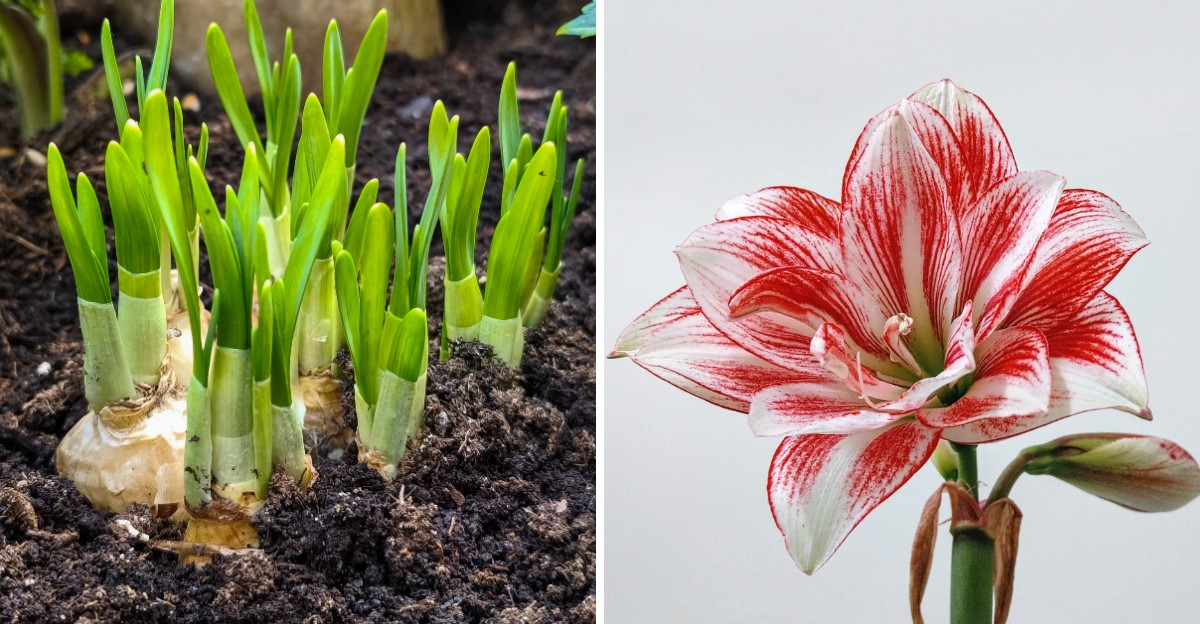
A single bulb the size of a softball can push up a flower stalk taller than a ruler and open four giant trumpets at once. Even better, you can pick the week it happens.
I love that kind of control in a hobby full of surprises. Most bulbs follow the weather, but this one mostly follows your calendar and your watering can.
In Texas, our mild falls and warm homes make the timing a little different from what you read on northern blogs. Plant too early and the show fades before your guests arrive. Plant too late and you get a fat green bud on Christmas morning.
Personally, I count backward from the holiday table every autumn. You need just a pot, some soil, and a date circled on the fridge. So which week in fall is the magic one for your kitchen window?
An Amaryllis Bulb Runs On A Surprisingly Precise Countdown
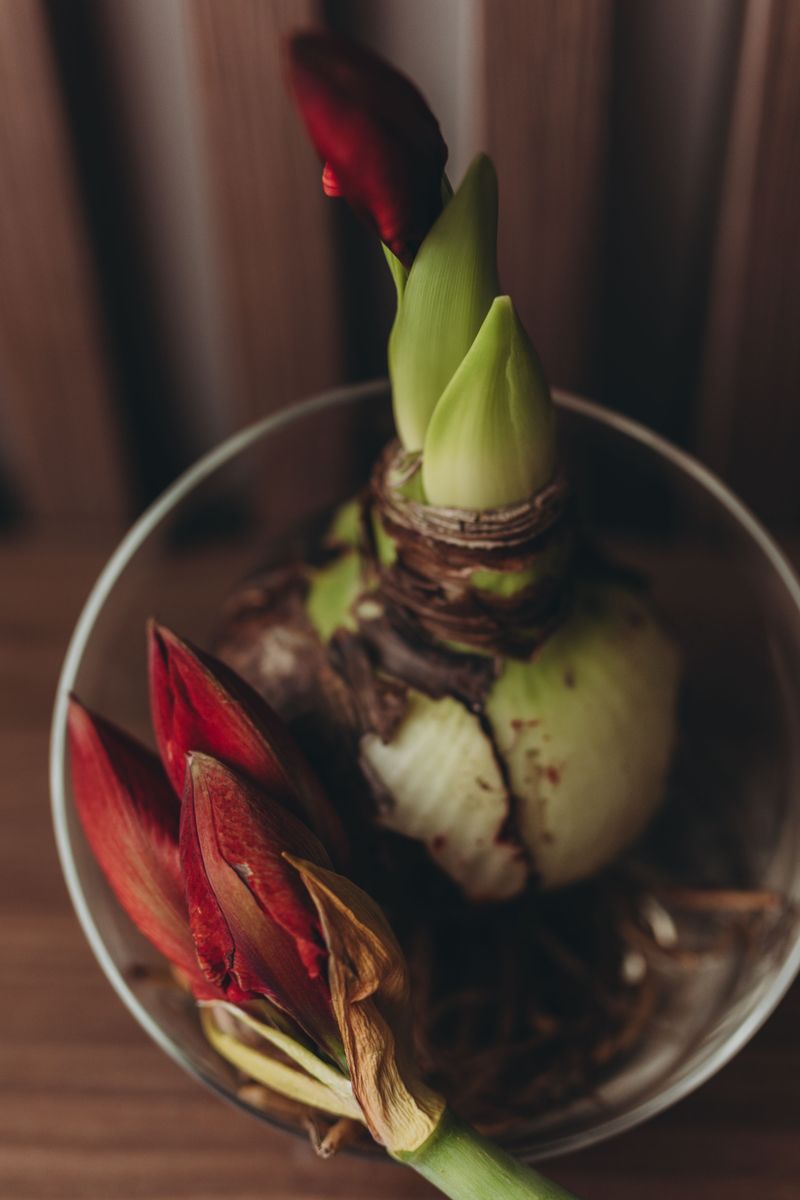
Most store-bought amaryllis bulbs are already loaded and ready to go. Growers in places like the Netherlands and South Africa forced them into rest before shipping, so the flower buds are tucked inside.
That stored bud is the heart of the trick. Once you add water and warmth, the bulb starts a fairly steady clock, and you can predict the bloom week with decent accuracy.
Texas A&M AgriLife and many master gardener groups say most bulbs flower about 6 to 10 weeks after potting.
Dutch-grown types often land closer to 7 to 10 weeks, while South African-grown bulbs can move faster, sometimes in 5 or 6 weeks.
I find this part exciting, since you are not waiting on rain or a cold front. Your living room thermostat matters far more than the sky outside.
Warm rooms speed things up, and cooler rooms slow them down. A house kept near 70 degrees runs on a quicker schedule than a chilly sunroom near 60.
So the real secret is not magic soil or fancy fertilizer. It is simple math, a little patience, and knowing where your bulb came from before you plant it.
Circle Late October On Your Calendar For Christmas Flowers
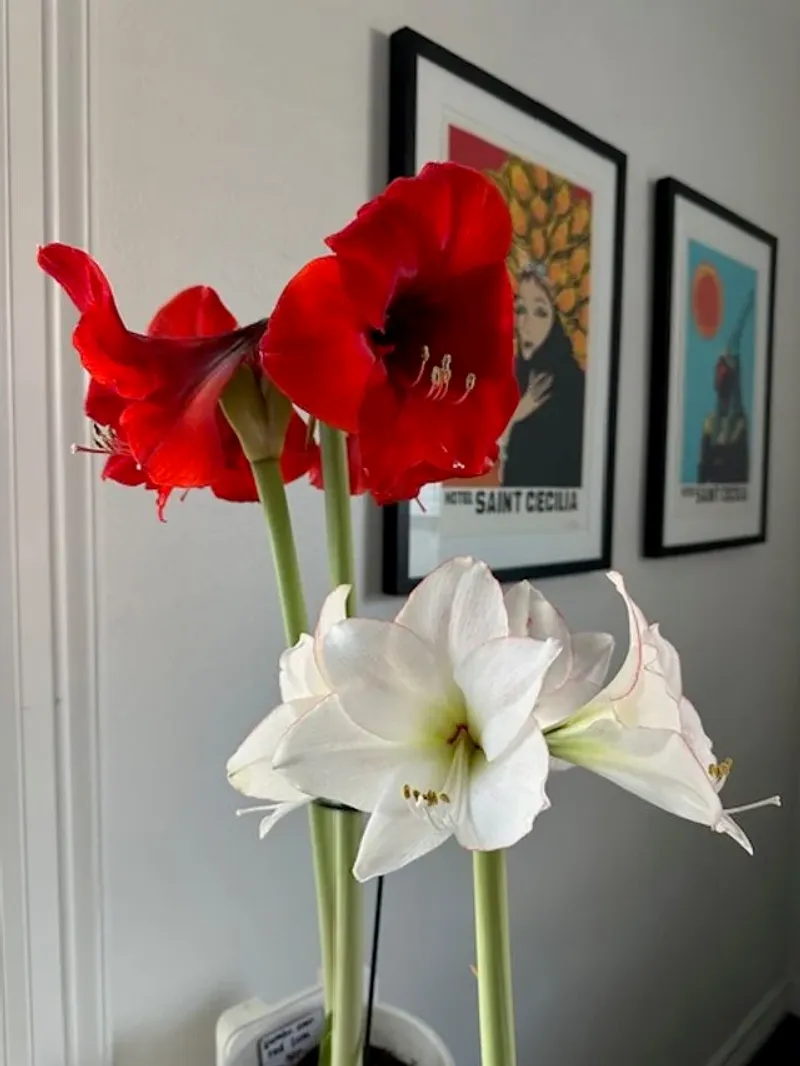
Count back eight weeks from December 25 and you land right around October 30. That is the sweet spot many Texas gardeners use for blooms that open in the days before Christmas.
My favorite plan uses a window, not a single date. Potting a few bulbs between mid-October and early November gives you a better chance that at least one is at full color when family shows up.
Staggering also stretches the fun. Pot one bulb every week or two, and you could enjoy fresh trumpets from early December right into January.
Bulb origin can shift your dates. If the label says South African-grown, you can wait until early or mid-November, since those bulbs often wake up quickly.
Keep a sticky note on each pot with the planting date. Later, you can compare notes and learn exactly how your home affects timing.
Already running behind? Buy a bulb that has a green tip showing, or grab a pre-potted kit from a garden center in late November. Those often bloom in four to six weeks, which still gives you a decent shot at a holiday display.
Room Temperature Can Speed Up Or Slow Down Those Amaryllis Buds
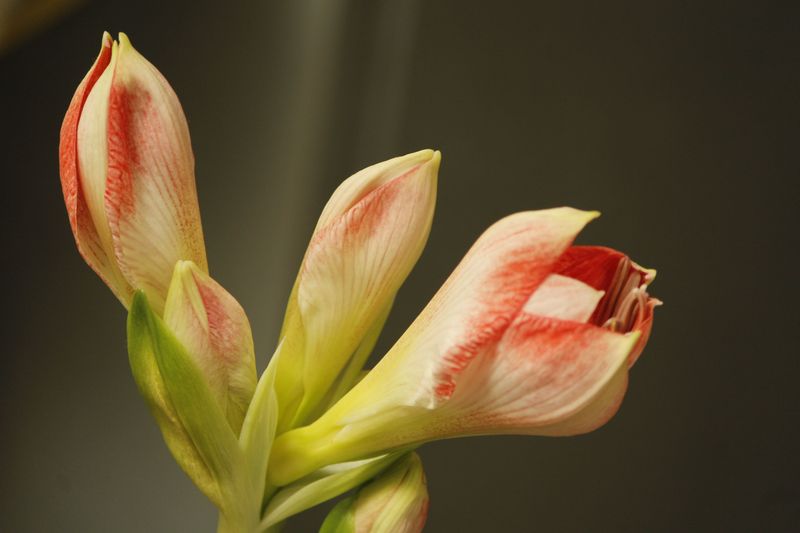
Temperature acts like the gas pedal for amaryllis. Most experts suggest keeping a freshly potted bulb around 68 to 70 degrees to get roots and stalk moving.
Bright, indirect light works best at first. A spot near an east or south window is ideal, as long as afternoon glass does not bake the pot.
Now for the clever part. If your bud looks ready to burst two weeks early, move the pot to a cooler room, somewhere near 60 to 65 degrees.
That cool spot slows development without hurting the plant. Many gardeners use this nudge to hold a bud for a party or a family visit.
Running late instead? Find a warmer location, like the top of the fridge for a few days or a cozy corner near a sunny window. Avoid putting pots right next to heater vents, which dry out the bulb and stress it.
Once flowers open, cooler air keeps them looking fresh longer. Out of direct sun and in a room in the mid-60s, each bloom can last a week or more, so your display holds through the holidays.
Pick A Heavy, Firm Bulb Before You Buy
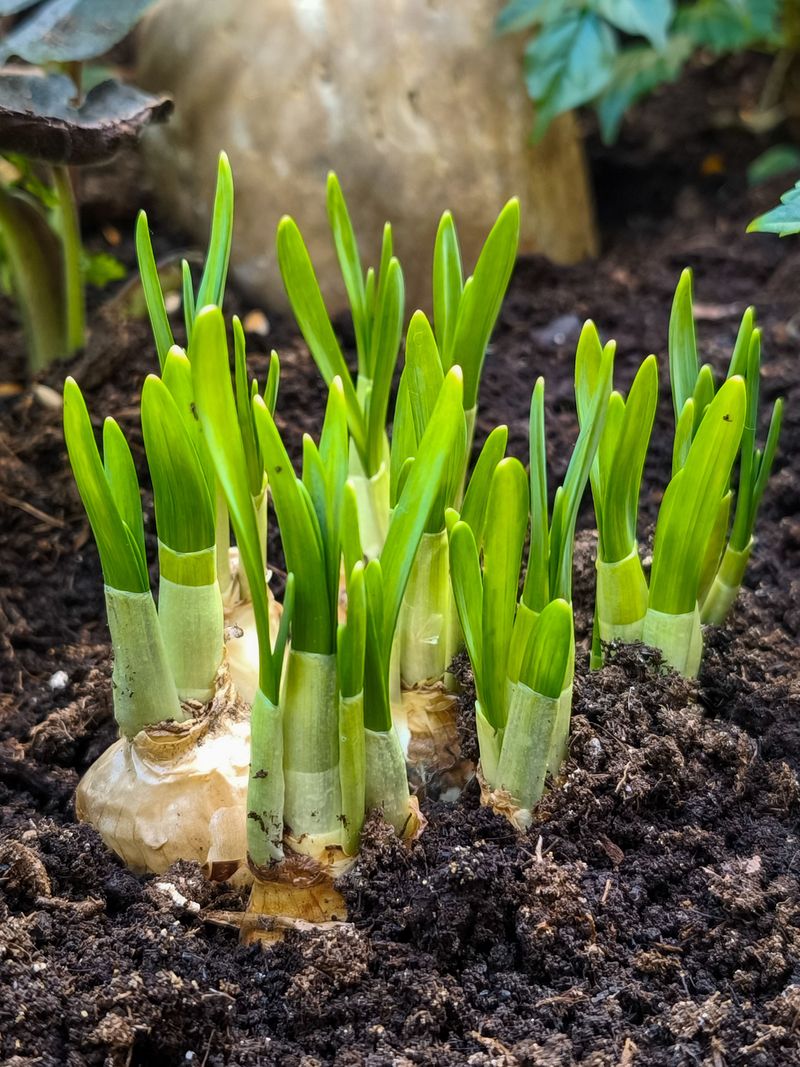
Size matters a lot with amaryllis. A big bulb usually holds more stored food, and that often means two flower stalks instead of one.
Look for bulbs at least 26 to 30 centimeters around, which many sellers list on the tag. Larger sizes, like 32 to 34 centimeters, often produce extra stems and more blossoms.
Give each bulb a gentle squeeze at the store. A healthy one feels firm, a bit like a fresh onion, and seems heavy for its size.
Skip any bulb with soft spots, blue or gray mold, or a mushy base. Dry papery skin is normal, so do not worry about loose brown layers flaking off.
Check the bottom for roots too. Plump, light-colored roots are a great sign, while shriveled ones may still recover with a soak.
Fun fact for trivia night: the plant sold as amaryllis is actually Hippeastrum, a group native to Central and South America.
The true Amaryllis belladonna comes from South Africa and blooms in late summer. Gardeners kept the old common name anyway, and it stuck around for good.
Leave The Amaryllis Bulb Shoulders Peeking Above The Soil
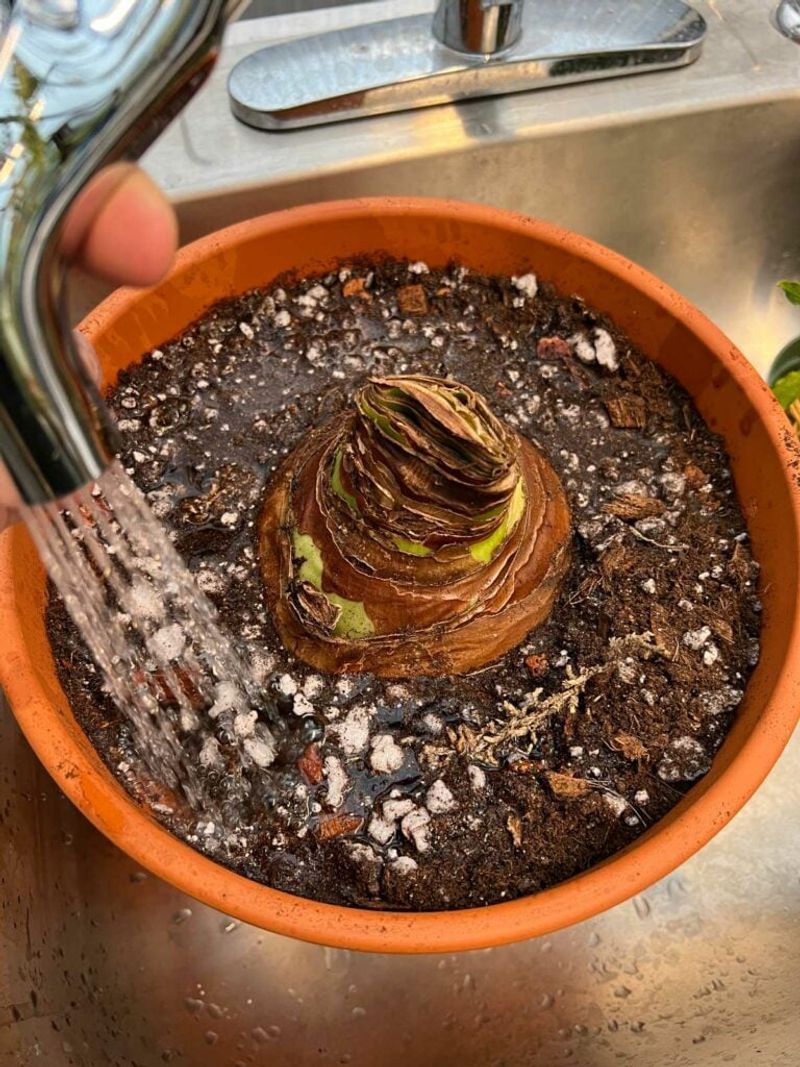
Amaryllis likes a snug home. Choose a pot only about one or two inches wider than the bulb, which leaves a small ring of soil around it.
Drainage holes are a must. A heavy clay pot is a smart pick because tall stalks can tip a lightweight plastic container.
Fill the pot with a fresh, well-drained potting mix. Garden soil packs down too much, and it can hold water around the bulb for too long.
Set the bulb so the top third, the shoulders and neck, stays above the soil line. Firm the mix around the roots, then water once until it runs out the bottom.
Soaking the roots in lukewarm water for a few hours before planting can help them wake up. Just keep the bulb itself dry during the soak.
I like adding a thin layer of moss on top for a polished look. It also makes a lovely gift if you pot several in early fall for friends.
Planting this way helps prevent rot. It also gives you a clear view of that first green tip pushing up, which honestly makes my whole week.
Too Much Water Early On Can Rot That Bulb
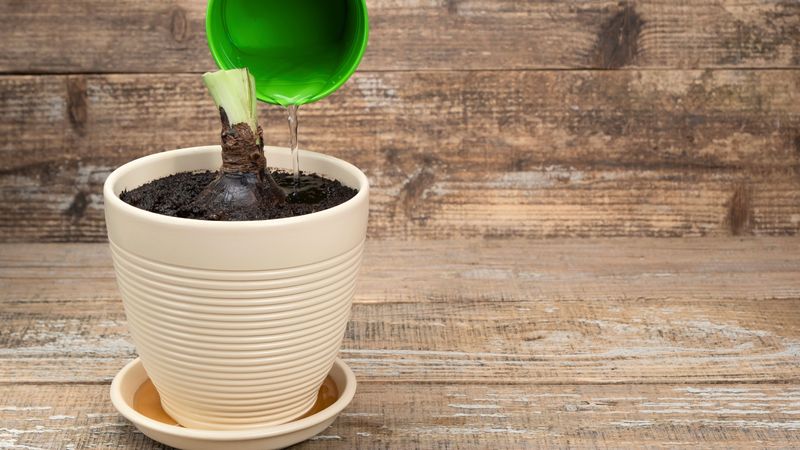
Here comes the hardest part for eager gardeners. After that first soaking, set the watering can down and walk away for a while.
A bulb with no leaves uses very little water. Wet soil around a sleeping bulb invites rot, and soft brown tissue is tough to reverse.
Wait until you see about two inches of green growth. Then water lightly when the top inch of soil feels dry to your finger.
As the stalk and leaves grow, the plant drinks more. Increase water slowly, keeping the mix lightly moist but never soggy.
Empty any saucer under the pot after watering. Standing water is a sneaky cause of trouble that many beginners miss.
Fertilizer can wait too. The bulb already holds what it needs for this first bloom, so feeding is mostly for the months after flowering.
Rotate the pot a quarter turn every few days. Stalks lean hard toward the light, and turning keeps them straight and tidy.
If a stalk gets very tall, slip a slim bamboo stake beside it. A soft tie keeps the heavy flower head from flopping over at the worst moment.
Your Old Amaryllis Needs A Cool Nap To Bloom Again
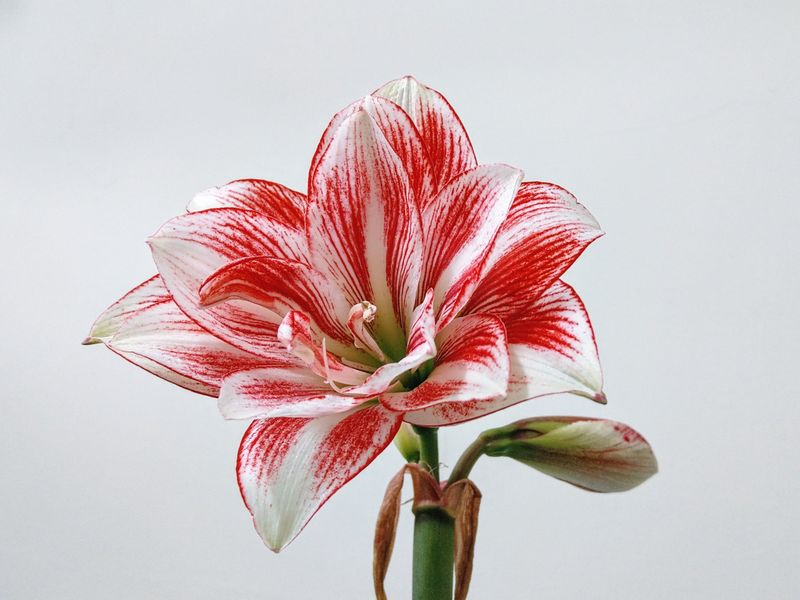
Reblooming last year’s bulb takes more planning. The plant needs a rest period before it will form flowers on cue again.
Many Texas gardeners start this rest in late August or September. Stop feeding, cut back watering, and let the strappy leaves yellow on their own.
Once foliage fades, trim it about two inches above the bulb. Store the pot in a cool, dry, dark place around 50 to 55 degrees for 8 to 10 weeks.
A garage or closet can work in parts of the state with cooler fall nights. In South Texas and the Rio Grande Valley, a refrigerator crisper drawer is sometimes the only cool spot available.
Keep bulbs away from apples, though. Ripening fruit gives off ethylene gas, which can harm the flower buds tucked inside.
After the rest, check for a peeking tip and repot with fresh soil. Then follow the same countdown you would use for a new bulb.
Counting backward matters more here. Rest plus growing time adds up to roughly four or five months, so put a reminder in your phone in late summer.
Summer In The Garden Builds Next Year’s Big Amaryllis Show
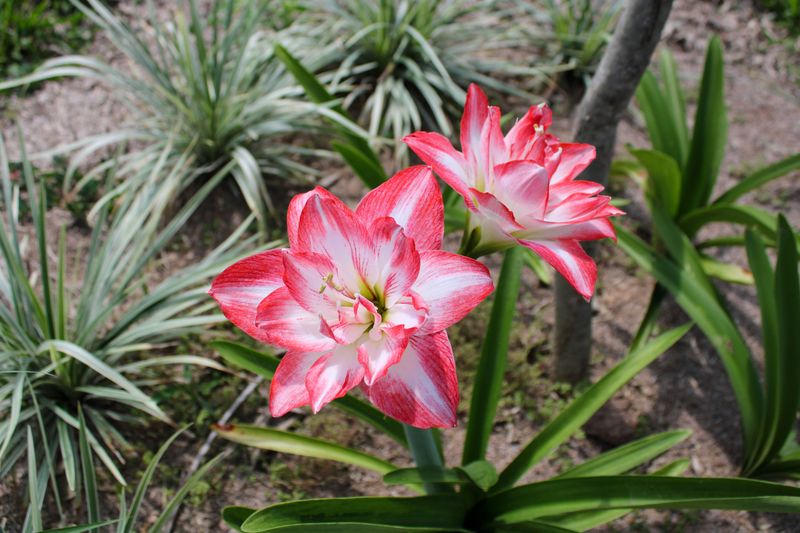
When the last bloom fades, the real work for next year begins. Snip the flower stalk near the top of the bulb, but leave every leaf in place.
Those long green leaves act like solar panels. They make food and pack it back into the bulb for the next round of flowers.
Keep the pot in bright light and water when the soil dries slightly. Feed with a balanced liquid houseplant fertilizer every two to four weeks through spring.
After your last frost, you can move the pot outside. Morning sun with afternoon shade suits amaryllis well during a hot Texas summer.
Gardeners in Zones 8b through 10 sometimes plant bulbs right in the ground. Many Houston, San Antonio, and coastal yards grow them as outdoor spring bloomers.
Watch for red blotch on leaves and pesky bulb flies. Good airflow and removing damaged foliage go a long way.
Personally, I find this the most rewarding step. A bulb that keeps its leaves green all summer usually comes back bigger, and someday it may surprise you with two stalks right on time for the holidays.