The Hibiscus Mistake Many Arizona Gardeners Make During Extreme Heat
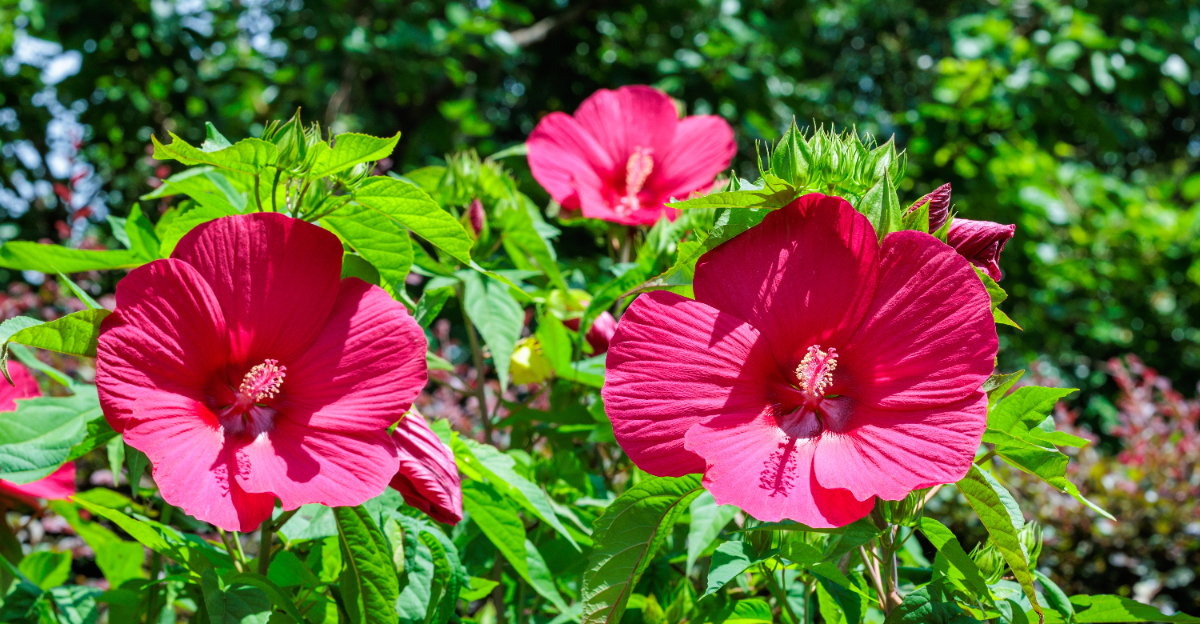
Your hibiscus can look healthy one day and struggle the next during extreme heat. Many Arizona gardeners make one simple mistake that adds even more stress without realizing it.
A few well-meaning changes can leave leaves yellow, flowers scarce, and the plant working harder than it should.
If you want your hibiscus to keep blooming through summer, now is the time to rethink your routine. Before you reach for the hose or pruning shears, take a closer look at what the heat is already doing to your plant.
Small adjustments made at the right time can make a surprising difference once temperatures stay high for weeks.
Knowing what to avoid now can help your hibiscus stay stronger, produce more blooms, and come through the hottest part of the season successfully.
1. Cutting Back Healthy Growth Too Soon
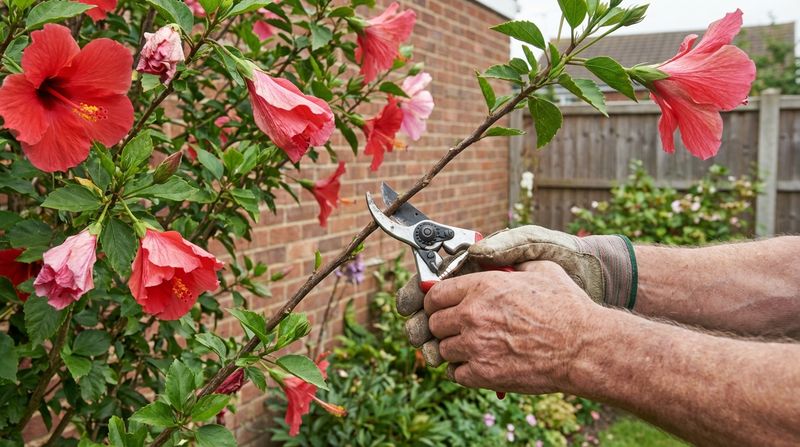
Grabbing the pruning shears when your hibiscus looks a little rough is tempting, but cutting back healthy growth during peak summer heat is one of the worst moves you can make.
Hibiscus plants use their existing leaves and stems to manage heat stress. Those green branches are working hard to keep the plant stable.
Remove them too soon, and you strip away the plant’s built-in protection system.
Fresh cuts also expose the inner tissue to intense sun. That tissue is not hardened or ready for direct exposure to 110-degree heat.
Sunburn on stems can set a plant back significantly.
Healthy growth, even if it looks a little droopy during the hottest part of the day, is usually still doing its job. Wilting in afternoon heat does not mean the plant is struggling beyond recovery.
Most hibiscus bounce back once evening temperatures drop.
Hold off on cutting anything that still looks green and connected. A stem with leaves attached is almost always better left alone during summer.
Save heavy pruning for when temperatures cool down in fall.
If you are unsure whether a branch is worth keeping, wait a few days and check again. Plants often recover quickly once watering is adjusted.
2. Fresh Shoots Burn More Easily In Direct Sun
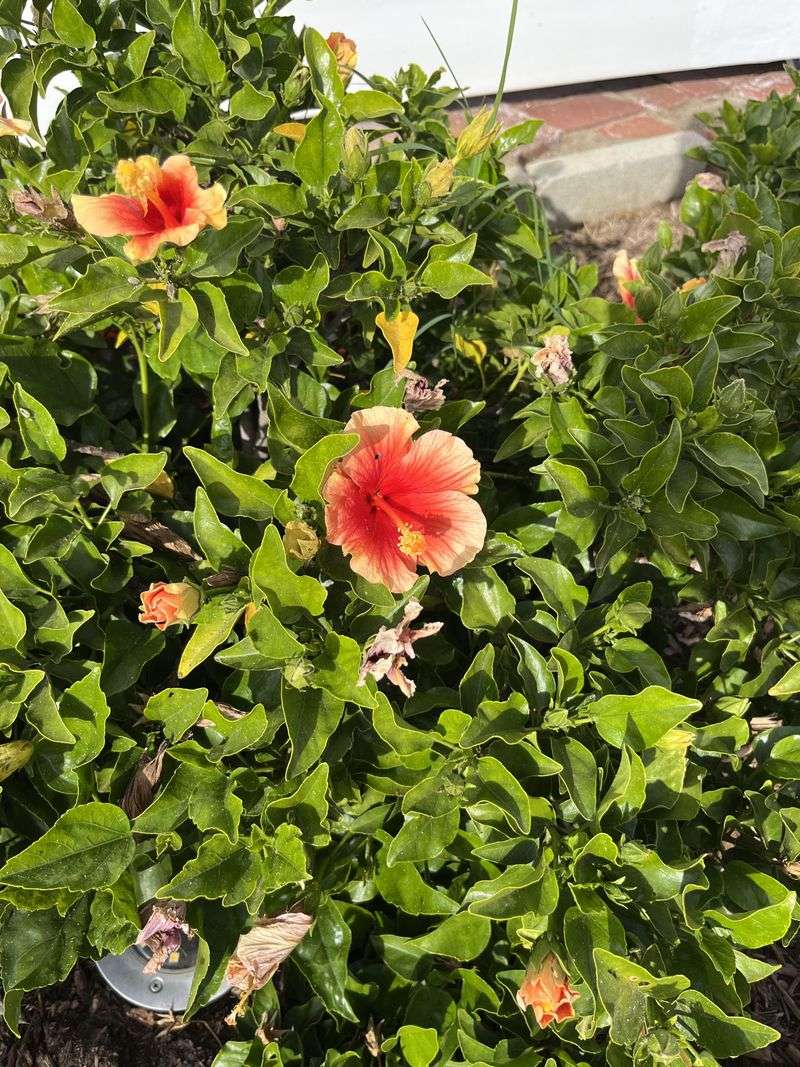
Young hibiscus shoots look exciting when they appear, but those soft, pale green tips are far more vulnerable than mature growth during intense heat.
New shoots have not developed the thicker cell walls that older stems carry. Direct sun at 105 degrees or higher can scorch them within hours.
Once burned, those tips rarely recover into strong branches.
Pruning during summer often triggers a flush of new growth. That sounds positive, but the timing works against the plant.
Fresh shoots emerging in July or August face immediate sun exposure without any protection from surrounding foliage.
Shade cloth can help in some setups, but it is not practical for every garden. A better approach is simply avoiding cuts that stimulate new growth until the season cools.
Letting the plant rest is more protective than encouraging it to push out tender new stems mid-summer.
Established hibiscus in Arizona can handle heat reasonably well when left alone. It is the disruption caused by pruning that creates the vulnerability.
Your Arizona Garden Changes Every Week. Your Plan Should Too.
Gardening in Arizona changes quickly throughout the season. Every Friday you’ll receive a simple weekly plan showing exactly what to plant, prune, fertilize, harvest, and protect so you never miss the right timing.
New growth is soft, unprotected, and exposed at exactly the wrong time of year.
Watch for new shoots carefully after any summer trimming. If they appear, consider adding temporary shade for a few weeks.
3. Leaves Help Shield Stems From Sun Damage
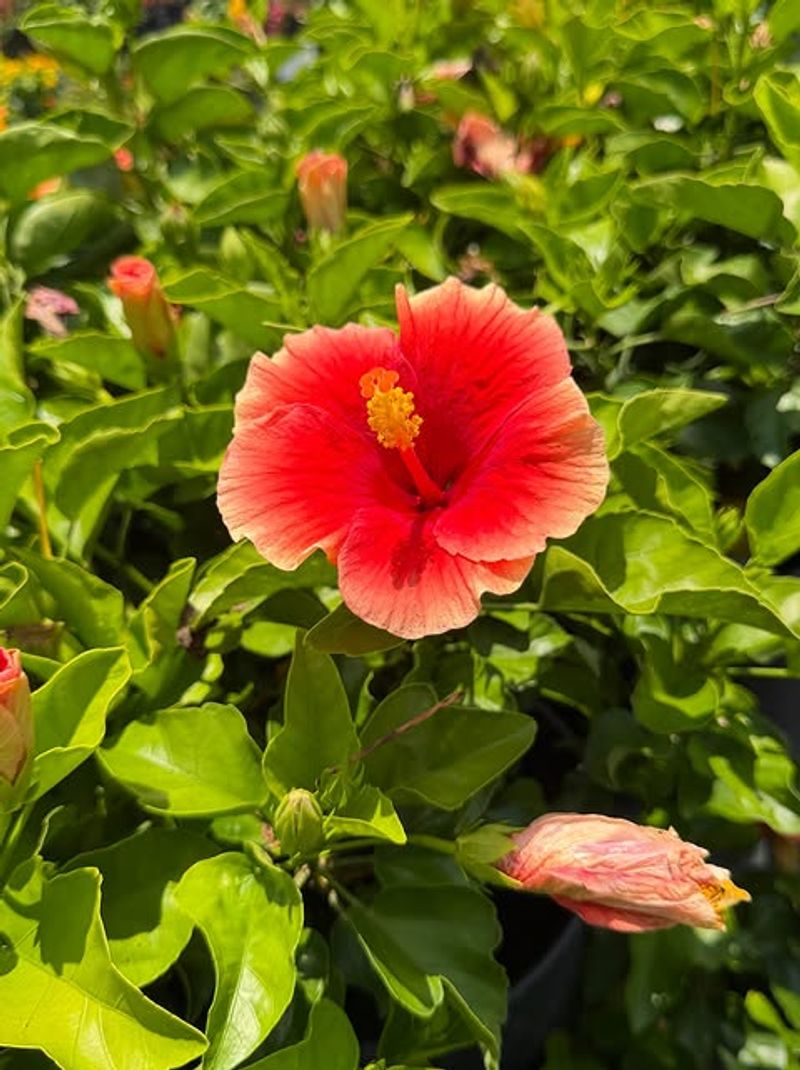
Leaves do more than just feed the plant through photosynthesis. On a hibiscus, they act like a natural sunscreen for the stems underneath.
When you remove leaves or cut back branches heavily during summer, you expose the main stems to direct sun. Those stems are not built for unshaded exposure during extreme heat.
Sunscald on hibiscus stems looks like bleached or cracked bark and can take months to repair, if it heals at all.
Keeping the canopy intact is one of the simplest ways to protect your plant during hot weather. Full leaf coverage means the stems stay shaded and cooler throughout the day.
That temperature difference matters more than most gardeners realize.
Even leaves that look a little faded or stressed are still providing shade. Removing them to tidy up the plant removes that protection too.
A slightly messy hibiscus with full foliage is in better shape than a neatly pruned one with exposed stems baking in the sun.
Gardeners in hot desert climates sometimes underestimate how much internal shading matters. Plants that grow in humid regions can recover from heavy pruning more easily because temperatures are lower.
In a desert summer, that margin for error shrinks considerably.
4. Keep Soil Evenly Moist During Hot Weather
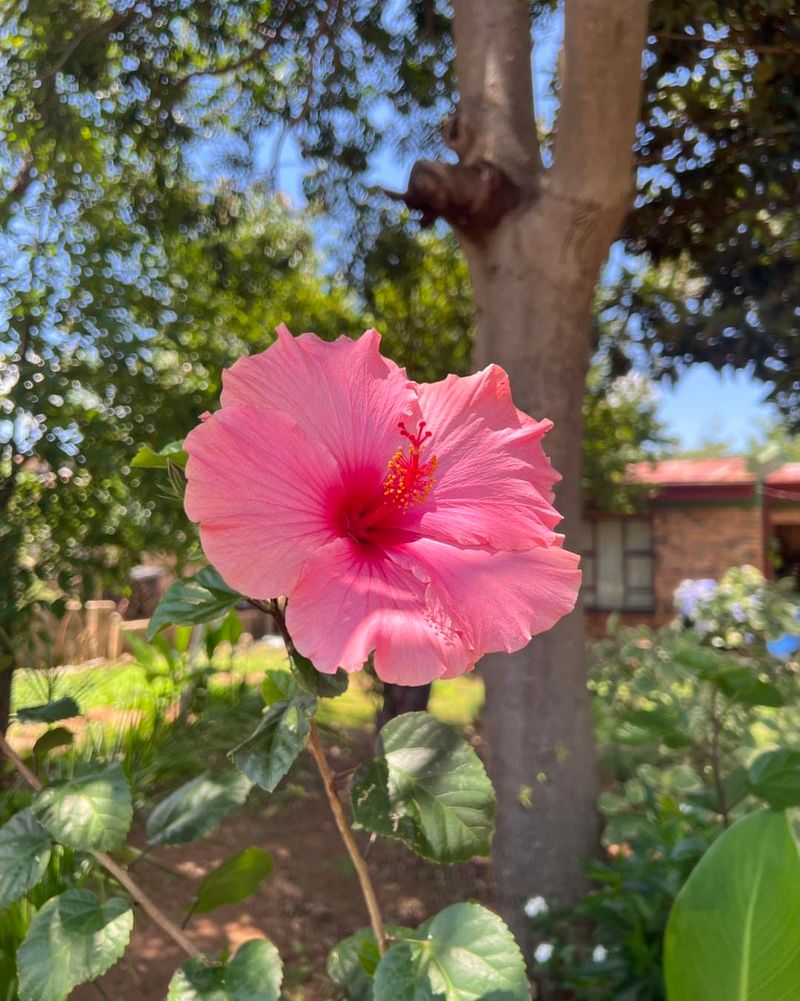
Soil moisture is one of the biggest factors in hibiscus survival during extreme heat, and uneven watering causes more problems than most gardeners expect.
Letting soil dry out completely between waterings stresses the root system hard. Then flooding it with water creates a shock cycle that weakens the plant over time.
Consistent, even moisture is what hibiscus roots actually need during summer months.
Drip irrigation works well for this. It delivers water slowly and directly to the root zone without wetting the foliage.
Wet leaves during hot afternoons can sometimes lead to fungal issues, so keeping water at the base is a practical habit.
Check soil moisture a few inches below the surface, not just at the top. Surface soil can dry out quickly in desert heat while deeper soil stays moist longer.
Watering based on surface appearance alone can lead to underwatering at the root level.
Early morning is the best time to water. It gives moisture a chance to soak in before the heat peaks.
Evening watering can work too, though it sometimes encourages fungal growth in humid conditions.
Hibiscus in containers dry out faster than those planted in the ground. During extreme heat stretches, container plants may need daily watering.
Check them more frequently and adjust as temperatures change.
5. Mulch Helps Reduce Soil Moisture Loss
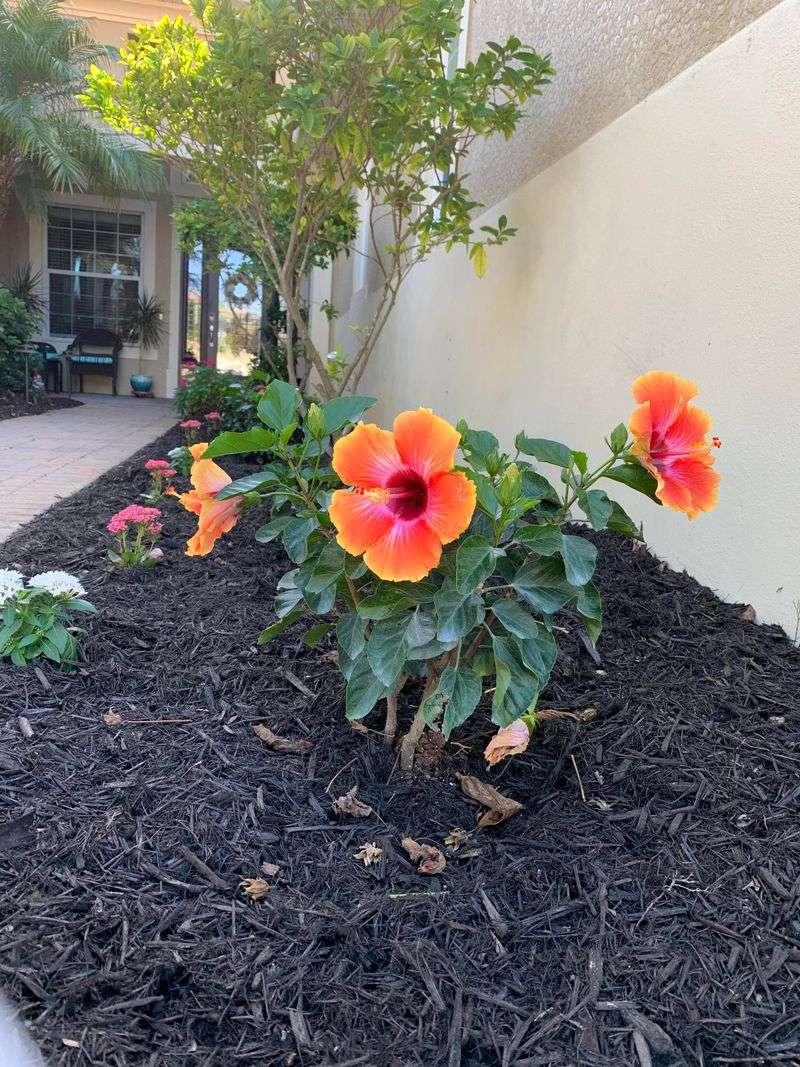
Bare soil in a desert summer loses moisture fast. Without something covering the ground around your hibiscus, water evaporates before roots can fully absorb it.
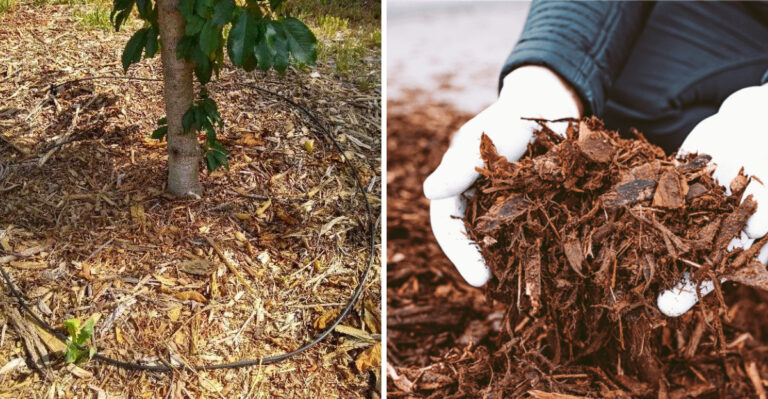
Mulch slows that evaporation significantly. A layer of wood chips, straw, or shredded bark placed around the base of the plant can keep soil noticeably cooler and hold moisture longer between waterings.
That means less frequent watering and more consistent root hydration.
Keep mulch a few inches away from the main stem. Piling it directly against the base can trap moisture against the bark and encourage rot or pest problems over time.
A ring of mulch around the plant, not touching the stem, is the right approach.
Three to four inches of mulch depth is generally effective for hot climates. Thinner layers dry out and break down faster in intense sun.
Topping off mulch during summer keeps it working well through the hottest months.
Organic mulches also break down slowly and add some nutrients to the soil over time. That is a bonus for hibiscus, which benefits from nutrient-rich soil.
Inorganic options like gravel work for moisture retention too, though they do not add organic matter.
Gardeners across Arizona who use mulch consistently tend to see healthier hibiscus through summer. It is a low-effort step with a meaningful payoff.
6. Remove Only Broken Or Diseased Branches
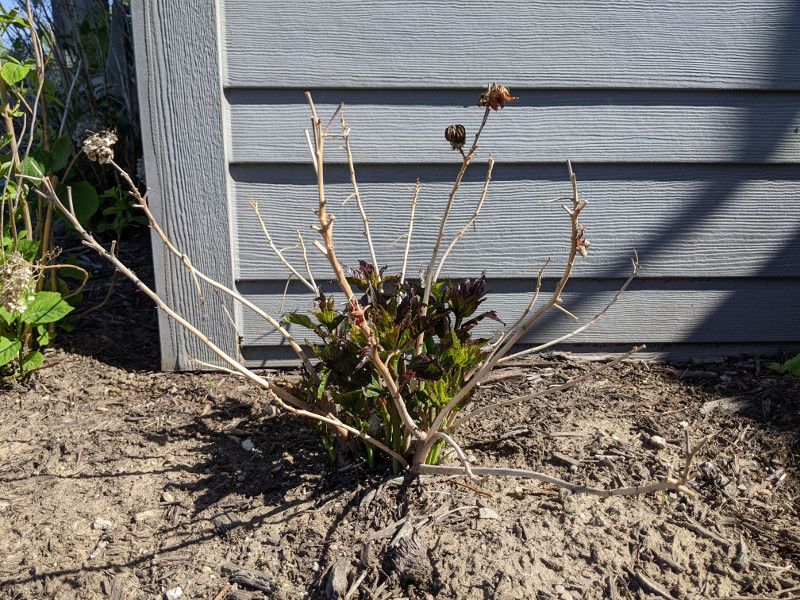
Not all pruning is harmful during summer. There is a clear difference between removing damaged growth and cutting back healthy stems, and knowing that difference matters.
Broken branches left on the plant can become entry points for pests or disease. A cracked stem that is hanging loose is not helping the plant and could cause further damage if left to flop around in wind.
Removing it cleanly is the right call.
Diseased branches are worth removing too, but only the affected sections. Cut back to healthy tissue, and make the cut clean.
Leaving rough or torn edges slows healing and can invite additional problems.
Healthy green branches, even ones that look a little stressed from heat, should stay put. Stress does not equal damage.
A drooping branch on a hot afternoon may look concerning, but if it perks back up by morning, it is doing fine.
Use clean, sharp pruning tools for any summer cuts. Dull blades tear tissue rather than cutting it cleanly.
Torn cuts heal slower and are more vulnerable to infection during warm, dry conditions.
After removing any damaged growth, check the rest of the plant carefully. Sometimes one broken branch signals a larger issue like root stress or pest activity.
Catching problems early gives you more options for addressing them before they spread.
7. Wait For Cooler Weather Before Major Pruning
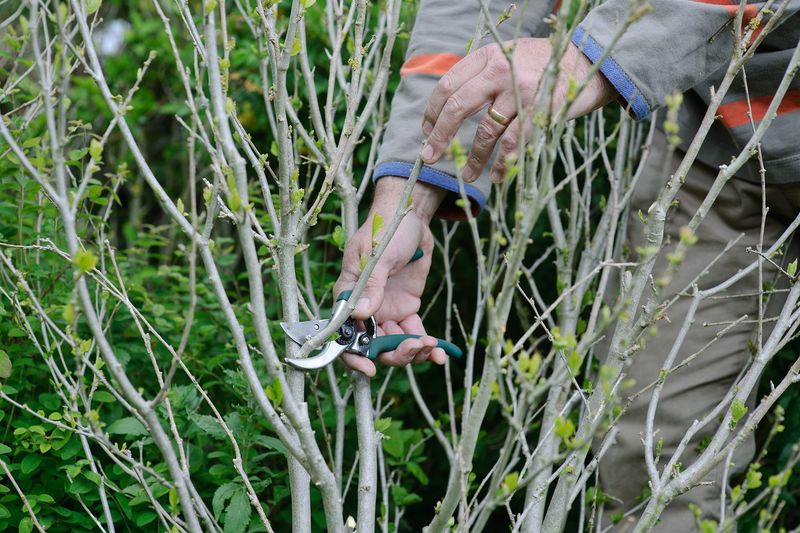
Patience is one of the most underrated gardening skills, especially in a desert climate where timing shapes outcomes more than effort does.
Major pruning, meaning cutting back a significant portion of the plant, is best saved for fall when temperatures drop reliably below 90 degrees.
At that point, the plant is no longer under heat stress and can put energy into recovery and new growth without battling extreme conditions at the same time.
Late September through October is generally a good window in many parts of Arizona, though local weather patterns vary year to year. Watch the forecast and wait for a stretch of milder days before making big cuts.
Pruning in fall also sets the plant up well for the following spring. Hibiscus that are shaped and trimmed properly in cooler months tend to push out strong new growth when temperatures warm back up.
Summer pruning rarely produces the same results.
Shape the plant based on your goals. If you want more branching, cut stems back to a node.
If you want height reduction, do it gradually rather than all at once. Drastic cuts made in one session can stress even a well-established plant.
Rushing the process to tidy up the garden before summer ends is rarely worth it.