Should You Pinch Back New Growth In Spring In Florida
Florida spring growth waits for nobody. While most of the country is still watching for frost, annuals, herbs, and container plants here are already pushing out fresh stems and testing the boundaries of their pots and beds.
It is exciting, and it also makes pinching back new growth a very timely topic. Done right, pinching helps plants grow bushier, look tidier, and perform better through the heat of summer.
Done wrong, or on the wrong plant, it can set things back in ways that take weeks to recover from. Not every plant wants to be pinched, and not every moment in the season is the right time to do it.
Understanding which plants respond well and which ones need a lighter touch is genuinely useful knowledge for any Florida gardener heading into the warmer months.
1. Some Spring Plants Benefit From Pinching
Tender new growth in spring can sometimes look more like a handful of spindly shoots than a full, healthy plant.
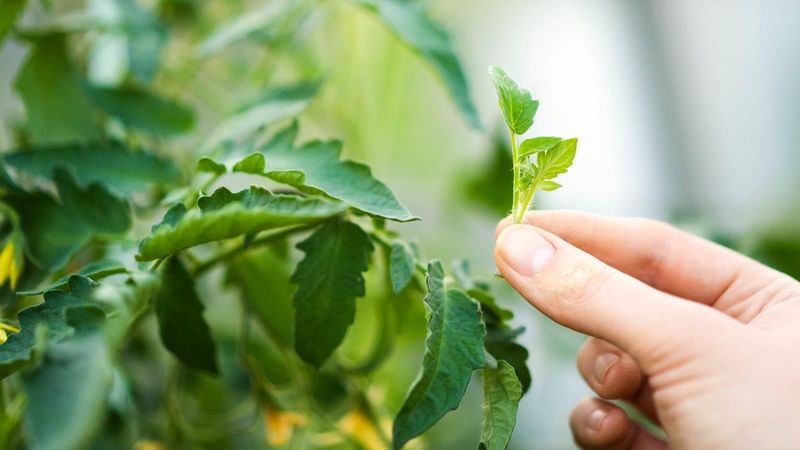
For certain soft-stemmed annuals and herbs, removing just the tip of a stem encourages the plant to branch outward instead of continuing to grow taller in one direction.
That branching effect is what gives some Florida garden plants that lush, rounded appearance you see in well-maintained beds and containers.
The key word here is “some.” Not every plant in a Florida spring garden benefits from this kind of attention. Woody shrubs, palms, and plants with very specific pruning needs are not good candidates for casual pinching.
Applying the same approach to every plant in the yard can lead to setbacks rather than improvements.
For the plants that do respond well, timing and technique matter. Using clean fingers or sharp, clean scissors to remove just the growing tip keeps the process tidy and reduces the chance of introducing problems to fresh wounds.
Warm spring weather means plants are actively growing, so a well-timed pinch on the right plant can show visible results within a few weeks. Starting with just one or two plants lets you observe how they respond before working through the whole garden bed.
2. Leggy Annuals Can Use A Light Trim
Anyone who has grown petunias, impatiens, or snapdragons in Florida knows how quickly they can stretch out and start looking thin.
Warm spring temperatures and long daylight hours push these plants to grow fast, and sometimes that speed works against a tidy appearance.
Stems become long, gaps appear between leaves, and the whole plant starts to look less like a garden showpiece and more like it needs a second chance.
A light trim on leggy annuals can encourage new side shoots to fill in those bare stretches. The goal is not to cut the plant back severely but to remove just enough of the top growth to redirect energy toward branching.
Removing the top inch or two of soft stems is usually enough to prompt a response in actively growing annuals during Florida’s spring season.
One thing worth keeping in mind is that cutting back leggy annuals does not guarantee a fuller plant every time.
Your Florida Garden Changes Every Week. Your Plan Should Too.
Gardening in Florida changes quickly throughout the season. Every Friday you’ll receive a simple weekly plan showing exactly what to plant, prune, fertilize, harvest, and protect so you never miss the right timing.
Results depend on the plant’s overall health, how much water and light it is receiving, and whether the soil or container mix is supporting steady growth.
If an annual is already stressed by drought or poor drainage, trimming may not produce the hoped-for bushy result. Addressing the root cause of the legginess alongside any light trimming tends to give gardeners a better outcome in the long run.
3. Herbs Stay Fuller With Careful Harvesting
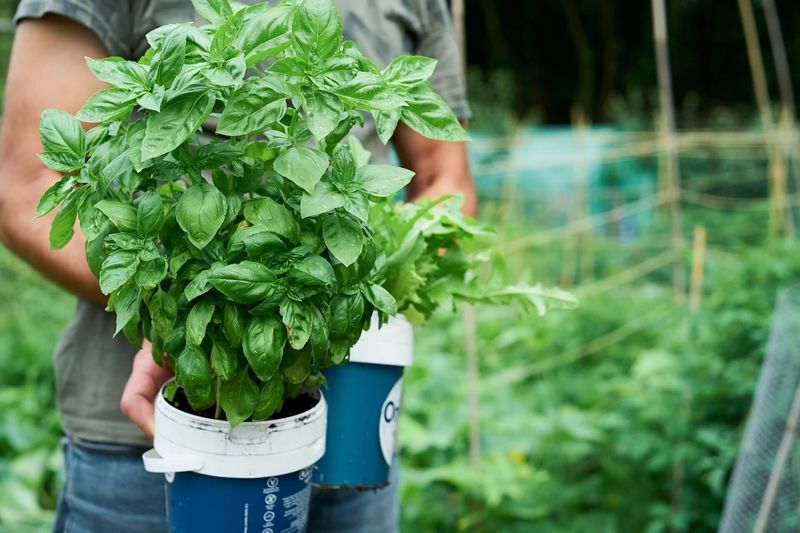
Basil growing in a patio pot can go from compact and bushy to tall and flowering in what feels like just a few days once spring temperatures climb.
Regular harvesting, done thoughtfully, can help keep many culinary herbs looking full and producing more usable leaves over a longer stretch of the season.
Snipping stem tips just above a set of healthy leaves encourages new growth to emerge from lower nodes on the stem.
Mint, oregano, and lemon balm often respond well to this kind of steady, careful harvesting. Basil especially benefits when flower stalks are removed before they fully develop, since flowering can shift the plant’s energy away from leaf production.
That said, the response depends on the herb, how much is removed at one time, and whether the plant has enough water and light to support regrowth in Florida’s warm conditions.
Removing too much at once can set a herb back rather than encourage fuller growth. A general approach is to take no more than about one-third of the plant’s growth at a time, then allow recovery before harvesting again.
Herbs growing in containers dry out faster in Florida’s spring heat, so checking soil moisture after any trimming is a smart habit.
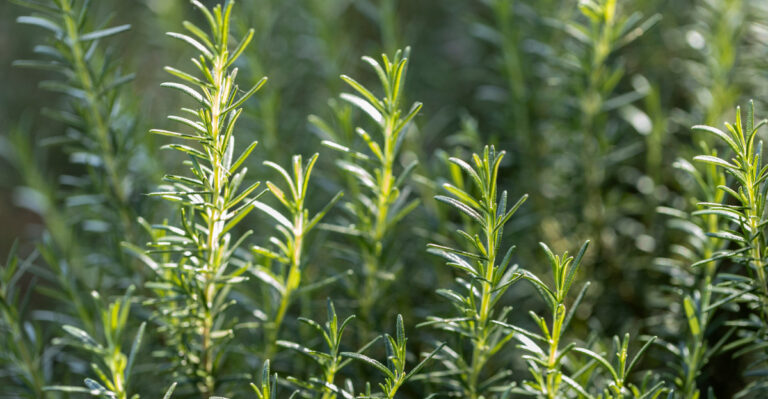
Woody herbs like rosemary have different needs and do not respond the same way to frequent tip removal as softer herbs do.
4. Young Stems Respond Better Than Woody Growth
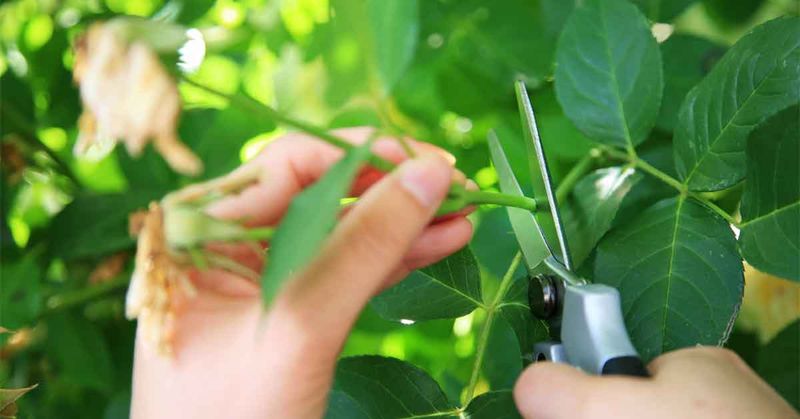
Soft, green, pliable stems and older, woody, bark-covered growth are two very different things, and they do not respond the same way to pinching.
Young stems that are still tender and actively growing have the flexibility to redirect their energy into new side shoots after a tip is removed.
That response is what makes pinching a useful tool for certain plants during Florida’s spring growing season.
Woody growth, on the other hand, does not branch out the same way after a light pinch. Mature stems on shrubs, established perennials, or older sections of a plant often require proper pruning cuts rather than a casual finger pinch.
Attempting to pinch woody growth can leave ragged wounds that are slow to close, and in Florida’s warm, humid spring conditions, that kind of damage may invite unwanted issues.
Before reaching for a plant, it helps to feel the stem first. If it bends easily and snaps clean, it is likely young enough to respond well to light pinching.
If it feels stiff, rough, or bark-like, a different approach is probably more appropriate. Matching the technique to the type of growth makes a real difference in outcomes.
Gardeners working with mixed ornamental beds or containers often have both types of growth present on the same plant, so checking each stem individually before pinching is a worthwhile habit to develop.
5. Flower Timing Matters Before You Pinch
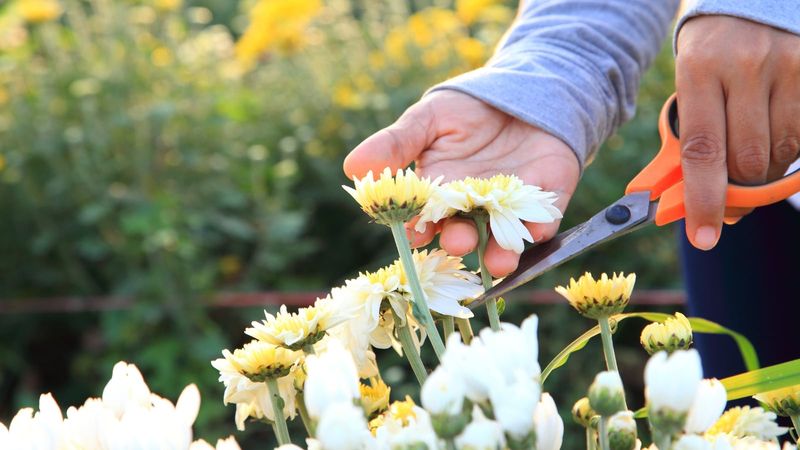
Reaching in to pinch a stem tip without checking for flower buds first is one of the most common missteps in spring garden care. Many plants carry their buds right at the growing tips, which means removing that tip also removes the upcoming bloom.
In Florida, where spring flowering can happen earlier and faster than in cooler climates, this kind of accidental bud removal can mean waiting several more weeks for the next round of flowers.
The relationship between pinching and flowering depends heavily on the plant’s bloom habits. Some plants produce flowers on brand-new growth that develops after a pinch, so a light trim actually sets up a better flush of blooms later.
Others carry their flowers on older wood or on growth that has been developing since the previous season, meaning any removal of stem tips directly reduces what the plant can offer in the near term.
Checking a plant’s typical bloom season and understanding whether it flowers on new or old growth helps guide better decisions. Looking closely at the stem tips before pinching takes only a moment and can save a lot of frustration.
If small buds are already visible, waiting until after the plant has finished its bloom cycle is usually the more rewarding choice.
Florida’s extended growing season means there is often a good window for shaping plants after flowering wraps up, rather than rushing in during active bloom.
6. Spring Bloomers Need Extra Caution
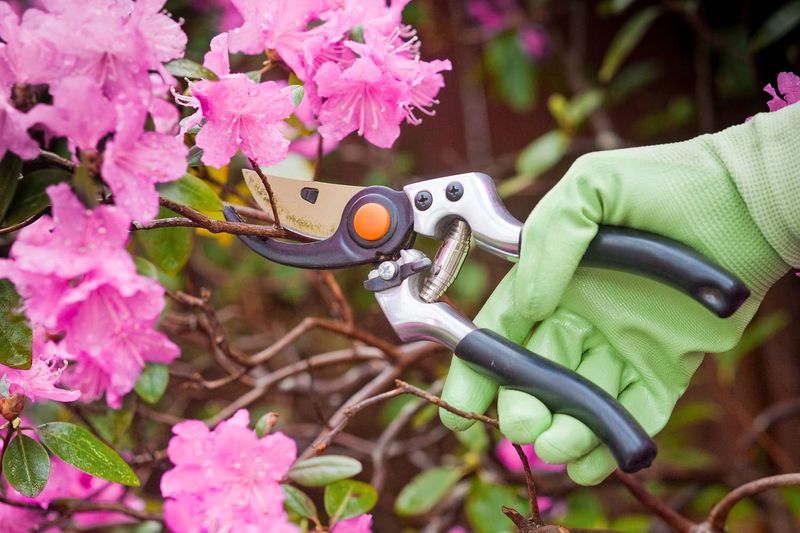
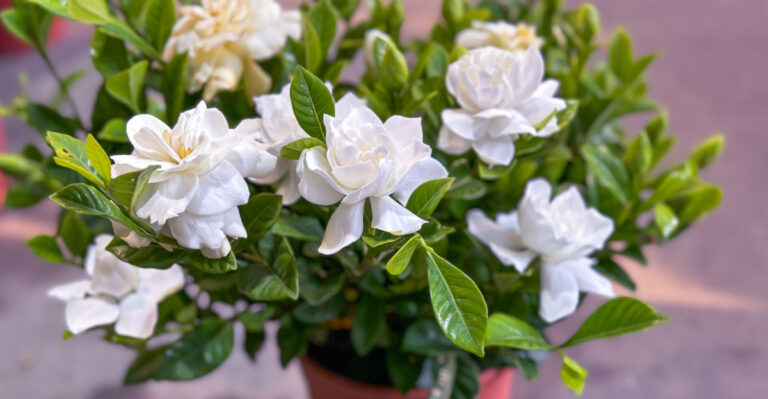
Azaleas, gardenias, and other plants that put on their main show in spring often set their flower buds months before the blooms actually open.
By the time Florida’s spring warmth arrives and those buds are swelling and ready to open, the window for shaping without affecting flowering has already passed.
Pinching or trimming these plants in early spring, just as they are about to bloom, almost certainly means cutting away the very flowers the plant has been working toward.
For spring bloomers, the better timing for any shaping is right after the flowers fade. That post-bloom window gives the plant time to set new growth and, eventually, next season’s buds without interruption.
Florida’s climate does move quickly, so waiting too long after bloom can also push pruning into a period when new bud development is already underway again.
Not every spring-blooming plant follows the exact same schedule, and individual plants in different microclimates around a Florida yard may be ahead of or behind others of the same type.
Watching the plant rather than relying on a fixed calendar date tends to give better results.
If buds are visible or flowers are open, that is a clear signal to hold off on any pinching or trimming. Patience with spring bloomers usually pays off with a fuller, more rewarding display when the right season for shaping finally arrives.
7. Summer Bloomers Can Handle Earlier Shaping
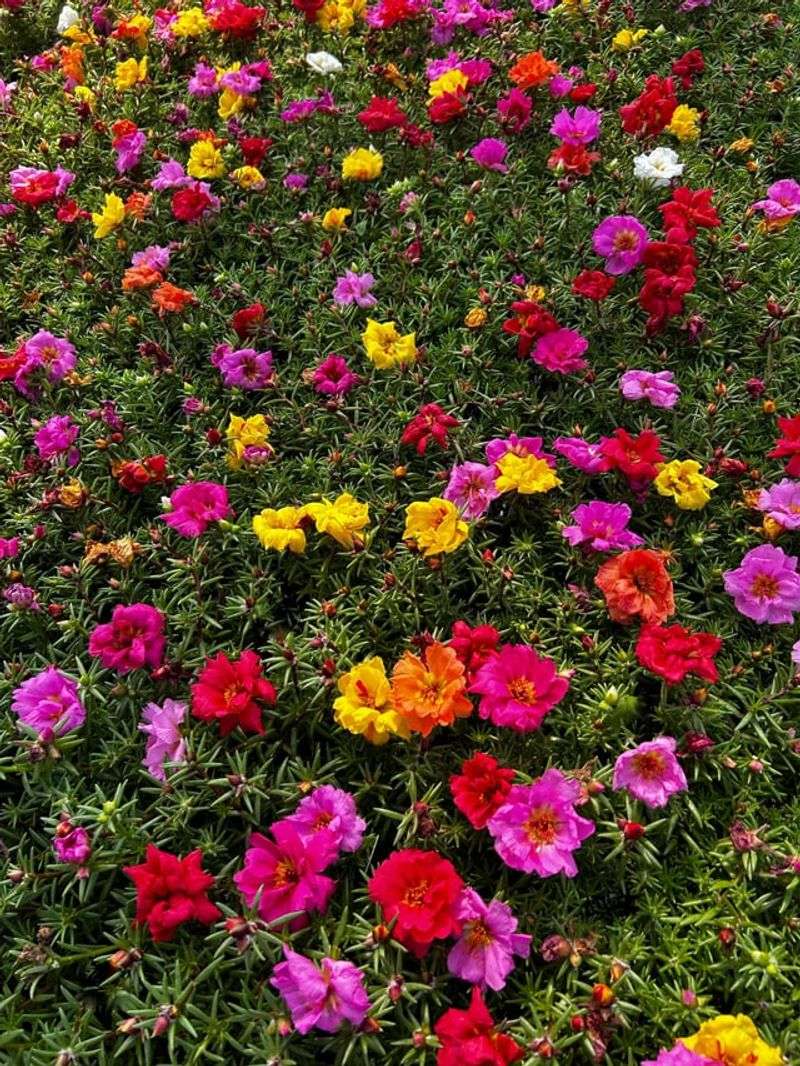
Plants that save their big flowering display for summer often have a more forgiving window for light shaping in spring.
Since their blooms develop on new growth that has not yet formed, a carefully timed pinch in early to mid-spring can encourage branching without removing any existing buds.
That fuller branching structure can then support more flowering stems as summer approaches, which is a welcome outcome in an ornamental bed or container planting.
Pentas, portulaca, and some varieties of salvia are examples of plants that tend to bloom on newer growth and can tolerate light shaping earlier in the season.
However, even with these plants, the response depends on overall plant health, how much growth is removed, and whether conditions like water, light, and soil are adequate to support recovery and new branching.
It is worth noting that even summer bloomers should not be pinched heavily or repeatedly in a short period. Removing too much growth at once, especially from a young or newly transplanted plant, can slow development rather than speed it up.
Florida’s spring weather can shift from pleasant to intensely warm quickly, and plants that are pushed to recover from heavy trimming during a sudden heat stretch may struggle.
Light, selective shaping done with clean tools gives summer bloomers in Florida the best chance to branch out and build toward a strong seasonal performance.
8. Light Pinching Works Better Than Hard Cutting
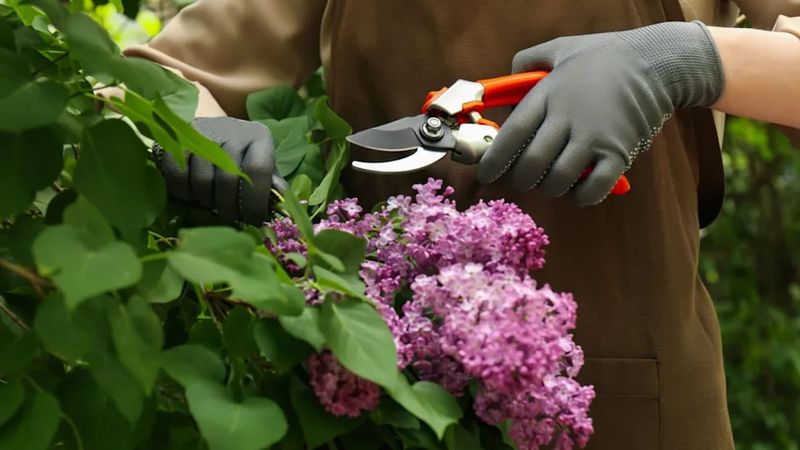
There is a meaningful difference between removing just the tender tip of a stem and cutting a plant back hard.
Light pinching targets the very top of a growing shoot, typically just a small amount of soft green tissue, and leaves the rest of the stem and its leaves intact.
That gentle approach is what allows the plant to redirect energy into side buds without experiencing significant stress.
Hard cutting, by contrast, removes a much larger portion of the plant at once.
In Florida’s warm spring conditions, plants pushed to recover from heavy cuts may respond with stress symptoms.
This is especially true for plants growing in containers that dry out quickly, recently transplanted specimens, or anything already dealing with sandy soil or inconsistent watering.
The effort of regrowing lost tissue takes energy away from root development and overall establishment.
Keeping cuts minimal and tools clean makes the whole process more effective and less risky. Sharp scissors or clean fingernails leave a tidy break on soft stems, which tends to recover faster than a torn or ragged cut.
After any pinching, checking soil moisture is a practical step, particularly for container plants in Florida’s spring heat.
Light, thoughtful shaping done a little at a time is far more reliable than dramatic cutting, and it leaves room to adjust the approach as the plant responds over the following weeks.