The Arizona Citrus Feeding Step That Shouldn’t Be Skipped In August
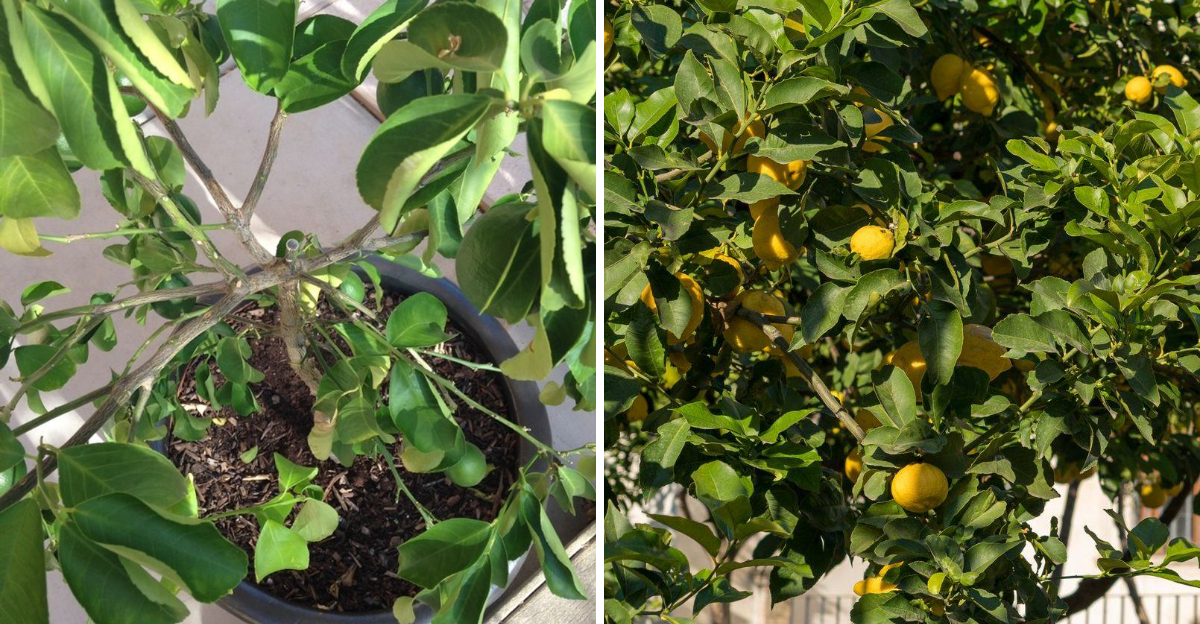
August is not the time to stop paying attention to your citrus trees. Summer stress can leave them looking tired, but one important feeding step helps prepare them for the weeks ahead.
Missing it will not always show right away, yet your tree may feel the effects much later.
Arizona citrus needs careful timing during late summer. Feeding the right way supports healthy roots without pushing tender growth at the wrong time.
Knowing what to use and when to apply it can help your tree stay stronger through the hottest stretch of the season and set it up for healthier growth as temperatures begin to ease into fall. Don’t assume more fertilizer is always better.
One small adjustment now can protect your citrus through the weeks ahead without adding unnecessary.
1. Apply The Final Nitrogen Feeding For Lemons And Limes
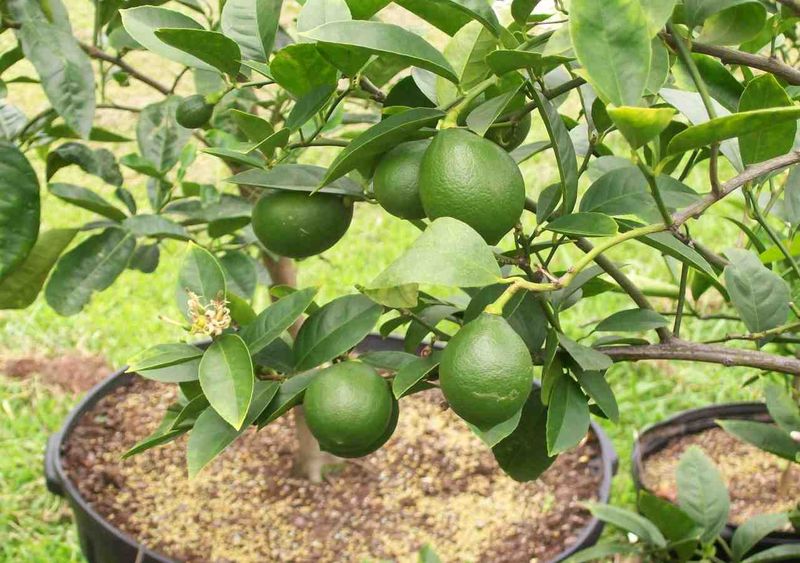
Lemons and limes hit a growth surge in late summer, and nitrogen is what keeps that momentum going. Without it, leaves can turn pale and fruit development slows noticeably before fall even arrives.
August is widely considered the last good window for a nitrogen application before cooler weather sets in.
Pushing nitrogen too late in the season can encourage tender new growth that may struggle during cold snaps in winter.
Granular fertilizers formulated for citrus are a solid choice here. Look for one with a balanced nitrogen ratio, not something sky-high in N, which can push leafy growth at the expense of fruit.
Most mature lemon and lime trees in Arizona benefit from roughly one pound of actual nitrogen per year, split across three feedings. August covers the final third of that annual amount.
Spread the fertilizer evenly across the root zone and water it in well. Dry granules sitting on hot soil without moisture do very little for the tree.
Keep notes on what you applied and when.
Tracking your feeding schedule helps you avoid over-fertilizing, which can cause its own set of problems with soil health and root stress over time.
2. Water The Soil Before Applying Fertilizer
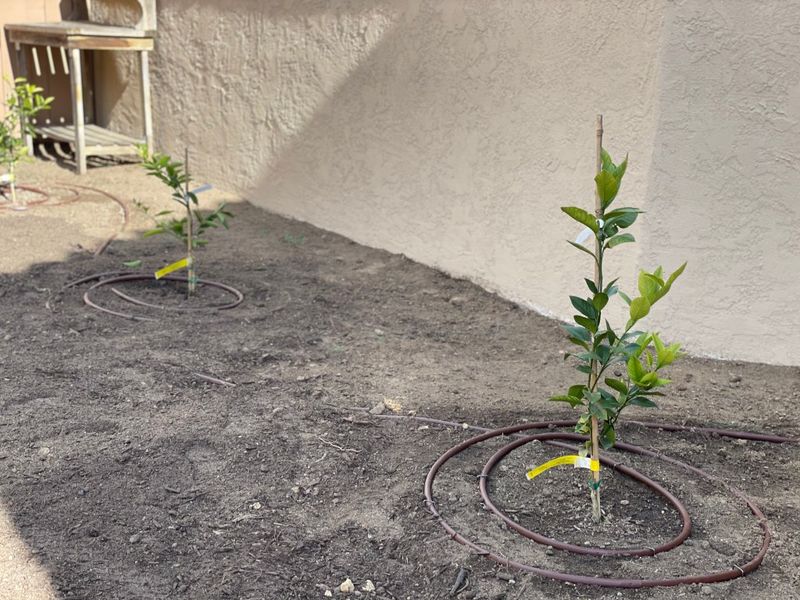
Fertilizing dry soil is one of the most common mistakes citrus growers make in hot climates. Concentrated nutrients hitting bone-dry roots can cause stress and may even burn the fine feeder roots close to the surface.
Pre-watering softens the soil and allows nutrients to move more evenly once you apply the fertilizer. It also activates microbial activity in the soil, which helps break down granular products more efficiently.
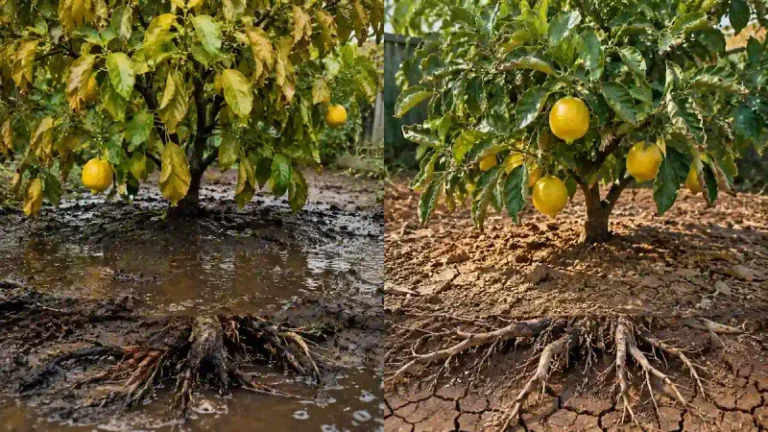
Run your irrigation system or use a hose to water the root zone thoroughly before you feed. You want the soil moist but not waterlogged.
Puddles sitting around the trunk are a sign you have gone too far.
In peak summer heat, soil can dry out within hours.
Watering the evening before and then fertilizing in the morning is a practical approach that many desert gardeners use with good results.
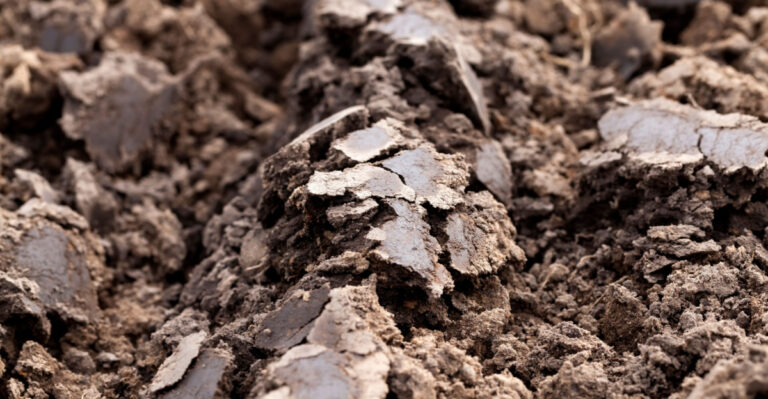
Sandy soils drain faster than clay-heavy soils, so adjust your pre-watering time based on what you are working with. Sandy ground may need a longer soak to hold enough moisture through the feeding process.
Your Arizona Garden Changes Every Week. Your Plan Should Too.
Gardening in Arizona changes quickly throughout the season. Every Friday you’ll receive a simple weekly plan showing exactly what to plant, prune, fertilize, harvest, and protect so you never miss the right timing.
Skipping this step and applying fertilizer to parched ground in August heat is a shortcut that often backfires.
A little preparation before feeding can make a real difference in how well your citrus responds through the rest of the season.
3. Spread Fertilizer Beneath The Outer Canopy
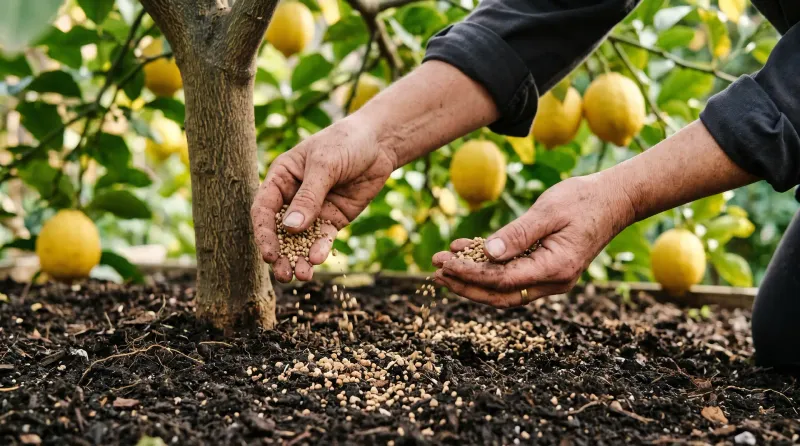
Most people dump fertilizer right at the base of the trunk and call it done. That approach misses the mark almost entirely.
Citrus trees absorb nutrients through feeder roots, and those roots extend outward, not downward. They tend to concentrate beneath the outer edge of the canopy, also called the drip line.
Spreading fertilizer in a ring that follows the outer reach of the branches puts nutrients exactly where the tree can actually use them.
Piling product near the trunk feeds an area with very few active roots.
Walk around the tree and look at where the canopy ends. That outer edge is your target zone.
Spread the fertilizer in a wide band around that perimeter, keeping it relatively even throughout.
Younger trees have a smaller root spread, so your application zone will be tighter.
As trees mature and canopies widen, the feeding zone expands accordingly. Adjust your spread each year as the tree grows.
Uneven spreading can lead to patchy nutrient uptake. Some roots get too much, others get nothing.
Taking an extra minute to distribute the fertilizer evenly across the full drip line area gives the tree a better shot at using what you put down efficiently.
Citrus in the Southwest desert already faces stress from heat and alkaline soils, so precise placement of fertilizer matters more than it might in milder climates.
4. Keep Fertilizer Away From The Tree Trunk
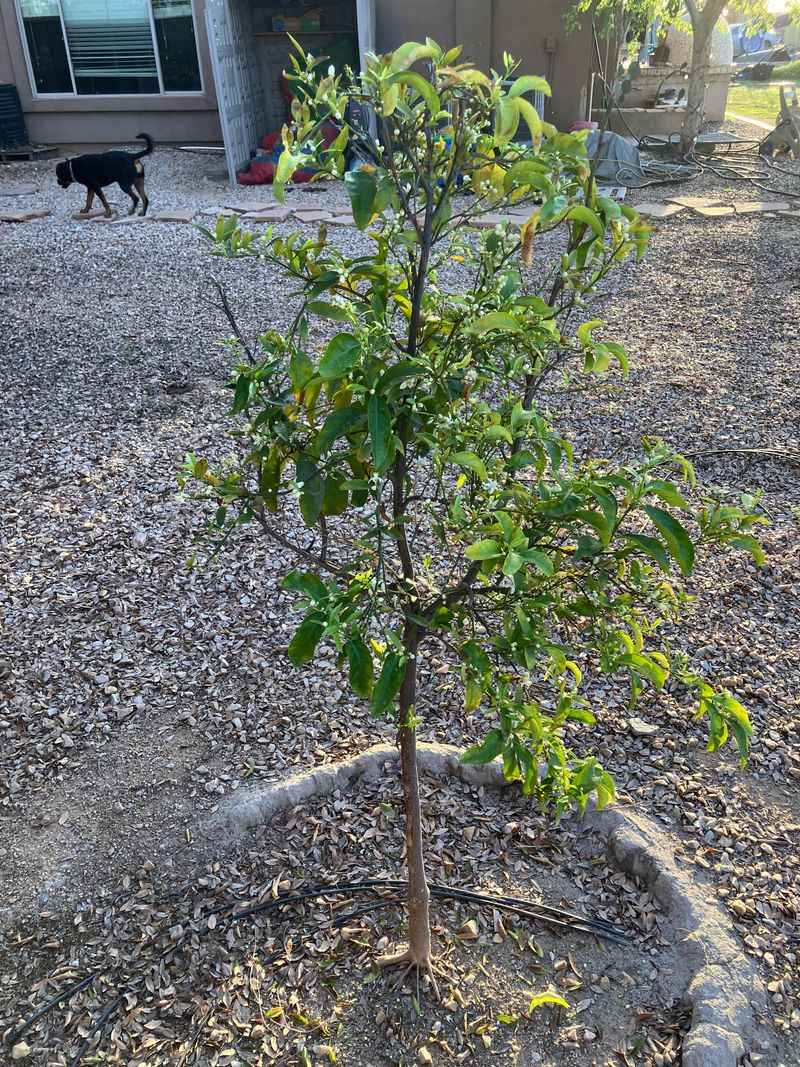
Fertilizer piled against a citrus trunk is a setup for trouble. Concentrated salts and moisture sitting against bark can break down the outer layer over time and create entry points for pathogens.
Trunk tissue is not designed to absorb fertilizer.
Applying product directly against it does nothing beneficial and can cause visible damage, especially in summer when heat amplifies the effect of soil salts.
Leave a clear gap of at least six inches between the trunk base and the start of your fertilizer ring.
Some growers go wider, keeping the nearest edge of fertilizer at the point where the canopy begins to spread outward.
Bark damage near the trunk base is often slow to show up. By the time you notice discoloration or soft spots, the issue may have been building for months.
Prevention is much easier than managing a damaged trunk later.
Mulch can also trap moisture and fertilizer salts near the trunk if it is piled up too high. Keep mulch pulled back from the base of the tree just like you would with fertilizer.
Many experienced citrus growers in Arizona treat the trunk zone as completely off-limits for any soil amendments.
Keeping that area clear and dry is a low-effort habit that supports long-term tree health in a climate that already puts significant stress on citrus bark and root crowns.
5. Use A Citrus Fertilizer With Micronutrients
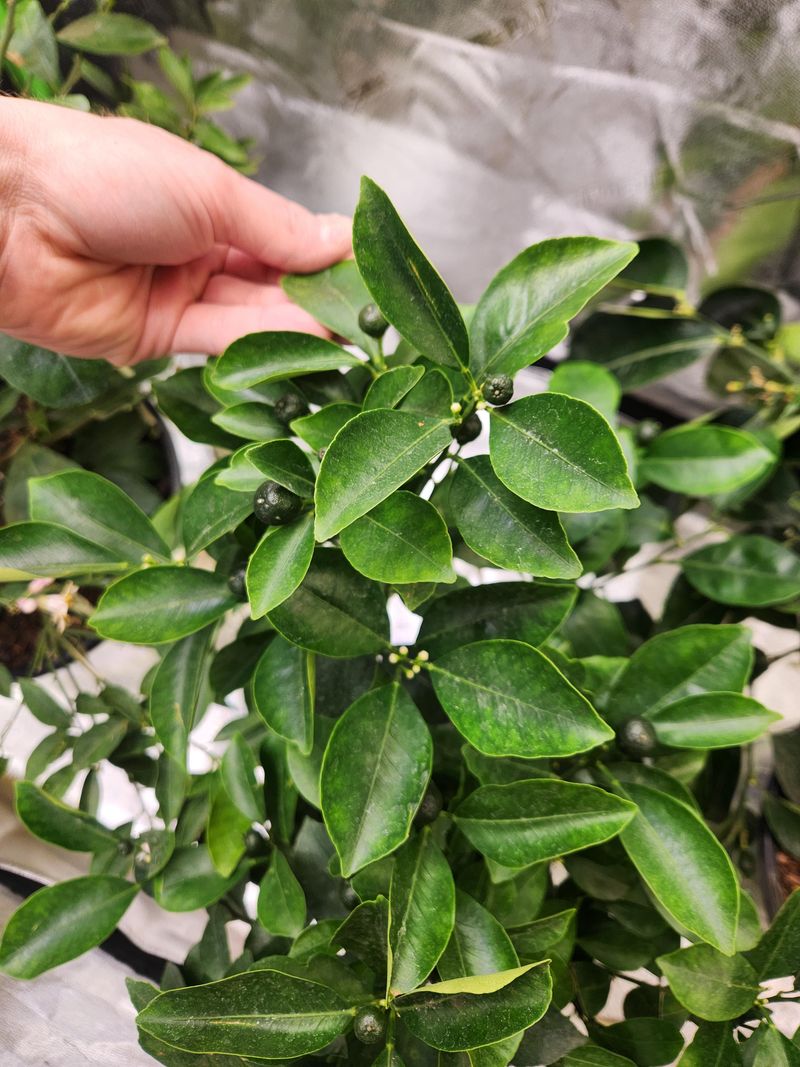
Standard all-purpose fertilizers often fall short for citrus in the Southwest. Alkaline soils lock up key micronutrients, making them unavailable to trees even when those nutrients are technically present in the ground.
Iron, zinc, and manganese are the three most commonly deficient micronutrients in desert citrus.
Each one plays a specific role in leaf development, photosynthesis, and overall tree function.
Iron deficiency shows up as yellowing between the leaf veins while the veins themselves stay green.
Zinc deficiency often causes small, mottled leaves. Manganese issues can look similar and sometimes get misidentified.
Citrus-specific fertilizers are formulated to address these gaps. Look for a product that lists iron, zinc, and manganese on the label, ideally in chelated form, which stays available in alkaline soil conditions longer than standard forms.
Applying a micronutrient-rich fertilizer in August gives trees a nutritional boost right when they need it most. Fruit is sizing up, and the tree needs a full range of nutrients to do that well.
Foliar sprays containing chelated micronutrients can also help in cases of visible deficiency.
They work faster than soil applications because the leaves absorb nutrients directly. However, foliar feeding works best in early morning to reduce the risk of leaf burn in high temperatures.
Choosing the right product from the start saves time and produces better results across the season.
6. Water Thoroughly After Feeding
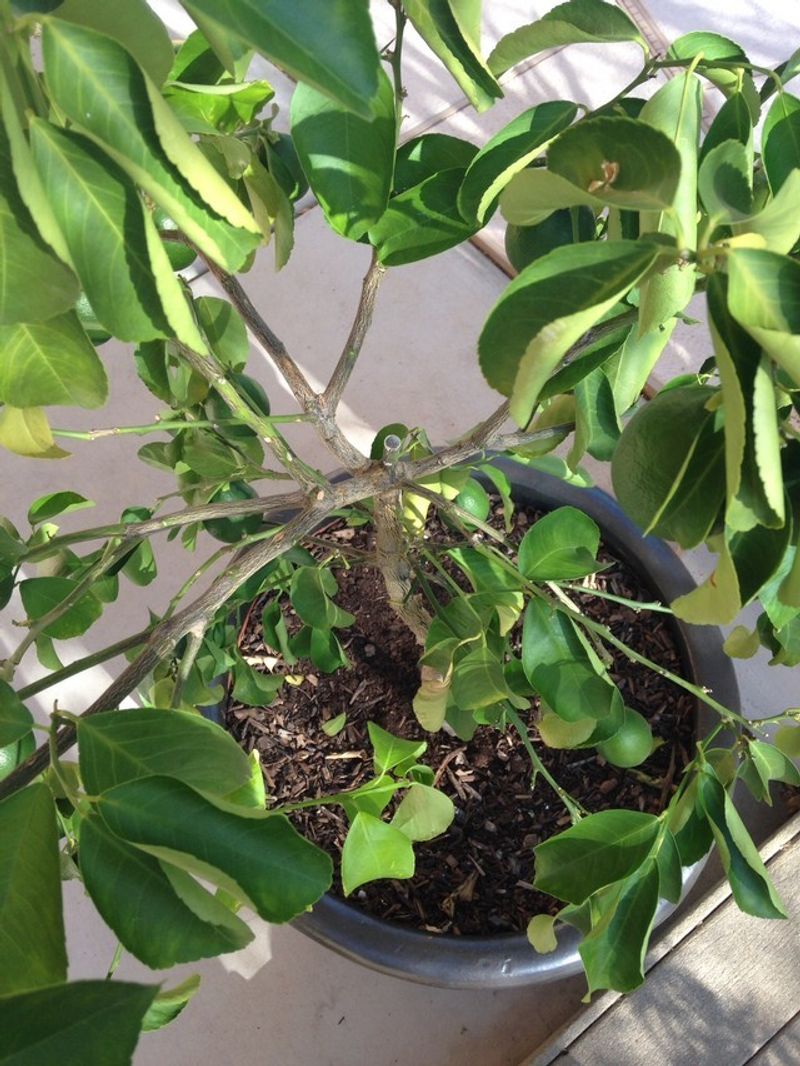
Fertilizer sitting on dry soil without water is essentially inactive. Nutrients need moisture to dissolve and move into the root zone where the tree can actually absorb them.
After applying your citrus fertilizer, water the area deeply and evenly. Surface watering that only wets the top inch or two is not enough.
You want moisture to reach down into the active root zone, which in mature citrus can be twelve inches deep or more.
In the Arizona summer heat, water evaporates quickly. Watering in the early morning or evening reduces evaporation loss and gives moisture more time to soak in before the sun peaks.
Drip irrigation works well for post-feeding watering because it delivers water slowly and directly to the root zone. Running drip lines for a longer cycle after fertilizing is a practical way to ensure thorough saturation without wasting water.
Watch for signs that fertilizer has not been properly watered in. Granules sitting visibly on the soil surface after a day or two suggest the area needs more moisture.
Fertilizer needs to break down and enter the soil to do its job.
Over-watering is also worth watching. Soggy soil in summer can create root problems in citrus, especially in clay-heavy ground.
Aim for deep, even moisture rather than constant wetness. Balance is what keeps desert citrus trees performing well through the heat.
7. Stop Fertilizing Once The Fall Feeding Is Complete
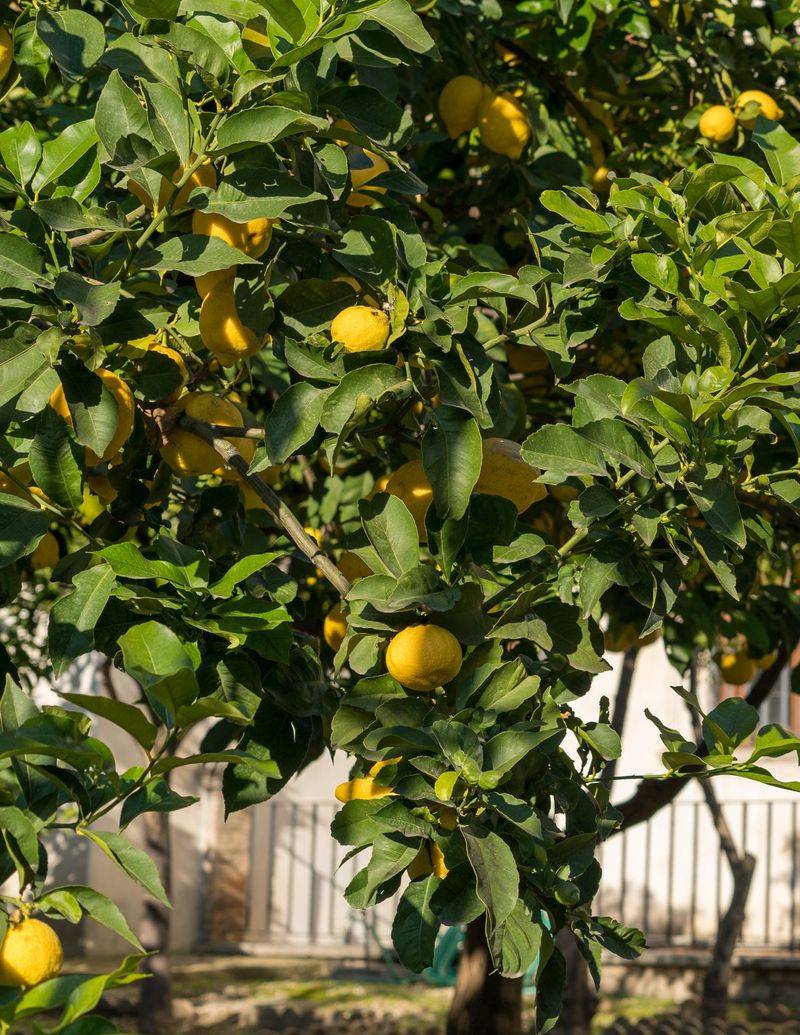
Knowing when to stop feeding is just as important as knowing when to start. Continuing to fertilize citrus into late fall can push new growth at exactly the wrong time of year.
Tender new growth that flushes out in October or November has little time to harden before cooler nights arrive.
In low-desert areas, hard freezes are rare but cold nights below 32 degrees do happen, and soft new growth is the most vulnerable part of any citrus tree.
August feeding is generally considered the last nitrogen application of the growing season for most citrus varieties in warm desert climates.
Some growers extend to early September in particularly warm microclimates, but pushing beyond that point carries more risk than reward.
After the final feeding, shift your focus to consistent watering and general maintenance. Citrus does not need fertilizer to keep growing through fall.
It needs water and stable conditions more than anything else at that stage.
Putting the fertilizer bag away after the August feeding is a discipline that pays off. Trees that are not pushed into late-season growth tend to handle cooler temperatures better and enter the following spring in stronger shape.
Mark your calendar so you remember when the final feeding happened.
Staying on a consistent annual schedule takes the guesswork out of citrus care and makes it easier to track what is working in your specific yard and soil conditions.