The Texas Yard Prep Checklist Every Homeowner Should Do Before August Storm Season
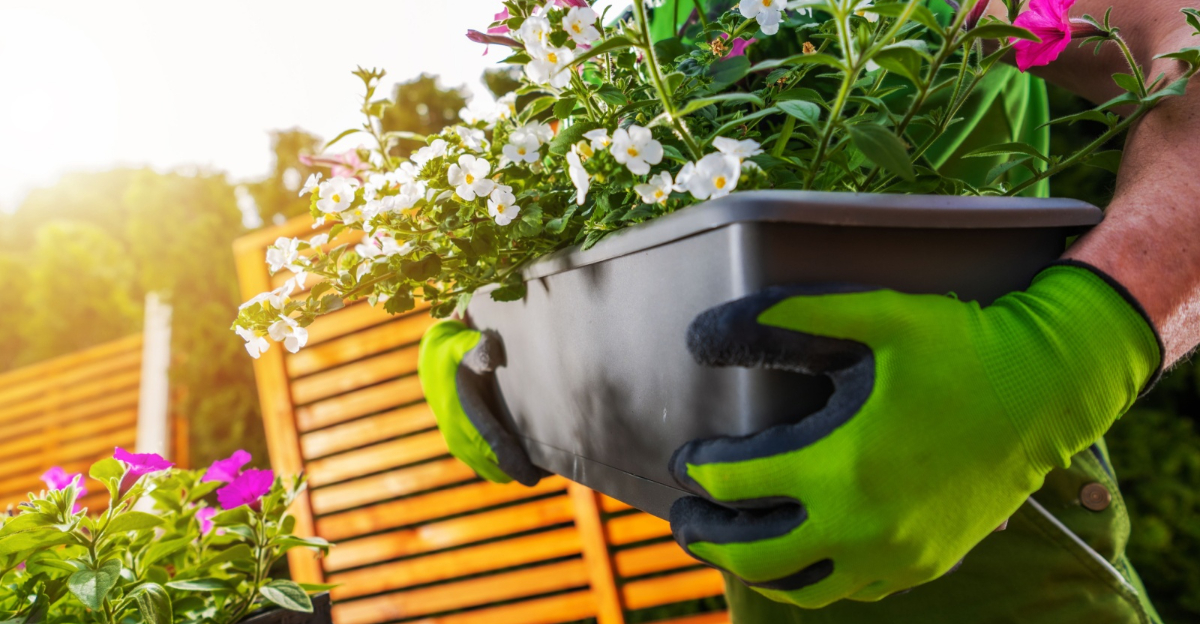
August in Texas has a talent for keeping homeowners on their toes. Gulf moisture builds, winds pick up, and before you have had a chance to check the forecast twice, a serious storm is already reorganizing your backyard for you.
Loose pots become projectiles, weak tree limbs find the worst possible moment to let go, clogged gutters turn into waterfalls in the wrong direction, and that decorative yard art you forgot about suddenly has somewhere very inconvenient to be.
Not exactly the summer evening anyone had planned.
The encouraging part is that a little preparation before August gets serious can genuinely reduce the chaos when a storm rolls through.
This checklist is not a guarantee against every possible scenario, because Texas storms have their own ideas, but working through it gives you a real head start when a forecast suddenly demands your full attention.
1. Inspect Trees For Weak Or Broken Limbs
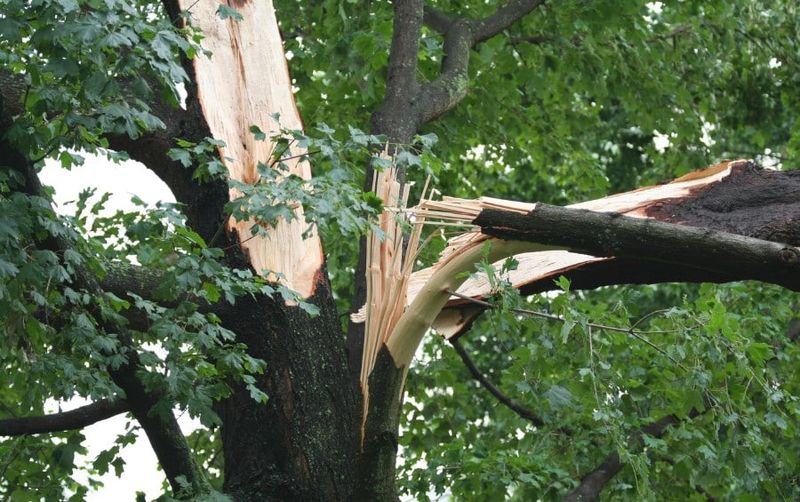
A low branch hanging over your driveway might not seem urgent on a calm July afternoon, but August storms in Texas can push wind speeds high enough to snap weakened limbs without much warning.
Walking your yard and looking up is one of the most practical things you can do before storm season peaks.
You do not need any special equipment to do a basic visual check.
Focus on limbs that look cracked, split, or partially broken. Watch for branches that hang at odd angles or ones that seem to be attached by only a small section of wood.
Compromised wood is often lighter in color, brittle-looking, and may have peeling bark or no leaves at all during a season when nearby branches are full.
Pay close attention to limbs that extend over your roof, fence, driveway, or any outdoor seating area. These locations matter most because a falling branch in those spots can cause serious property damage.
Texas oak trees, pecans, and other large canopy trees are especially worth checking since they tend to hold older, heavier limbs.
Avoid climbing trees or attempting to cut limbs yourself if the branch is large or positioned near a structure. A visual inspection from the ground gives you enough information to decide whether a professional should take a closer look before storms arrive.
2. Call An Arborist For Large Or Risky Branches
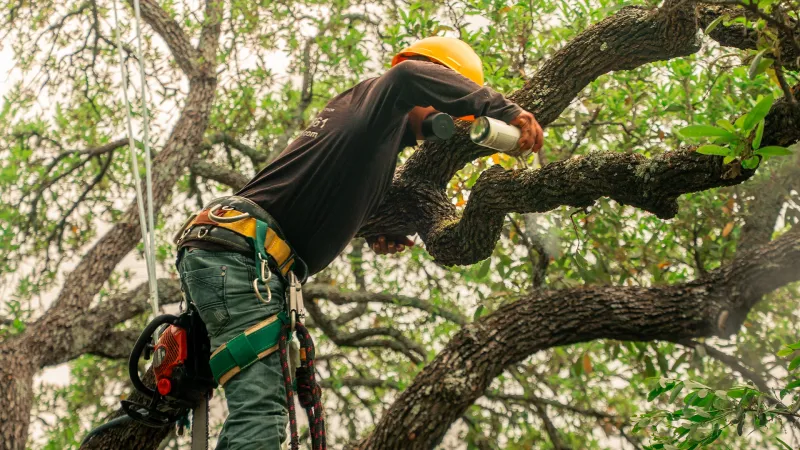
A large limb near a roofline is not a weekend DIY project, especially when August storm season is approaching and the ground may already be softening from early summer rain.
Certified arborists are trained to assess tree structure, identify hidden decay, and remove or trim branches in ways that reduce risk to the tree and your property at the same time.
Branches near utility lines are particularly important to flag.
Working near power lines without proper training and equipment carries serious risk, and most utility companies and tree-care professionals strongly advise against homeowners attempting that work themselves.
If you notice a limb growing toward or touching a line, contact your utility provider or a licensed arborist before the storm window opens.
Your Texas Garden Changes Every Week. Your Plan Should Too.
Gardening in Texas changes quickly throughout the season. Every Friday you’ll receive a simple weekly plan showing exactly what to plant, prune, fertilize, harvest, and protect so you never miss the right timing.
Arborists can also spot structural problems that are not obvious from the ground. Included bark, co-dominant stems, and root zone issues are things a trained eye picks up quickly.
Catching those problems before a storm arrives is far easier than dealing with cleanup and repairs afterward.
Scheduling an arborist visit in late June or early July gives you enough lead time before August. Many Texas homeowners wait until a storm is days away, which makes it harder to get an appointment and leaves less time for proper tree care.
Getting ahead of that rush is a practical move that pays off when a forecast changes quickly.
3. Clear Loose Pots, Furniture, And Yard Decor

Patio chairs sitting loose on an open Texas deck can travel a surprising distance when strong wind arrives. During August storms, even objects that feel heavy on a calm day can become projectiles once gusts pick up speed.
Clearing or securing loose items before a storm is one of the simplest steps on this checklist and one of the most commonly skipped.
Walk your front yard, backyard, and porch with a critical eye. Look for lightweight chairs, side tables, decorative stones, garden sculptures, and any outdoor accessories that are not anchored to a fixed surface.
Plastic furniture is especially vulnerable because it catches wind easily and offers very little resistance once it starts moving.
Moving items indoors is the most reliable option when a significant storm is expected. A garage, shed, or even a covered utility room works well for temporary storage.
If moving everything inside is not realistic, grouping heavy items together in a sheltered corner of the yard can reduce how far they scatter.
Yard decor like metal garden stakes, ceramic pots, and glass lanterns deserves extra attention because those materials can shatter or puncture surfaces when they land.
Texas backyards often have a lot of personality built into the decor, and protecting those pieces before a storm saves both the items and the surfaces around them.
Acting before winds arrive is the key.
4. Secure Trellises, Bird Feeders, And Hanging Baskets
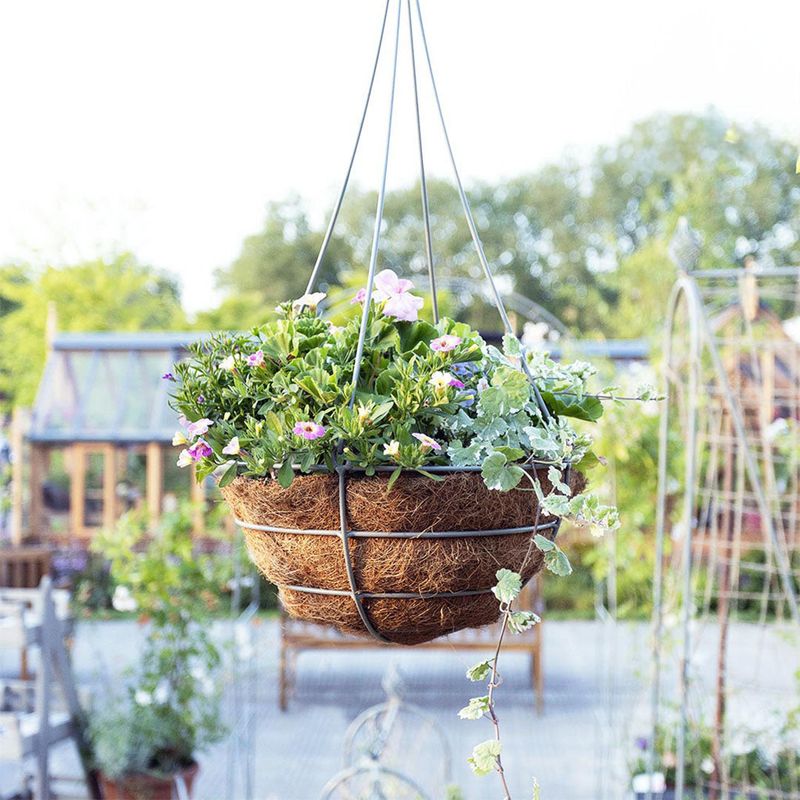
Hanging baskets swinging in a coastal Texas breeze might look charming on a summer morning, but those same baskets can become hazards once storm winds arrive.
Trellises, bird feeders, and hanging planters are among the yard features that homeowners tend to overlook when preparing for August storms, partly because they seem lightweight and harmless on calm days.
Trellises deserve careful attention because they often hold significant weight from climbing vines, and their flat surface area catches wind like a sail. Check that each trellis is secured firmly to a wall, fence, or post.
If the mounting hardware feels loose or the structure wobbles when you push it, reinforce the attachment points before storm season peaks.
Bird feeders hung from shepherd hooks or tree branches can swing hard enough to break their hooks and send the feeder flying. Taking feeders down and storing them inside during storm watches is a straightforward precaution.
Hanging baskets on porch hooks are similarly easy to bring indoors or set on the ground in a sheltered spot.
Texas porches and patios often have several of these items in one small area, which means a single storm gust can create a chain reaction of falling and flying objects.
Spending fifteen minutes walking your porch and yard to check each attachment point is time well spent.
Simple adjustments made now can prevent a longer cleanup job after the storm passes.
5. Clean Gutters And Downspout Exits
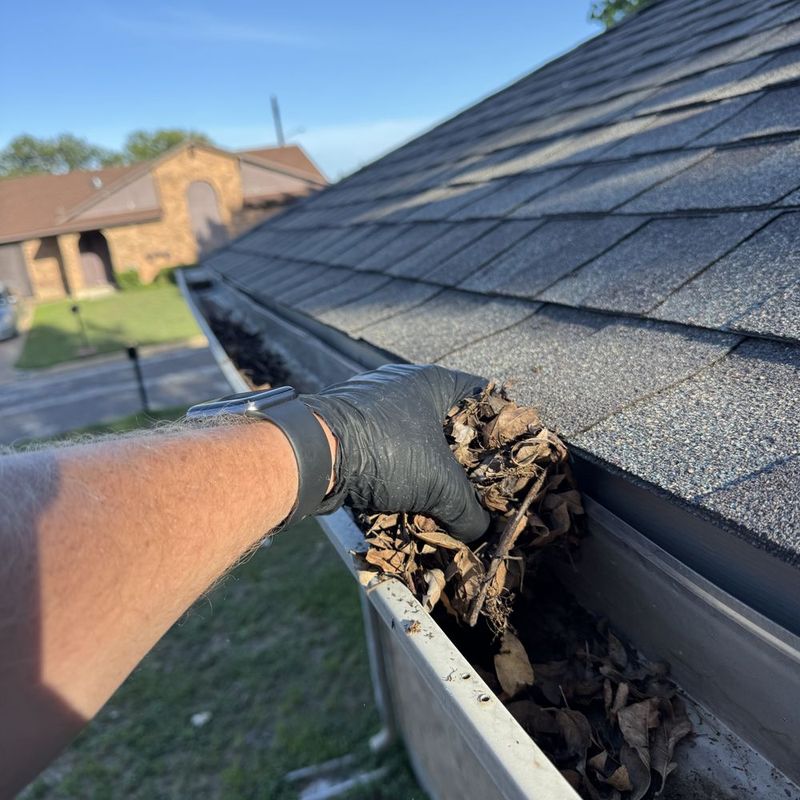
Gutters packed with leaves and seed pods from spring are a common sight across Texas neighborhoods heading into summer.
When August storms bring heavy rainfall in a short period, clogged gutters cannot move water fast enough, which leads to overflow that runs down exterior walls and pools near the foundation.
Cleaning gutters before storm season is one of those tasks that feels tedious but delivers real results.
Start by clearing out any debris from the gutter channel itself. Leaves, twigs, and compacted seed material from oak and pecan trees are especially common in Texas yards and tend to build up quickly after spring winds.
A gutter scoop, garden hose, or wet-dry vacuum can handle most of the work from a stable ladder.
Downspout exits are just as important as the gutters themselves. Check that each downspout is clear all the way to the bottom and that the exit point directs water away from your home’s foundation.
Splash blocks and downspout extensions help move water further from the structure, which reduces the chance of pooling near the slab.
Running a garden hose through the system after cleaning lets you check for slow draining or leaks at the joints. If water backs up or drips from seams, those spots need attention before August rain arrives.
Texas storms can drop several inches of rain in a short window, and a clean, functional gutter system handles that load much better than a clogged one.
6. Check Drainage Around The Foundation
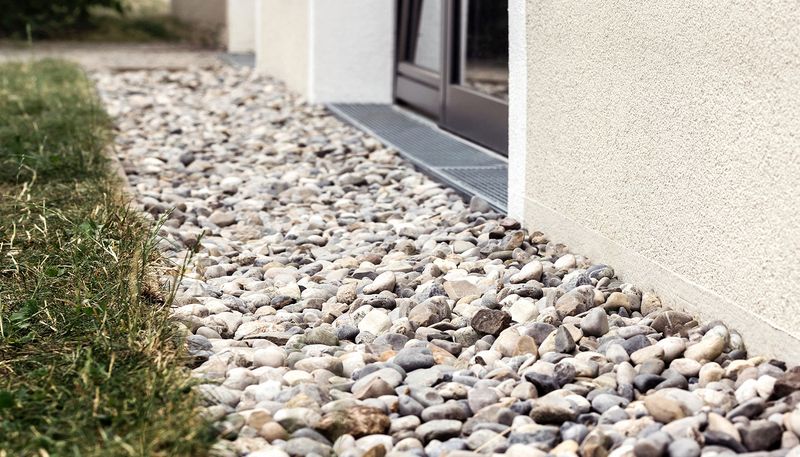
Water pooling beside a slab foundation after a heavy rain is one of those warning signs that is easy to ignore during dry weather.
Texas homes built on slab foundations are sensitive to soil moisture changes, and August storms that drop large amounts of rain quickly can push water toward a foundation if the drainage around the yard is not directing runoff away from the structure.
Walk the perimeter of your home and look for low spots where water tends to collect. Pay attention to areas near air conditioning units, garden beds that have been built up close to the exterior wall, and spots where soil has settled or eroded over time.
These low points act as collection zones during heavy rain and can hold moisture against the foundation for longer than is ideal.
Simple grading adjustments can help redirect surface water. The general goal is to have the soil slope away from the foundation so rain moves outward rather than pooling against the wall.
Avoid adding large amounts of soil or mulch directly against the siding or brick, as that can trap moisture and create other problems over time.
Be thoughtful about where redirected water will go. Sending runoff toward a neighboring property is not a good solution and may create other issues.
Extending downspouts, adding French drains, or consulting a landscaping professional are options worth considering if drainage problems around your Texas foundation are significant before August arrives.
7. Move Container Plants To A Protected Spot
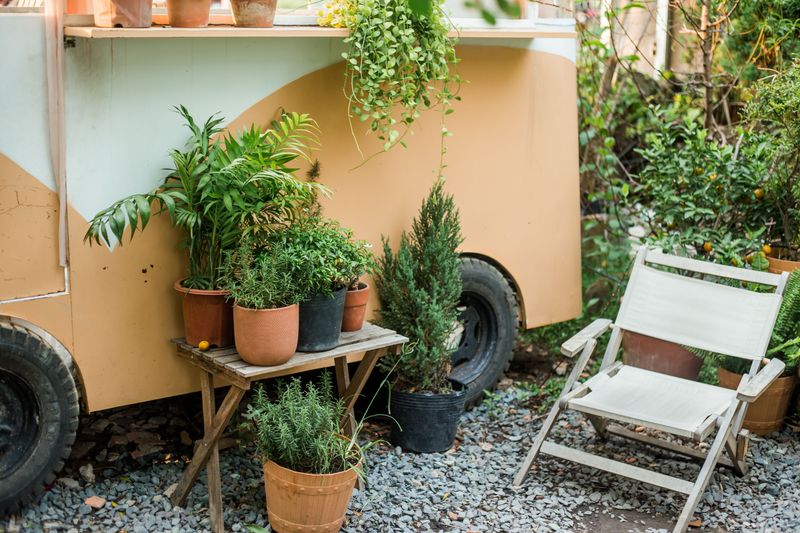
Potted citrus leaning on a sun-drenched Texas patio is a familiar sight in backyards across the state, but those same containers become unstable quickly when storm winds arrive.
Container plants are especially vulnerable during August storms because they combine top-heavy foliage with a relatively narrow base, making them easy to tip even in moderate gusts.
Moving containers to a sheltered location before a storm is one of the more manageable tasks on this list. A covered porch, garage wall, or the sheltered corner of a fence line can significantly reduce the exposure your plants face during high winds.
The goal is to reduce wind exposure without moving plants to a spot where water can pool around their roots.
Heavier containers filled with dense potting mix are harder to move but also harder to tip. If you cannot move a large pot, consider laying it on its side against a wall or fence to reduce its wind profile.
This approach protects both the pot and whatever is planted in it, and it takes only a few minutes.
Texas container gardens often include a mix of herbs, flowering annuals, succulents, and small fruiting trees. Each of those plant types responds differently to storm stress, but all of them benefit from being out of direct wind exposure during a significant storm.
Getting them moved before conditions deteriorate is much easier than trying to act once rain and wind have already started.
8. Remove Yard Debris Before It Becomes Windblown
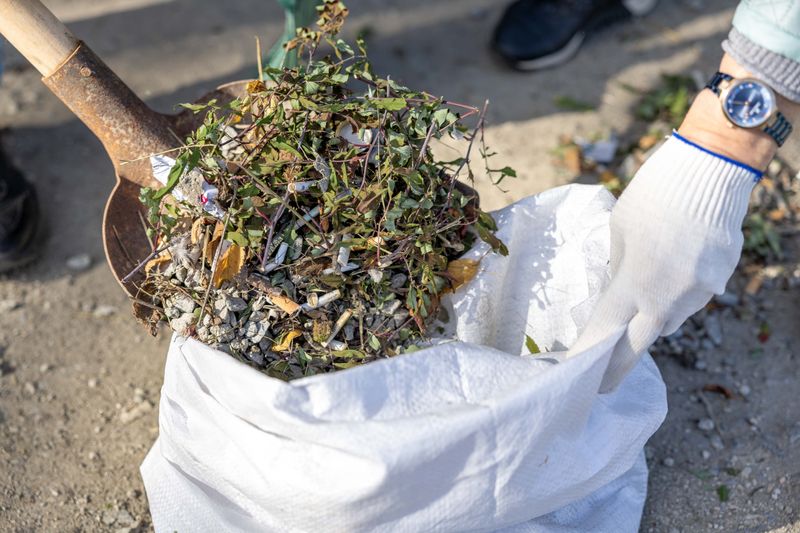
Yard debris collecting near a fence or along a property edge might seem like a low-priority cleanup task, but that pile of sticks, leaves, and broken branches can become windblown material the moment a strong storm system moves through Texas.
Loose debris becomes unpredictable in high wind, and even small sticks can cause damage when they are moving fast enough.
Do a thorough yard walkthrough a week or two before August storm season typically peaks in your area. Gather fallen sticks, spent branches, leaf piles, and any organic material that has accumulated along fences, under trees, or in garden bed corners.
Bagging this debris or adding it to a compost area removes it from the equation before storms arrive.
Pay attention to areas near your home’s exterior walls, windows, and any outdoor HVAC equipment. Debris that collects in those spots can be pushed against surfaces during a storm and potentially cause damage or block airflow.
Keeping those areas clear is a simple precaution that takes very little time when done before storm conditions develop.
Texas storm cleanup after a significant weather event can take days, especially if debris has scattered across multiple properties or ended up in drainage areas.
Removing loose material from your yard before the storm reduces that post-storm workload and lowers the chance that your debris becomes someone else’s problem.
A clean yard heading into August storm season is a yard that is easier to manage no matter what the weather brings.