The Arizona Herbs to Plant Before Halloween That Flavor Every Winter Dinner
In the low desert, October is when the real growing season starts, not spring. Herbs planted before Halloween get cool months to grow strong roots, so they can handle the heat that comes later.
You get fresh flavor for soups, roasts, and stews all winter long, and many of these plants also feed bees or make your yard less inviting to pests. Here are eight herbs that work hard in an Arizona yard and on your dinner plate.
1. Rosemary
Walk past a rosemary hedge on a warm afternoon and you will smell it before you see it. That piney scent is a sign of how well this Mediterranean shrub fits the Sonoran Desert.
It shrugs off 110 degree days, sips very little water once rooted, and keeps its leaves all year.
October planting gives rosemary several mild months to push roots deep into the soil before summer arrives. Pick a full sun spot with fast drainage, and break up any caliche so water does not pool.
Water deeply every few days at first, then stretch it to every week or two by winter.
In the kitchen, a few sprigs turn plain potatoes, roast chicken, or pork loin into something special. Toss a branch on the grill coals for a smoky, herbal finish.
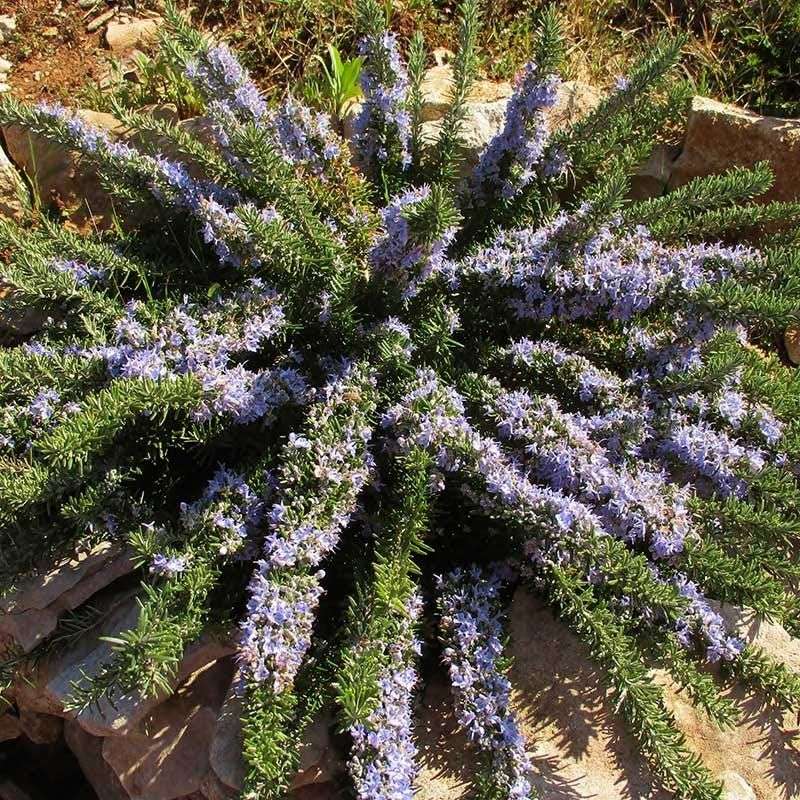
Rosemary is also a quiet winter hero for wildlife, since it often blooms in the cool months when little else is flowering.
Honey bees and small native bees tend to visit those tiny blue flowers on sunny January days. Trailing types look great spilling over block walls, while upright types can form a low, tidy hedge.
Either way, you get a tough, useful plant that asks for almost nothing.
2. Thyme
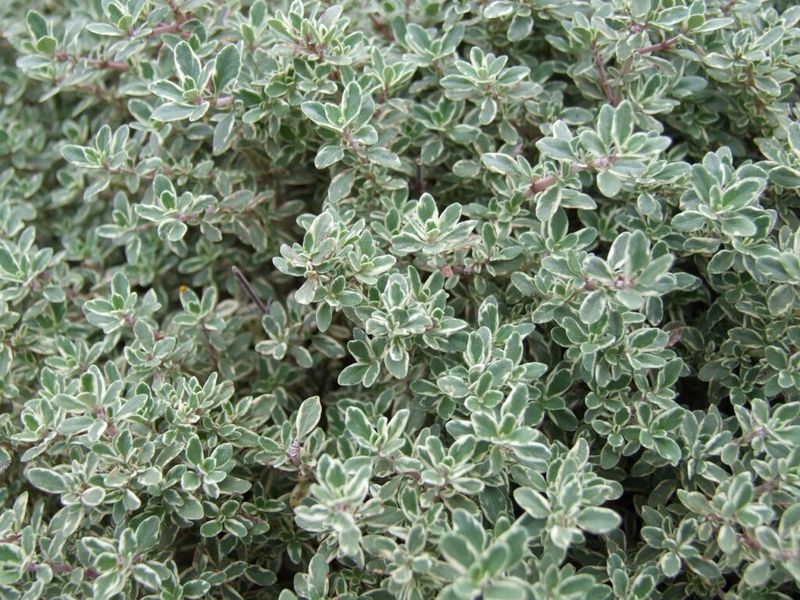
Small but mighty, thyme packs more flavor per leaf than almost any herb in the garden. A single pinch can make a pot of soup taste like it simmered all day.
For desert gardeners, that big payoff from a tiny plant is hard to beat.
Thyme hugs the ground, which makes it a smart pick for tucking between stepping stones or along the edge of a raised bed. It loves sun and lean, gritty soil, so skip the rich compost and heavy watering.
Soggy roots are its biggest enemy, not heat.
Get plants in the ground by late October so they settle in during the mild season. In the hottest parts of the Valley, a spot with a bit of afternoon shade in summer can help it look fresher in July.
Mulch with gravel instead of bark to keep the crown dry.
Once winter rolls around, snip stems for beef stew, chicken pot pie, white bean soup, or a simple pan sauce. French thyme gives classic flavor, while lemon thyme adds a bright twist to fish and roasted carrots.
Tiny spring flowers also draw in small pollinators, giving your yard a little extra buzz.
3. Desert Oregano
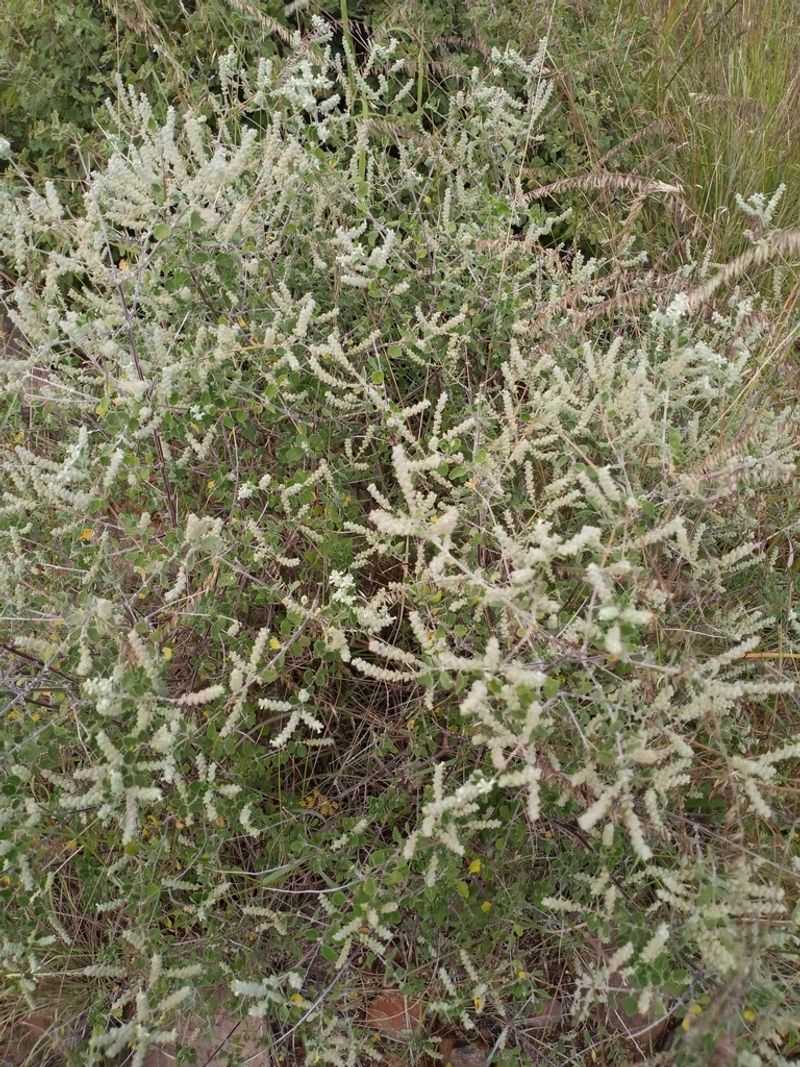
Most oregano at the store comes from the Mediterranean, but Arizona has its own wild version growing on rocky hillsides. Desert oregano, Aloysia wrightii, is a true native shrub with a bold, citrusy taste and a slight peppery bite.
Your Arizona Garden Changes Every Week. Your Plan Should Too.
Gardening in Arizona changes quickly throughout the season. Every Friday you’ll receive a simple weekly plan showing exactly what to plant, prune, fertilize, harvest, and protect so you never miss the right timing.
Once you try it, regular oregano may seem a little shy.
Because it evolved here, this plant handles alkaline soil, intense sun, and long dry spells with ease. Fall is the best time to plant it, so its roots can spread out before the heat returns.
After its first year, it may need only occasional deep watering.
The small white flower spikes are a magnet for native bees and butterflies, which makes it a great habitat plant. A patch near your vegetable bed may help bring more pollinators into the area.
It also adds soft texture next to agave and other desert plants.
Dry the leaves and crumble them into chili, pozole, black beans, or tomato sauce on a chilly night. A little goes a long way, so start with half the amount you would use of regular oregano.
Keeping a native herb that feeds both wildlife and your family is a win on two fronts.
4. Lavender
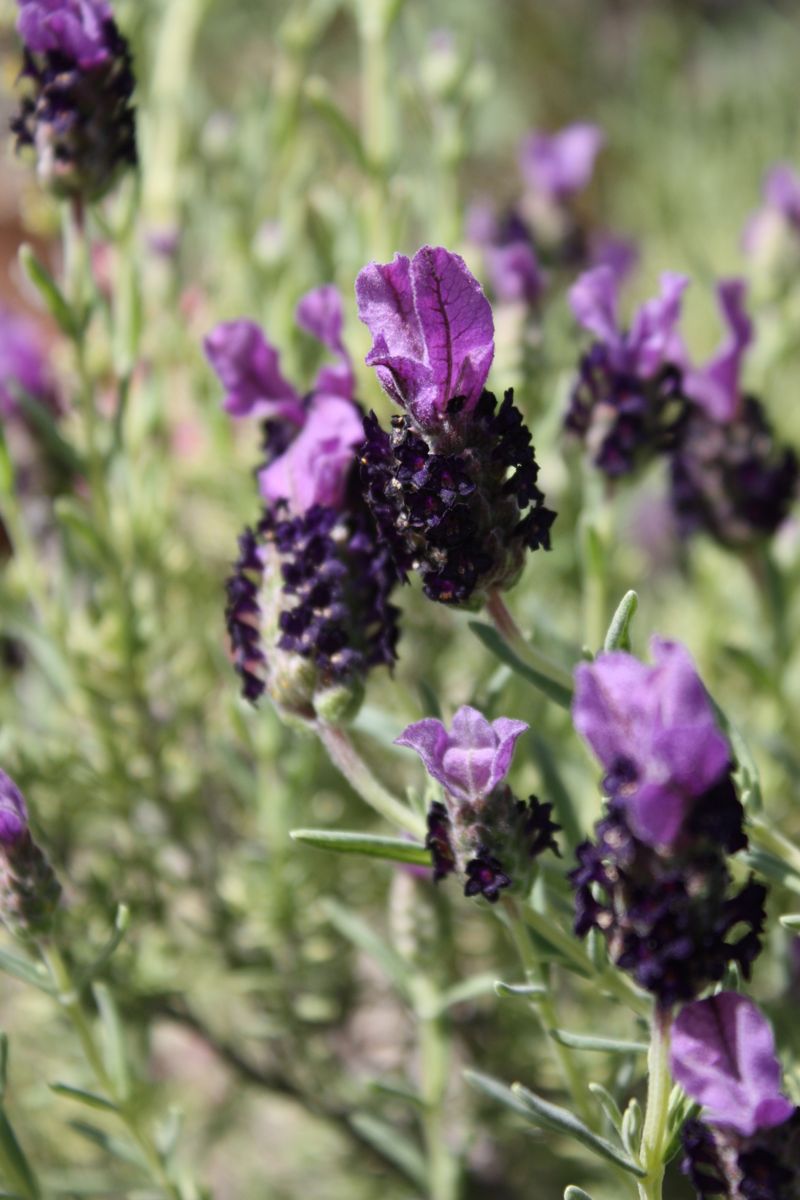
Picture a row of purple blooms swaying near your patio, with bees drifting from flower to flower. Lavender brings that scene to the desert with very little water.
It is one of the few fragrant herbs that truly enjoys our dry air.
Many homeowners also like lavender for its strong scent, which may help make sitting areas less inviting to mosquitoes. Some gardeners plant it near doors and walkways, hoping it makes the area less attractive to scorpions too.
Results vary, but the plant earns its spot either way.
Spanish and French lavenders tend to handle low desert heat better than English types. Plant them in October in full sun with sharp drainage, ideally in a slightly raised mound.
Too much water is the fastest way to lose them, so let the soil dry between drinks.
For winter meals, mix dried buds with salt, pepper, and thyme for a rub on lamb or chicken. Lavender shortbread and honey-sweetened tea are cozy treats on cool evenings.
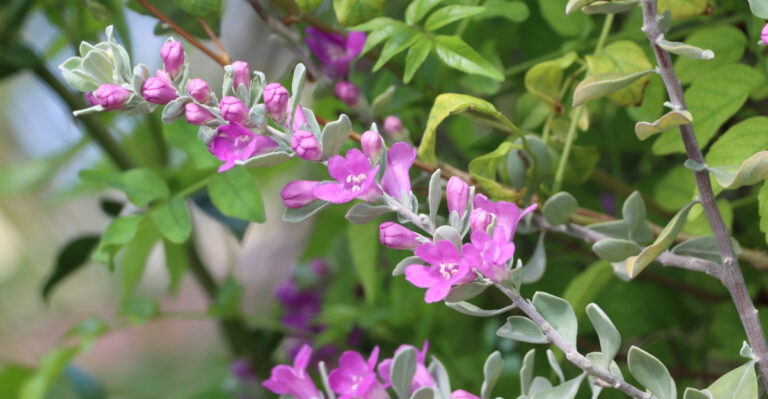
The native desert lavender, Condea emoryi, is another option, offering silvery leaves and blooms that hummingbirds and bees tend to love.
5. Sage
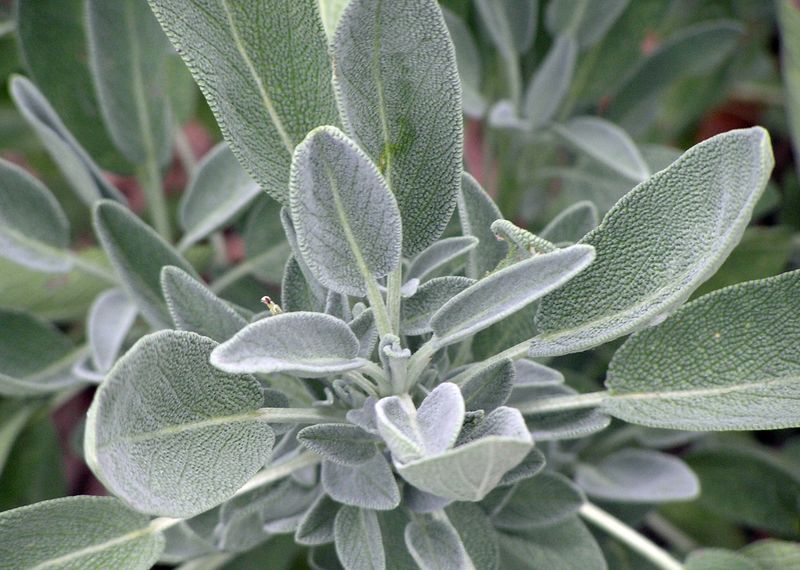
Thanksgiving stuffing without sage just is not the same. That warm, earthy flavor is the backbone of so many cold-weather favorites.
Luckily, garden sage grows well in Arizona when planted in fall.
Its soft, gray-green leaves are covered in tiny hairs that help reduce water loss, a handy trait in dry climates. Give it morning sun and some protection from harsh late-day rays in summer.
Well-draining soil matters more than fertilizer, since too much richness makes the leaves less flavorful.
Planting before Halloween means you could be harvesting leaves by the holidays. Pick from the outside of the plant and leave the center to keep growing.
A few plants are usually plenty for a family.
Here is a simple winter trick: fry whole sage leaves in a little butter until crisp, then crumble them over butternut squash soup or pasta. Sage also pairs beautifully with sausage, pork chops, and roasted root vegetables.
In spring, its purple flowers tend to attract bees and other helpful insects that can support the rest of your garden. For a native touch, consider adding a desert-adapted salvia nearby to feed hummingbirds through the cooler months.
6. Garlic Chives
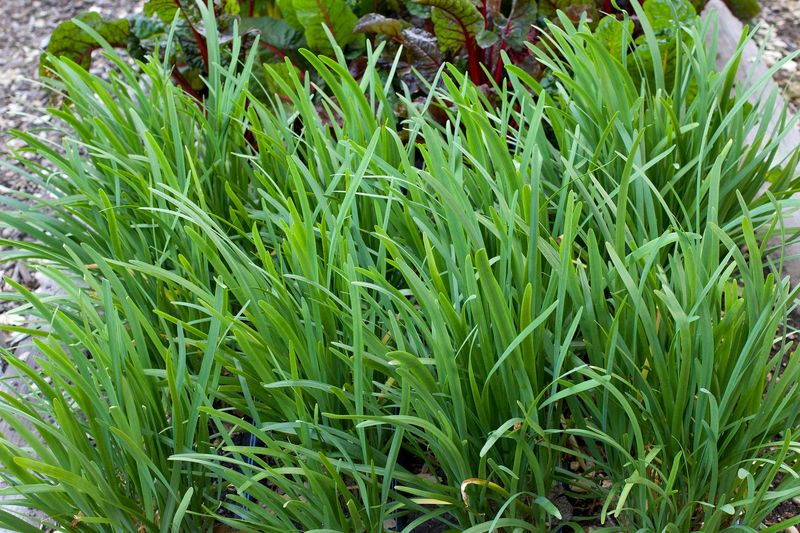
Ever wish you could snip garlic flavor straight from the yard without digging up bulbs? Garlic chives make that wish easy.
Their flat leaves taste like a gentle mix of garlic and onion, and they grow back every time you cut them.
These hardy perennials settle in nicely when planted in October. By the time summer arrives, their roots are ready to ride out the heat, and the clumps come back stronger year after year.
Some afternoon shade and a drip line keep them looking their best.
Winter is when garlic chives really shine in the kitchen. Chop them into scrambled eggs, baked potatoes, dumplings, fried rice, or a bowl of hot noodle soup.
They also make a pretty garnish on chili or creamy dips for game day.
In late summer, the plants send up clusters of white, star-shaped flowers that bees and small wasps tend to visit. Those blooms add life to the garden during a stretch when many plants look tired from the heat.
Just snip off flower heads before they drop seed if you do not want new plants popping up everywhere. With so little fuss, they are a true set-and-forget herb.
7. Mint
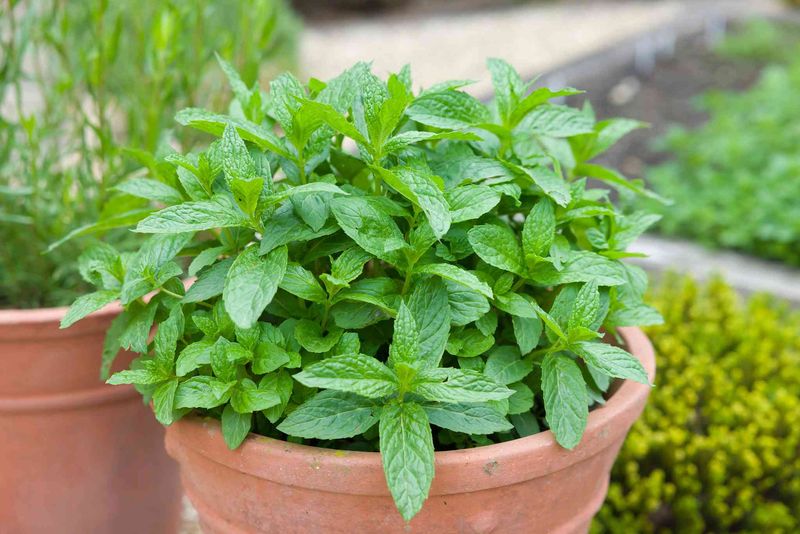
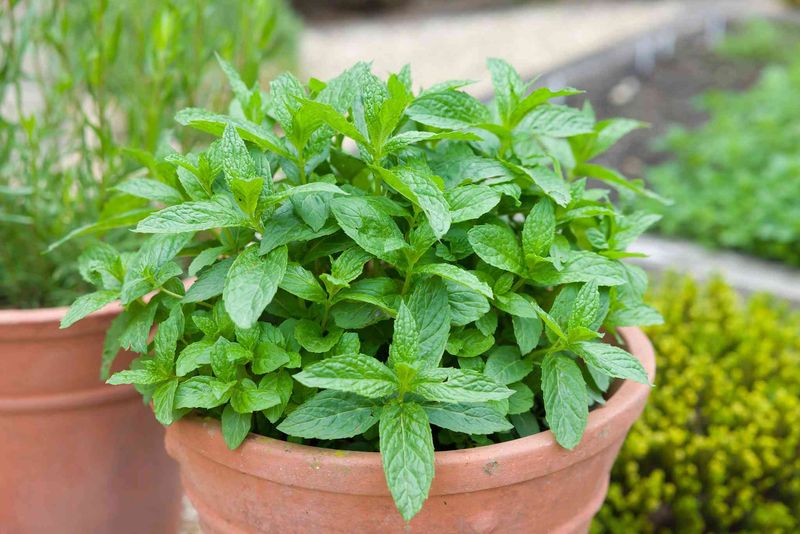
Fair warning: give mint an inch of open garden and it will try to take the whole yard. Its runners spread fast, so most desert gardeners keep it in a big pot.
That one simple choice turns a bully into a well-behaved friend.
Mint likes more water than the other herbs on this list, which is why a container works so well. You can place the pot where it gets morning sun and afternoon shade, like a covered patio or the east side of the house.
Fall planting lets it grow lush before the hot months return.
The strong scent may help make outdoor seating spots less inviting to mosquitoes and ants, so a pot near the back door does double duty. Brushing the leaves as you walk by releases that fresh smell.
Bees also love the small flowers if you let a few stems bloom.
On winter nights, steep a handful of fresh spearmint for a calming tea after dinner. Peppermint is great in hot chocolate, while spearmint brightens lamb, lentil salads, and yogurt sauces.
Chocolate mint is a fun choice for kids who want to help in the garden and taste as they go.
8. Epazote
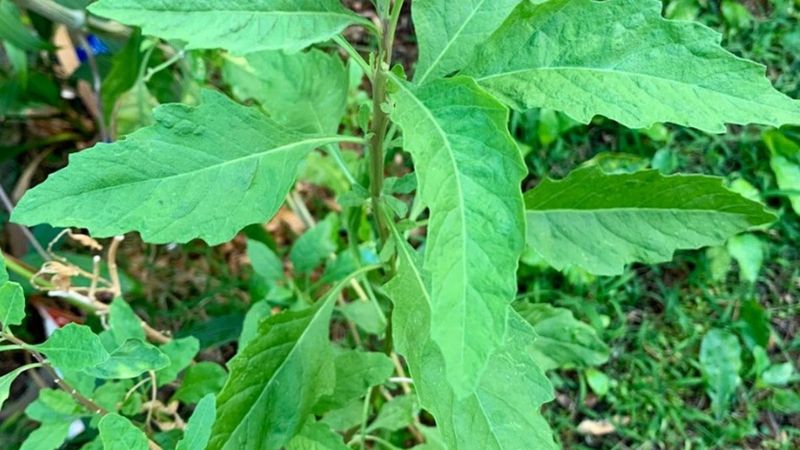
Ask a cook from Oaxaca about black beans, and you will likely hear the word epazote. This bold herb has flavored Mexican kitchens for centuries.
It grows wild across the Southwest, so it feels right at home in an Arizona yard.
The flavor is hard to pin down. Young leaves taste light and a bit citrusy, while older plants lean toward pine or even eucalyptus.
Some people call it an acquired taste, but once you know it, beans without it seem to be missing something.
Epazote is about as easygoing as herbs come. It handles poor soil and heat, and it often reseeds on its own, popping up as a volunteer the next season.
Sow seeds or set out small plants in the fall, then water lightly until they take hold.
For winter cooking, add a sprig or two to a pot of black beans, tortilla soup, or mole verde during the last part of simmering. It also tastes great in quesadillas with mushrooms and cheese.
Use it sparingly, since a little goes a long way. Pinch off flower heads if you want to limit how much it spreads around the garden.