The Arizona Vine That Keeps Patios Cooler In 105° Heat
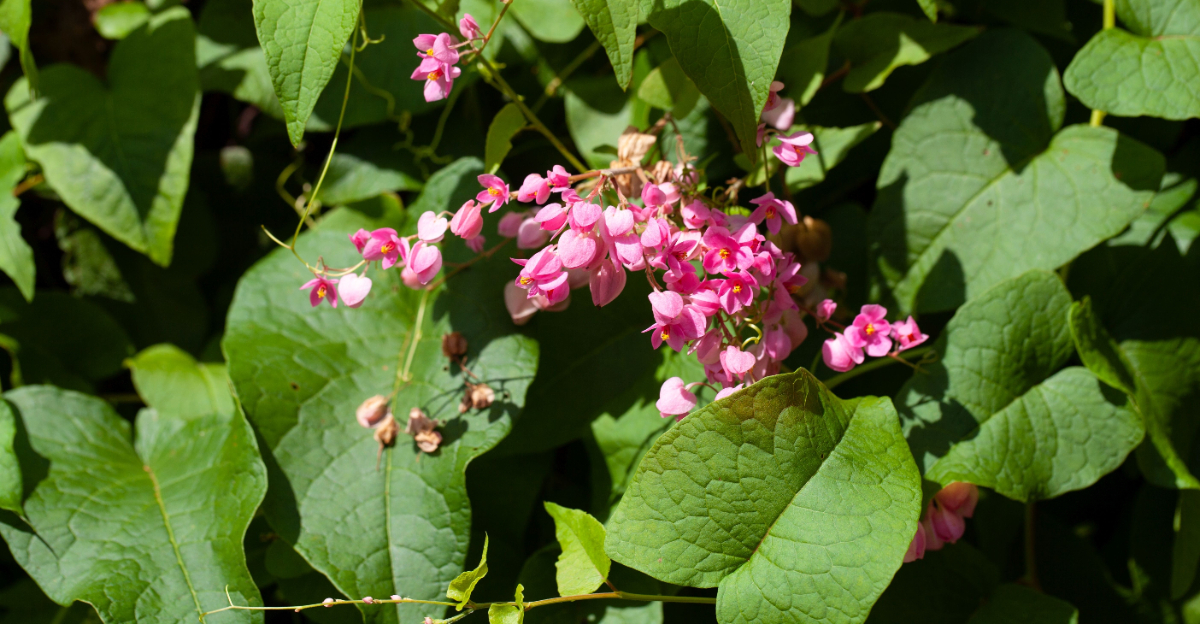
When your patio feels like an oven by afternoon, adding more shade can completely change how you use that outdoor space. A climbing vine can help without covering everything with bulky structures.
The right choice can grow across a pergola or trellis and create a leafy barrier against direct sunlight. That greenery also makes the space feel more inviting.
In Arizona, however, not every vine is ready for days that reach 105 degrees. You need one that can handle intense sun and demanding summer conditions.
Give it sturdy support and enough room to spread. Proper placement will also help the plant provide shade where your patio needs it most.
There are a few growing details worth getting right before planting.
Choose carefully and care for it properly, and that exposed patio could become a cooler, greener place to enjoy throughout summer.
1. Queen’s Wreath Handles Intense Summer Heat
Most flowering vines throw in the towel once the thermometer pushes past 100°F. Queen’s Wreath does the opposite.
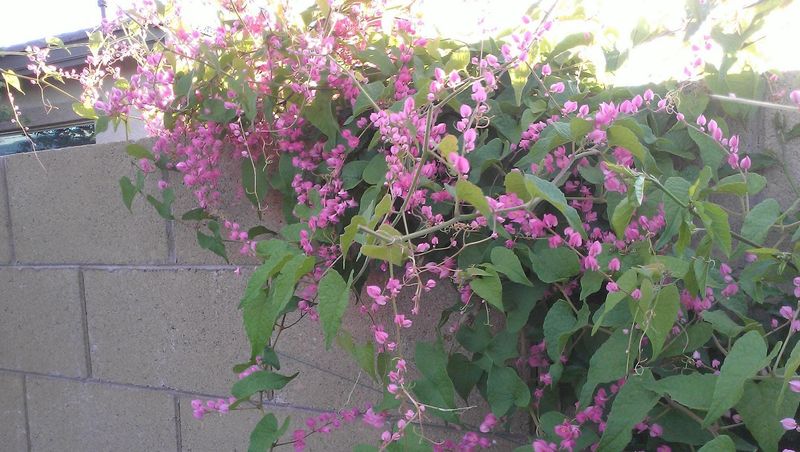
It blooms hardest right when summer heat peaks, putting out long cascading clusters of purple flowers that look almost too pretty to be real.
Botanically known as Antigonon leptopus, this vine originated in Mexico and spread naturally into the desert Southwest. It has adapted over time to handle dry air, blistering sun, and poor soil without much complaint.
That background makes it genuinely well-suited for Arizona’s brutal summers rather than just barely surviving them.
On a 105°F afternoon, the vine’s dense leaf coverage can lower surface temperatures on walls and structures beneath it. Shade from leafy vines does reduce radiant heat, though the actual temperature drop depends on coverage density, wall material, and airflow around the structure.
Blooms typically run from late spring through early fall. The flowers attract hummingbirds and bees, which adds some life to an otherwise scorched yard.
Colors range from deep magenta to soft pink, and some varieties even produce white flowers.
Planting Queen’s Wreath where afternoon sun hammers hardest gives it room to perform well.
2. Train The Vines Over A Pergola For Shade
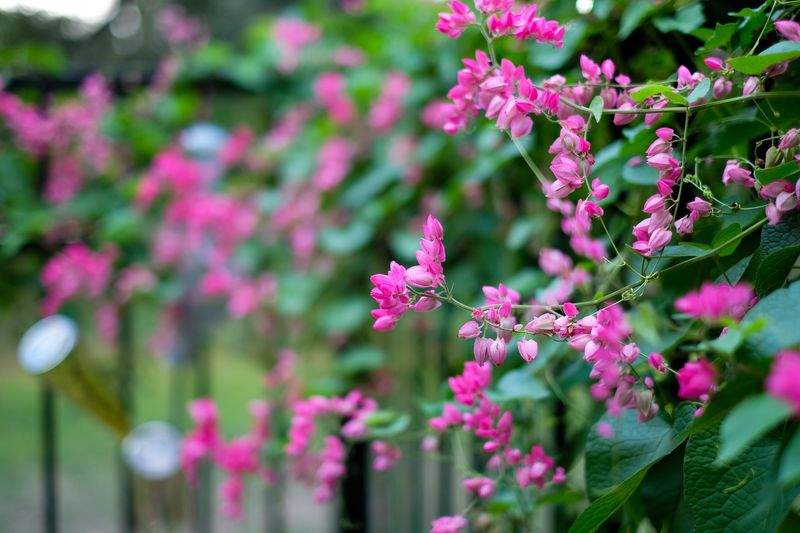
A bare pergola in a desert backyard is basically a metal or wood frame that concentrates heat instead of blocking it. Adding Queen’s Wreath changes that equation fast.
Within one or two growing seasons, the vine can cover a pergola’s roof with enough foliage to create meaningful shade underneath.
Getting the vine to climb where you want takes a bit of guidance early on. Use soft garden ties or twine to direct new stems toward the pergola’s crossbeams.
The vine uses tendrils to grip, so rough surfaces and open lattice give it better traction than smooth metal poles.
Start training from the base up. Pick two or three strong stems and guide them along the uprights before encouraging horizontal spread across the top.
Removing competing stems early keeps growth focused rather than tangled.
Once the vine reaches the top, it fills in relatively quickly during warm months. Consistent watering through the first summer helps it establish faster, though overwatering in clay-heavy soil can cause root problems.
Your Arizona Garden Changes Every Week. Your Plan Should Too.
Gardening in Arizona changes quickly throughout the season. Every Friday you’ll receive a simple weekly plan showing exactly what to plant, prune, fertilize, harvest, and protect so you never miss the right timing.
The payoff is real shade without the permanence of a solid roof. Filtered light still comes through the leaves, which keeps the space from feeling closed in.
3. Give It Full Sun For Strong Growth
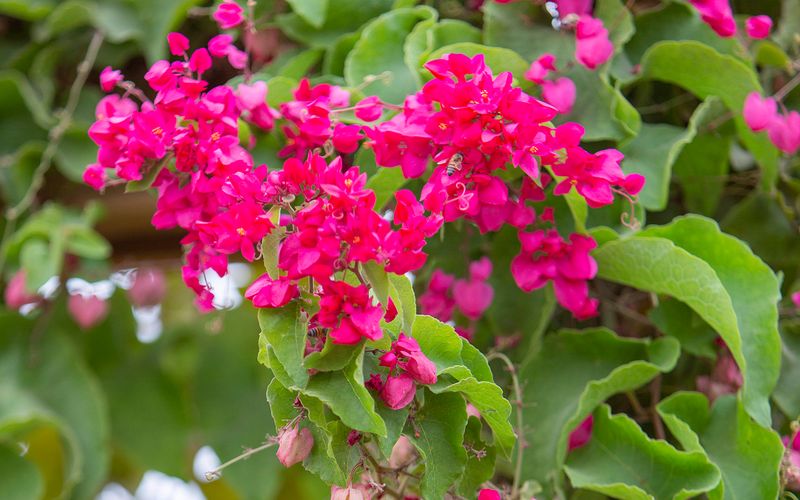
Shade-tolerant plants have their place, but Queen’s Wreath is not one of them. Put it in a shady corner and growth slows down noticeably.
Blooms become sparse. The whole plant looks like it is just waiting for better conditions.
Full sun, meaning at least six hours of direct sunlight daily, is where this vine performs best. Eight or more hours is even better.
South-facing and west-facing exposures in the desert Southwest tend to deliver exactly that kind of intense, consistent light.
Strong sun exposure encourages the root system to develop faster. A well-established root system is what allows the plant to handle drought stress later on.
Skimping on sun early in the plant’s life can slow that foundation-building process considerably.
Walls that reflect heat, like light-colored stucco or concrete block, can actually help push growth during cooler spring months. The radiated warmth extends the growing window slightly on either end of the hot season.
One thing worth knowing: young plants in their first summer may look stressed during the absolute hottest weeks even in full sun. Wilting slightly during peak afternoon heat is normal.
If the plant recovers each morning, root establishment is likely progressing as expected.
Avoid planting near large trees or structures that create extended shade.
4. Use Well-Drained Soil Around The Roots
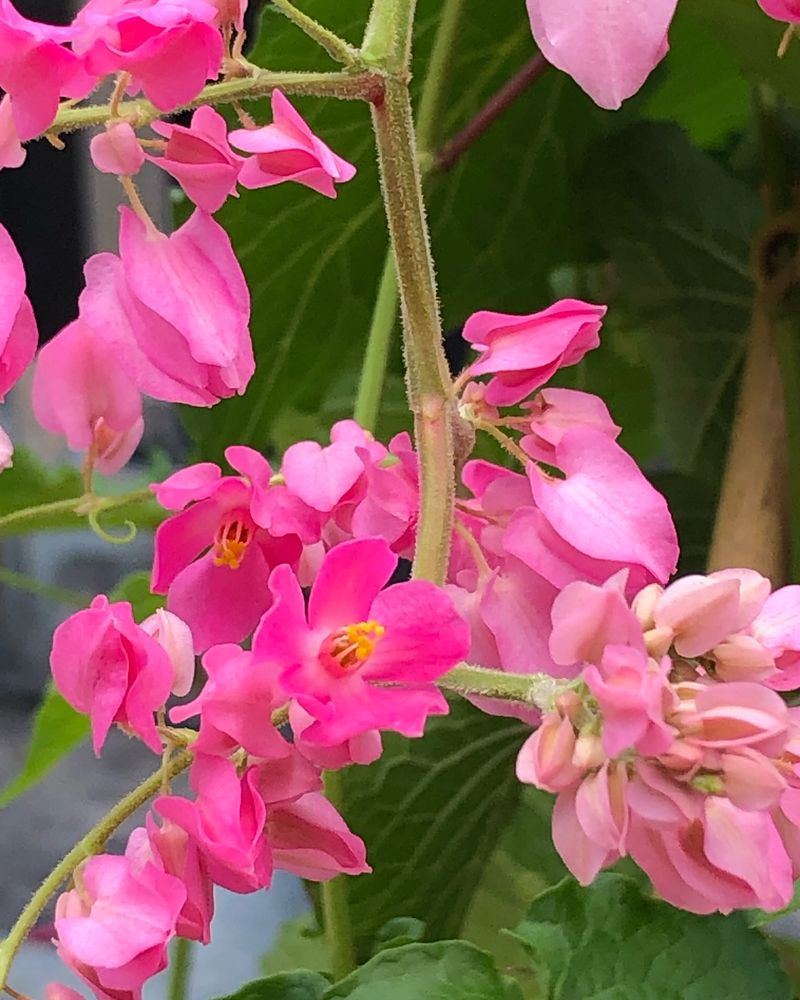
Soggy roots are a real problem for this vine. Queen’s Wreath comes from regions where soil drains fast and water does not linger around the root zone.
Planting it in heavy clay or poorly draining spots can lead to root rot, even in a dry climate.
Sandy loam or amended native soil works well. If your yard has heavy clay, mix in coarse sand or decomposed granite before planting.
Raised planting mounds are another option that improves drainage without a full soil overhaul.
Decomposed granite is a practical amendment in many desert gardens. It opens up soil structure, improves drainage, and stays put without washing away during monsoon rains.
A ratio of roughly one part granite to two parts native soil is a reasonable starting point, though exact ratios depend on your specific soil conditions.
Avoid planting in low spots where water collects after rain. Even brief flooding can stress the root system during the monsoon season, which runs roughly July through September across much of Arizona.
Adding a layer of gravel mulch around the base helps regulate soil temperature and reduces surface moisture loss. Keep the mulch a few inches away from the main stem to allow airflow at the base.
Good drainage does not mean the plant wants bone-dry conditions all season.
5. Water Less Often Once Plants Are Established
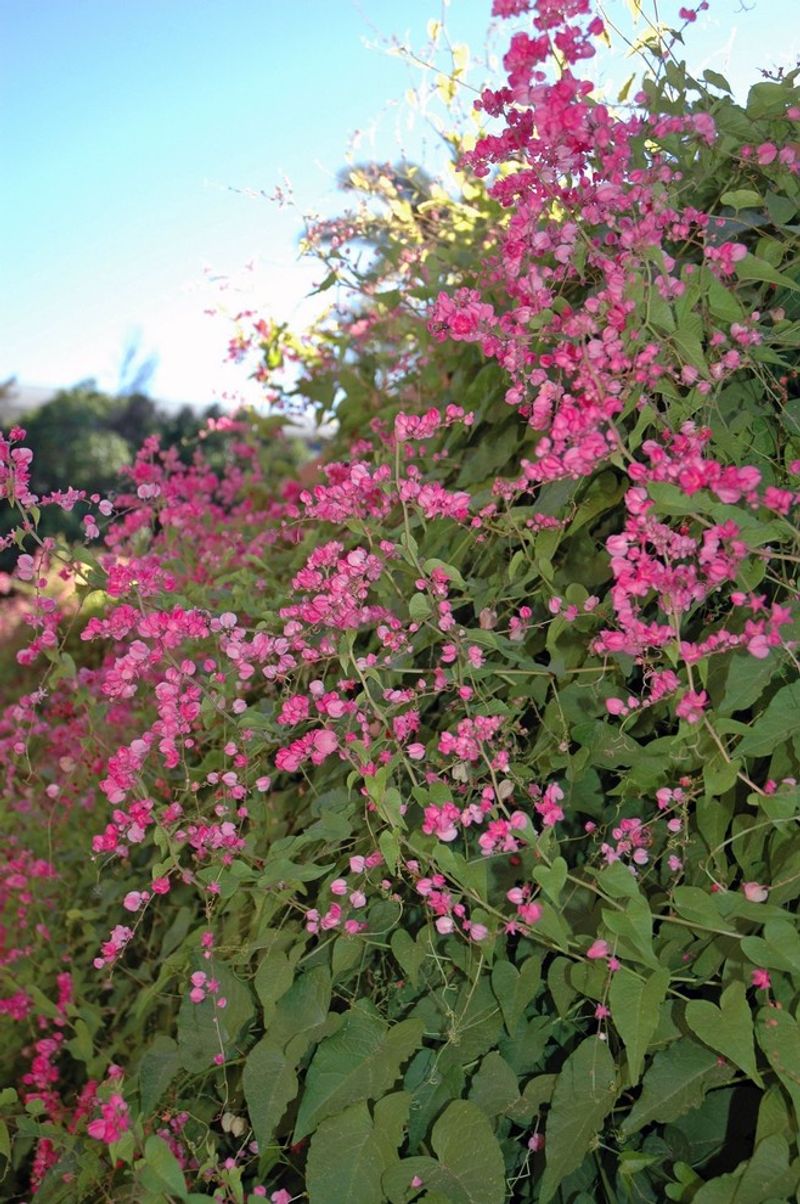
Overwatering is one of the most common mistakes gardeners make with desert-adapted plants. Once Queen’s Wreath gets through its first full growing season, it builds a tuberous root system that stores moisture.
That storage capacity changes how much supplemental water it actually needs.
During the first summer, deep watering two or three times per week helps roots push down into cooler soil layers. After establishment, many gardeners in low-desert zones scale back to once a week or even less during cooler months.
Hot, dry stretches may still call for more frequent watering.
Drip irrigation works well for this vine. A slow, deep watering schedule encourages roots to grow downward rather than staying near the surface.
Surface roots are more vulnerable to heat stress and drought fluctuations.
Watch the leaves for cues. Slight wilting in peak afternoon heat is normal and does not signal a watering emergency.
Persistent wilting early in the morning, before temperatures climb, usually means the plant is genuinely dry and needs water soon.
Monsoon rains often provide enough natural moisture during mid-summer to reduce irrigation needs temporarily. Adjusting your schedule based on actual rainfall rather than sticking to a fixed routine tends to produce better results.
6. Trim Winter-Damaged Stems Before New Growth Returns
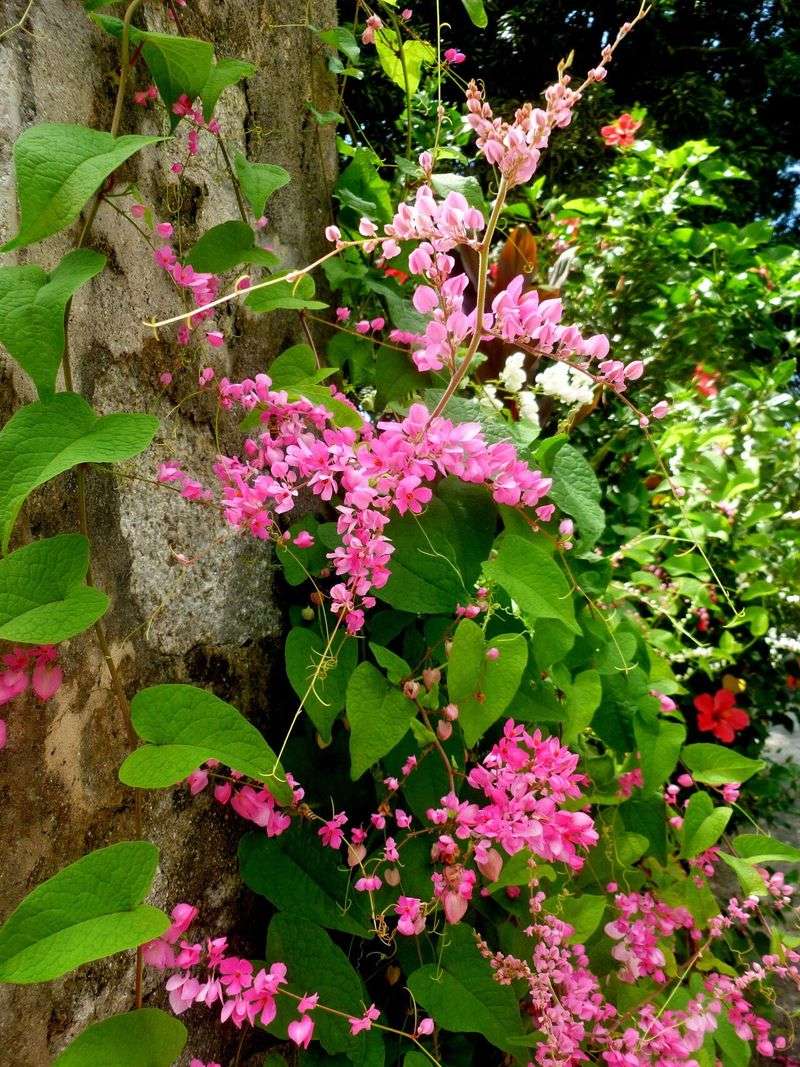
Cold snaps catch desert gardeners off guard sometimes. Queen’s Wreath is frost-sensitive, and a hard freeze can damage or remove above-ground stems while leaving the root system intact underground.
Knowing what to do in late winter makes a real difference in how quickly the vine bounces back.
Wait until late February or early March before cutting anything. Pruning too early can expose tender base growth to a late frost.
Waiting too long means new shoots have to push through old, damaged wood, which wastes energy and slows the plant down.
Look for green tissue under the bark before cutting. Scratch a small section of stem with your fingernail.
Green or white underneath means the stem is still viable. Brown and dry all the way through means it should come off.
Cut damaged stems back to where healthy tissue begins. If the entire above-ground portion looks brown, cut back to just above the soil line.
The root system often pushes up fresh growth from the base once temperatures warm consistently.
Clean cuts with sharp pruning shears heal faster than ragged ones. Wipe blades between cuts if you are working on multiple plants to avoid spreading any potential issues between stems.
After trimming, a light application of balanced fertilizer can help encourage new growth.
7. Leave Enough Space For Its Vigorous Spread
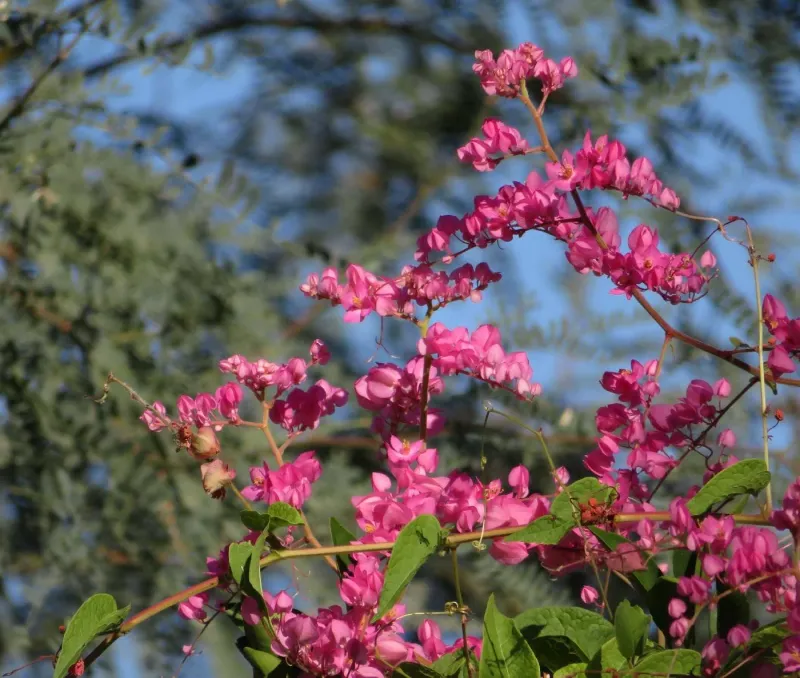
Underestimating how far this vine spreads is a mistake plenty of gardeners make the first time around. Queen’s Wreath can cover a surprising amount of horizontal and vertical space within just a couple of seasons.
Planning for that spread from the start saves a lot of cutting back later.
A mature vine can easily reach 20 to 40 feet in length under favorable conditions, though actual size varies depending on soil quality, water availability, and local climate.
Planting it against a short fence without a plan for overflow is asking for work later.
Space plants at least 6 to 8 feet apart if you are running multiple vines along a structure. Crowding them together creates competition for nutrients and reduces airflow, which can encourage powdery mildew during humid monsoon periods.
Nearby plants and shrubs need consideration too. Queen’s Wreath will climb over and through neighboring plants if given the chance.
Keeping it away from smaller ornamentals protects those plants from being shaded out or tangled.
Annual pruning after the growing season helps keep the vine within a manageable footprint.
Hard pruning every few years can rejuvenate older plants that have become woody and less productive at the tips.
Giving it a large trellis, long fence line, or wide pergola from the beginning lets the vine do what it does naturally.