The Best Way To Water Michigan Gardens During A Humid Spell To Prevent Blight
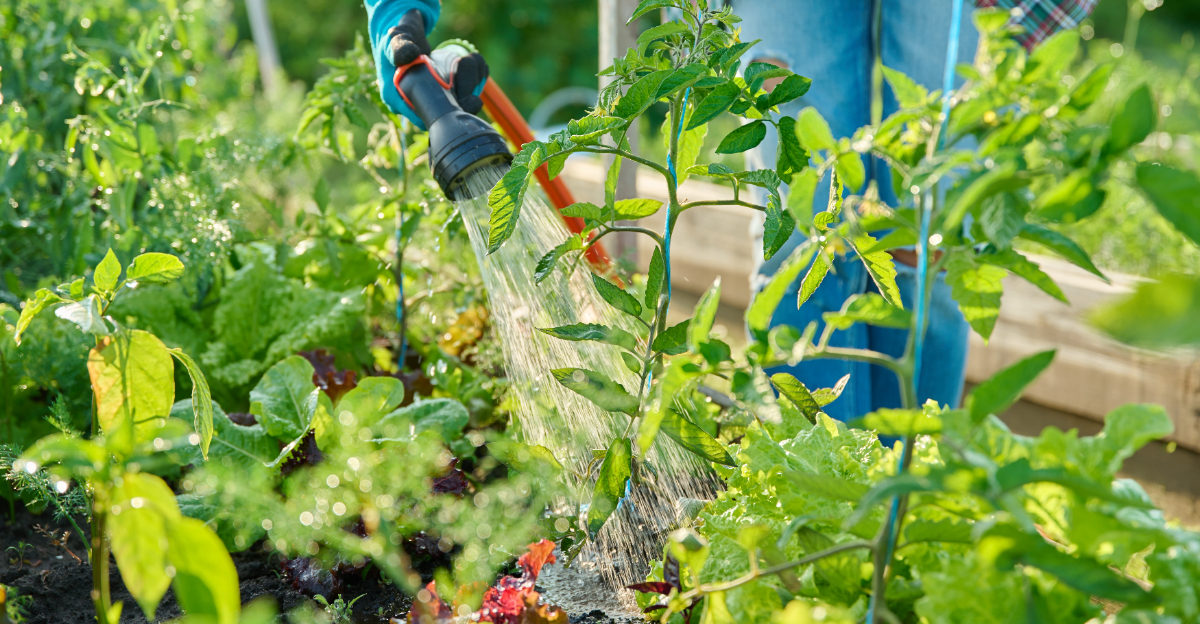
Watering at the base of plants, rather than overhead, becomes especially important during Michigan’s humid summer stretches when blight risk increases significantly.
Wet foliage combined with warm, sticky air creates ideal conditions for fungal spores to take hold and spread quickly.
Early morning watering allows any splashed moisture on leaves to dry before evening humidity settles in overnight. Soaker hoses or drip irrigation deliver water directly to roots, keeping leaves dry throughout the entire watering process.
Spacing plants properly also improves airflow, helping foliage dry faster after unavoidable rain or dew. Avoiding watering in the evening prevents moisture from lingering on plants through the humid nighttime hours.
Removing any already affected leaves quickly helps slow the spread before it reaches healthy growth. Adjusting these simple habits during humid spells can make a real difference in keeping blight away from your garden.
1. Water At Soil Level Instead Of Wetting The Leaves
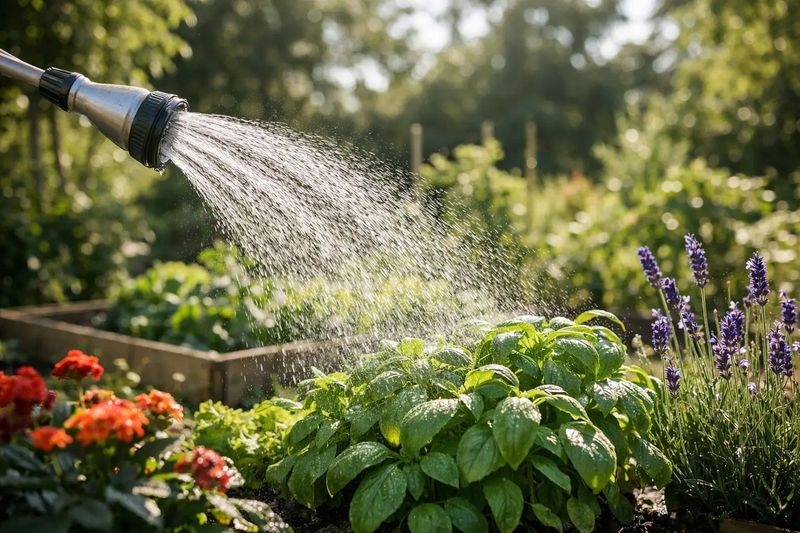
Watering at the soil level is one of the smartest moves any Michigan gardener can make during a humid stretch. When you direct water straight to the root zone, you give plants exactly what they need without soaking the foliage above.
Drip irrigation systems and soaker hoses are two of the easiest ways to make this happen, and they work beautifully in raised beds and traditional garden rows alike.
Tomatoes, peppers, cucumbers, and beans are especially vulnerable when their leaves stay wet for extended periods. Even a few extra hours of moisture on the foliage can create the kind of environment where fungal and bacterial diseases thrive.
Densely planted flower beds face the same risk, so keeping water away from leaves matters across the entire garden, not just the vegetable patch.
Drip lines sit right at the base of each plant and release water slowly, giving roots time to absorb moisture without runoff or splash. Soaker hoses weave through garden rows and do the same job at a budget-friendly price point.
Both options dramatically reduce the amount of time foliage stays wet compared to overhead sprinklers.
Soil-level watering reduces disease risk significantly, though it does not offer a complete guarantee. Humidity, rain, and wind can still deposit moisture on leaves regardless of how carefully you irrigate.
Pairing this method with other smart practices gives your garden the strongest possible defense against blight and other moisture-loving problems during Michigan’s most humid weeks of summer.
2. Make Early Morning The Main Watering Window
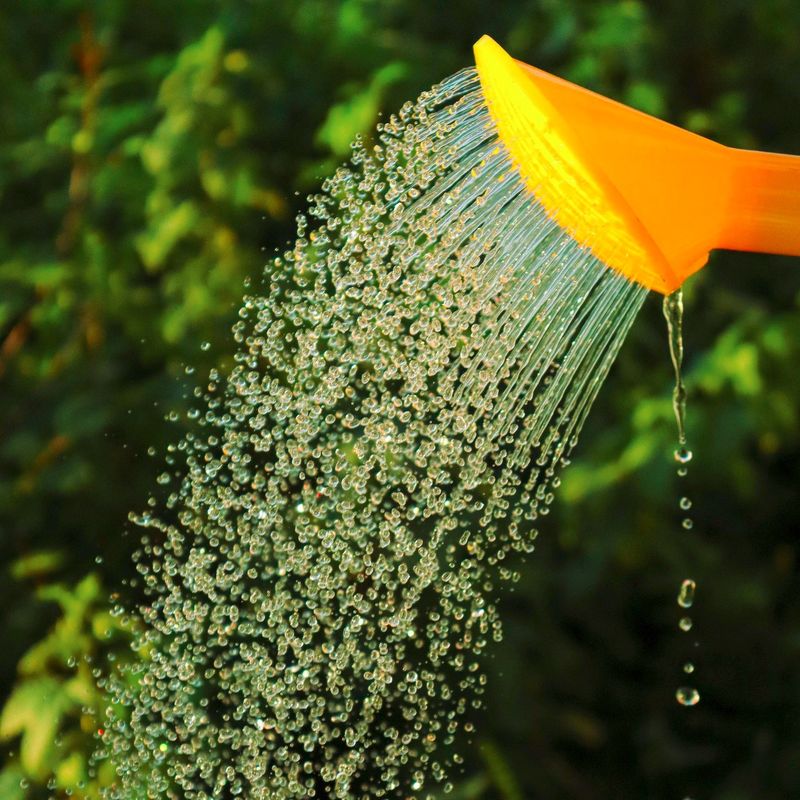
There is something almost magical about a garden at sunrise, and it turns out that early morning is also the single best time to run your irrigation during a humid Michigan summer.
Any moisture that lands on foliage during morning watering has hours of daylight ahead to evaporate naturally.
That window of drying time is genuinely valuable when humidity is already pushing conditions toward disease territory.
Michigan State University recommends morning watering specifically because it gives leaves a real chance to dry before nightfall.
When gardeners run sprinklers in the evening instead, foliage often stays damp from sunset straight through to the next morning.
Your Michigan Garden Changes Every Week. Your Plan Should Too.
Gardening in Michigan changes quickly throughout the season. Every Friday you’ll receive a simple weekly plan showing exactly what to plant, prune, fertilize, harvest, and protect so you never miss the right timing.
Combine that with overnight humidity and cooler temperatures, and you have a recipe for prolonged leaf wetness that many plant pathogens absolutely love.
Early morning watering also tends to be more efficient for the plants themselves. Temperatures are cooler, evaporation rates from the soil are lower, and roots can take up moisture steadily before the midday heat kicks in.
Your water goes further, your plants absorb more of it, and your foliage stays drier through the critical evening and nighttime hours.
If your schedule makes early morning tough, aim for no later than mid-morning so there is still meaningful drying time before dusk.
Gardeners using overhead sprinklers should prioritize this timing adjustment more urgently than those using drip systems, since sprinklers wet foliage directly.
Shifting your watering window by just a few hours can meaningfully reduce disease pressure throughout the growing season.
3. Check The Soil Before Adding More Water
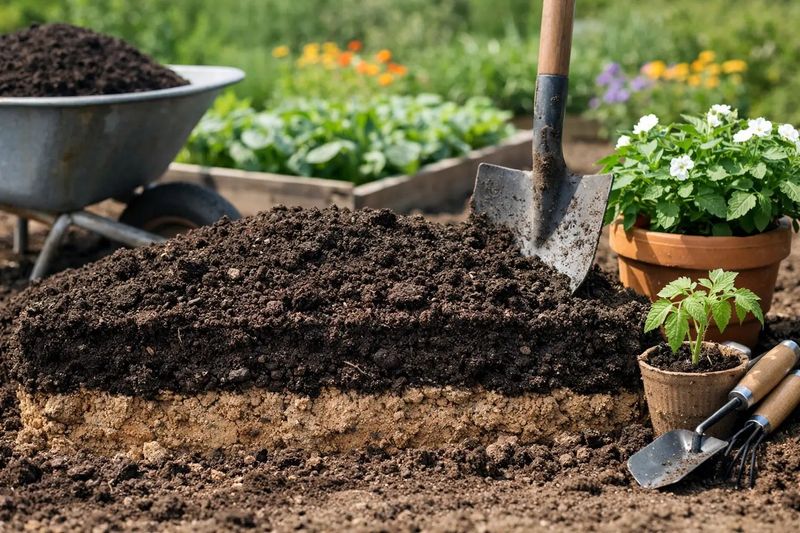
Humid air has a sneaky way of making gardeners feel like everything outside is already soaked. The air feels thick and wet, so it seems logical to skip watering.
But humid air and moist soil are two completely different things, and your plants only care about what is happening a few inches underground where their roots actually live.
Before reaching for the hose, push a finger or a small garden trowel a few inches into the soil near the root zone of your plants. If the soil feels moist and cool at that depth, you can hold off.
If it feels dry or barely damp, your plants are ready for a drink regardless of how muggy the air feels overhead. This simple check takes about thirty seconds and saves you from both underwatering and overwatering in one move.
Unnecessary irrigation is a bigger problem during humid spells than many gardeners realize. Keeping soil consistently saturated extends the moist, disease-friendly conditions that blight pathogens prefer.
Wet soil also means more water splashing onto lower leaves during rain events, which can spread soilborne pathogens upward through the plant canopy.
When the soil does need water, water deeply rather than giving plants a light sprinkle every day. A thorough soak encourages roots to grow deeper into the soil profile, making plants more resilient overall.
Shallow, frequent watering keeps the top layer constantly damp without truly satisfying root needs. Deeper watering done less often is a much smarter strategy during sticky Michigan summers, and your plants will visibly reward you for it.
4. Avoid Evening Sprinklers During Muggy Weather
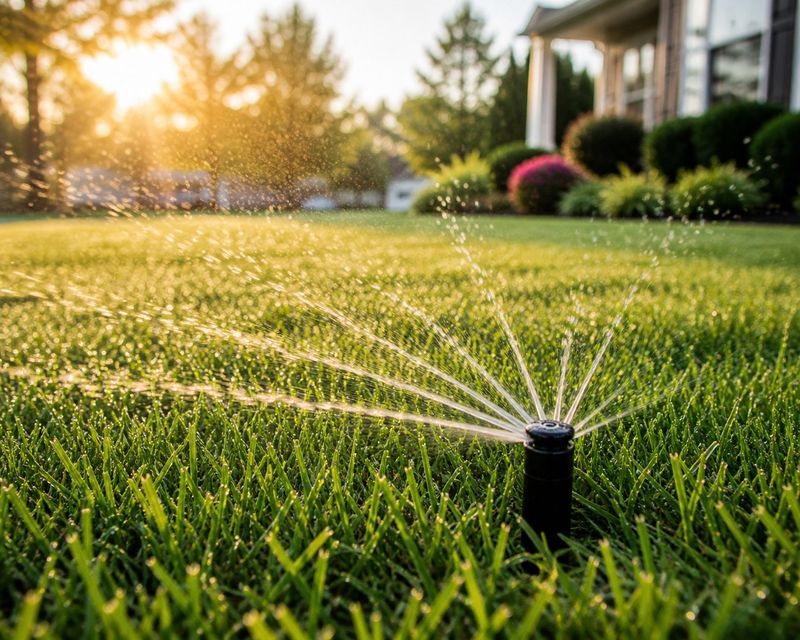
Running your sprinklers near sunset during a muggy Michigan evening might feel convenient, but it sets up some genuinely unfavorable conditions for your plants.
As the sun goes down, temperatures drop and the air holds onto whatever humidity it already has.
Any moisture sitting on foliage at that point has almost no chance of drying before morning arrives.
Michigan State University specifically points to late-day and evening watering as a contributing factor in tomato foliage staying wet overnight.
Wet leaves through an entire night, combined with already-high humidity, creates exactly the extended leaf wetness that diseases like early blight, late blight, and Septoria leaf spot need to take hold.
Once those diseases establish a foothold, managing them becomes a much bigger challenge than preventing them in the first place.
The problem with evening sprinklers is not just the water itself. Sprinklers wet every surface they reach, including the undersides of leaves where many fungal spores prefer to germinate.
Lower leaves and inner foliage that are already shaded and slower to dry face even greater risk when wet conditions extend through the night. Switching your sprinkler schedule to early morning is the most straightforward fix.
If that is not possible due to water restrictions or scheduling, consider transitioning to drip irrigation or soaker hoses, which avoid wetting foliage entirely regardless of what time you run them.
Making this one adjustment during Michigan’s most humid weeks can protect your garden more effectively than almost any other single change you make to your watering routine this season.
5. Add Mulch To Reduce Soil Splash
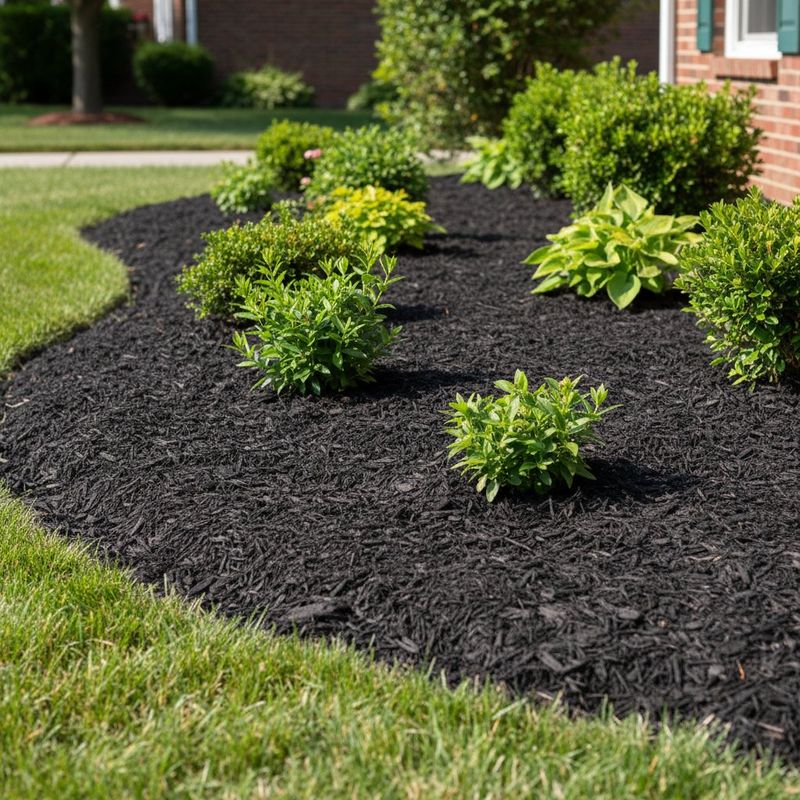
Mulch might not be the first thing that comes to mind when thinking about disease prevention, but it plays a surprisingly important role in keeping your garden healthier during wet and humid conditions.
A good layer of organic mulch acts as a physical barrier between the soil and the air above it, and that barrier matters more than most gardeners realize.
When rain falls or sprinklers run, water hitting bare soil splashes tiny droplets upward onto lower leaves. Those droplets can carry soilborne pathogens right up into the plant canopy.
Septoria leaf spot on tomatoes is a classic example of a disease that spreads this way, typically showing up first on the lowest leaves of the plant before working its way upward through the season.
Straw, shredded leaves, and wood chip mulch all work well around vegetable plants and flowers. Spread a two to three inch layer around each plant, keeping the mulch pulled back slightly from direct contact with stems to allow for airflow at the base.
Mulch that presses against stems can trap moisture and create its own problems, so a small gap around each plant is worth maintaining.
Beyond disease protection, mulch conserves soil moisture by slowing evaporation, which means you need to water less frequently overall. That reduction in watering frequency is another way mulch indirectly reduces disease pressure.
Fewer irrigation events mean fewer opportunities for soil splash and less time spent with foliage near wet conditions.
Mulching your garden is genuinely one of the most rewarding and low-effort investments you can make during a long humid Michigan summer.
6. Give Crowded Plants More Air Movement
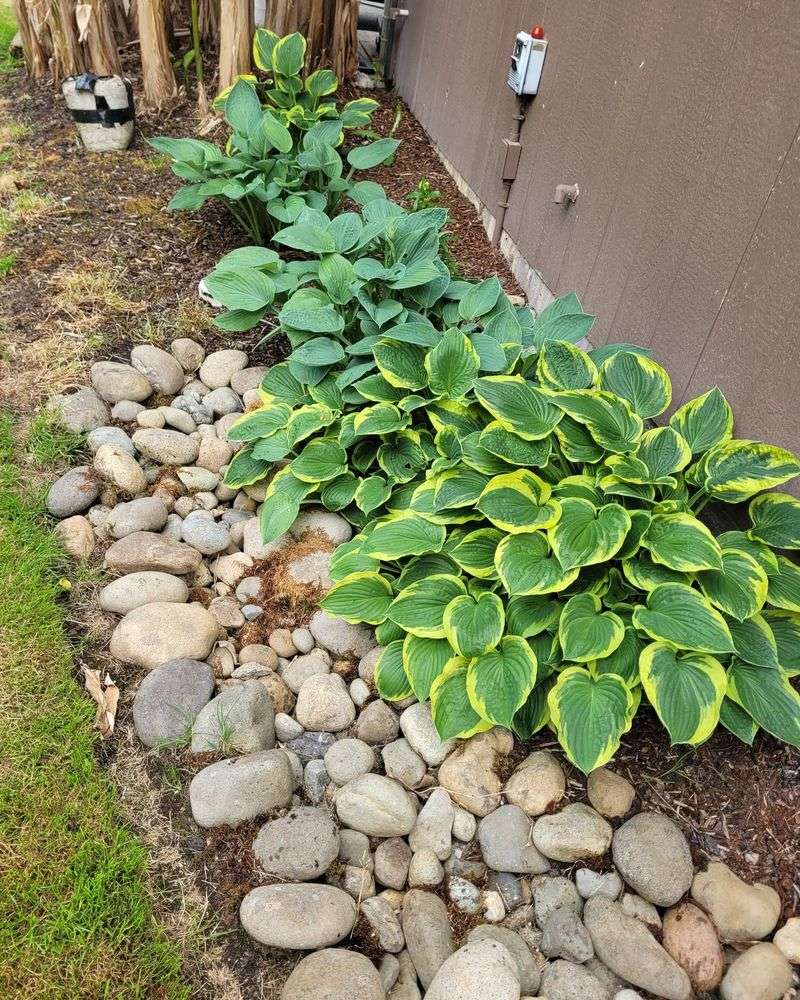
Even the best watering habits can only do so much if your plants are packed together so tightly that air barely moves through them. Good airflow is one of the most underrated factors in keeping foliage dry and disease-free during a humid Michigan summer.
When plants grow close together, moisture lingers between leaves far longer than it would in a more open planting.
Walk through your garden during a warm, muggy day and take an honest look at how crowded things have become. Tomatoes that started the season with plenty of space between them can turn into a dense jungle by August.
Staking or caging sprawling plants so they grow more upright immediately opens up the canopy and lets air flow through more freely.
Weeds growing in and around garden plants make the crowding problem even worse, so keeping those under control is part of the same solution.
Removing a few lower leaves from tomatoes and other tall plants is a common and reasonable practice to improve airflow near the soil surface.
Focus on leaves that are already yellowing, touching the soil, or buried deep inside the canopy where they never see sunlight.
Avoid aggressive pruning that suddenly exposes fruit clusters to intense summer sun, since sunscald is a real concern during Michigan’s hotter August days.
The goal here is better air circulation, not stripping plants down to bare stems. A well-supported, moderately pruned plant with clear spacing around it dries out much faster after rain or irrigation than a dense, sprawling one.
That faster drying time is exactly what reduces disease pressure when humidity is running high week after week.
7. Watch Lower Leaves For The First Disease Symptoms
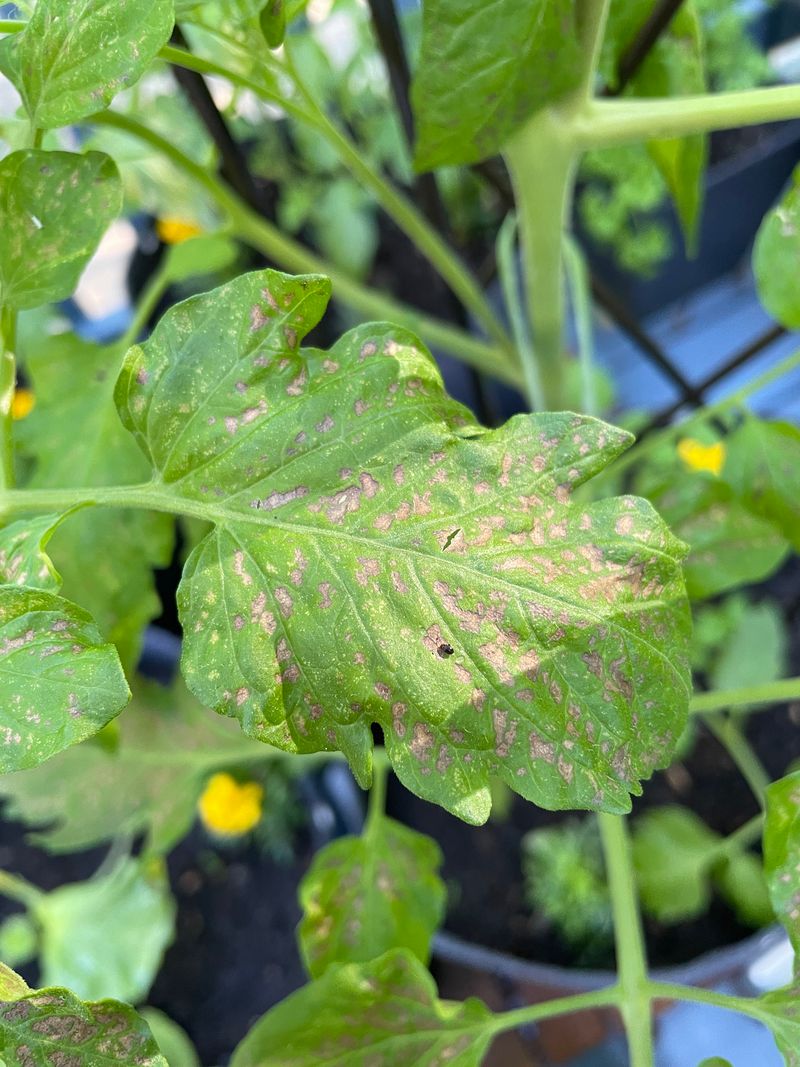
Your garden gives you clues before problems get out of hand, and knowing where to look makes all the difference. During warm, humid Michigan weather, the lower and inner leaves of tomato plants are often the first place disease symptoms appear.
Making it a habit to check those areas every few days puts you ahead of any developing problem before it spreads upward through the plant.
Watch for expanding brown spots with yellow rings around them, dark water-soaked patches that seem to spread quickly, or general yellowing that starts at the leaf edges and moves inward.
Early blight tends to show up as dark spots with concentric rings, while Septoria leaf spot produces smaller, more numerous spots with dark borders and lighter centers.
Late blight, which is more aggressive, can spread with alarming speed and often shows grayish or brownish patches that look almost water-logged.
Identifying the specific problem before reaching for any treatment is genuinely important. Early blight, late blight, Septoria leaf spot, and bacterial diseases all look somewhat similar at first glance but respond to different management strategies.
Spraying the wrong product wastes time and money, and some treatments can actually stress plants if applied incorrectly.
Taking a clear photo and comparing it to reliable extension resources from Michigan State University is a great starting point for accurate identification.
Humid conditions and prolonged leaf wetness increase disease pressure considerably, so more frequent scouting during muggy weeks is time very well spent.
Catching symptoms early, removing affected leaves carefully, and adjusting watering practices together give your garden the best realistic chance of staying productive through the rest of the season.
8. Keep Watering Consistent Without Keeping The Garden Constantly Wet
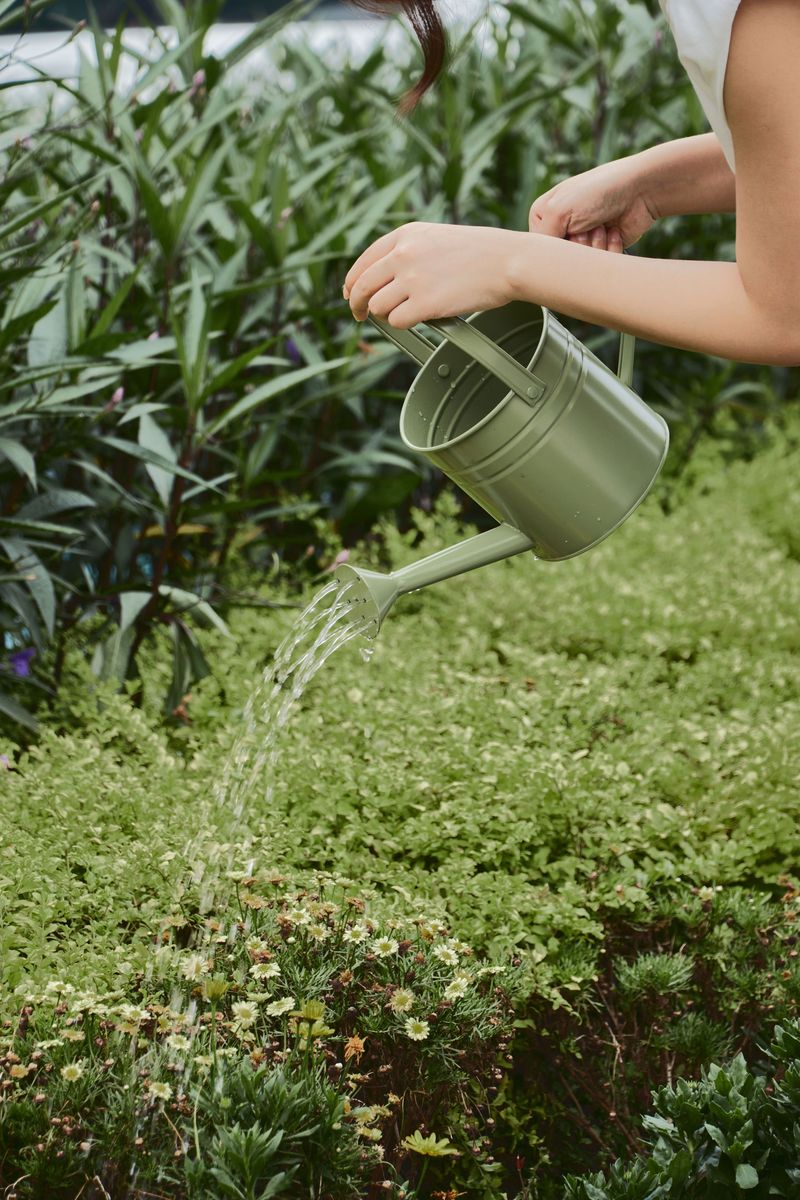
Pulling back on watering completely during a humid spell might seem like a logical move, but plants still need consistent moisture at their roots to stay healthy and productive.
August heat in Michigan is real, and plants loaded with developing fruit have significant water demands even when the air feels heavy and damp.
The goal is smart, targeted watering rather than no watering at all. Tomatoes are particularly sensitive to irregular water availability.
Inconsistent soil moisture during fruit development can lead to problems like blossom end rot and fruit cracking, both of which are frustrating to deal with after a season of careful work.
Keeping soil moisture reasonably steady at the root zone, neither bone dry nor waterlogged, helps tomatoes and other vegetables develop properly without added stress.
Combining a few of the strategies already covered here creates a genuinely effective overall approach.
Check soil moisture before watering, water deeply at the root zone rather than lightly and often, run irrigation in the early morning hours, use drip lines or soaker hoses whenever possible, and keep a layer of mulch in place to slow evaporation between sessions.
Each of these steps supports the others and reduces disease risk without sacrificing plant health.
Foliage that stays as dry as possible, roots that receive steady and adequate moisture, and soil that is never kept constantly saturated form the foundation of a resilient Michigan garden during humid summer weather.
Smart watering removes one of the biggest contributors to prolonged leaf wetness, and that single factor can genuinely change how your garden performs from mid-summer all the way through harvest time.