The August Task That Separates Oregon Gardens That Thrive In Fall From Those That Don’t
August can make an Oregon garden feel like it has plenty of time left.
Tomatoes are still ripening. Squash vines are still running. Beans may still be climbing, and the soil can feel warm enough to convince anyone that fall is far away. Then the calendar quietly starts winning.
Days shorten.
Cooler nights begin creeping in. Seeds that would have jumped in warm soil start moving more slowly. Young transplants lose the long daylight hours they need to build strong leaves and roots before cold weather arrives.
That is where successful fall gardens separate themselves from disappointing ones.
The best fall harvests are not created after the weather finally feels crisp. They are built in August, while summer still has enough strength to push seeds into growth and settle young plants before the season turns.
So what is the August task Oregon gardeners should never ignore?
Get fall crops sown and transplanted on time, then protect those young plants from heat, dry soil, pests, and the shrinking daylight that arrives faster than it seems.
Plant The Fall Garden Now
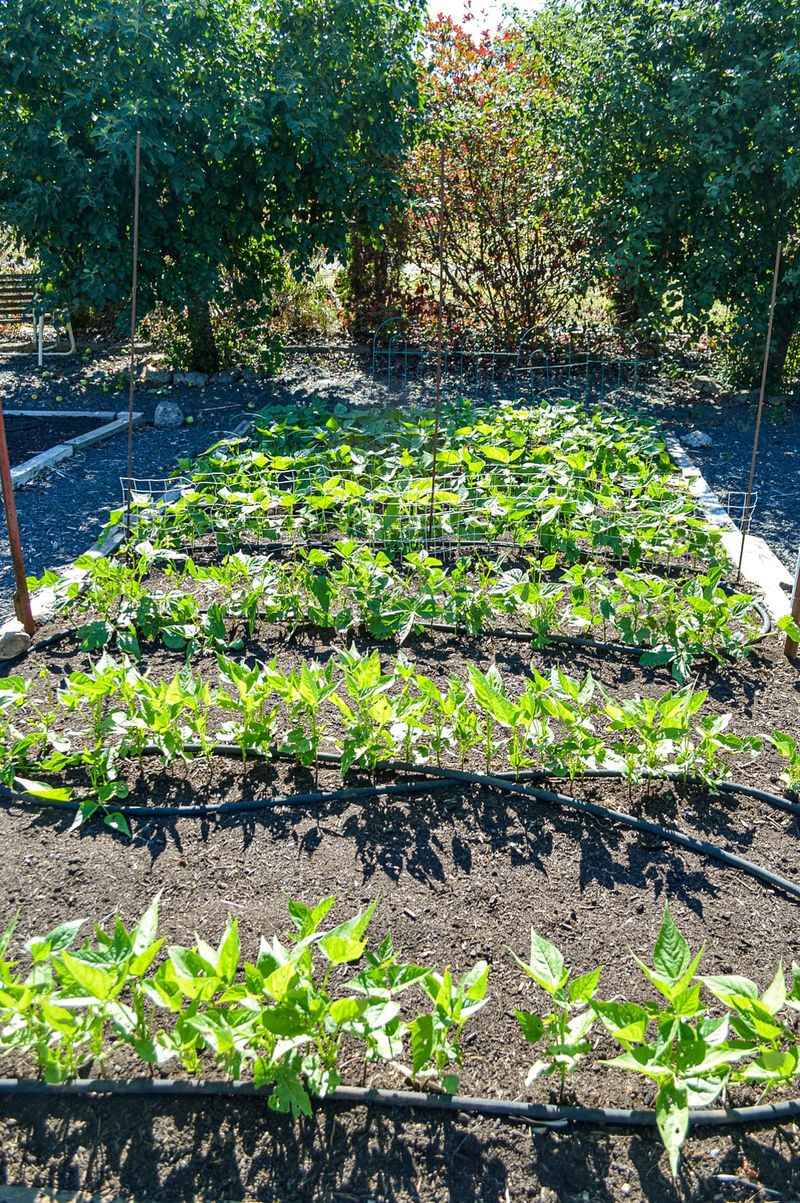
August is planting time for fall crops.
That feels strange because the garden still looks like summer. Warm-season crops may still be producing, and the weather may not feel cool enough for lettuce, kale, beets, or broccoli. The calendar, though, says something different.
Warm soil is an advantage. Seeds often germinate faster in late-summer soil than they do in chilly autumn beds.
Waiting for cool weather costs growing time. By the time the air feels like fall, young crops may not have enough daylight left to size up well.
Day length matters as much as temperature. Plants rely on those longer August days to build leaves, stems, and roots before growth slows.
Fall crops need a running start. A seedling that is small in October may sit through cool weather without making much progress.
Start with what can still mature. Fast greens, roots, and sturdy brassica transplants all belong in the August plan.
Regional timing matters. Coastal gardens, valley gardens, high-elevation sites, and central Oregon beds do not share the same frost pattern.
Do not plant by mood. Plant by the first frost date, days to maturity, and the extra time fall crops need as light fades.
Use summer warmth carefully. Heat helps germination only when moisture stays steady.
August is not too early.
For many Oregon fall crops, it is the difference between a real harvest and a row that barely gets started.
Count Back From First Frost
The seed packet number is only the starting point.
A crop listed at 50 days to maturity may need longer when planted for fall. Shorter days, cooler nights, and slower growth all stretch the timeline as the season moves along.
Start with your local average first frost date. That date gives you the anchor for the entire fall planting plan.
Then read the packet. Find the listed days to maturity for the exact variety you plan to grow.
Your Oregon Garden Changes Every Week. Your Plan Should Too.
Gardening in Oregon changes quickly throughout the season. Every Friday you’ll receive a simple weekly plan showing exactly what to plant, prune, fertilize, harvest, and protect so you never miss the right timing.
Add a fall buffer. One to two extra weeks gives the crop more realistic time to finish as daylight shrinks.
Prioritize slower crops first. Broccoli, cabbage, carrots, and beets need more time than arugula or radishes.
Cold tolerance changes the math. Kale, spinach, and arugula can handle light frost better than tender lettuce.
Hard freezes are different. Some crops keep going after a chilly night, while others need protection once deeper cold arrives.
Oregon regions vary sharply. A gardener in Bend may face frost far earlier than someone near the coast.
Microclimates matter too. A raised bed near a south-facing wall may stay warmer than a low bed where cold air settles.
Write the dates down. A simple planting calendar prevents last-minute guessing when seed packets start piling up.
The goal is not perfect prediction.
It is giving each crop enough time to become harvestable before Oregon’s fall slowdown begins.
Clear Summer Crops In Stages
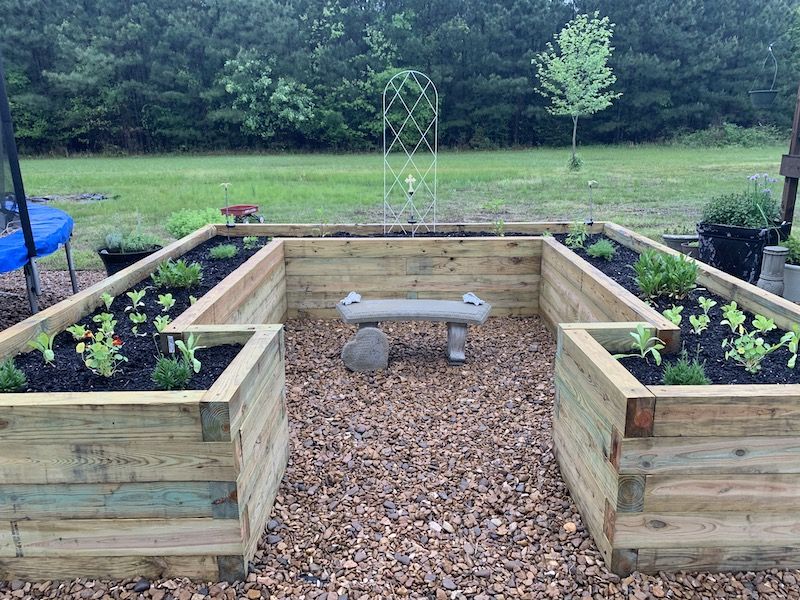
You do not need to clear the whole garden at once.
A staged cleanup is smarter. Some summer crops still deserve their space, while others are finished enough to make room for fall planting right now.
Walk the garden with honest eyes. A tomato plant full of ripening fruit can stay.
A tired cucumber vine that stopped producing can go. A zucchini plant with more mildew than new growth may be ready to leave.
Spent beans are easy targets. Once production fades, pull the plants and open the row for greens or roots.
Bolted herbs can move out too. Some may be left for pollinators, but not every exhausted plant needs to hold prime bed space.
Remove diseased debris carefully. Mildewed, blighted, or spotted plant material should not be worked back into the bed.
Healthy debris can be composted. Diseased material belongs in yard waste or another safe disposal route.
Keep soil covered. Bare beds invite weeds, drying, and crusting during late-summer weather.
Plant immediately after clearing. The faster a fall crop follows a summer crop, the better the garden uses the season.
Think of the garden as a relay. One crop finishes, and the next one takes the lane.
This staged approach saves harvests on both ends.
Summer crops keep producing where they still can, while fall crops gain the time they desperately need.
Start With Fast Greens
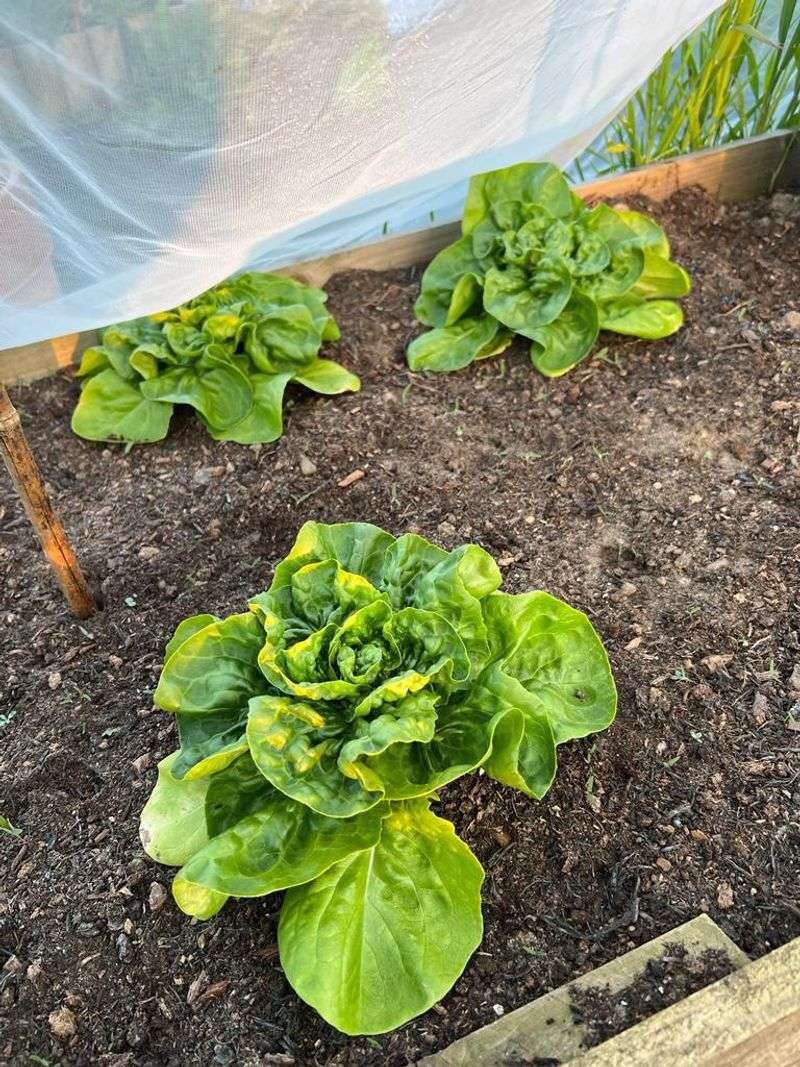
Fast greens are the quickest fall win.
Arugula, mustard greens, loose-leaf lettuce, spinach, and baby kale can move from seed to harvest quickly when August soil stays moist. They are ideal for small spaces that open after summer crops fade.
Baby-leaf harvests are powerful. You do not need to wait for full heads or large plants.
Cut leaves when they reach a usable size. Three to four inches is often enough for salads, bowls, and quick kitchen harvests.
Let plants regrow when possible. Many loose greens can provide more than one cutting.
Sow short rows. A small planting every ten to fourteen days keeps harvests steadier than one large sowing.
Heat can challenge germination. Lettuce in particular may struggle when soil gets too warm.
Use temporary shade. Light shade cloth, a board checked daily, or a breathable cover can keep the seed zone cooler.
Keep the top inch moist. Tiny seeds cannot handle repeated drying during germination.
Remove covers after sprouting. Seedlings need light and airflow once they break the surface.
Choose quick varieties. Fall greens should match the weeks left in your specific Oregon region.
Fast greens make the garden feel productive again.
They fill gaps quickly and keep fresh harvests coming while slower fall crops build strength.
Sow Roots Before Days Shorten
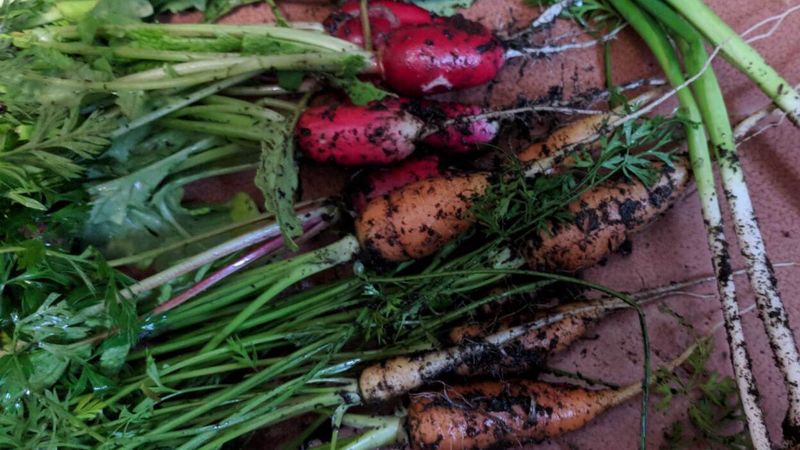
Root crops need more time than they look like they need.
Carrots, beets, turnips, and radishes all grow below the surface, but their clocks are very different. Sowing them late can leave you with tiny roots just as the season slows.
Carrots need the earliest attention. Many varieties require several weeks to reach full size, especially once fall light declines.
Beets need time too. They can be harvested young, but full roots require a steady stretch of growth.
Radishes are faster. They are useful for gardeners who missed the earlier root-crop window.
Turnips land in the middle. Many tolerate light frost and can produce both roots and greens.
Direct sow roots. Transplanting usually disturbs the developing taproot and leads to poor shape.
Prepare the soil first. Rocks, clods, and compacted layers can bend carrots and restrict beets.
Loosen the top several inches well. Carrots need a clear path downward.
Sow shallowly and carefully. Small seeds need fine soil cover, not heavy chunks.
Thin early. Crowded roots stay narrow, twisted, or undersized.
Keep moisture steady during germination. A dry surface can stop a row before seedlings appear.
Root crops reward August discipline.
A little urgency now can become sweet carrots, tender beets, crisp radishes, and sturdy turnips later.
Transplant Brassicas Near Sunset
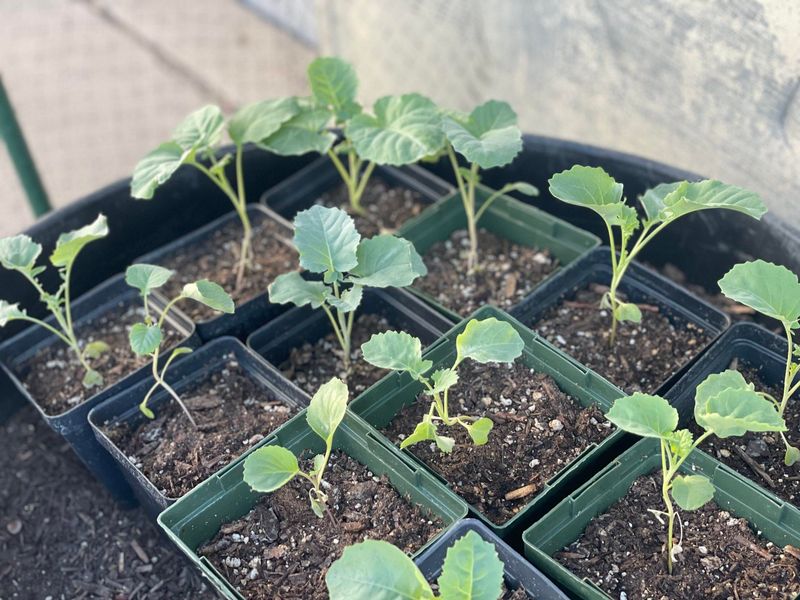
Brassica transplants need a gentle landing.
Broccoli, cabbage, cauliflower, kale, collards, and kohlrabi can all struggle when moved into hot soil under strong afternoon sun. Evening planting gives them several cooler hours to settle before the next day’s heat.
Water transplants before planting. A moist root ball slips from the container more easily and handles the move better.
Do not break the root ball apart. Fall crops do not have weeks to recover from rough handling.
Plant at the correct depth. Crowns should sit at soil level, not buried too deep or perched above the bed.
Firm the soil gently. Good root contact helps the transplant pull moisture from its new home.
Water immediately. A slow soak settles soil around the roots and reduces air pockets.
Give enough spacing. Crowded brassicas compete for nutrients, airflow, and room to form heads.
Broccoli needs room. Cabbage and cauliflower need even more, depending on variety.
Use compost thoughtfully. A finished compost layer can support soil health without overwhelming young roots.
Protect from afternoon sun at first. A few days of light shade can reduce transplant shock.
Watch closely for the first week. Wilting, pale leaves, or stalled growth means the plant needs attention fast.
Strong brassicas start with calm transplanting.
A sunset planting and steady moisture can help them turn August heat into a fall harvest.
Shade New Seedlings Briefly
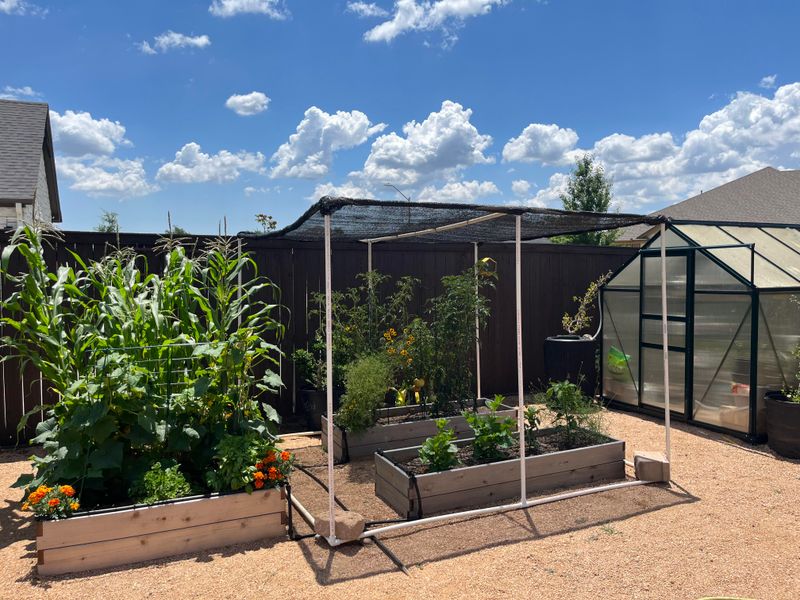
August seedlings often need temporary relief.
The same warm soil that helps seeds sprout can become stressful under hot afternoon sun. Tender new leaves have little root support, and a harsh heat spell can set them back quickly.
Use light shade, not deep shade. The goal is filtered brightness that cools the bed without weakening growth.
Thirty to forty percent shade cloth works well for many vegetable seedlings. Heavier shade can make plants stretch.
Use low hoops or stakes. Fabric resting directly on seedlings can trap heat and press leaves down.
Keep airflow moving. A few inches of space beneath the cover makes a big difference.
Secure the edges. Oregon summer winds can lift loose cloth and expose seedlings at the worst time.
Check daily. Seedlings grow fast, and covers should not stay longer than needed.
Remove shade gradually. Start by taking it off in the evening or during cooler parts of the day.
Watch for scorch. Pale, papery patches on young leaves mean the sun was too intense too soon.
Return shade during heat spikes. Temporary protection is a tool, not a permanent roof.
Seedlings need help crossing the August gap.
A little shade for a few days can protect them until roots begin doing more of the work.