The Hydrangea Mistake Massachusetts Gardeners Keep Making In August
August in Massachusetts turns hydrangea beds into something out of a postcard. Blooms spill over fences, neighbors slow their cars to look twice, and gardeners feel like they finally nailed it this year.
But there’s a quiet trap hiding inside all that beauty. A single habit many gardeners reach for right now, almost on autopilot, can undo months of growth without any warning signs today.
The damage doesn’t show up until next summer, when buds that should be bursting with color simply never appear. By then, it’s too late to undo what happened back in August.
Pruning Hydrangeas Too Late In August

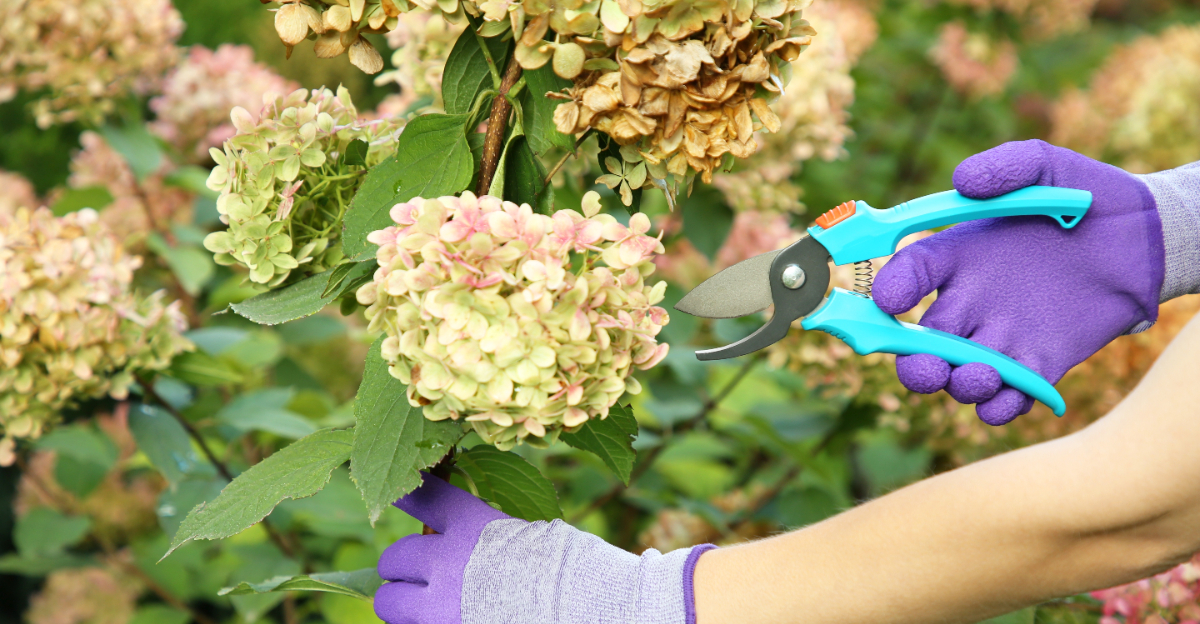
Stop right there before you grab those shears. August feels like the perfect time to tidy up your hydrangeas, but it is actually one of the worst moments to cut them back.
Most hydrangeas popular in New England, especially bigleaf and oakleaf varieties, set their buds for next year during late summer. When you prune in August, you are not trimming bare wood. You are cutting off the very buds that will become next year’s blooms.
Gardeners often mistake this for routine maintenance. The shrub looks a little wild, the flowers are fading, and the instinct is to clean things up. That instinct, while understandable, leads to a flowerless summer ahead.
Timing is everything with hydrangeas. Pruning too late in August removes growth that the plant spent months preparing. The window for safe pruning on old-wood bloomers closes much earlier than most people expect.
New England’s shorter growing season makes this even trickier. Plants here begin setting buds earlier than in warmer states. What works for a gardener in Virginia can backfire badly for someone in Worcester or Cape Cod.
Once you understand that August pruning equals bud removal, the temptation to cut fades fast. Your hydrangeas will reward your patience with a spectacular display next June and July.
The Science Behind The Bud Damage
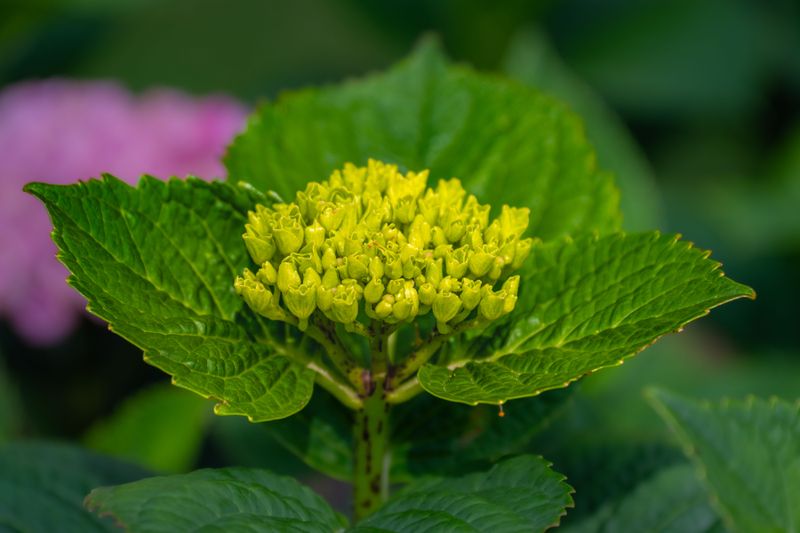
Old-wood hydrangeas, like many bigleaf and oakleaf varieties, store next year’s flower buds on stems that grew this season.
By August, those buds are already forming underneath the surface of each stem tip. They are tiny, invisible to most eyes, but very much alive. One snip removes them for good.
The plant cannot regenerate those buds before winter arrives. Once they are gone, they are gone until the following growing cycle produces new stems. That means a full year with no blooms from those branches.
Think of the stem like a savings account. All summer, the plant deposits energy into bud development. Pruning in August is like withdrawing every dollar the week before a big purchase.
Temperature also plays a role here. As August nights cool in New England, hydrangeas begin slowing their growth. The plant shifts its focus from producing new growth to protecting what it already has.
Cutting during this transition disrupts a carefully timed biological process. The shrub cannot simply restart bud production when temperatures are dropping and daylight is shrinking. The damage is quiet but lasting.
Your Massachusetts Garden Changes Every Week. Your Plan Should Too.
Gardening in Massachusetts changes quickly throughout the season. Every Friday you’ll receive a simple weekly plan showing exactly what to plant, prune, fertilize, harvest, and protect so you never miss the right timing.
Understanding this process changes how you see your Massachusetts garden in late summer. Those stems are not just decoration. They are next year’s flowers waiting patiently for spring, and they deserve to be left alone through August and beyond.
The Impact On Next Year’s Bloom
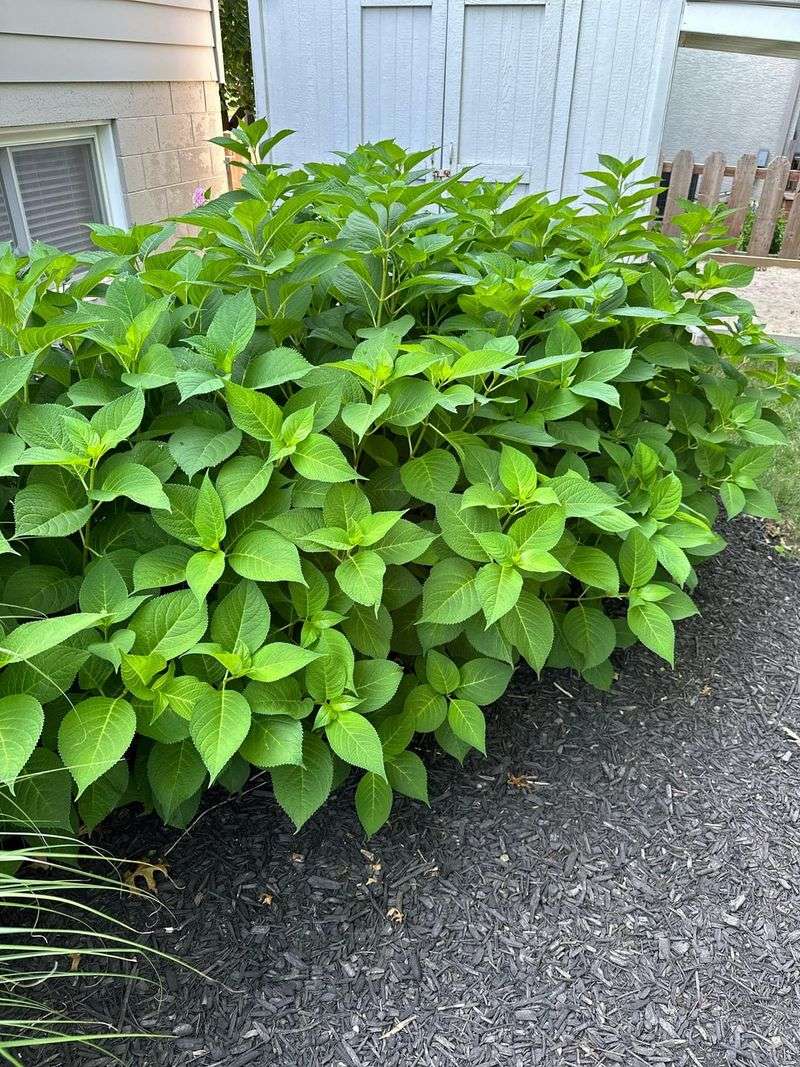
Picture this: it is June next year, your neighbors’ hydrangeas are bursting with color, and yours are standing there with barely a bloom in sight. That is the real cost of August pruning.
When buds are removed in late summer, the affected stems simply produce leaves the following season. They look healthy enough, but they carry no flowers. The plant is not sick, just robbed of its potential.
Depending on how much you pruned, the impact can range from noticeably fewer blooms to almost none at all. Heavy pruning in August can set a plant back by an entire season.
For Massachusetts gardeners who rely on hydrangeas as the centerpiece of a front yard or garden bed, this is a serious setback. These shrubs are slow to recover their full flowering capacity after a major late-season cut.
New-wood bloomers like Limelight or Smooth hydrangea varieties are a bit more forgiving. They develop buds on fresh growth each spring, so late pruning hurts them less. However, old-wood varieties suffer significantly.
Most Massachusetts gardeners grow a mix of both types without always knowing which is which. That uncertainty makes August pruning even riskier, since one wrong cut can mean a disappointing summer ahead.
The bloom loss is frustrating, but it is also fixable going forward. Adjusting your pruning schedule now protects next year’s display and keeps your hydrangeas performing at their absolute best.
Signs Your Hydrangea Was Cut Too Late
Not sure if last August’s pruning caused the problem? Your hydrangea will actually tell you, if you know what to look for. The signs show up clearly by early summer.
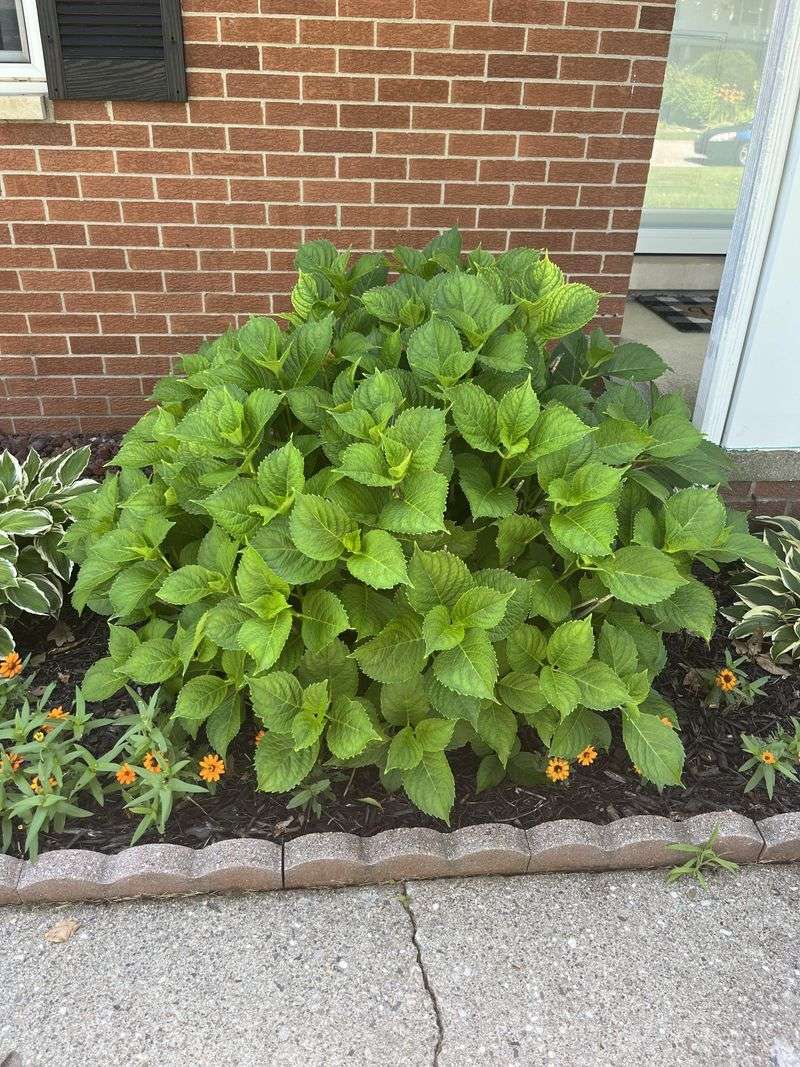
The most obvious clue is a shrub full of healthy green leaves but almost no flowers. The plant looks alive and growing, but something is clearly missing from the picture.
You might also notice that only certain branches are blooming. Those are likely stems that escaped the shears. Branches that were cut back in August will be the leafy, flowerless ones.
Another sign is when a hydrangea that bloomed beautifully for years suddenly underperforms without any obvious reason like drought or disease. A pruning misstep from the previous season is often the culprit hiding in plain sight.
Check the stem tips of non-blooming branches in early spring. If no buds are swelling there by April or May, those stems were likely stripped of their buds the previous summer. They will not produce flowers that year.
Some Massachusetts gardeners blame the weather or the soil when they see these results. Frost damage can cause similar symptoms, but frost typically affects the whole plant rather than select branches. Selective flowerlessness usually points to pruning.
Spotting these signs early helps you plan your response. Once you identify the cause, you can avoid repeating the mistake and give your hydrangeas the best possible chance to bounce back strong.
Hydrangea Care Tips For This Month
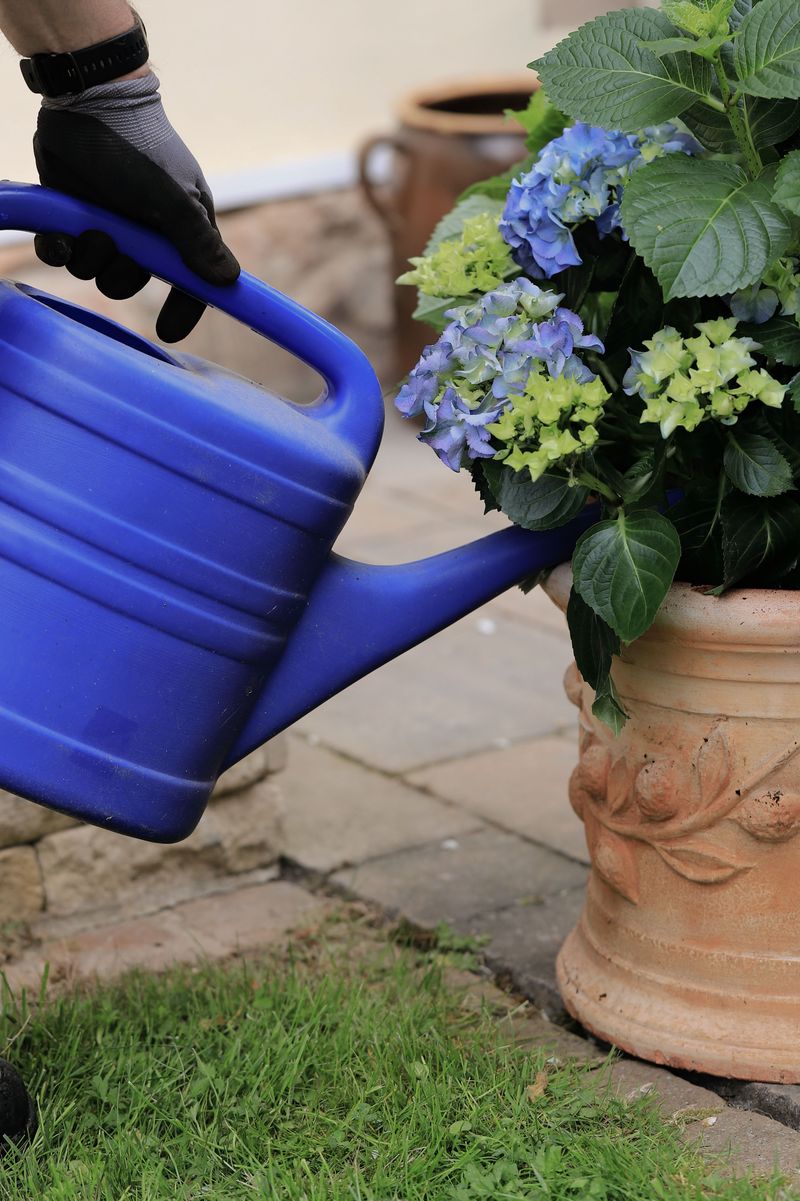
August does not have to be a hands-off month in the garden. There are plenty of ways to care for your hydrangeas right now without touching the stems that carry next year’s buds.
Removing spent flower heads keeps the plant looking tidy without disturbing any bud-bearing stems. Snip just below the old flower cluster and stop there.
Watering deeply once or twice a week is one of the most helpful things you can do in August. New England summers can get surprisingly dry, and hydrangeas are thirsty plants that show stress quickly.
Mulching around the base of the shrub helps retain moisture and keeps roots cool during late-summer heat. A two-to-three inch layer of wood chips or bark works well and looks polished in any garden bed.
If you want to feed your plant, use a low-nitrogen fertilizer now. High nitrogen in late summer pushes leafy growth rather than bud development, which is the opposite of what you want heading into fall.
Watch for pests like Japanese beetles or aphids, which can stress the plant and slow bud development. A gentle spray of insecticidal soap handles most infestations without harsh chemicals.
Caring for your hydrangeas in August is about support, not surgery. Skip the shears, focus on hydration and health, and those buds will be ready to dazzle you come next summer.
Correcting The Mistake If Already Made
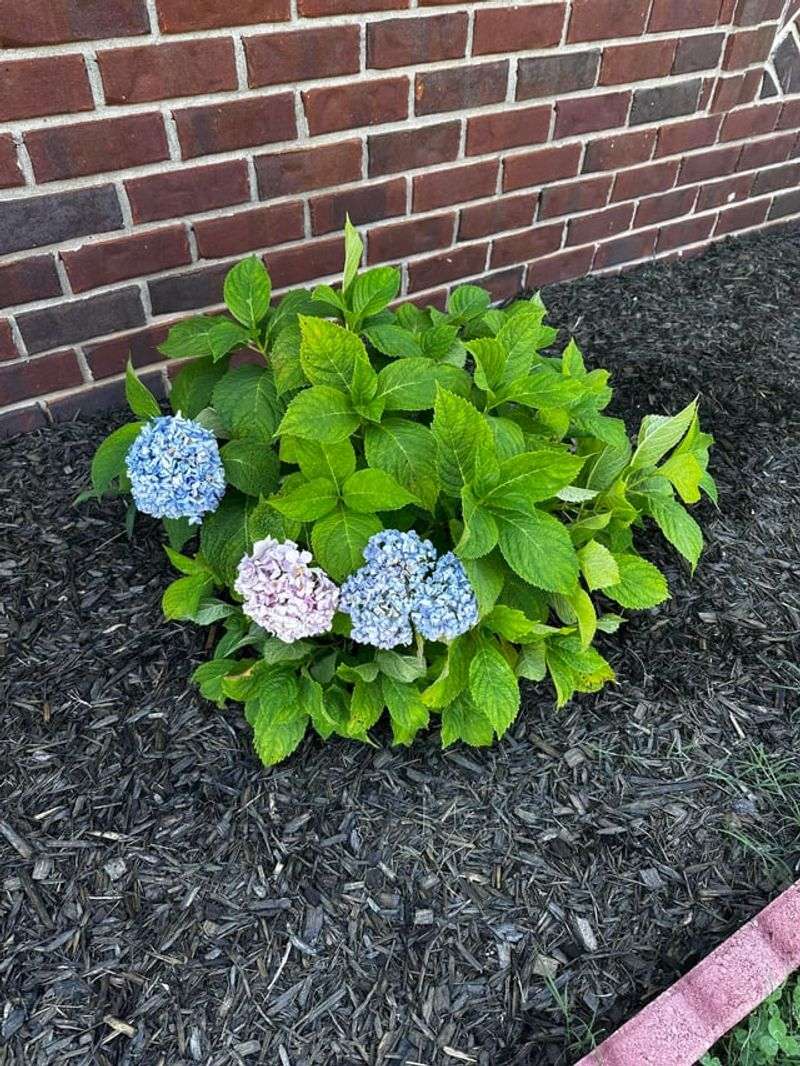
Already made the cut? Take a breath. Your hydrangea is not ruined forever, and there are real steps you can take right now to help it recover for next season.
First, stop pruning immediately. Every stem left on the plant is a potential bloom for next year. Protect what remains by putting the shears away until the correct pruning window opens.
Water the plant generously over the coming weeks. A stressed hydrangea that has lost buds needs strong root support to rebuild its energy reserves before the ground freezes.
Add a layer of mulch around the base to protect roots as temperatures drop in September and October. In Massachusetts, early cold snaps can arrive before you expect them, and mulch acts as insulation.
Avoid fertilizing with anything high in nitrogen at this point. Pushing new leafy growth this late in the season will not help the plant and may actually leave tender new shoots vulnerable to frost damage.
Be patient with your plant through the winter and into spring. Mark the affected branches with a small piece of ribbon so you can monitor them. If they show no bud activity by late May, they can be removed at that point without further harm.
Making this mistake with your hydrangeas in August is painful but fixable. With the right care now and smarter pruning habits going forward, your shrubs will return to their full, glorious bloom in the seasons ahead.